Set along Dominica's northwest coast on the Edward Oliver Leblanc Highway at Macoucherie, The Tamarind Tree Hotel & Restaurant positions itself within the island's small but growing stock of property-and-dining combinations that draw on the surrounding landscape rather than insulating guests from it. For travellers using Roseau as a base, it represents a coastal alternative to the capital's more urban options.
Pearl is the En Primeur Club membership app — saves, bookings, and concierge access live there. Same editors, same standards.
- Address
- Edward Oliver Leblanc Hwy, Macoucherie, Dominica
- Phone
- +1 767 616 5258
- Website
- tamarindtreedominica.com
- Directions
- Get directions
 Saves & bookings on Pearl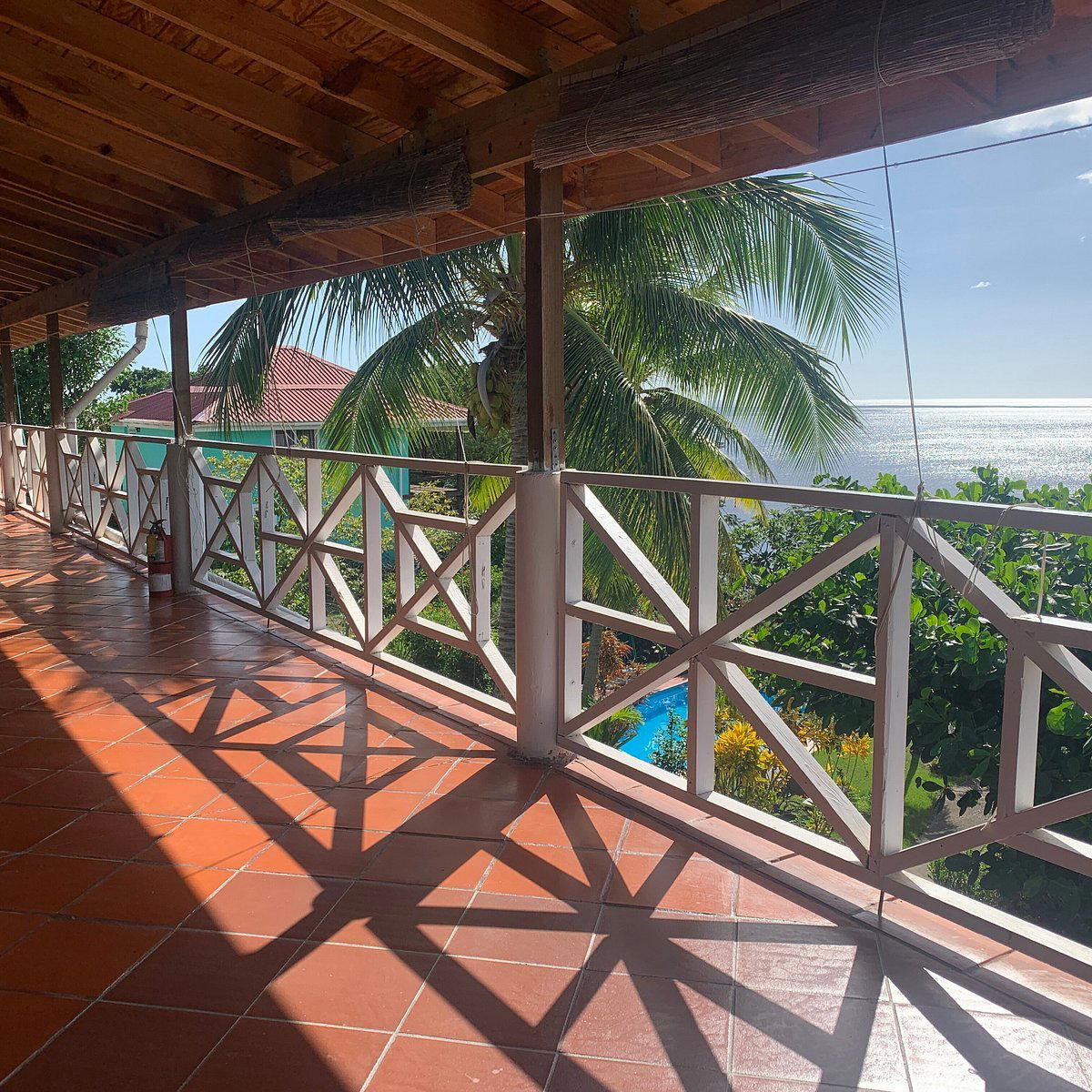
Where the Northwest Coast Shapes the Experience
Dominica's accommodation and dining scene has never followed the blueprint of neighbouring Caribbean islands. There are no casino-resort strips, no all-inclusive megaproperties colonising the beaches. Instead, the island's lodging stock is distributed across a coastline of volcanic rock, river valleys, and dense rainforest, with properties that tend to reflect their immediate geography more than any imposed brand aesthetic. The Tamarind Tree Hotel & Restaurant, situated on the Edward Oliver Leblanc Highway at Macoucherie on the island's northwest coast, fits squarely into that pattern. Its address alone signals something: Macoucherie is a village leading known to locals for the Shillingford Estate rum distillery, one of the oldest rum-producing operations in the Eastern Caribbean. Arriving here, you are already outside the orbit of Roseau's government buildings and waterfront commerce, in a stretch of coast that moves at a slower pace.
The northwest corridor between Roseau and Portsmouth has historically been the most travelled inland route on the island, and the highway that gives the property its address reflects that history. Properties along this stretch occupy a different position from the east-coast eco-resorts like Rosalie Bay Eco Resort & Spa in Rosalie or the remote southern retreats like Jungle Bay Dominica in Delices. The northwest is more accessible, which shapes the guest profile and the expectations around both accommodation and food.
The Physical Setting as Design Statement
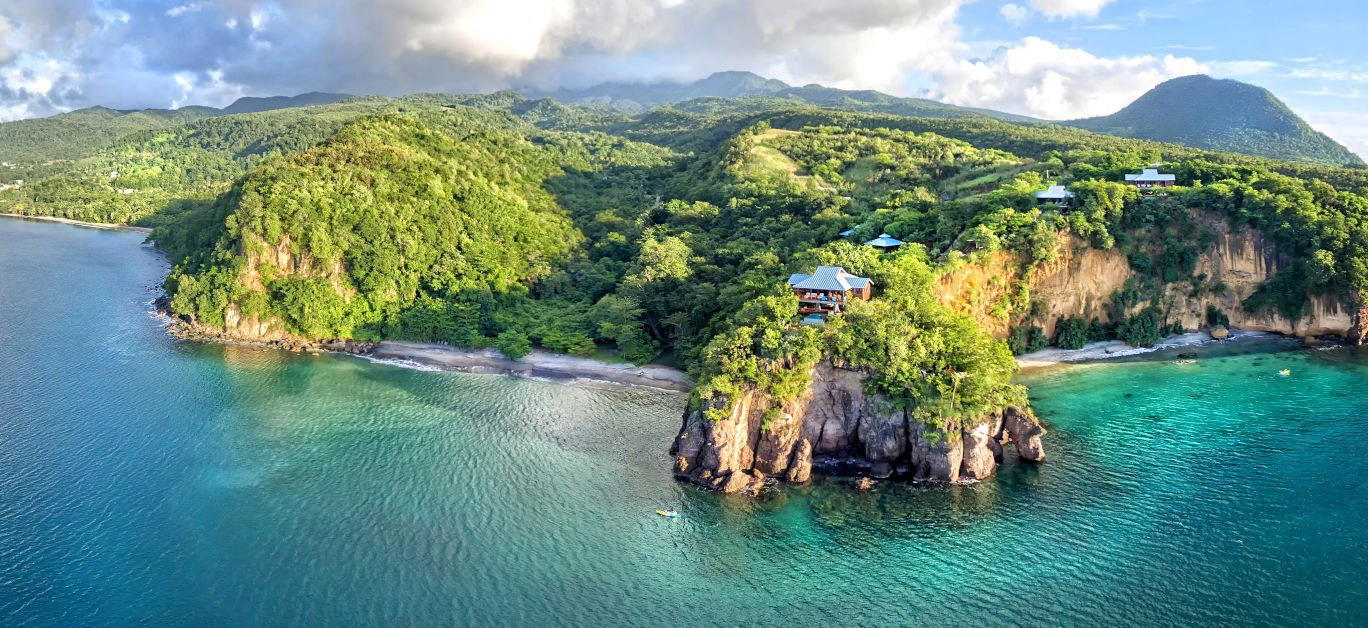
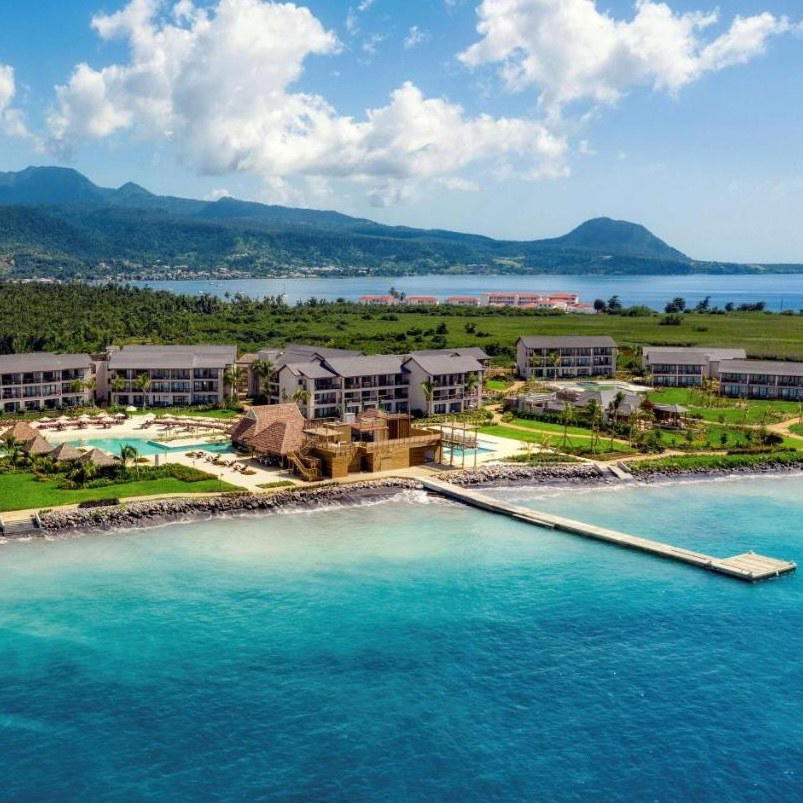
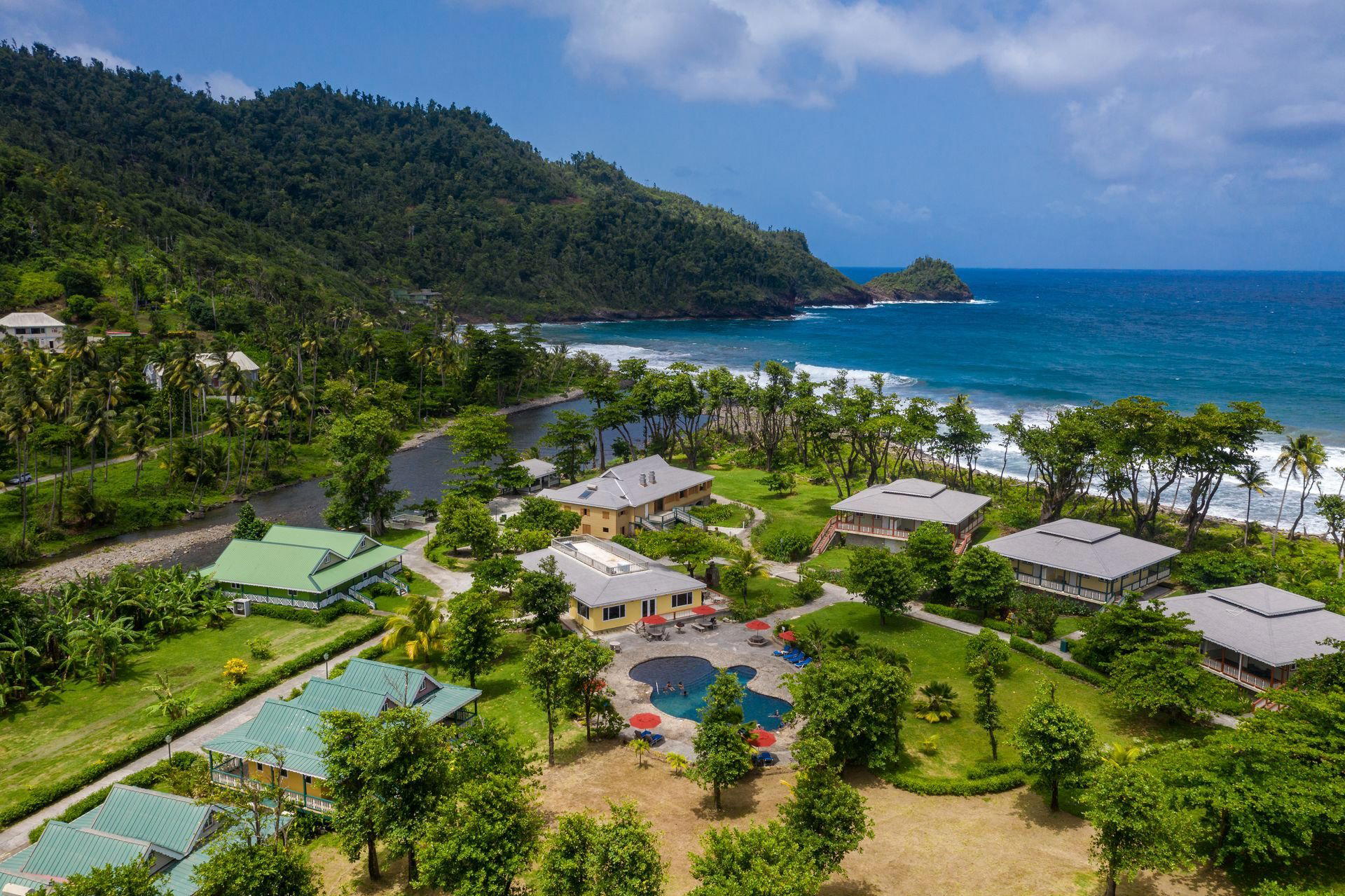
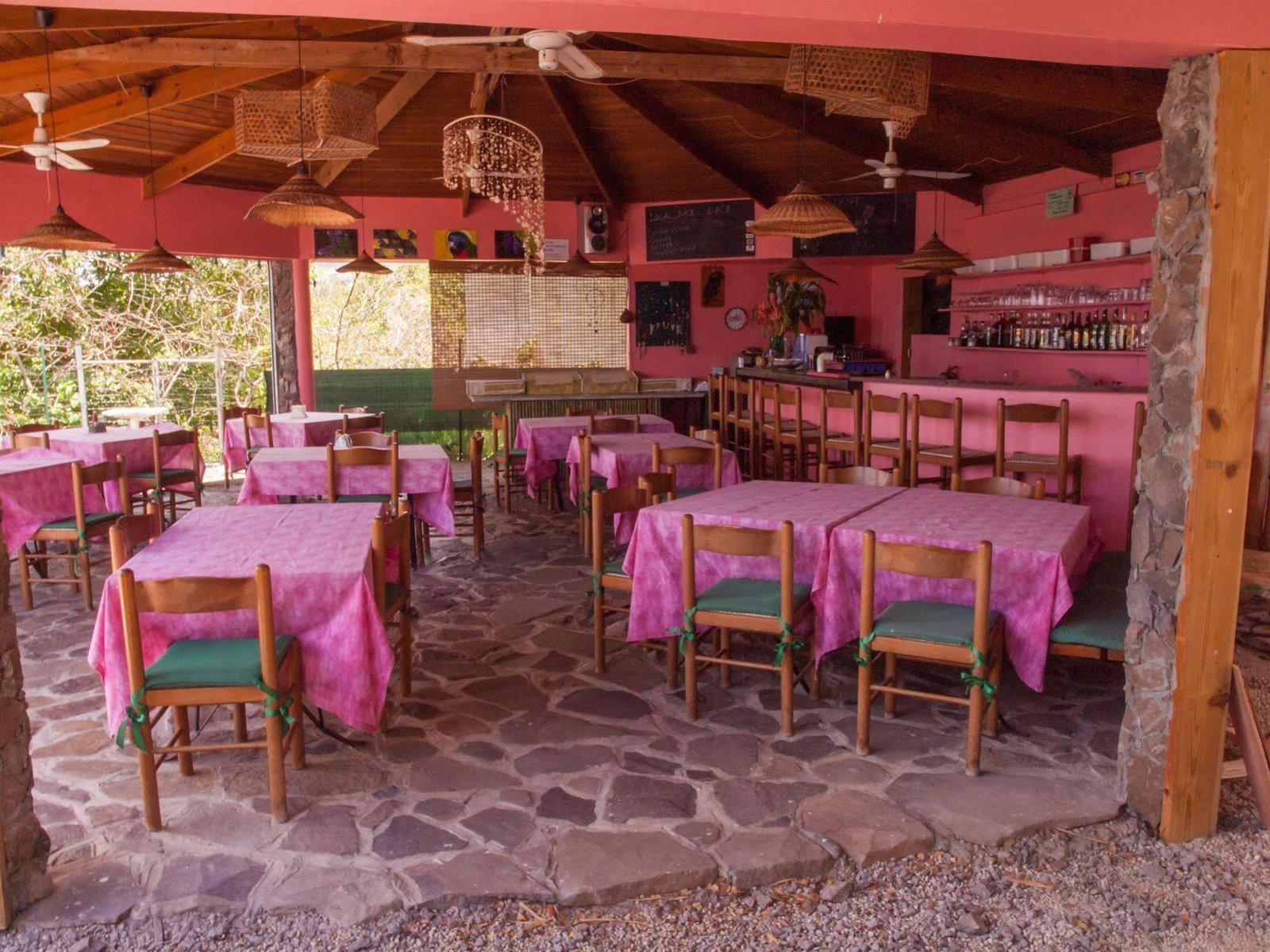
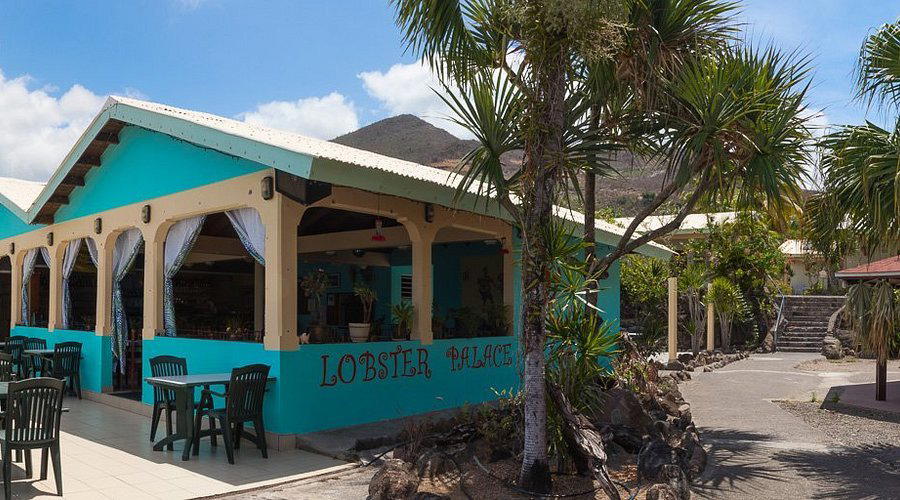
In a destination where international hotel groups have made almost no inroads, the design language of small properties is largely self-determined. Dominica's most thoughtfully built properties tend to work with topography rather than against it: open-air pavilions that catch trade-wind flow, terraces angled toward sea views, construction materials drawn from local timber and stone. This approach, which avoids the hermetically sealed comfort of resort design in favour of something more climatically honest, defines how a coastal property in this part of the island reads from the road and from the water.
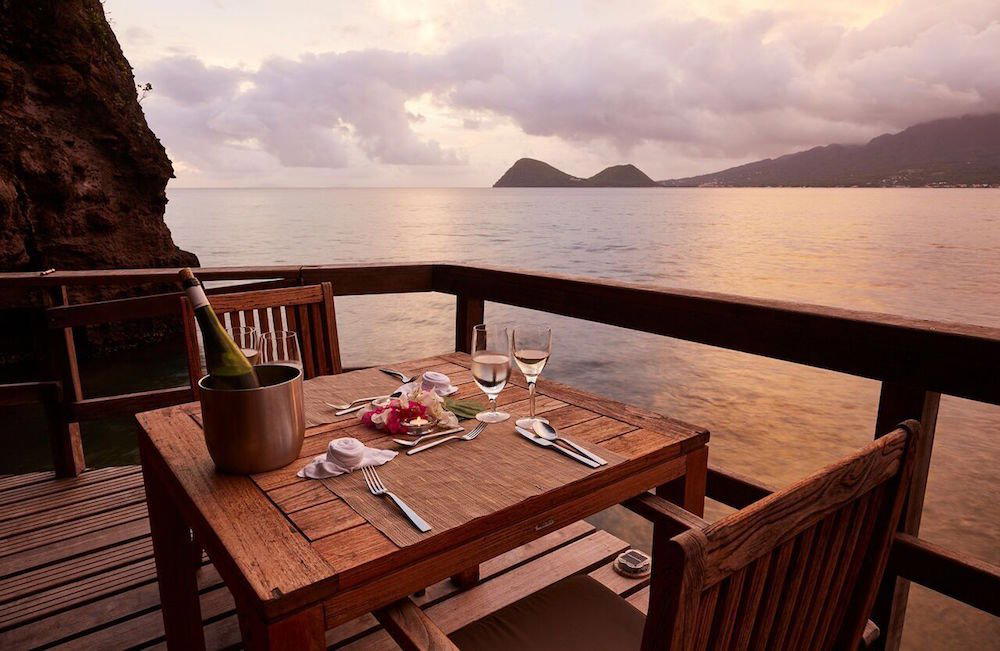
The Tamarind Tree's position on the Macoucherie coastline places it in a natural frame that properties on more developed Caribbean islands would pay considerably more to approximate. The Caribbean Sea here is not the flat turquoise of the Leeward resort beaches; this stretch has texture, colour variation, and the kind of immediate presence that comes from looking west toward an open horizon rather than into a protected bay. For a hotel-and-restaurant combination, that orientation is meaningful: it determines when natural light is at its finest for dining, which sightlines matter from guest rooms, and how the architecture should open or close toward the view depending on the hour and the weather.
Dominica's broader design identity within the Caribbean places it in a cohort that includes properties like Secret Bay in Tibay and Wanderlust Caribbean in Calibishie, all of which share a commitment to site-specific design and a deliberate distance from the standardised finishes that define larger regional hospitality brands. At the other end of that spectrum, the design-led luxury tier internationally encompasses properties like Amangiri in Canyon Point or Castello di Reschio in Lisciano Niccone, where architecture is the primary product. Dominica's properties operate at a different price register, but the underlying premise — that a building should respond to and amplify its specific location — is shared.
Dining in Dominica's Northwest
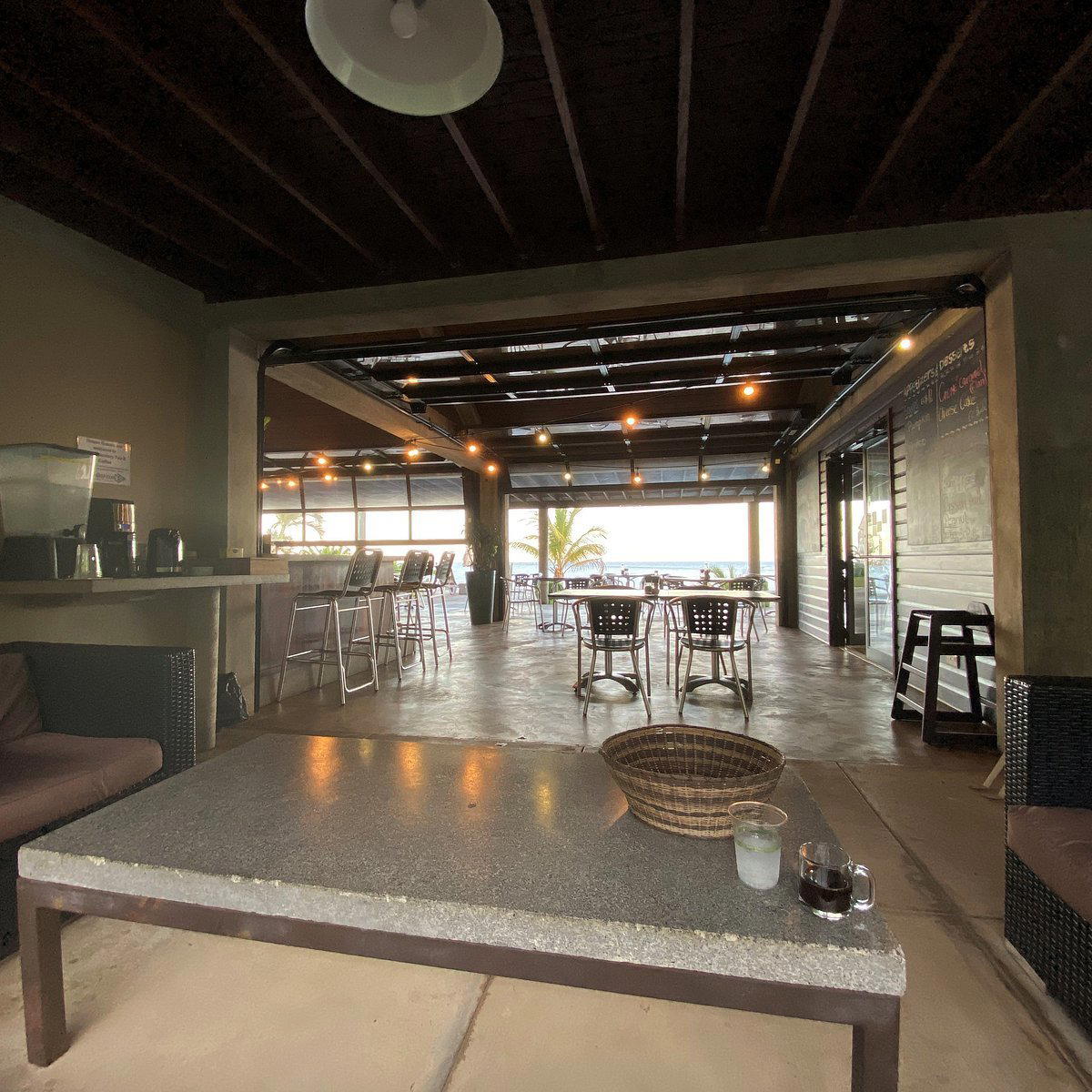
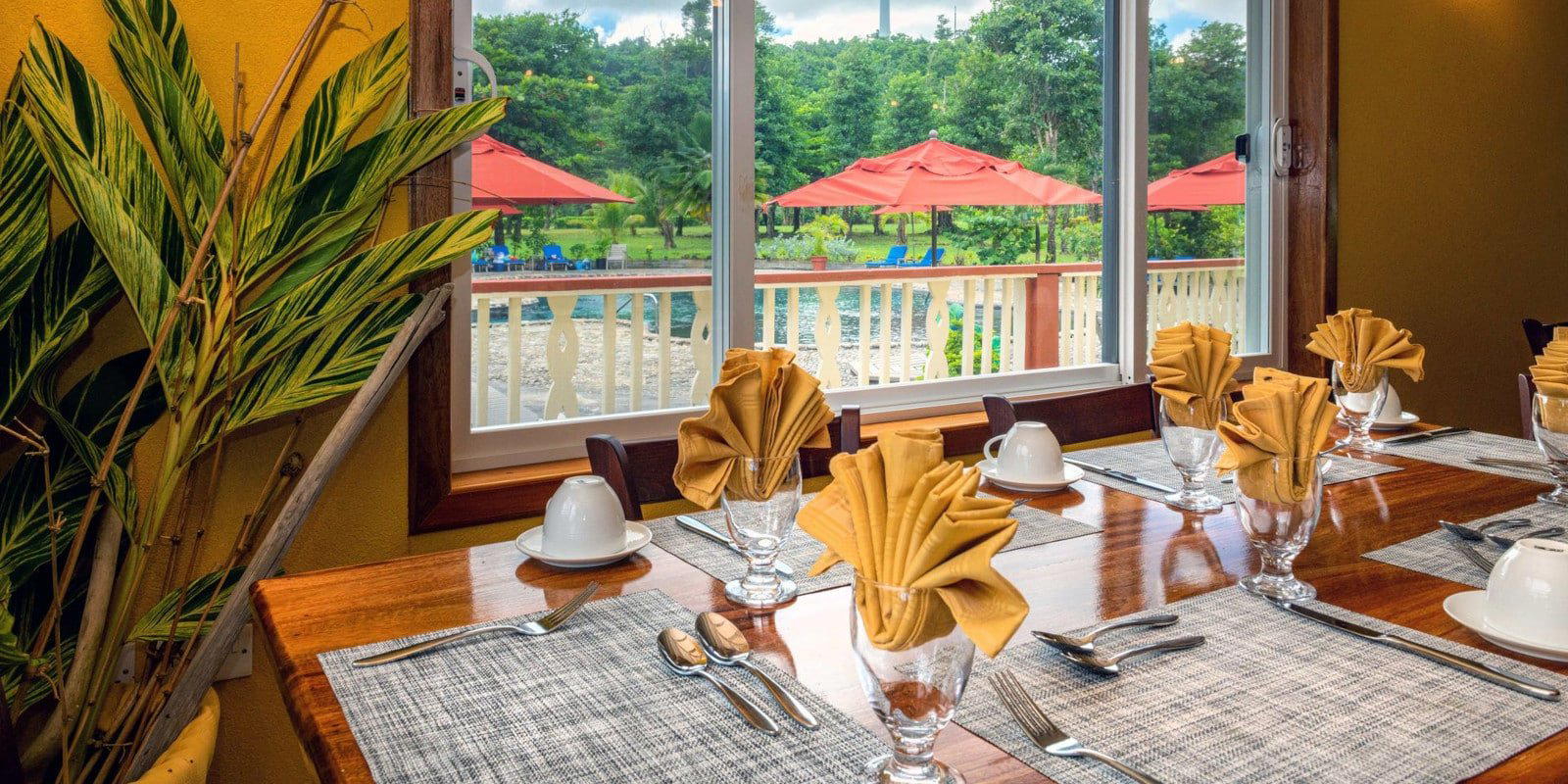
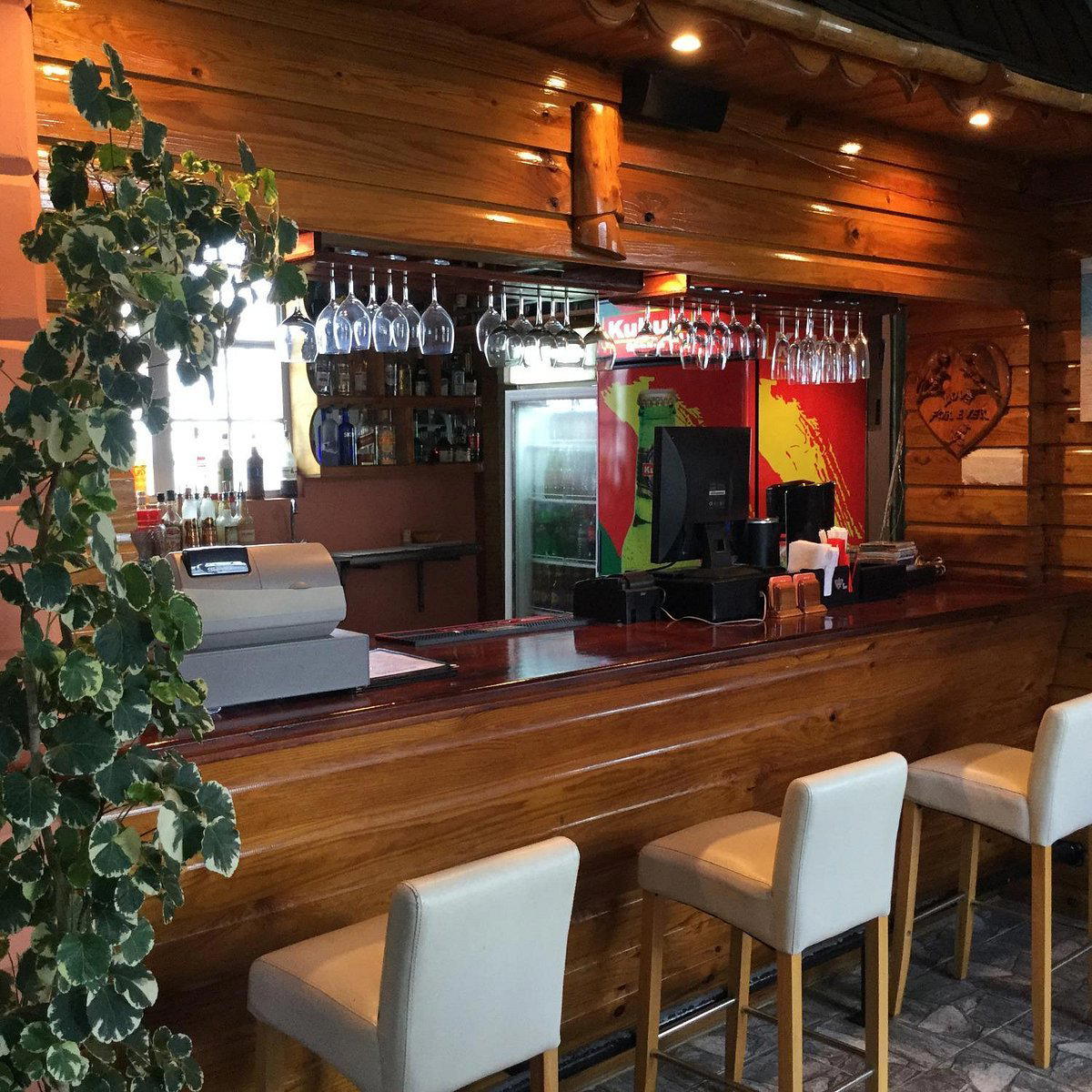
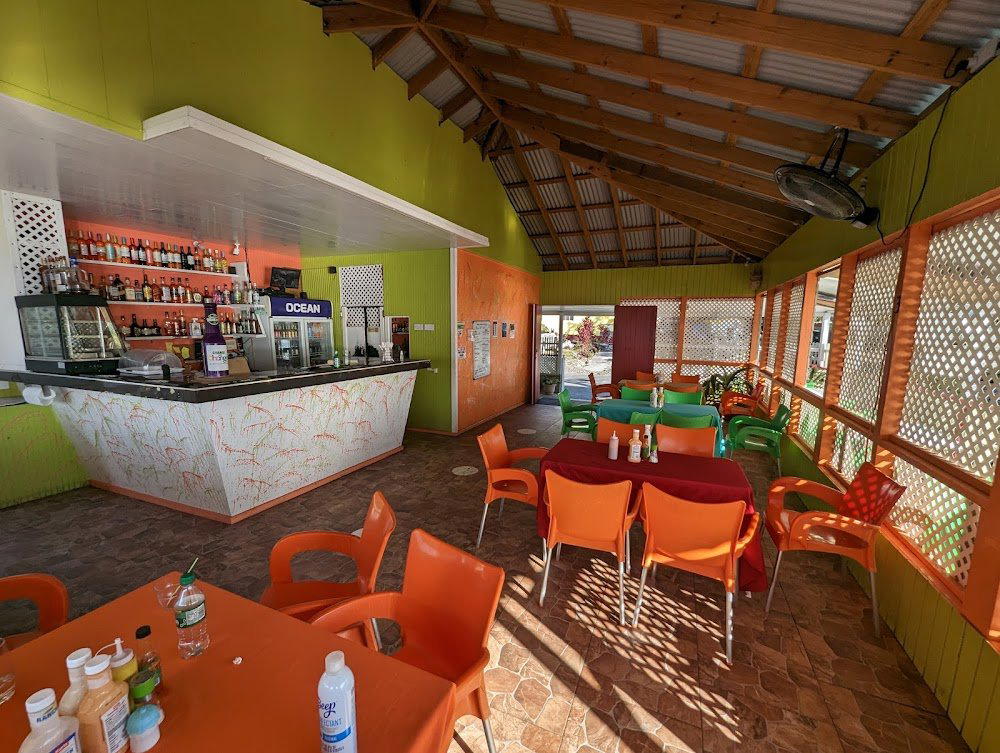
Hotel restaurants on this island carry more weight than they might in destinations with denser dining infrastructure. In Roseau and its surrounds, freestanding restaurants are relatively few, and the dining attached to accommodation often becomes the default option for guests who have spent a day hiking to the Boiling Lake or snorkelling the marine reserve. The restaurant component of a property like The Tamarind Tree therefore functions as both a practical necessity and a reputational signal: it tells you something about how seriously the property takes its role as a host.
Dominican cuisine itself draws on a Creole tradition shaped by French and British colonial influence, African cooking techniques, and exceptional local produce. Dasheen, breadfruit, plantain, fresh river fish, and the island's own river crayfish (known locally as crayfish or z'habitant) appear regularly on menus that reflect what the island actually grows and catches rather than what a generic Caribbean kitchen imports. Properties that commit to that local sourcing tend to distinguish themselves in a market where guests increasingly arrive with prior knowledge of what genuine island cooking involves. For context on how Dominica's dining scene fits within the broader Roseau area, our full Roseau restaurants guide maps the options across price tiers and neighbourhood.
Situating the Property Within Dominica's Lodging Market
Dominica's accommodation market is small and segmented by geography rather than by brand tier. The north has properties like Hotel The Champs in Portsmouth, which serves the dive-and-hike crowd using the Indian River and Cabrits National Park as anchors. The east coast concentrates the island's most ecologically minded retreats. The Calibishie coast in the northeast has attracted a cluster of smaller, design-conscious properties. The northwest, where The Tamarind Tree sits, offers the most direct access to Roseau while still providing separation from the capital's urban texture.
That positioning suits travellers who want Roseau's practical infrastructure, ferry connections to Guadeloupe and Martinique, the main market, the majority of the island's services, without staying in the city centre itself. Macoucherie is close enough to make a morning run into Roseau and a return for a late lunch viable, while still delivering the coastal quietude that most visitors to Dominica are pursuing. Compare this with the more remote positioning of Citrus Creek Plantation in La Plaine or Sunset Bay Club & SeaSide Dive Resort in Baroui, both of which require more committed travel from the capital but offer different natural environments in return.
For travellers calibrating Dominica against the wider Caribbean luxury market, the reference points shift considerably. Properties like Hotel Esencia in Tulum or Aman Venice occupy a different price bracket and service category, but the underlying draw for guests seeking nature-led, low-density travel rather than resort infrastructure has real parallels with what Dominica offers as an island destination.
Planning Your Stay
Macoucherie is accessible by road from Roseau, roughly along the northwest coastal highway, making the property reachable from Douglas-Charles Airport in the north or from the Roseau ferry terminal if arriving from Martinique or Guadeloupe. Dominica's dry season runs from February through May, which generally offers more reliable conditions for coastal stays; the Atlantic hurricane season peaks between August and October. Given the limited availability of published contact details for this property, the most reliable approach for booking is to reach out directly through the address at Macoucherie or via the local tourism board, which maintains updated listings of operating properties across the island.
| Venue | Cuisine |
|---|---|
| The Tamarind Tree Hotel & RestaurantThis venue — the venue you are viewing | This venue |
Continue exploring
More in Roseau
Hotels in Roseau
Browse all →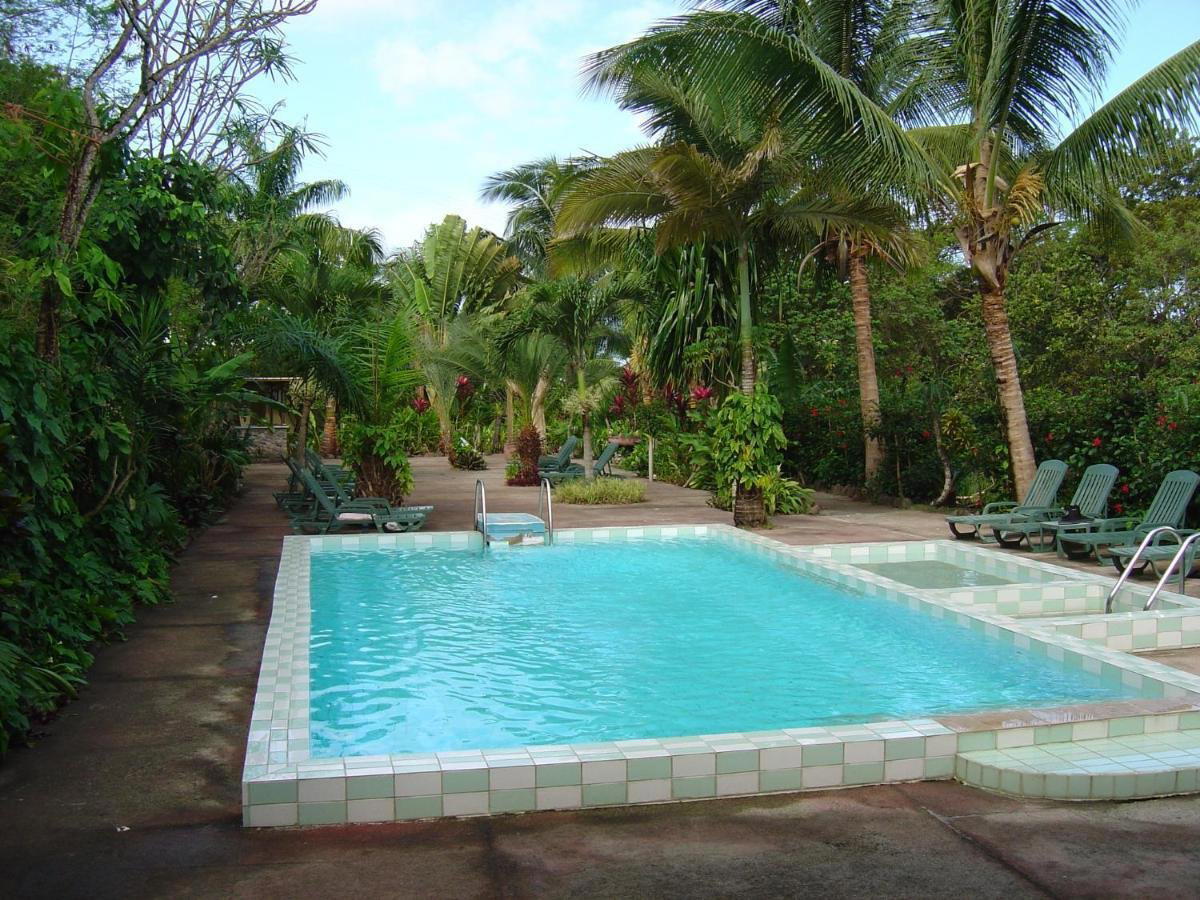
At a Glance
- Scenic
- Intimate
- Quiet
- Classic
- Romantic Getaway
- Family Vacation
- Weekend Escape
- Waterfront
- Panoramic View
- Terrace
- Garden
- Wi Fi
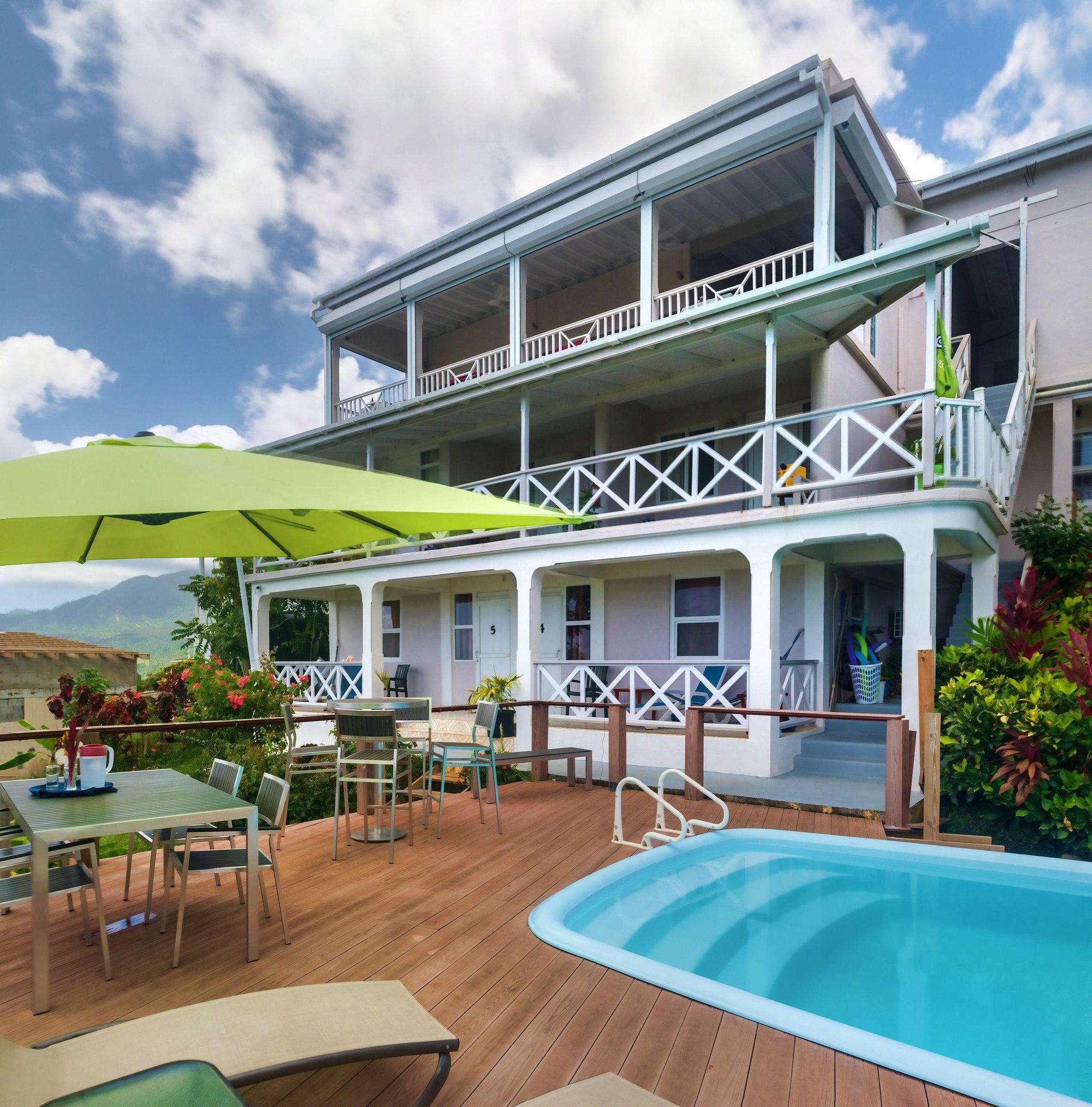
- Pool
- Restaurant
- Bar
- Room Service
- Waterfront
- Wi Fi
- Pool
- Restaurant
- Bar
- Room Service
Tranquil and relaxed with natural sea breezes, simple but clean rooms, and a welcoming atmosphere enhanced by sunset views from the veranda overlooking the ocean.