Our verdict
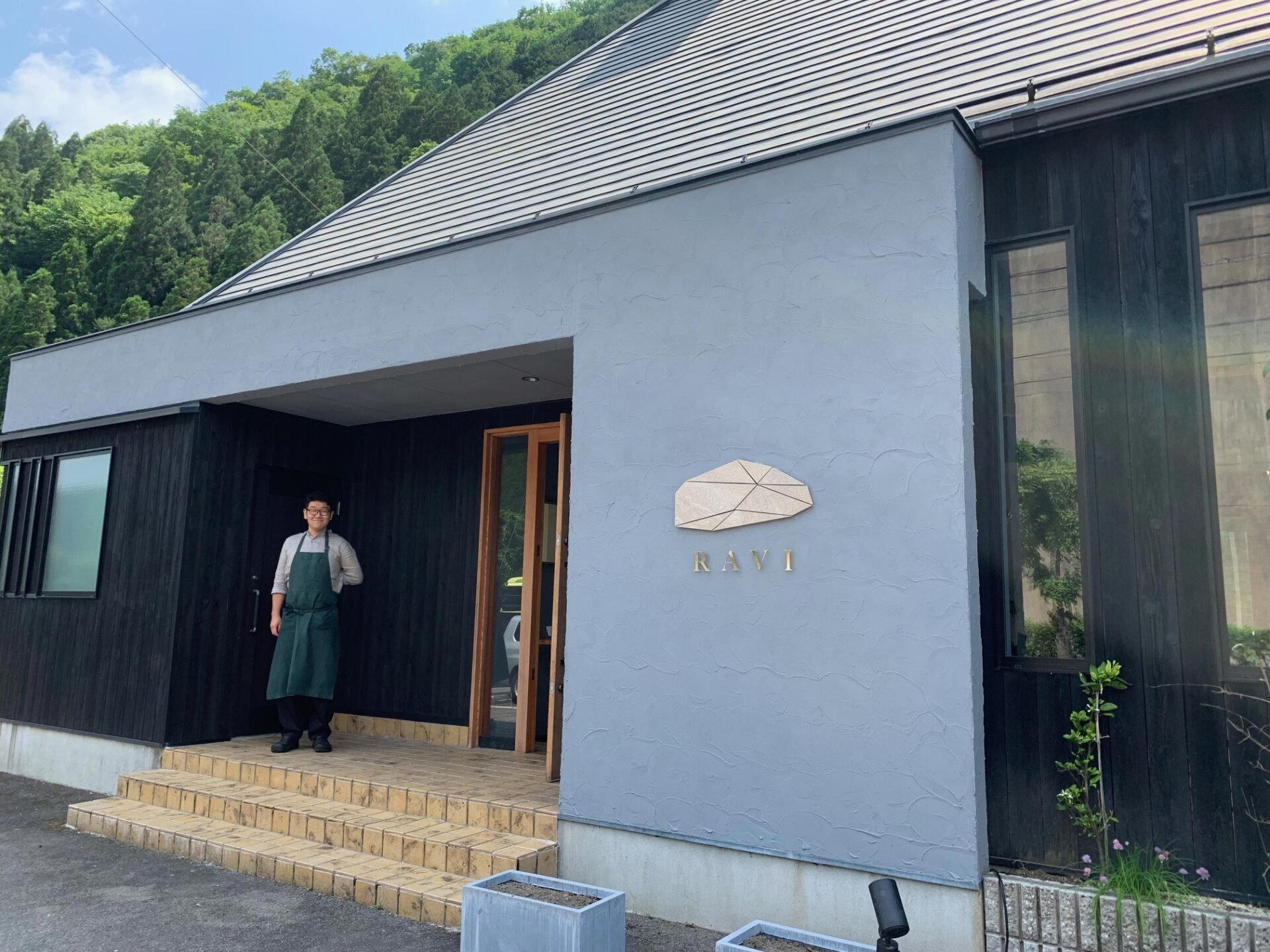
ラヴィ serves Local Ingredient French in a quiet, leisurely setting with an open kitchen and a sake program, fitting lunch or dinner plans that favor unhurried pacing.

Pearl is the En Primeur Club membership app — saves, bookings, and concierge access live there. Same editors, same standards.
- Address
- 3 Chome-4-1 Hachimancho Nakatsubo, Gujo, Gifu 501-4211, Japan
- Phone
- +815032016558
- Hours
- Mon–Tue 11:30 AM–2 PM, 6–9 PMWed ClosedThu 6–9 PMFri–Sun 11:30 AM–2 PM, 6–9 PM
- Website
- restaurant.ikyu.com
- Directions
- Get directions
A Restaurant in a Town That Earns Its Quiet
Gujo Hachiman sits in the mountains of Gifu Prefecture, roughly two hours by road from Nagoya, its streets channelled by the Yoshida River and its tributaries. The town is known in Japan for two things that seem unrelated but share the same logic: its obsessive plastic food sample industry, which supplies the replica dishes displayed outside restaurants across the country, and Gujo Odori, a summer bon-odori festival so specific in its footwork that participants return year after year to practice. Both traditions reward repetition and close attention to the real thing. Dining in a town like this carries a different weight than in a metropolitan food capital. Resources are local by necessity, supply chains are short, and restaurants that survive here do so on the loyalty of a community rather than the traffic of tourists passing through. Our full Gujo restaurants guide maps that context in more detail.
ラヴィ occupies an address in the Nakatsubo district of Hachimancho, a part of Gujo that sits close to the preserved merchant-town streetscape that draws visitors to the area. Approaching on foot, the surrounding architecture is low, the river audible, the pace slow in a way that Japanese rural towns achieve without effort. This is not the compressed sensory theatre of a Ginza counter or the curated minimalism of a Kyoto townhouse kaiseki room. It is something more ordinary and, because of that, more direct: a restaurant operating within its geography rather than in spite of it.
Ingredient Sourcing and the Logic of the Mountain Interior
Gifu Prefecture sits landlocked in the Chubu region, which means kitchens here rely on mountain and river produce in a way coastal prefectures do not. The Nagara River system, which runs through Gujo, is one of Japan’s last major rivers where traditional cormorant fishing (ukai) continues, and freshwater fish, particularly ayu (sweetfish), are bound tightly to the regional table. Ayu season runs roughly from June through September, and restaurants in Gujo are expected to respond to that calendar. Autumn brings mushrooms from the surrounding mountains; winter pulls the table toward root vegetables and preserved ingredients. This is not farm-to-table positioning as a marketing decision. It is the structural reality of cooking in a rural mountain town, where the supply infrastructure that urban restaurants take for granted simply does not exist at the same scale.
The broader pattern across high-quality rural Japanese restaurants is that sourcing constraints produce specificity. A restaurant in the mountains of Gifu is unlikely to compete on the same ingredient register as Harutaka in Tokyo or Gion Sasaki in Kyoto, both operating in cities with deep daily market access. What a place like Gujo offers instead is a tighter relationship between kitchen and landscape, a register that urban restaurants with large supplier networks often cannot replicate even when they try. The comparison venues worth considering are not the Michelin-dense urban counters but places like akordu in Nara, which operates in a similarly unhurried city and draws its identity from proximity to Yamato produce, or 湖畑庁 in Takashima, working from the Shiga side of the mountain interior.
Where ラヴィ Sits in the Rural Fine Dining Pattern
Japan’s serious dining infrastructure is concentrated in Tokyo, Osaka, and Kyoto to a degree that makes it tempting to treat everywhere else as a secondary tier. That framing is increasingly inaccurate. Gifu’s restaurant scene has produced serious kitchens, and the prefecture’s geography, sitting between the Pacific-influenced coast and the Japan Alps, gives its larder a range that rewards attentive cooking. Venues like HAJIME in Osaka, operating at the highest tier of the French-Japanese spectrum, or Goh in Fukuoka, which works within regional Kyushu produce, both demonstrate that serious sourcing narratives do not require a Tokyo address.
ラヴィ’s address in Gujo places it in that broader conversation about what regional Japanese cooking can mean when it is not performing rurality for urban visitors but simply cooking where it is. The restaurant’s name, a French word for life, suggests a format that sits somewhere between European bistro sensibility and Japanese produce discipline, a combination that appears with increasing frequency in rural Japanese towns where a single trained cook opens a small room and works with what the season and the surrounding landscape make available. This pattern is visible elsewhere in the region: Bistro Ange in Toyohashi and Denko Sekka in Hiroshima both operate within a similar French-inflected, local-produce logic.
Planning a Visit
Gujo Hachiman is accessible by the Nagaragawa Railway from Mino-Ota, with journey times of approximately 70 to 80 minutes depending on the service. By car from Nagoya the drive runs roughly 90 minutes via the Tokai-Hokuriku Expressway, which makes Gujo a viable day trip from the city, though the town rewards an overnight stay, particularly during the Gujo Odori festival season in July and August when evening streets are active late into the night. For comparison, restaurants operating at a similar register in less connected rural settings, such as 三本木 川山制 in Nanao or 広羽屋 in Nishikawa Machi, require more deliberate routing. Gujo, by those standards, is relatively accessible from the Chubu region.
For venues of this type in small Japanese towns, reservations made through telephone or in-person enquiry are common, and walk-in availability tends to be limited at quality-focused rooms with small seat counts. Visitors arriving in Gujo specifically to eat here should confirm current operating status before travelling. For broader context on how rural Japanese restaurants of this profile compare to urban benchmarks, the coverage of Le Bernardin in New York City and Atomix in New York City illustrates how sourcing philosophy scales across very different city contexts.
Frequently asked questions
Is ラヴィ okay with children?
ラヴィ is a fine dining restaurant in Gujo Hachiman, Gifu Prefecture, and the atmosphere leans toward adult-oriented dining. The setting in a quiet mountain town suggests an unhurried pace, but the format is not typical of casual family dining.
What should I expect atmosphere-wise at ラヴィ?
ラヴィ sits in Gujo Hachiman, a compact mountain town in Gifu Prefecture known for its river-channelled streets and quiet cadence. The atmosphere follows the town's register: measured, without the ambient noise of a city dining room. Guests arriving from Nagoya or further should expect a deliberate, unhurried setting that reflects the geography of the surrounding Chubu interior.
Is ラヴィ worth travelling to from Nagoya or further afield?
Gujo Hachiman sits roughly two hours from Nagoya by road, and the Nagaragawa Railway from Mino-Ota covers the journey in approximately 70 to 80 minutes. For diners interested in how fine dining operates when it is built around mountain and river sourcing in Gifu Prefecture rather than urban supply chains, the distance is the point. ラヴィ at 3 Chome-4-1 Hachimancho Nakatsubo is positioned as a destination in its own right within Japan's rural fine dining pattern.
What should I eat at ラヴィ?
Gifu Prefecture is landlocked, which means ラヴィ works with the produce defined by that geography: mountain vegetables, river fish from watersheds like the Nagara, and regional ingredients from the Chubu interior rather than coastal sourcing. Specific dishes and current menu details are best confirmed with the restaurant directly before visiting. The logic of the menu is shaped by what the mountain and river system produces seasonally.
Where do I go for ラヴィ?
ラヴィ is located at 3 Chome-4-1 Hachimancho Nakatsubo, Gujo, Gifu 501-4211, Japan, Gujo.
Should I book ラヴィ in advance?
Gujo Hachiman draws visitors particularly in summer for its Obon festival crowds and year-round from travellers on the Nagaragawa Railway line from Mino-Ota. Fine dining seats in small mountain towns operate at limited covers by definition, so booking ahead is sensible. Contact ラヴィ directly at the Hachimancho Nakatsubo address to confirm availability.
What is ラヴィ known for?
ラヴィ represents the pattern of serious dining that has taken root in Japan's rural interior, operating outside the Tokyo-Osaka-Kyoto axis that dominates the country's restaurant coverage. Located in Gujo Hachiman, Gifu Prefecture, it draws on the mountain and river produce specific to the landlocked Chubu region. That geographical specificity is the defining characteristic: the kitchen works with what the surrounding landscape yields, not imported coastal supply chains.
Side-by-Side Snapshot
Comparable venues nearby, for context on price, style, and recognition.
| Venue | Cuisine | Price | Awards | Notes |
|---|---|---|---|---|
| ラヴィThis venue — the venue you are viewing | Local Ingredient French | $50–100 | Not listed | Not listed |
| Suzume no Iori Gujo | Italian Restaurant | Not listed | Tabelog 100 #16 | Hachimanchoshimadani, Gujo Hachiman |
| 餃子飯店 | 町中華 餃子専門 | $10–20 | Not listed | 大和町 |
| Soba Sho Matsui | Handmade Soba & Tempura | $20–30 | Tabelog 100 #31 | Gujo Hachiman |
| MOONBOW | Western Seasonal Cuisine with Teppanyaki | Not listed | Not listed | 富士河口湖町 |
| Les Alchimistes | Avant-Garde French Fine Dining | Not listed | Not listed | Shirokanedai |
Continue exploring
More in Gujo
Restaurants in Gujo
Browse all →
Details
- Elegant
- Intimate
- Cozy
- Date Night
- Special Occasion
- Open Kitchen
- Sake Program
- Local Sourcing
- Tasting Menu
- A La Carte
Current opening hours
- Monday
- 11:30 AM–2 PM, 6–9 PM
- Tuesday
- 11:30 AM–2 PM, 6–9 PM
- Wednesday
- Closed
- Thursday
- 6–9 PM
- Friday
- 11:30 AM–2 PM, 6–9 PM
- Saturday
- 11:30 AM–2 PM, 6–9 PM
- Sunday
- 11:30 AM–2 PM, 6–9 PM
Hours can change for holidays and private events. Last verified .
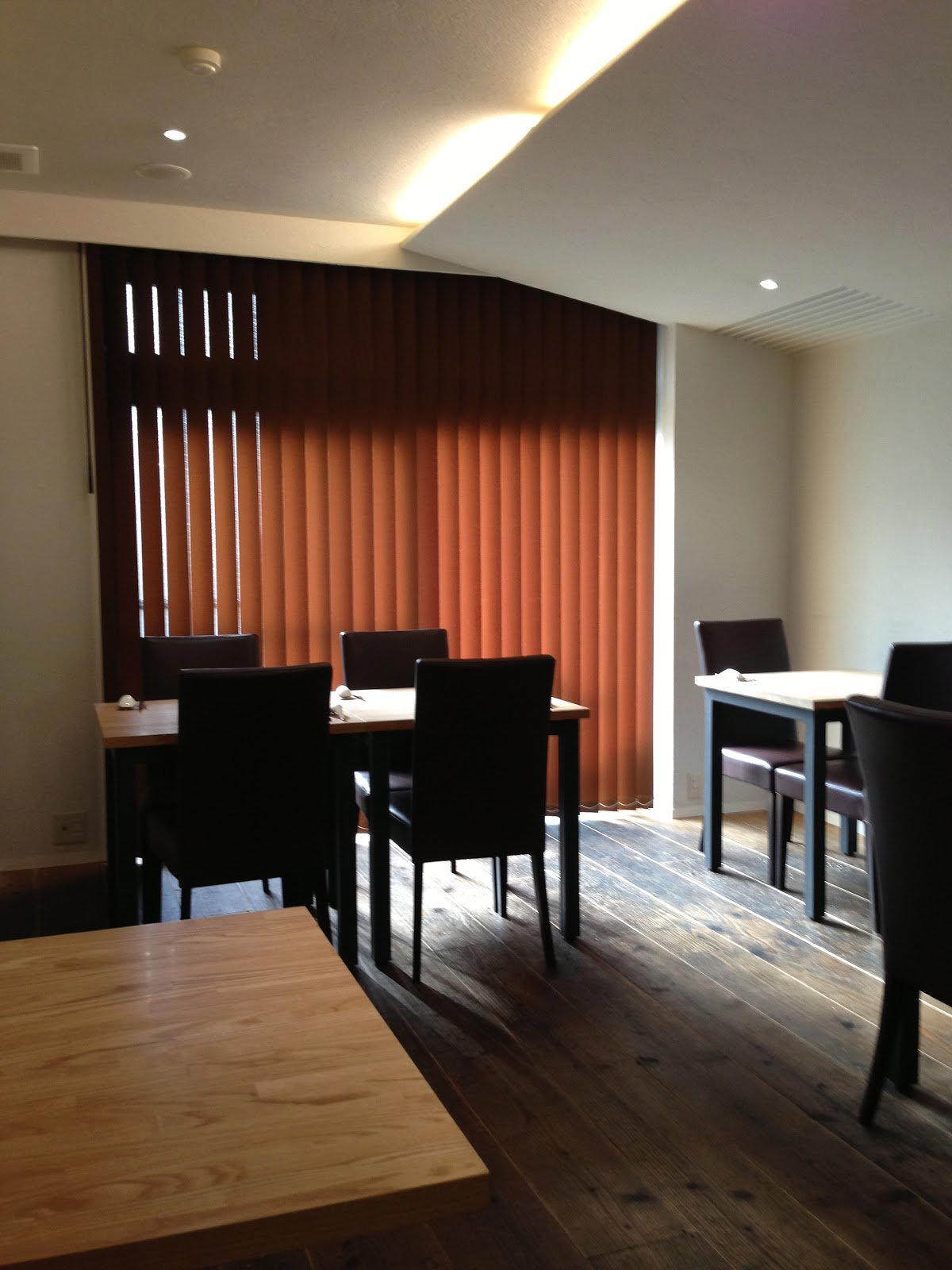
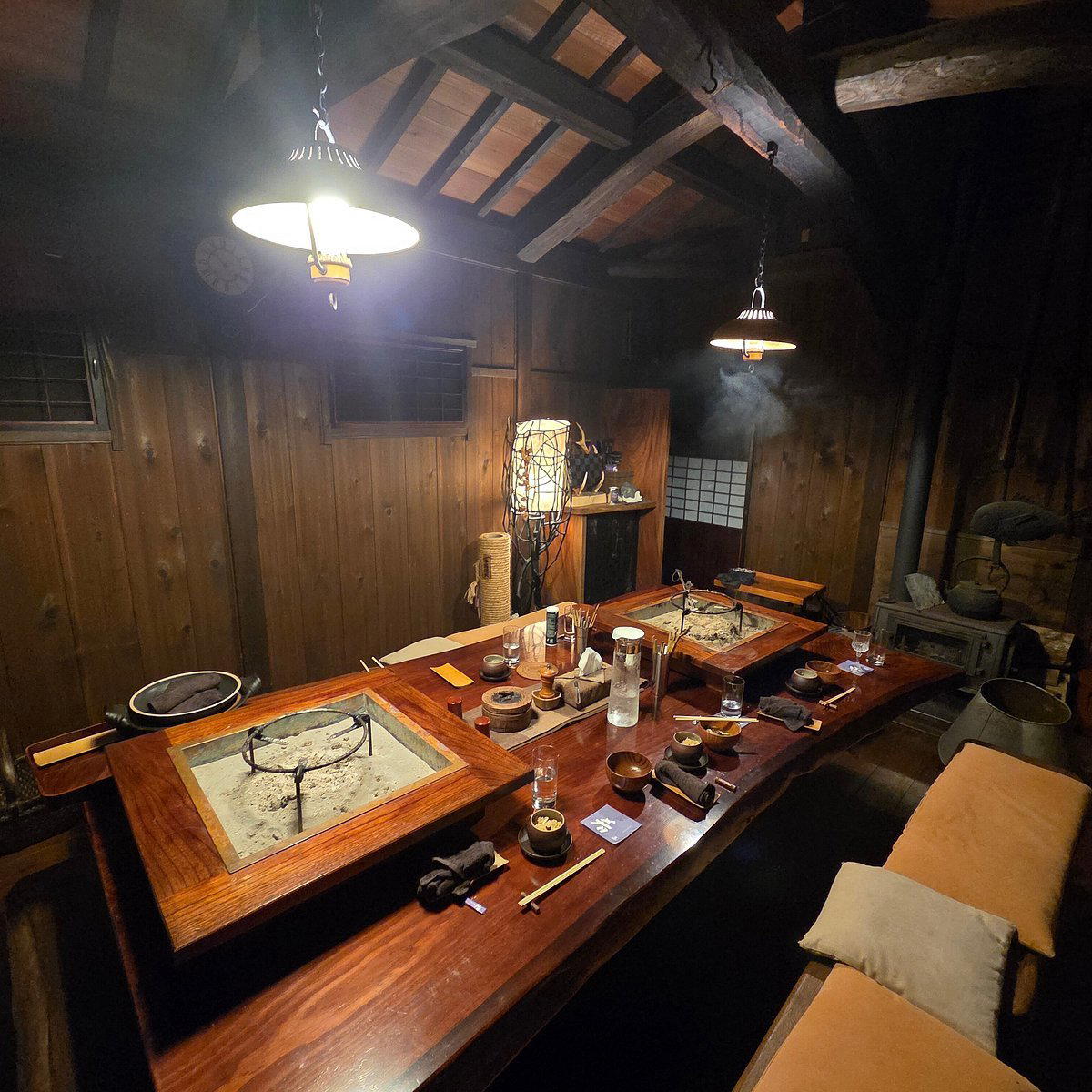
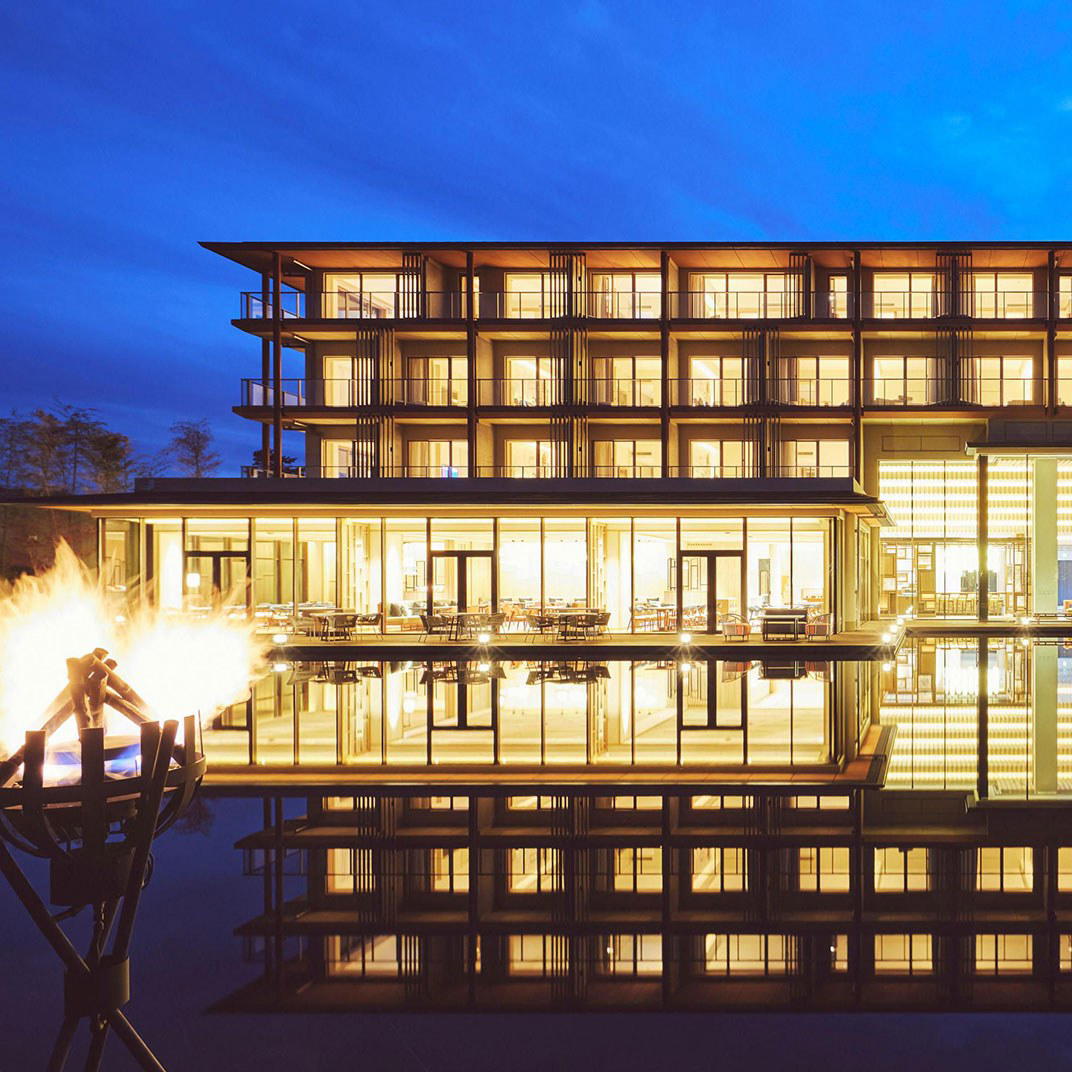
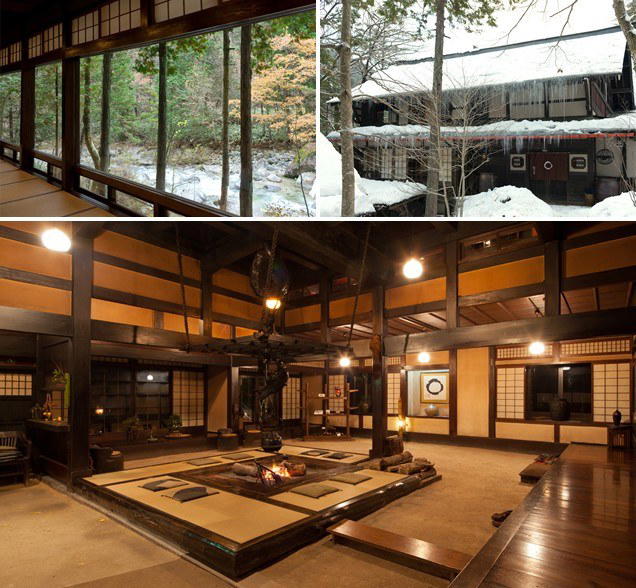
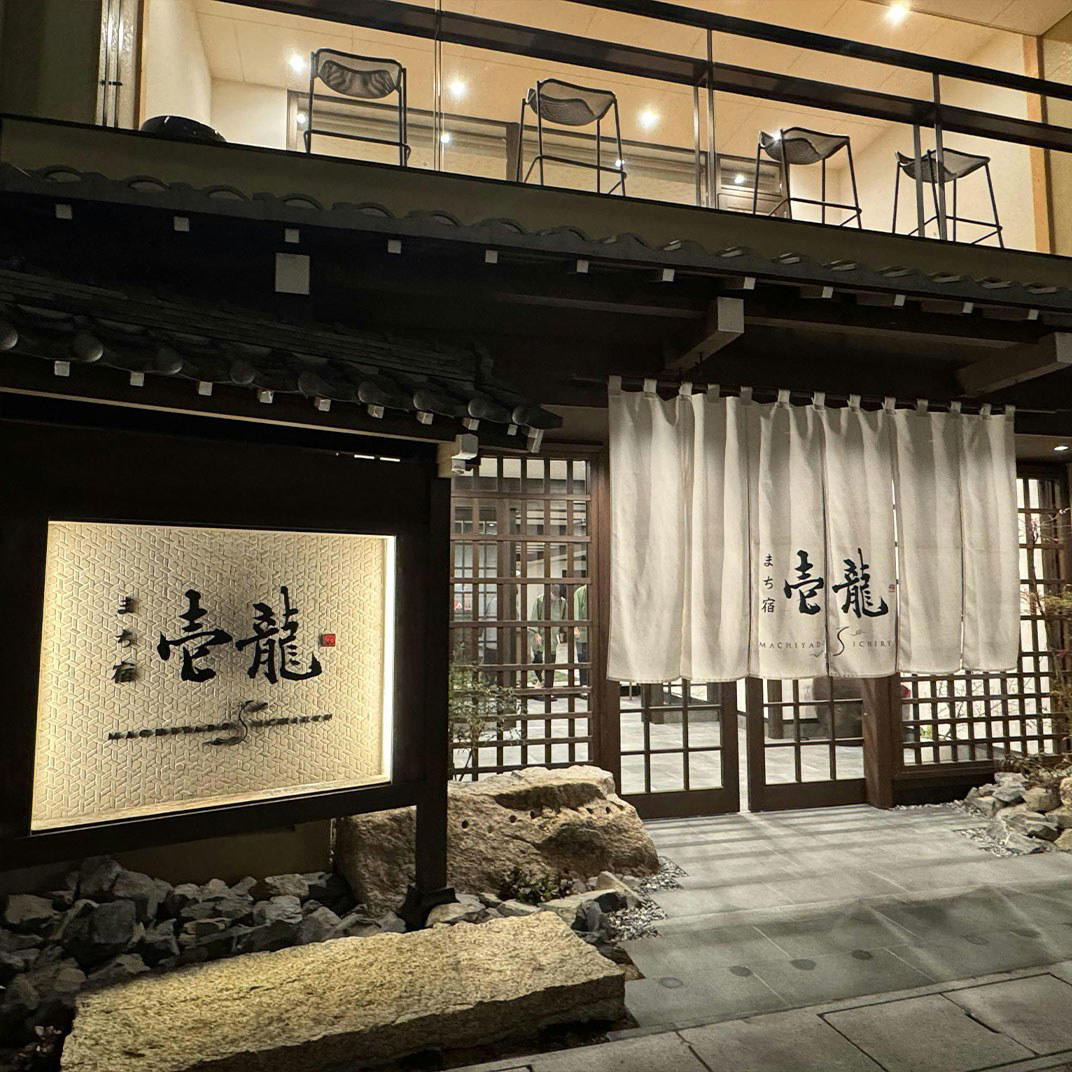
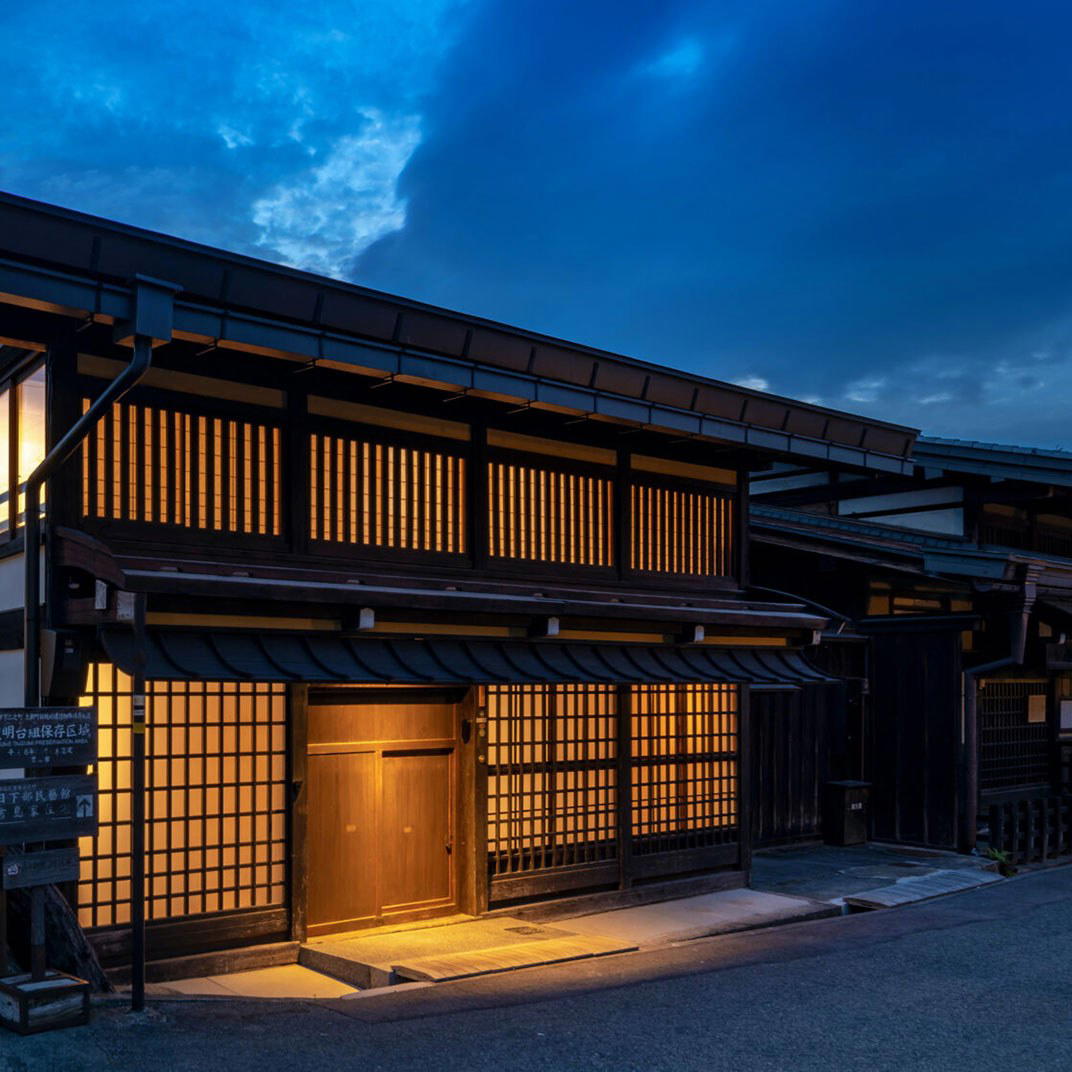
Church-like exterior with carefully designed interior, logo, and furniture; open kitchen allows viewing of chef's techniques in a welcoming atmosphere.