
Tabelog 100 #16
Our verdict
Suzume no Iori Gujo places Italian cooking inside Gujo’s quieter food culture, where river country, seasonal produce, and small-room dining matter more than urban spectacle. Its Tabelog Italian EAST 100 selection for 2025 gives the restaurant a clear credential, but the sharper point is format: a 20-seat Italian auberge with private rooms, wine, and a fish-led kitchen in a mountain city better known for waterways and craft traditions.

Pearl is the En Primeur Club membership app — saves, bookings, and concierge access live there. Same editors, same standards.
- Address
- 岐阜県郡上市八幡町島谷474-1
- Phone
- +81575672355
- Website
- suzumenoiori.wixsite.com
- Directions
- Get directions
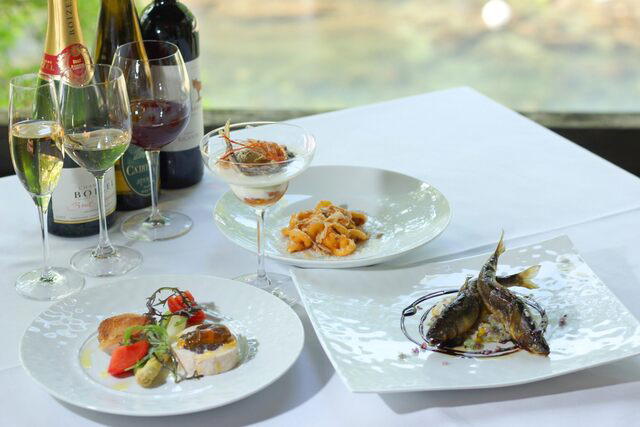
Approaching dining in Gujo means adjusting the tempo. The city’s food culture is shaped less by station-front density than by the kind of regional context that rewards kitchens willing to work at a smaller scale. Suzume no Iori Gujo belongs to that slower category: Italian rather than Japanese, auberge rather than urban dining room, and built around a meal format that feels closely tied to its setting.
That context matters because Italian cooking in regional Japan has developed its own grammar. Outside the largest dining centers, the stronger rooms are rarely trying to mimic a metropolitan trattoria. They tend to translate local seasonality, rural pacing, and a sense of place through a European course structure. The result, when handled with discipline, is not fusion for novelty but a practical answer to geography: cook with the area in mind, use Italian technique as the frame, and let the room stay close to its setting.
Italian cooking filtered through Gujo's regional pantry
The kitchen is categorized as Italian and auberge. That tells experienced diners more than a long menu description would. In Gujo, the appeal of an Italian-auberge format usually lies in how the meal connects regional atmosphere to a European structure without losing the local thread. The restaurant’s category positioning reinforces that it should be read as a destination meal rather than a casual city dining room.
Tabelog recognition for Suzume no Iori Gujo in 2025 is a useful signal in a country where regional Italian dining can be unevenly visible to international travelers. The score attached to the listing is 3.66, and the listed category places it in an Italian and auberge frame rather than only within a general Gujo restaurant map. That distinction is important: the recognition is not simply local word of mouth, but a marker from a national dining platform.
Gujo’s restaurant map gives the choice sharper definition. Soba Sho Matsui sits in a lower-priced soba lane, while ラヴィ broadens the local conversation without occupying the same Italian-auberge niche. Out of metro range, rooms such as Une Fleur may share a comparable destination-dining mindset, but the Gujo setting changes the equation. Here, the draw is not breadth of dining infrastructure. It is the tension between a small regional city and a kitchen operating with enough ambition to register beyond it.
A house-restaurant format, not a city dining machine
The format is part of the argument. An auberge-style restaurant pushes the experience toward contained, deliberate dining rather than walk-in energy. The house-restaurant idea also matters in Japan, where regional restaurants often give meals a softer rhythm than commercial dining blocks. The setting points to a meal framed by place as much as by technique.
For travelers, that makes Suzume no Iori Gujo a different decision from a casual Gujo lunch stop. The restaurant sits in the category where the meal shapes the day, not the other way around. Its Italian and auberge classification, together with the Tabelog recognition, point to a composed dining format. Planning is better treated as part of the itinerary rather than an afterthought.
Gujo’s appeal often sits outside the dining room: seasonal movement, craft culture, and the slower pace of a regional city. A meal here fits that pattern better than a high-turnover urban counter would. For a broader read on the city, Our full Gujo restaurants guide gives the local dining frame, while Our full Gujo hotels guide, Our full Gujo bars guide, Our full Gujo wineries guide, and Our full Gujo experiences guide help place the meal inside a wider stay.
Who should place it on a Gujo itinerary
This is the stronger call for diners who read regional Japanese Italian through setting and pacing, not through imported luxury signals. The Italian-auberge category, 2025 Tabelog recognition, and 3.66 score all support that reading. It is less suited to travelers looking for a quick local specialty checklist and better suited to those who want one composed meal that connects Gujo’s landscape to a European dining format.
The comparison set across Japan is broad, but not every relevant reference is local. Travelers building a wider Japan food route may look from Gujo toward other destination restaurants in larger cities, regional rooms with a similarly deliberate pace, or more casual dining in Gujo depending on the rest of the itinerary. For readers extending the same ingredient-led thinking to Japanese food abroad, comparable meals sit in a separate, diaspora context rather than in the same local competitive set.
The editorial verdict is simple: Suzume no Iori Gujo is not compelling because Gujo has a large Italian scene. It is compelling because the city does not. A small auberge-format restaurant, recognized by Tabelog in 2025 and categorized as Italian, gives Gujo a serious dining option that feels proportionate to the place rather than imported from a larger city.
Frequently asked questions
Is Suzume no Iori Gujo child-friendly?
Those details are not published. Its 2025 Tabelog recognition suggests a more composed dining format. Check the venue's official channels for the latest details.
What's the vibe at Suzume no Iori Gujo?
Expect an Italian and auberge format in Gujo. The Tabelog-listed category and recognition point to a destination dining room rather than a quick city stop.
What's the price range at Suzume no Iori Gujo?
Pricing at Suzume no Iori Gujo is listed as Dinner: JPY 10,000 - JPY 14,999; Lunch: JPY 4,000 - JPY 4,999.
What is Suzume no Iori Gujo known for?
Suzume no Iori Gujo is known as an Italian and auberge restaurant in Gujo, with Tabelog recognition listed for 2025.
Fast Comparison
Comparable venues by cuisine and price in the same metro.
| Venue | Cuisine | Price | Awards | Notes |
|---|---|---|---|---|
| Suzume no Iori GujoThis venue — the venue you are viewing | Italian Restaurant | Not listed | Tabelog 100 #16 | Not listed |
| 餃子飯店 | 町中華 餃子専門 | $10–20 | Not listed | 大和町 |
| ラヴィ | Local Ingredient French | $50–100 | Not listed | Hachiman-cho |
| Soba Sho Matsui | Handmade Soba & Tempura | $20–30 | Tabelog 100 #31 | Gujo Hachiman |
| Olivio | Italian Classics and Homemade Pasta | Not listed | Not listed | Kutchan, Abuta District |
| ルシュルシュル | Ingredient-Focused Italian | $100–150 | Not listed | Nakagyo-ku |
Recognition history
Dated appearances from independent guides and award organizations, with the underlying list record or original source where available.
Tabelog 100 #16 · No. 16
Tabelog · Tabelog 100 - Italian - EAST - 2025
Continue exploring
More in Gujo
Restaurants in Gujo
Browse all →


Details
- Elegant
- Sophisticated
- Quiet
- Date Night
- Special Occasion
- Business Dinner
- Standalone
- A La Carte
- Wine
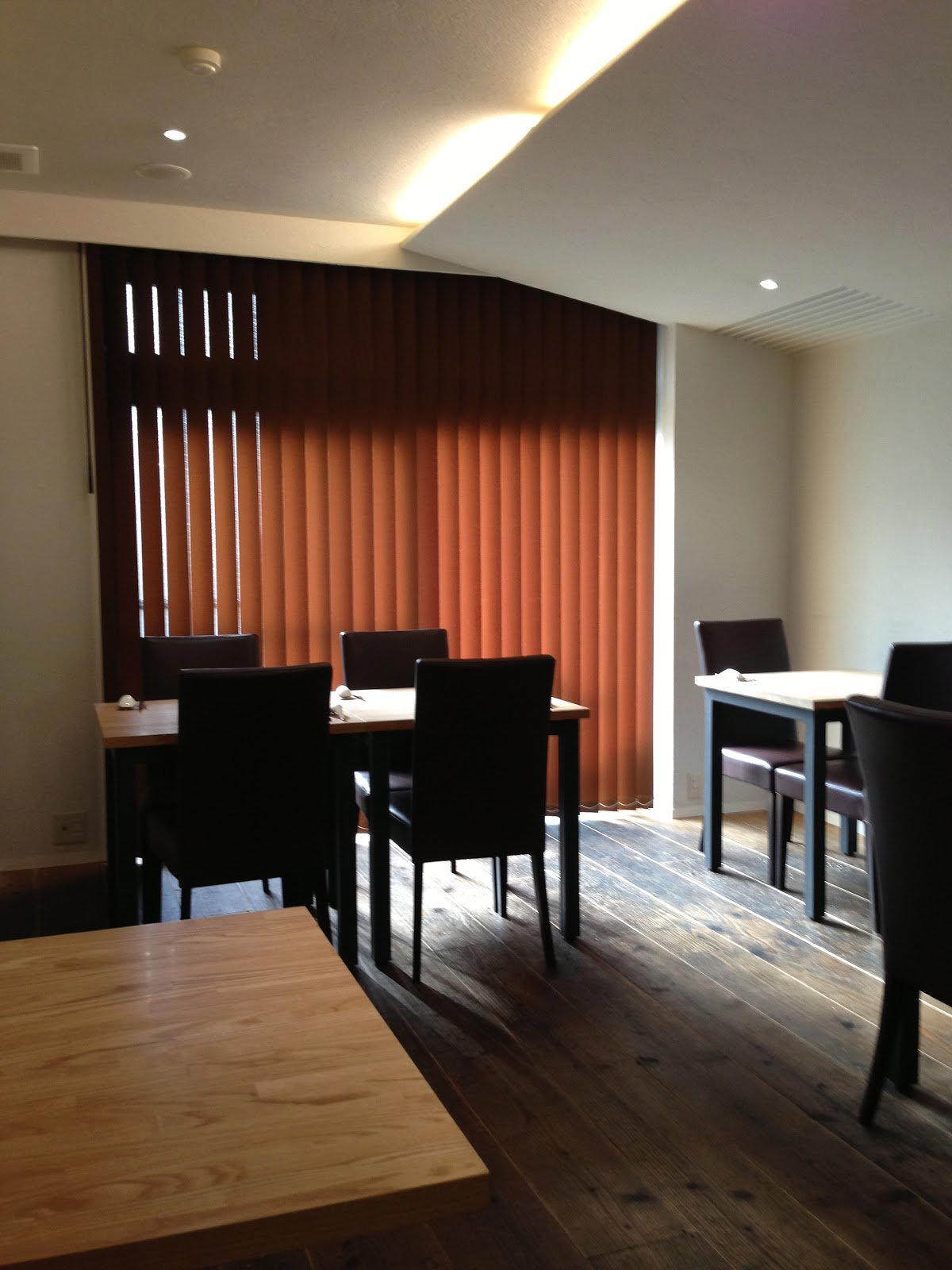
Quiet, elegant, and adult-oriented, with a polished Italian restaurant feel.