
Tabelog 100 #31
Our verdict
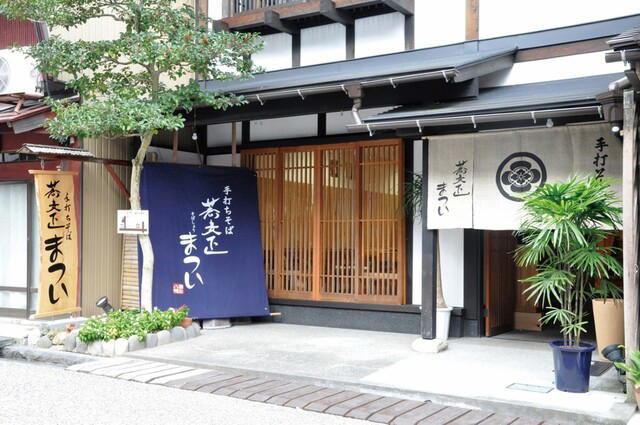
Soba Sho Matsui gives Gujo’s water culture a clear culinary expression: buckwheat noodles treated as a local craft rather than a quick station meal. Its Tabelog 100 Soba EAST 2025 selection and repeat appearances in earlier lists place it among Japan’s more closely watched soba rooms, with the appeal rooted in freshness, restraint, and a dining format that suits Gujo’s slower castle-town rhythm.

Pearl is the En Primeur Club membership app — saves, bookings, and concierge access live there. Same editors, same standards.
- Address
- 774-2 Hachimancho Kajiyamachi, Gujo, Gifu 501-4218, Japan
- Phone
- +81 575-67-0670
- Website
- r.goope.jp
- Directions
- Get directions
The menu
What to order
- Handmade zaru soba
- Seasonal tempura with cold soba
- Soba kaiseki in private room
- Soba ice cream
Gujo is a place where water is more than scenery. Channels, old streets, and local food culture make clean water part of the way visitors read the city. That is a useful lens for Soba Sho Matsui. In a city many travellers know for seasonal festivals, castle-town walks, and a slower Gifu rhythm rather than destination dining alone, soba becomes a concise taste of place: grain, boiling water, dipping broth, and timing.
The distinction is soba as travel fuel versus soba as regional craft. Japan has both, often close together. One is speed and convenience; the other asks attention to texture, aroma, and the short window between boiling and eating. Gujo’s advantage is not metropolitan theatre. It is water, mountain proximity, and a pace that makes noodle lunch feel anchored, not incidental.
Gujo's water culture gives the soba context
Soba houses in smaller Japanese cities often carry more local meaning than their modest price category suggests. The format is intentionally spare: buckwheat noodles, dipping sauce or hot broth, and seasonal accompaniments when offered. At Soba Sho Matsui, the category is soba, or buckwheat noodles. That focus keeps the meal in a vernacular register, not a tasting-menu frame imported from elsewhere.
The Tabelog Hyakumeiten 2025 recognition gives the address a signal beyond local loyalty. A Tabelog score of 3.68 also sits in a range many Japanese diners take seriously for specialist rooms, especially outside the densest restaurant markets. The listed price band, JPY 1,000 - JPY 1,999, reinforces that this is not luxury by spend; the value is in craft, place, and directness.
Ingredient handling is the editorial point, even when described simply. Soba is unforgiving: buckwheat aroma is delicate, noodles punish imprecise handling, and boiling water exposes mistakes. Gujo’s water culture gives the restaurant a practical local frame. It affects how visitors understand noodles that are cooked, rinsed, and served with minimal distraction, and helps explain why a small city supports a soba address with national list recognition.
That does not make the room a luxury proposition like Gujo’s higher-spend dining. Suzume no Iori Gujo sits in a different decision bracket, with a broader occasion profile. ラヴィ occupies another point on the city’s dining map. Soba Sho Matsui is narrower and, in some ways, more revealing: a specialist stop around one craft tradition rather than a multi-course evening.
A specialist room, not a performance of rural luxury
The format reads practical and local, not ceremonial. Rather than leaning on luxury cues, the appeal sits in a direct soba experience that is easy to understand but difficult to execute well. The category is tightly defined, the price is modest, and the point is not spectacle. It is the kind of room where the main argument should arrive in the bowl.
Planning should stay flexible. Gujo visitors often build a day around the old town atmosphere, waterways, and cultural stops rather than one fixed meal. Treat Soba Sho Matsui as the anchor of a compact Gujo itinerary, then leave time for walking, browsing, and adjusting to the pace of the city. That looseness suits the restaurant better than over-programming the day.
Access and logistics should be checked before visiting, especially for travellers moving through Gifu by car or rail. The location is Gujo, and the restaurant’s listed contact number is +81-575-67-0670. Because small specialist rooms can be shaped by season, day of week, and local demand, confirm current opening details and payment expectations close to the visit rather than relying on assumptions.
For travellers comparing categories, the better question is not “where should dinner be?” but “what kind of Gujo meal is this?” Soba Sho Matsui is strongest as a daytime expression of the city’s water-and-grain identity. A higher-spend dinner elsewhere may show technique, plating, and course progression; this room compresses the argument into noodles and timing. That compression is the appeal.
How it fits a Gujo food itinerary
Gujo rewards a slower route than the usual city checklist. The dining scene is compact enough that each choice changes the day’s shape: soba for lunch, another dining room in the evening, a bar stop if the night allows, and cultural time around waterways and old streets. Start with Our full Gujo restaurants guide for the local dining spread, then use Our full Gujo hotels guide, Our full Gujo bars guide, Our full Gujo wineries guide, and Our full Gujo experiences guide to decide whether the trip should be a single food-led day or longer Gifu stay.
On the wider Japanese dining map, this reflects a broader pattern: specialist rooms often communicate place more directly than ambitious restaurants with imported formats. A soba stop in Gujo has little in common with unnamed urban grills, counter-led dining rooms, or casual restaurants elsewhere in Japan, but those contrasts define the category. For other local reference points across EP Club, compare Soba Sho Matsui with Suzume no Iori Gujo, ラヴィ, Une Fleur, 仲佐, and 四季の郷 志むら, or keep the comparison general and think of Gujo dining as a compact set of very different occasions.
The international comparison is sharper. Japanese food culture abroad often foregrounds sake bars, rice snacks, or hybrid casual formats. Gujo soba works differently. It is less about exportable style than water, milling, and a city that gives a simple bowl enough context to justify the detour.
Frequently asked questions
Does Soba Sho Matsui work for a family meal?
Soba Sho Matsui is a modestly priced soba restaurant in Gujo. Travellers planning a family meal should confirm current seating and access details directly before visiting.
What's the overall feel of Soba Sho Matsui?
It reads as a practical soba specialist rather than a formal dining room. The appeal is focused on buckwheat noodles, a straightforward price band, and the sense of place that comes from eating soba in Gujo.
What should I budget for a meal at Soba Sho Matsui?
Pricing at Soba Sho Matsui is listed as JPY 1,000 - JPY 1,999.
What is Soba Sho Matsui known for?
Soba Sho Matsui is known as a soba, or buckwheat noodle, restaurant in Gujo, with Tabelog Hyakumeiten recognition in 2025 and a listed Tabelog score of 3.68.
Comparable Spots, Quickly
Comparable venues by cuisine and price in the same metro.
| Venue | Cuisine | Price | Awards | Notes |
|---|---|---|---|---|
| Soba Sho MatsuiThis venue — the venue you are viewing | Handmade Soba & Tempura | $20–30 | Tabelog 100 #31 | Not listed |
| Suzume no Iori Gujo | Italian Restaurant | Not listed | Tabelog 100 #16 | Hachimanchoshimadani, Gujo Hachiman |
| 餃子飯店 | 町中華 餃子専門 | $10–20 | Not listed | 大和町 |
| ラヴィ | Local Ingredient French | $50–100 | Not listed | Hachiman-cho |
| 楽々 | Handmade Udon | $10–20 | Tabelog 100 #32 | 幾野 |
| Toyo (とよ) | Traditional Japanese Izakaya | $20–30 | Tabelog 100 #66 | Miyakojima Ward |
Recognition history
Dated appearances from independent guides and award organizations, with the underlying list record or original source where available.
Tabelog 100 #31 · No. 31
Tabelog · Tabelog 100 - Soba - EAST - 2025
Continue exploring
More in Gujo
Restaurants in Gujo
Browse all →
Details
- Cozy
- Rustic
- Scenic
- Quiet
- Classic
- Solo
- Family
- Group Dining
- Casual Hangout
- Special Occasion
- Private Dining
- Panoramic View
- Courtyard
- Standalone
- Local Sourcing
- Mountain
- A La Carte
- Set Menu
- Tasting Menu
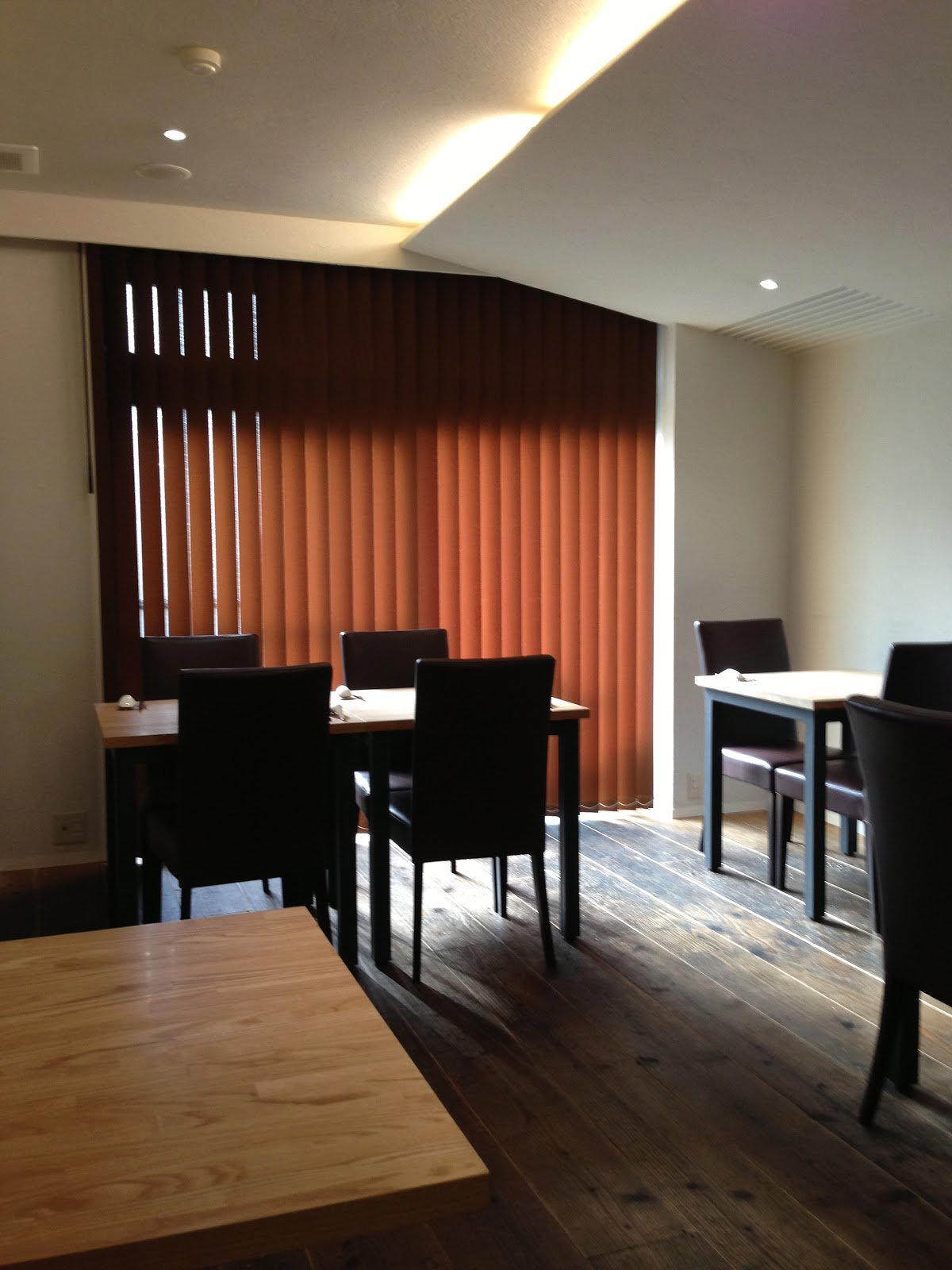
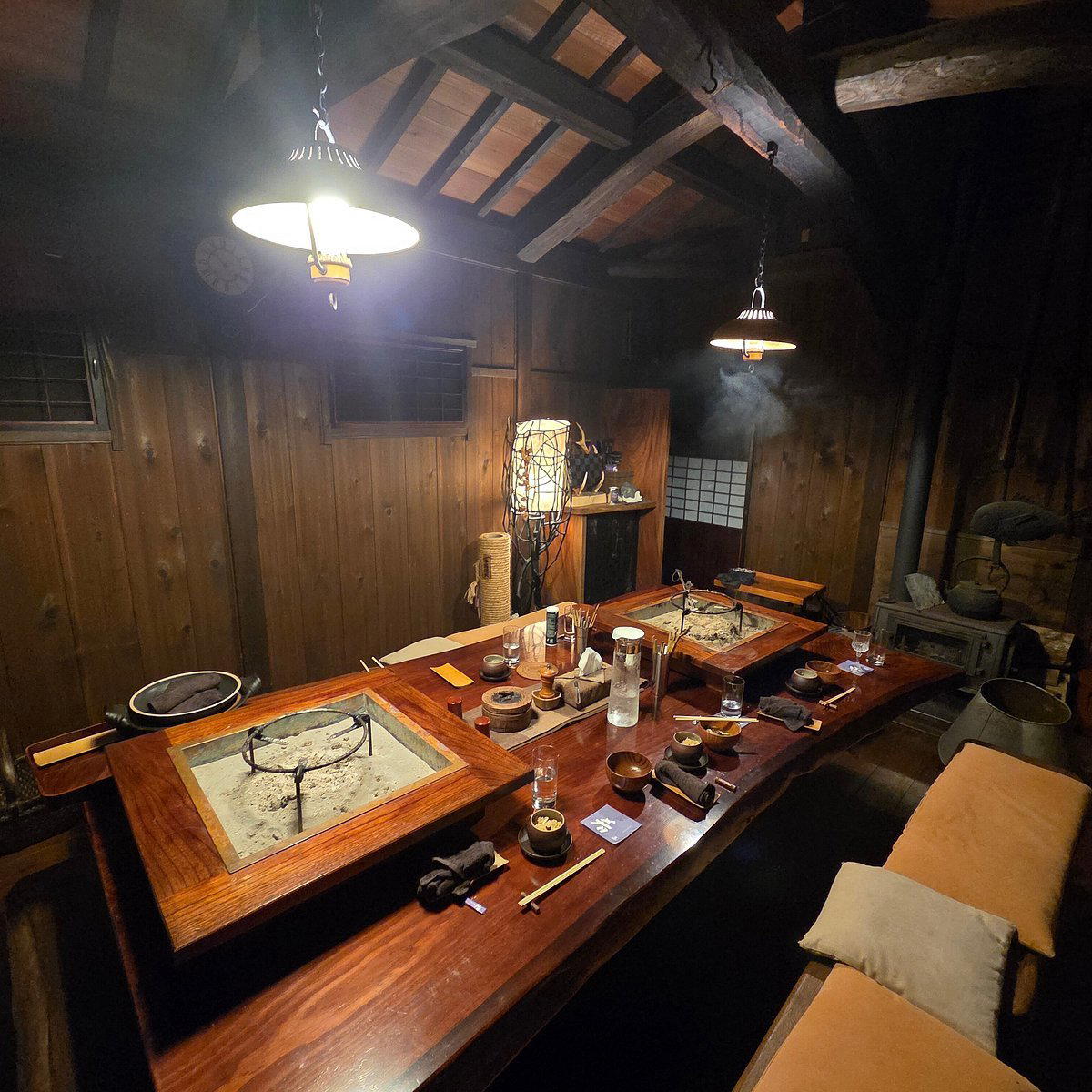
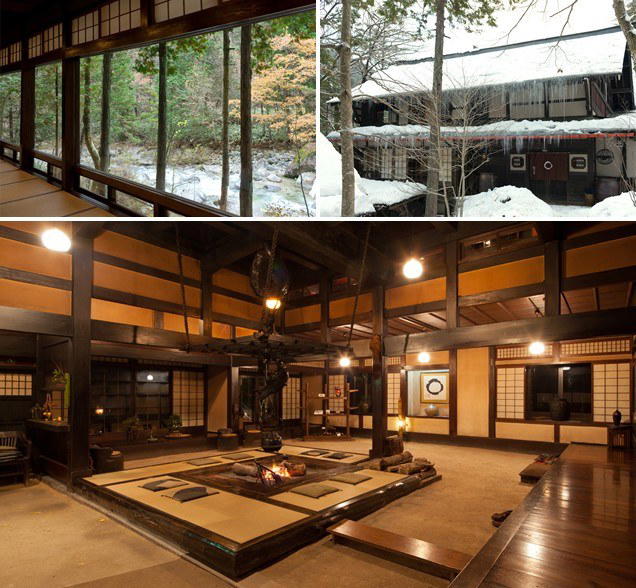
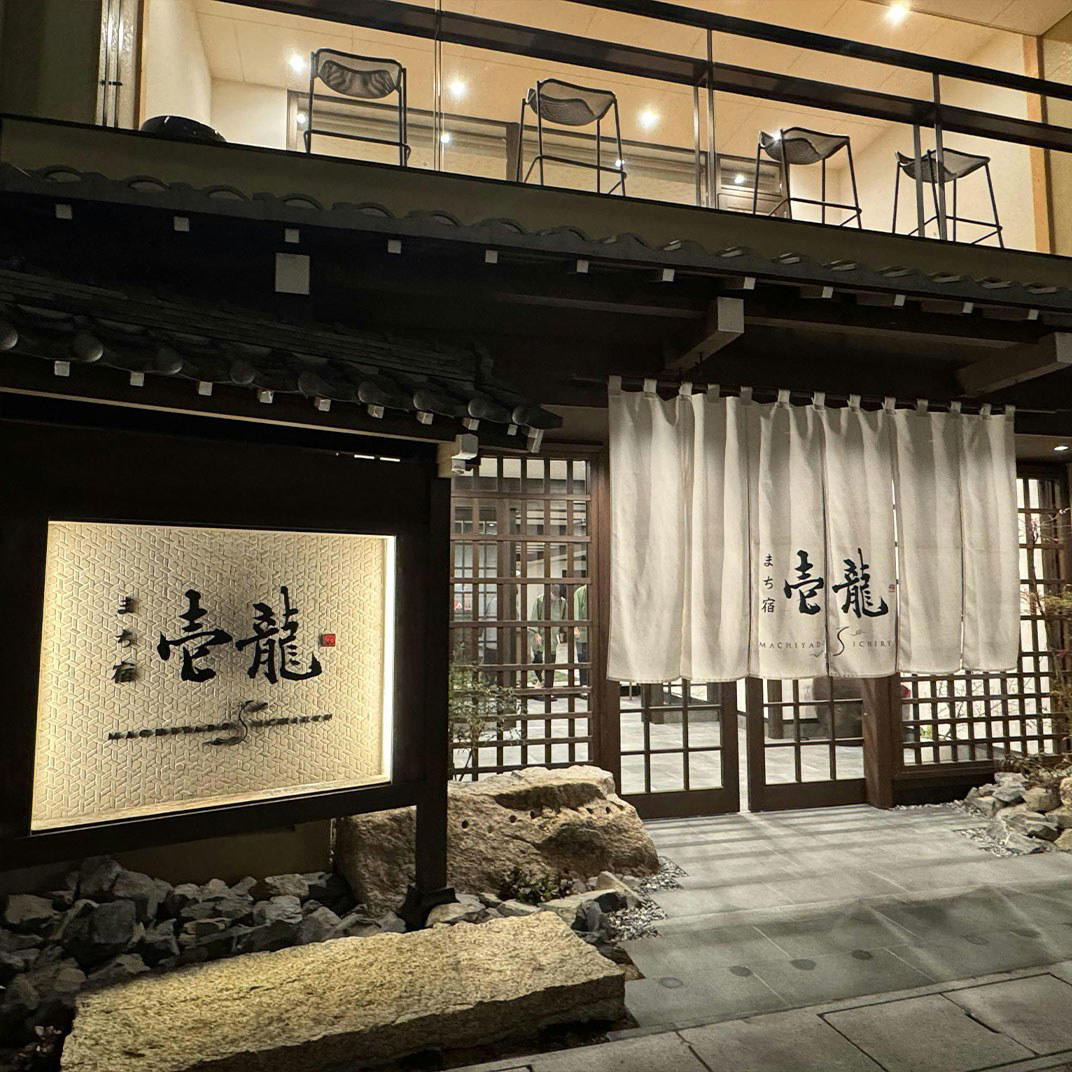
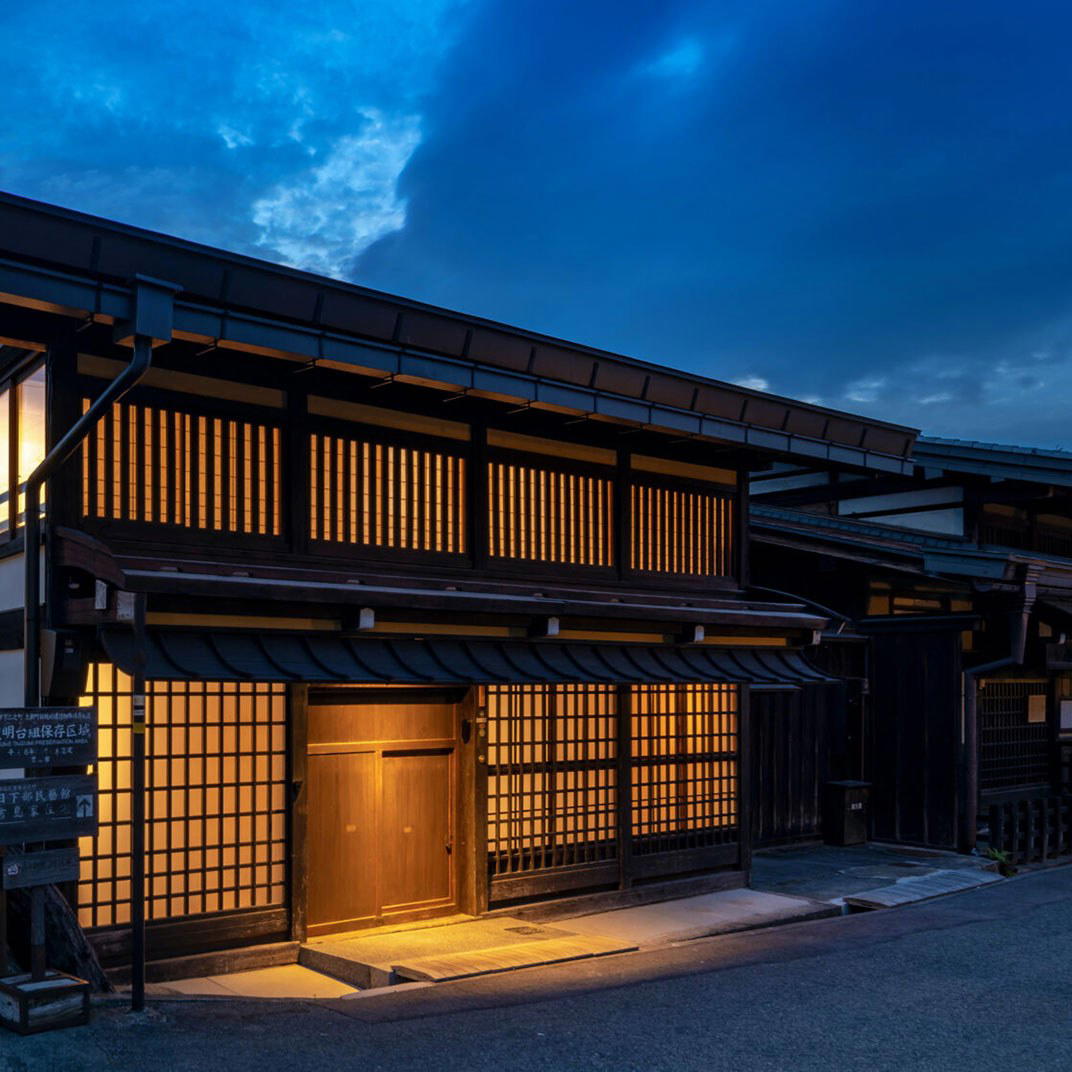
A calm, wood-accented dining room with natural light, unified natural-wood tables, and a relaxed, unhurried atmosphere that emphasizes the sound of flowing water and seasonal views of the castle rather than bustle or background music.