Gabriel's
Our verdict
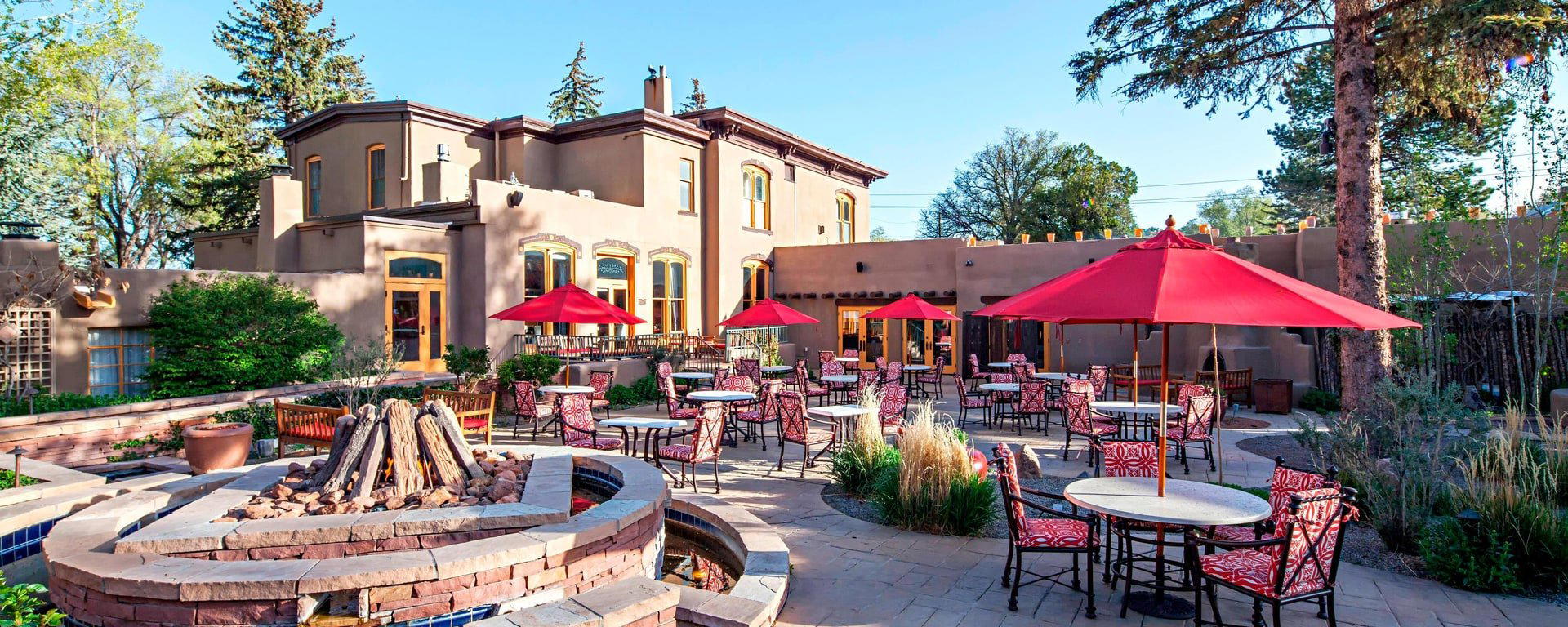
"Dramatic Setting for New Mexican Food Just 12 miles north of Santa Fe, this picturesque spot is well-suited for table-side, made-to-order guacamole and a cold margarita (or two) on a spacious, relaxed scenic patio full of flowers and dramatic high-desert mountain views. You might not want to leave."

Pearl is the En Primeur Club membership app, where members save venues, book tables and use the concierge.
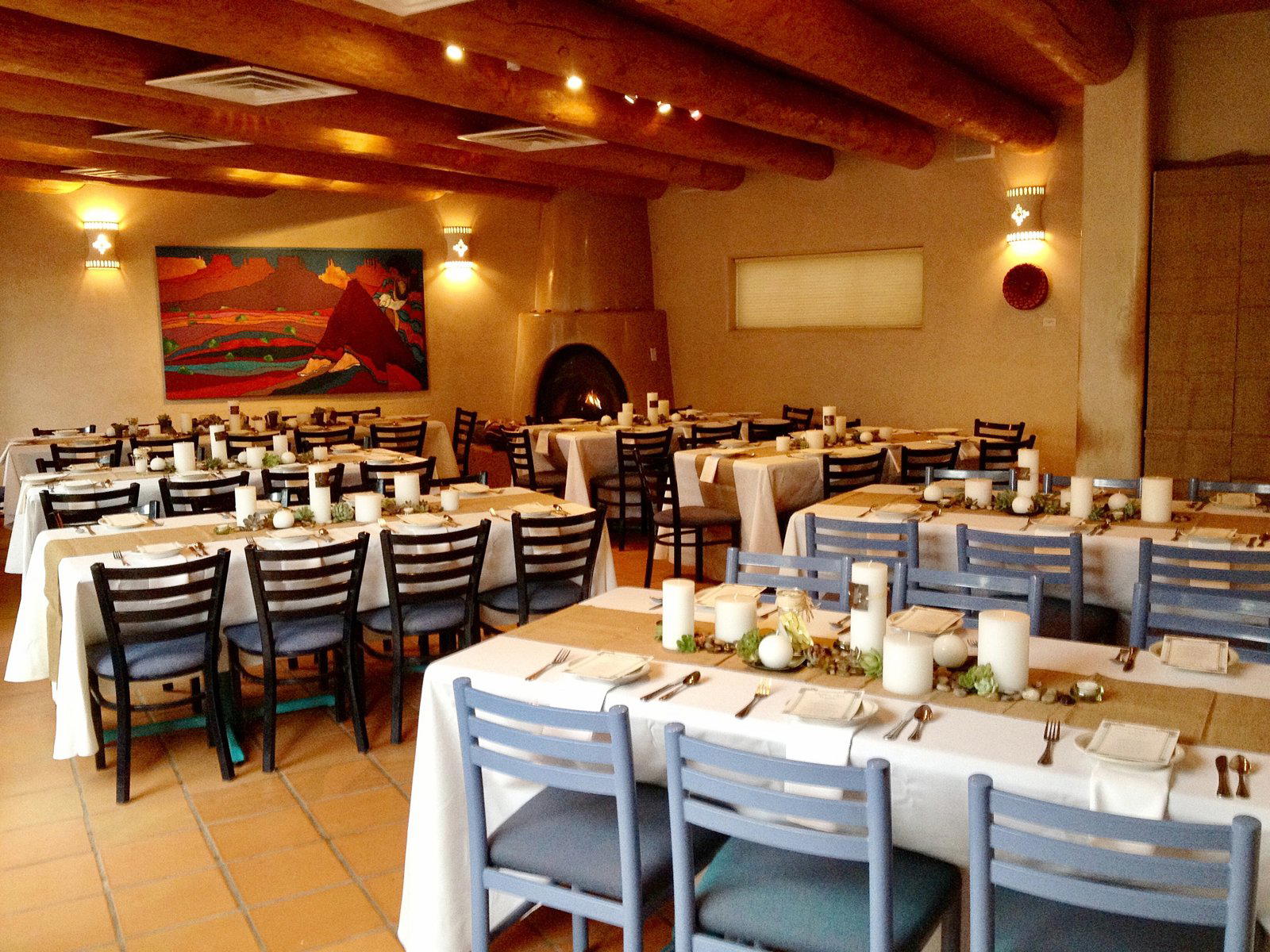
Where the High Desert Meets the Table
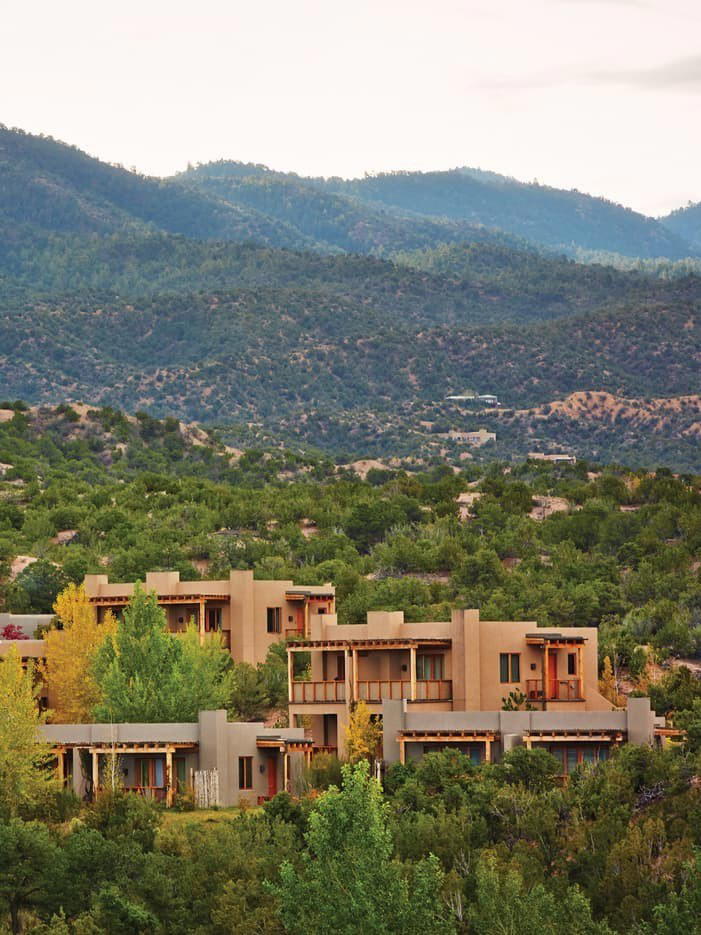
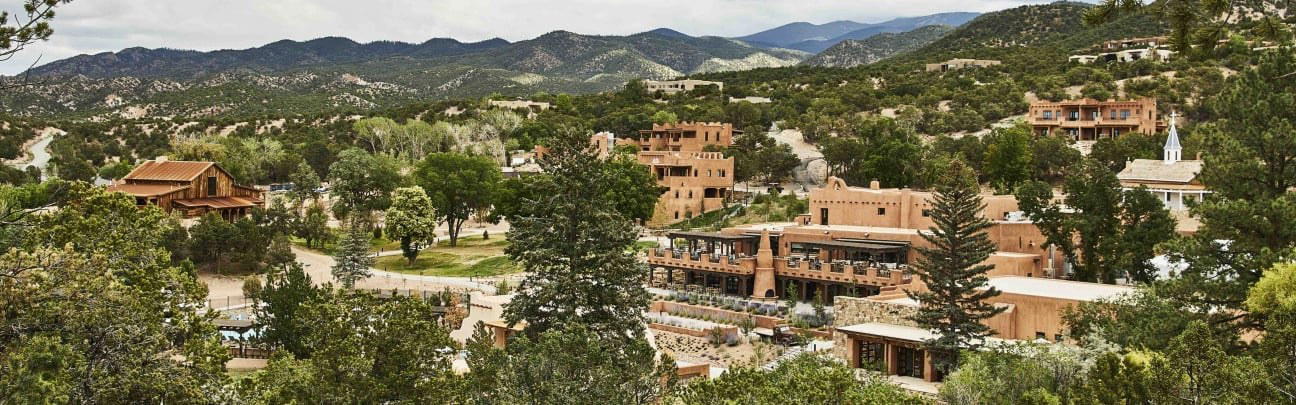
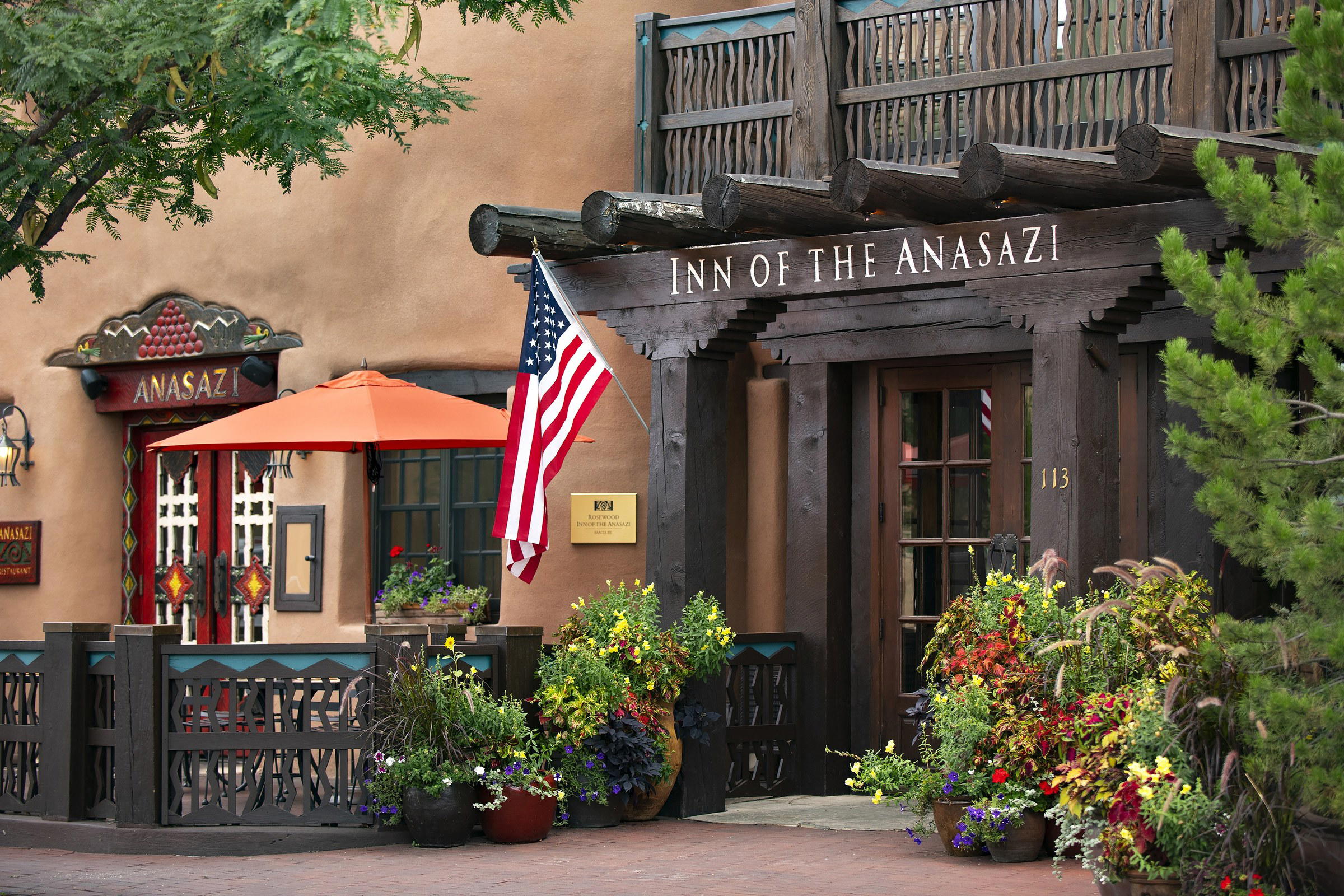
The drive north from Santa Fe along Highway 285 gives you a clear read on the terrain that shapes cooking in this part of New Mexico: scrubland punctuated by adobe settlements, the Jemez Mountains holding the western light, and a landscape in which agriculture has always been a negotiation between scarcity and ingenuity. Gabriel's sits along this corridor, on the road between the capital and Pojoaque, in a setting that announces itself through the physical weight of the building before a single plate arrives. Adobe construction, hand-carved wooden details, and the open-sky framing that characterises traditional New Mexican architecture place the restaurant firmly in a regional idiom rather than a generic American dining vernacular. The physical environment here is not decorative; it is argumentative, making a case for where you are before the food does.
The Sourcing Logic Behind New Mexican Cuisine
New Mexico occupies a specific and often underappreciated position in American food geography. The state's culinary identity is built on a short list of ingredients with deep agricultural roots: Hatch green and red chiles grown in the Rio Grande valley, blue corn from Pueblo farming traditions stretching back centuries, beans and squash cultivated in the same high-desert conditions that forced a kind of enforced localism long before that word became a marketing category. The result is a regional cuisine that arrived at ingredient specificity not through philosophy but through necessity, and the restaurants that do it well are the ones that understand this distinction.
At Gabriel's, the gravitational centre of the menu is the guacamole, prepared tableside in the Oaxacan tradition using a molcajete, the basalt mortar that grinds rather than mashes and produces a texture and depth that a bladed appliance cannot replicate. This is a meaningful operational choice. Tableside preparation is slower, more labour-intensive, and requires trained front-of-house staff rather than kitchen assembly. The decision to maintain it signals a commitment to process over throughput, and to sourcing avocados and supporting ingredients at a quality where the preparation method actually matters. For comparison, restaurants at the calibre of Blue Hill at Stone Barns in Tarrytown or Single Thread Farm in Healdsburg make sourcing the editorial spine of the entire menu; at Gabriel's, the molcajete guacamole performs a similar function, acting as a proof of concept for what the kitchen values.
New Mexico's chile agriculture is not interchangeable with the broader Tex-Mex category that often gets conflated with it in national restaurant coverage. Hatch chiles have a specific terroir argument: the combination of the Rio Grande valley's alkaline soil, intense sun, and cool nights produces a flavour profile that processors and distributors have spent decades trying to replicate outside the region, without notable success. When a restaurant in this corridor uses green or red chile that comes from that supply chain, the sourcing story is verifiable in a way that more abstract farm-to-table claims rarely are. This is the culinary context in which Gabriel's operates, and it is one worth understanding before you arrive.
Placing Gabriel's within the broader American fine dining conversation requires some calibration. The restaurants that draw national attention for ingredient-driven cooking, from Smyth in Chicago to Lazy Bear in San Francisco to Oyster Oyster in Washington, D.C., operate in urban markets with the institutional infrastructure of major food media, Michelin inspection cycles, and a concentrated professional audience. New Mexico sits outside that circuit almost entirely, which means that restaurants serving genuinely rooted, ingredient-specific food here are evaluated against a different and often less forgiving economic backdrop. They do not benefit from the validation loops that drive reservation demand at places like Addison in San Diego or The French Laundry in Napa.
Gabriel's longevity on the Pojoaque corridor speaks to a local and regional following rather than a destination-dining audience, and that distinction matters when assessing what kind of experience you are booking. For visitors who have come through kitchens like Frasca Food and Wine in Boulder or The Wolf's Tailor in Denver, the register here will feel different: less composed, more direct, and legible in the way that regional cooking becomes when it is not trying to speak to a national critical audience.
The Santa Fe Food Corridor in Context
The stretch of highway between Santa Fe and Pojoaque functions as an informal dining corridor for northern New Mexico, distinct from the restaurant density of the downtown Plaza area and the Canyon Road gallery district. Properties along this route tend to draw a mix of local regulars, visitors staying at the northern resort properties, and travellers moving between Santa Fe and Taos. Gabriel's address at 4 Banana Lane, just off the main highway in the Cuyamungue Grant area, places it squarely in this in-between geography, accessible by car from central Santa Fe in under fifteen minutes. It is worth visiting our full Cuyamungue Grant restaurants guide before planning your itinerary, as the corridor has more depth than a single stop suggests.
For those building a broader Southwest itinerary that takes sourcing seriously, the comparison points worth holding in mind include Bacchanalia in Atlanta and ITAMAE in Miami, both of which demonstrate how regional ingredient identity can sustain a restaurant's reputation over a long period without the support of a major awards infrastructure. The model is applicable here, even if the scale and ambition differ.
International comparisons are instructive as well. The sourcing discipline at Atelier Moessmer Norbert Niederkofler in Brunico shows what happens when a kitchen commits entirely to a defined geographic larder over many years. New Mexican cuisine at its most specific operates on a similar logic, if with less formal infrastructure around it. Restaurants like Le Bernardin in New York City, Providence in Los Angeles, Emeril's in New Orleans, The Inn at Little Washington, and Atomix in New York City each demonstrate, in very different registers, what sustained commitment to a culinary identity produces over time. The question for any regional restaurant is whether the ingredient story is strong enough to carry that weight.
Planning Your Visit
Gabriel's sits north of Santa Fe on the Pojoaque corridor, reachable by car in roughly ten to fifteen minutes from the city centre. Given the limited public transport options in rural New Mexico, a car is the practical requirement for this visit. Booking ahead is advisable, particularly during the summer and fall seasons when Santa Fe's cultural calendar (opera season runs through August, with the International Folk Art Market typically in July) drives significant visitor traffic to the broader region. The experience fits naturally into a half-day loop that also takes in the Pojoaque Pueblo cultural centre and the sculpture installations along the highway approach.
Frequently asked questions
Is Gabriel's good for families?
Gabriel's location north of Santa Fe on the Pojoaque corridor, reached in roughly ten to fifteen minutes from the city centre by car, suits families travelling the region rather than those on a tight downtown schedule. The setting along Highway 285 through open scrubland tends to attract a relaxed, mixed-age crowd rather than a strict fine-dining clientele.
What should I expect atmosphere-wise at Gabriel's?
The drive north from Santa Fe along Highway 285 frames the experience before you arrive: high desert scrubland, low horizontal light, and a pace that has nothing in common with downtown restaurant density. Gabriel's sits within this corridor at 4 Banana Ln, Cuyamungue Grant, and the surrounding terrain sets the tone. Expect a regional, grounded setting rather than an urban dining room aesthetic.
How far is Gabriel's from central Santa Fe, and is it worth the drive?
Gabriel's sits approximately ten to fifteen minutes north of Santa Fe city centre via Highway 285, placing it squarely within the informal dining corridor that runs toward Pojoaque. That stretch is distinct from the restaurant density of Canyon Road or the Plaza, which means the audience tends to be deliberate rather than foot-traffic-driven. For visitors exploring northern New Mexico's regional food tradition, the Cuyamungue Grant location puts Gabriel's closer to the sourcing geography that shapes the cuisine than most Santa Fe addresses allow.
What dish is Gabriel's famous for?
New Mexico's culinary identity is anchored to a short list of cultivated ingredients, most notably the state's native chile varieties, which define the region's cooking in a way that has no close parallel elsewhere in American food geography. Specific signature dishes at Gabriel's are not detailed in confirmed records, but the broader northern New Mexico tradition places red and green chile preparations at the centre of any serious regional table.
Quick Comparison
Comparable venues nearby, for context on price, style, and recognition.
| Venue | Cuisine | Price | Awards | Notes |
|---|---|---|---|---|
| Gabriel'sThis venue (the venue you are viewing) | New Mexican and Southwestern | $20–30 | Not listed | Not listed |
| Del Charro | New Mexican & American Pub Fare | $20–30 | Not listed | Downtown |
| Tomasita's | Northern New Mexican | $20–30 | Not listed | Railyard District |
| La Choza Restaurant | Traditional New Mexican | $20–30 | Michelin Bib Gourmand | Railyard |
| Mary & Tito's Cafe | New Mexican | $10–20 | James Beard Award America's Classics | North Valley |
| Paloma Restaurant | Modern Mexican | $50–100 | Michelin Plate | Guadalupe Street |
Continue exploring
More in Cuyamungue Grant
Restaurants in Cuyamungue Grant
All restaurants in Cuyamungue Grant →
Bars in Cuyamungue Grant
Browse all →
Details
- Scenic
- Rustic
- Cozy
- Date Night
- Group Dining
- Casual Hangout
- Terrace
- Craft Cocktails
- Mountain
- A La Carte
- Margaritas
- Vegetarian Friendly
- Gluten Free Options
Current opening hours
- Monday
- 11:30 AM–8:30 PM
- Tuesday
- Closed
- Wednesday
- 11:30 AM–8:30 PM
- Thursday
- 11:30 AM–8:30 PM
- Friday
- 11:30 AM–8:30 PM
- Saturday
- 11:30 AM–8:30 PM
- Sunday
- 11:30 AM–8:30 PM
Hours can change for holidays and private events. Last verified .
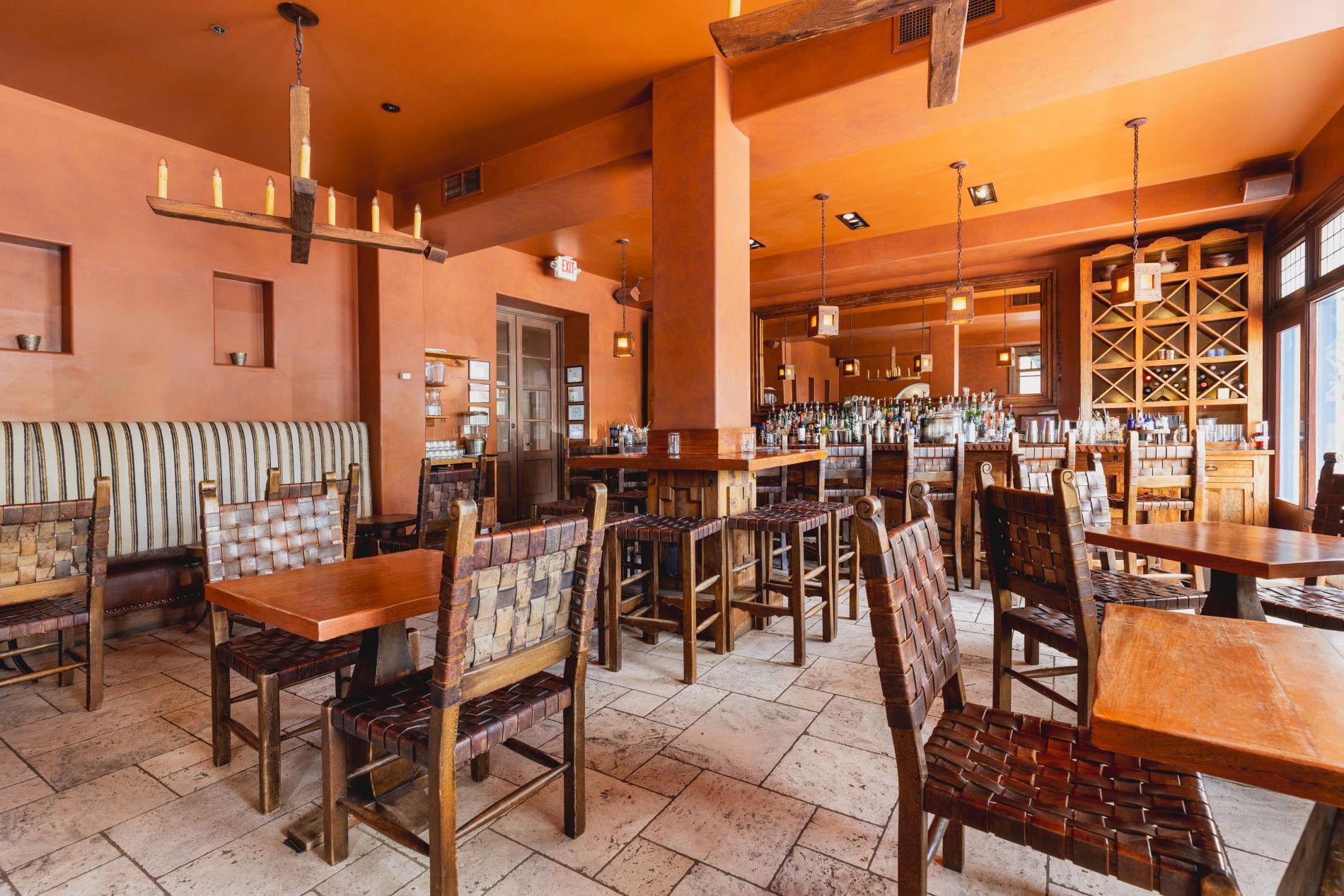
Warm and picturesque with Spanish colonial theme indoors and a relaxed outdoor patio featuring fountains and scenic mountain backdrop.