

A Michelin Plate-recognised address in Beyoğlu's Asmalı Mescit quarter, 1924 İstanbul serves Russian cuisine in a city whose dining scene is overwhelmingly defined by Anatolian and modern Turkish traditions. It occupies a distinctive niche at the ₺₺₺ price tier, offering one of the few serious Russian tables in Istanbul.
Pearl is the En Primeur Club membership app — saves, bookings, and concierge access live there. Same editors, same standards.
- Address
- Asmalı Mescit, Olivya Geçidi Sok. 7-A, 34435 Beyoğlu/İstanbul, Türkiye
- Phone
- +90 530 896 03 60
- Website
- 1924istanbul.com
- Directions
- Get directions
 Saves & bookings on Pearl
Where Beyoğlu Meets the Black Sea Table
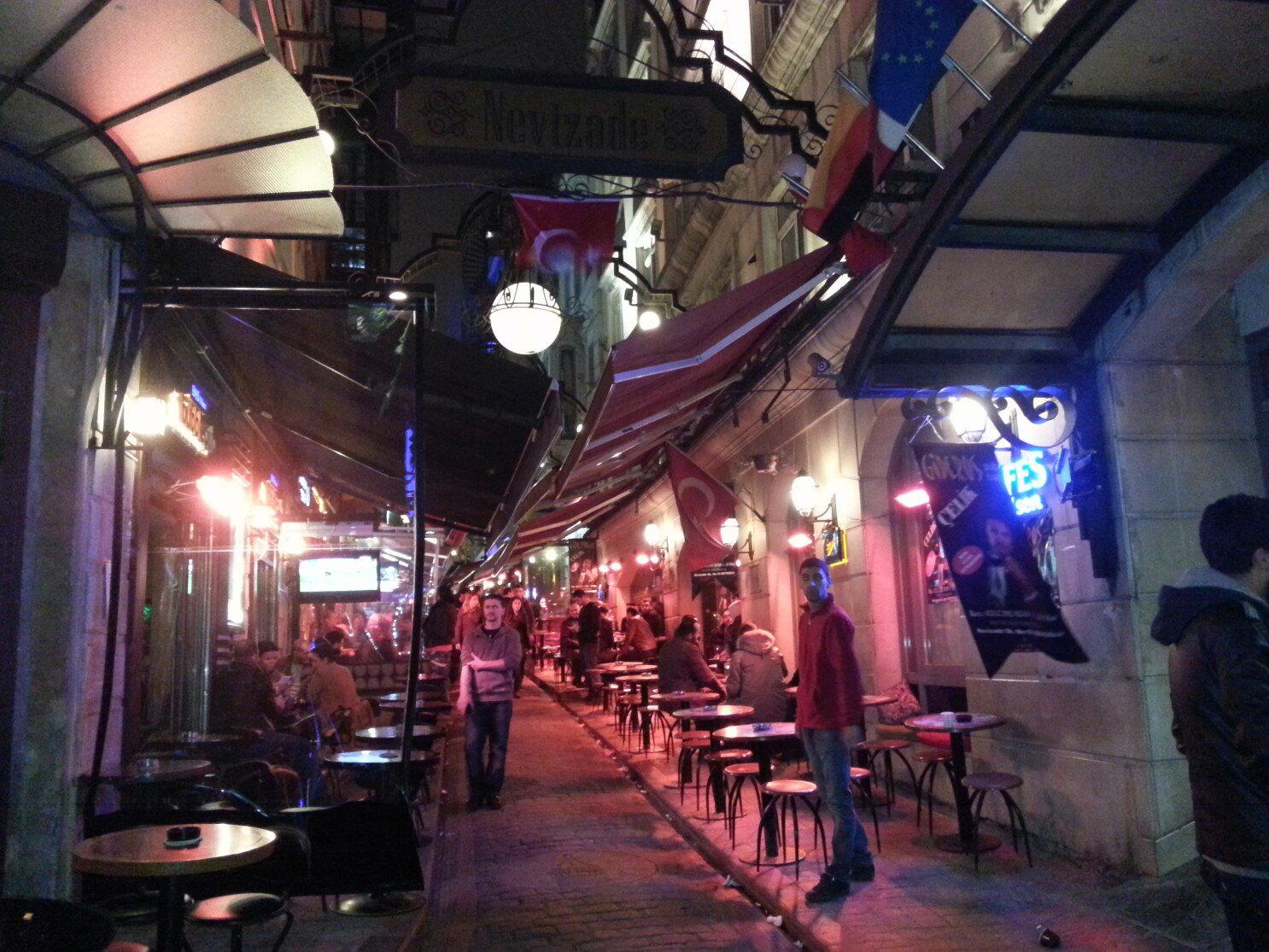
Asmalı Mescit is one of Istanbul's most compressed dining corridors: a knot of narrow streets in Beyoğlu where meyhanes, wine bars, and quietly ambitious restaurants occupy the ground floors of nineteenth-century apartment buildings. The approach to Olivya Geçidi Sokak feels typical of the neighbourhood, cobblestones, ambient noise from adjacent terraces, the general sense that every doorway conceals something worth investigating. What is not typical is finding, behind one of those doorways, a kitchen committed to Russian cuisine in a city where the overwhelming majority of serious restaurant tables are anchored in Anatolian, modern Turkish, or Mediterranean traditions.
That specificity is the premise of 1924 İstanbul, and it is a premise that has attracted Michelin recognition in both 2024 and 2025. A Michelin Plate in consecutive years signals consistent quality rather than a flash of ambition, and in Istanbul's increasingly competitive dining scene, that consistency matters. The city's Michelin-starred tier is dominated by modern Turkish kitchens: Turk Fatih Tutak at two stars, and single-star houses including Mikla, Neolokal, and Arkestra. 1924 İstanbul operates in a different register entirely, which is precisely why the Plate recognition is notable: the guide is acknowledging a kitchen that competes on its own terms rather than against the dominant local idiom.
The Logic of Russian Cuisine at This Address
Istanbul's relationship with Russian and Eastern European culinary traditions runs deeper than the city's modern tourist profile suggests. The Black Sea has served as a trade and migration corridor for centuries, and the city's Beyoğlu district in particular carries a layered cosmopolitan history, Greek, Armenian, Levantine, and Russian communities all shaped its food culture before the twentieth century compressed those identities. A restaurant name anchored to 1924 is a deliberate reference point, gesturing toward a specific moment in that history when Istanbul and the post-revolutionary Russian diaspora intersected most visibly.
Russian cuisine, when executed with ingredient discipline, is less about dairy-heavy excess and more about the sourcing logic of a northern larder: preserved and pickled vegetables, cured fish from cold waters, game and root vegetables, fermented dairy used structurally rather than decoratively. The question any serious Russian table outside Russia faces is sourcing: how much of that larder can be replicated or substituted without hollowing out the cuisine's character. Istanbul, sitting at the junction of the Black Sea and the Mediterranean, has its own cold-water fish tradition, strong pickling culture through Anatolian fermentation practices, and access to Caucasian and Central Asian ingredients that share some of the same pantry logic. That geographic positioning gives a kitchen working in this register a more credible ingredient base than a comparable address in, say, London or New York would have.
For comparison, Russian restaurants operating far from source, Kachka in Portland being a well-regarded example, rely heavily on import substitution and reinterpretation. A venue like Palkin in St. Petersburg operates with direct access to the canonical larder. 1924 İstanbul sits between those poles, able to draw on regional proximity while working within Turkey's own abundant produce traditions.
Placement in Istanbul's Price Tier and Scene
At ₺₺₺, the restaurant prices below the starred tier, where the dominant modern Turkish restaurants, Turk Fatih Tutak, Mikla, Neolokal, operate at ₺₺₺₺. That positioning makes it accessible relative to the city's most celebrated tables while still occupying the upper-middle of Istanbul's dining range.4 across 1,467 reviews is a meaningful signal at this scale.
The Beyoğlu location connects it to a cluster of notable independent restaurants rather than the hotel-dining circuit. Casa Lavanda operates nearby in the same quarter, and the general character of Asmalı Mescit favours restaurants with distinct culinary identities over broad-appeal menus. That neighbourhood self-selection is relevant: guests arriving in this part of Beyoğlu are typically looking for something specific, which suits a restaurant whose concept requires a degree of prior orientation.
How to Approach a Booking
Reservation is recommended. The address on Olivya Geçidi Sokak is within easy walking distance of the main Istiklal Avenue spine, which makes it direct to combine with an evening in the neighbourhood. Given the restaurant's Michelin Plate status and sustained review volume, same-evening walk-ins are plausible during quieter mid-week periods but carry more risk on weekends in peak season.
The restaurant is open Monday through Saturday from 4 PM to 12 AM and closed on Sunday.
Istanbul in a Broader Turkish Context
Istanbul's dining scene draws the majority of serious attention within Turkey, but the country's other cities and regions support restaurants of considerable ambition. Kitchen by Osman Sezener in Bodrum, Narımor in Izmir, 7 Mehmet in Antalya, Agora Pansiyon in Milas, Ahãma in Göcek, and Aravan Evi in Ürgüp each represent the regional depth of a food culture that Istanbul tends to overshadow.
What to Eat at 1924 İstanbul
The menu centers on Russian Specialities, with cold starters, cured and pickled preparations, and hearty mains. The Michelin Plate in 2024 and again in 2025 suggests the kitchen is executing that brief with enough consistency to satisfy a guide that holds quality standards across its Plate and Bib Gourmand tiers before awarding stars.
At-a-Glance Comparison
Comparable venues nearby, for context on price, style, and recognition.
| Venue | Cuisine | Price | Awards | Notes |
|---|---|---|---|---|
| 1924 İstanbulThis venue — the venue you are viewing | Russian Specialities | $$$ | Michelin Plate | Not listed |
| Gün Lokantası | Modern Turkish Grill | $$$ | Michelin Plate | Asmali Mescit |
| mutfakkoz | Contemporary Turkish | $ | Bib Gourmand | Kozyatagi |
| BİZ İstanbul | Traditional Istanbul Lokanta | $$$ | Michelin Plate | Gumussuyu |
| 29 | Modern Turkish with Mediterranean influences | $$$ | Michelin Plate | Kurucesme |
| Atölye | Modern Anatolian Turkish | $$$$ | Michelin Plate | Harbiye |
Recognition history
Dated appearances from independent guides and award organizations, with the underlying list record or original source where available.
Gault & Millau Türkiye 1 Toque
Gault & Millau · Gault & Millau Türkiye 2026 - 1 Toque
Michelin Plate
Michelin
Michelin Plate
Michelin
At a Glance
- Romantic
- Classic
- Well Known
- Elegant
- Date Night
- Celebration
- Special Occasion
- Group Dining
- Live Music
- Historic Building
- Standalone
- Craft Cocktails
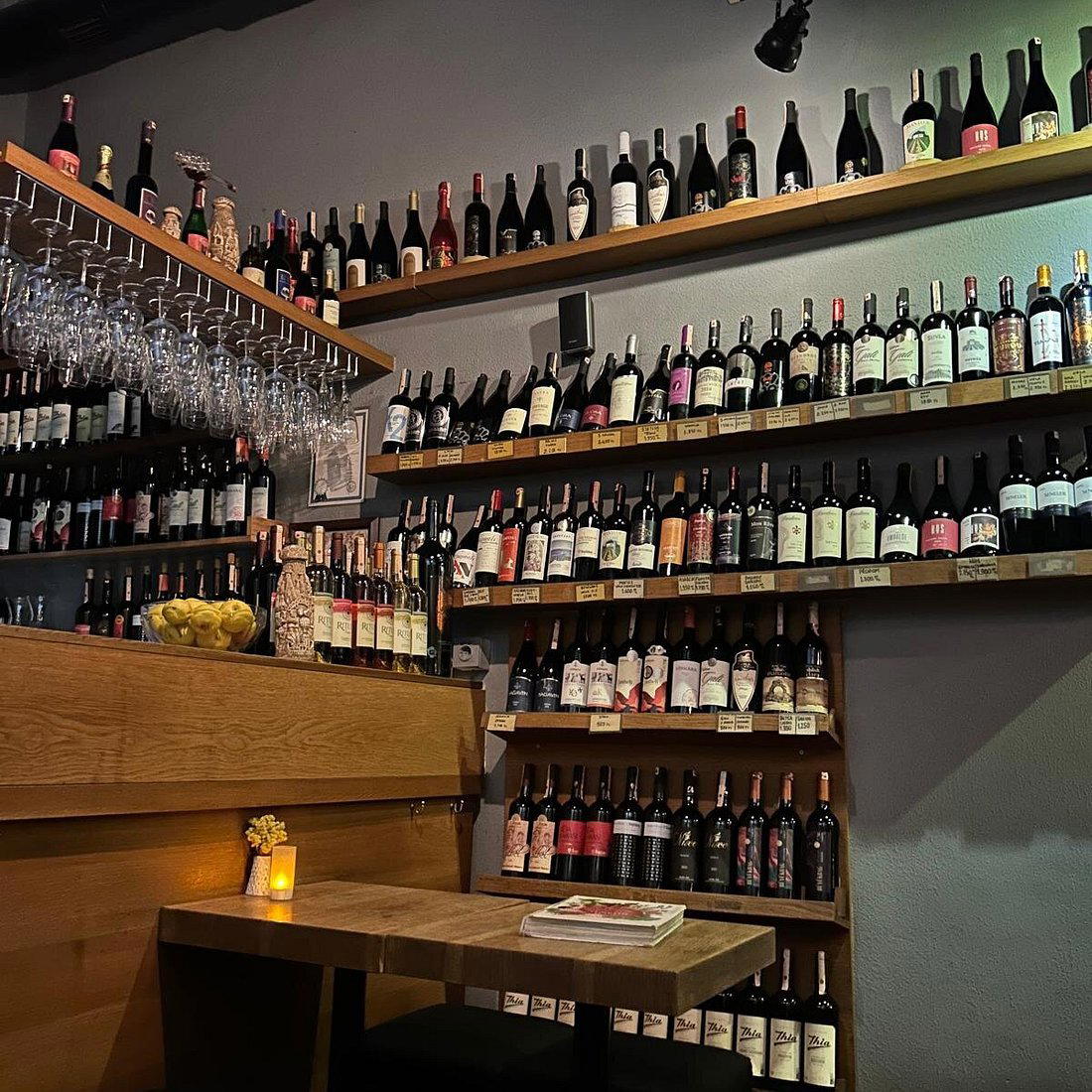
- Extensive Wine List
Current opening hours
- Monday
- 4 PM–12 AM
- Tuesday
- 4 PM–12 AM
- Wednesday
- 4 PM–12 AM
- Thursday
- 4 PM–12 AM
- Friday
- 4 PM–12 AM
- Saturday
- 4 PM–12 AM
- Sunday
- Closed
Hours can change for holidays and private events. Last verified .
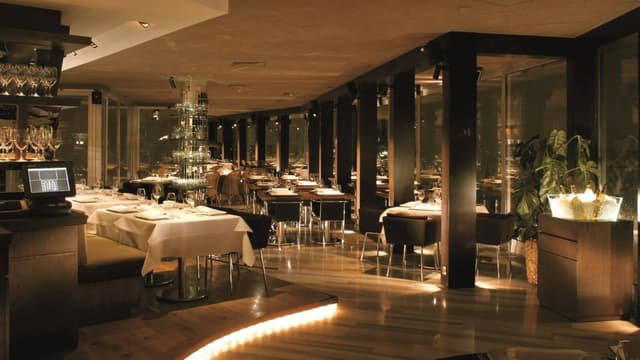
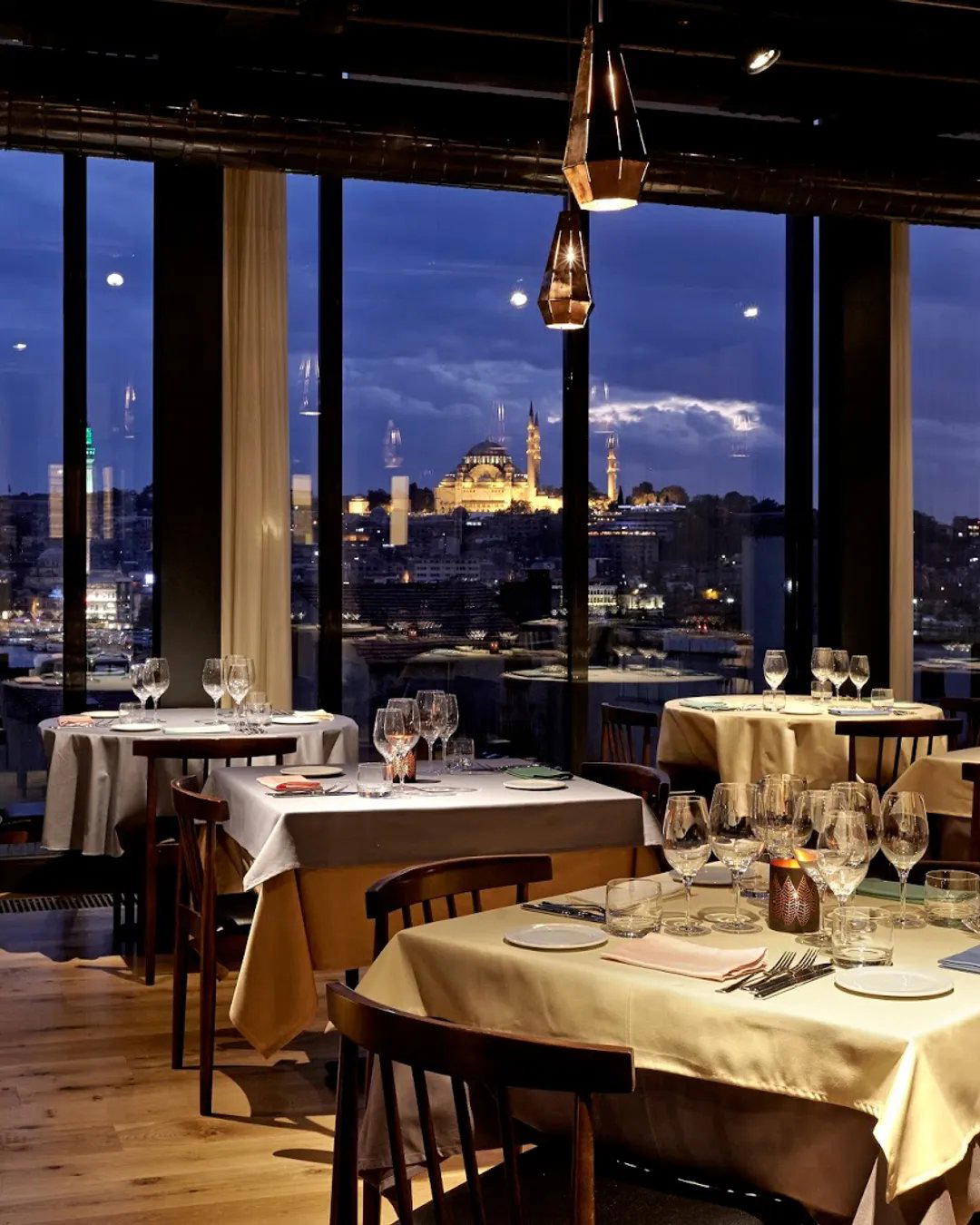
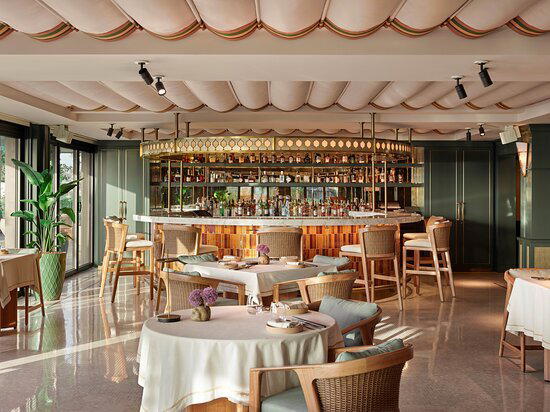
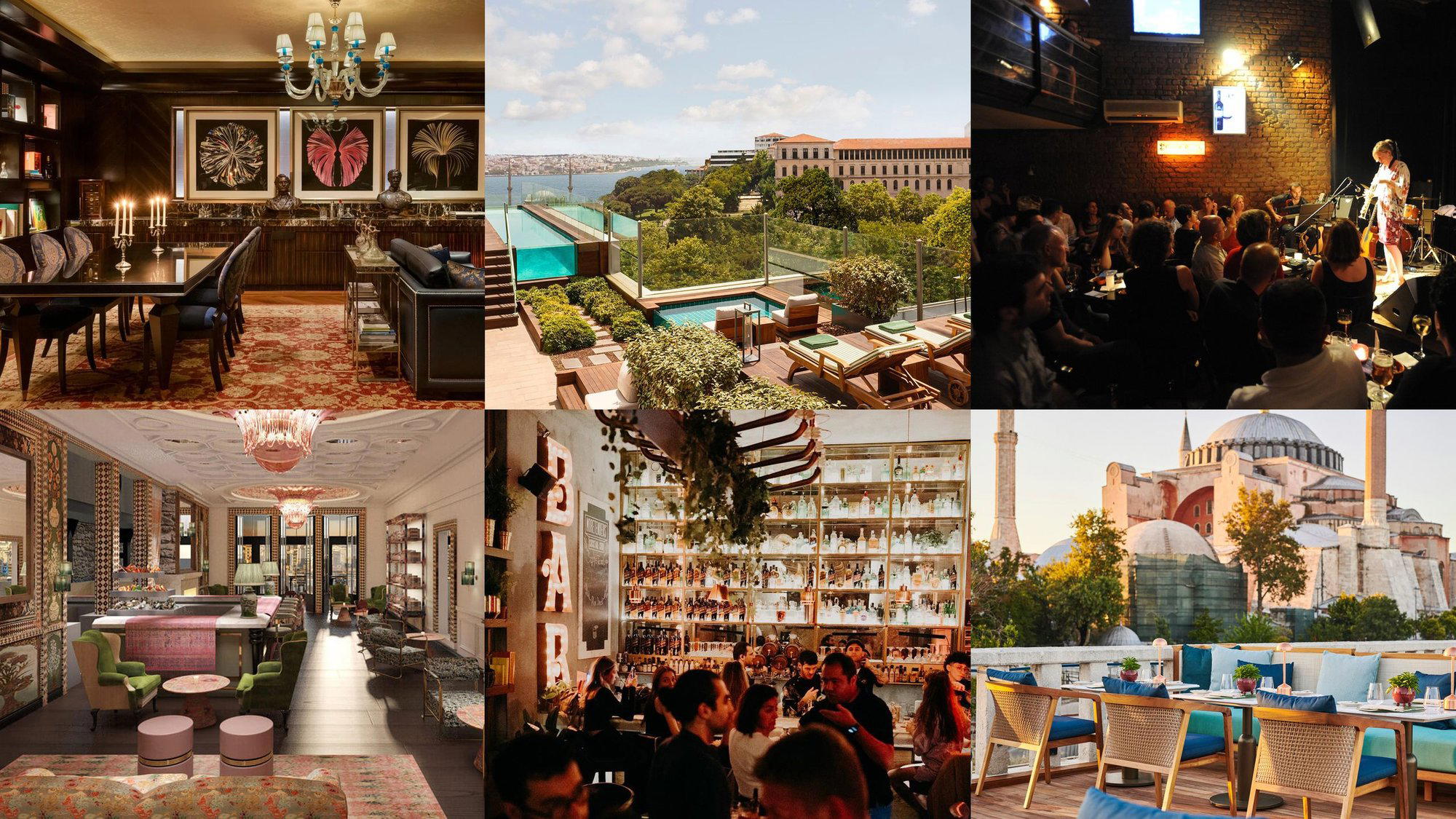
Dimly lit, wood-paneled dining room with antique chandeliers and vintage décor evoking 1920s Russian elegance; atmospheric but occasionally loud with live music.