1890 La Bodeguita
A Colonial Room in a City Built on Trade Las Palmas de Gran Canaria has always been a port where supply chains determined what ended up on the table. African spice routes, Latin American trade winds, and the Atlantic fishing grounds that surround the archipelago all left their mark on a local food culture that is neither purely Spanish nor easily categorized. The city's better dining rooms are now doing something more deliberate with that inheritance: tracing ingredients back to their island and ocean origins rather than simply importing mainland Castilian conventions. 1890 La Bodeguita, set inside the Santa Catalina, a Royal Hideaway Hotel on Calle León y Castillo, operates within that frame. The Santa Catalina is one of Las Palmas's most recognized historic properties, a building whose architecture references the colonial trading-era of 1890, and the restaurant's name makes that reference explicit. The room itself communicates period detail — the kind of setting where the physical environment does some editorial work before a single plate arrives. For travelers accustomed to the deliberately stripped-back aesthetic of newer Spanish fine-dining spaces, the contrast is useful. Where venues like Muxgo and Poemas by Hermanos Padrón have built their identities around experimental technique and forward-looking creative formats, 1890 La Bodeguita anchors itself in the hotel's architectural lineage and the slower, more ingredient-led register that often accompanies that kind of setting. What the Atlantic Puts on the Table The Canary Islands sit closer to the coast of West Africa than to mainland Spain, a geographic fact that shapes fishing calendars, soil conditions, and growing seasons in ways that mainland Spanish kitchens simply cannot replicate. The waters off Gran Canaria are Atlantic, not Mediterranean, and the difference in temperature and current produces fish species and textures that give island kitchens a distinct starting point. Vieja, cherne, and sama are the reference points here rather than the Cantabrian anchovies or Mediterranean sea bass that anchor cooking further north and east on the peninsula. Hotel dining rooms at this tier in Spain, from the restaurants inside Bilbao's grand properties to the in-house kitchens of Seville's palace conversions, have increasingly moved toward a sourcing-forward model, partly because the hotel format gives them buying relationships and supply stability that smaller independent restaurants cannot always secure. In Las Palmas, that means access to local markets like the Mercado Central de Las Palmas and the fishing infrastructure of Puerto de La Luz, one of the busiest ports in the Atlantic. A kitchen positioned inside the Santa Catalina is well placed to use both. The logic of an ingredient-led approach in this city runs deeper than trend: the archipelago's volcanic soil produces tomatoes, peppers, and papas arrugadas potatoes with flavor intensities that continental Spain can only approximate, and those products demand a kitchen that lets them carry weight rather than buries them in technique. Diners who move between the major nodes of Spanish fine dining — say, from Arzak in San Sebastián or El Celler de Can Roca in Girona to newer Atlantic-edge destinations, will find that the Canarian table occupies a different register entirely. The island sourcing tradition is less about building elaborate creative systems around a product, as kitchens like Mugaritz in Errenteria or DiverXO in Madrid do, and more about presenting products at a point of ripeness or freshness that makes intervention unnecessary. That is a different discipline, and it asks something different of the diner: attention to texture and provenance rather than spectacle. Where This Fits in Las Palmas Dining The Las Palmas restaurant scene has broadened considerably over the past decade. The city now sustains a range of formats from accessible mid-market creative kitchens like El Equilibrista 33 and Tabaiba through to the more ambitious tasting-menu formats that have attracted critical attention at the top of the market. Deliciosamarta represents another point on the spectrum, reinforcing how much range the city now contains across price points and styles. 1890 La Bodeguita sits in the mid-to-upper section of that range, where the hotel setting provides a built-in expectation of comfort and service consistency that independent restaurants at the same price point do not always deliver. That is neither a criticism nor a compliment; it is a structural reality of hotel dining. Guests staying at the Santa Catalina benefit from the convenience of in-house access without sacrificing the sense that they are eating something specific to the city rather than a generic international hotel offer. The ingredient emphasis, the decision to build a menu around what the island and its surrounding Atlantic waters produce rather than what can be sourced more cheaply from the mainland, is the mechanism that keeps the kitchen local. For the full picture of what Las Palmas offers across formats and price tiers, our Las Palmas de Gran Canaria restaurants guide maps the scene in detail. The broader Spanish fine-dining context is useful here too. Sourcing-led hotel kitchens in Spain have found benchmarks in venues like Ricard Camarena in València, where garden-to-table provenance has become a defining editorial position, and Aponiente in El Puerto de Santa María, where Atlantic marine sourcing has been pushed to its conceptual limits. 1890 La Bodeguita does not operate at those levels of creative ambition, but the underlying sourcing logic is related. The archipelago's distance from the mainland, which might look like a disadvantage on a logistics spreadsheet, becomes a reason to cook closer to home. Planning Your Visit The Santa Catalina sits in the Santa Catalina neighborhood, within comfortable walking distance of the Parque Santa Catalina and the city's waterfront. For travelers flying into Gran Canaria Airport, the hotel is accessible by taxi or bus in approximately 25 minutes depending on traffic. Booking ahead is advisable for dinner, particularly on weekends and during the high-season winter months when the island sees its largest influx of European visitors escaping northern cold. Hotel guests have a natural booking channel through the property, but walk-in diners should contact the hotel directly. Dress code expectations at this tier inside a Royal Hideaway property trend toward smart casual as a baseline; the colonial room setting rewards the effort of dressing appropriately for the environment. For comparison purposes, travelers planning broader Spain itineraries who want to place this kitchen in context alongside technically ambitious peers can look at Cocina Hermanos Torres in Barcelona, Azurmendi in Larrabetzu, Martin Berasategui in Lasarte-Oria, or Quique Dacosta in Dénia. For international reference points in the hotel-restaurant format where ingredient provenance is a primary editorial commitment, Le Bernardin in New York City and Lazy Bear in San Francisco offer useful counterpoints from other Atlantic-facing cities. Frequently Asked Questions Can I bring kids to 1890 La Bodeguita?The hotel setting makes this more accommodating than a strict tasting-menu counter would be, but the colonial room format and mid-to-upper price positioning in Las Palmas mean it suits families with older, dining-aware children better than young ones.Is 1890 La Bodeguita formal or casual?If you are arriving from a mid-range Las Palmas restaurant, expect a step up in formality given the Royal Hideaway hotel context. Smart casual is a safe baseline. If you are arriving from a Michelin-level tasting-menu counter elsewhere in Spain, the register is somewhat more relaxed, with hotel comfort taking priority over theatrical dining-room formality.What do people recommend at 1890 La Bodeguita?Cross-referencing what is in season during your visit remains the most reliable guide.How far ahead should I plan for 1890 La Bodeguita?Booking a week or more in advance is prudent during the winter high season, when Gran Canaria receives significant numbers of European visitors. If you are staying at the Santa Catalina itself, the hotel concierge channel simplifies this. Walk-in availability is more likely midweek and outside the November-to-March peak window.What has 1890 La Bodeguita built its reputation on?The restaurant builds its identity on the Santa Catalina hotel's 1890 colonial heritage and on a kitchen orientation toward Atlantic and Canarian island sourcing. In the Las Palmas dining scene, that combination of historic setting and locally rooted ingredient sourcing positions it differently from the city's more technique-forward creative restaurants.What makes 1890 La Bodeguita different from other restaurants inside Las Palmas hotels?The name and setting directly reference the Santa Catalina's 1890 founding period, making the restaurant one of the few dining rooms in Las Palmas where the room's architectural history and the kitchen's sourcing philosophy are designed to reinforce each other. The Royal Hideaway brand positions the property in the upper segment of Las Palmas hotel dining, while the Atlantic and Canarian ingredient emphasis keeps the menu tethered to the archipelago rather than defaulting to generic Spanish hotel cuisine.
Pearl is the En Primeur Club membership app — saves, bookings, and concierge access live there. Same editors, same standards.
- Address
- Santa Catalina, a Royal Hideaway Hotel, C. León y Castillo, 227, 35005 Las Palmas de Gran Canaria, Las Palmas, Spain
- Phone
- +34 928 24 30 42
- Website
- barcelo.com
- Directions
- Get directions
 Saves & bookings on Pearl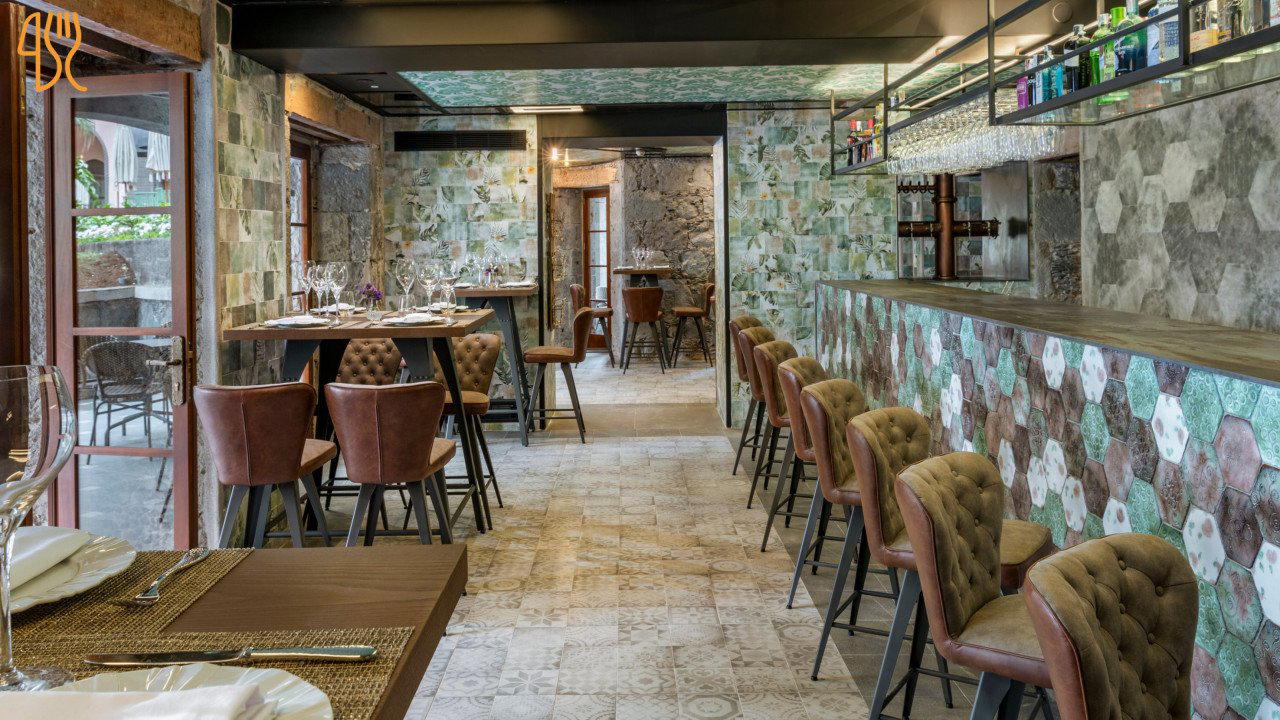
A Colonial Room in a City Built on Trade
Las Palmas de Gran Canaria has always been a port where supply chains determined what ended up on the table. African spice routes, Latin American trade winds, and the Atlantic fishing grounds that surround the archipelago all left their mark on a local food culture that is neither purely Spanish nor easily categorized. The city's better dining rooms are now doing something more deliberate with that inheritance: tracing ingredients back to their island and ocean origins rather than simply importing mainland Castilian conventions. 1890 La Bodeguita, set inside the Santa Catalina, a Royal Hideaway Hotel on Calle León y Castillo, operates within that frame.
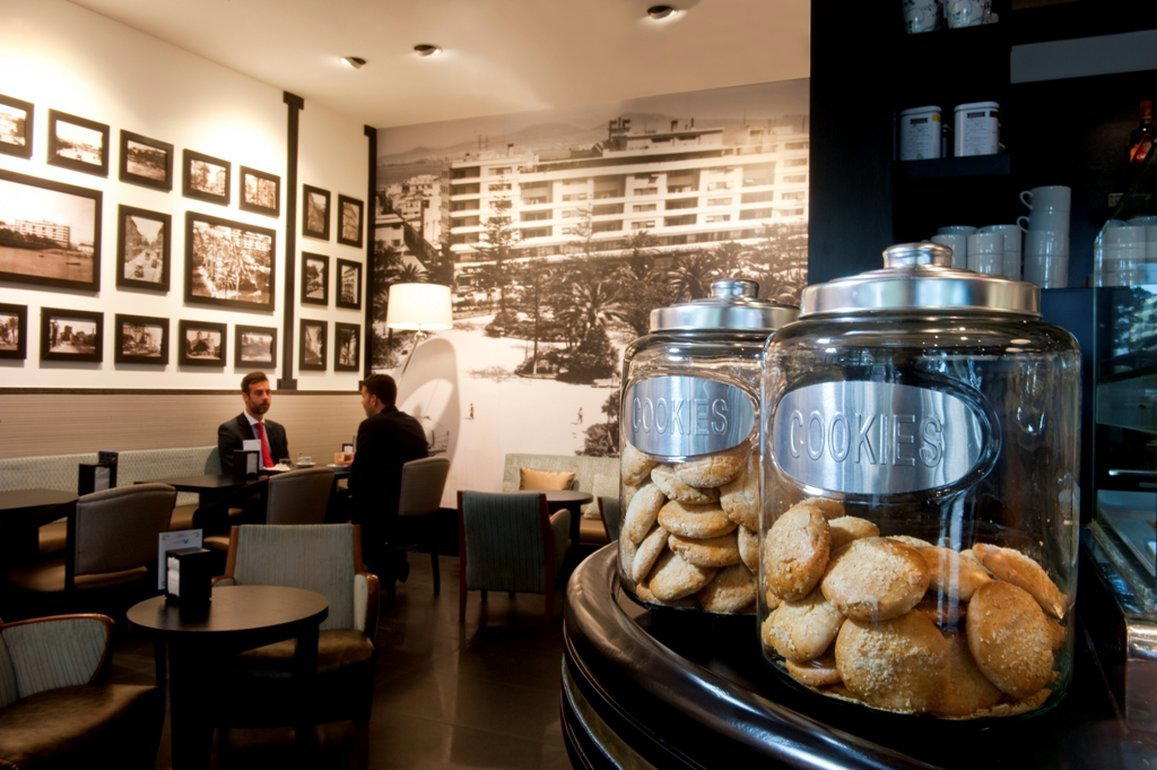
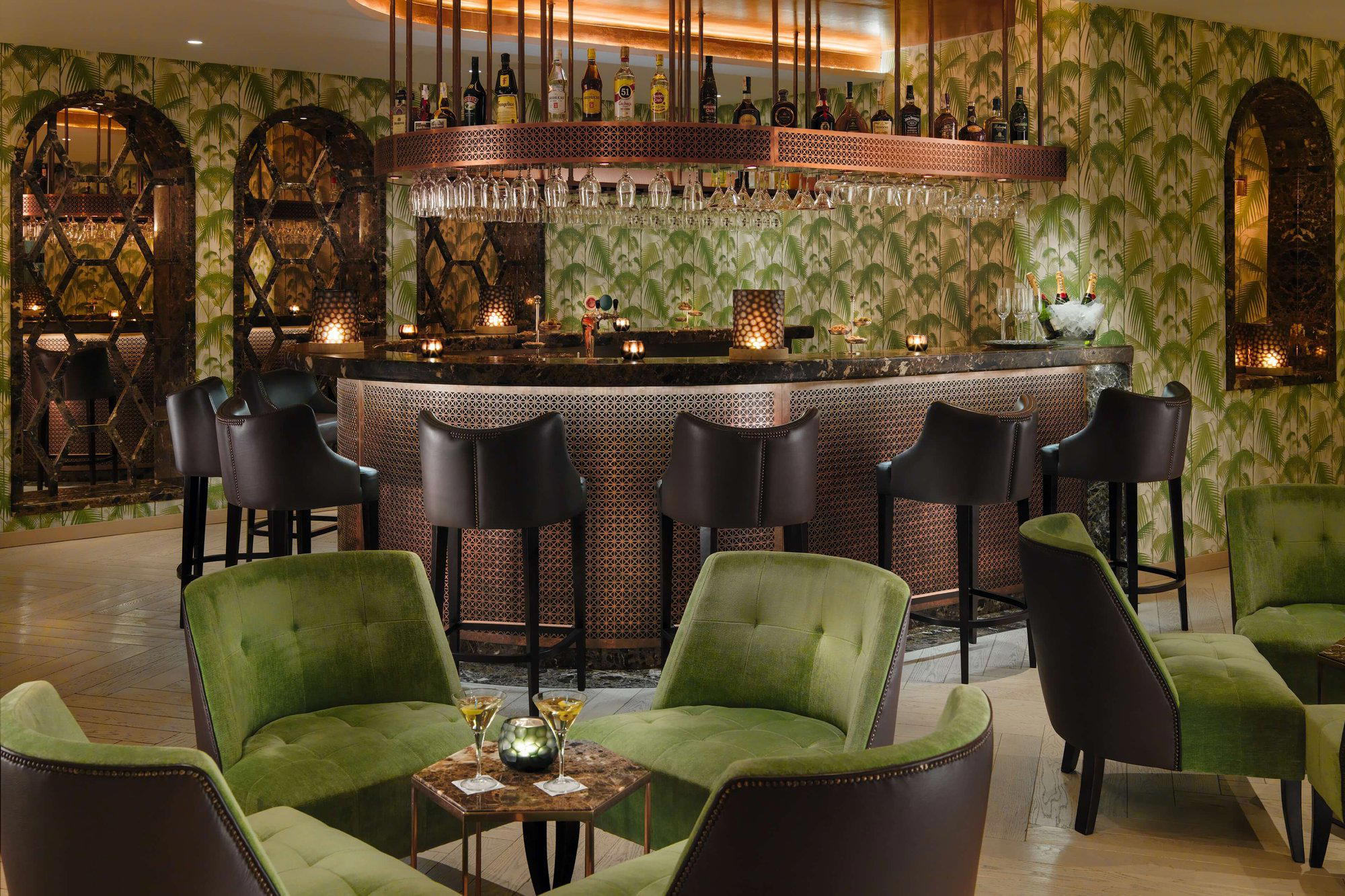
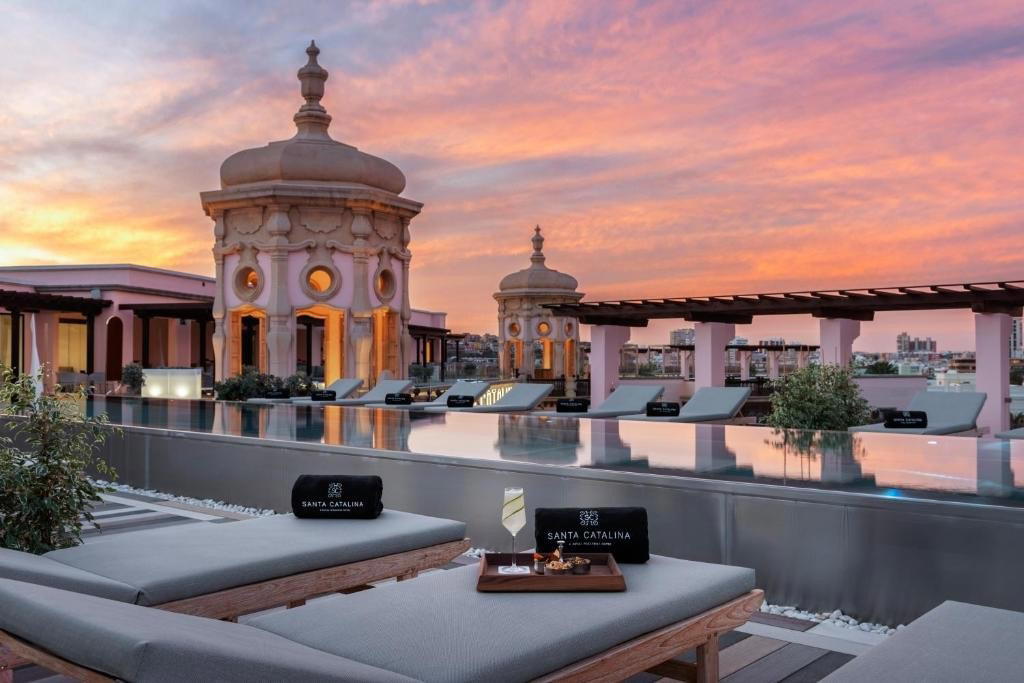
The Santa Catalina is one of Las Palmas's most recognized historic properties, a building whose architecture references the colonial trading-era of 1890, and the restaurant's name makes that reference explicit. The room itself communicates period detail — the kind of setting where the physical environment does some editorial work before a single plate arrives. For travelers accustomed to the deliberately stripped-back aesthetic of newer Spanish fine-dining spaces, the contrast is useful. Where venues like Muxgo and Poemas by Hermanos Padrón have built their identities around experimental technique and forward-looking creative formats, 1890 La Bodeguita anchors itself in the hotel's architectural lineage and the slower, more ingredient-led register that often accompanies that kind of setting.
What the Atlantic Puts on the Table
The Canary Islands sit closer to the coast of West Africa than to mainland Spain, a geographic fact that shapes fishing calendars, soil conditions, and growing seasons in ways that mainland Spanish kitchens simply cannot replicate. The waters off Gran Canaria are Atlantic, not Mediterranean, and the difference in temperature and current produces fish species and textures that give island kitchens a distinct starting point. Vieja, cherne, and sama are the reference points here rather than the Cantabrian anchovies or Mediterranean sea bass that anchor cooking further north and east on the peninsula.
Hotel dining rooms at this tier in Spain, from the restaurants inside Bilbao's grand properties to the in-house kitchens of Seville's palace conversions, have increasingly moved toward a sourcing-forward model, partly because the hotel format gives them buying relationships and supply stability that smaller independent restaurants cannot always secure. In Las Palmas, that means access to local markets like the Mercado Central de Las Palmas and the fishing infrastructure of Puerto de La Luz, one of the busiest ports in the Atlantic. A kitchen positioned inside the Santa Catalina is well placed to use both. The logic of an ingredient-led approach in this city runs deeper than trend: the archipelago's volcanic soil produces tomatoes, peppers, and papas arrugadas potatoes with flavor intensities that continental Spain can only approximate, and those products demand a kitchen that lets them carry weight rather than buries them in technique.
Diners who move between the major nodes of Spanish fine dining — say, from Arzak in San Sebastián or El Celler de Can Roca in Girona to newer Atlantic-edge destinations, will find that the Canarian table occupies a different register entirely. The island sourcing tradition is less about building elaborate creative systems around a product, as kitchens like Mugaritz in Errenteria or DiverXO in Madrid do, and more about presenting products at a point of ripeness or freshness that makes intervention unnecessary. That is a different discipline, and it asks something different of the diner: attention to texture and provenance rather than spectacle.
Where This Fits in Las Palmas Dining
The Las Palmas restaurant scene has broadened considerably over the past decade. The city now sustains a range of formats from accessible mid-market creative kitchens like El Equilibrista 33 and Tabaiba through to the more ambitious tasting-menu formats that have attracted critical attention at the top of the market. Deliciosamarta represents another point on the spectrum, reinforcing how much range the city now contains across price points and styles.
1890 La Bodeguita sits in the mid-to-upper section of that range, where the hotel setting provides a built-in expectation of comfort and service consistency that independent restaurants at the same price point do not always deliver. That is neither a criticism nor a compliment; it is a structural reality of hotel dining. Guests staying at the Santa Catalina benefit from the convenience of in-house access without sacrificing the sense that they are eating something specific to the city rather than a generic international hotel offer. The ingredient emphasis, the decision to build a menu around what the island and its surrounding Atlantic waters produce rather than what can be sourced more cheaply from the mainland, is the mechanism that keeps the kitchen local. For the full picture of what Las Palmas offers across formats and price tiers, our Las Palmas de Gran Canaria restaurants guide maps the scene in detail.
The broader Spanish fine-dining context is useful here too. Sourcing-led hotel kitchens in Spain have found benchmarks in venues like Ricard Camarena in València, where garden-to-table provenance has become a defining editorial position, and Aponiente in El Puerto de Santa María, where Atlantic marine sourcing has been pushed to its conceptual limits. 1890 La Bodeguita does not operate at those levels of creative ambition, but the underlying sourcing logic is related. The archipelago's distance from the mainland, which might look like a disadvantage on a logistics spreadsheet, becomes a reason to cook closer to home.
Planning Your Visit
The Santa Catalina sits in the Santa Catalina neighborhood, within comfortable walking distance of the Parque Santa Catalina and the city's waterfront. For travelers flying into Gran Canaria Airport, the hotel is accessible by taxi or bus in approximately 25 minutes depending on traffic. Booking ahead is advisable for dinner, particularly on weekends and during the high-season winter months when the island sees its largest influx of European visitors escaping northern cold. Hotel guests have a natural booking channel through the property, but walk-in diners should contact the hotel directly. Dress code expectations at this tier inside a Royal Hideaway property trend toward smart casual as a baseline; the colonial room setting rewards the effort of dressing appropriately for the environment.
For comparison purposes, travelers planning broader Spain itineraries who want to place this kitchen in context alongside technically ambitious peers can look at Cocina Hermanos Torres in Barcelona, Azurmendi in Larrabetzu, Martin Berasategui in Lasarte-Oria, or Quique Dacosta in Dénia. For international reference points in the hotel-restaurant format where ingredient provenance is a primary editorial commitment, Le Bernardin in New York City and Lazy Bear in San Francisco offer useful counterpoints from other Atlantic-facing cities.
How 1890 La Bodeguita Las Palmas de Gran Canaria compares with similar nearby venues.
| Venue | Cuisine | Price |
|---|---|---|
| Muxgo | Creative | €€€€ |
| Poemas by Hermanos Padrón | Creative | €€€ |
| El Equilibrista 33 | Creative | €€ |
Continue exploring
More in Las Palmas de Gran Canaria
Restaurants in Las Palmas de Gran Canaria
Browse all →
Bars in Las Palmas de Gran Canaria
Browse all →
At a Glance
- Elegant
- Sophisticated
- Modern
- Date Night
- Special Occasion
- Casual Hangout
- Hotel Restaurant
- Terrace
- Extensive Wine List
- Local Sourcing
- Street Scene
Current opening hours
- Monday
- 12 PM–12 AM
- Tuesday
- 12 PM–12 AM
- Wednesday
- 12 PM–12 AM
- Thursday
- 12 PM–12 AM
- Friday
- 12 PM–12 AM
- Saturday
- 12 PM–12 AM
- Sunday
- 12 PM–12 AM
Hours can change for holidays and private events. Last verified .
Relaxed yet elegant ambiance with professional service; some guests note it can feel dark or lack buzz during lunch.
Know Before You Go
- Getting there
- Santa Catalina, a Royal Hideaway Hotel, C. León y Castillo, 227, 35005 Las Palmas de Gran Canaria, Las Palmas, Spain