1868
Set on Avery Island in Louisiana's Cajun heartland, 1868 occupies one of American dining's most singular addresses: the grounds of the McIlhenny Company, where Tabasco sauce has been produced since the Civil War era. The restaurant draws its identity directly from that provenance, placing ingredient sourcing and place-specific flavor at the center of a meal that reads as much as regional history as it does as dinner.
Pearl is the En Primeur Club membership app — saves, bookings, and concierge access live there. Same editors, same standards.
- Address
- LA-329, Avery Island, LA 70513
- Phone
- +13373694226
- Website
- tabasco.com
 Saves & bookings on Pearl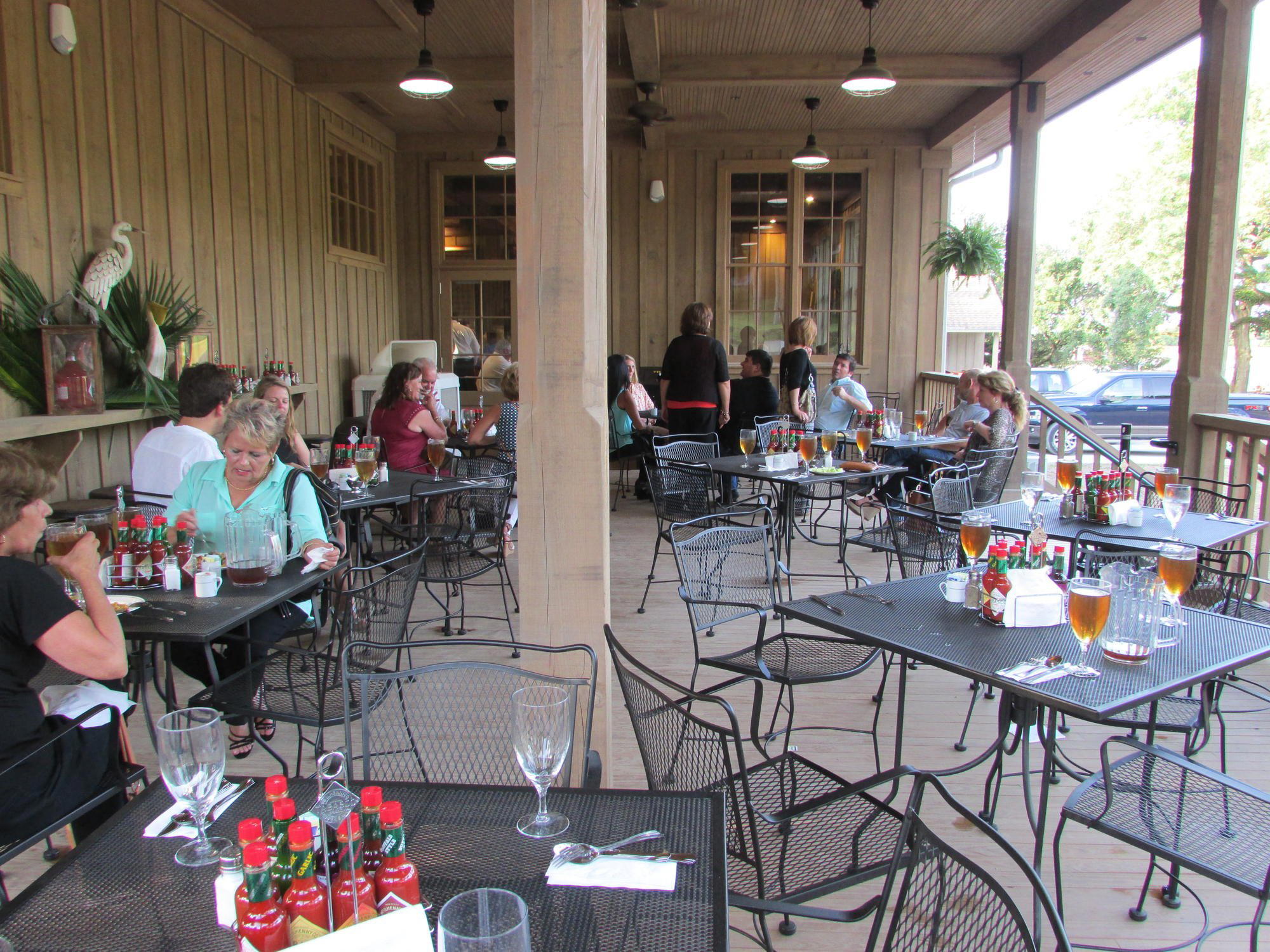
Where the Sauce Comes From, and What That Means at the Table
Avery Island is not a conventional dining destination. The salt dome rising from the Louisiana marshes southwest of New Iberia is better known as the birthplace of Tabasco than as a restaurant address, and that is precisely what makes 1868 worth understanding on its own terms. The McIlhenny Company has produced its fermented pepper sauce on this land since Edmund McIlhenny began bottling the formula in 1868, the year that gives the restaurant its name. A meal here is inseparable from that origin story, and the kitchen does not pretend otherwise. For readers who follow farm-to-table restaurants across the country, from Blue Hill at Stone Barns in Tarrytown to Single Thread Farm in Healdsburg, 1868 belongs to the same broad conversation about sourcing as identity, though it arrives at that conversation through a very different cultural lineage.
The Ingredient as Address
The most consequential sourcing decisions in American fine dining tend to concern proteins or produce. At 1868, the defining ingredient is a condiment with a documented supply chain stretching back more than 150 years. The Tabasco peppers grown on Avery Island and aged in white oak barrels form the culinary backbone of the surrounding region's food culture, and the restaurant positions itself as a direct expression of that relationship between land, fermentation, and flavor. This is not the kind of ingredient sourcing story that requires a lengthy farm visit or a speculative seasonal menu; the provenance is built into the ground beneath the dining room.
Louisiana's broader ingredient culture makes this an especially rich context. The Atchafalaya Basin to the north supplies crawfish, catfish, and freshwater shrimp that define the Cajun table. The Gulf coast adds speckled trout and redfish. Sugarcane cultivation across the Teche corridor reaches back to the antebellum period, and rice cultivation in the prairie parishes to the west has shaped the region's starch vocabulary for generations. Any serious kitchen on Avery Island is working within this dense, historically layered ingredient map, and 1868's physical address places it at the intersection of several of those traditions simultaneously.
For comparison, consider the sourcing frameworks at restaurants like Addison in San Diego or Bacchanalia in Atlanta, where regional sourcing operates as a deliberate menu philosophy pursued through relationships with local farmers and fishers. At 1868, the sourcing framework is partly inherited rather than constructed. The land itself, its salt deposits, its pepper fields, its position within a broader agricultural ecosystem, does much of the conceptual work before the kitchen even begins.
Avery Island as a Dining Environment
Reaching 1868 requires crossing the private toll bridge onto Avery Island, a detail that immediately signals the remove from conventional urban dining. The Jungle Gardens surrounding the island, planted over the course of decades by Edward Avery McIlhenny and covering several hundred acres, create an arrival sequence that few American restaurants can match on geographic terms alone. Spanish moss, ancient live oaks, and a bird sanctuary that houses hundreds of nesting egrets establish a physical environment that is dense with Louisiana specificity before any food arrives.
That environmental particularity matters to how the meal reads. In the same way that The French Laundry in Napa draws meaning from its Yountville garden and agricultural surroundings, or the way Lazy Bear in San Francisco uses its communal format to invoke a specific cultural atmosphere, 1868 draws on a setting that is genuinely tied to the food's origin rather than decoratively adjacent to it. The restaurant is on the grounds where the sauce is made. That is not a branding decision; it is a geographical fact.
Louisiana Cajun Dining and Where 1868 Sits Within It
New Iberia and the surrounding Teche country occupy a distinct tier within Louisiana's dining geography. New Orleans draws the national and international critical attention, with restaurants like Emeril's in New Orleans anchoring the city's fine dining reputation. The Cajun parishes to the west operate differently: fewer national press cycles, deeper roots in working traditions, and a culinary vocabulary built around community cooking rather than restaurant ambition. Boudin, cracklins, rice dressing, and smothered meats form the backbone of that tradition, and the leading kitchens in the region tend to work from within it rather than away from it.
1868 occupies a position within that regional context that is, in practical terms, sui generis. No other restaurant in the country operates within the production facility of a condiment that has shaped global food culture. That specificity places it in a peer conversation that cuts across geography rather than staying local: restaurants like Providence in Los Angeles, Le Bernardin in New York City, or Atomix in New York City each draw authority from a deep, coherent ingredient philosophy. 1868's authority comes from place in a way that is harder to replicate elsewhere.
For visitors planning around the broader Acadiana region, the restaurant works well as part of a longer itinerary that includes the Tabasco factory tour, the Jungle Gardens, and at minimum a drive through the Teche corridor toward St. Martinville or Henderson. See our full New Iberia restaurants guide for context on how the surrounding dining scene fits together. Restaurants in the area tend toward lunch service and early dinner hours aligned with agricultural rhythms, so timing matters: arriving mid-afternoon expecting a full dinner service is a planning error worth avoiding.
Practical Notes for Planning a Visit
Avery Island charges a small toll for access to the island itself, separate from any dining reservation. The site functions as both a working production facility and a tourist destination, which means peak weekend hours in spring and fall bring higher visitor volumes to the grounds. Travelers arriving from New Orleans should account for approximately two hours of drive time southwest through the Atchafalaya Basin corridor. Those arriving from Lafayette are closer to thirty to forty minutes out, making the island a practical day-trip anchor. For readers who cross-reference reservation-intensive experiences, the booking dynamics here differ from the multi-month lead times common at tasting-menu restaurants like Alinea in Chicago or The Inn at Little Washington, though confirming availability in advance is always advisable for any destination of this nature.
Comparable Venues
Comparable venues nearby, for context on price, style, and recognition.
| Venue | Cuisine | Price | Awards | Notes |
|---|---|---|---|---|
| 1868This venue — the venue you are viewing | TABASCO-Infused Cajun | $$ | , | |
| Café Du Monde | Louisiana Café / Coffee Stand | $ | , | New Iberia |
| Café Du Monde | Dining | , | New Iberia | |
| BABs | Modern American Bistro | $$ | , | Bywater |
| Laura's Two | Cajun Creole Soul Food | $$ | , | University |
| Eat New Orleans | Creole and Cajun | $$ | , | La Place |
Continue exploring
More in New Iberia
Restaurants in New Iberia
Browse all →

Bars in New Iberia
Browse all →
Hotels in New Iberia
Browse all →
At a Glance
- Rustic
- Cozy
- Casual Hangout
- Family
- Historic Building
- Local Sourcing
Rustic cottage-style setting with a casual, family-friendly atmosphere and Tabasco sauces on tables for tasting.