The Bungalows at Retreat by Homestead Modern

A Michelin Selected desert property along the Twentynine Palms Highway, The Bungalows at Retreat by Homestead Modern translates the Mojave's spare aesthetic into low-key accommodation designed for the kind of traveller who comes to Joshua Tree for the silence as much as the scenery. The bungalow format keeps the property at human scale, positioning it within a small cohort of design-conscious desert escapes rather than the conventional resort category.
Pearl is the En Primeur Club membership app — saves, bookings, and concierge access live there. Same editors, same standards.
- Address
- 59700 Twentynine Palms Highway, Joshua Tree, CA, USA
- Phone
- +1 760 299 5010
 Saves & bookings on Pearl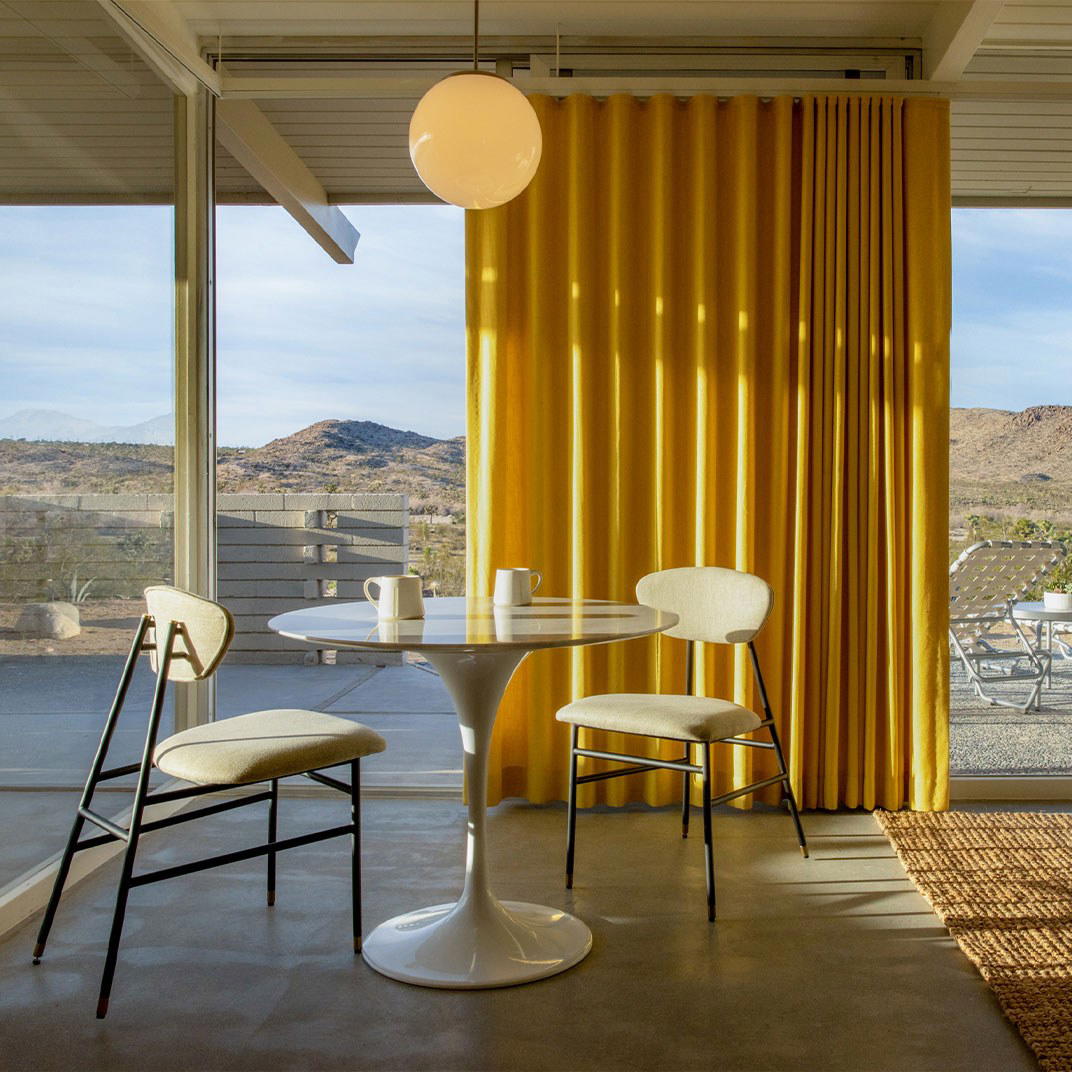
Desert Architecture as the Main Event
The drive along Twentynine Palms Highway sets expectations before you arrive. The Mojave here is flat, wide, and largely unmediated by commercial infrastructure, and the properties that read leading in this setting are the ones that accept those conditions rather than resist them. The Bungalows at Retreat by Homestead Modern, at 59700 Twentynine Palms Highway, belongs to a cohort of Joshua Tree properties that treat the desert context as the primary design material: low profiles, materials that bleach and weather naturally, and a separation between structures that preserves the sense of open land. That design posture places it in a different comparable set from conventional hotel blocks, and it explains why Michelin's hotel selection programme included it alongside properties far larger in room count and amenity scope.
The bungalow format itself carries specific implications for a desert stay. Separate structures mean no shared corridors, no ambient noise from neighbouring rooms filtering through a single building, and a connection to the site that a stacked hotel cannot replicate. This is not an unusual format internationally, properties from Amangiri in Canyon Point to Kona Village, A Rosewood Resort in Kailua Kona have built their identities around dispersed accommodation, but in Joshua Tree it carries particular weight. The park's primary appeal is spatial: the boulders, the yucca forest, the night sky. A property that physically extends you into that space rather than insulating you from it is making an editorial choice about what the stay is for.
What the Michelin Selection Signals
Michelin's hotel programme operates on criteria that overlap partially with its restaurant distinctions but emphasise different variables: design coherence, service attentiveness relative to category, and a sense that the property has a point of view. Michelin Selected, the entry tier in that programme, indicates a property that cleared the editorial threshold without yet accumulating the distinction markers that push a hotel into the Key category. For a property in a small desert town rather than a major metropolitan or established luxury corridor, inclusion at any tier is a meaningful signal about how the property performs relative to its physical context.
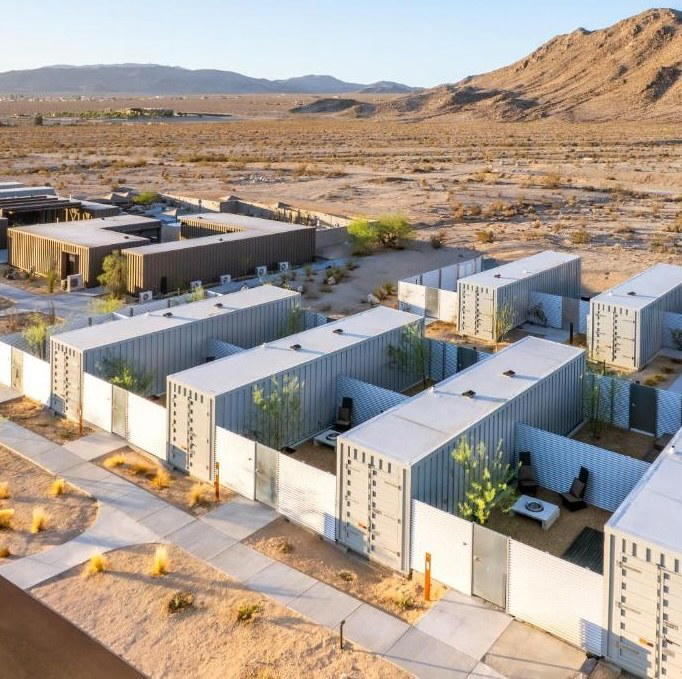
The Joshua Tree hotel market has expanded considerably over the past decade, moving from a cluster of basic motels and private vacation rentals toward a more differentiated set of design-oriented properties. AutoCamp Joshua Tree brought the Airstream format to the desert; RESET Hotel Joshua Tree approaches the market from a wellness angle. The Bungalows at Retreat by Homestead Modern sits in that expanding field as a property where architectural identity is the primary offer, consistent with a broader pattern in American nature-adjacent travel where the accommodation itself becomes part of the reason to visit.
For context across the American West, this pattern appears at different scales and price points: Post Ranch Inn in Big Sur and Sage Lodge in Pray operate on the same logic of landscape-integrated design as a core value proposition, even if their amenity and price profiles differ. Dunton Hot Springs in Dunton represents a similar approach in Colorado. What distinguishes the Joshua Tree version is the specific character of the Mojave, less verdant than Big Sur, less alpine than Montana, which rewards a more minimal aesthetic.
The Food and Drink Dimension
Joshua Tree's food and drink infrastructure has grown alongside its hotel sector, though the town operates at a scale where the dining scene remains limited compared to a resort destination like Napa or coastal California. Properties in this environment typically fall into one of two approaches: offer an on-site food programme substantial enough to reduce the need to leave, or position the stay as a self-catering or independent-dining experience where guests are expected to forage across the limited local options.
The Homestead Modern brand's design sensibility suggests a preference for considered, low-volume hospitality over high-throughput amenities. Properties like The Stavrand in Guerneville and Troutbeck in Amenia demonstrate that smaller, design-forward rural properties can anchor genuine dining programmes without scaling into full restaurant operations.
Planning the Visit
Joshua Tree visits are most comfortable between October and April, when daytime temperatures in the high desert are moderate and nights drop enough to make the desert silence restorative. Summer visits are possible but require heat tolerance; the park itself closes certain areas when temperatures exceed safe hiking thresholds. Spring wildflower season, typically February through April depending on the preceding winter's rainfall, draws heavier visitor numbers to the park, which tightens accommodation availability across the board.
The property sits on Twentynine Palms Highway, the main corridor connecting the towns of Joshua Tree and Twentynine Palms, placing it within practical distance of both the park's west entrance and the local commercial strip. Guests arriving by car from Los Angeles are looking at roughly a two-and-a-half to three-hour drive depending on departure timing and traffic through the San Bernardino corridor. A rental car is one practical way to reach the property.
Booking lead times for the more design-oriented desert properties have compressed over the past several years as Joshua Tree's profile has risen nationally. Weekend stays, particularly around the shoulder seasons, can book out several weeks in advance. For holiday weekends and peak wildflower season, planning two to three months ahead is prudent.
Where It Sits in the American Desert Hotel Category
The premium end of American desert hospitality covers a wide range of approaches. Amangiri in Canyon Point operates at a price point and amenity depth that places it in a global luxury tier alongside properties like Aman Venice or Badrutt's Palace Hotel in St. Moritz. Canyon Ranch Tucson approaches the desert from a wellness-resort model with a different guest motivation entirely. The Bungalows at Retreat by Homestead Modern fits a smaller, more specific niche: design-conscious visitors who want the Joshua Tree experience with accommodation that matches the considered aesthetic of the destination, without scaling into the full-service resort format.
That positioning places it closer in spirit to properties like Washington School House Hotel in Park City or The Hornibrook Mansion in Little Rock, properties where the architectural and design identity carries more weight than amenity breadth. For travellers whose primary reference points run toward urban design hotels like The Fifth Avenue Hotel in New York City, Chicago Athletic Association, or Raffles Boston, the trade is amenity density for spatial generosity and direct desert access. Whether that exchange suits depends entirely on what you're going to Joshua Tree for in the first place.
A Pricing-First Comparison
Comparable venues nearby, for context on price, style, and recognition.
| Venue | Price | Notes |
|---|---|---|
| The Bungalows at Retreat by Homestead ModernThis venue — the venue you are viewing | $$$$ | Not listed |
| AutoCamp Joshua Tree | $$$ | Joshua Tree, Glamping resort with Airstreams and cabins in high desert landscape |
| RESET Hotel Joshua Tree | $$$$ | Twentynine Palms, Modular design-forward hotel blending modern minimalism with desert nature. |
| Le Petit Pali St. Helena | $$$$ | St. Helena, polished bed and breakfast resort with residential-inspired main house and standalone cottages |
| The Amado | $$$$ | Sunrise Park, Mid-century modern mini-compound |
| The Richland | $$$$ | Old Towne Orange, Historic Craftsman residential-style boutique hotel |
Recognition history
Dated appearances from independent guides and award organizations, with the underlying list record or original source where available.
Michelin Selected
Michelin
Continue exploring
More in Joshua Tree
Hotels in Joshua Tree
Browse all →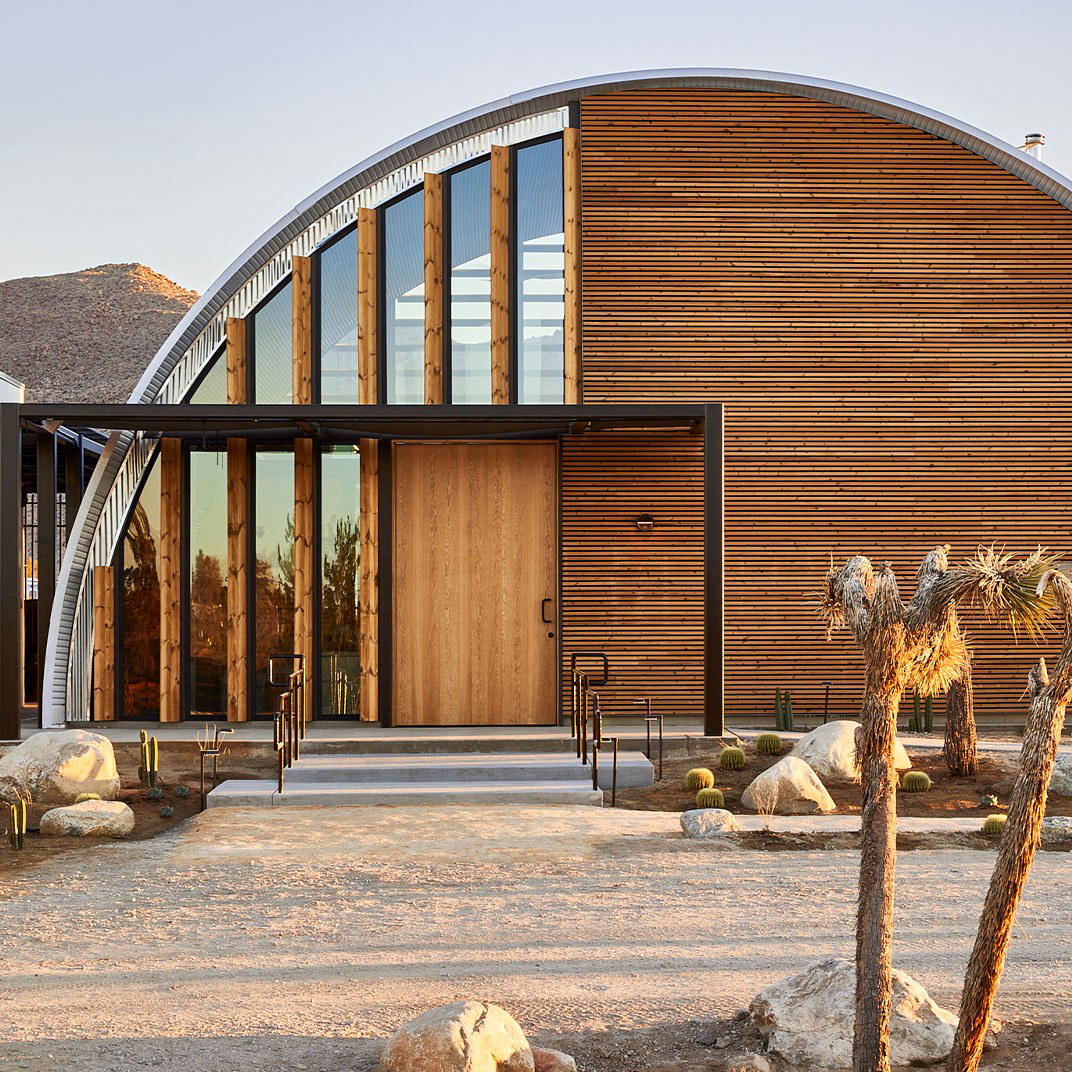
Restaurants in Joshua Tree
Browse all →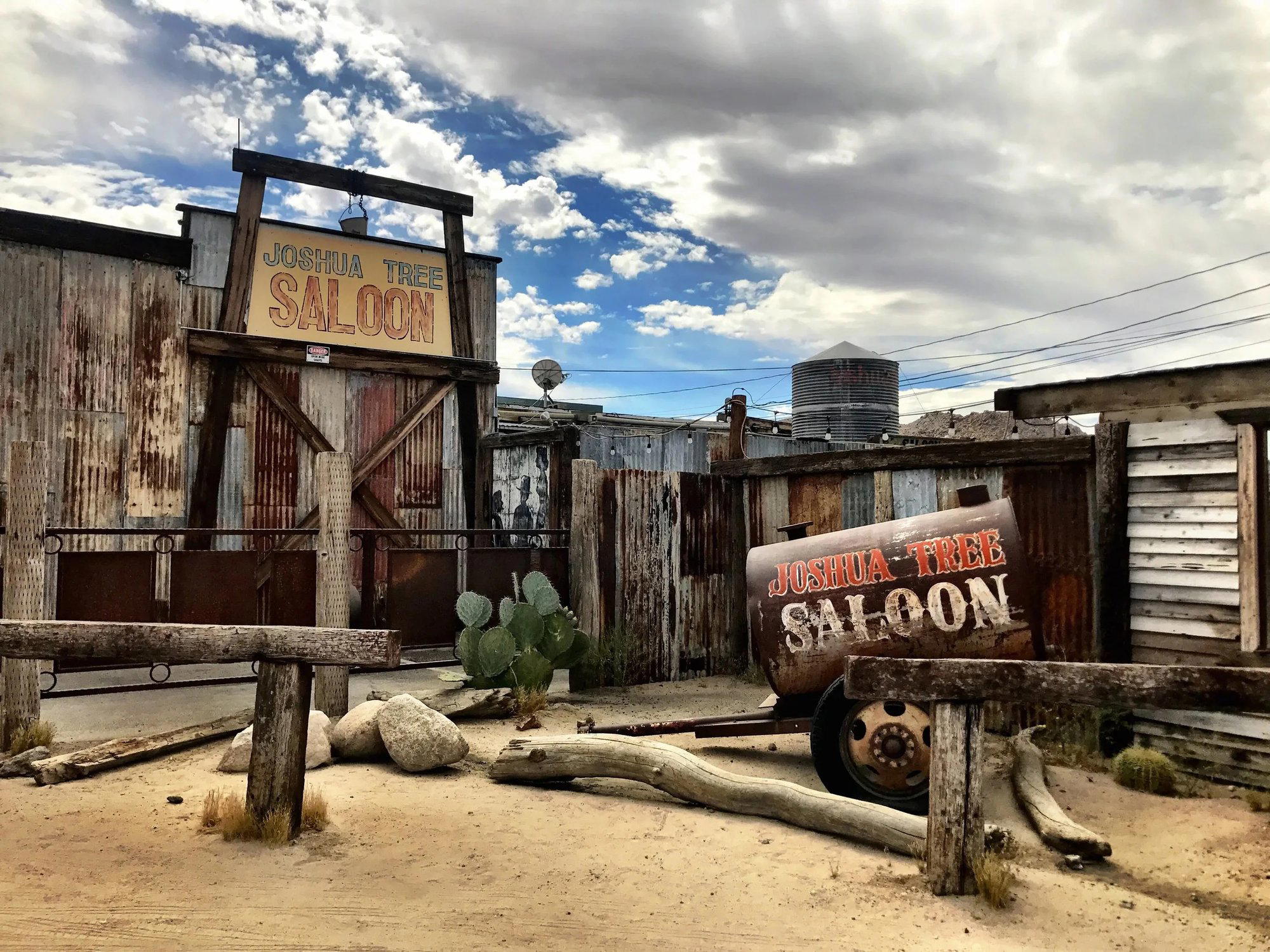
At a Glance
- Quiet
- Modern
- Rustic
- Scenic
- Intimate
- Minimalist
- Romantic Getaway
- Wellness Retreat
- Weekend Escape
- Anniversary
- Panoramic View
- Private Villa
- Terrace
- Pool
- Hot Tub
- Wi Fi
- Mountain
- Pool
- Hot Tub
- Wi Fi
Serene desert atmosphere with natural light through floor-to-ceiling glass panels, concrete floors, and peaceful outdoor patios surrounded by Joshua Trees.