Wa Ale Resort



Wa Ale Resort occupies a private island in Myanmar's Myeik Archipelago, a chain of over 800 islands that remained closed to tourism until relatively recently. Recognised by La Liste's Top Hotels 2026 with 90.5 points, the resort operates within a conservation-first framework, placing it in the specialist tier of remote eco-luxury properties in Southeast Asia.
Pearl is the En Primeur Club membership app — saves, bookings, and concierge access live there. Same editors, same standards.
- Address
- Myeik ArchipelagoWe Ale Island
- Phone
- +9595018269
- Website
- waaleresort.com
- Directions
- Get directions
 Saves & bookings on Pearl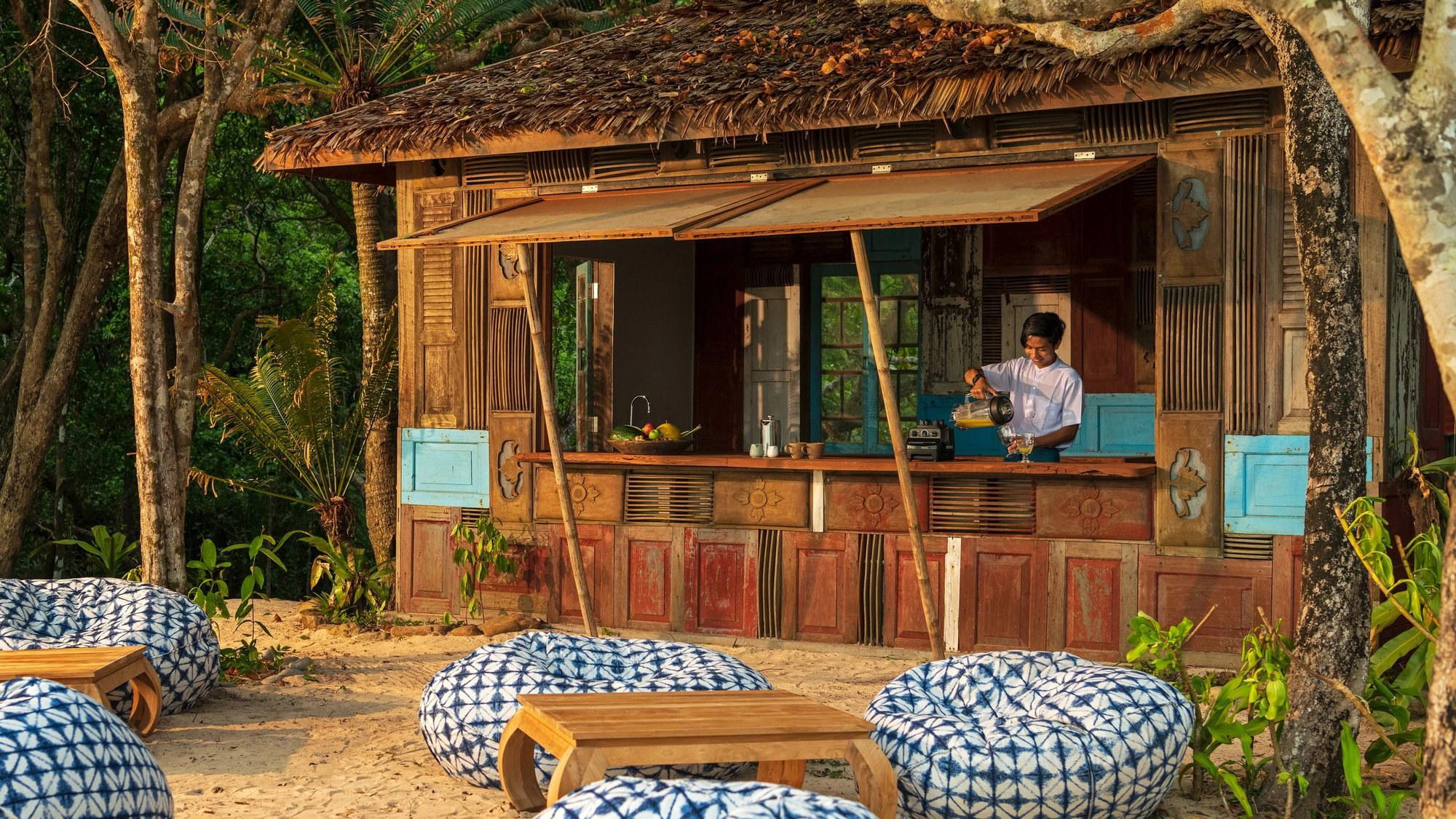
An Island Architecture Built Around Absence
The defining design gesture at Wa Ale Resort is restraint. Wa Ale Island sits within the Myeik Archipelago, a scattering of more than 800 islands off Myanmar's Tanintharyi coast that spent decades effectively sealed from outside access. When a property opens in that context, the architectural question isn't how to impose a signature aesthetic, but how to intervene as lightly as possible. The resort's built environment reflects that calculus: structures conceived to recede into the canopy and coastline rather than announce themselves against it. In the broader category of remote eco-luxury, this approach places Wa Ale alongside a cohort of properties where the site itself is the primary design statement, and the built elements serve as framing rather than spectacle. Compare this with the model of, say, Amangiri in Canyon Point, where architecture enters into direct, dramatic dialogue with the landscape, or Castello di Reschio in Lisciano Niccone, where heritage stonework is the design medium. At Wa Ale, the medium is the jungle and the Andaman Sea.
Where the Myeik Archipelago Sits in Southeast Asian Luxury
Southeast Asian resort luxury has fractured into several distinct tiers over the past fifteen years. At one end, large-footprint international brands operate across Thailand, Bali, and Vietnam with consistent service infrastructure and predictable programming. At the other end, a smaller cohort of low-capacity, access-restricted properties has emerged in zones where scarcity of access is itself part of the offer. The Myeik Archipelago belongs firmly to the latter category. Wa Ale Resort operates within that scarcity dynamic, on an island described in its La Liste recognition as previously untouched by tourists. For context on where Myanmar's hotel sector sits more broadly, properties like Novotel Inle Lake, Popa Mountain Resort, and LOTTE HOTEL YANGON serve a more accessible, infrastructure-supported travel circuit. Wa Ale operates on a different axis entirely, one defined by remoteness, conservation commitments, and limited capacity.
La Liste Recognition and What It Signals
La Liste's 2026 Leading Hotels ranking awarded Wa Ale Resort 90.5 points. For a remote island resort in Myanmar to occupy that tier signals something specific: the scoring criteria reward not just service finish and room specification, but the coherence of concept, the credibility of conservation positioning, and the depth of experience on offer. Properties earning comparable La Liste recognition in other categories include addresses like Cheval Blanc Paris, Hotel Du Cap-Eden-Roc, and La Réserve Paris, each of which earns its position through a distinct and legible identity rather than generic luxury execution. Wa Ale's inclusion in that ranking should be read as validation of concept rather than a conventional measure of amenity quantity.
Conservation as Architecture
In remote eco-luxury, the conservation program is not a separate department from the design and hospitality offer: it is structurally embedded in both. At Wa Ale, the sustainability framework shapes decisions about materials, energy, access, and activity programming in ways that directly affect the guest experience of space. This is a different model from urban luxury hotels where sustainability credentials are increasingly attached to existing operations as a layer of certification, with limited effect on the physical environment a guest moves through. The design traditions that inform this kind of property draw from vernacular building methods, local material sourcing, and minimal-footprint siting principles that have become a recognisable aesthetic in their own right across Southeast Asia, from the Andaman coast to the island clusters of eastern Indonesia. Understanding Wa Ale's design within that tradition is more useful than comparing it to city-based properties like Bvlgari Hotel Tokyo or Aman New York, where the architectural conversation happens in an urban register.
The Experience Offer: Nature, Water, and Deliberate Pace
Properties in the Myeik Archipelago operate around the rhythms of the Andaman Sea. The archipelago's marine environment, which includes coral reefs, mangrove systems, and waters historically fished by the Moken sea nomads, sets the terms for what an activity program can credibly offer. At this tier of eco-resort, the programming typically centres on snorkelling and diving access to intact reef systems, kayaking through mangrove channels, and guided interaction with local communities and ecosystems. The deliberate pace of remote island stays is not incidental: it is the experience. Guests who arrive expecting the stimulation density of a city-adjacent resort like Mandarin Oriental Bangkok or the curated social programming of Hotel Bel-Air in Los Angeles will find a different framework here. The absence of urban stimulation is the point, and the resort's design supports that orientation. For a broader picture of dining and travel options across the region, our full Myeik Archipelago restaurants guide covers the local context in detail.
Planning a Stay: Access and Timing
Reaching Wa Ale Island requires more logistical planning than a standard resort booking. The Myeik Archipelago sits in southern Myanmar, and access typically involves a combination of flights and boat transfers from regional hub cities. The travel infrastructure servicing the archipelago is limited, which means flexibility in itinerary planning is an asset. The region's seasonality is governed by the monsoon cycle: the dry season, broadly from October through April, represents the primary operating window for island resorts in the Andaman zone, with calmer seas and reliable visibility for marine activities. Booking well in advance of the dry season is advisable for any property operating at limited capacity in this tier. Travellers building a wider Myanmar itinerary might consider pairing a Myeik stay with time in Yangon, using a property like LOTTE HOTEL YANGON as a base for arrival or departure logistics.
Recognition history
Dated appearances from independent guides and award organizations, with the underlying list record or original source where available.
La Liste Top Hotels
La Liste
Michelin 1 Key
Michelin
Michelin Selected
Michelin
Small Luxury Hotels of the World Member
Small Luxury Hotels of the World
At a Glance
- Romantic
- Quiet
- Scenic
- Rustic
- Bohemian
- Intimate
- Honeymoon
- Romantic Getaway
- Wellness Retreat
- Weekend Escape
- Beachfront
- Private Villa
- Panoramic View
- Wi Fi
- Pool
- Spa
- Room Service
- Concierge
- Beach Access
- Waterfront
- Wi Fi
- Pool
- Spa
- Room Service
- Concierge
- Beach Access
Relaxed barefoot luxury with natural materials, muted tones, open-air designs allowing sea breezes and jungle sounds, creating a serene, tranquil retreat amid pristine nature.
Know Before You Go
- Getting there
- Myeik ArchipelagoWe Ale Island