Tremblant
At the base of the Laurentian ski runs, Tremblant occupies a position that few Canadian mountain resorts can match: a purpose-built pedestrian village with year-round programming, a consistent mid-to-upper price tier, and direct gondola access from the village square. The architecture reads European alpine but the scale is distinctly Québécois, making it a reference point for anyone comparing mountain resort formats in eastern Canada.

Pearl is the En Primeur Club membership app, where members save venues, book tables and use the concierge.
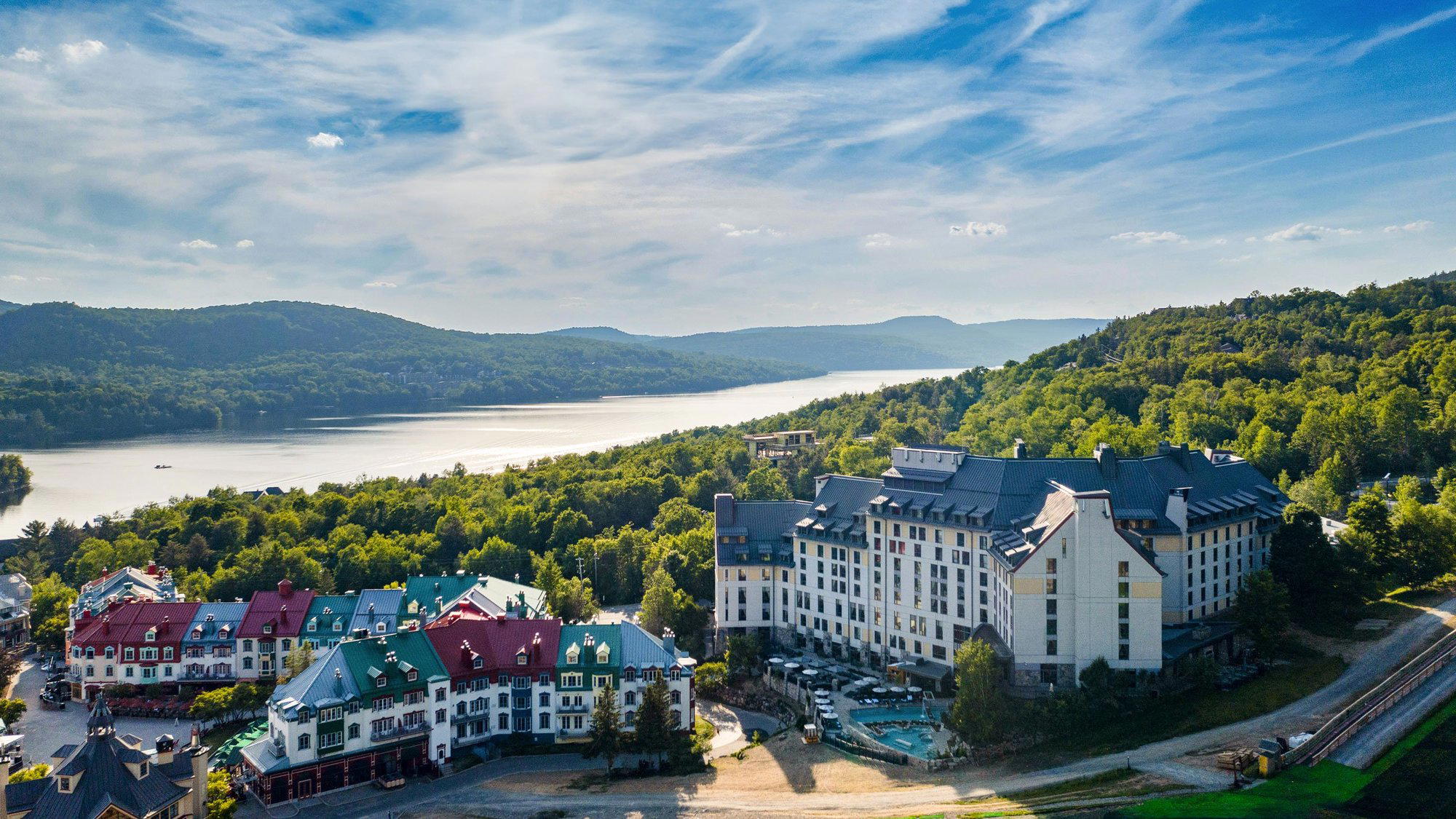
A Mountain Village Built From the Ground Up
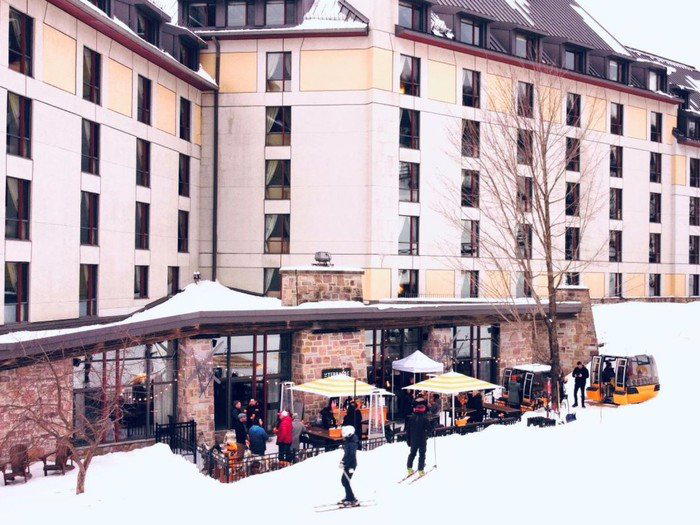
Most ski villages grow incrementally, accumulating lodges and lift stations over decades until the seams show. Mont-Tremblant's pedestrian resort core was designed the other way around: a coordinated development at the base of the mountain that prioritised visual coherence over organic growth. The result is a cluster of coloured facades, stone-paved pedestrian lanes, and a central place that looks, from a certain angle, like a compressed version of a Savoyard market town. It is a deliberate aesthetic, and one that has aged better than the exposed-concrete mountain architecture common elsewhere in North America. Tremblant at 1000 Chemin des Voyageurs sits within this planned resort environment, which means the surrounding architecture functions almost as an extension of any stay here. You are not choosing a hotel and then navigating a resort; you are choosing a position within a single, legible composition.
For context on how this compares to other Canadian mountain properties, Fairmont Chateau Whistler in Whistler and the Fairmont Banff Springs in Banff occupy a different register: grand railway-era landmark hotels that anchor their respective villages rather than integrating into them. Tremblant's base village operates on a smaller scale and with a tighter pedestrian logic, which shapes the guest experience from the moment you step outside.
The Laurentian Setting and What It Means Practically
The Laurentian Mountains sit roughly 130 kilometres north of Montréal, and Mont-Tremblant is the highest peak in the range at 875 metres. That elevation is modest by western Canadian or Alpine standards, but the snowfall record and north-facing exposure give the mountain a season that typically runs from late November through mid-April, with the strongest snow reliability in January and February. The village base sits at the gondola terminus, which means ski-in, ski-out proximity is genuine rather than aspirational for properties positioned correctly within the development. Summer operation is substantial too: the resort runs a full calendar of cycling, hiking, golf, and festival programming, with the warm-weather shoulder season increasingly drawing visitors who have no interest in skiing at all.
This year-round model differentiates Mont-Tremblant from resorts that operate as single-season propositions. Compare the programming depth here to that of Deerhurst Resort in Huntsville, another Ontario and Québec region property with multi-season ambitions, and the structural similarities become clear: both rely on a diversified activity offer to maintain occupancy beyond winter peaks. For those travelling from the northeast United States or from Montréal itself, the drive-to accessibility is a meaningful factor. Montréal's Hotel Le Germain Montreal makes a logical urban pairing for visitors who want to split a trip between city and mountain.
Architecture as the Resort's Primary Argument
The pedestrian village aesthetic is the resort's most deliberate design decision and its most discussed feature. The chromatic palette of the facades, the bell tower at the centre of the place, and the ban on vehicular traffic through the core all serve the same purpose: to produce an environment where the physical experience of moving through the space feels considered. This is not accidental resort planning. It draws from the tradition of integrated ski village design that emerged in French and Swiss alpine resorts during the mid-twentieth century, where the argument was that a resort should feel like a place rather than an infrastructure project with accommodation attached.
The design philosophy here differs from properties that use grand singular architecture as their primary statement. Fairmont Chateau Lake Louise and the Fairmont Empress Hotel in Victoria make their case through a single landmark building. Mont-Tremblant's base village distributes that argument across an entire streetscape. Whether the approach produces a sense of authentic place or managed simulation is a question that visitors answer differently, but the coherence of the built environment is not in dispute.
For design-led Canadian properties that operate on a similar principle of environmental totality, Fogo Island Inn in Joe Batt's Arm and Clayoquot Wilderness Lodge in Tofino both construct an immersive physical environment as the core of their offer, though at very different scales and price tiers. Elora Mill in Centre Wellington and Manoir Hovey in North Hatley pursue a similar cohesion through heritage architecture. Tremblant's approach is newer and more deliberate in its construction, which gives it a different texture.
Where Tremblant Sits in the Eastern Canada Resort Market
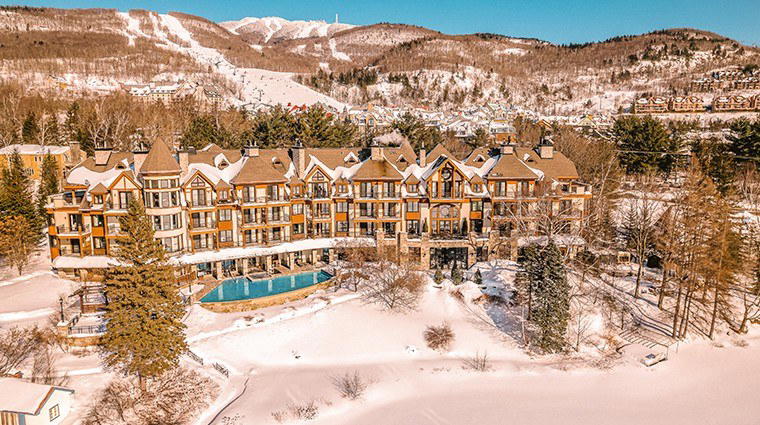
Eastern Canada's mountain resort market is compact. Mont-Tremblant sits at the premium end of the Québec ski offer, with pricing that reflects the gondola access, the resort infrastructure, and the volume of year-round programming rather than raw mountain size. It competes less with other Laurentian hills and more with the idea of a western Canada ski trip: for visitors based in Montréal, Ottawa, or the northeastern US, the proximity argument often wins over raw vertical. Hôtel Quintessence in Mont-Tremblant occupies a distinct niche within the same destination, offering a lakeside alternative to the base village energy for visitors who want the Tremblant area with less resort-village density.
The competitive set for this type of property also extends beyond Canada's borders. Properties like Aman New York or The Fifth Avenue Hotel in New York City serve as urban anchors for the same traveller who visits Tremblant from the south, making combined city-and-mountain itineraries a practical consideration when planning. For Québec-only itineraries, Hôtel Manoir Victoria in Québec City and Le Germain Charlevoix in Baie-Saint-Paul round out a provincial circuit that pairs well with a Tremblant stay.
Our full Mont Tremblant restaurants guide covers the dining options within the resort village and the broader municipality, which is worth consulting before arrival given the variation in format and price tier across the base village, the village piétonnier, and the lake-area restaurants.
Planning a Stay
Winter bookings at Mont-Tremblant, particularly for school holiday weeks in February and the Christmas-New Year window, require advance planning of two to four months at minimum. The resort's operating calendar, festivals, and lift conditions are published seasonally, and the shoulder periods of late November and early April typically offer the most favourable rate-to-experience ratio for flexible travellers. Summer visitors planning around the outdoor festival programming should note that specific weekends attract significantly higher accommodation demand. Travellers arriving from Montréal by car should expect a 90-minute to two-hour drive depending on traffic, with the A-15 north the standard route. No direct train service connects Montréal to the resort area.
Quick Comparison
| Venue | Price | Awards |
|---|---|---|
| TremblantThis venue (the venue you are viewing) | $300–500 | Not listed |
| Four Seasons Hotel Toronto | $200–300 | 2 Michelin Keys · La Liste Top Hotels |
| Fairmont Chateau Whistler | Not listed | 2 Michelin Keys · Forbes Recommended |
| Four Seasons Resort Whistler | $300–500 | 2 Michelin Keys · La Liste Top Hotels |
| Rosewood Hotel Georgia | Not listed | 2 Michelin Keys · La Liste Top Hotels |
| Fairmont Banff Springs | $300–500 | 1 Michelin Key · Forbes 4-Star |
Continue exploring
More in Mont-Tremblant
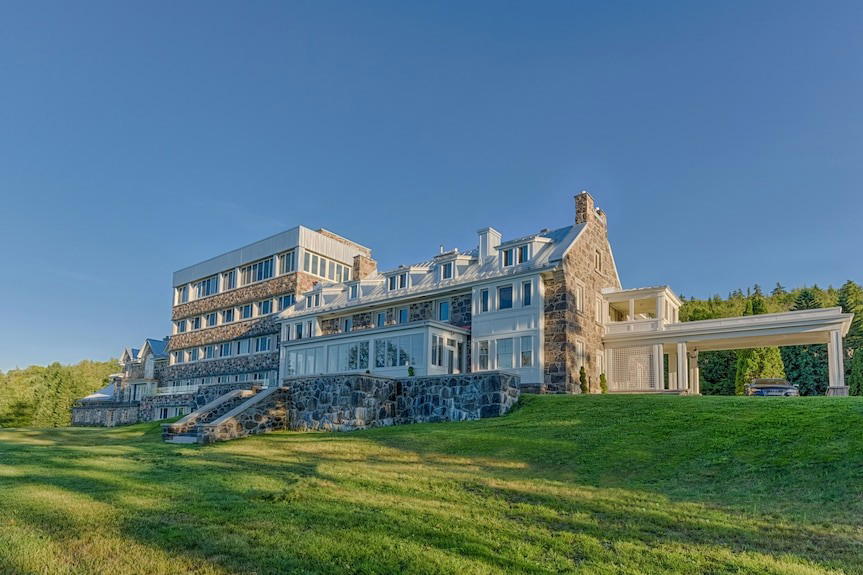
Hotels in Mont-Tremblant
All hotels in Mont-Tremblant →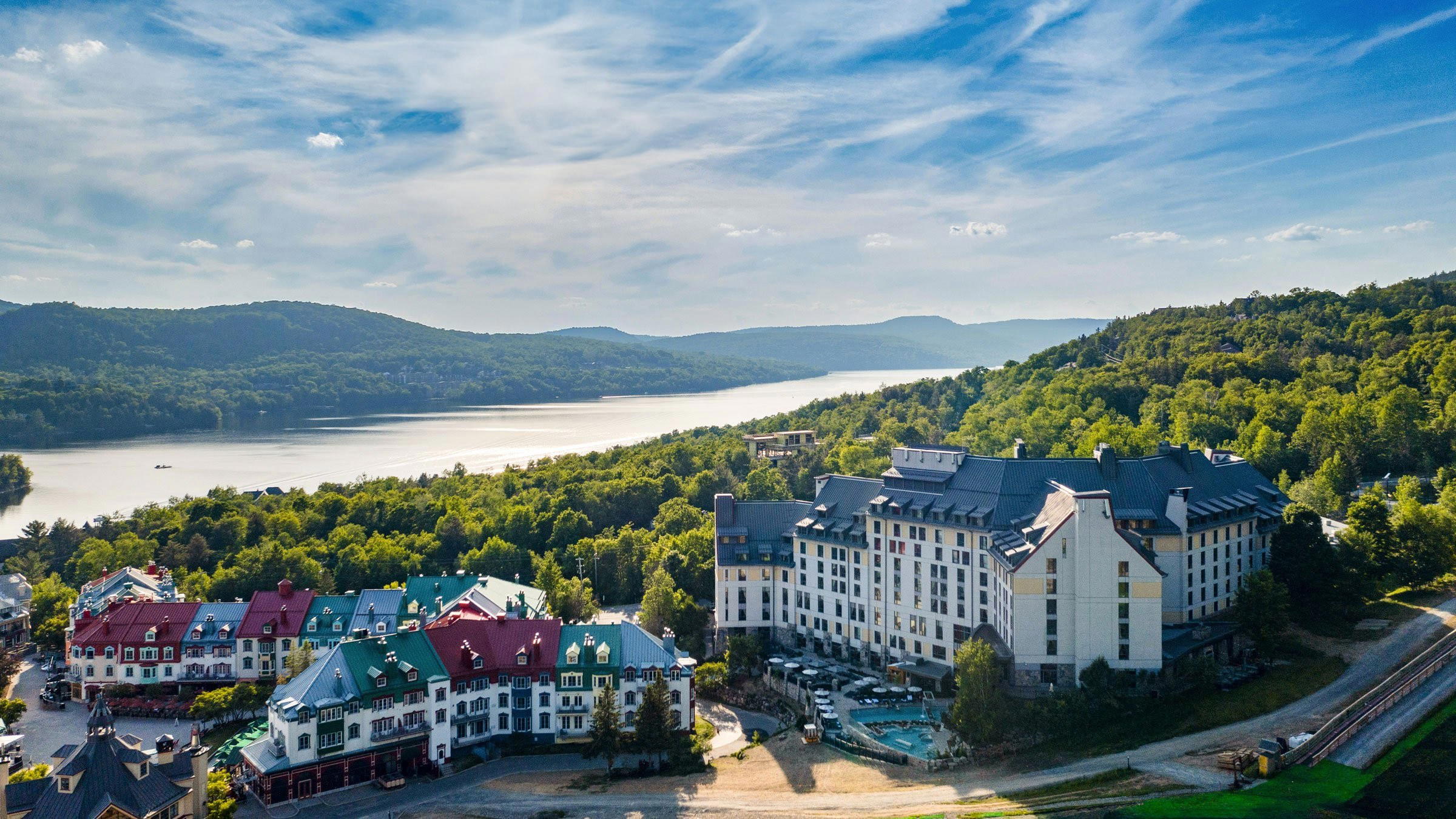
Bars in Mont-Tremblant
All bars in Mont-Tremblant →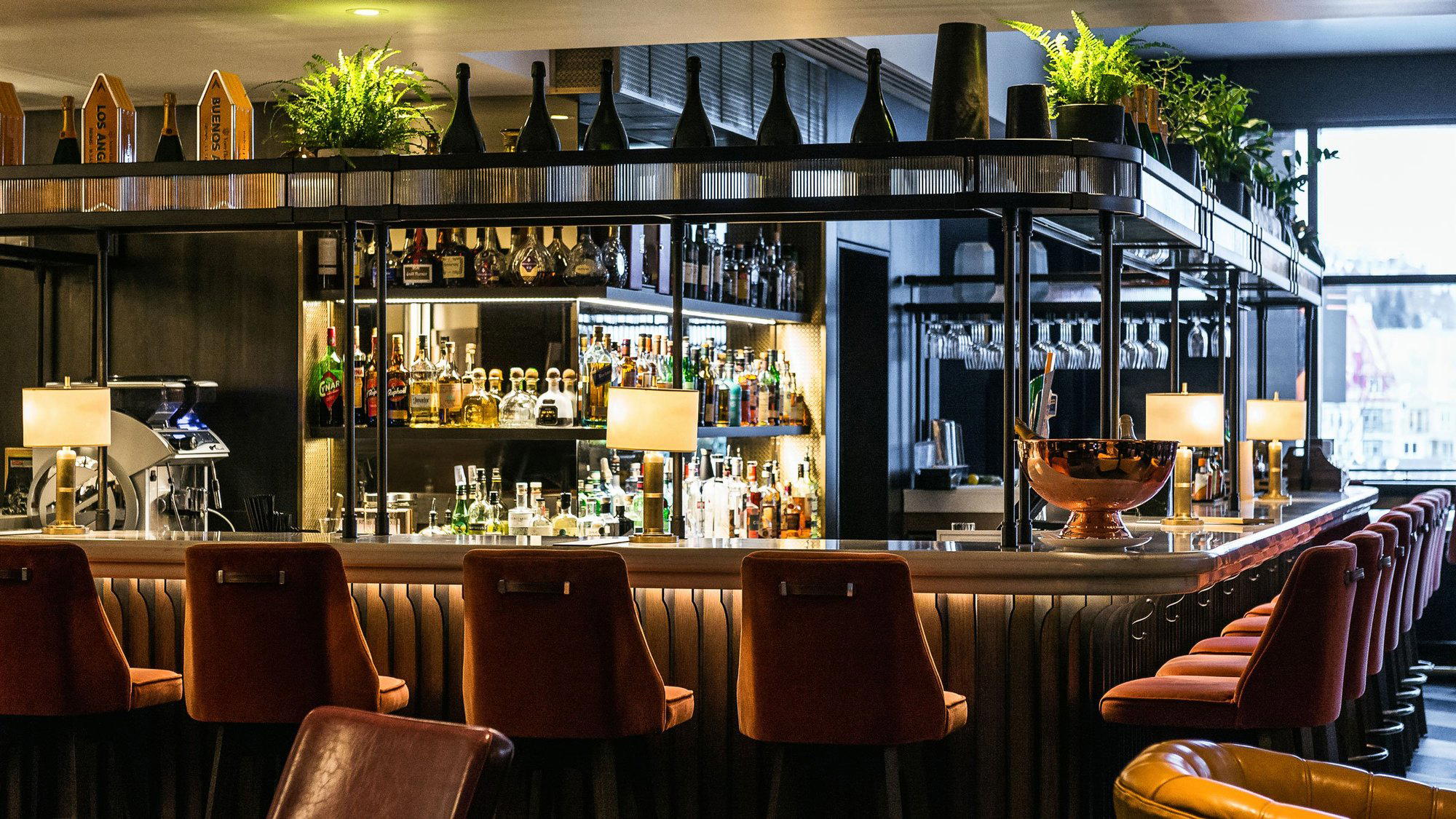
Details
- Romantic
- Elegant
- Scenic
- Intimate
- Romantic Getaway
- Honeymoon
- Anniversary
- Weekend Escape
- Waterfront
- Panoramic View
- Destination Spa
- Private Dining
- Spa
- Wi Fi
- Concierge
- Room Service
- Outdoor Pool
- Pool
- Mountain
- Waterfront
- Garden
- Elevator
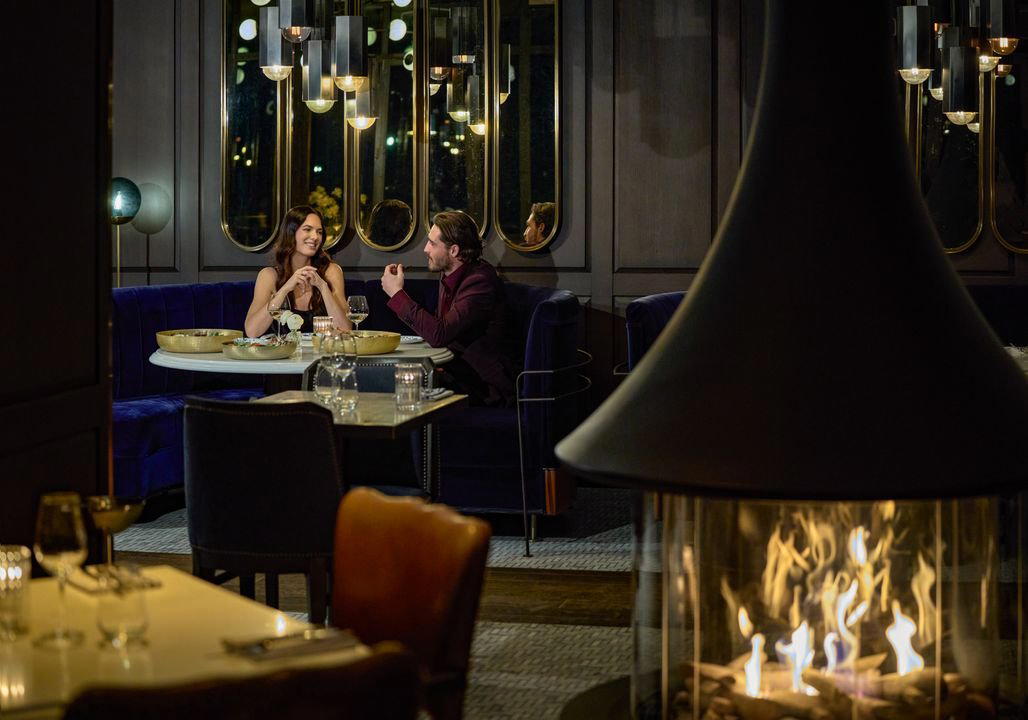
Warm, relaxing, and refined mountain retreat with personalized service in an intimate setting that blends contemporary luxury with natural lakeside serenity.