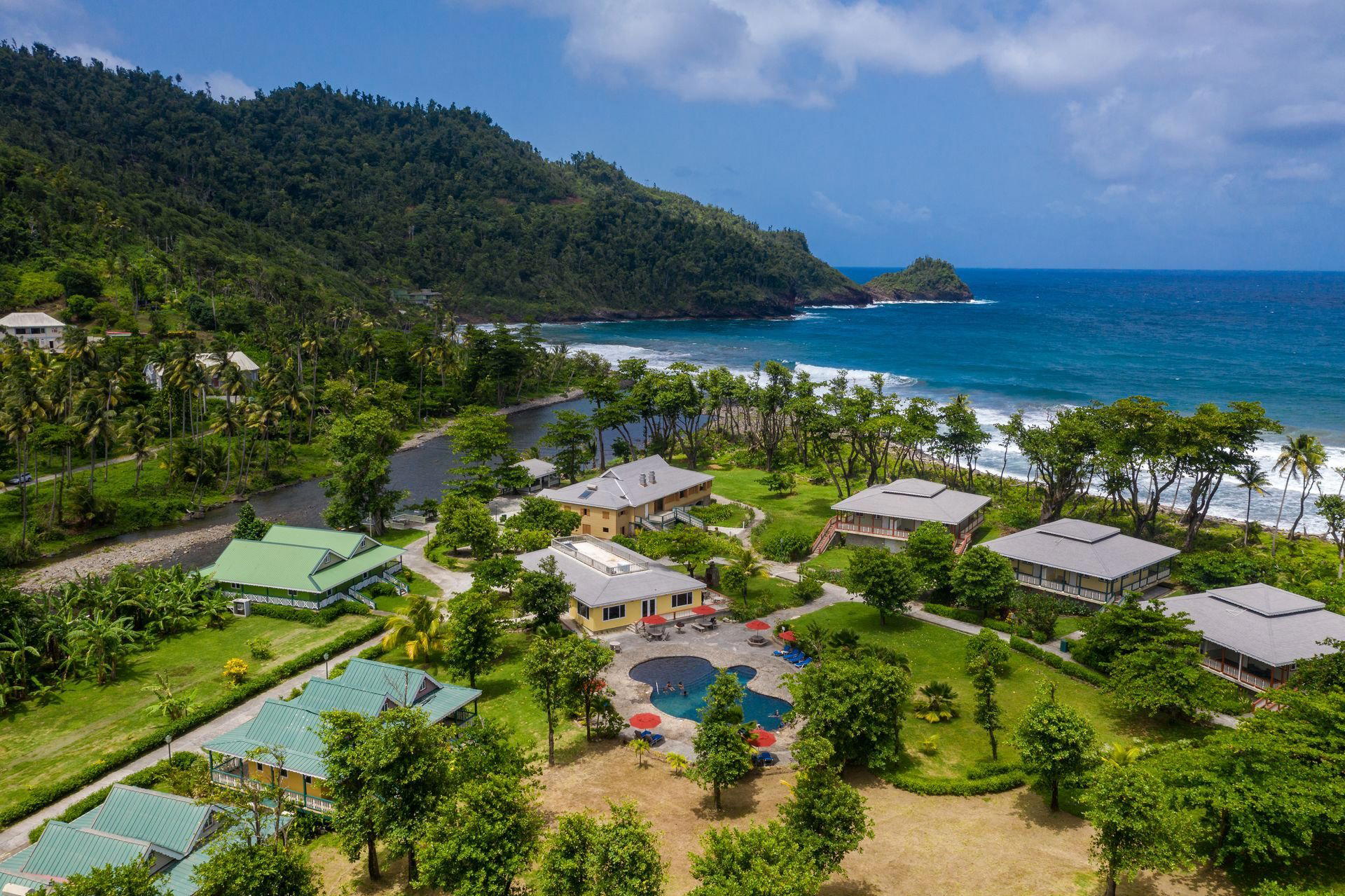
Citrus Creek Plantation sits along the Felicite Highway in La Plaine, on Dominica's rugged southeast coast, where the island's agricultural heritage meets raw rainforest terrain. The property occupies working plantation land, placing it in a category of Caribbean accommodation defined more by landscape immersion than resort amenity. For travellers already familiar with Dominica's eco-property circuit, it represents the quieter, more grounded end of the spectrum.
Pearl is the En Primeur Club membership app — saves, bookings, and concierge access live there. Same editors, same standards.
- Address
- Felicite Hwy, La Plaine, Dominica
- Phone
- +1 767 612 4545
- Website
- citruscreekplantation.com
- Directions
- Get directions
 Saves & bookings on Pearl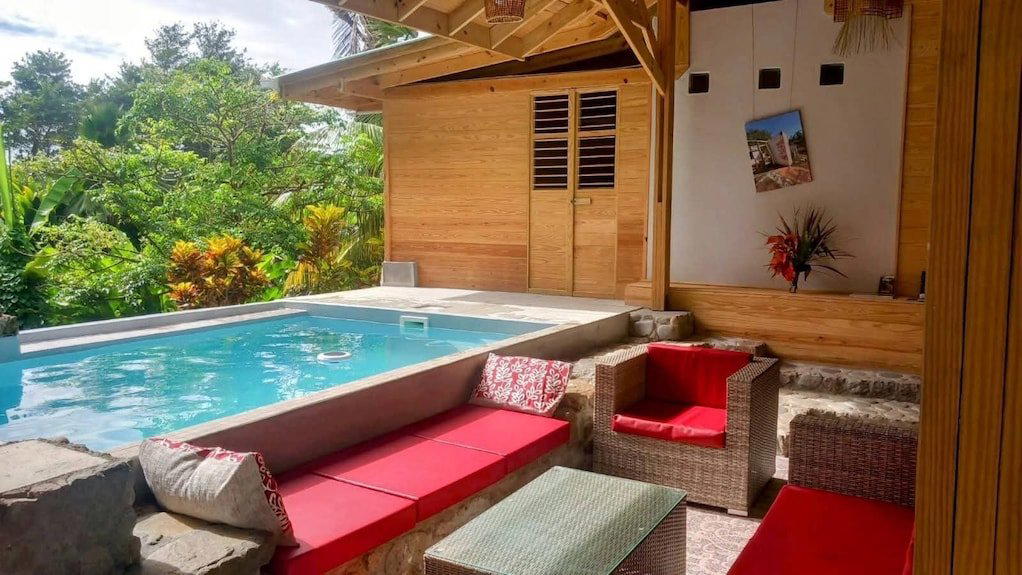
Plantation Land at the Edge of Dominica's Windward Coast
The southeast corner of Dominica is not where most visitors end up. The capital, Roseau, pulls itineraries westward; the dive sites around Portsmouth draw another current north. La Plaine, on the Felicite Highway, sits at neither pole. The road here is narrow, the Atlantic side of the island greener and more exposed than the leeward coast, and the few properties that operate in this corridor tend to attract a specific kind of traveller: one who has already done the well-mapped version of the Caribbean and is looking for something with less infrastructure between themselves and the island itself.
Citrus Creek Plantation occupies this context deliberately. Plantation-style properties across the Eastern Caribbean represent one of the older accommodation formats in the region — long predating the eco-resort movement that has since given Dominica much of its international profile. Where newer properties like Jungle Bay Dominica in Delices or Rosalie Bay Eco Resort & Spa in Rosalie have built structured eco-credentials around conservation programs and certified sustainability frameworks, Citrus Creek operates from a different premise: working agricultural land as the setting, with the plantation's productive history visible rather than landscaped away.
The Physical Setting as Architectural Statement
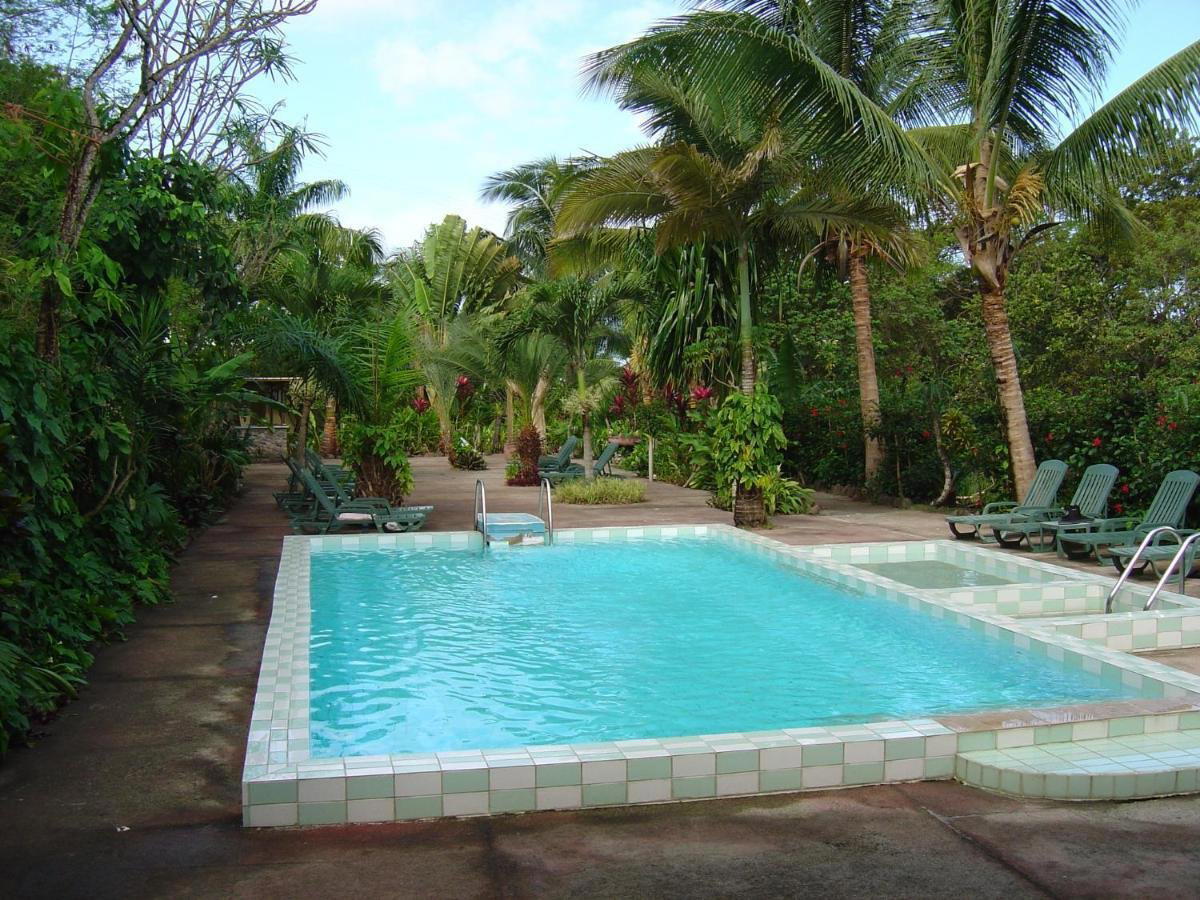
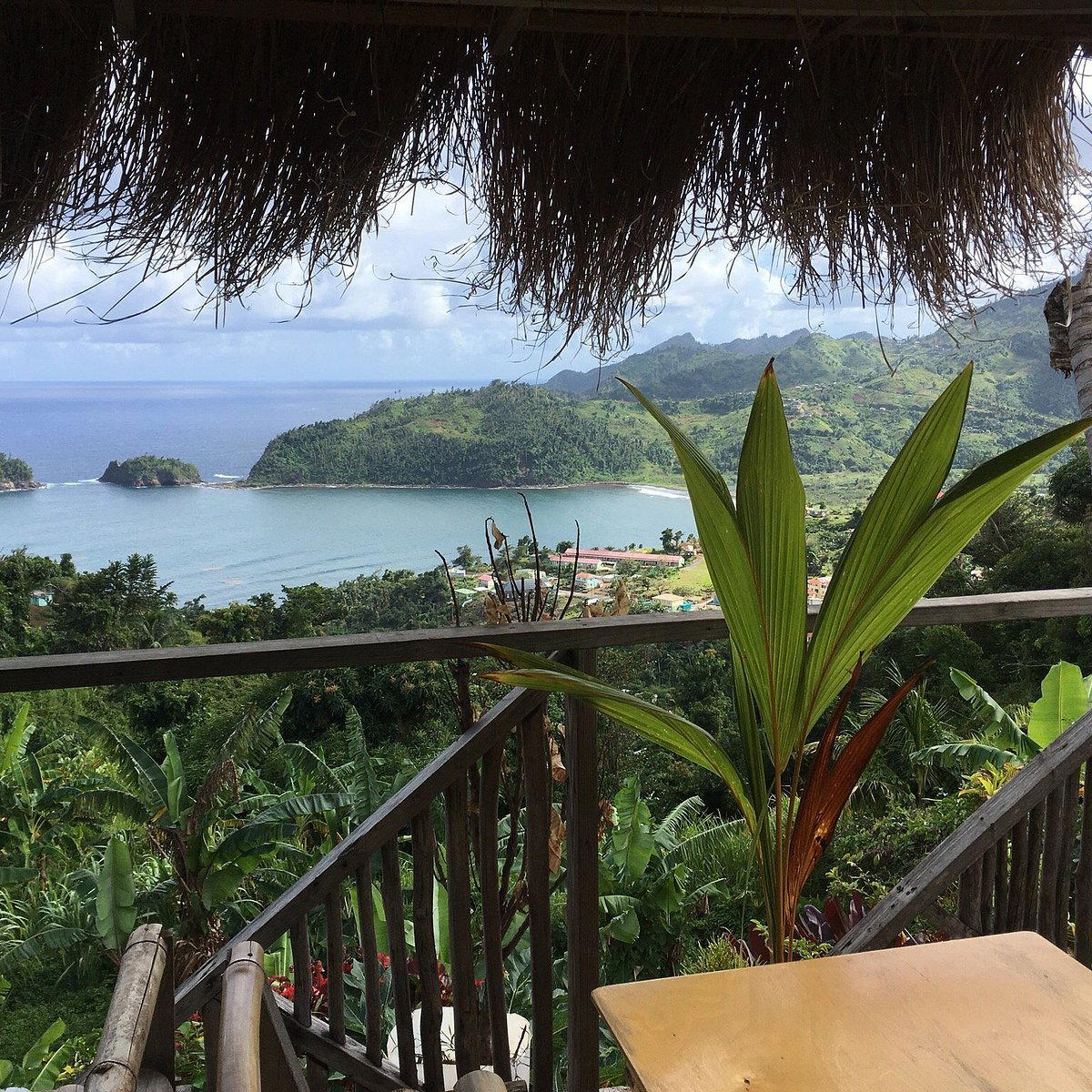
The design logic at plantation properties like this one is essentially the inverse of resort architecture. There is no attempt to create a sealed environment, no lobby designed to signal arrival at a curated world. The land itself is the primary structure. Citrus groves, tropical vegetation, and the particular quality of light on Dominica's Atlantic-facing slopes function as the spatial envelope in ways that no built element can replicate.
In that category, the relevant comparison is not with luxury properties like Secret Bay in Tibay — which deploys design architecture as a principal draw, but with properties where the built structures exist to orient guests within a pre-existing environment rather than to create one from scratch. That is a harder editorial case to make in a market that rewards visual drama, but it reflects a genuine tradition of Caribbean hospitality that predates the contemporary eco-luxury tier.
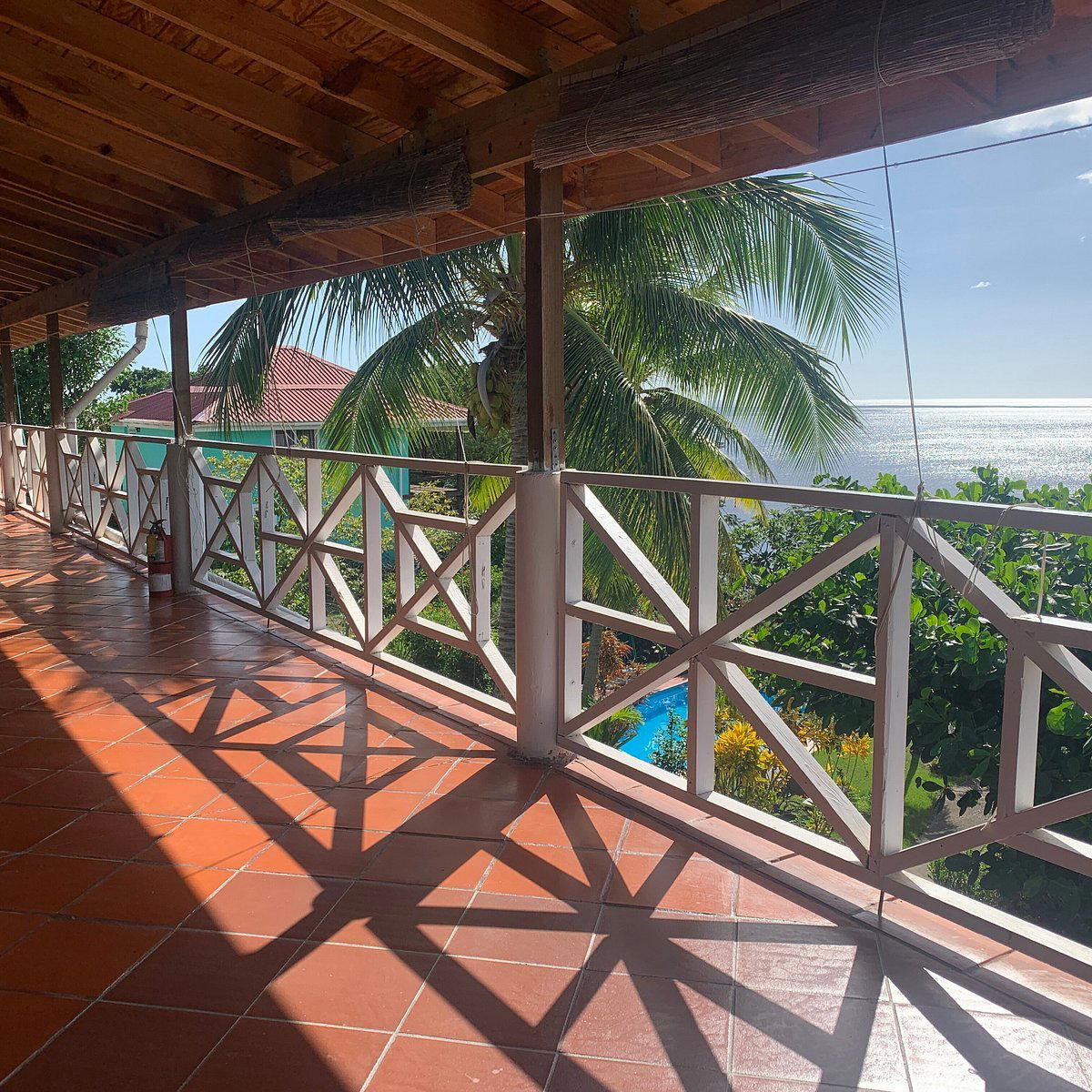
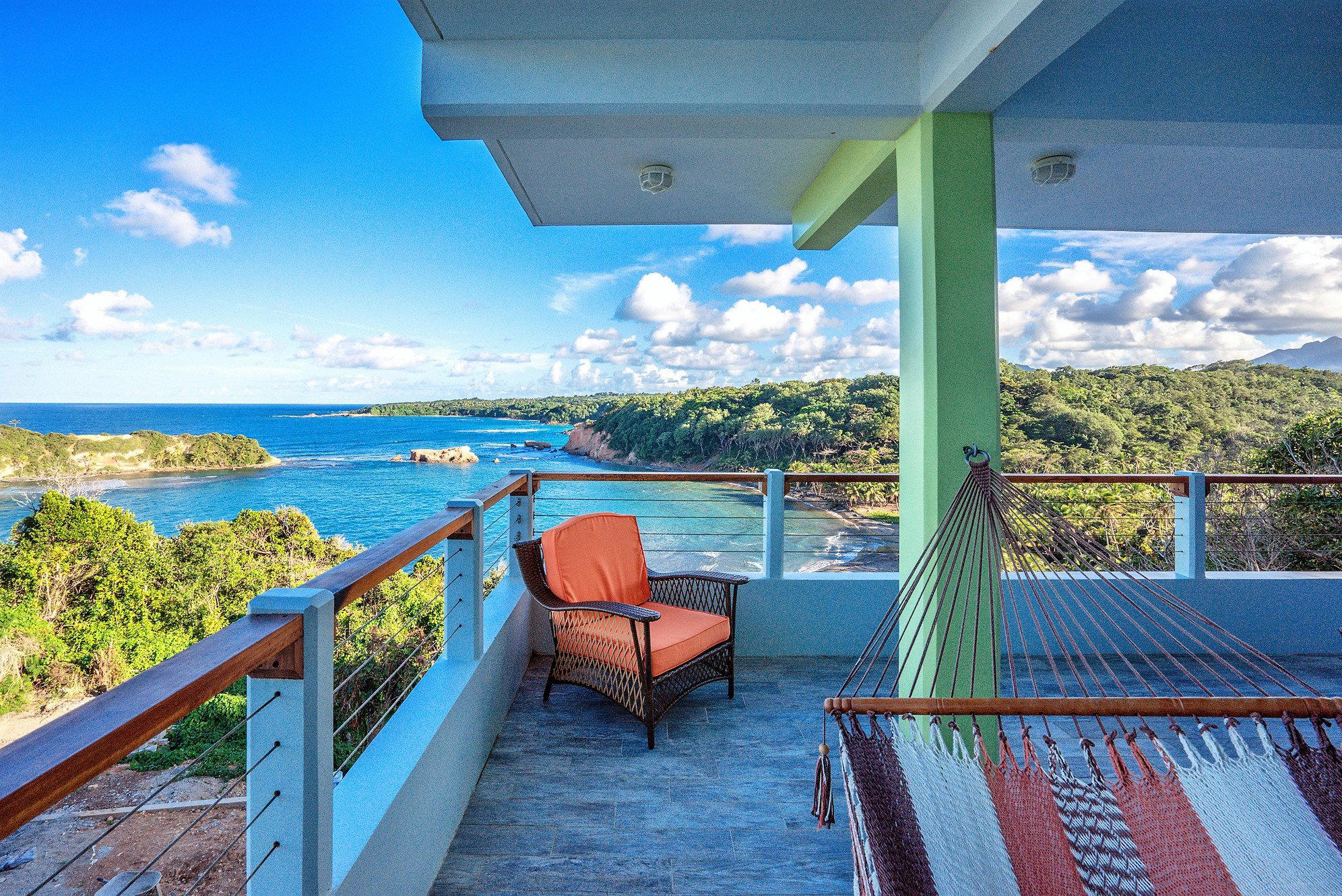
The windward exposure of La Plaine is itself an architectural factor. Properties on this side of Dominica are subject to Atlantic trade winds and a more variable weather pattern than sheltered west-coast sites. Rooms and common spaces at plantation properties in this zone are typically oriented and ventilated with this in mind, relying on natural airflow rather than mechanical systems, a structural response to site conditions that doubles as an environmental position.
Where Citrus Creek Sits in Dominica's Property Spectrum
Dominica's accommodation market has split into recognisable tiers over the past decade. At the upper end, a small number of design-led properties have attracted international attention and command rates that position the island alongside premium Caribbean destinations. Secret Bay belongs to this cohort. At the other end, guesthouses and small inns operate close to local market pricing. Plantation properties occupy a middle band: more characterful than standard guesthouses, less amenity-intensive than the design-led tier, and often more directly connected to the island's agricultural and colonial-era land history.
For travellers arriving from the north of the island, perhaps spending time in Calibishie at Wanderlust Caribbean before looping south, Citrus Creek represents a meaningful shift in register. The northeast and southeast coasts share the Atlantic exposure but differ considerably in infrastructure and visitor density. La Plaine is quieter; the roads require more attention; the absence of concentrated tourist services is both the drawback and the point.
Equally, visitors routing through Portsmouth and Hotel The Champs before heading south will find the Felicite Highway corridor a genuine change of pace from the island's more serviced northern coast. This is not a criticism; it is a routing observation that helps set expectations correctly.
The Broader Caribbean Plantation Format
Across the Eastern Caribbean, a small number of working or former plantation estates have been adapted into accommodation over the past several decades. The format varies: some have been converted into boutique hotels with heritage-listed structures; others retain working agricultural operations alongside guest facilities; a few exist primarily as atmospheric settings with minimal modernisation. The common thread is a relationship to land use that distinguishes them from purpose-built resorts.
Dominica's plantation properties fit within this tradition but carry a specific local character shaped by the island's topography and land-use history. The volcanic soil, high rainfall, and steep terrain that make Dominica unsuitable for mass beach tourism also create the conditions for exceptional agricultural land. Citrus cultivation, cocoa, and tropical fruit have all featured in the island's plantation history, and properties that maintain active cultivation offer guests a form of engagement with the land that is qualitatively different from resort landscaping. See our full La Plaine restaurants guide for context on dining options in the area, which remains limited and locally focused.
Planning a Stay on Dominica's Southeast Coast
Getting to La Plaine from Dominica's main entry points requires either a rental vehicle or arranged transfers; the southeast coast is not served by regular tourist shuttles, and the drive from Douglas-Charles Airport in the northeast takes the better part of an hour along mountain roads. From Melville Hall, factor in similar timing. Visitors who prefer not to drive independently should arrange transfers in advance, as local taxi availability in La Plaine is not comparable to Roseau or Portsmouth.
This is not unusual for smaller plantation properties in Dominica's southeast corridor, where informal and direct booking arrangements remain common. The practical implication is that confirming availability and specific room configurations requires a lead time that more structured properties do not demand.
For travellers building a broader Dominica itinerary, the southeast coast rewards slow pacing. The Rosalie Bay Eco Resort & Spa, further north along the Atlantic coast, is the nearest property with a fuller amenity set and an established reservation system. Pairing a stay there with time at Citrus Creek allows for a comparison of how two different property philosophies, one formalised eco-resort, one plantation-rooted, handle the same coastal environment.
A Quick Peer Check
| Venue | Cuisine |
|---|---|
| Citrus Creek PlantationThis venue — the venue you are viewing | This venue |

At a Glance
- Romantic
- Scenic
- Rustic
- Bohemian
- Quiet
- Romantic Getaway
- Family Vacation
- Wellness Retreat
- Weekend Escape
- Waterfront
- Private Villa
- Garden
- Terrace
- Panoramic View
- Wi Fi
- Parking
- Restaurant
- Bar
- Concierge
- Room Service
- Waterfront
- Garden
- Mountain
- Wi Fi
- Parking
- Restaurant
- Bar
- Concierge
- Room Service
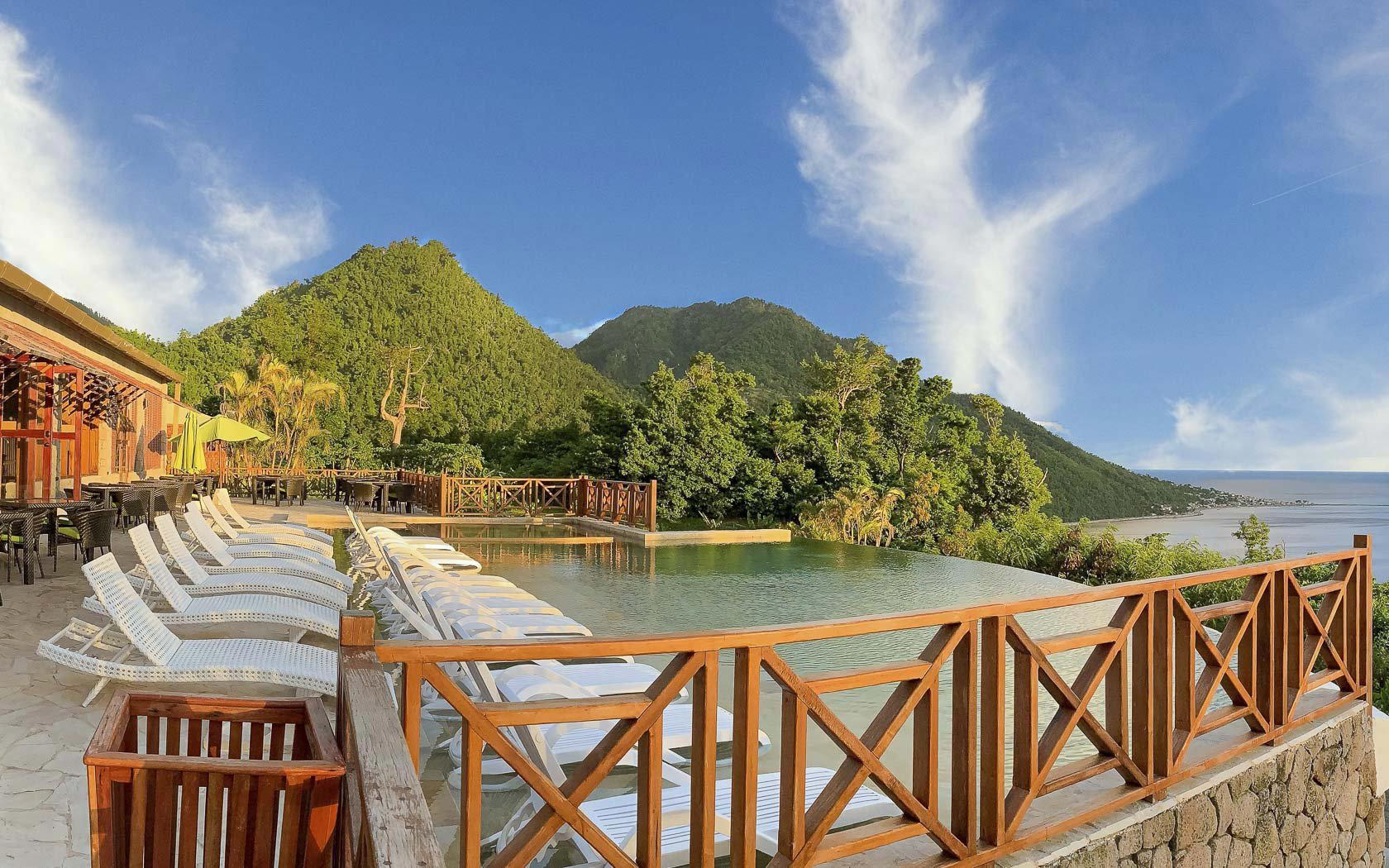
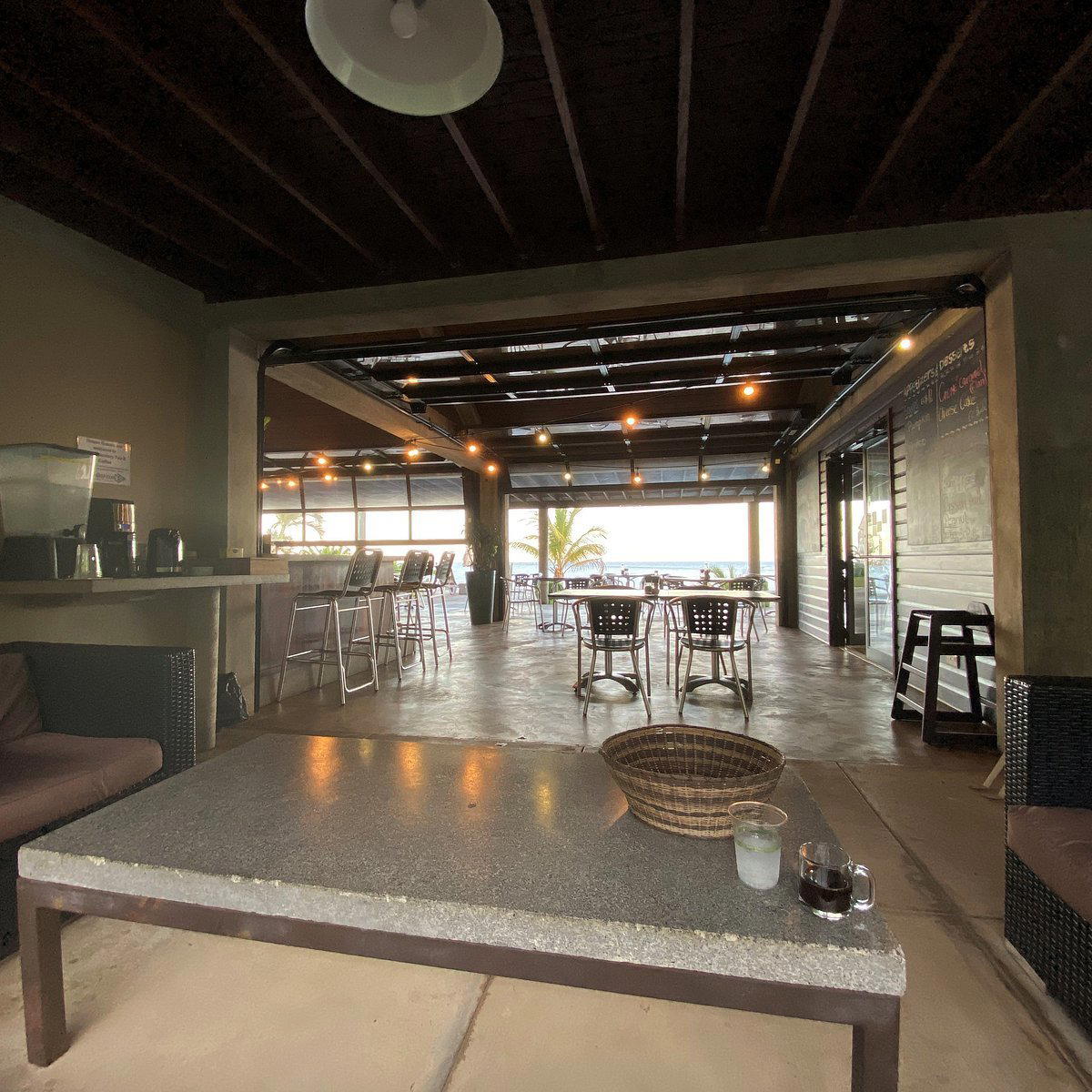
Barefoot luxury with natural, open-air design emphasizing connection to nature; shade trees and prevailing winds create comfort without air conditioning; charming, casual, and comfortable atmosphere focused on sustainability and riverside tranquility.