Wanderlust Caribbean - Adventure Travel Boutique Hotel
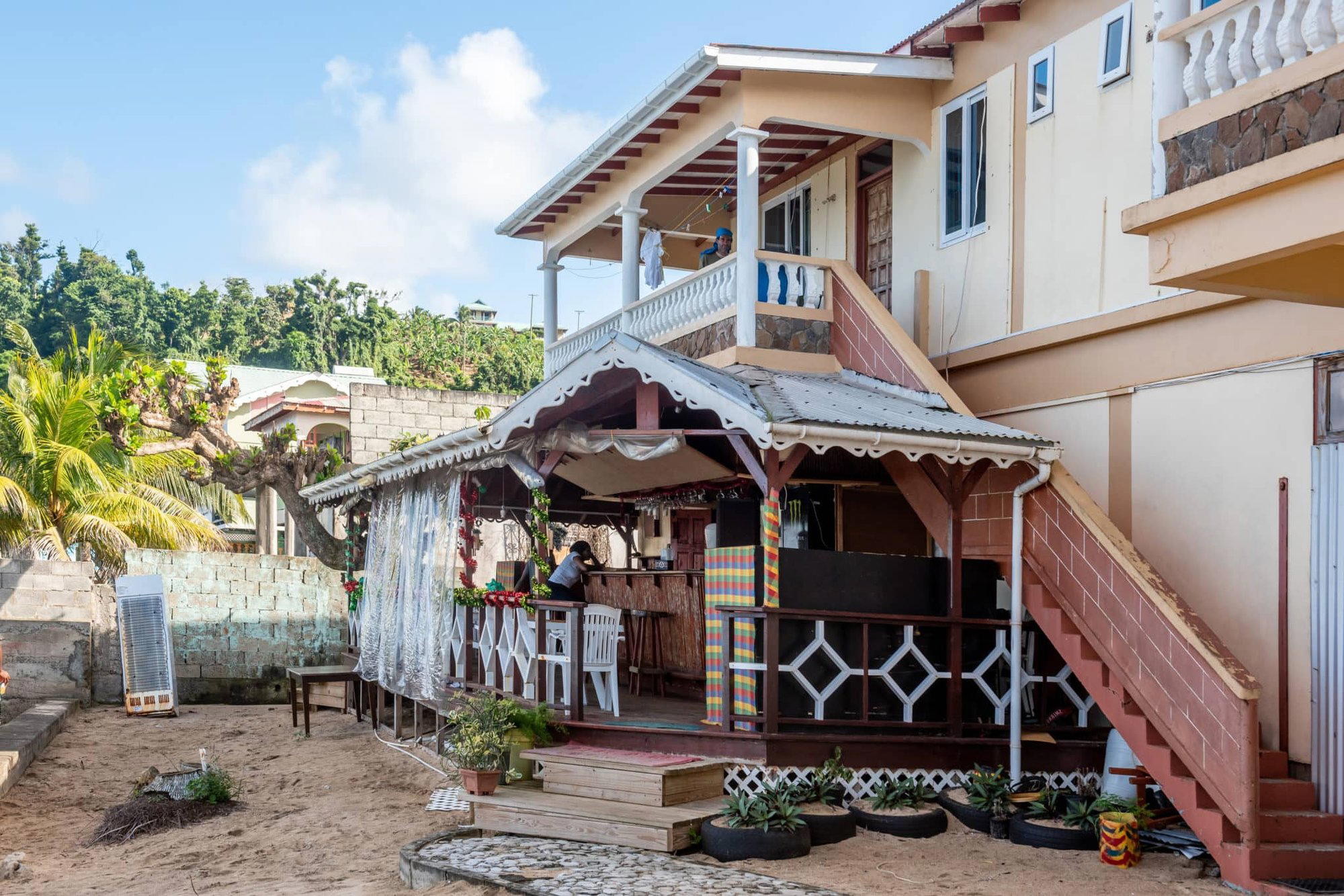
Wanderlust Caribbean sits at Pt. Dubique in Calibishie, on Dominica's wild northeastern coast, positioning itself within the island's specialist tier of adventure-oriented boutique accommodation. The property draws travellers for whom proximity to rainforest trails, volcanic terrain, and reef diving matters as much as the room. It occupies a niche defined less by resort scale and more by direct access to one of the Caribbean's least-developed natural environments.
Pearl is the En Primeur Club membership app — saves, bookings, and concierge access live there. Same editors, same standards.
- Address
- Pt. Dubique, Calibishie, Dominica
- Phone
- +1 980 934 1813
- Website
- wanderlustcaribbean.com
- Directions
- Get directions
 Saves & bookings on Pearl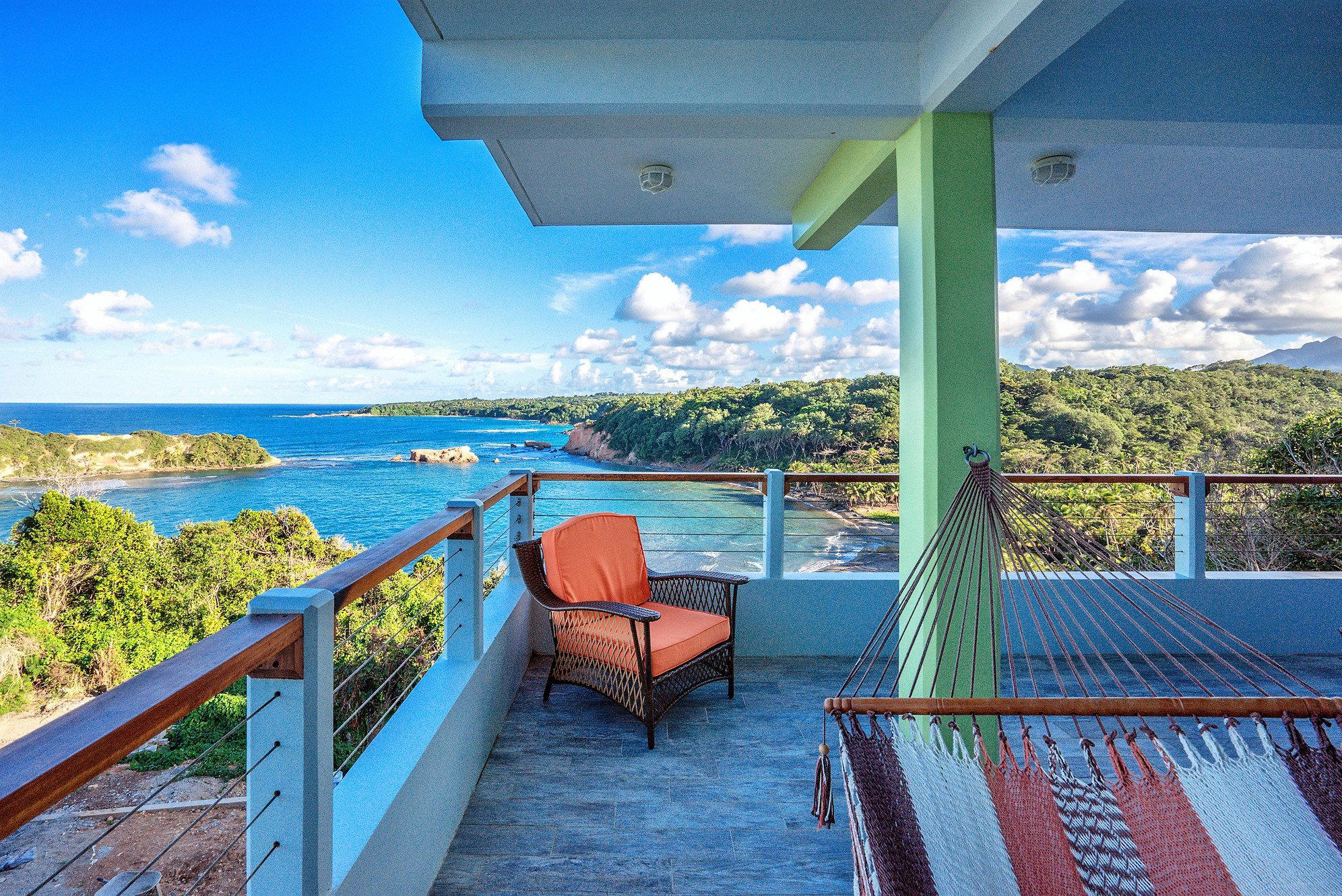
Where the Northeast Coast Sets the Terms
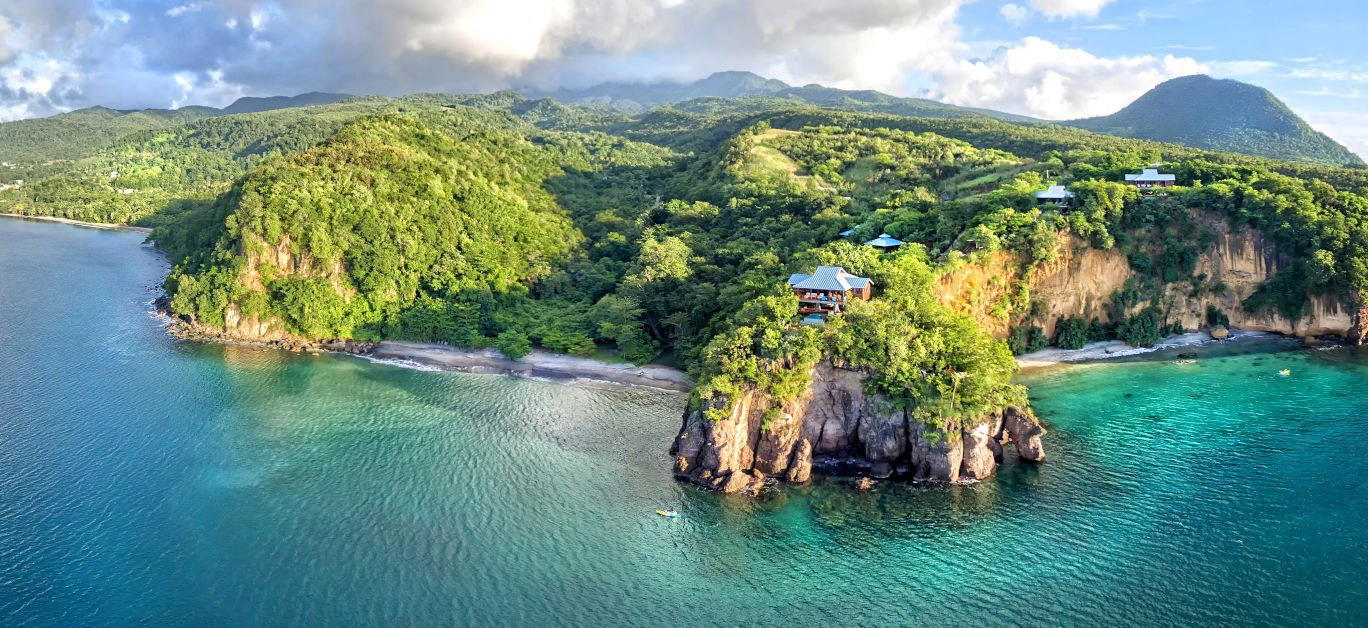
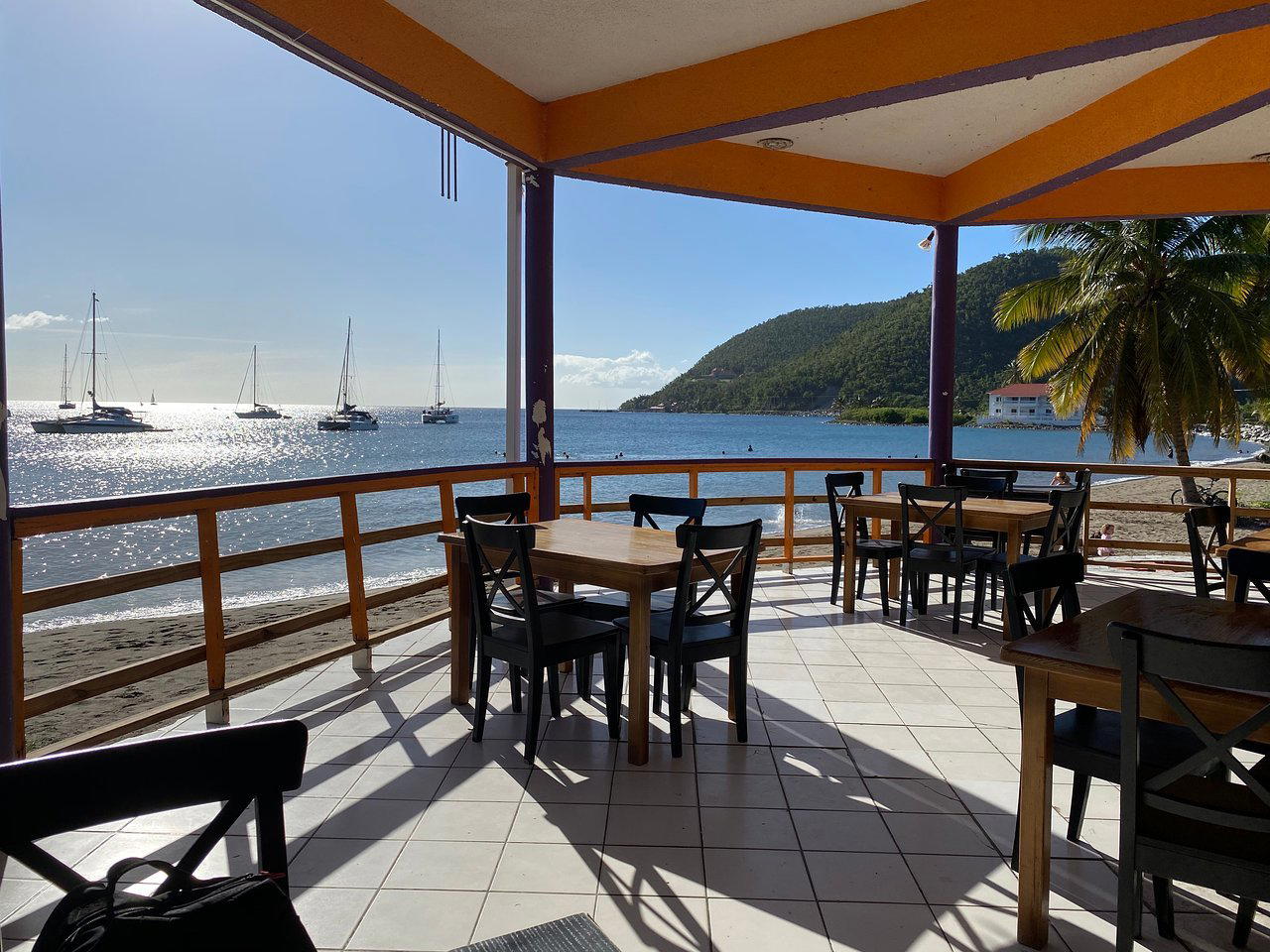
Dominica's northeastern corner operates by different rules from the wider Caribbean resort circuit. The coastline around Calibishie is defined by dark volcanic sand, abrupt green headlands, and a near-total absence of the cruise infrastructure that shapes visitor experience elsewhere on the island. Properties that position themselves here are, by geography, making an argument: that remoteness and ecological density are the attraction, not amenities that replicate what a traveller could find in Barbados or St. Lucia. Wanderlust Caribbean, positioned at Pt. Dubique on that northeastern stretch, sits firmly inside that argument.
The boutique adventure hotel category in Dominica has developed along a recognisable axis. At one end sit larger eco-resort formats, such as Jungle Bay Dominica in Delices and Rosalie Bay Eco Resort and Spa in Rosalie, which pair programmed wellness or diving offerings with higher key counts. At the other end, smaller properties in villages like Calibishie operate with a lower footprint and a more direct relationship between guest and landscape. Wanderlust Caribbean occupies that lower-footprint end of the spectrum, where the surrounding terrain is less backdrop and more programme.
The Physical Fabric of Pt. Dubique
Calibishie as a settlement sits at the convergence of the island's northern road and the coastline, a position that gives it access both to the fishing communities of the northeast and to the interior trail systems climbing toward the Morne Diablotin ridgeline. The Pt. Dubique location within that village places Wanderlust Caribbean in immediate proximity to that dual geography: seaward-facing for reef and snorkel access, inland-facing for the kind of forest hiking that Dominica's UNESCO-adjacent natural sites support.
The design logic of properties at this price tier and in this geography tends to follow what works in the environment rather than what imports a style from elsewhere. Across the wider cohort of design-led Caribbean boutique hotels, from Secret Bay in Tibay to Citrus Creek Plantation in La Plaine, the properties that hold editorial attention longest are those where the structural relationship to topography, prevailing wind, and vegetation is legible in the architecture itself. A room positioned to catch the northeast trade winds and frame a headland view makes a different case than one that happens to be on a tropical island. That responsiveness to site conditions is the design credential that matters most in this category, and the Pt. Dubique setting offers the raw material for exactly that kind of position-specific architecture.
Adventure Programming in Dominica's Northeastern Context
Dominica markets itself, with reasonable accuracy, as the Nature Isle of the Caribbean. That framing has consequences for the type of traveller who chooses it over comparable island options. The northeast coast, less visited than the capital-adjacent southwest and less developed than the Cabrits resort corridor in the north, draws visitors with a specific interest in low-density access to natural systems: forest birding, river valley hiking, coastal reef diving without the boat-queue congestion common to more trafficked Caribbean dive destinations.
Properties that identify as adventure-focused in this geography take on a curatorial role. The decision about which trails to flag, which dive operators to connect guests with, which rivers are worth the access difficulty, constitutes a form of local knowledge that is itself a product. For a boutique hotel in Calibishie, proximity to the Picard River corridor, northern forest reserve trails, and the relatively pristine reef sections of the northeastern shelf positions the property's adventure offering differently from a southern-coast operator running the Boiling Lake route as its primary excursion.
Travellers comparing options across the island should note that The Tamarind Tree Hotel and Restaurant in Roseau offers proximity to the capital and its west-coast diving, while Hotel The Champs in Portsmouth sits closer to the Indian River mangrove system. Calibishie's niche is the eastern-facing coast, where swells are heavier, forest cover is denser, and the visitor density noticeably lower.
Placing Wanderlust Caribbean in a Wider Tier
The boutique adventure hotel category globally has bifurcated between properties that deploy the adventure label loosely and those where the physical environment genuinely constrains and shapes the guest experience. At the high-specification end of the global market, properties like Amangiri in Canyon Point or Hotel Esencia in Tulum demonstrate how site-specificity becomes an architectural and curatorial proposition in its own right. The Caribbean equivalent of that proposition, operating at lower scale and price, is a property that makes the surrounding ecology legible and accessible without domesticating it into a theme.
Wanderlust Caribbean's positioning in Calibishie, rather than in a more established resort corridor, is itself a signal about where it sits in that spectrum. The village location, the Pt. Dubique headland address, and the adventure travel framing together describe a property that has chosen terrain over convenience, which in this category is a deliberate curatorial stance rather than a limitation.
Planning a Stay
Calibishie is accessible from Douglas-Charles Airport, the island's primary international entry point, which sits on the northeastern coast and places the village within a short road transfer. The airport handles inter-Caribbean connections routed through Barbados, Antigua, and other regional hubs, which means most international arrivals will connect once. Visitors arriving in Dominica's rainy season, roughly June through November, will find the northeastern forests at their most active and the roads occasionally affected by heavy weather. The dry season months from December through April represent the period when trail conditions are most consistent and coastal visibility for diving is at its highest. Booking through the property directly, rather than through a regional aggregator, typically yields cleaner communication on what the local adventure programming actually covers in a given season. For context on the wider range of accommodation across the island, our full Calibishie restaurants and venues guide covers the northeastern village in more detail.
How It Stacks Up
| Venue | Cuisine |
|---|---|
| Wanderlust Caribbean - Adventure Travel Boutique HotelThis venue — the venue you are viewing | This venue |
At a Glance
- Scenic
- Rustic
- Intimate
- Bohemian
- Romantic Getaway
- Wellness Retreat
- Weekend Escape
- Group Retreat
- Beachfront
- Panoramic View
- Terrace
- Wi Fi
- Beach Access
- Waterfront
- Mountain
- Wi Fi
- Beach Access
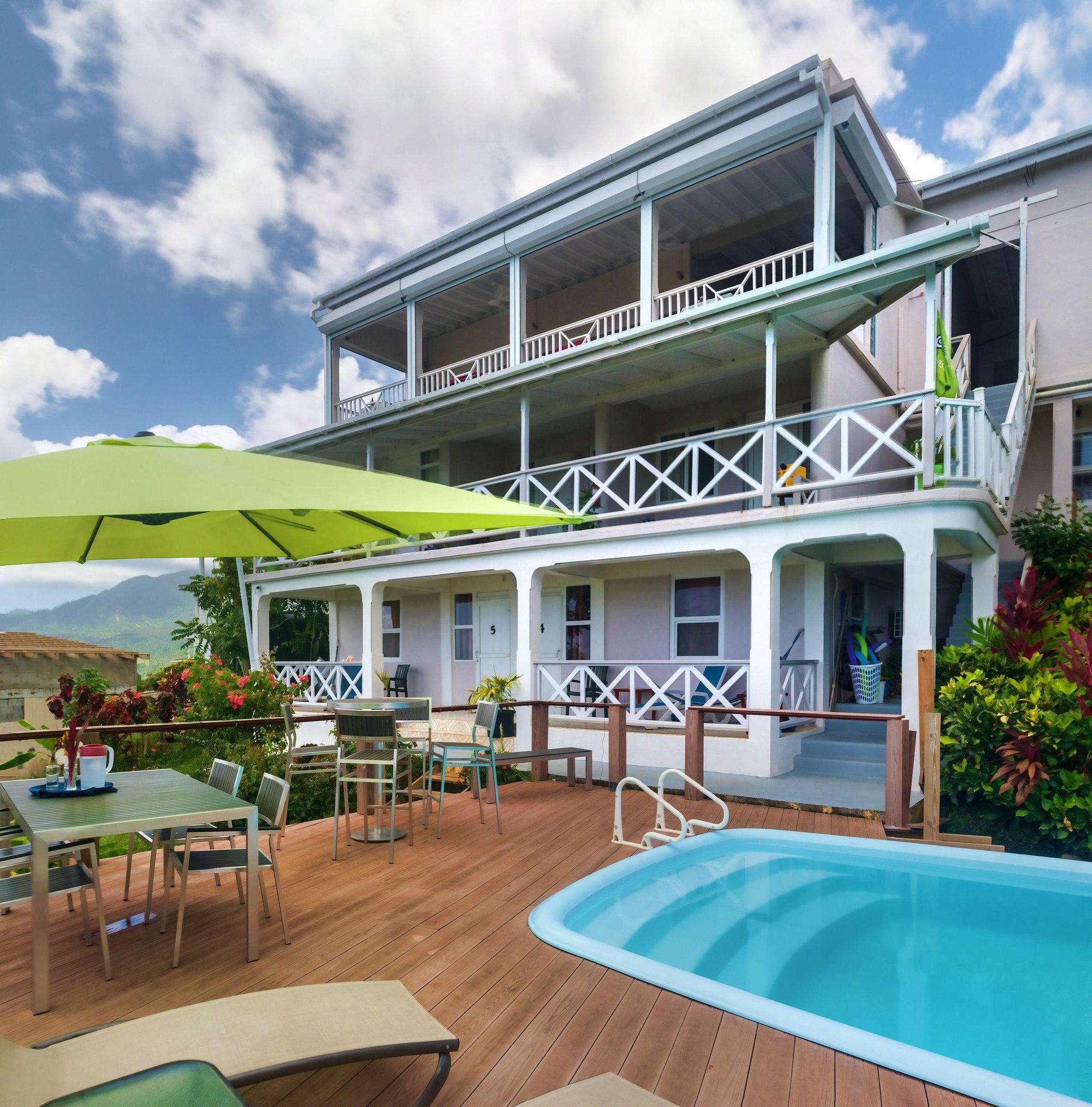
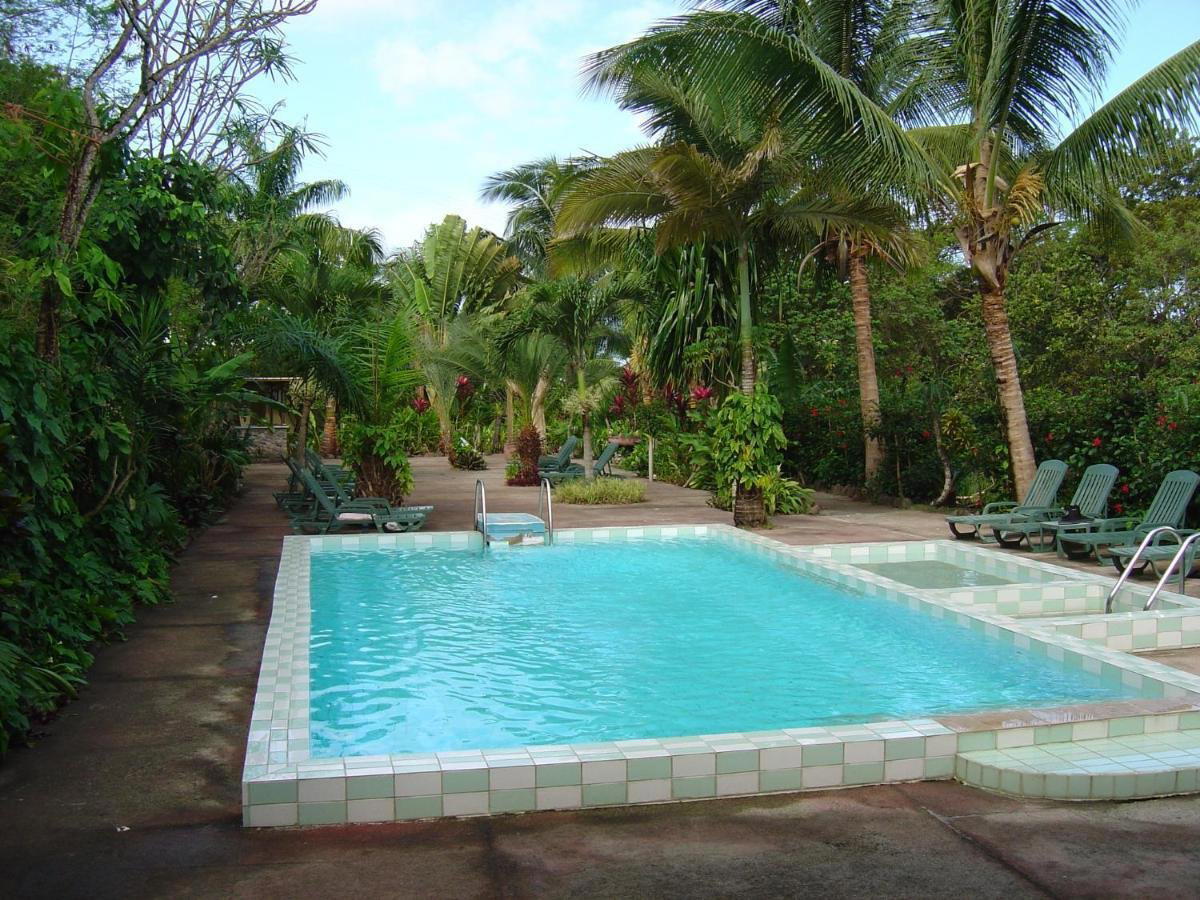
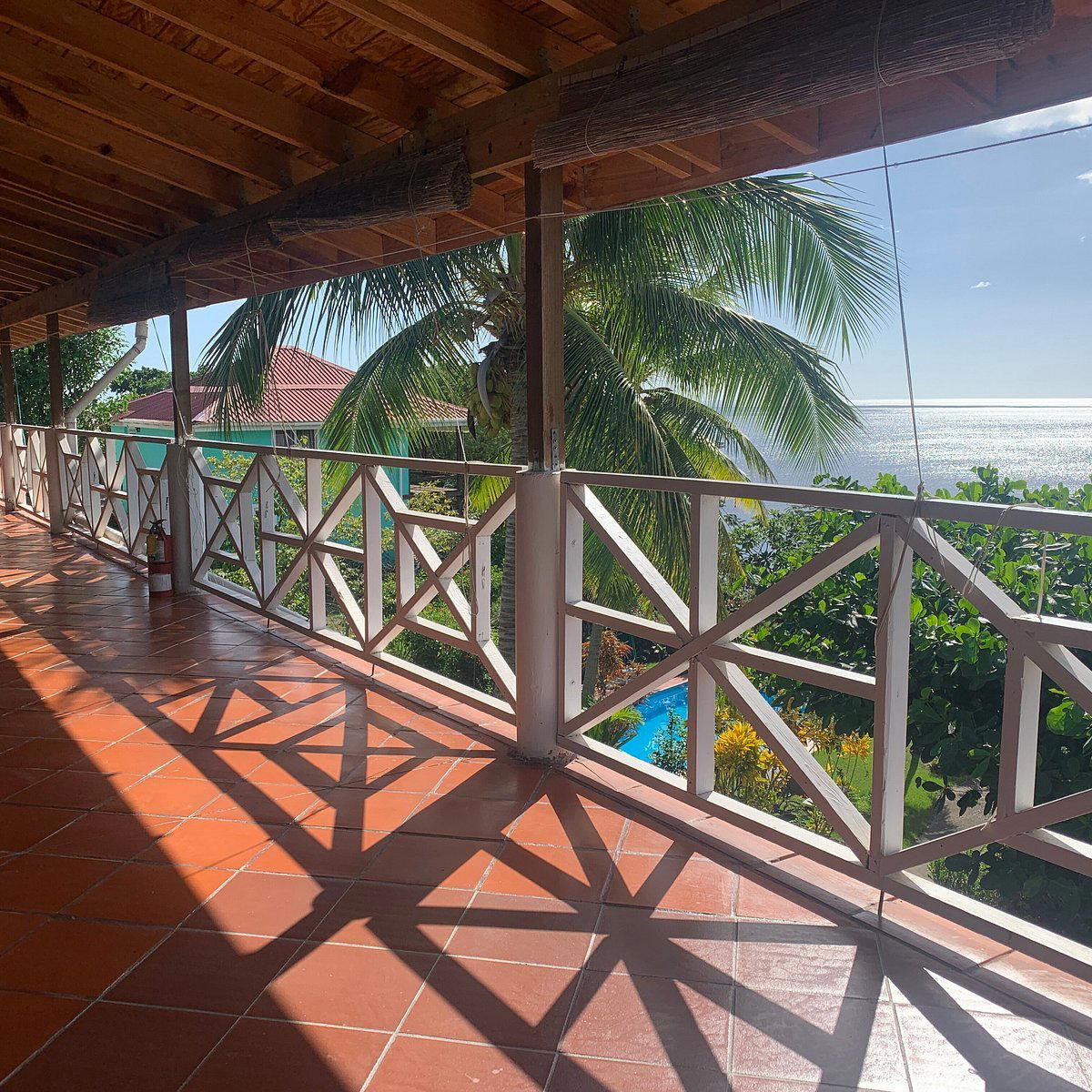
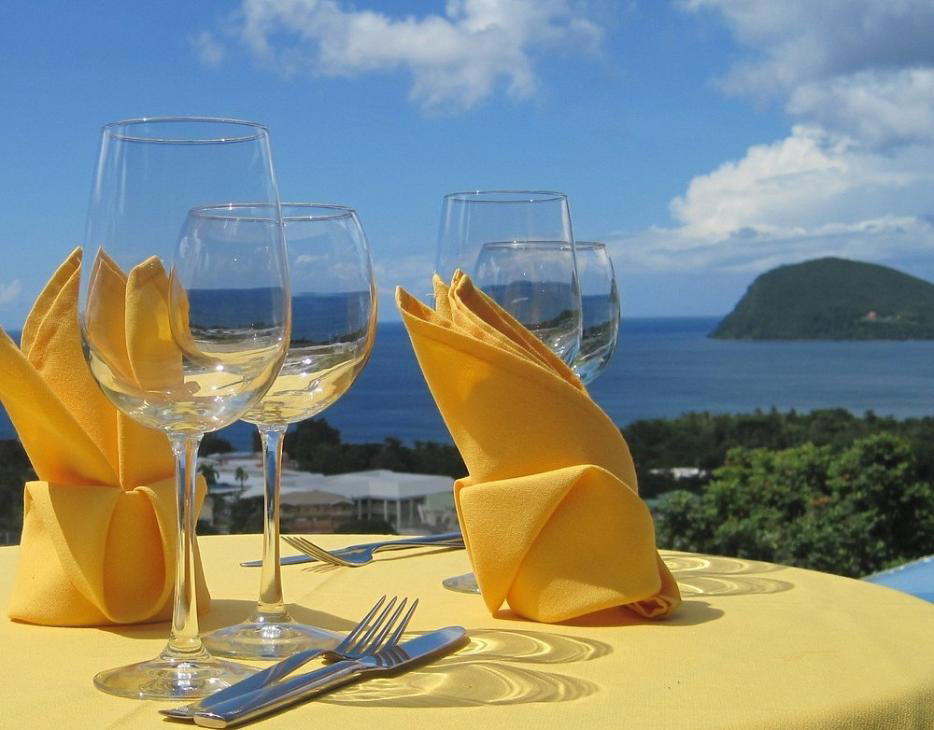
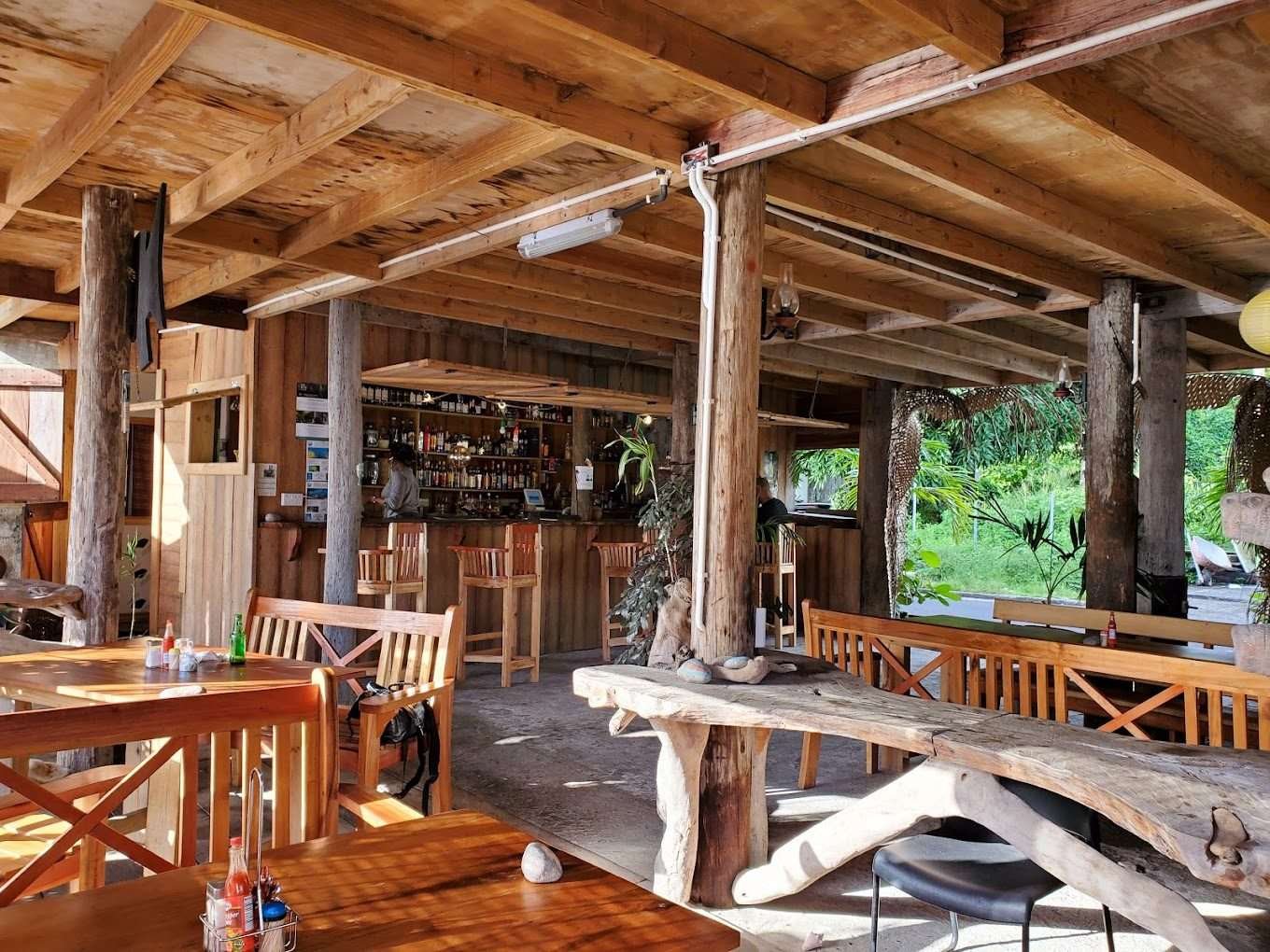
Serene and luxurious with dramatic coastal vistas, tropical hardwood accents, local art, and gentle ocean breezes on private oceanfront balconies.