The Talbot Inn

Mr & Mrs Smith Seal of Approval
The Talbot Inn in Mells, Somerset, occupies a medieval coaching inn that has been drinking and dining in one form or another for centuries. Set in one of England's most unspoiled villages, it sits at the intersection of serious pub cooking and genuine countryside character, drawing visitors who find the rural Somerset experience more compelling than anything the nearby market towns can offer.

Pearl is the En Primeur Club membership app — saves, bookings, and concierge access live there. Same editors, same standards.
- Address
- Selwood St, Mells, Frome BA11 3PN, United Kingdom
- Phone
- +44 1373 812254
- Website
- talbotinn.com
- Directions
- Get directions
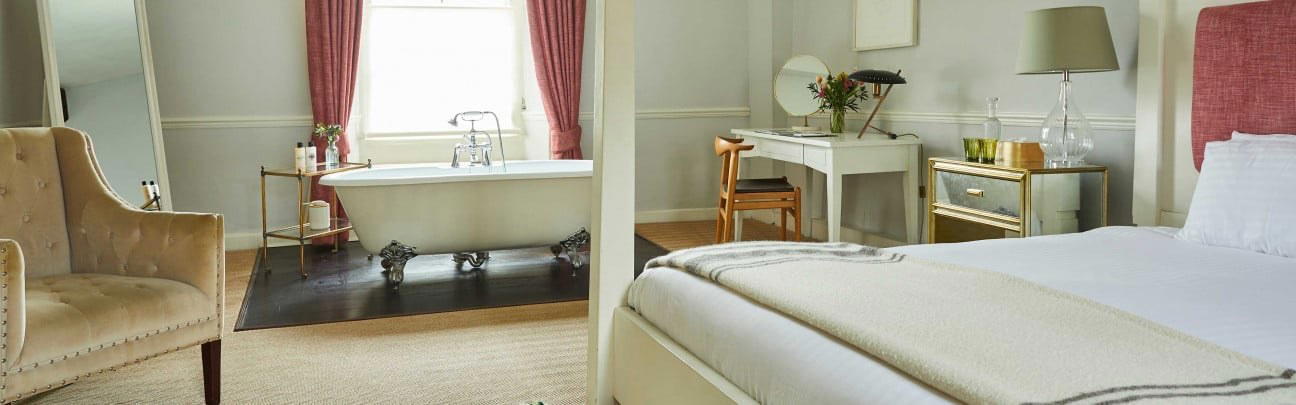
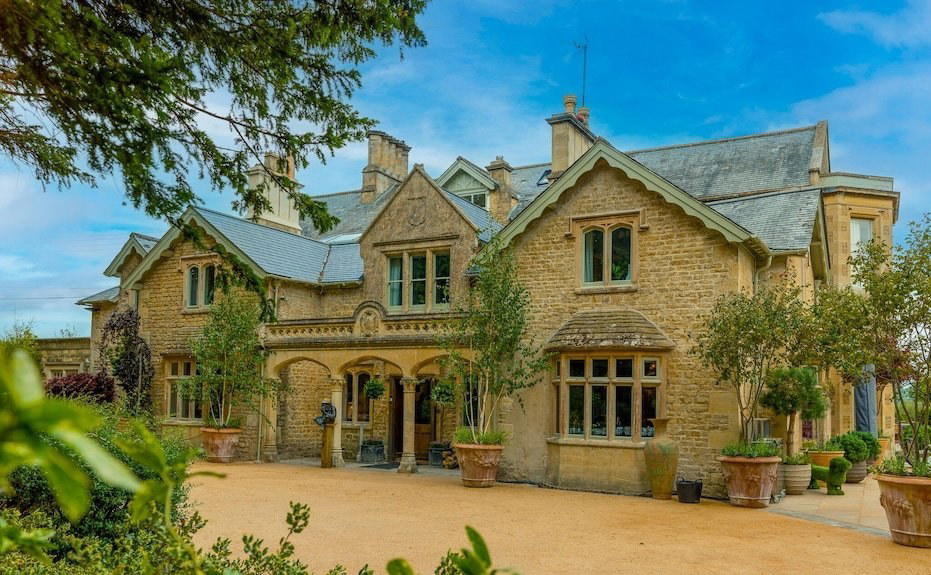
Stone, Timber, and the Architecture of the English Inn
The English coaching inn is one of the country's more durable architectural types: a building form that evolved around the practical needs of travellers — covered yards, stabling, fireside rooms — and accumulated layers of alteration without losing its essential logic. The Talbot Inn in Mells represents that tradition in a particularly well-preserved condition. Sitting on Selwood Street in a Somerset village that has largely escaped the kind of incremental modernisation that has eroded so many comparable settlements, the building reads as a genuine accumulation of centuries rather than a curated period pastiche.
Mells itself provides the architectural context. The village is a rare case of English rural fabric that remained in the control of a single landowning family, the Homers, for generations long enough to prevent the piecemeal development that tends to fragment such places. The church of St Andrew, the manor, and the surrounding stone cottages form a coherent ensemble, and the Talbot sits within that ensemble rather than apart from it. The approach along the village lane, with the church tower visible over the roofline, frames the inn before you reach it in a way that few urban hotel arrivals can replicate.
Inside, the structural bones of a medieval inn remain legible: low ceilings, wide fireplaces, thick stone walls, and the kind of irregular floor plan that accumulates when a building is extended pragmatically over centuries rather than designed in a single campaign. This is the architectural opposite of the blank-slate boutique hotel that has dominated the last two decades of British hospitality design. Where properties like Estelle Manor in North Leigh or Babington House in Kilmersdon have worked with country house volumes and considerable resources to define a particular contemporary register, the Talbot operates in a different register entirely: the inn as found object, where the design work is largely about preserving and editing what exists rather than imposing a new identity.
The Somerset Rural Pub in Its Wider Context
Somerset has produced a specific sub-category of the destination pub: places serious enough about food and accommodation to draw travellers from Bristol, Bath, and London, but grounded enough in local life to retain credibility as working inns rather than restaurants that happen to have rooms. The Talbot belongs to that group. The county's hospitality offer spans a considerable range, from the horticultural ambition of The Newt in Somerset near Castle Cary at one extreme to direct market-town pubs at the other. The Talbot occupies a middle position defined primarily by its village setting and architectural substance rather than by branded investment or a named culinary programme.
That positioning matters for how you read the experience. Unlike hotel groups where design language, service protocols, and food philosophy are aligned and documented, the rural inn of the Talbot's type offers something less legible but arguably more durable: a sense of place that derives from the building's actual history and its integration into a specific landscape. The village pub in England has functioned as a civic building for as long as the church or the market hall, and the leading examples retain that civic quality even when serving visitors rather than locals.
What Draws Visitors to Mells
The pull of Mells is not conventional tourist infrastructure. There is no shopping, no significant visitor attraction in the usual sense, and no reliable accommodation market of the scale you find in Wells or Frome. What the village offers is a particular quality of quiet: a Somerset range of orchards, hedgerows, and stone lanes that has changed less since the mid-twentieth century than most comparable English countryside. For visitors arriving from cities, this is its own kind of proposition, and the Talbot is the practical anchor for accessing it.
Frome, approximately four miles to the east, has developed a secondary economy of independent shops, markets, and creative businesses over the past fifteen years, and its growing profile has increased the number of visitors exploring the surrounding villages. Mells benefits from that without being absorbed into it. The Talbot, in that sense, functions as a gateway to a rural character that remains distinct from the town's cultivated creative identity. Comparable rural retreats elsewhere in the UK, such as Burts Hotel in Melrose in the Scottish Borders or Langass Lodge in the Western Isles, also draw on landscape distinctiveness as their primary argument, a reminder that the most persuasive rural hospitality propositions are often rooted in geography rather than programming.
For those travelling from further afield, the regional context is relevant. Bath is roughly sixteen miles north, Bristol around twenty-five miles to the northwest. The A361 and the surrounding B-road network require a car; there is no viable public transport option for arriving or departing from Mells with any flexibility. Plan accordingly, and consider that the surrounding lanes reward unhurried driving in a way that argues for an overnight stay rather than a day visit. For countryside stays with more varied transport access in the wider region, Avon Gorge by Hotel du Vin in Bristol offers a city-based alternative within an hour's reach.
Planning Your Visit
Somerset's climate follows the general West Country pattern: mild and often wet, with the most settled conditions between May and September. The village is at its most atmospheric in autumn, when the surrounding orchards are in fruit and the light on the stone buildings shifts toward gold by mid-afternoon. Winter stays in a building of the Talbot's construction have their own logic, thick walls and fireplaces earn their keep in a way they cannot in July, but road conditions on the surrounding lanes can be variable in cold weather. Those seeking the full Somerset rural experience in comparable comfort at slightly different price or scale points might also consider Lime Wood in Lyndhurst, which offers a distinct New Forest alternative, or consult our full Mells restaurants guide for the broader local picture.
A Quick Peer Check
| Venue | Price | Awards |
|---|---|---|
| The Talbot InnThis venue — the venue you are viewing | $100–200 | Mr & Mrs Smith Seal of Approval |
| Lime Wood | Not listed | 2 Michelin Keys · La Liste Top Hotels |
| Muir, A Luxury Collection Hotel, Halifax | $300–500 | 1 Michelin Key · Forbes 4-Star |
| Raffles London at The OWO | $1,000–1,500 | 3 Michelin Keys · World's 50 Best #28 |
| The Connaught | $1,000–1,500 | 3 Michelin Keys · World's 50 Best #49 |
| 51 Buckingham Gate, Taj Suites and Residences | Not listed | Michelin Selected · La Liste Top Hotels |
Recognition history
Dated appearances from independent guides and award organizations, with the underlying list record or original source where available.
Mr & Mrs Smith Seal of Approval
Mr & Mrs Smith
Continue exploring
More in Mells
Hotels in Mells
Browse all →
Bars in Mells
Browse all →
Restaurants in Mells
Browse all →
Wineries in Mells
Browse all →
Details
- Rustic
- Cozy
- Classic
- Scenic
- Romantic Getaway
- Weekend Escape
- Historic Building
- Garden
- Pool
- Spa
- Garden
- Wheelchair Accessible
- Step Free Entrance
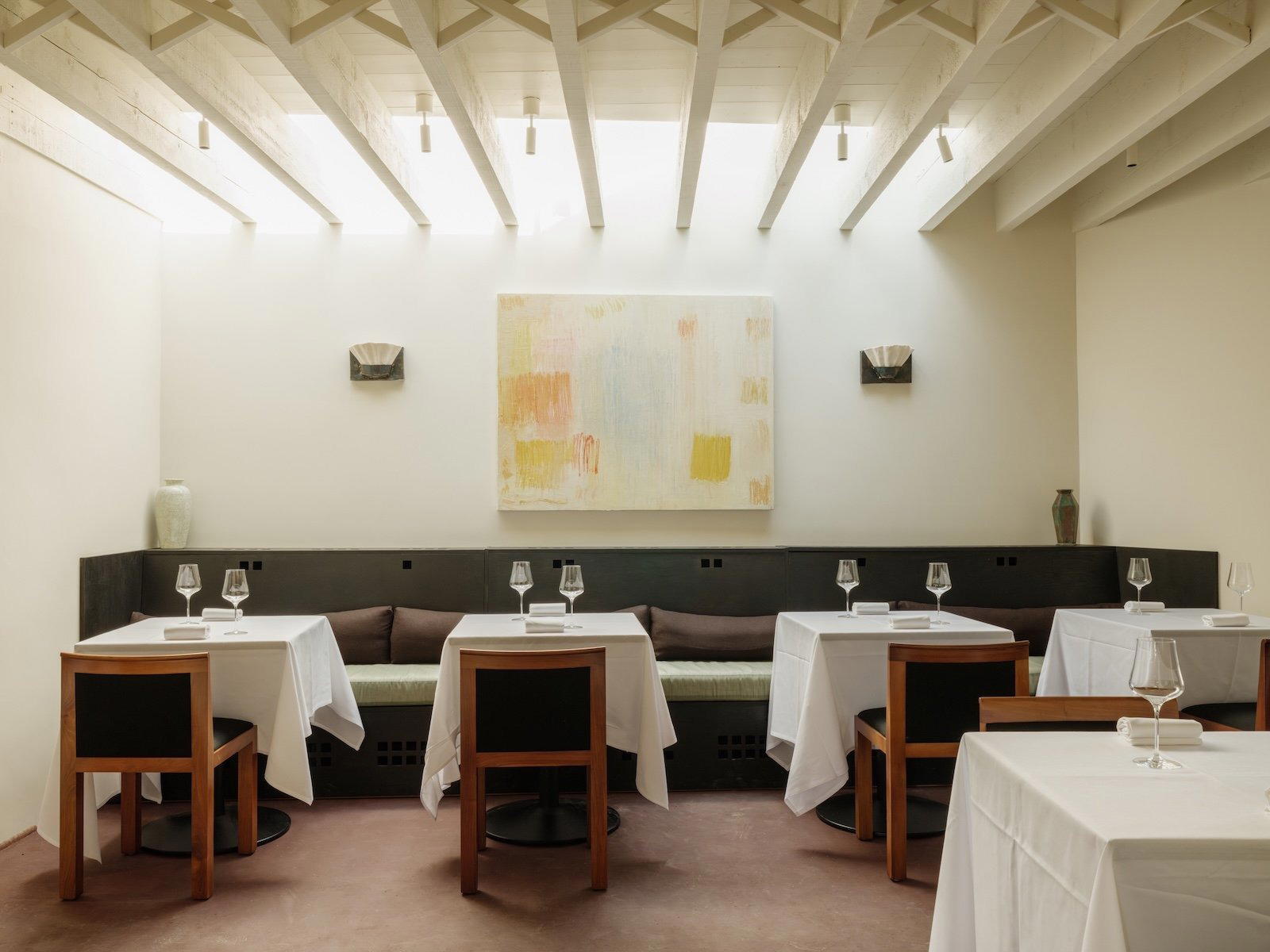
Cozy beamed interiors with crackling log fires, flagstone floors, and a sociable pub atmosphere featuring local ales and seasonal menus.