The Ritz-Carlton, Fari Islands

The Ritz-Carlton, Fari Islands holds a Michelin Key (2025) and sits within the Fari Islands development in North Malé Atoll, positioning it among the Maldives' most formally recognised luxury properties. The resort competes in a peer set defined by multi-restaurant programmes, overwater architecture, and Malé-proximate access. Advance planning is advised for peak-season stays.
 Discover on Pearl
Pearl is the En Primeur Club membership app — saves, bookings, and concierge access live there. Same editors, same standards.
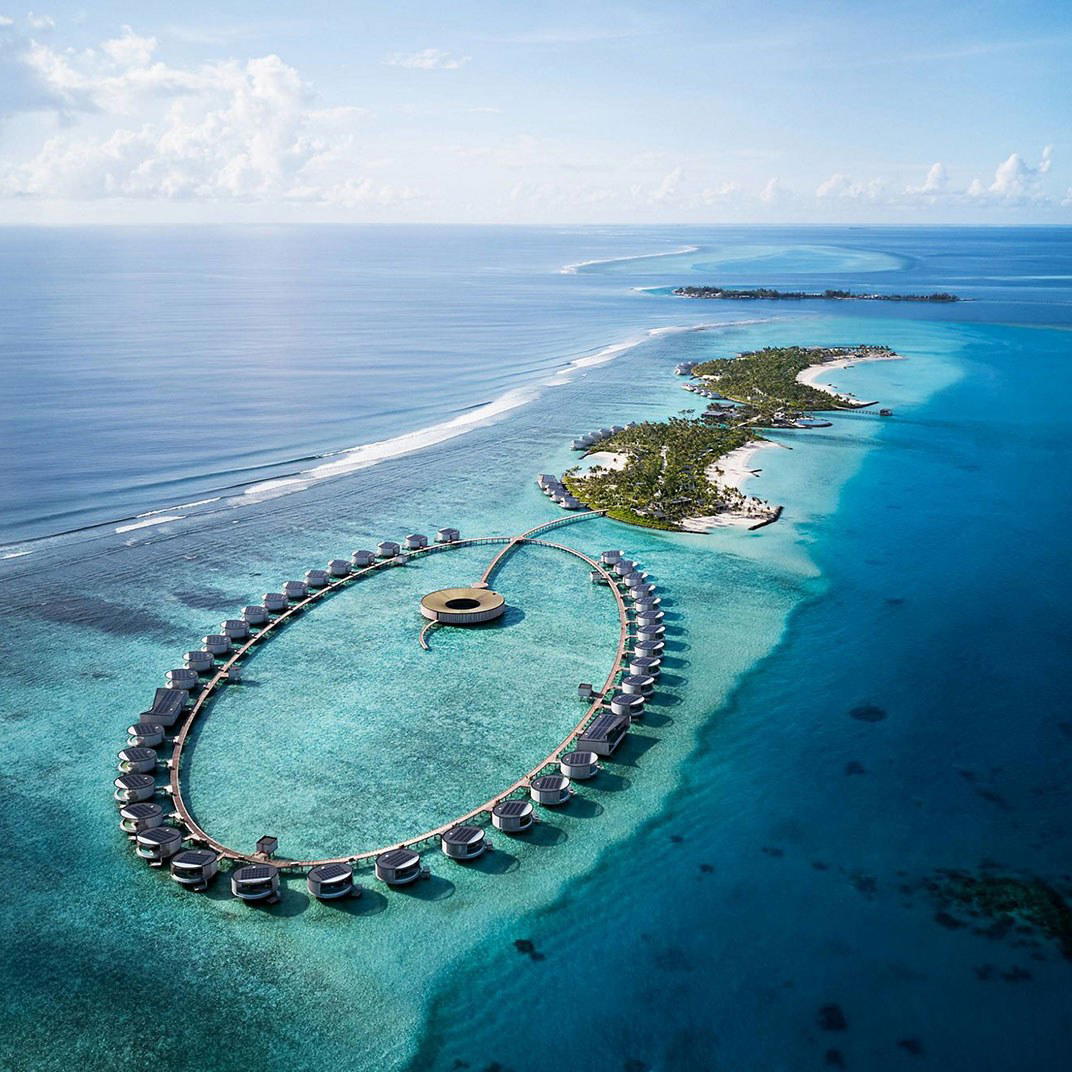
Where the Atoll Becomes Architecture
North Malé Atoll has long been the Maldives' most commercially active stretch of water, close enough to Velana International Airport to reach by speedboat yet sufficiently removed from the capital to deliver the silence that luxury travellers are paying for. The Fari Islands development occupies a cluster of islands within this atoll, and the Ritz-Carlton property sits within that broader community alongside neighbours including Patina Maldives, Fari Islands, which serves the same archipelago with a different aesthetic register. What separates the Ritz-Carlton tier from mid-market overwater options in this atoll is not simply room count or beach footage, but the depth of the hospitality infrastructure: multiple food-and-beverage venues, structured wellness programming, and the kind of staff-to-guest ratios that translate into seamless rather than reactive service.
In 2025, the property received a Michelin Key from the Michelin Guide's hotels and stays programme, a distinction that places it within a select group of Maldivian resorts formally recognised for hospitality quality. The Michelin Key framework, introduced internationally in recent years, evaluates the full guest experience rather than any single restaurant, which means the award speaks to consistency across the property rather than one standout kitchen. That credential matters when comparing the Ritz-Carlton against Maldivian peers: properties like Soneva Jani in Noonu Atoll, Soneva Fushi in Eydhafushi, and Six Senses Laamu in Laamu Atoll each carry strong editorial reputations built over years of operation, while the Ritz-Carlton now enters the conversation with a formal third-party signal to anchor its position.
The Dining Programme as a Resort's Argument
In the Maldives, food-and-beverage programming has become one of the clearest ways to differentiate properties that otherwise share the same overwater bungalow vocabulary. The archipelago's geography creates a structural challenge for any kitchen: almost every ingredient beyond local fish and coconut must be flown or shipped in, which drives costs and constrains the spontaneity that makes restaurant dining elsewhere so dynamic. The properties that resolve this tension most successfully tend to do so through format discipline, whether that means a tightly edited menu that leans into the constraints or a multi-outlet structure where each venue has a distinct culinary identity rather than a diffuse international offering.
The Ritz-Carlton brand has historically operated multi-restaurant programmes at its flagship properties globally, a model that treats food and beverage as part of the property's identity rather than a logistical necessity. At Fari Islands, the expectation set by the brand and now reinforced by the Michelin Key recognition is that the dining infrastructure meets the same standard as the accommodation and service. For context, the brand operates properties recognised at the highest levels of global hospitality, including the Hôtel de Paris Monte-Carlo in Monte Carlo, where the food and beverage relationship is inseparable from the property's reputation. In the Maldives, that translates into structured meal experiences where presentation, sourcing narrative, and service choreography carry as much weight as the food itself.
Across the wider Fari Islands community, the dining map extends beyond any single property. The development's shared marina village creates an unusual situation for the Maldives: guests at the Ritz-Carlton can, in principle, access restaurants and bars that fall outside their resort's immediate footprint. This dissolves some of the traditional resort-island isolation that defines properties like The Nautilus Maldives in Thiladhoo or Milaidhoo Maldives in Baa Atoll, which operate as self-contained environments. Whether that openness counts as an advantage depends on the guest: those seeking total seclusion may find the connected format less immersive; those wanting variety beyond a single property's menus will find it a genuine differentiator.
Rooms, Scale, and the Overwater Calculus
The overwater villa category across the Maldives has fragmented into distinct price-and-scale tiers. At one end sit the smaller boutique properties, under fifty keys, where physical intimacy and staff familiarity create a private-island atmosphere regardless of brand affiliation. At the other end sit the larger branded resorts, where infrastructure scale allows multi-cuisine dining, dedicated spa facilities, and a range of accommodation categories within a single property. The Ritz-Carlton, Fari Islands operates in the latter category, meaning room selection carries more consequence than at a property where every villa is essentially the same product.
Within a larger Ritz-Carlton property, the accommodation hierarchy typically runs from lagoon-access villas through overwater villas to larger suite formats with extended deck space and private pool arrangements. In the Maldives context, the overwater-to-beach-to-pool-villa distinction is the primary decision point: overwater villas deliver the direct lagoon access that most guests associate with the destination, while beach and pool villas offer a different relationship with the landscape, more grounded and often quieter in terms of neighbouring villa proximity. Guests travelling with young children or those less interested in the snorkel-from-your-deck format sometimes find beach-access accommodation more practical. For the full Fari Islands picture, including what the island cluster offers across properties, see our full Fari Islands restaurants guide.
How It Fits the North Malé Atoll Map
North Malé Atoll carries the densest concentration of internationally branded resorts in the Maldives, which creates both competition and a reference frame for assessing value. Properties like Jumeirah Maldives Olhahali Island in North Malé Atoll occupy the same geographic proximity to the airport, meaning the speedboat-transfer advantage is shared across several properties rather than unique to any one. The Ritz-Carlton's differentiating argument in this competitive cluster rests on the Michelin Key credential, the Fari Islands community format, and the brand's service infrastructure, rather than geography alone.
For travellers considering atolls further afield, the comparison set widens considerably. Properties like JOALI Maldives in Raa Atoll, Hideaway Beach Resort and Spa in Haa Alifu Atoll, or Soneva Secret in Haa Dhaalu Atoll require seaplane transfers, adding both cost and a different kind of remoteness to the stay. The North Malé speedboat model suits travellers prioritising flexibility, including those who may wish to extend their trip with a night in Malé or connect quickly to onward destinations, while the seaplane-accessed atolls tend to deliver greater physical isolation as part of the experience.
Planning a Stay
The Maldives' peak season runs from November through April, when the northeast monsoon keeps skies clear and seas calm across most atolls. December and January see the highest demand across premium properties in North Malé Atoll, and at Michelin-recognised resorts the leading room categories at the Ritz-Carlton tier tend to fill several months in advance during these windows. The shoulder months of May and October offer a different value proposition: rates across the archipelago typically soften, and while the southwest monsoon brings occasional squalls, overwater stays in North Malé Atoll remain viable for experienced Maldives travellers comfortable with some weather variability. Booking directly through the Ritz-Carlton's reservation channels, or via a specialist travel agent with access to the brand's loyalty programme rates, is the standard approach for confirmed availability at peak periods. Comparable properties at different price points in the wider Maldives range include Pullman Maldives Maamutaa in Gaafu Alifu Atoll and Fushifaru Maldives in Fushifaru for those exploring options across budget tiers.
Price Lens
A fast peer set for context, pulled from similar venues in our database.
| Venue | Price | Awards | Notes |
|---|---|---|---|
| The Ritz-Carlton\u002c Fari Islands | This venue | ||
| Soneva Jani | World's 50 Best | ||
| Soneva Fushi | World's 50 Best | ||
| Anantara Kihavah Maldives Villas | |||
| Six Senses Laamu | |||
| Taj Exotica Resort and Spa, Maldives |
Continue exploring
More in Fari Islands
Hotels in Fari Islands
Browse all →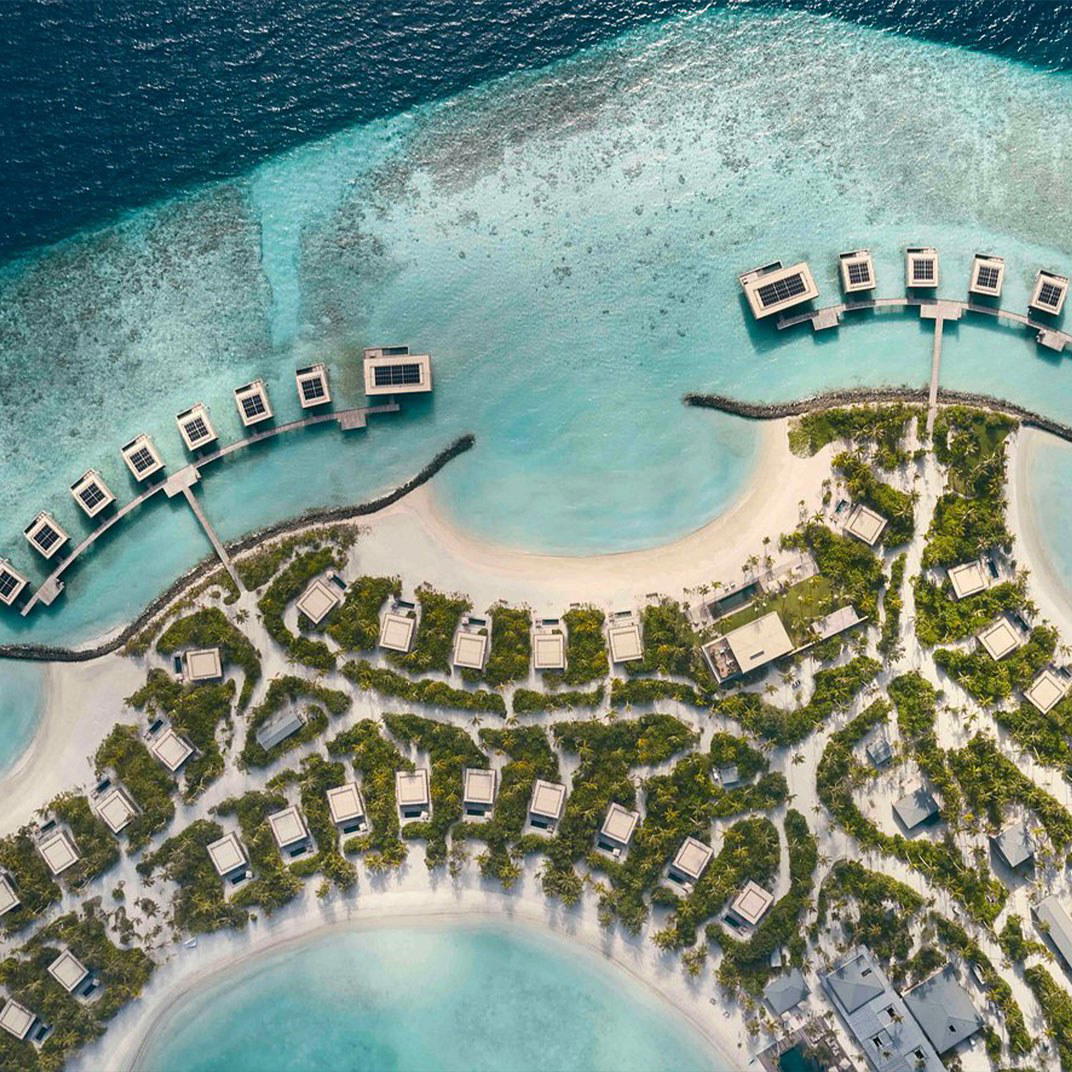
At a Glance
- Quiet
- Modern
- Elegant
- Minimalist
- Sophisticated
- Honeymoon
- Romantic Getaway
- Family Vacation
- Wellness Retreat
- Beachfront
- Infinity Pool
- Private Villa
- Butler Service
- Panoramic View
- Pool
- Spa
- Kids Club
- Beach Access
- Room Service
- Concierge
- Waterfront
Beautiful silence pervades the property with relaxing chill music at bars and restaurants, exceptional lighting, and a sense of calm from natural materials and wooden screens offering glimpses of azure waters.