The Revolution Hotel

Michelin Selected
A Michelin Selected hotel on Berkeley Street in Boston's South End, The Revolution Hotel occupies a converted Victorian building and positions itself within the city's mid-tier independent accommodation scene. Its selection by the 2025 Michelin Hotels guide places it among a smaller cohort of independently minded Boston properties that compete on character and neighbourhood context rather than scale.

Pearl is the En Primeur Club membership app — saves, bookings, and concierge access live there. Same editors, same standards.
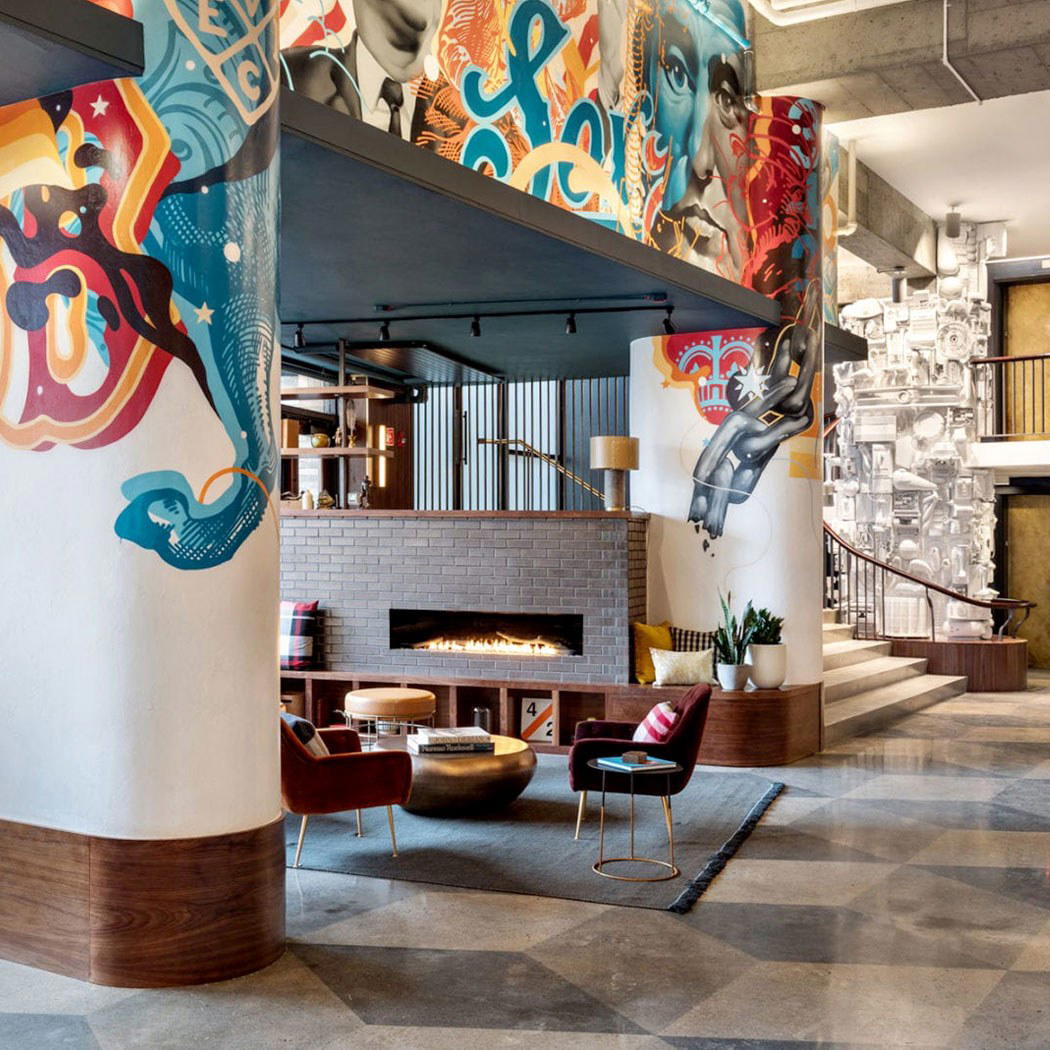
South End Credentials: Where Boston's Independent Hotel Scene Gets Interesting
Berkeley Street in Boston's South End sits at a particular intersection of the city's accommodation story. The neighbourhood is not the Financial District's polished corridor, nor the Back Bay's tourist-facing hotel row. It is a residential grid of Victorian brownstones that has, over the past decade, become one of the city's more considered places to stay for travellers who find the standard flag-carrier properties — the Four Seasons Hotel One Dalton Street or Raffles Boston — either too large or too removed from the city's actual texture. The Revolution Hotel operates inside that alternative, and the building's Victorian architecture sets the tone before you reach the front desk.
Approaching 40 Berkeley St, the scale reads immediately as human rather than corporate. Converted from a historic structure rather than built from scratch as a hotel floor plate, the property belongs to a category of American urban stays that earn their recognition through adaptation rather than construction. That distinction matters in a city like Boston, where the built environment carries historical weight and new glass towers face a higher threshold of civic acceptance than in younger American cities. The Michelin Hotels guide, which awarded The Revolution Hotel its Selected designation in 2025, tends to identify exactly this type of property: independent, contextually grounded, and operating at a tier where the decision to stay is made on personality rather than loyalty points.
The Michelin Selected Tier and What It Signals
Michelin's hotel program in the United States has expanded steadily since its American debut, and the Selected category is worth understanding in context. It sits below Michelin Key properties, the equivalent of starred restaurants, but above generic inclusion. A Selected property has passed editorial review and been found to offer a consistent, credible experience within its category and price positioning. In Boston, the cohort of Michelin Selected hotels includes properties that serve travellers looking for something beyond the formula of the major international chains, without necessarily requiring the outlay of the city's most expensive addresses like Mandarin Oriental Boston or The Langham Boston.
For the traveller calibrating where The Revolution Hotel sits relative to its peers, the Michelin Selected stamp places it in a different conversation from the luxury-flag properties clustered around Copley Square and the Back Bay. Its competitive set is closer to The Whitney Hotel Boston and Battery Wharf Hotel Boston Waterfront, properties where editorial recognition comes from character and positioning rather than amenity volume. That is neither a criticism nor a concession; it reflects how a segment of the Boston hotel market has matured into something more interesting than the binary choice between budget and five-star.
Responsible Hospitality in a Victorian Shell
The broader trend in American urban hospitality has been a slow but measurable shift toward properties that think deliberately about their relationship to their immediate environment. Adaptive reuse buildings, of which The Revolution Hotel is an example, carry an inherent sustainability argument: retaining an existing structure eliminates the embodied carbon of new construction, preserves neighbourhood streetscape, and anchors a hotel to local identity in ways that purpose-built properties rarely achieve. In Boston's South End specifically, this matters. The neighbourhood's brownstone fabric is protected by historic preservation frameworks, and hotels that operate within that framework are participating in a form of community stewardship whether they articulate it as such or not.
Across the US, the hotels that have most successfully occupied the independent, responsible-luxury space tend to be the ones where the building itself does the editorial work. Properties like Troutbeck in Amenia or Chicago Athletic Association in Chicago demonstrate how a historically loaded built environment creates a different guest experience than new construction, even before operational sustainability practices are considered. The Revolution Hotel participates in that tradition within Boston's context, offering a stay that is legible as part of the city's architectural history rather than imposed upon it.
For travellers whose hotel decisions incorporate some calculation of environmental impact, the adaptive reuse argument at The Revolution Hotel is genuine rather than performative. The South End location also contributes a walkability dividend: access to the neighbourhood's restaurant scene, gallery corridor, and green spaces reduces the car dependency that inflates the carbon footprint of stays at properties built around suburban-style amenity compounds. Comparable US properties that have built their identity explicitly around land stewardship and environmental design include Post Ranch Inn in Big Sur and Sage Lodge in Pray; The Revolution Hotel's approach is urban and structural rather than wilderness-focused, but the underlying logic of place-specific responsibility runs parallel.
South End as Neighbourhood Context
Staying in the South End rather than the Back Bay or downtown changes the rhythm of a Boston visit in specific ways. The neighbourhood's restaurant density is among the highest in the city, with a cluster of independent dining rooms and wine bars that reads closer to a European residential quarter than a hotel district. This is the part of Boston where chefs open second projects after proving themselves elsewhere, and where the afternoon coffee shop is as likely to be independently owned as chain-operated. For a fuller picture of what the city's dining scene offers, the EP Club Boston guide maps the restaurant ecosystem across neighbourhoods.
The Back Bay's major properties, including The Newbury Boston and Four Seasons Hotel Boston, offer a different proposition: proximity to Newbury Street retail, the Public Garden, and the kind of infrastructure that suits corporate or occasion travel. Neither is wrong, but they serve a different kind of stay. The Revolution Hotel at 40 Berkeley St serves the traveller who wants to be inside a neighbourhood rather than adjacent to its tourist infrastructure.
Planning Your Stay
The Revolution Hotel is located at 40 Berkeley Street, Boston, Massachusetts, placing it in the South End within walking distance of the Back Bay MBTA station and the broader Copley Square area. The Michelin Selected recognition, awarded for the 2025 guide cycle, provides an independent benchmark for quality expectations. Travellers comparing options across Boston's independent hotel tier should look at the South End location specifically as part of the value calculation: the neighbourhood's walkability to dining, the Arts district, and public transit reduces the need for additional transport spend during a stay.
For travellers building a broader US itinerary that prioritises independently minded, contextually grounded properties, comparisons worth examining include SingleThread Farm Inn in Healdsburg for agricultural immersion, Meadowood Napa Valley for wine country positioning, and Amangiri in Canyon Point for landscape-led design. The Revolution Hotel's register is urban and adaptive rather than resort-scale, but the underlying editorial logic of place over formula connects across all of them.
Cost and Credentials
Comparable venues nearby, for context on price, style, and recognition.
| Venue | Price | Awards | Notes |
|---|---|---|---|
| The Revolution HotelThis venue — the venue you are viewing | $100–200 | Michelin Selected | Not listed |
| Seaport Hotel & World Trade Center | $200–300 | Forbes Recommended | South Boston Waterfront, Waterfront urban hotel with eco-friendly focus and business-leisure balance. |
| The Charles Hotel | $300–500 | Michelin Selected · Virtuoso Luxury Hotel Partner | Harvard Square, Contemporary luxury hotel with New England heritage influences, designed by Cambridge Seven Associates to complement Harvard Square's architectural character. |
| citizenM Boston Back Bay hotel | $100–200 | Michelin Selected | Symphony, Affordable luxury urban hotel with contemporary design and smart technology integration. |
| Battery Wharf Hotel Boston Waterfront | Not listed | Preferred Hotels Member | North End, Contemporary luxury waterfront boutique |
| Hotel Commonwealth | Not listed | Michelin Selected | Kenmore, Modern luxury with preppy chic Boston edge in Kenmore Square. |
Recognition history
Dated appearances from independent guides and award organizations, with the underlying list record or original source where available.
Michelin Selected
Michelin
Continue exploring
More in Boston
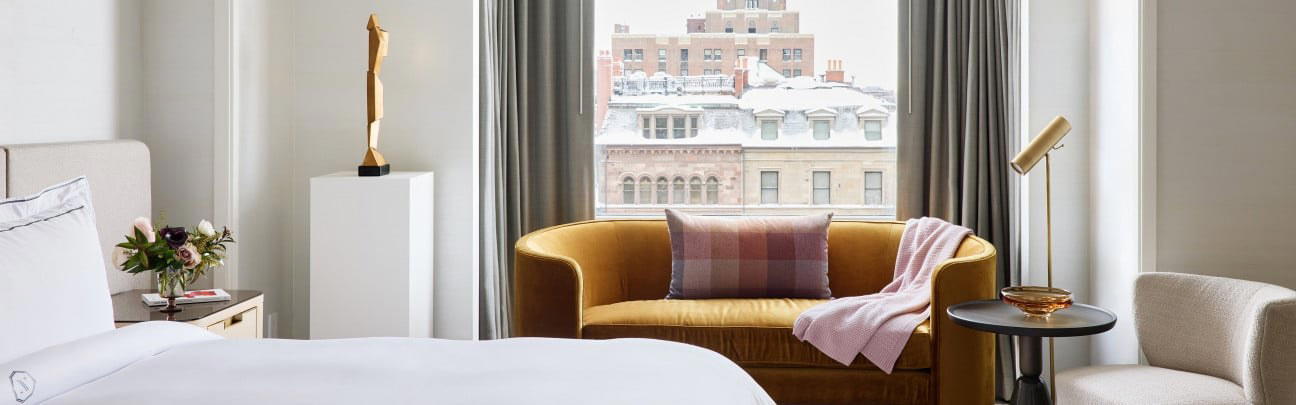
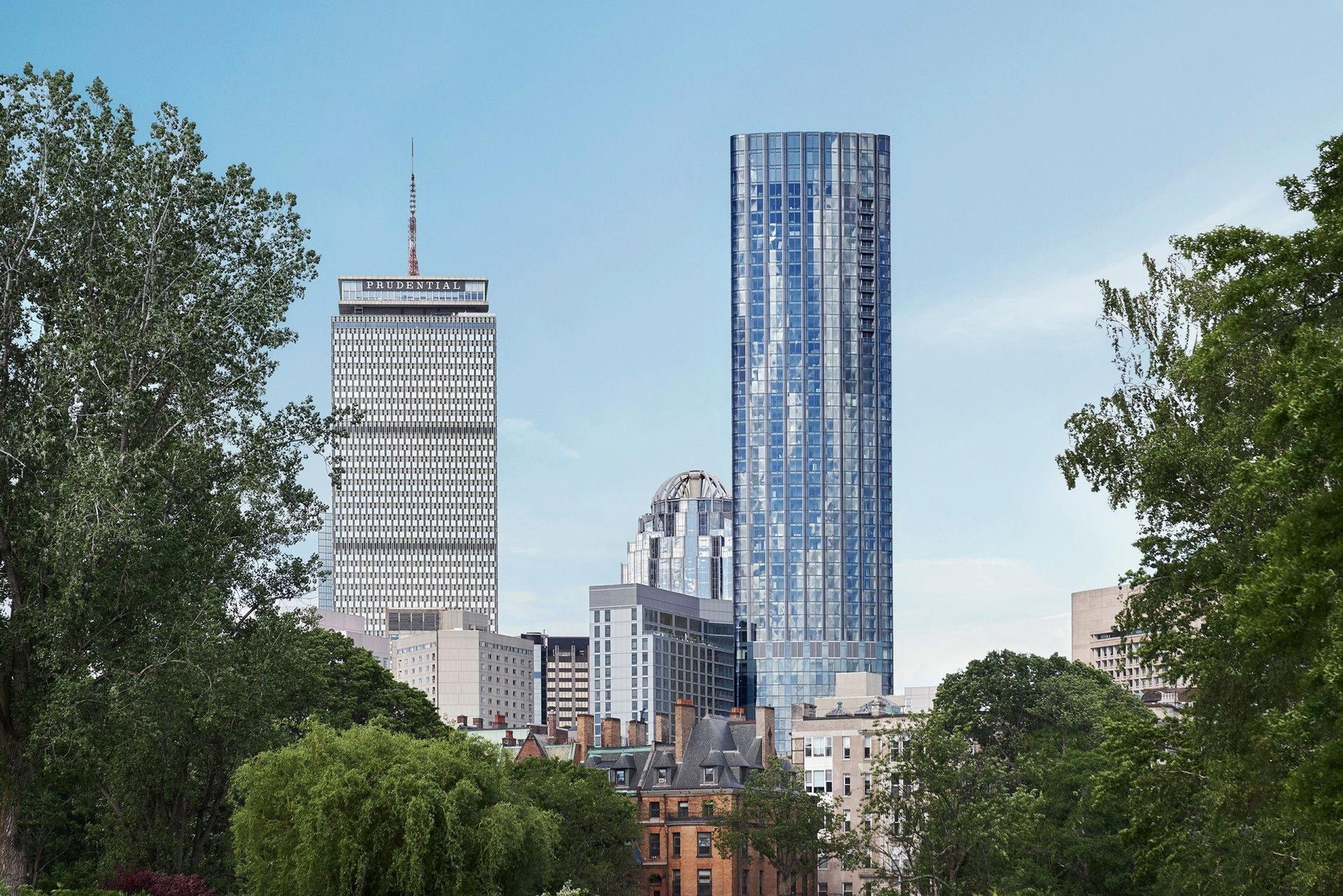
Hotels in Boston
All hotels in Boston →
Bars in Boston
All bars in Boston →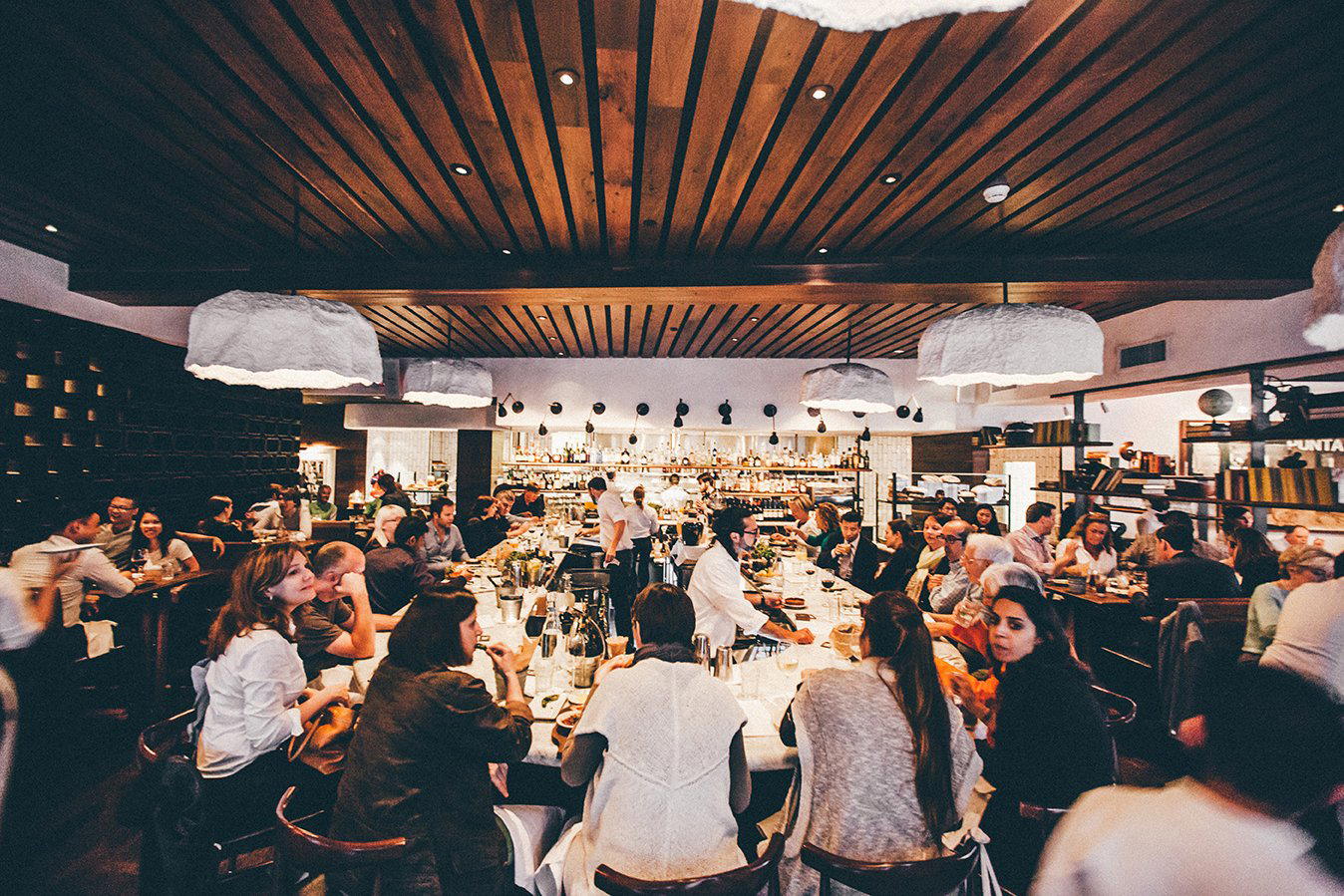
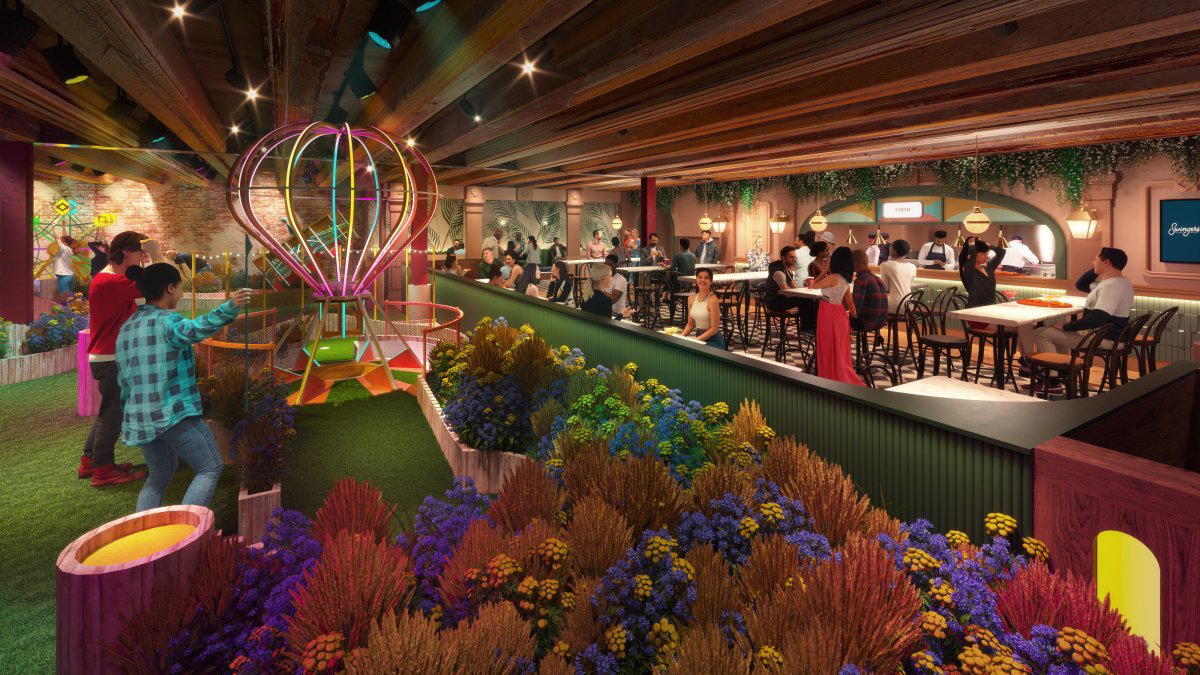
Restaurants in Boston
All restaurants in Boston →

Details
- Modern
- Trendy
- Energetic
- Whimsical
- Industrial
- Minimalist
- Family Vacation
- Weekend Escape
- Business Trip
- Historic Building
- Design Destination
- Terrace
- Wi Fi
- Fitness Center
- Bicycle Rental
- Street Scene
- Elevator
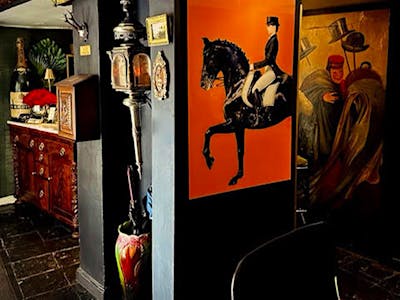
Irreverent and quirky atmosphere with dramatic murals, street and pop art, commissioned sculptures, and edgy urban design in a compact, stylish space.