
Michelin Selected
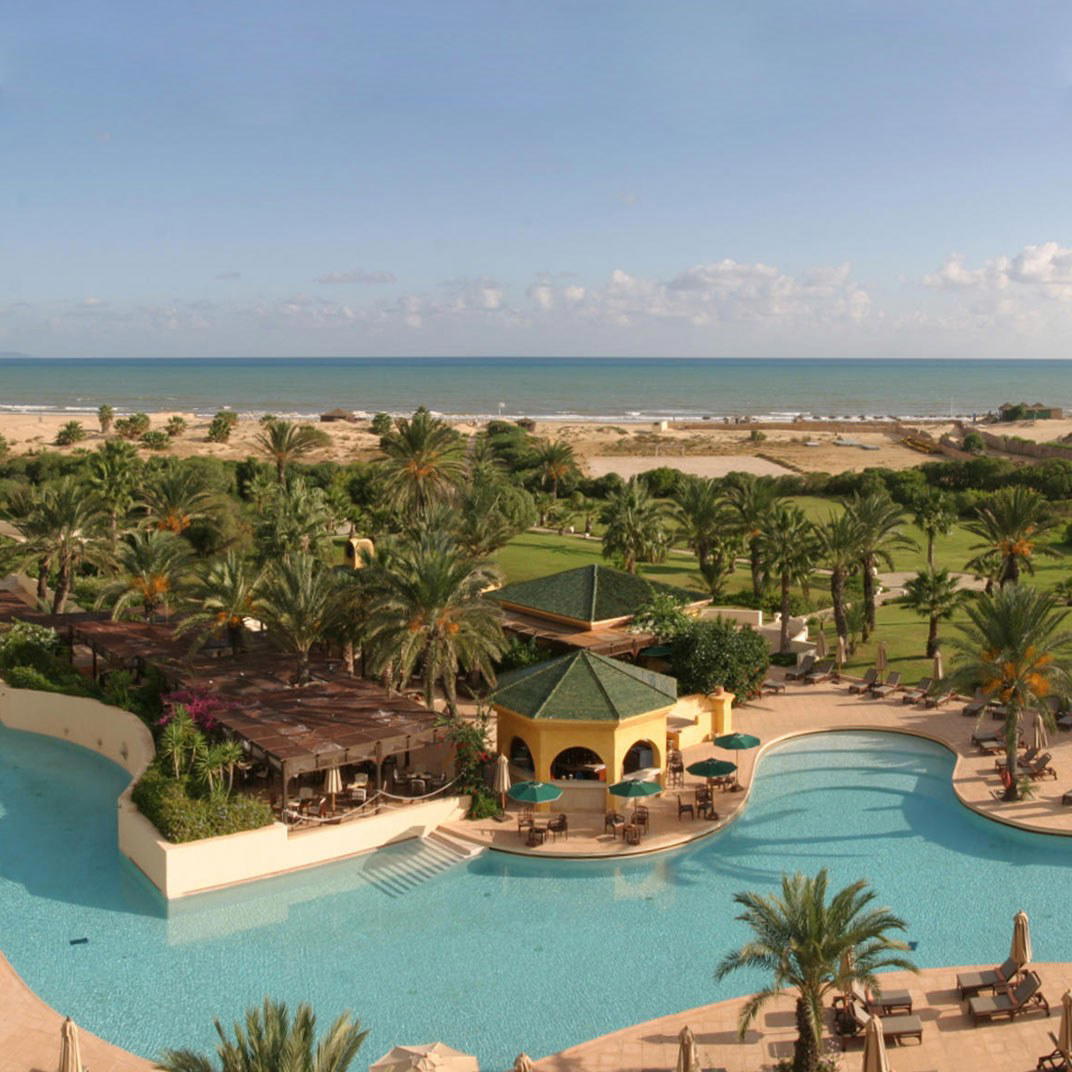
Sitting on the Côtes de Carthage in La Marsa, The Residence Tunis occupies one of the more architecturally considered positions in Tunisian luxury hospitality.

Pearl is the En Primeur Club membership app, where members save venues, book tables and use the concierge.
Where La Marsa Meets the Mediterranean Shore
The northern suburbs of Tunis follow a particular logic: the closer a property sits to the Carthage coastline, the more it competes on atmosphere rather than urban convenience. La Marsa, the furthest and quietest of these coastal districts, has long attracted a different kind of resident and traveller than the city centre, one less interested in proximity to the medina and more drawn to the blue-white geometry of the seafront. The Residence Tunis occupies this stretch of the Côtes de Carthage, and its physical address is itself an editorial statement about what kind of stay it is proposing.
Tunisia's luxury hotel offering has historically concentrated in two geographies: the beach resort corridors of Hammamet and Sousse, and the capital's northern coastal belt running through Gammarth and La Marsa. Properties in this second tier compete on a different set of terms than the purpose-built resort clusters further south. Four Seasons Hotel Tunis in Gammarth represents the international-chain end of that spectrum. The Residence Tunis, positioned further along the same coastline toward La Marsa, operates in a quieter register, where the surrounding neighbourhood does a significant share of the atmospheric work.
Architecture as Orientation
Luxury hotels in North Africa have long drawn from two opposing design traditions: the inward-facing dar model, where architecture turns away from the street and opens onto private courts, and the outward-facing Mediterranean resort model, which organises itself around views and light. The Residence Tunis reads as the latter: a property that makes its relationship with the sea and sky the primary structural argument. This is not the riad-influenced aesthetic found in properties like Maison Dedine in nearby Sidi Bou Said, where whitewash and carved plasterwork define the interior register. Nor is it the raw desert minimalism of southern Tunisian properties like Dar HI in Nefta or The Mora Sahara Tozeur, where the landscape overwhelms everything else.
Instead, The Residence Tunis belongs to a Mediterranean design tradition that prizes proportion, horizontal views, and a kind of composed formality. This is the same sensibility that has defined coastal resort architecture from the Côte d'Azur to the Aegean, where the architecture's job is to frame the sea without competing with it. Properties like Hotel Du Cap-Eden-Roc in Cap d'Antibes occupy the most rarefied version of this tradition; The Residence Tunis applies a version of those principles in a context where the Mediterranean itself is the constant reference point.
The Michelin Selection and What It Signals
The Residence Tunis holds a Michelin Selected designation in the Michelin Hotels guide for 2025. This distinction, which sits below Michelin's upper award tiers but above unrecognised inventory, acts as a quality floor guarantee rather than a ceiling claim. In the context of Tunis specifically, it places the property in a small group of hotels that have met Michelin's editorial threshold for inclusion, a list that skews toward properties with consistent physical standards, coherent design identity, and service delivery that holds across guest types and seasons.
The Michelin hotel selection in smaller or emerging luxury markets tends to reward properties that have developed a recognisable identity rather than simply investing in room count or brand affiliation. In Tunis, where the luxury hotel tier is thinner than comparable Mediterranean capitals, this recognition carries real comparative weight. For travellers cross-referencing accommodation the way they cross-reference restaurants, the designation provides a reliable signal. For those planning trips that also take in other parts of Tunisia, the Michelin-selected tier extends south: La Badira in Hammamet represents the recognised tier in the resort belt, while the desert south has its own distinct character entirely.
The La Marsa Context
Understanding La Marsa as a neighbourhood is essential to calibrating what a stay at The Residence Tunis actually involves. This is not a district that positions itself around conventional tourist infrastructure. The TGM train line connects La Marsa to central Tunis in roughly 45 minutes, passing through Carthage and Sidi Bou Said en route, which makes day access to the medina and Bardo Museum direct without requiring the property to sit adjacent to them. La Marsa's own character, its café terraces, the weekend promenade along the corniche, the mix of Tunisian families and long-term European residents, is something closer to a Mediterranean residential suburb than a resort destination.
This context shapes what The Residence Tunis delivers as a base. Guests who want immersion in souq-level Tunis will find the hotel's location a 40-minute proposition from the medina, which suits some itineraries and not others. Those whose Tunis visit includes the Carthage archaeological sites, Sidi Bou Said's blue-and-white lanes, or simply a coastal stay that uses the city as access rather than destination will find the La Marsa address well-calibrated. For a broader orientation to what Tunis offers across food and hospitality, our full Tunis restaurants guide maps the city's dining character in more detail.
Placing The Residence in the Wider Luxury Tier
In the global context of Michelin-recognised coastal hotels, the properties that The Residence Tunis most logically references are those that combine a serious physical setting with a recognisable service posture, without necessarily carrying the brand weight of the largest international operators. At the more formally awarded end of the Mediterranean coastal tradition, Hôtel de Paris Monte-Carlo and Le Bristol Paris represent the ceiling of what that tradition can achieve in capital cities with longer luxury hospitality histories. The Residence Tunis operates at a different scale and in a different market, but the underlying design logic, placing guests in a relationship with the sea through considered architecture and composed interiors, belongs to the same conversation.
Travellers who move regularly between established European luxury and North African properties will find The Residence Tunis occupying a position that requires some recalibration of expectations, not downward, but sideways: the property is not trying to replicate what Aman Venice or Mandarin Oriental Bangkok deliver. It is instead making an argument for the particular quality of this coast, this light, and this neighbourhood at this moment in Tunisia's emergence as a more seriously considered travel destination.
Planning a Stay
La Marsa is most manageable between April and June, when temperatures sit in the mid-twenties Celsius and the summer crowd has not yet arrived. September and October offer similar conditions with the added advantage of post-season quiet. The TGM commuter rail from La Marsa Place station into central Tunis runs frequently and avoids the coastal road traffic that affects car journeys during summer weekends. Booking through the property directly or via a travel specialist who monitors Michelin-selected inventory in North Africa is advisable for a clearer read on room-type availability and seasonal positioning.
Side-by-Side Snapshot
Comparable venues nearby, for context on price, style, and recognition.
| Venue | Cuisine | Price | Awards | Notes |
|---|---|---|---|---|
| The Residence TunisThis venue (the venue you are viewing) | Tunisian Moorish palace-style resort | $100–200 | Michelin Selected | Not listed |
| La Badira | Artistic boutique resort evoking Hammamet's cultural past with modern luxury. | $100–200 | Michelin Selected · Leading Hotels of World Member | Hammamet |
| Four Seasons Hotel Tunis | Contemporary Arabesque luxury resort with open-floor plan allowing Mediterranean breezes and sea views throughout. | Not listed | Michelin Selected · La Liste Top Hotels | Gammarth |
| Maison Dedine | luxurious seaside villa converted boutique hotel | $200–300 | Michelin Guide New Hotels New Hotel · Michelin Selected | Sidi Bou Said |
| The Mora Sahara Tozeur | Luxurious desert resort with central oasis and Moorish-inspired architecture | Not listed | 1 Michelin Key | Mrah Lahwar |
| Meliá hotel in Tabarka | beach resort | Not listed | Not listed | Zone Touristique |
Recognition history
Dated appearances from independent guides and award organizations, with the underlying list record or original source where available.
Michelin Selected
Michelin
Continue exploring
More in Tunis
Details
- Elegant
- Sophisticated
- Scenic
- Classic
- Honeymoon
- Romantic Getaway
- Family Vacation
- Business Trip
- Beachfront
- Golf Course
- Panoramic View
- Wi Fi
- Pool
- Spa
- Fitness Center
- Room Service
- Concierge
- Business Center
- Valet Parking
- Kids Club
- Waterfront
- Garden
- Wheelchair Accessible
- Elevator
- Step Free Entrance
- Accessible Parking
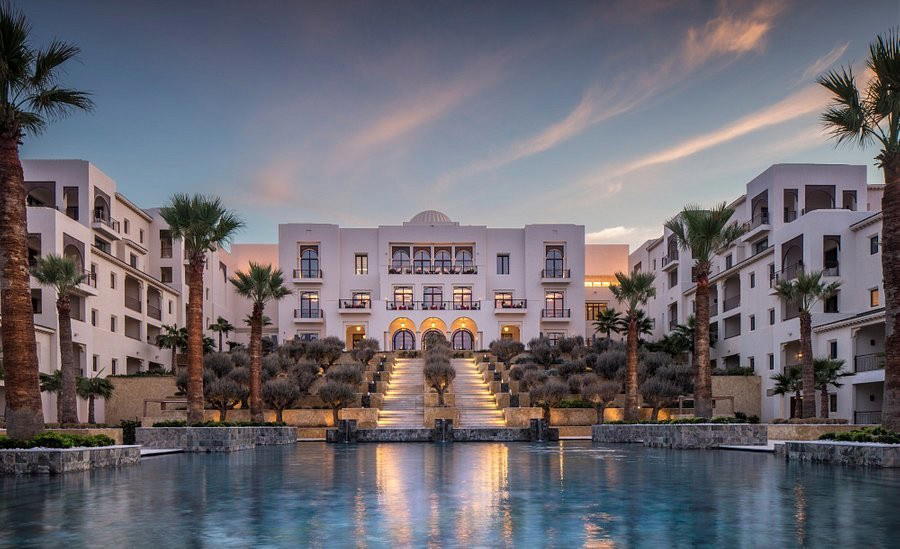
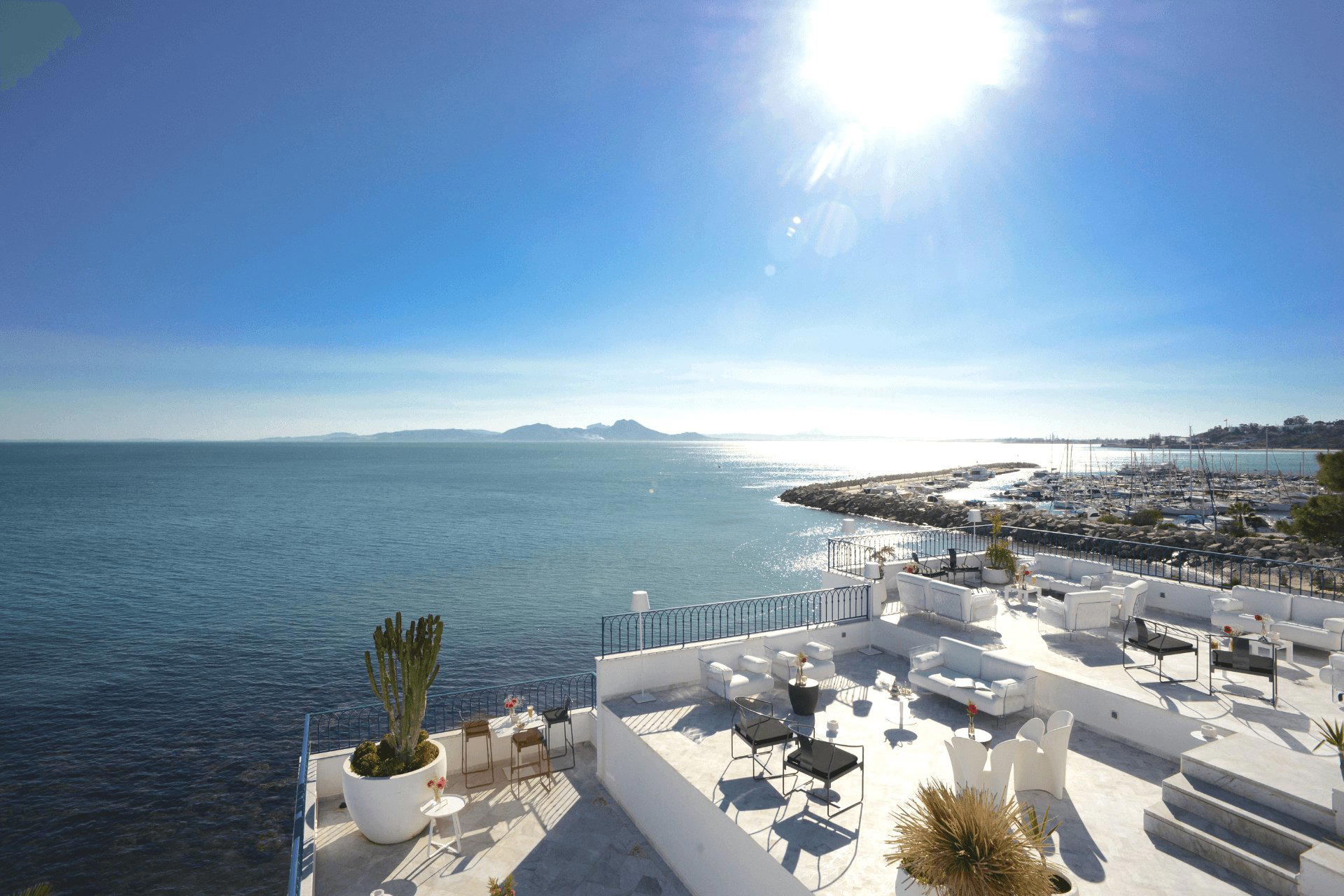
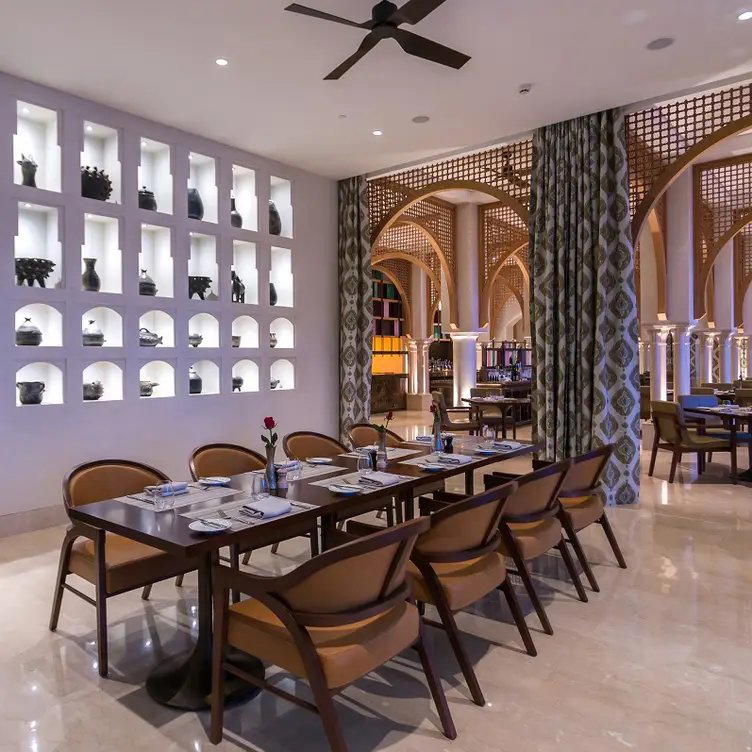
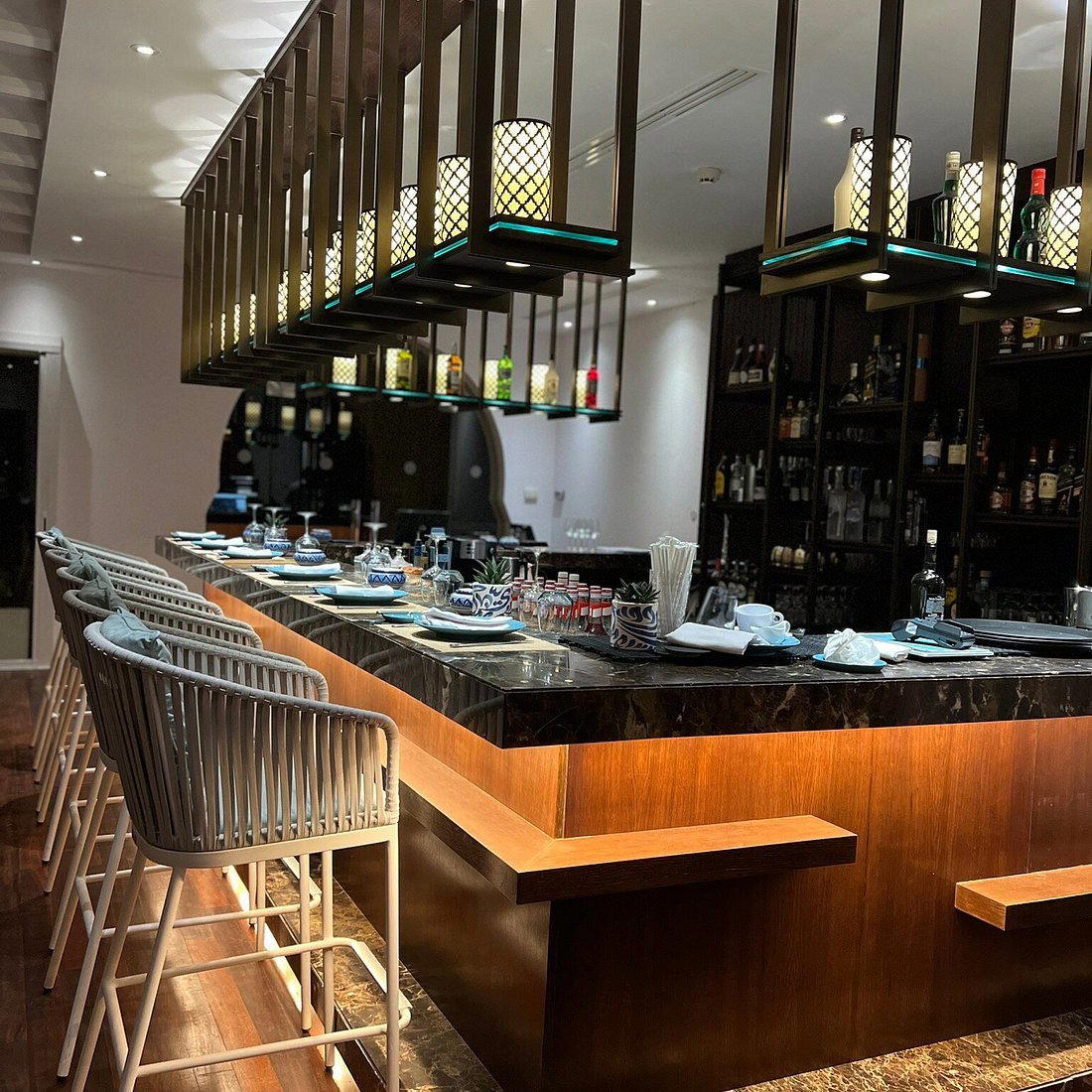
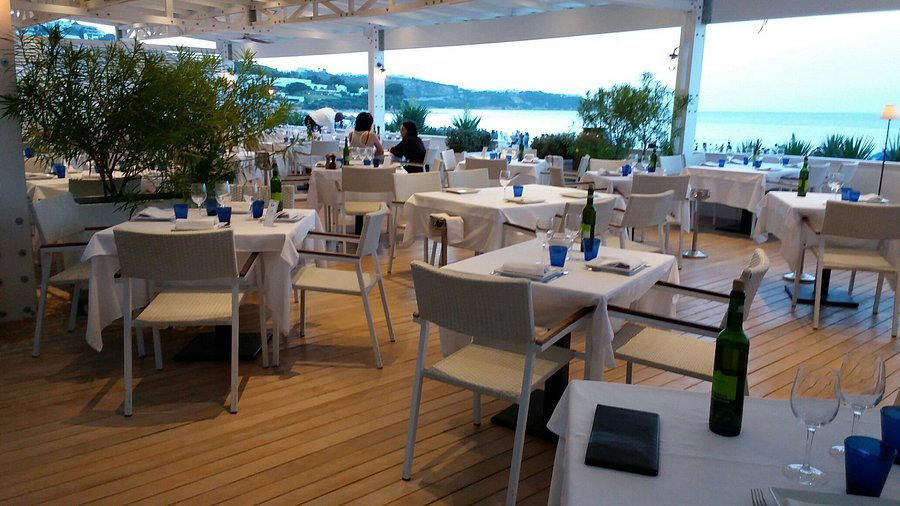
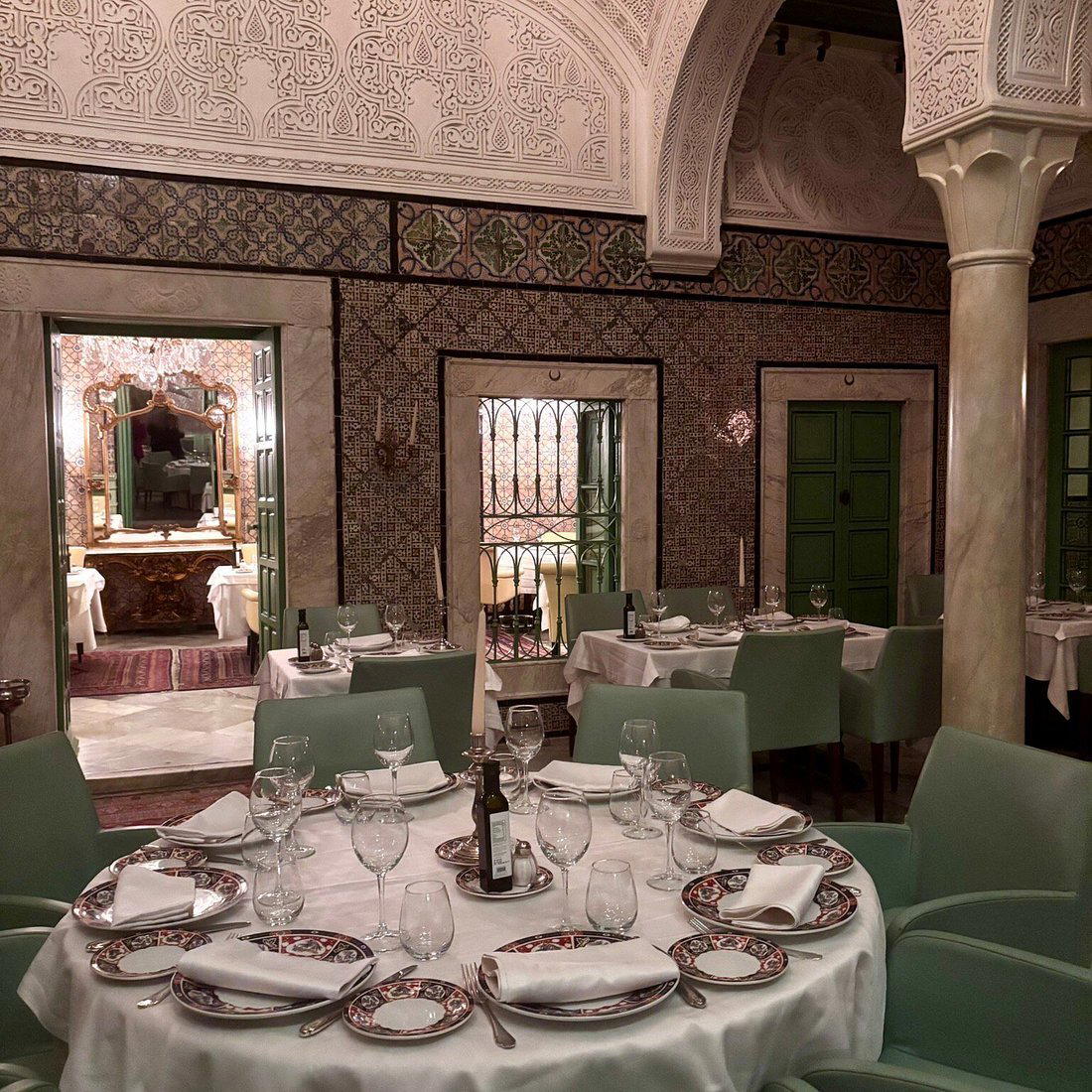
Sophisticated Mediterranean atmosphere with palatial Arab-Andalusian architecture, grand halls, domed ceilings, and lively poolside lounging areas.