Maison Dedine


Michelin Guide New Hotels New Hotel · Michelin Selected · Small Luxury Hotels of the World Member
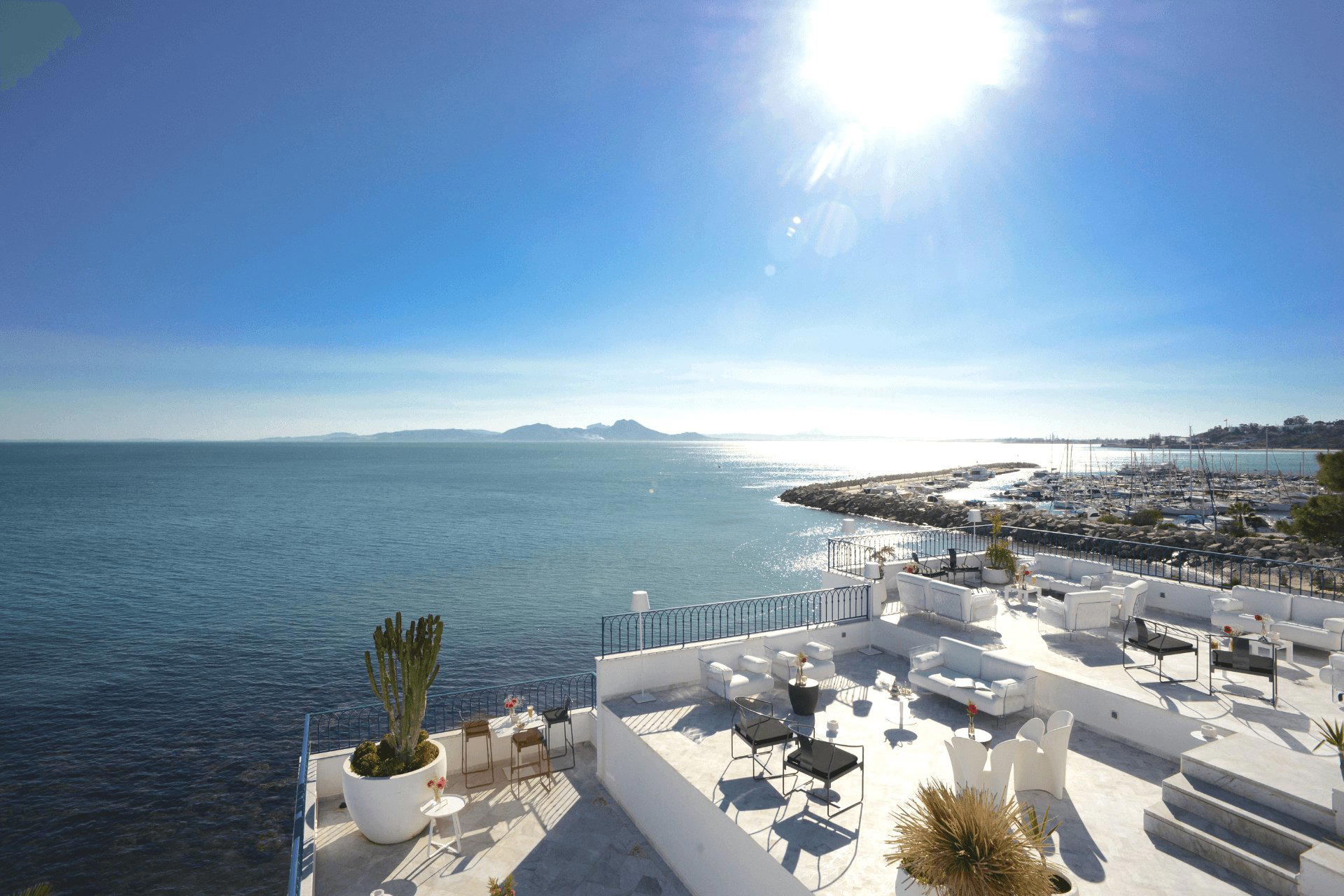
A former painter's villa perched above the Bay of Tunis, Maison Dedine translates the particular light of Sidi Bou Said into architecture and atmosphere. Floor-to-ceiling windows and an infinity pool keep the Mediterranean as the constant reference point, while generous living spaces channel the village's long tradition of sheltering artists and travellers with serious tastes.

Pearl is the En Primeur Club membership app, where members save venues, book tables and use the concierge.
Where the Bay of Tunis Becomes the Architecture
Sidi Bou Said sits on a limestone promontory above the Gulf of Tunis, its whitewashed walls and cobalt-blue shutters so consistently rendered that the village reads less like an organic settlement than a composed visual argument. Within that context, the question for any property is not whether the view is present but whether the building knows what to do with it. At Maison Dedine, positioned at 3 Avenue John Kennedy, the answer is floor-to-ceiling glazing that treats the Bay of Tunis as the primary interior element. The horizon is not framed like a painting; it occupies the room.
That orientation is consistent with a broader shift in Mediterranean-facing luxury hospitality, where the most persuasive properties have moved away from ornamental grandeur toward structural transparency. The logic is simple: when the light over the Gulf changes every twenty minutes from silver to amber to a low copper glare, no interior decoration competes. Properties that understand this, from the Adriatic to the North African coastline, build around aperture and sightline rather than textile and finish. Maison Dedine belongs to that architectural persuasion, though it does so with a backstory that gives it a different register than comparable sea-view hotels in the region.
A Former Private Residence and What That Means for the Space
The building has its origins as a private home, originally occupied by a painter and sailor whose relationship with the ocean shaped how the interiors were arranged. That provenance matters architecturally, not as biography, but as an explanation for why the spatial logic feels residential rather than institutional. Private residences designed by people with strong visual instincts tend to accumulate decisions that no hotel project brief would sanction: proportions that serve the inhabitant rather than the operation, generous living spaces that resist obvious monetisation, a tolerance for rooms that simply sit and look at the water. These qualities are difficult to manufacture and easy to lose in a conversion, which is why the retention of what the venue describes as “generous living room spaces” is worth noting. Among small-scale luxury properties in Tunisia, the distinction between a hotel that gestures toward residential character and one whose bones are genuinely domestic is legible within the first few minutes of arrival.
For comparison, Four Seasons Hotel Tunis in Gammarth operates at the other end of the format spectrum: large-footprint international branding, full amenity stack, the predictability of a known quantity. Neither approach is wrong, but they serve different readers. Maison Dedine sits closer to the cohort that includes properties like Castello di Reschio in Umbria or Hotel Esencia in Tulum: converted structures where the architectural character of the original building does most of the heavy lifting, and where the hotel format is applied lightly on leading. That positioning is less common in Tunisia than it is in, say, southern Europe or the Yucatan Peninsula, which gives Maison Dedine a relatively clear lane in the local market.
The Infinity Pool and the Problem of Honest Amenities
An infinity pool oriented toward a bay is a standard feature in Mediterranean luxury hospitality, deployed so routinely that it risks becoming furniture rather than experience. What determines whether it actually functions as the amenity it claims to be is siting: the angle of the pool edge relative to the water behind it, the height differential, and the time of day at which the illusion holds. At the elevation Sidi Bou Said occupies above the Gulf, a well-positioned pool has a genuine drop line to the water below, something that properties at sea level cannot replicate regardless of construction quality. This is a meaningful geographic advantage, and it places the pool in a different tier than flat-site alternatives elsewhere on the Tunisian coast, including properties in Hammamet such as La Badira or the planned Meliá hotel in Tabarka.
Sidi Bou Said as a Context for the Property
It is worth being precise about where Sidi Bou Said sits in the Tunisian hospitality geography, because the village operates differently from the country’s other lodging centres. Hammamet and Sousse carry the volume of package tourism. Tunis itself handles business travel and the Four Seasons tier. Tozeur, anchored by the Anantara Sahara Tozeur Resort, serves the desert-experience segment. Sidi Bou Said is something quieter and more specific: a protected heritage site, classified since 1915, where building codes have preserved the chromatic and architectural coherence that makes it one of the North African coast’s most photographed villages. Properties here are necessarily small. The absence of large-scale resort infrastructure is not a gap; it is the point. Guests who come to Sidi Bou Said are not looking for convention facilities or beach clubs at scale. They are looking for the village itself, and the leading accommodation functions as an extension of that environment rather than a retreat from it.
Within that frame, a property with a documented connection to the village’s artistic and maritime history carries a credibility that a purpose-built hotel would need years to approximate. The painter-and-sailor provenance of Maison Dedine’s building is not incidental colour; it is the reason the building was designed to face the sea the way it does. For readers cross-referencing this against properties elsewhere in the premium boutique category, such as Aman Venice or La Réserve Paris, the parallel is in category rather than scale: each operates as a conversion of a building with prior identity, and each benefits from architectural decisions made before hospitality was the brief.
Planning Your Stay
Sidi Bou Said is approximately 20 kilometres northeast of central Tunis, accessible by the TGM light rail line from Tunis-Marine station, a route that runs along the lake shore and takes roughly 40 minutes. This makes the village genuinely reachable without a car, which is worth factoring into arrival plans, as the village’s narrow pedestrian lanes make driving inside impractical. The address at 3 Avenue John Kennedy is on one of the main approach roads to the village centre, placing the property within walking distance of the core streets. For full context on dining and other options in the village and wider area, see our full Sidi Bou Said restaurants guide.
How It Stacks Up
Comparable venues nearby, for context on price, style, and recognition.
| Venue | Cuisine | Price | Awards | Notes |
|---|---|---|---|---|
| Maison DedineThis venue (the venue you are viewing) | luxurious seaside villa converted boutique hotel | $200–300 | Michelin Guide New Hotels New Hotel · Michelin Selected | Not listed |
| La Badira | Artistic boutique resort evoking Hammamet's cultural past with modern luxury. | $100–200 | Michelin Selected · Leading Hotels of World Member | Hammamet |
| Four Seasons Hotel Tunis | Contemporary Arabesque luxury resort with open-floor plan allowing Mediterranean breezes and sea views throughout. | Not listed | Michelin Selected · La Liste Top Hotels | Gammarth |
| Meliá hotel in Tabarka | beach resort | Not listed | Not listed | Zone Touristique |
| The Residence Tunis | Tunisian Moorish palace-style resort | $100–200 | Michelin Selected | Gammarth |
| Dar HI | Contemporary eco-lodge designed as a futuristic Tunisian foundouk with polished tower rooms. | $100–200 | Michelin Selected | Quartier Ezzaouia |
Recognition history
Dated appearances from independent guides and award organizations, with the underlying list record or original source where available.
Michelin Guide New Hotels New Hotel
Michelin Guide New Hotels
Michelin Selected
Michelin
Small Luxury Hotels of the World Member
Small Luxury Hotels of the World
Continue exploring
More in Sidi Bou Said
Hotels in Sidi Bou Said
All hotels in Sidi Bou Said →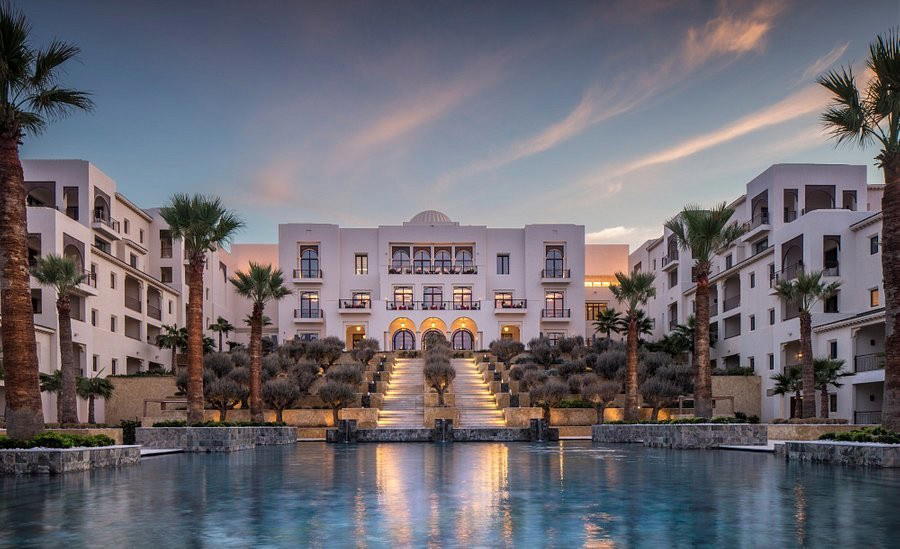
Restaurants in Sidi Bou Said
Browse all →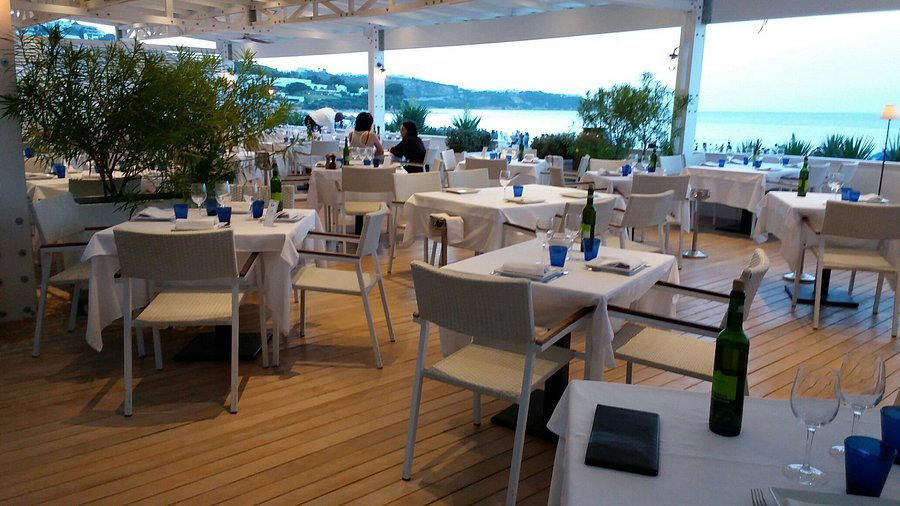
Details
- Romantic
- Elegant
- Intimate
- Sophisticated
- Scenic
- Cozy
- Honeymoon
- Romantic Getaway
- Anniversary
- Weekend Escape
- Infinity Pool
- Rooftop Pool
- Waterfront
- Terrace
- Panoramic View
- Wi Fi
- Pool
- Room Service
- Concierge
- Waterfront
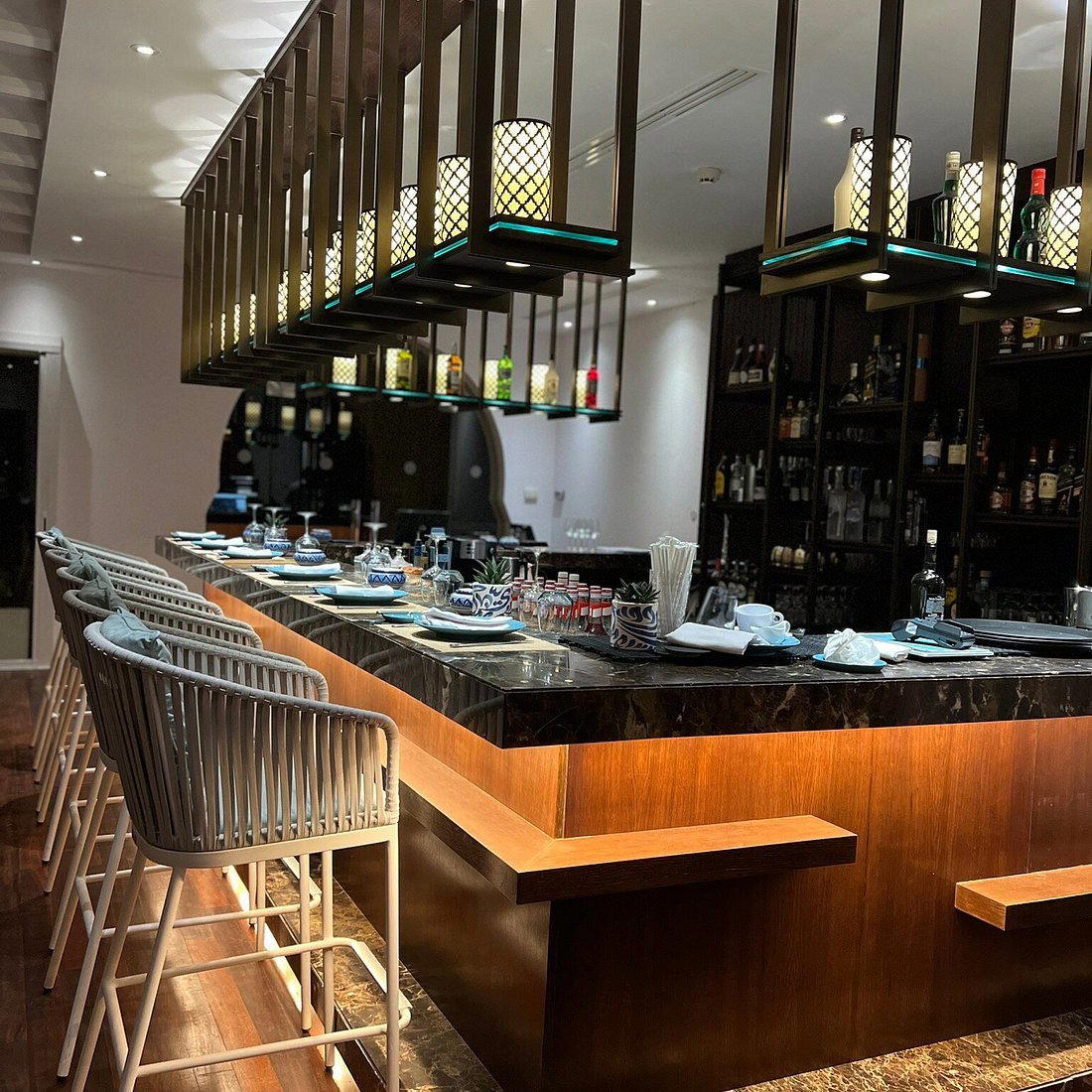
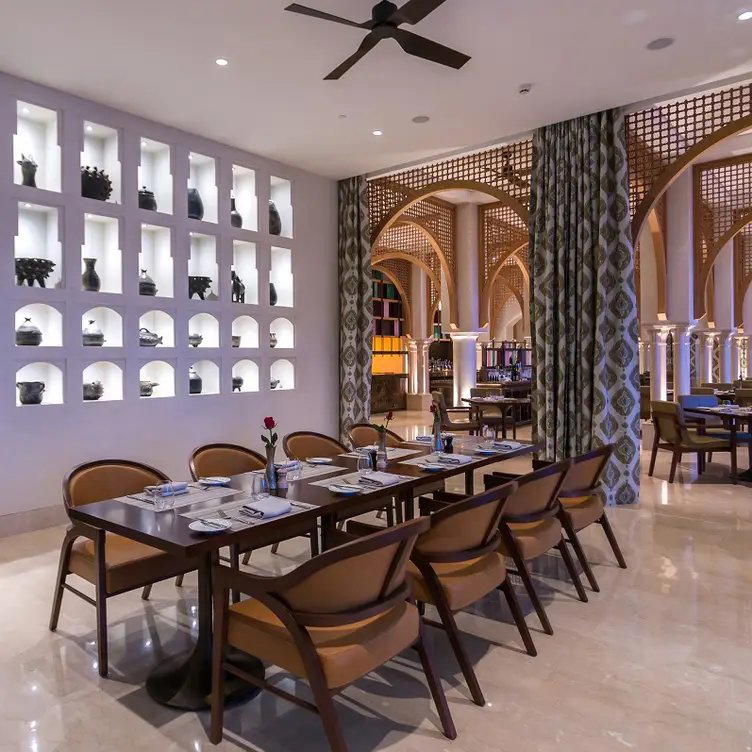
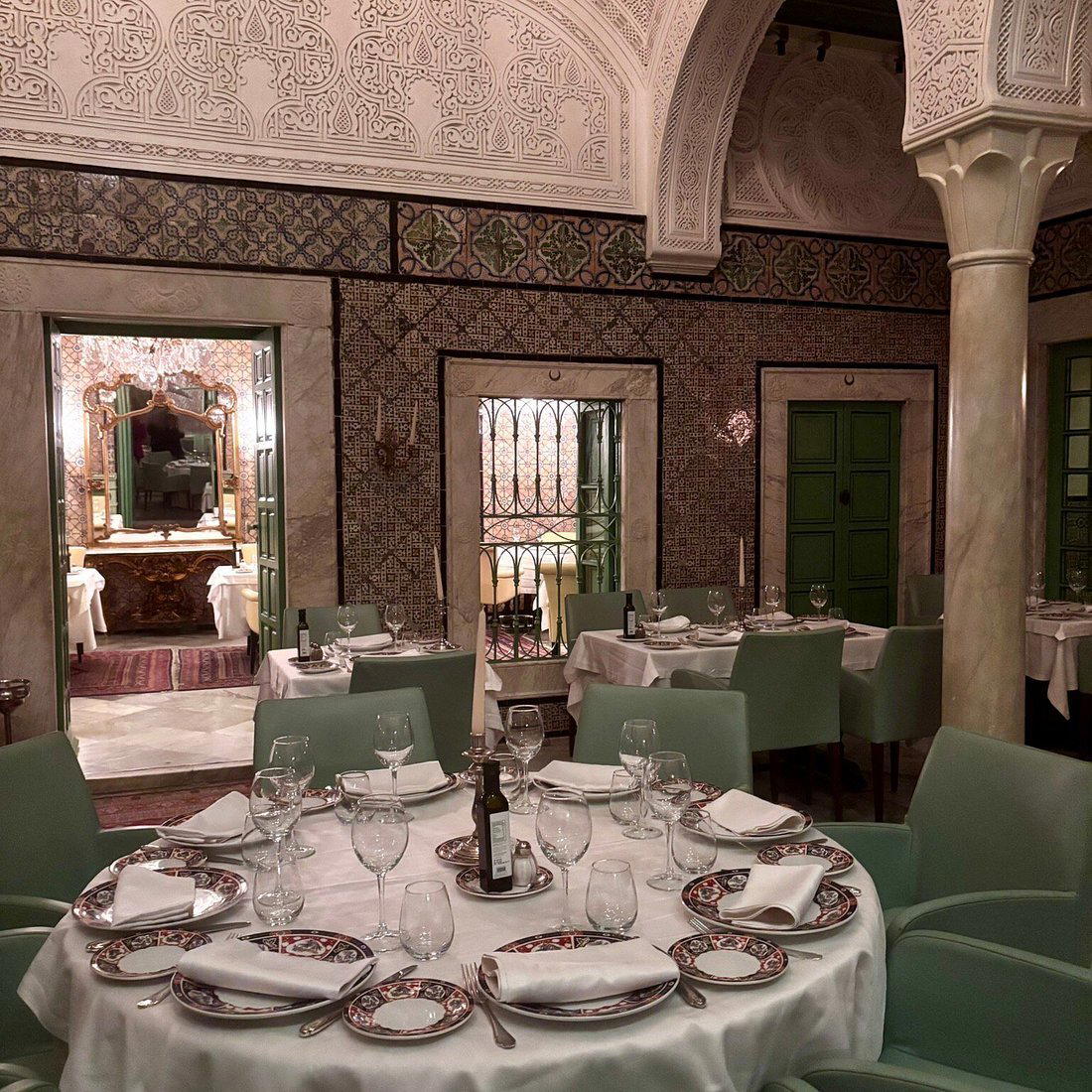
Cozy and ornate with floor-to-ceiling windows offering sea views, generous living spaces filled with authentic Tunisian and Arabic art, and a relaxed, home-like atmosphere.