
World's 50 Best #46
Our verdict
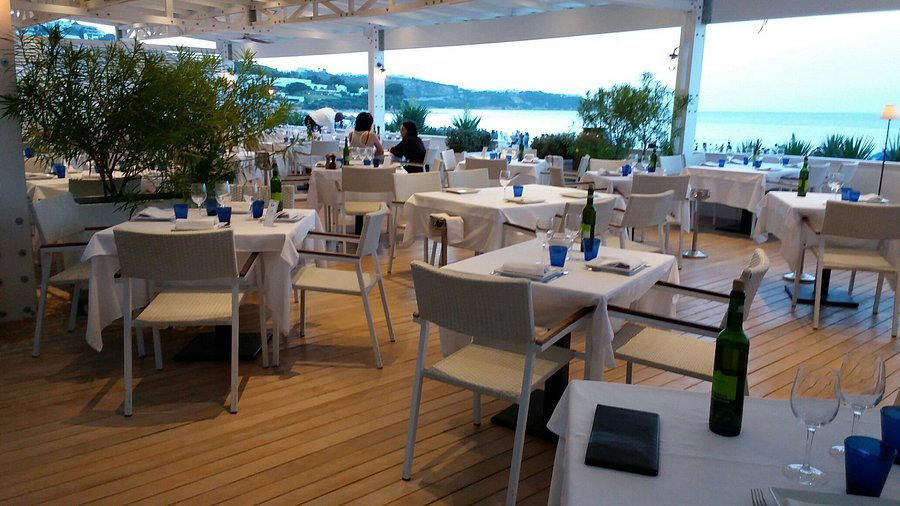
Open since 1955, Le Golfe is one of La Marsa's most enduring addresses, ranked 44th at the World's 50 Best Restaurants MENA 2024. The restaurant sits against a panorama of the Gulf of Tunis, serving Mediterranean plates that draw on the coastal larder directly outside its door. Seventy years of continuous operation in the same seaside town is itself a form of critical credential.

Pearl is the En Primeur Club membership app, where members save venues, book tables and use the concierge.
Where the Gulf Arrives on the Plate
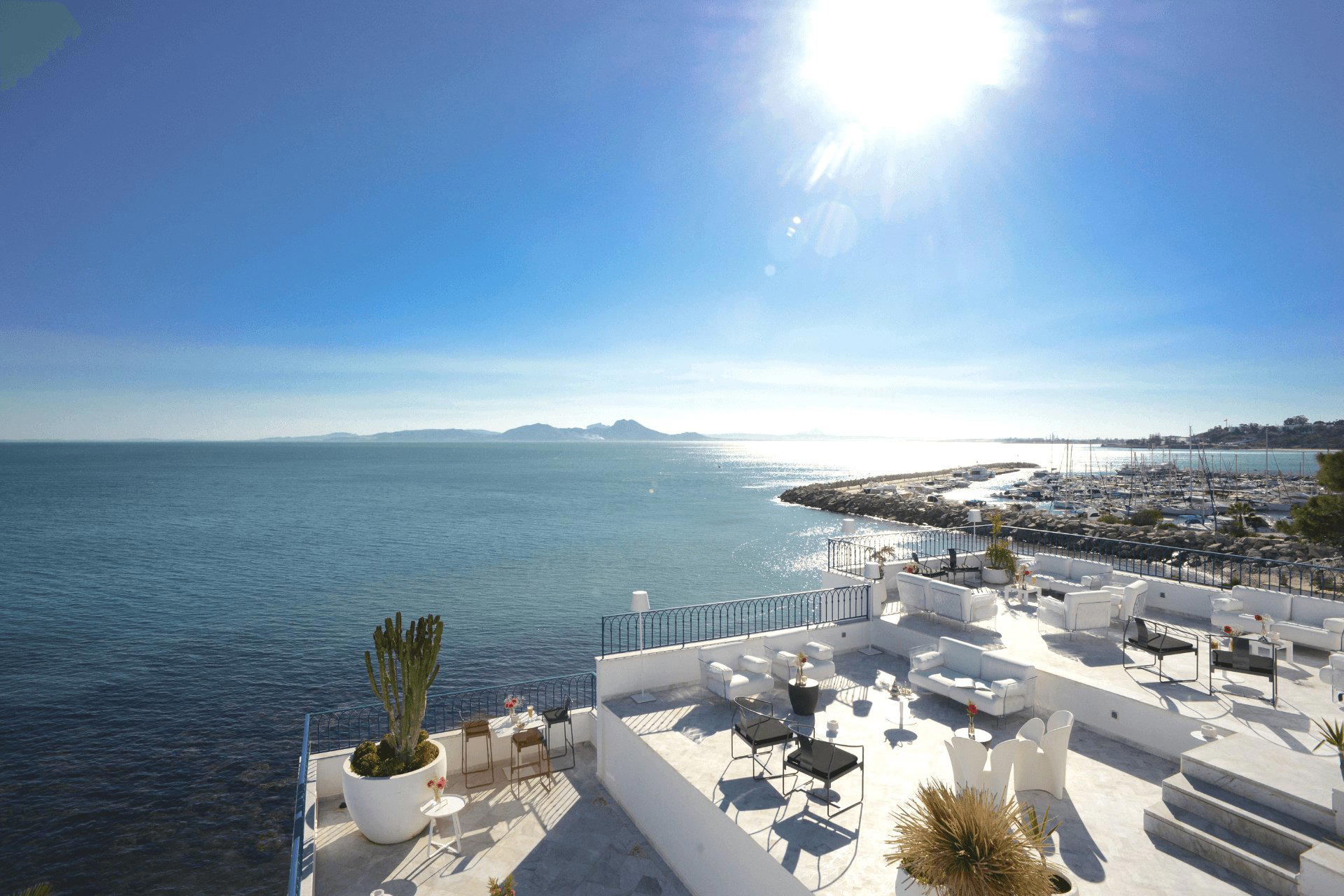
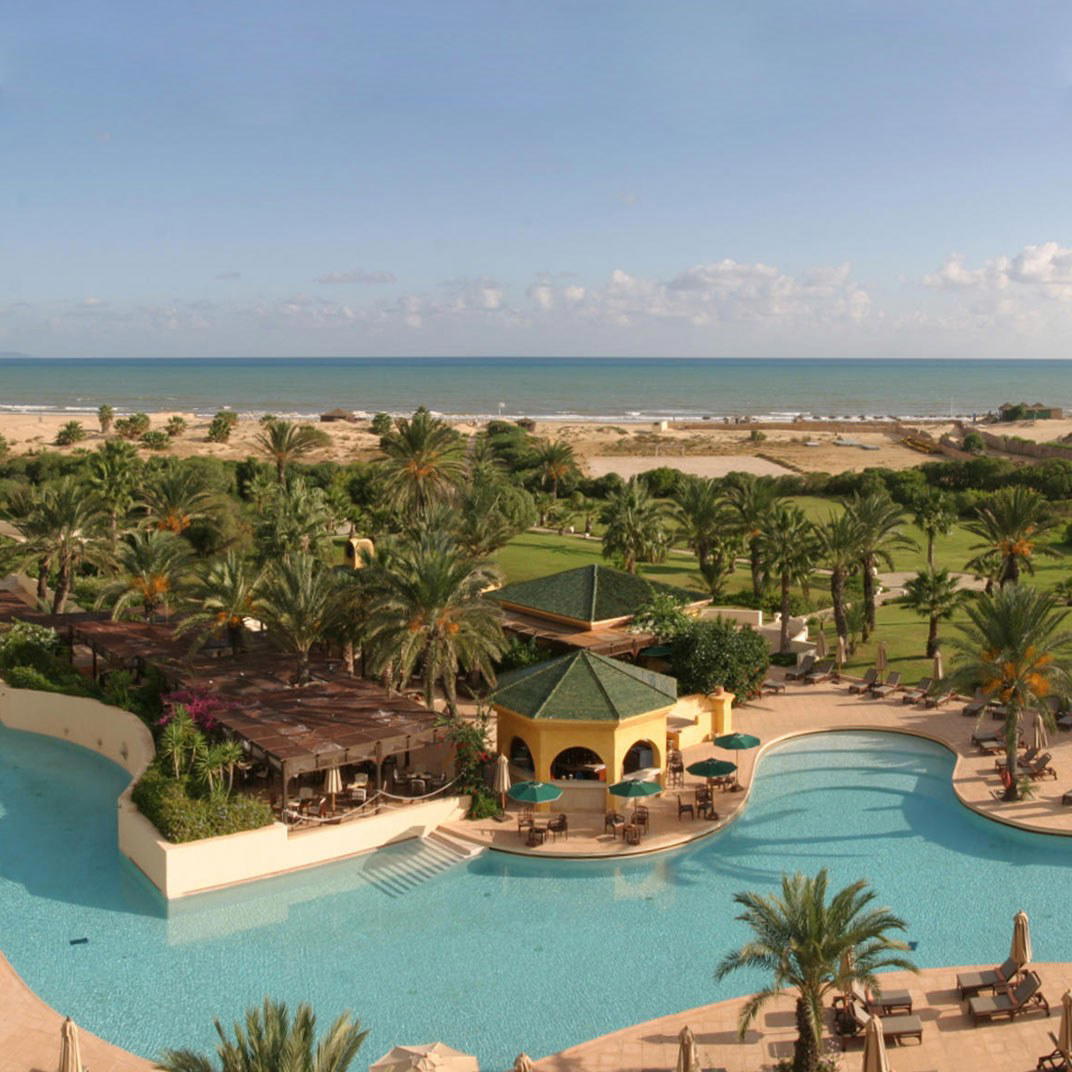
Approach Le Golfe from the coastal road in La Marsa and the geometry of the place makes its argument before you sit down. The Gulf of Tunis opens out ahead of you, the light off the water shifting through the afternoon into the kind of amber that only low Mediterranean latitudes produce. The restaurant has occupied this position since 1955, originally trading as Le Cabanon, and the decades have only deepened its relationship with the coastline it faces. Seventy years is a long time for any restaurant to hold its ground; in a dining culture as dynamic as Tunisia's, it is a form of institutional authority.
The setting is not incidental to the food. In Mediterranean cooking traditions more broadly, the proximity of a kitchen to its source material is a structural advantage, not a decorative detail. Coastal restaurants in this part of North Africa have access to a larder that shifts with the seasons of the Gulf: the catch varies by month, the local produce by harvest. That dependency on what is near and what is current defines the character of the cooking more than any fixed menu document could. Le Golfe's longevity suggests it has understood this relationship and kept faith with it across successive generations of diners.
The MENA 50 Best Context
In 2024, Le Golfe entered the World's 50 Best Restaurants MENA list at number 44, a ranking that places it inside a cohort of restaurants redefining what serious dining looks like across the Middle East and North Africa. That list has become the clearest external signal of where the region's restaurant culture is heading: away from hotels and imported formats, toward independent addresses with deep local roots and a defensible point of view about their own ingredients and traditions.
For context, the northern Mediterranean's most celebrated addresses, from Alain Ducasse- Louis XV in Monte Carlo to El Celler de Can Roca in Girona or Arzak in San Sebastián, have spent decades building the case that European coastal cooking is as technically serious as any other tradition. Le Golfe's inclusion in the MENA ranking makes a parallel argument for the southern Mediterranean, where Tunisian, Libyan, and Algerian coastlines supply ingredients that rarely reach the menus of better-known European rooms.
La Marsa and the Coastal Larder
La Marsa sits roughly 30 minutes northeast of Tunis along the Gulf coast, and the town's character is shaped by that proximity to the capital without being absorbed by it. The seafront draws a mix of Tunisian families, expatriates based in Tunis, and international visitors using the capital as a hub. The dining scene here reflects that demographic: less performative than central Tunis, more focused on the quality of what is being served.
The Gulf of Tunis and the broader Mediterranean off Tunisia's coastline produce sea bass, bream, grouper, red mullet, octopus, and cuttlefish in quantities that support a serious restaurant culture. Tunisia also has a well-developed agricultural interior, with olive groves producing oil that has been exported to European markets for decades, along with tomatoes, peppers, preserved lemons, harissa, and the dried spice blends that define the flavour architecture of the local kitchen. A restaurant with seventy years of supplier relationships in this environment has a structural sourcing advantage that newer openings cannot replicate quickly.
That depth of local connection is what separates La Marsa's longer-standing addresses from the region's more recent arrivals. For readers building a wider picture of what the town offers across dining, hotels, and activities, our full La Marsa restaurants guide, La Marsa hotels guide, La Marsa bars guide, La Marsa wineries guide, and La Marsa experiences guide cover the broader context.
Mediterranean Cooking on the Southern Shore
The cooking tradition Le Golfe draws from is neither French Mediterranean nor Italian coastal, though both have influenced Tunisian cuisine across centuries of trade and colonial history. The local kitchen sits at a crossroads: Andalusian, Ottoman, Berber, and French colonial influences have all left marks on ingredient combinations, spice profiles, and preparation techniques. What distinguishes southern Mediterranean cooking from its northern counterparts is the role of preserved and fermented ingredients: harissa, preserved lemon, dried rose petals, ras el hanout, and fermented fish sauces that predate European equivalents by centuries.
Fish cookery in this tradition does not defer to the minimalism that has dominated northern European coastal cooking over the past two decades. The approach tends toward more assertive seasoning, longer-cooked sauces, and the layering of preserved ingredients alongside fresh ones. A grilled fish here might arrive with a sauce built from preserved lemon and capers, or a stew might combine fresh catch with harissa and chickpeas in a way that would look unfamiliar on a menu in Marseille or Genoa, despite sharing many of the same raw materials.
For readers who follow serious seafood-led cooking across other geographies, the discipline required to execute this tradition well is comparable to the demands placed on kitchens like Aponiente in El Puerto de Santa María or Le Bernardin in New York City, both of which have built their reputations on the precision and depth of seafood cookery within a defined regional tradition. Le Golfe operates within a different tradition, but the underlying logic, that sourcing integrity and technical understanding of local ingredients produce better food than generic technique applied to anonymous produce, is the same.
Planning a Visit
Le Golfe is located at 5 Rue Larbi Zarrouk in La Marsa, approximately 30 minutes from central Tunis by road or by the TGM light rail, which connects the capital to the coastal suburbs and makes the journey direct without a car.
The restaurant's position on the seafront means the leading seating orientation is toward the water. Arrive with enough time before your reservation to take the approach road slowly; the view from that direction, the Gulf framed by the low coastal architecture of La Marsa, is the first thing the restaurant offers.
Where Le Golfe Sits in a Wider Itinerary
Readers building a serious dining itinerary around the Mediterranean and MENA region will find Le Golfe useful as a reference point for what independent, long-established coastal cooking looks like outside the European orbit. The MENA 50 Best list is still young, and the restaurants on it are establishing the framework for how the region's dining will be understood internationally over the next decade. An address with seventy years of operation and a first MENA ranking in 2024 is at an interesting moment in its public trajectory.
For comparison against other long-established independent restaurants that have recently re-entered critical conversation, the dynamics are instructive. Rooms like Dal Pescatore in Runate or Emeril's in New Orleans demonstrate that institutional age and critical recognition are not mutually exclusive; the challenge for any long-running address is to stay in the conversation on merit rather than nostalgia. Le Golfe's 2024 ranking suggests it is there on the former basis.
Frequently asked questions
Can I bring kids to Le Golfe?
As a seafront restaurant operating since 1955 in La Marsa, Le Golfe has the profile of a long-established neighbourhood institution rather than a formal dining room, and Tunisian coastal restaurants of this type generally welcome families. Contacting the restaurant directly before visiting is advisable.
Is Le Golfe better for a quiet night or a lively one?
La Marsa runs at a different pace from central Tunis, it is a residential coastal town, and its dining culture reflects that. A restaurant that has held its position on the same stretch of Gulf coast since 1955 and earned a MENA 50 Best 2024 ranking (#44) tends to draw a crowd that comes to eat seriously rather than to be seen. Expect a convivial atmosphere rather than a loud one.
What distinctions does Le Golfe have?
Le Golfe has received recognition including: Le Golfe opened in 1955 in the coastal town of La Marsa around 30 minutes from Tunisias capital Originally named Le Cabanon, the restaurant has become a mainstay of La Marsa's dining scene in the 70 years since, thanks to its sun-soaked Med….
What dish is Le Golfe famous for?
What is documented is a seventy-year history of Mediterranean cooking on the Gulf of Tunis and a 2024 MENA 50 Best ranking at number 44, both of which point to a kitchen working with the region's coastal larder. Tunisian Mediterranean cooking in this context typically centres on seafood and local produce shaped by North African spicing.
What's the address for Le Golfe?
Le Golfe is located at 5 Rue Larbi Zarrouk, Tunis, Marsa 2070, Tunisia, La Marsa.
Can I walk in to Le Golfe?
A MENA 50 Best 2024 ranking at number 44 significantly tightens walk-in availability, particularly on weekends and during the warmer months when La Marsa draws visitors from Tunis, roughly 30 minutes away. Booking ahead is the sensible approach; the restaurant's address is 5 Rue Larbi Zarrouk, La Marsa 2070.
What makes Le Golfe worth seeking out?
Two things set Le Golfe apart from most of its MENA 50 Best 2024 cohort: it opened in 1955, giving it supplier relationships and institutional knowledge that newer restaurants cannot replicate, and it operates in La Marsa rather than a major Gulf or Levantine city, making it a reference point for what independent coastal dining looks like outside the region's more obvious restaurant capitals.
How It Compares
Comparable venues nearby, for context on price, style, and recognition.
| Venue | Cuisine | Price | Awards | Notes |
|---|---|---|---|---|
| Le GolfeThis venue (the venue you are viewing) | Mediterranean Seafood | $50–100 | World's 50 Best #46 | Not listed |
| Restaurant Sultan Ahmet | Authentic Turkish with Levantine Influences | Not listed | Not listed | Manar II |
| L'antica Pizzeria DaPietro | Traditional Neapolitan Pizza | Not listed | Not listed | Galaat el Andeless, Ariana |
| Dar El Jeld | Traditional Tunisian Fine Dining | $30–50 | Not listed | Medina |
| Chef Zhang | Chinese | Not listed | Not listed | El Menzah |
| Walima | Traditional Tunisian | Not listed | Not listed | Tunis Carthage Cedex |
Recognition history
Dated appearances from independent guides and award organizations, with the underlying list record or original source where available.
World's 50 Best MENA's Best Restaurants #46
World's 50 Best
Full recognition history (2 entries)
World's 50 Best MENA's Best Restaurants #44
World's 50 Best
Continue exploring
More in La Marsa
Restaurants in La Marsa
All restaurants in La Marsa →
Details
- Classic
- Elegant
- Scenic
- Well Known
- Date Night
- Family
- Special Occasion
- Waterfront
- Terrace
- Panoramic View
- Historic Building
- Extensive Wine List
- Local Sourcing
- Waterfront
- A La Carte
- Vegetarian Friendly
Current opening hours
- Monday
- 12 PM–12 AM
- Tuesday
- 12 PM–12 AM
- Wednesday
- 12 PM–12 AM
- Thursday
- 12 PM–12 AM
- Friday
- 12 PM–12 AM
- Saturday
- 12 PM–12 AM
- Sunday
- 12 PM–12 AM
Hours can change for holidays and private events. Hours as of .
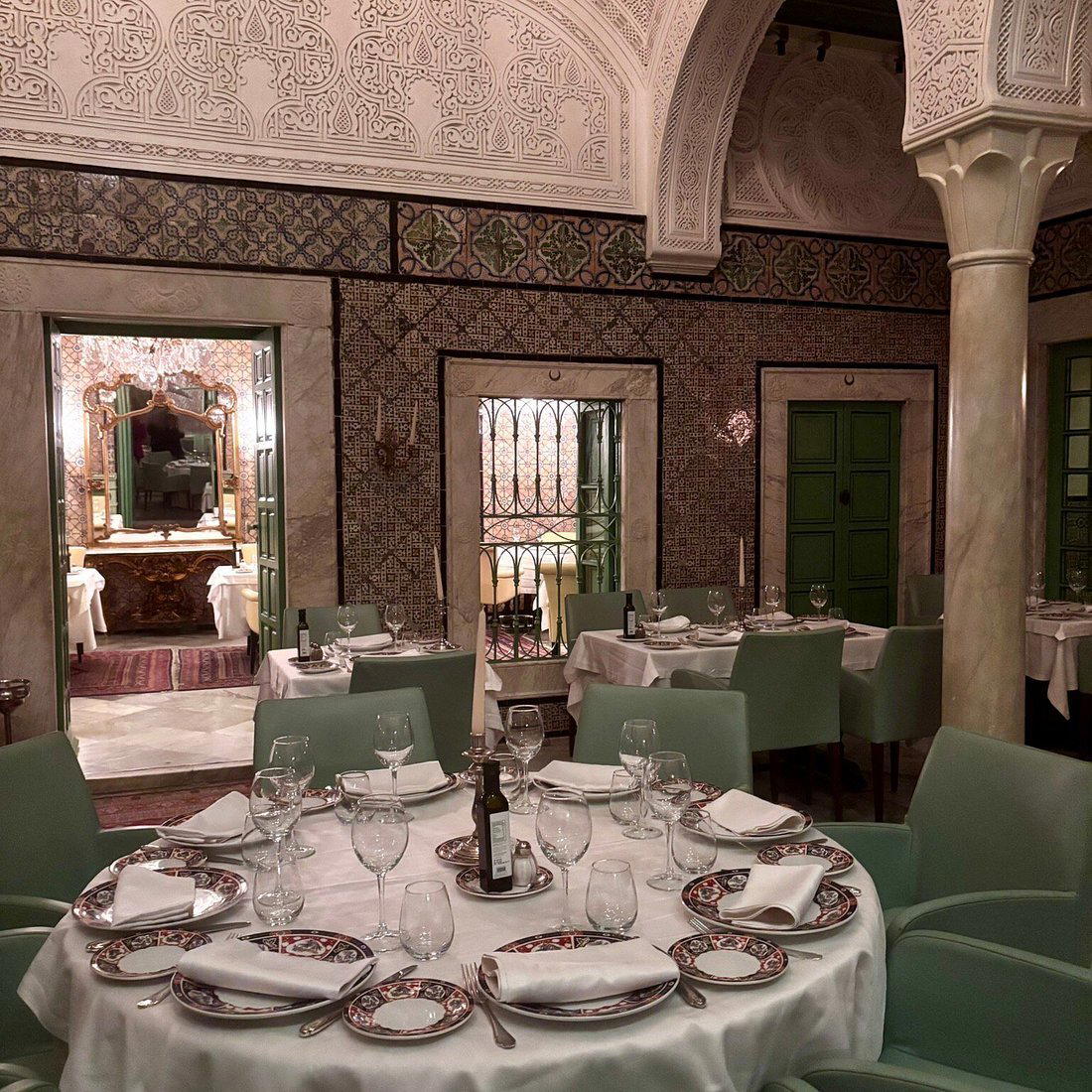
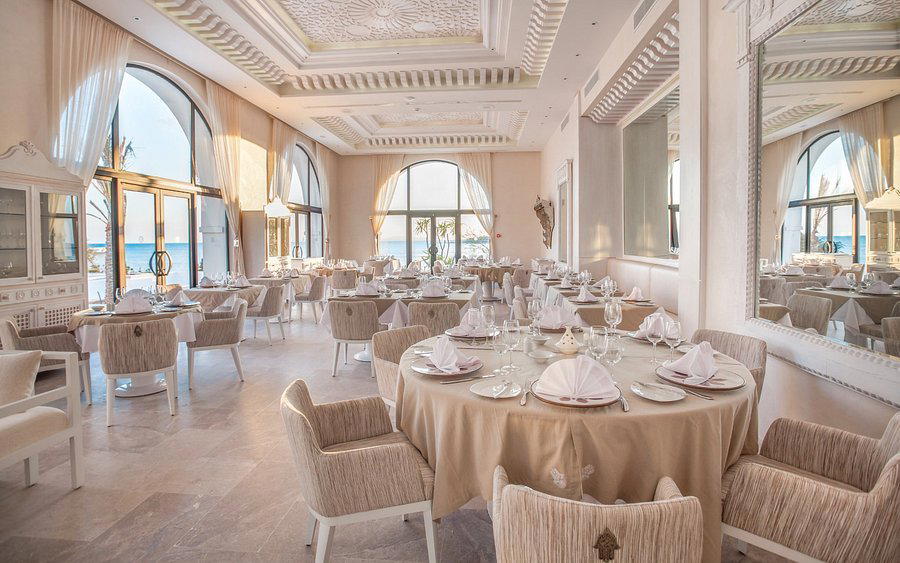
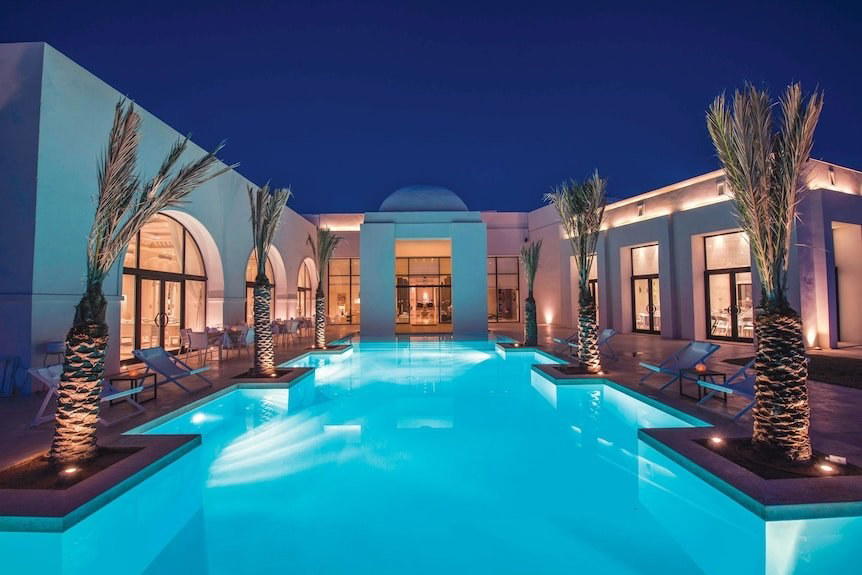
Simple and Mediterranean atmosphere blending heritage with sun-soaked terrace dining overlooking golden sands and the sea.