
Preferred Hotels Member
The Park Hotel London occupies a heritage address on Pall Mall Street in London, Ontario, Canada, not to be confused with the London properties along Belgrave Road or elsewhere in the English capital. With 126 rooms, it sits in the mid-scale tier of the London, Ontario hotel market, offering a practical base for business and leisure travellers exploring the city's downtown corridor.

Pearl is the En Primeur Club membership app, where members save venues, book tables and use the concierge.
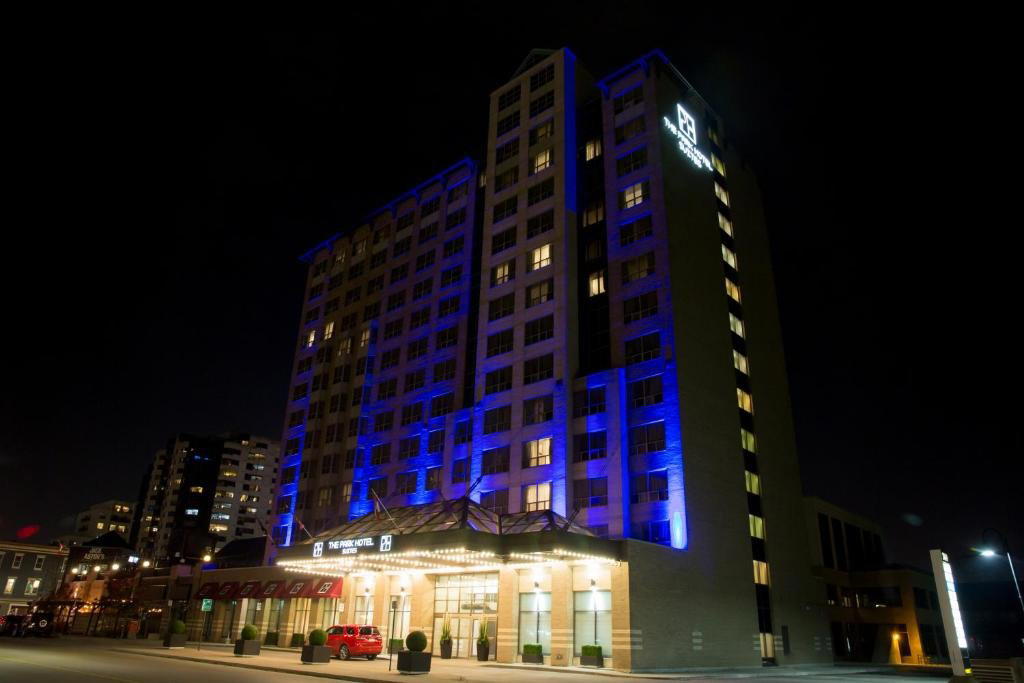
A Name That Travels Well, a Property That Stays Local
There is a particular kind of confusion that follows certain hotel names across international borders. The Park Hotel London is one of them. The address, 242 Pall Mall Street, London, Ontario, places it firmly in Canada's sixth-largest city, not in the English capital where the name might otherwise suggest proximity to Belgrave Road, Green Park, or the corridor of grand properties that stretches from Victoria to Mayfair. Travellers searching for the park hotel london belgrave road will find themselves on a different continent entirely. That geographical clarification matters, because the two cities attract different travellers for different reasons, and conflating them serves neither.
London, Ontario has its own identity as a mid-sized Canadian city anchored by the University of Western Ontario, a regional healthcare sector, and a downtown core that has seen steady reinvestment over the past decade. Hotels in this market compete less on architectural heritage or white-glove formality and more on location relative to the city's business districts, hospitals, and the arts venues clustered around the downtown grid. The Park Hotel's 126-room inventory positions it as a substantive mid-market option within that context, large enough to absorb conference and group business, compact enough to avoid the anonymity of full convention-scale properties.
Heritage Framing in a Mid-Market Context
The Pall Mall Street address carries its own quiet resonance. In London, Ontario, Pall Mall is a thoroughfare with genuine historical weight, the city's street names were drawn from the English capital by early settlers, and the effect is a downtown grid that reads like a compressed map of Georgian London. Walking the street today, that original naming logic has been overlaid by decades of commercial development, but the street plan itself retains something of the original ambition: wide, traversable, oriented toward civic function.
In the broader British and Canadian hotel tradition, mid-scale properties in heritage-named streets have consistently occupied a middle ground between the grand hotel format and the purely functional transit property. The Park Hotel fits that mould. At 126 rooms, it is neither intimate enough to compete on boutique credentials nor large enough to position against full-service convention hotels. That in-between scale tends to work leading when a property uses its central location and service consistency rather than architectural distinction or programmatic complexity.
For comparison, London's English counterpart offers a much more stratified hotel market. More recent additions like Raffles London at The OWO and NoMad London bring a different kind of credential, conversion projects that marry significant heritage buildings with contemporary programming. At the design-led, smaller-key end, properties such as The Emory and 1 Hotel Mayfair compete on format discipline and environmental positioning. 11 Cadogan Gardens operates in a similar niche, with a townhouse format that trades scale for residential intimacy.
None of that applies to London, Ontario, where the hotel market operates on fundamentally different dynamics.
Within the UK and Canadian hotel markets more broadly, it is worth noting how different mid-scale urban properties perform depending on their positioning. In the UK, properties like Hope Street Hotel in Liverpool and King Street Townhouse Hotel in Manchester have built reputations by combining heritage buildings with design-forward interiors and strong food and beverage programming. Glasgow Grosvenor Hotel plays a similar role in its city's West End. These properties demonstrate that mid-scale does not preclude editorial interest, provided the building or the programming carries a distinct point of view.
For travellers whose UK itinerary extends beyond London, the rural and coastal tiers offer further contrast. Lime Wood in Lyndhurst, The Newt in Somerset, and Estelle Manor in North Leigh represent a different format entirely, destination properties where the landscape and programming are the product, not simply the backdrop. In Scotland, Gleneagles in Auchterarder occupies a similar position of self-contained resort authority, while smaller properties like Burts Hotel in Melrose, Langass Lodge, Glen Mhor Hotel in Highland, and Dun Aluinn in Aberfeldy serve a traveller looking for something closer to character-led accommodation at a more accessible price. On the Cornish coast, Lifeboat Inn in St Ives anchors the lower end of that register.
Across the Atlantic, the comparison becomes starker still. Aman New York and The Fifth Avenue Hotel operate in an entirely different register of urban luxury, while Aman Venice and Muir in Halifax show how heritage conversion can anchor a property's identity across very different geographies.
The Park Hotel London, Ontario, is not competing in any of those tiers. Its 126-room count, central address, and regional market position define it as a functional urban hotel in a mid-sized Canadian city. For travellers in London, Ontario's downtown core, that is a clear and honest proposition. For those arriving via search expecting proximity to Victoria Station or the parks of SW1, the address itself resolves the question quickly.
For a broader view of where The Park Hotel sits within the wider London dining and hospitality scene, the English one, our full London restaurants guide covers the city's key neighbourhoods and dining formats in detail.
Know Before You Go
- Address: 242 Pall Mall Street, London, Ontario, N6A 5P6, Canada
- City: London, Ontario, not London, England
- Room Count: 126 rooms
- Phone / Website / Hours:
A Minimal comparable set
Comparable venues nearby, for context on price, style, and recognition.
| Venue | Price | Awards | Notes |
|---|---|---|---|
| The Park Hotel LondonThis venue (the venue you are viewing) | $100–200 | Preferred Hotels Member | Not listed |
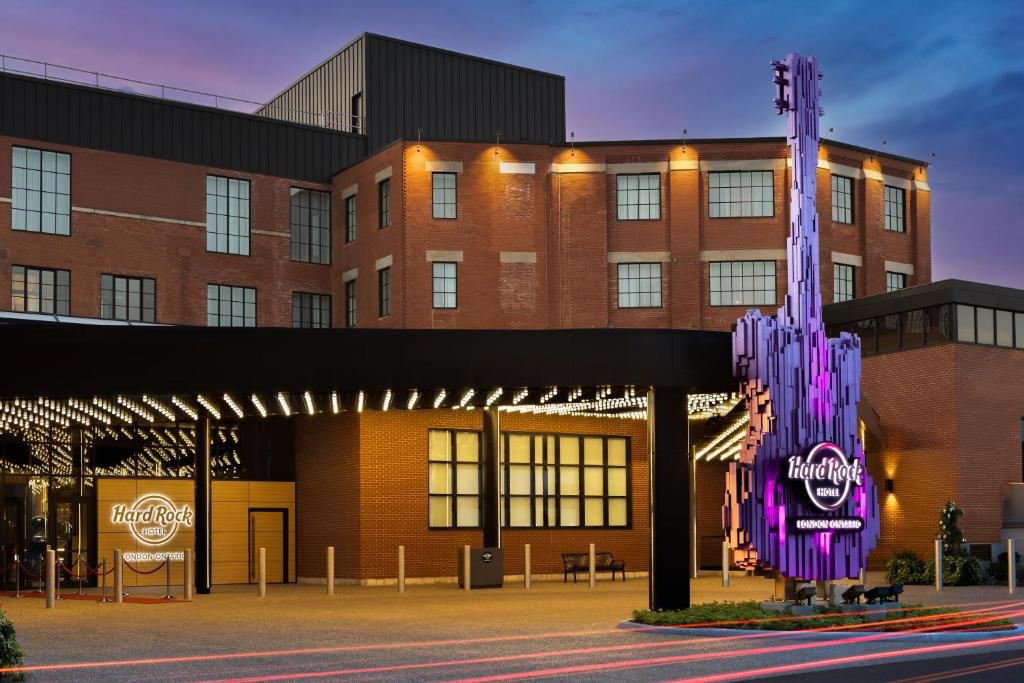
| Hard Rock Hotel London, Ontario | $200–300 | Star Wine List | 100 Kellogg Lane, Contemporary luxury hotel celebrating music culture and industrial heritage, positioned as an entertainment destination within Canada's largest entertainment complex. |
| Basecamp Revelstoke | Not listed | Michelin Selected | Downtown Revelstoke, modern boutique resort with apartment-style suites |
| Homewood Suites by Hilton Surrey | $100–200 | Not listed | Surrey City Centre, residential-style extended-stay tower hotel |
| The Clayfield | Not listed | Not listed | Old Town Historic District, contemporary wine-country retreat |
| Arctic Watch Lodge | Not listed | Not listed | Somerset Island, Nunavut, Family-run Arctic basecamp operated by renowned polar explorers specializing in High Arctic expeditions and wildlife tourism. |
Recognition history
Dated appearances from independent guides and award organizations, with the underlying list record or original source where available.
Preferred Hotels Member
Preferred Hotels
Continue exploring
More in London
Bars in London
Browse all →

Details
- Classic
- Business Trip
- Weekend Escape
- Historic Building
- Wi Fi
- Fitness Center
- Room Service
- Business Center
- Laundry Service
- Street Scene
- Wheelchair Accessible
- Elevator
- Step Free Entrance
- Accessible Parking
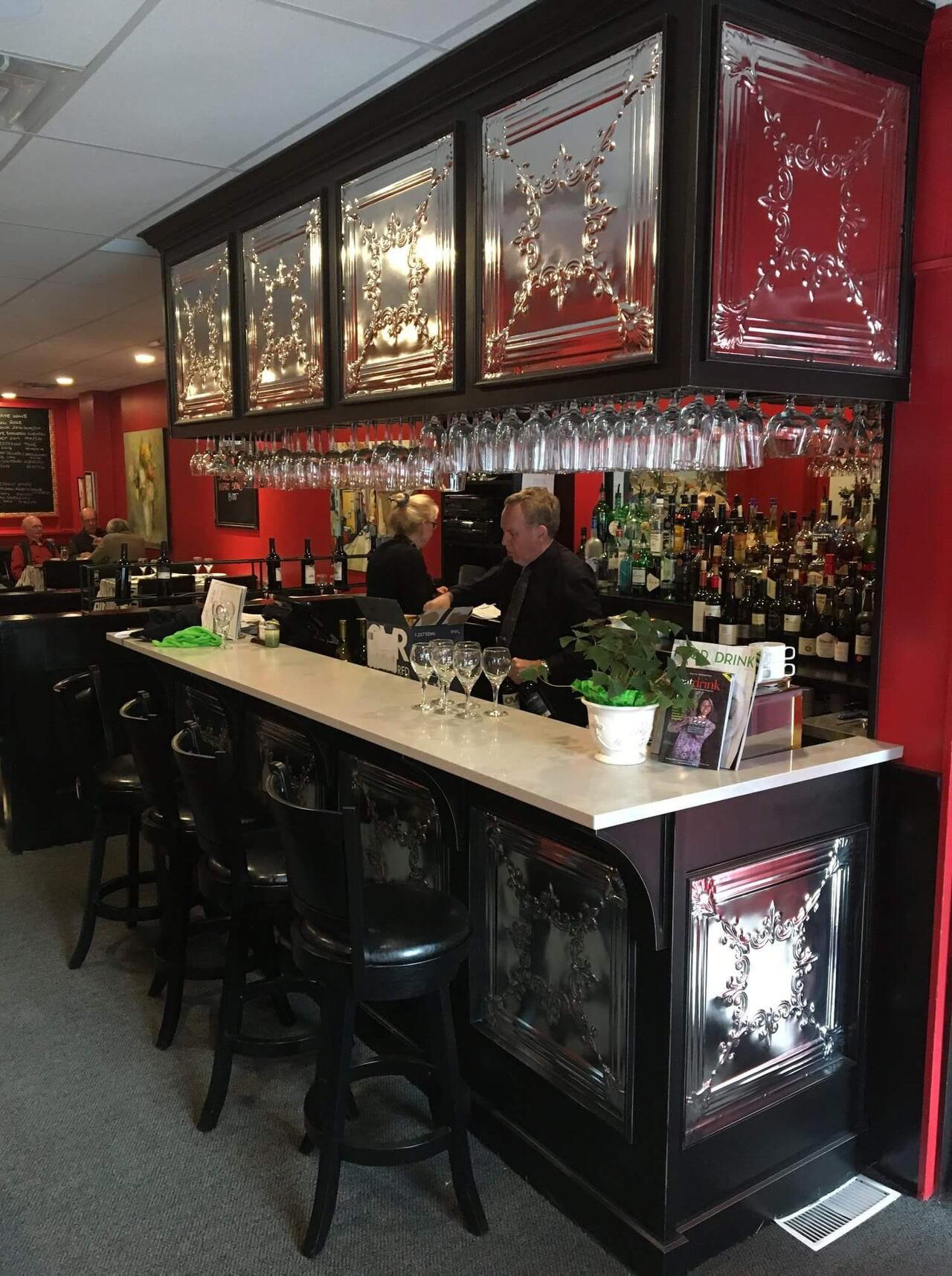
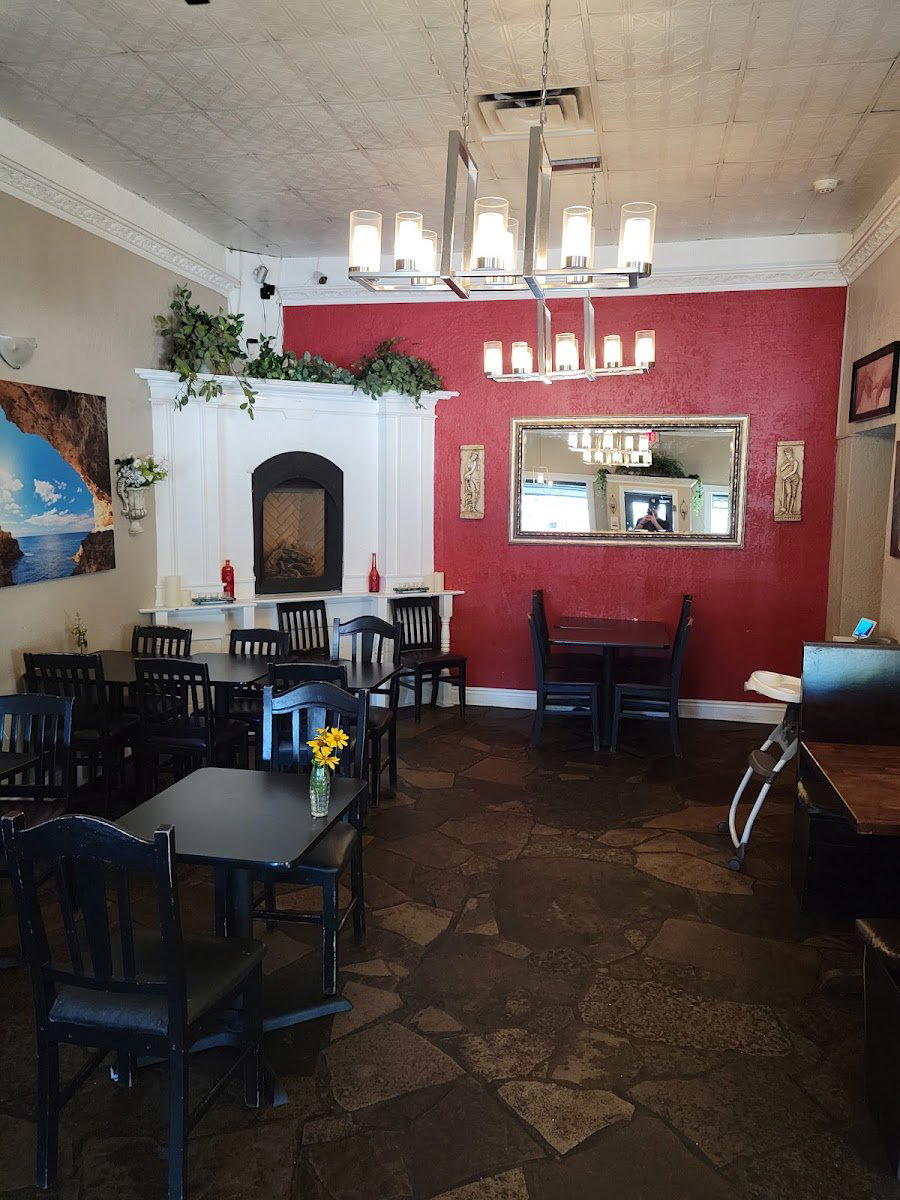
Traditional with a welcoming lobby featuring a fireplace, though some rooms feel dated.