The Clayfield
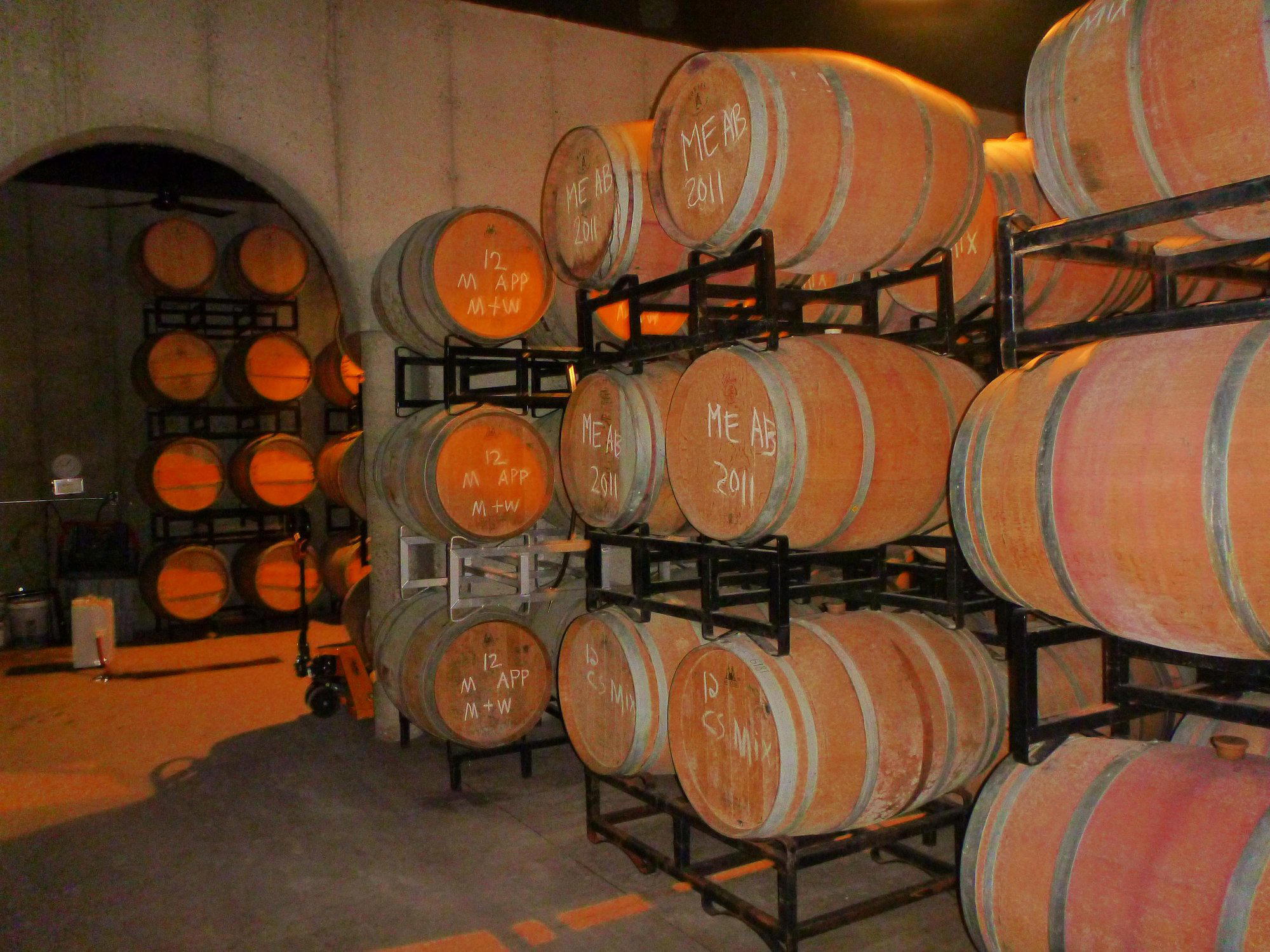
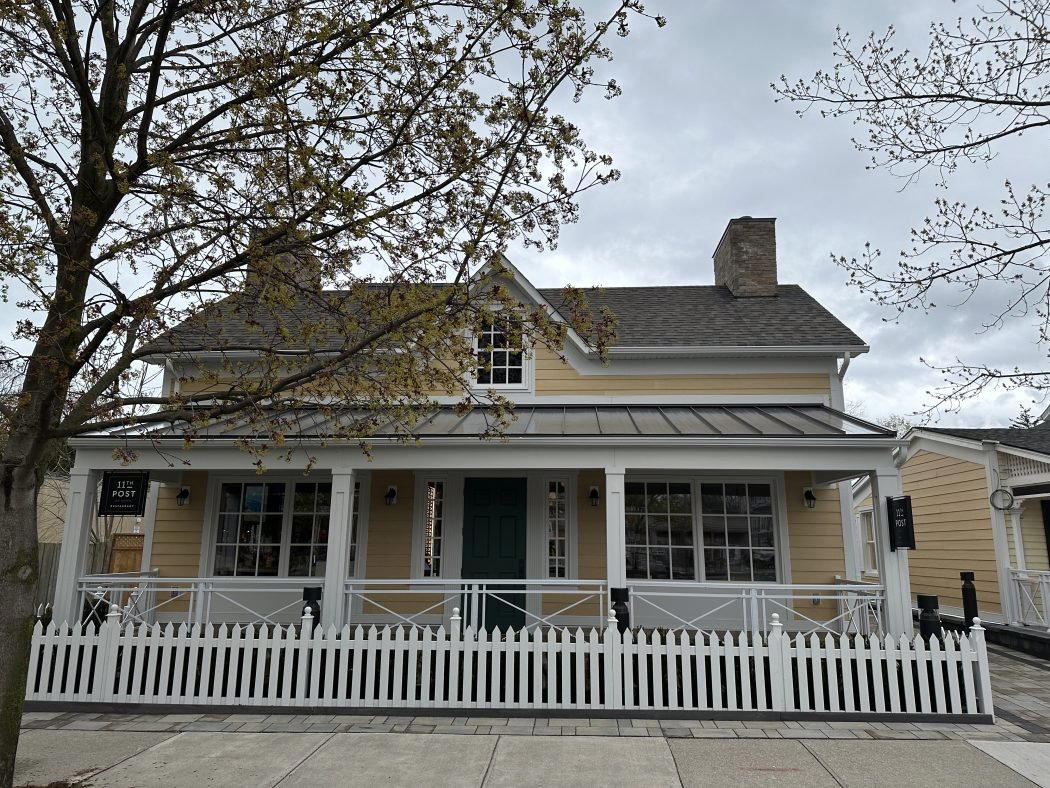
The Clayfield occupies a distinct position in Niagara-on-the-Lake's accommodation scene, where wine-country architecture and a quieter, more grounded aesthetic set it apart from the region's larger resort properties. For travellers moving through Ontario's premier wine corridor, it offers a considered base with direct access to the Niagara Peninsula's vineyards, dining rooms, and heritage streetscapes.

Pearl is the En Primeur Club membership app — saves, bookings, and concierge access live there. Same editors, same standards.
- Address
- Niagara-on-the-Lake, Canada
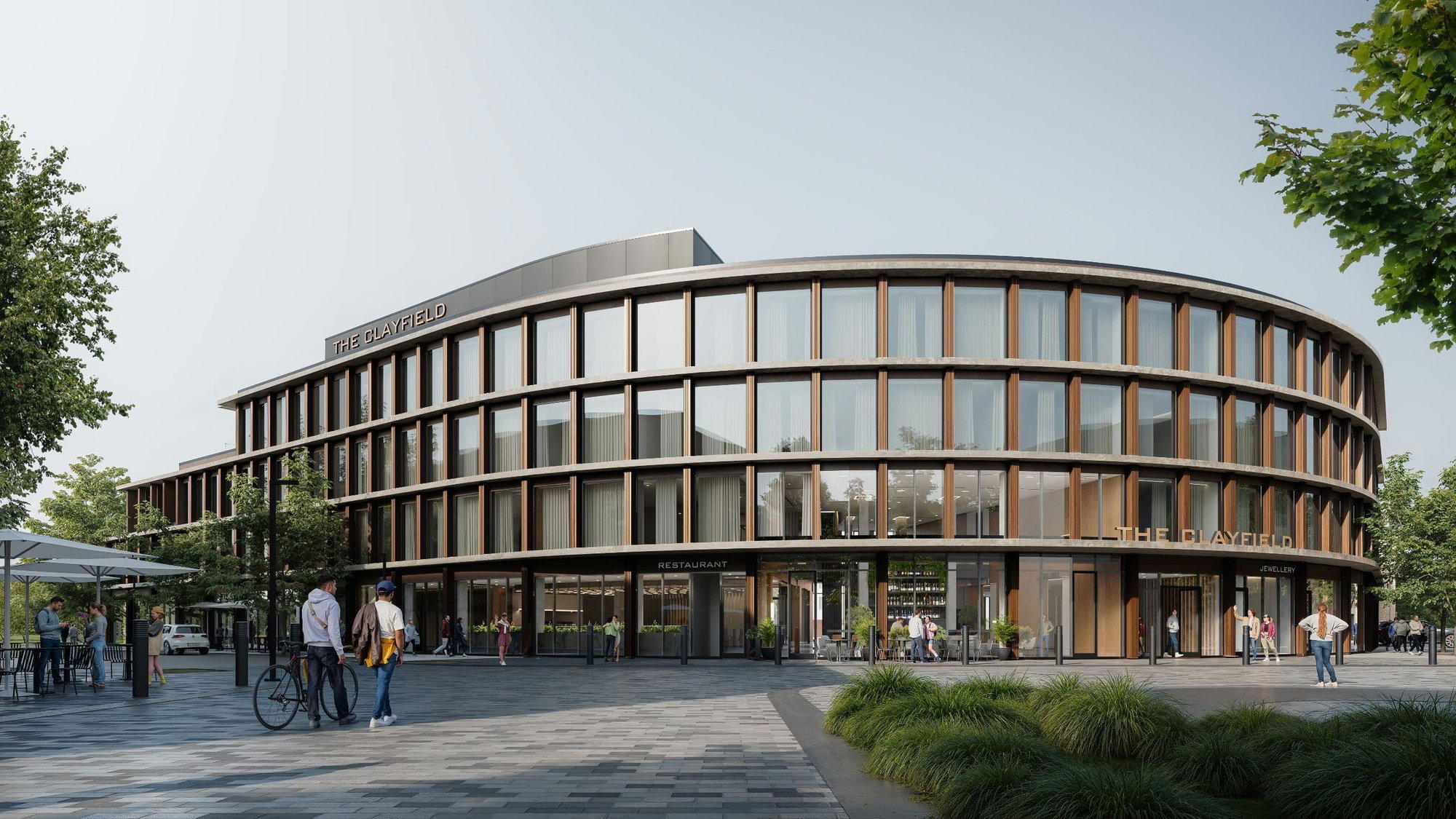
A Different Register for Niagara Wine Country
Niagara-on-the-Lake has spent the last two decades sorting itself into two broad hospitality tiers: large-format resort hotels with spas and conference wings, and smaller, design-conscious properties that position themselves against the town's wine-country character rather than against urban luxury benchmarks. The Clayfield sits in the latter category, where the physical environment, proximity to the vineyard corridor, and a quieter spatial logic matter more than amenity volume. That is a deliberate positioning in a town where the Prince of Wales and several branded resort properties already cover the high-volume end of the market.
Niagara-on-the-Lake itself is one of the more carefully preserved heritage towns in Ontario. Its main street retains nineteenth-century commercial architecture, and the surrounding farmland and vineyard estates give the area a density of wine-related destination dining and tasting that few Canadian wine regions match. The Niagara Peninsula appellation has built a serious reputation across Riesling, Chardonnay, and the ice wine category that made the region internationally visible, and the town functions as the natural base for anyone moving through that circuit. For context on how to structure a stay around both the town and its wider restaurant and wine scene, our full Niagara On The Lake restaurants guide maps the options in detail.
Architecture and Spatial Character
The design conversation in Ontario's wine-country accommodation has increasingly moved toward materials honesty and regional grounding. Properties that read as transplanted urban hotels tend to feel disconnected from the agricultural and viticultural context that draws visitors in the first place. The Clayfield's name itself signals an orientation toward local material and place identity, a naming convention that smaller boutique properties in wine and agricultural regions have adopted as shorthand for a design philosophy rooted in the land rather than imported from a hospitality brand standard.
This approach aligns The Clayfield with a broader shift visible across Canada's premium boutique accommodation sector. Properties like Elora Mill in Centre Wellington have demonstrated how heritage industrial architecture, converted with attention to material texture and spatial restraint, can produce a hospitality environment that the regional resort model cannot replicate at scale. Similarly, Langdon Hall Country House Hotel and Spa in Cambridge occupies a design register defined by continuity with its historic structure rather than renovation for its own sake. The Clayfield operates in this same conceptual territory, where the physical setting does the work that brand identity performs in larger hotel groups.
For travellers calibrating how Niagara-on-the-Lake's boutique tier compares to Canadian wine and nature properties elsewhere, the contrast is instructive. Fogo Island Inn in Joe Batt's Arm and Clayoquot Wilderness Lodge in Tofino represent the high end of place-specific design in Canada, where architecture is explicitly in dialogue with landscape. The Clayfield operates at a different scale and in a different landscape register, but the underlying logic of grounding hospitality in its physical and cultural context is consistent across these properties.
The Niagara-on-the-Lake Context
Staying in Niagara-on-the-Lake requires some planning intelligence that the town's surface charm can obscure. The summer and early autumn harvest season, running from approximately August through October, is the period of highest vineyard activity and also the period of tightest accommodation availability across all property types. The shoulder seasons, particularly May to early June and the weeks after Thanksgiving, offer more room to manoeuvre on both availability and rate, with the wine trail still fully operational and the crowds that descend for the Shaw Festival's peak programming somewhat reduced.
The town's walkable core and the proximity of the Niagara Parkway to several significant estate wineries means a car is helpful rather than essential for the first day or two, but anyone planning to cover the full peninsula appellation, including the Twenty Valley and the south shore estates, will want one for at least part of the stay. The closest major airport access is from Toronto Pearson, with the drive running approximately ninety minutes under normal traffic conditions. Travellers already based in Toronto who want to compare the city's own luxury hotel options before heading west might reference Four Seasons Hotel Toronto as a benchmark for the urban end of the Ontario market.
Within the Niagara-on-the-Lake accommodation tier, the boutique end of the market includes Three Forty Gate, which has established itself as a design-led reference point for the area. For those building a broader Ontario loop that extends into Prince Edward County's wine and hospitality scene, The Royal Hotel in Picton and Drake Motor Inn in Prince Edward represent the County's own take on the boutique accommodation format that has developed alongside its appellation's rise.
Where The Clayfield Fits
The broader Canadian boutique hotel market has fragmented into properties that compete on credentials, those that compete on design, and those that compete on location specificity. The Clayfield's positioning in Niagara-on-the-Lake places it in the third category primarily, where the address itself carries a significant share of the value proposition. The wine-country setting, the heritage town character, and the accessibility of the Niagara Peninsula's dining and tasting circuit do work that a property in a less defined location would need to accomplish through programming and amenity investment instead.
For travellers building a multi-stop Canadian itinerary that includes Quebec's heritage hospitality properties, Manoir Hovey in North Hatley and Hotel Le Germain Montreal offer useful reference points for how design-led properties in different regional wine and cultural contexts have positioned themselves. For those extending westward into the mountain and Pacific coast properties, Fairmont Chateau Whistler, Rosewood Hotel Georgia in Vancouver, and Fairmont Banff Springs represent the large-format heritage and luxury end of the western Canada market, a very different register from what boutique wine-country properties in Ontario are attempting.
Planning Your Stay
Given the limited publicly available detail on The Clayfield's specific room configuration, pricing, and booking channels, prospective guests should approach planning through direct contact with the property. For the Niagara wine country context, the most practically useful planning frame is seasonal: the harvest window delivers the most immersive vineyard experience but demands the earliest booking lead time. The Shaw Festival's programming schedule, which runs from April through December, adds another layer of demand that affects availability across all town properties during its peak months.
Travellers for whom Niagara-on-the-Lake represents one stop on a longer Ontario or eastern Canada circuit will find useful comparative framing in properties like Deerhurst Resort in Huntsville for Muskoka-based nature stays, or Hôtel Quintessence in Mont-Tremblant for Quebec's equivalent of the refined small-property format. Each of those operates in a different landscape and culinary tradition, but the underlying logic of choosing a property that is in genuine dialogue with its setting, rather than generic to it, applies across all of them.
How It Stacks Up
Comparable venues nearby, for context on price, style, and recognition.
| Venue | Cuisine | Price | Awards | Notes |
|---|---|---|---|---|
| The ClayfieldThis venue — the venue you are viewing | contemporary wine-country retreat | Not listed | Not listed | Not listed |
| Three Forty Gate | heritage | Not listed | Not listed | Old Town |
| Fairmont Palliser | Historic luxury hotel blending early 20th-century architectural heritage with contemporary hospitality standards. | $200–300 | Michelin Selected | Downtown Commercial Core |
| Hotel Le Germain Calgary | Modern boutique hotel with innovative design and geothermal heating system. | $200–300 | Michelin Selected | Downtown Commercial Core |
| Fairmont Winnipeg | Modern high-rise with classic luxury positioning | $100–200 | Michelin Selected | Exchange District |
| The Westin Bayshore, Vancouver | Contemporary luxury resort with West Coast design sensibility, emphasizing wellness and waterfront living in an urban setting. | $300–500 | World Luxury Hotel Awards WLHA Continent Winner | Coal Harbor |
Continue exploring
More in Niagara-on-the-Lake
Hotels in Niagara-on-the-Lake
Browse all →
Bars in Niagara-on-the-Lake
Browse all →
Restaurants in Niagara-on-the-Lake
Browse all →

Details
- Elegant
- Scenic
- Sophisticated
- Cozy
- Romantic Getaway
- Honeymoon
- Weekend Escape
- Garden
- Historic Building
- Wi Fi
- Vineyard
- Garden
- Wheelchair Accessible
- Step Free Entrance
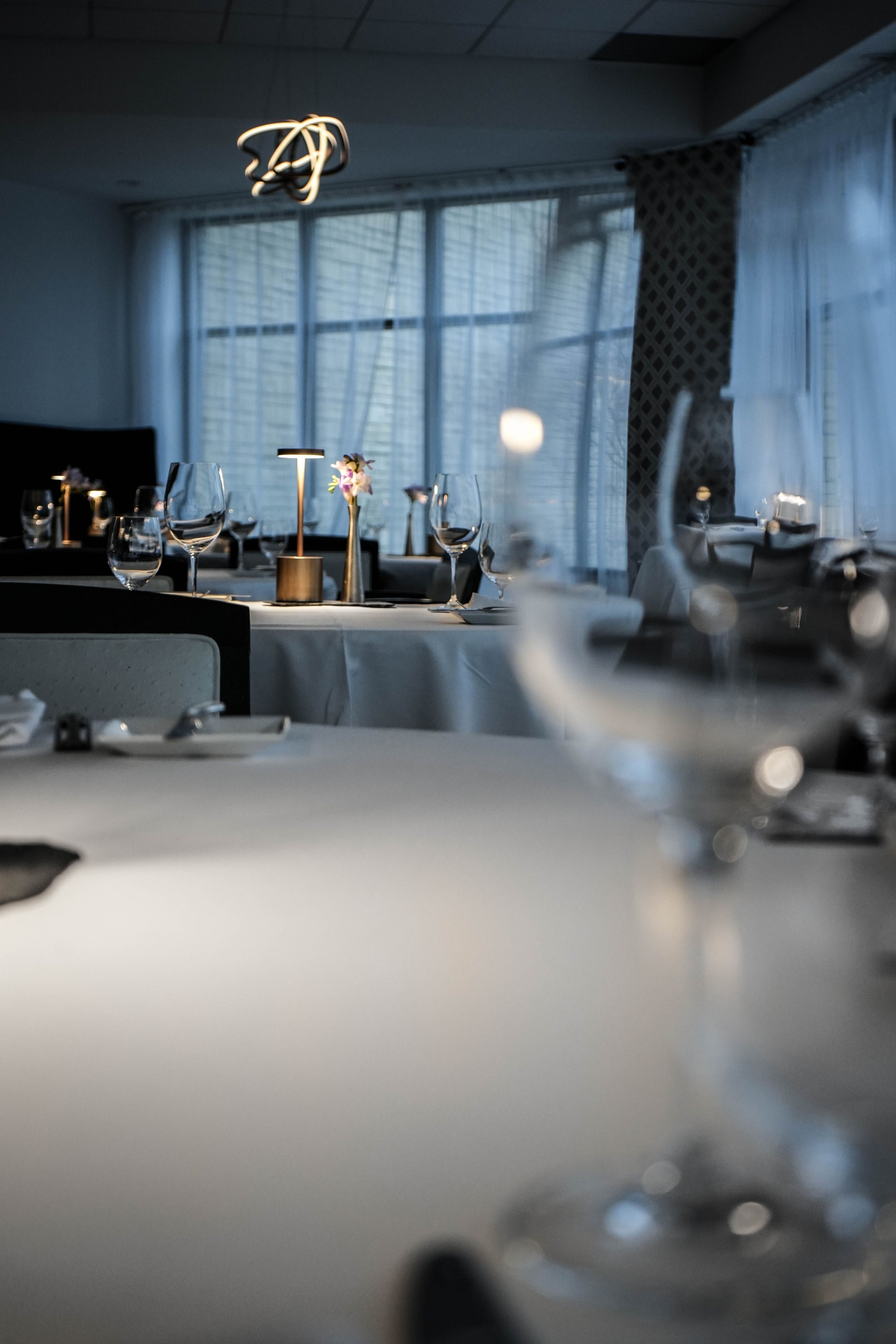
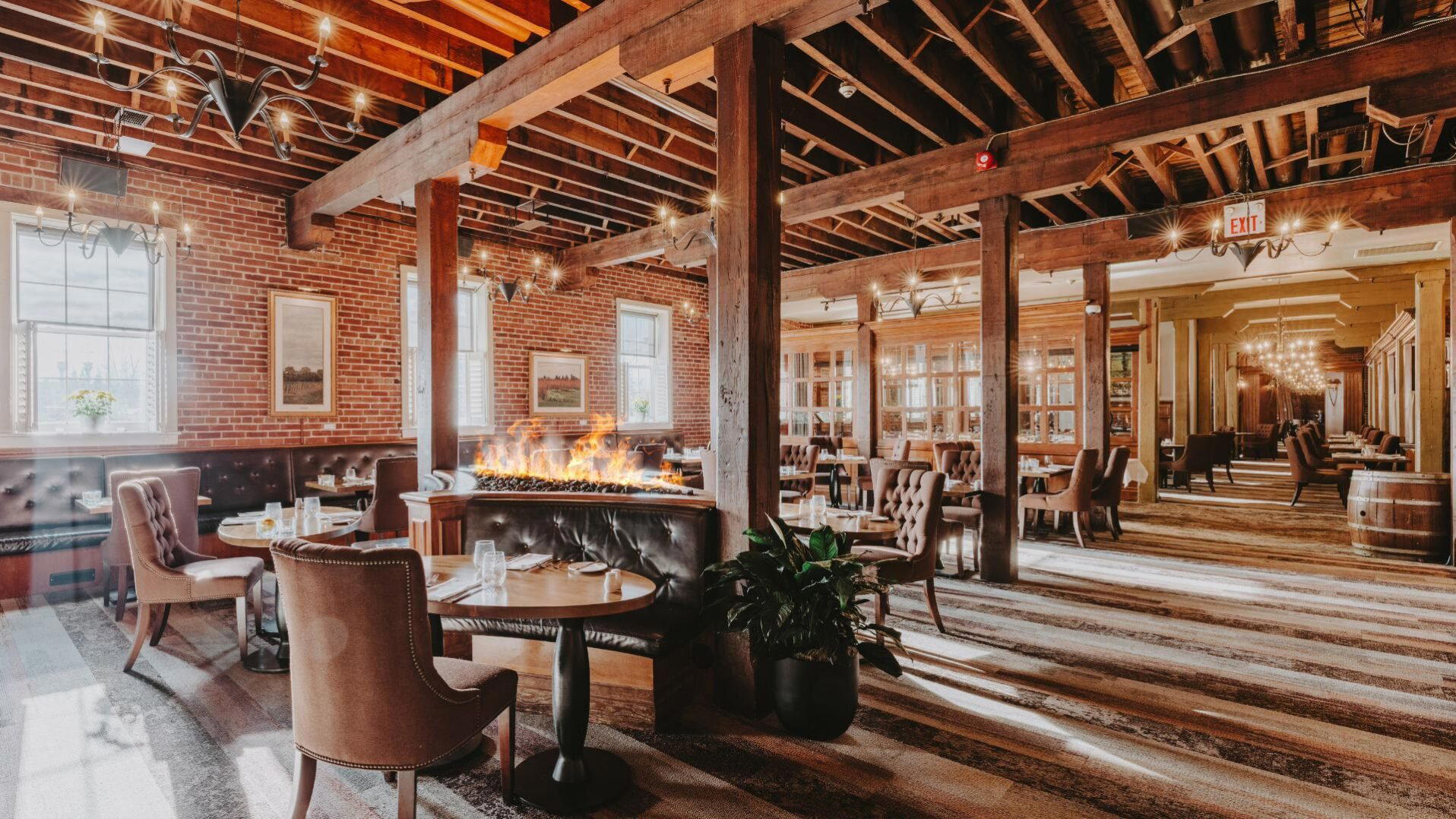
Sophisticated and relaxing atmosphere evoking wine-country living with elegant, modern interiors and subtle nods to the region's natural rhythms.