The Old No. 77 Hotel & Chandlery

Michelin Selected
A converted 19th-century merchant warehouse on Tchoupitoulas Street, The Old No. 77 Hotel & Chandlery occupies a corner of the Warehouse District where industrial heritage and contemporary hospitality meet. The property sits within walking distance of the French Quarter and the city's gallery corridor, making it a practical base for travelers who want character without the predictability of a chain address.

Pearl is the En Primeur Club membership app — saves, bookings, and concierge access live there. Same editors, same standards.
- Address
- 535 Tchoupitoulas St, New Orleans, LA 70130
- Phone
- (504) 527-5271
- Website
- old77hotel.com
- Directions
- Get directions
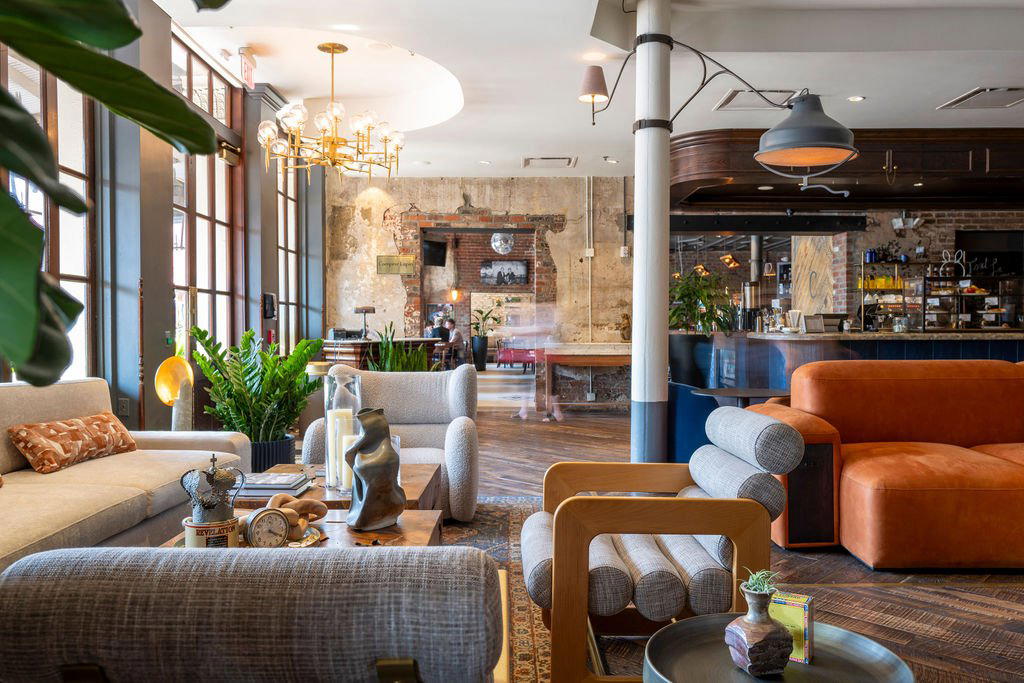
A Warehouse District Address That Earns Its History
New Orleans has accumulated more layers of adaptive reuse than almost any American city, and the Warehouse District concentrates that instinct into a few walkable blocks. Former cotton presses, ironworks, and shipping facilities have become museums, galleries, and hotels over the past three decades, a pattern driven partly by the 1984 World's Fair and accelerated since by a sustained wave of creative investment in the area. The Old No. 77 Hotel & Chandlery at 535 Tchoupitoulas Street is one result of that longer arc: a 19th-century merchant building reconfigured as a hotel while keeping enough of its structural bones visible that the industrial past remains legible throughout the property.
That approach to adaptive reuse places the Old No. 77 in a specific cohort of New Orleans hotels, one that prioritizes material authenticity over the polished neutrality common to flag-operated properties. Compare it to Hotel Peter and Paul, which converts a 19th-century church and school complex in the Marigny, or Hotel Saint Vincent, a former orphanage on Magazine Street now operating as a design-forward boutique property. Across this cohort, the common thread is a willingness to let the architecture carry the identity rather than obscure it behind generic luxury finishes. The Old No. 77 follows that logic from the street up.
The Architecture as the Primary Experience
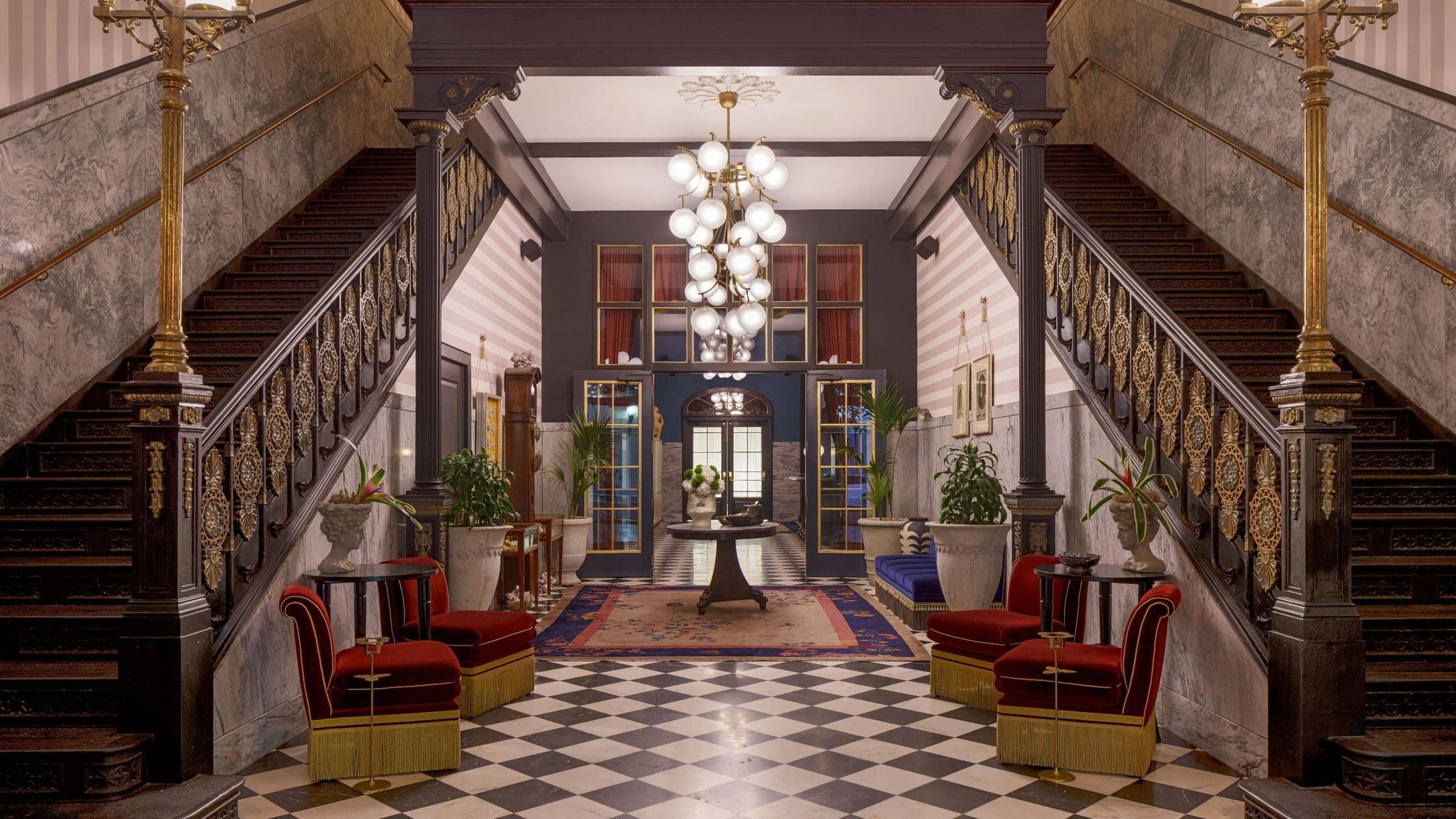
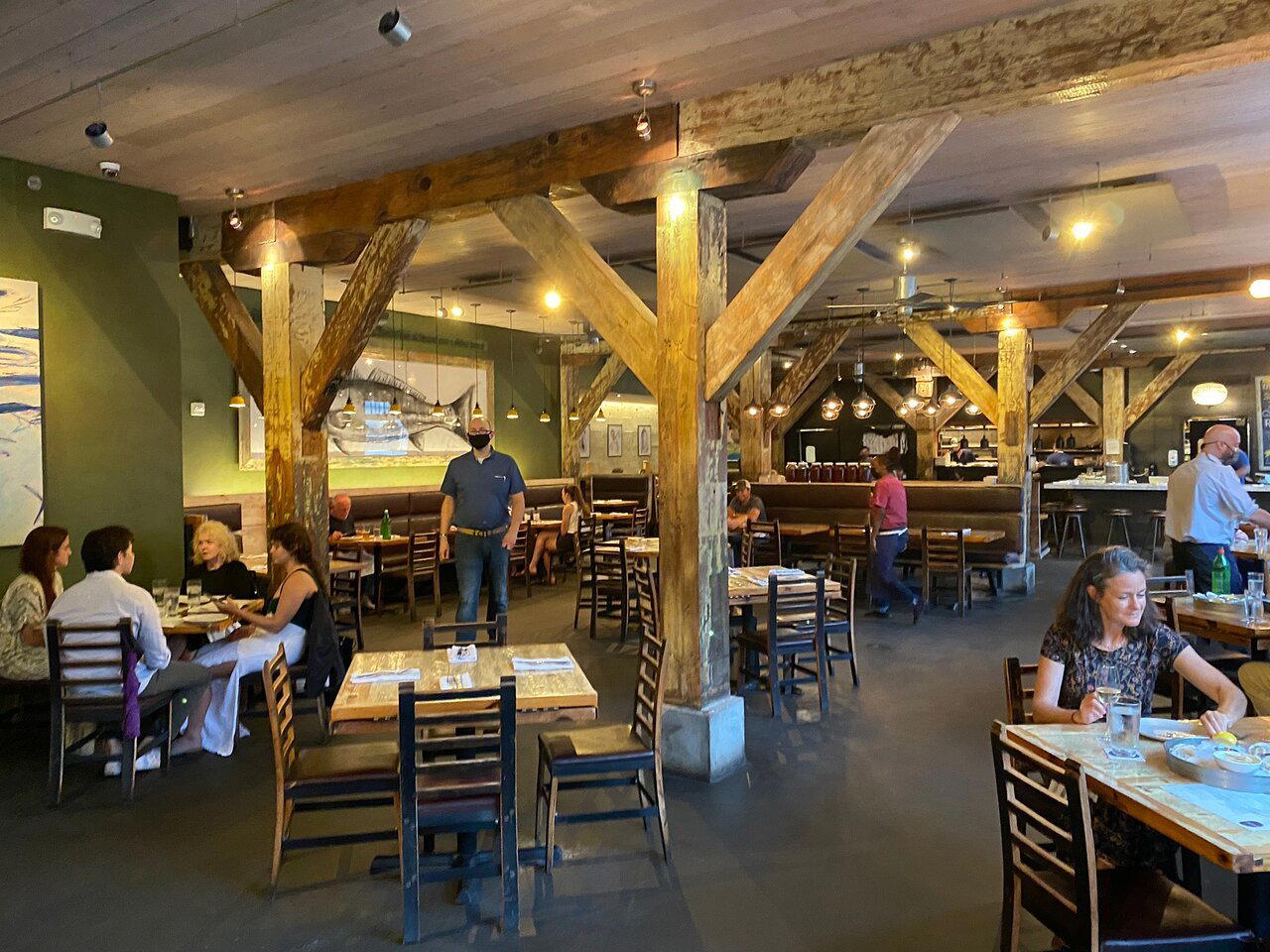
Warehouse District buildings of the Old No. 77's era were built for function: heavy timber framing, thick masonry walls, wide-plank floors, and ceiling heights driven by cargo clearance rather than aesthetic ambition. These are not incidental details but structural facts that define how the interior feels. High ceilings extend sightlines and reduce the ambient noise compression that affects lower-ceiling hotel spaces. Exposed brick walls absorb and radiate the slight warmth that New Orleans humidity deposits on everything, giving the rooms a tactile quality that painted drywall cannot replicate. The original building's commercial bones, a chandlery that supplied ships working the nearby Mississippi waterfront, inform both the name and the material palette throughout.
This kind of preservation-led conversion requires decisions about where to intervene and where to hold back, and the Old No. 77 leans toward restraint. Industrial-era hardware, worn wood surfaces, and unfinished textures coexist with the functional requirements of contemporary hospitality. It is an approach that suits the Warehouse District's character: the neighborhood has never fully smoothed its edges, and the hotels that work leading here tend to reflect that. For travelers who find the French Quarter's denser historicism too concentrated, or who prefer a base with more spatial openness, the Warehouse District address provides a different register of the city's architectural inheritance.
Travelers considering the broader conversion hotel category in New Orleans can look to Columns on St. Charles Avenue, a Victorian mansion property, or Maison Metier, another Warehouse District entrant with a strong design identity. Each property makes different choices about the tension between historical fabric and contemporary comfort, and together they define a category that has grown considerably in the past decade. The Old No. 77 represents a mid-range position in that category: more architecturally engaged than a renovated mid-century motel, less scenographically ambitious than properties like The Celestine New Orleans, which operates with a more curated design language.
Position in the Warehouse District
Tchoupitoulas Street runs parallel to the river and serves as one of the Warehouse District's primary arteries. The Old No. 77's location places it within a short walk of the Ernest N. Morial Convention Center to the south, the Contemporary Arts Center and Ogden Museum of Southern Art to the north and east, and the French Quarter across Canal Street. For travelers whose itinerary spans the Quarter, the Arts District, and the Riverfront, the address is functionally central in a way that properties deeper in the Garden District or Mid-City are not.
The Warehouse District hotel market has expanded considerably since 2010, with several new entrants competing for the design-conscious traveler who wants proximity to the Quarter without its noise levels or room density. Element New Orleans Downtown and Catahoula New Orleans represent different points in this competitive set, with the former offering an extended-stay format and the latter operating with a tighter boutique identity. Against these alternatives, the Old No. 77's strongest claim is the physical building itself: the warehouse structure at this scale is not reproducible in new construction, and the address on Tchoupitoulas carries a specificity that a generic hotel block cannot match.
Planning Your Stay
The Old No. 77 sits at 535 Tchoupitoulas Street in the Warehouse District, within walking distance of the French Quarter, the Riverfront, and the city's main gallery corridor. Travelers arriving by air should allow 20 to 30 minutes from Louis Armstrong New Orleans International Airport under normal traffic, with rideshare and taxi services widely available. New Orleans hotel demand peaks during Mardi Gras (typically February or March), Jazz Fest (late April through early May), and the major football weekends at the Superdome, and rates across the Warehouse District adjust sharply during those windows. Booking outside those periods, particularly in summer when heat and humidity suppress leisure demand, generally yields better availability and more negotiable pricing, though the trade-off in comfort is real. For travelers comparing the full range of New Orleans independent hotels, our full New Orleans restaurants and hotels guide maps the key properties by neighborhood and category. Those with a broader itinerary across the American South or further afield can use the Old No. 77 as a reference point against other conversion and heritage hotel formats: Troutbeck in Amenia or Pontchartrain Hotel St. Charles Avenue offer useful comparisons in the heritage-property category, while Raffles Boston and The Fifth Avenue Hotel in New York City represent the upper bracket of American urban adaptive reuse. For travelers whose priorities run to remoteness rather than city grain, Post Ranch Inn in Big Sur, Amangiri in Canyon Point, or Sage Lodge in Pray offer a different calculus entirely. International travelers drawn to the heritage-conversion format can cross-reference Aman Venice or Badrutt's Palace Hotel in St. Moritz, where the relationship between historic structure and contemporary hospitality operates at a different scale of investment. Within the continental US, Auberge du Soleil in Napa, SingleThread Farm Inn in Healdsburg, and Kona Village in Kailua Kona define the upper end of American independent hospitality for travelers building a broader comparison set. Little Palm Island Resort & Spa, Four Seasons at The Surf Club in Surfside, Canyon Ranch Tucson, Hotel Bel-Air in Los Angeles, and Aman New York round out the premium American hotel category for travelers mapping the full range of options.
Price and Recognition
A short peer table to compare basics side-by-side.
| Venue | Price | Awards |
|---|---|---|
| The Old No. 77 Hotel & ChandleryThis venue — the venue you are viewing | Not listed | Michelin Selected |
| Four Seasons Hotel New Orleans | $300–500 | 1 Michelin Key · La Liste Top Hotels |
| The Roosevelt New Orleans, A Waldorf Astoria Hotel | $300–500 | Virtuoso Luxury Hotel Partner · Forbes Recommended |
| Columns | $200–300 | 1 Michelin Key · Fodor's Most Incredible Hotels in the World |
| Hotel Peter and Paul | Not listed | 1 Michelin Key · Mr & Mrs Smith Seal of Approval |
| Hotel Saint Vincent | $200–300 | 1 Michelin Key · Fodor's Most Incredible Hotels in the World |
Recognition history
Dated appearances from independent guides and award organizations, with the underlying list record or original source where available.
Michelin Selected
Michelin
Continue exploring
More in New Orleans
Hotels in New Orleans
Browse all →
Bars in New Orleans
Browse all →
Details
- Industrial
- Historic
- Trendy
- Weekend Escape
- Business Trip
- Historic Building
- Wi Fi
- Fitness Center
- Concierge
- Room Service
- Street Scene
- Wheelchair Accessible
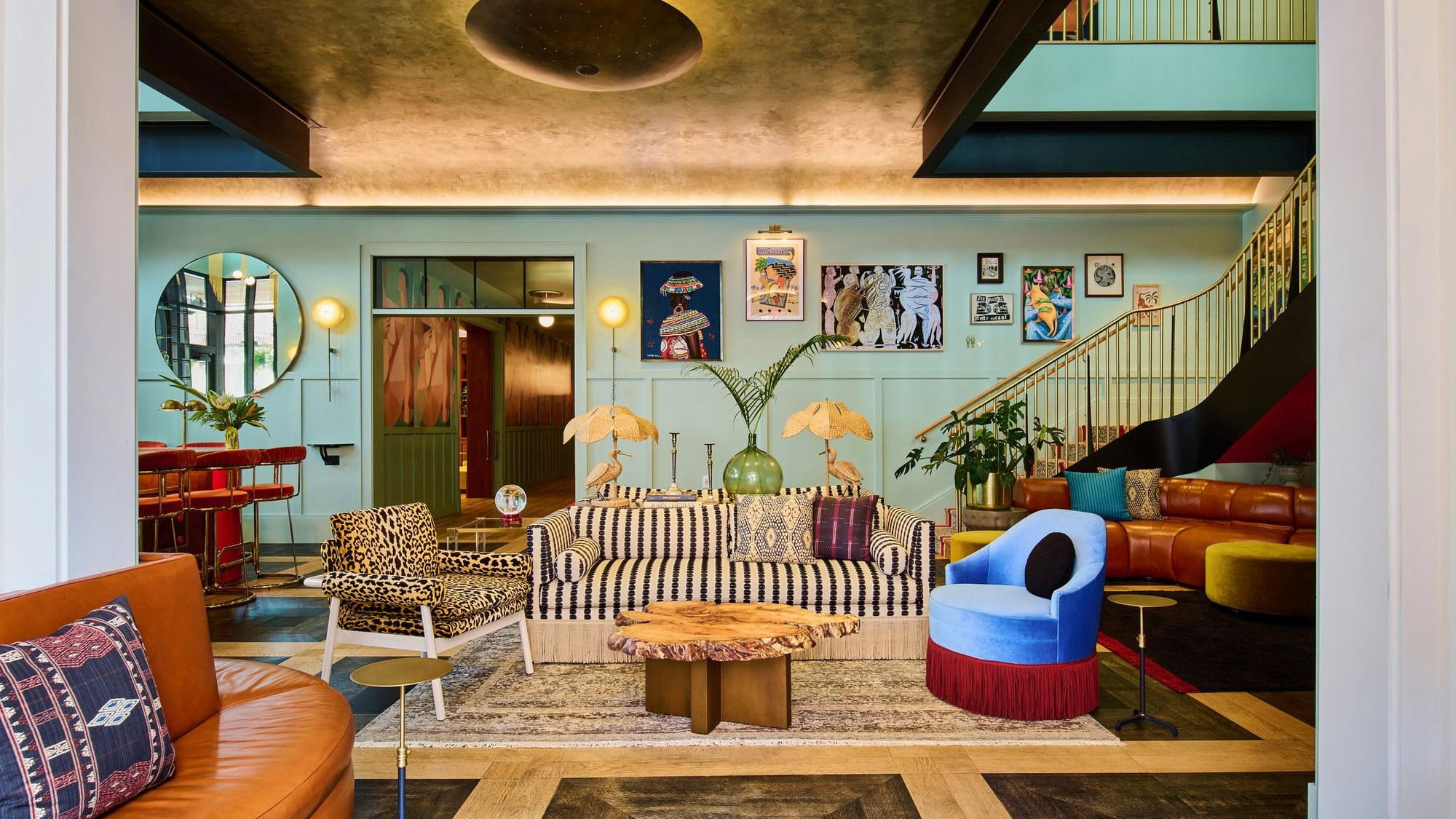
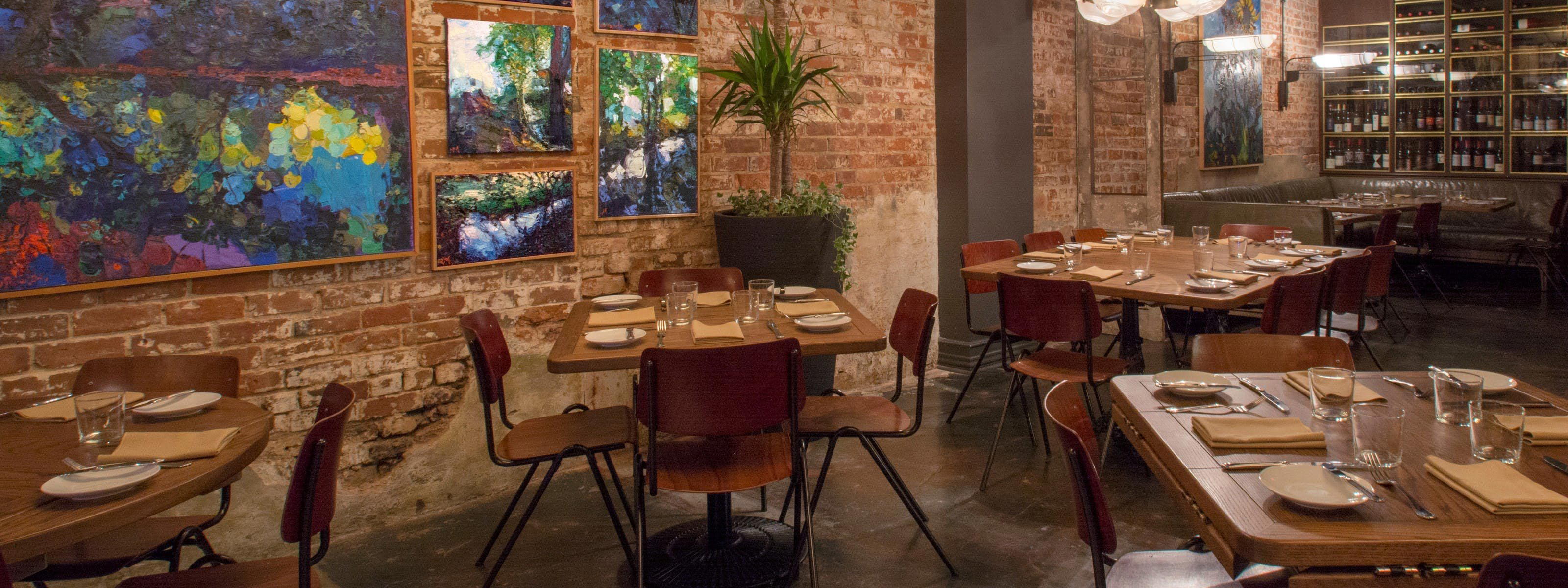
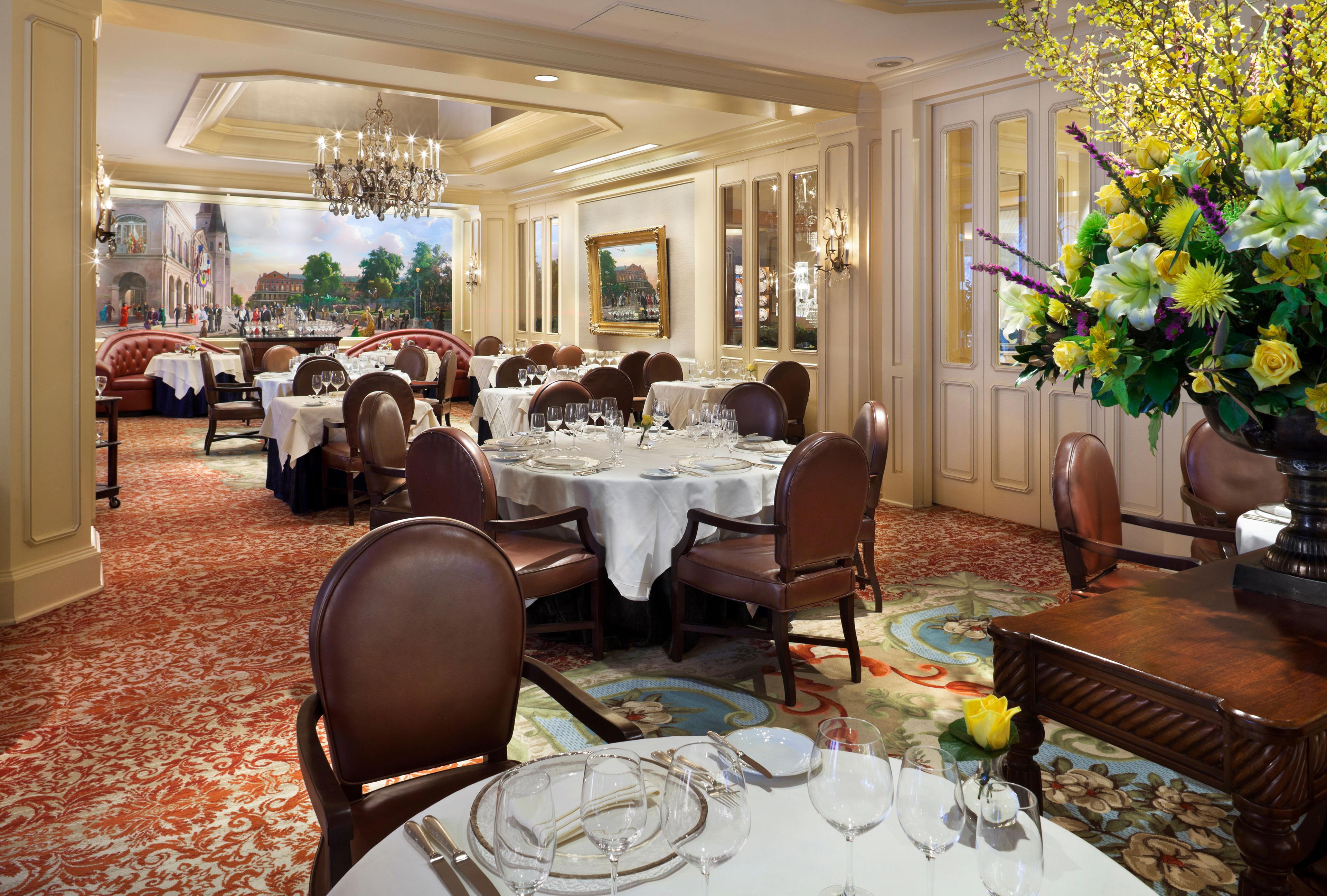
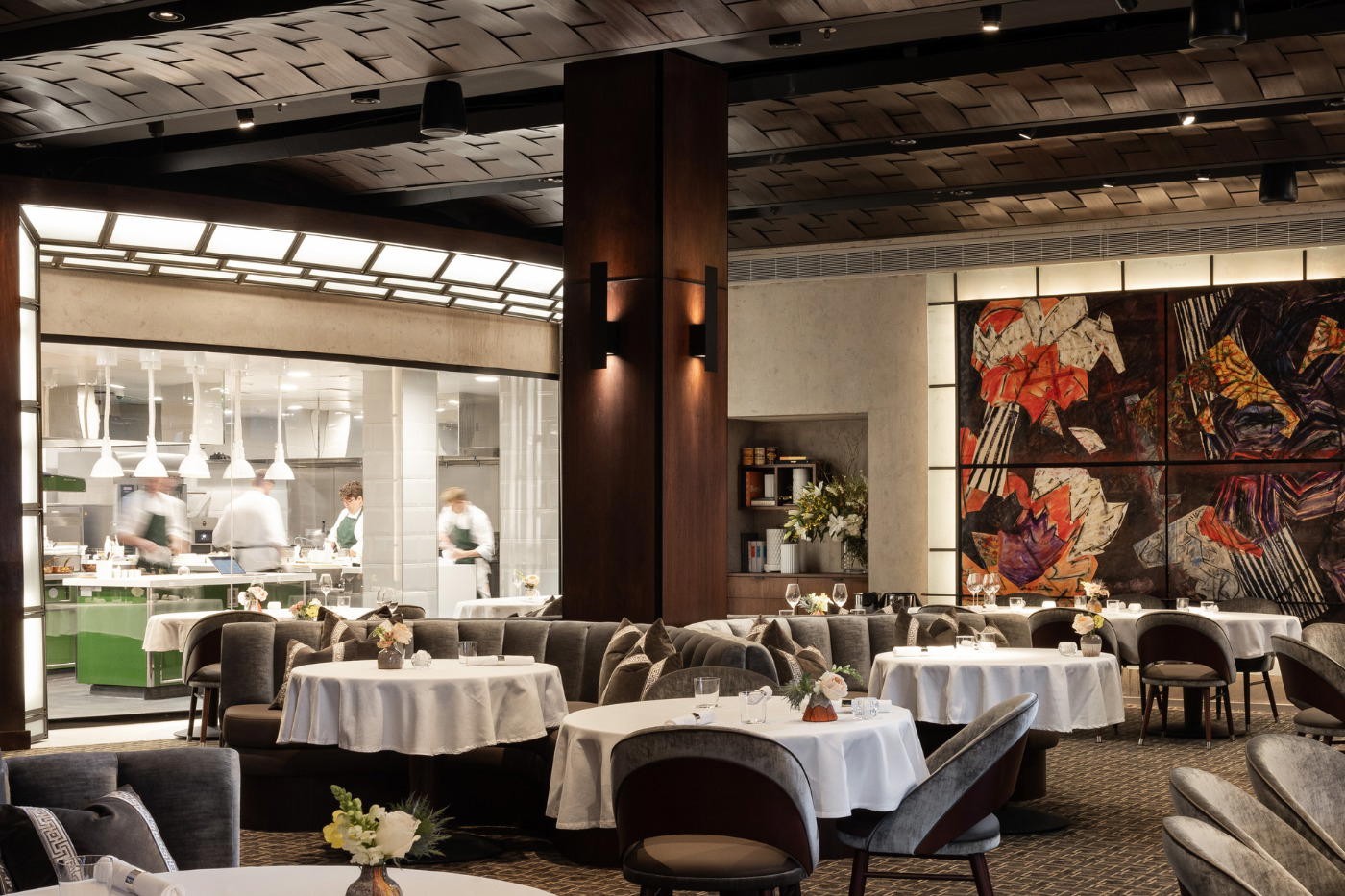
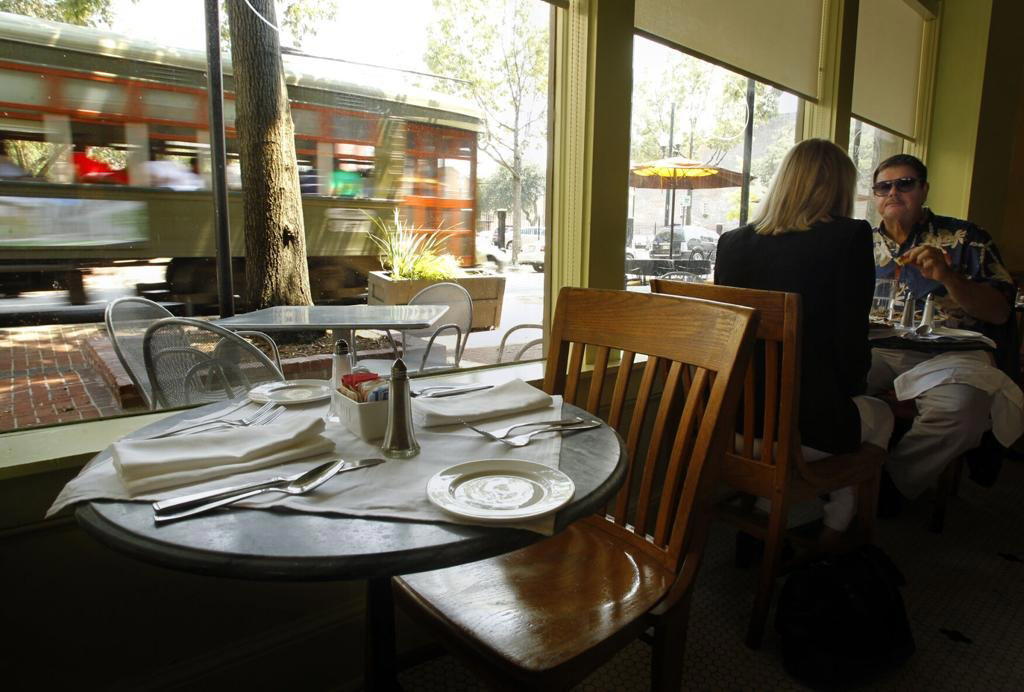
Eclectic and artistic atmosphere with vintage-industrial decor, exposed brick walls, and distinctive lighting that blends historic charm with modern comfort.