The Marylebone


Michelin Selected · Star Wine List
On a quiet stretch of Welbeck Street, The Marylebone operates at a register most central London hotels struggle to achieve: genuinely residential in feel, insulated from the capital's noise, and anchored in one of the city's most coherent neighbourhood identities. The property earned a Star Wine List recognition in 2026, signalling a beverage program taken more seriously than the address alone might suggest.

Pearl is the En Primeur Club membership app — saves, bookings, and concierge access live there. Same editors, same standards.
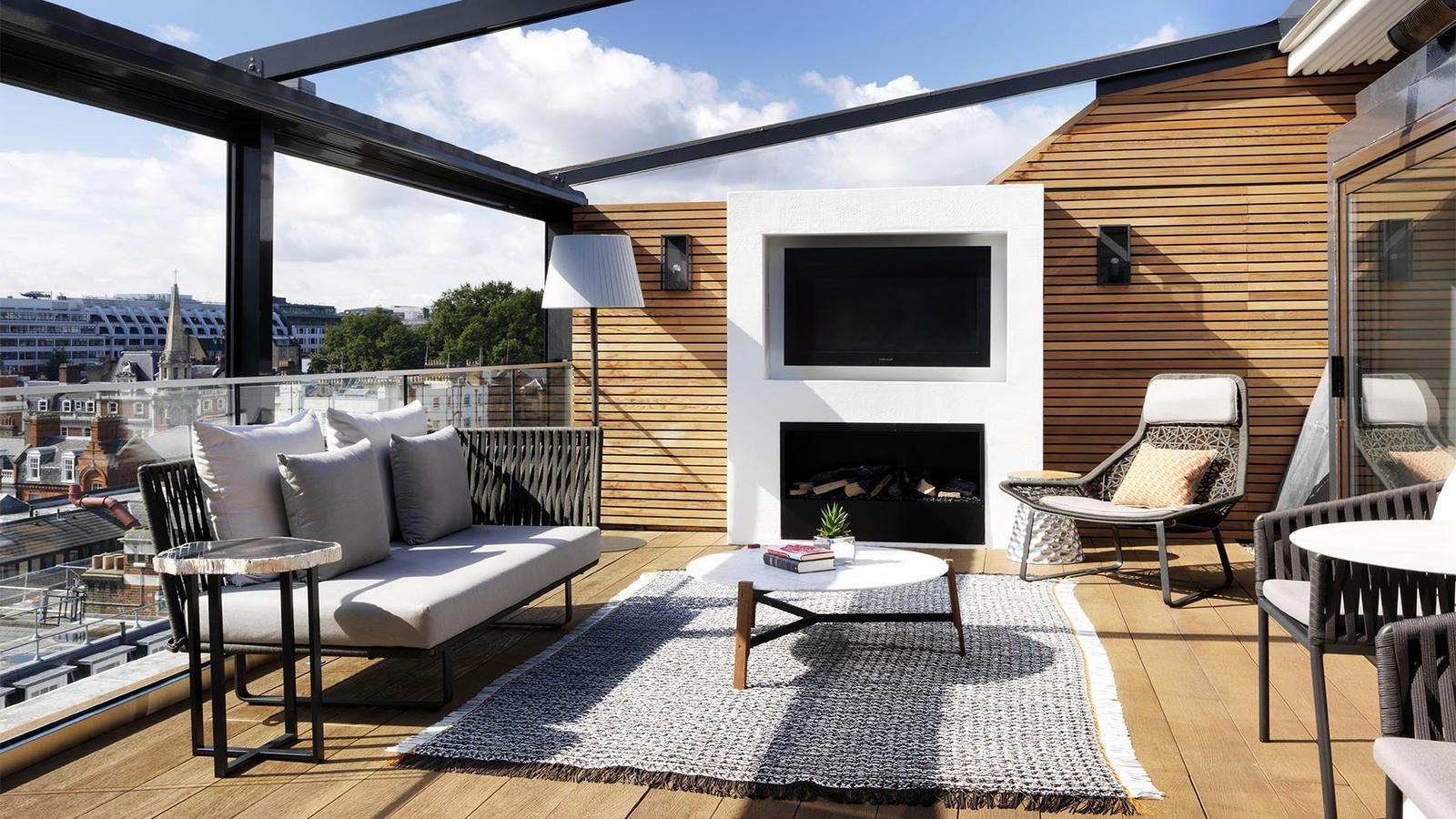
A Different Register of Central London
Marylebone's transformation from overlooked postal district to one of London's most self-contained neighbourhoods took roughly two decades. The stretch of boutiques, independent cafés, and Saturday farmers' markets along Marylebone High Street and its tributaries gave the area a character that neighbouring Mayfair — more transactional, more international in flavour — never quite managed to replicate. Hotels in this district tend to absorb that atmosphere or fight against it. The Marylebone, on Welbeck Street, absorbs it.
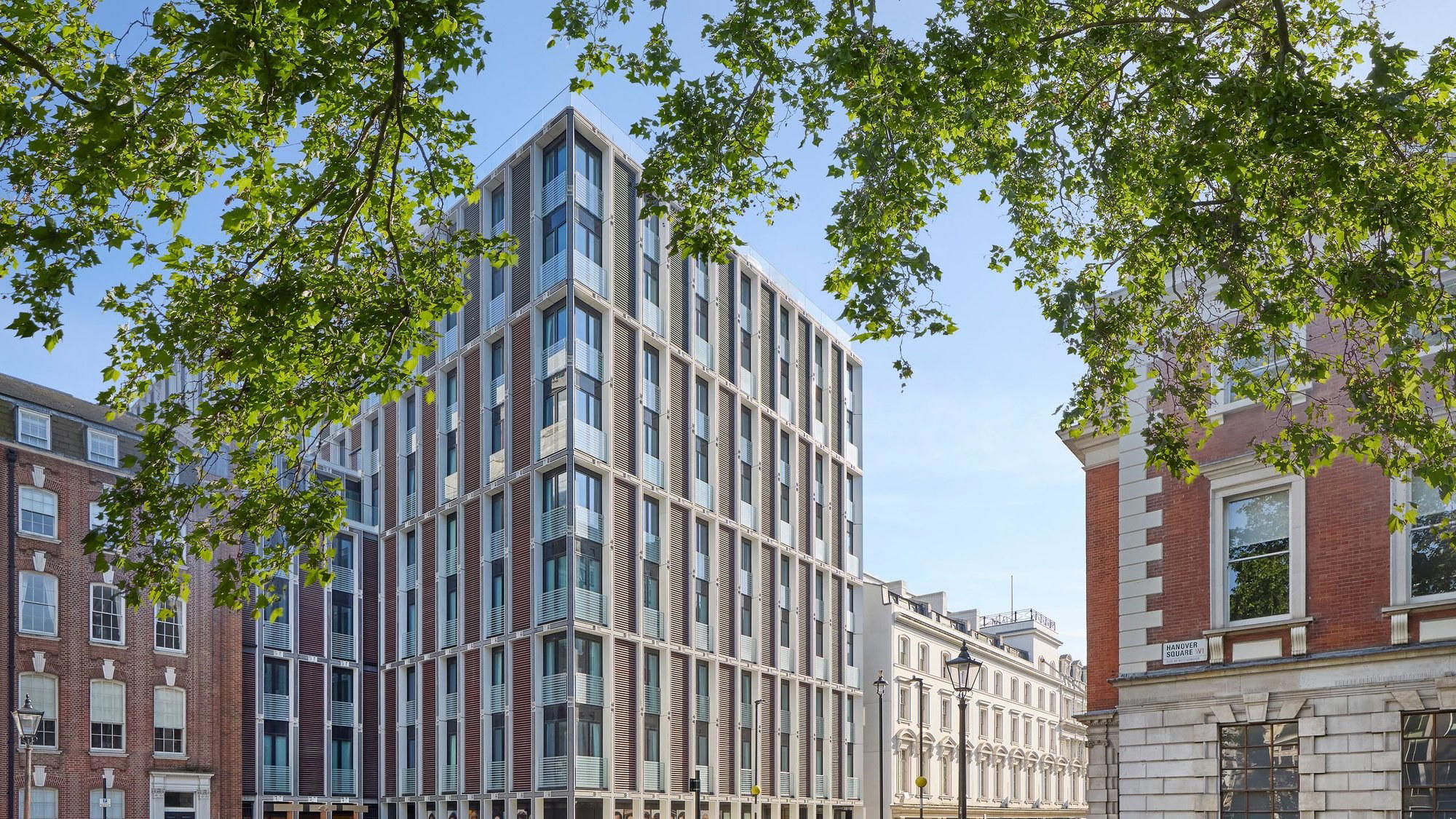
The property sits close enough to the retail and café strip to place guests in the middle of the neighbourhood's daily rhythm, yet far enough from the main arterials that the street-level experience reads as residential rather than commercial. That distinction matters in London, where many centrally located hotels surrender any sense of place the moment guests step outside. Here, the surrounding built environment does some of the work for the hotel: Georgian and late-Victorian townhouse architecture, ground floors occupied by specialists rather than chains, and a pedestrian scale that slows things down considerably relative to the West End ten minutes south.
The Physical Case: Architecture and Interior Logic
Design-led boutique hotels in London have proliferated since the early 2000s, splitting broadly between those that treat the building as backdrop and those that treat it as argument. The properties that tend to hold up over time are the ones where interior decisions connect legibly to the surrounding urban fabric, rather than imposing a concept imported wholesale from another context.
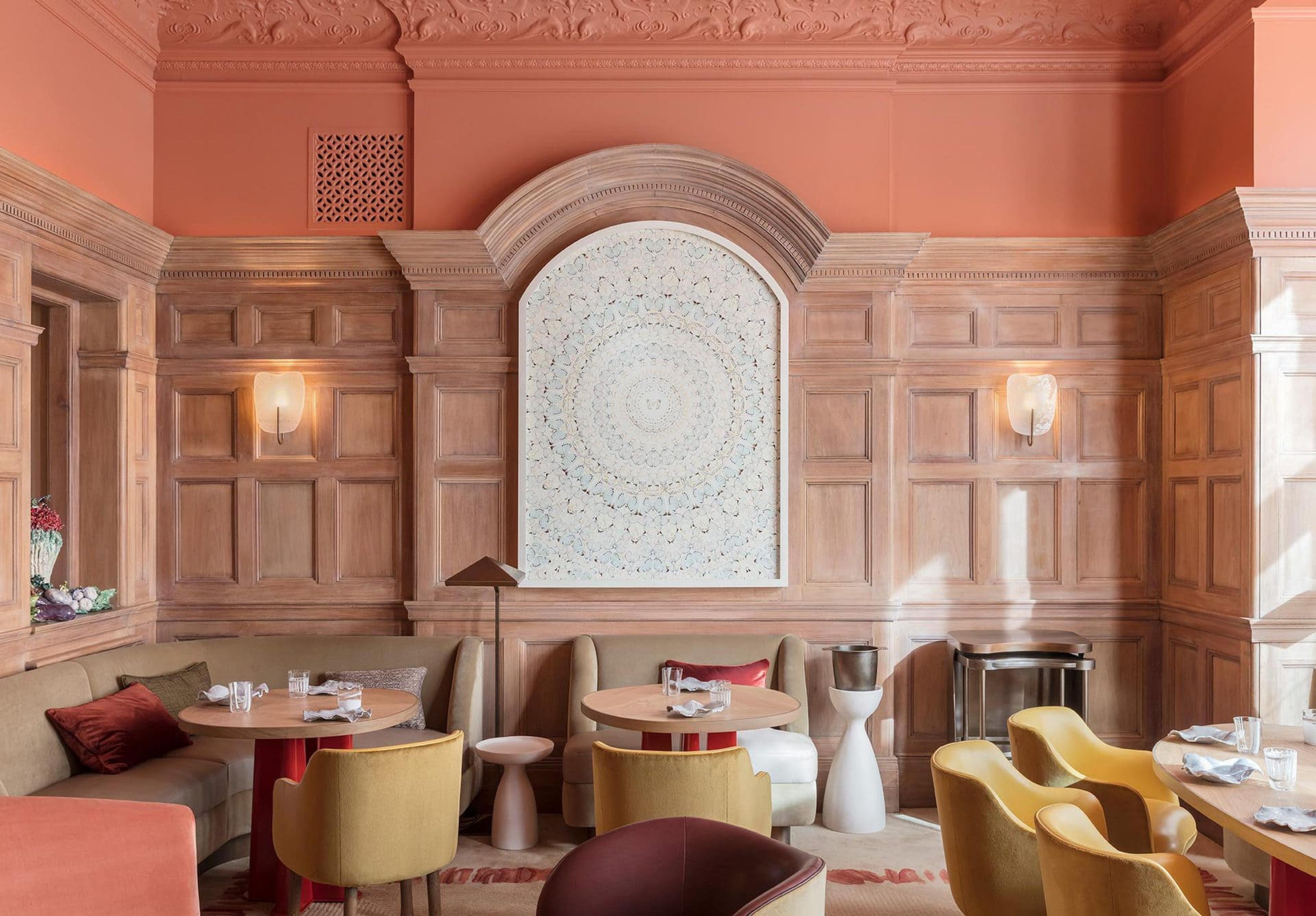
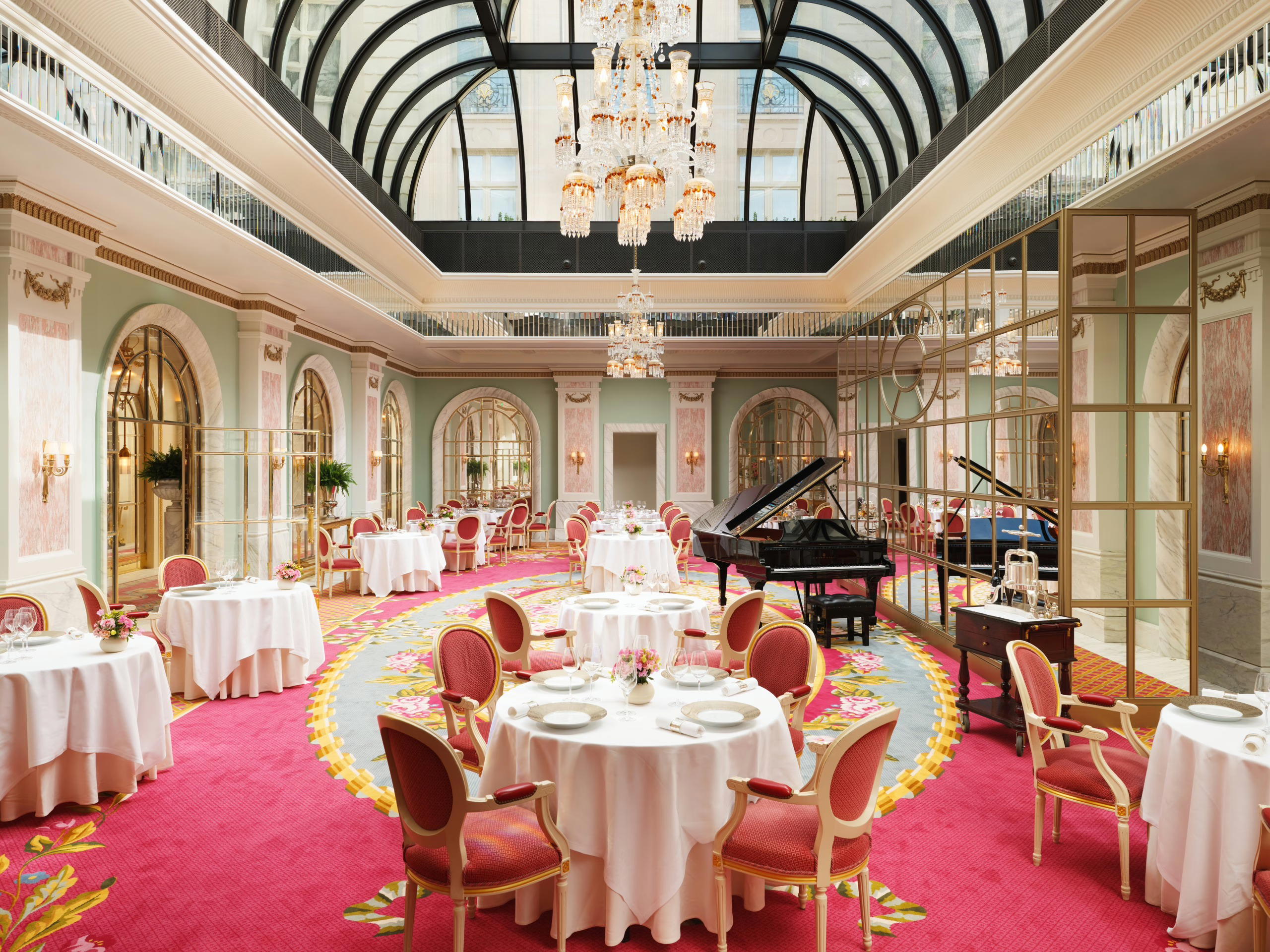
At The Marylebone, the building's character sets a ceiling on the kind of experience the hotel can credibly offer, and the property appears to work within that ceiling rather than against it. The scale is human rather than monumental. Where hotels like Claridge's or The Savoy derive authority from sheer grandeur, and newer arrivals like NoMad London or Raffles London at The OWO trade on architectural spectacle, The Marylebone occupies a quieter register: the kind of hotel where the design earns attention through restraint and coherence rather than set-piece flourishes.
That positioning aligns it more closely with the neighbourhood's own aesthetic logic. Marylebone Village has never been about spectacle. It is a neighbourhood that rewards attention, the independent bookseller tucked between a pharmacy and a coffee shop, the Georgian terrace whose proportions only register properly at pavement level. An interior approach that mirrors that sensibility is a reasonable bet on longevity.
Wine Recognition in Context
The property's 2026 Star Wine List recognition is worth examining in context. Star Wine List, which assesses wine programs across hospitality venues globally, tends to recognise beverage operations that prioritise list depth, producer selection, or by-the-glass quality over simple volume. For a hotel of this scale and neighbourhood positioning, that kind of recognition signals investment in the food and beverage offer that extends beyond the minimum expected of the category.
London's hotel wine culture has historically been uneven. Trophy-list thinking, heavy allocations of blue-chip Bordeaux and Burgundy, priced to signal status rather than encourage drinking, dominated the major hotel dining rooms for a long time. The shift toward more considered, producer-focused lists has been gradual, driven partly by independent restaurants pulling the standard upward and partly by a new cohort of hotel beverage directors who came up through that independent restaurant culture. A Star Wine List citation in 2026 puts The Marylebone inside that more considered bracket. For guests who treat the hotel wine list as part of the stay rather than an afterthought, that distinction is material.
Neighbourhood as Extended Amenity
The case for staying in Marylebone rather than Mayfair, Soho, or the South Bank rests largely on what the neighbourhood itself offers at ground level. Marylebone High Street and the surrounding blocks give guests immediate access to a concentration of independent retail and dining that most London hotel addresses can't match within walking distance. The Saturday farmers' market at Cramer Street car park, a short walk from Welbeck Street, runs year-round and represents one of the more serious food markets operating in central London.
For transport, the area connects easily: Baker Street, Bond Street, and Regent's Park underground stations are all within walking range, giving access to multiple lines without requiring the kind of cross-platform manoeuvring that defines travel from less well-positioned addresses. Heathrow via the Elizabeth line is accessible from Bond Street without changing trains. That logistical ease is underappreciated in Marylebone relative to how heavily it features in the hotel marketing for properties further east or south.
Guests looking for comparable neighbourhood-integrated stays elsewhere in the UK might consider Estelle Manor in North Leigh or The Newt in Somerset in Castle Cary for a different register of that relationship between property and place. For Scottish equivalents where built environment and hotel character align, Gleneagles in Auchterarder operates at the upper end, while Burts Hotel in Melrose represents the more intimate version of the same idea.
How It Compares
Within London's mid-to-upper hotel tier, the competitive set for The Marylebone is not the grand-hotel category occupied by The Connaught or Raffles London at The OWO, nor the design-statement end represented by The Emory or 1 Hotel Mayfair. The relevant comparison set is boutique properties where neighbourhood integration and a quieter operational philosophy justify the address. 11 Cadogan Gardens in Chelsea operates a similar logic from a different London village context. What differentiates The Marylebone is the specific character of the Marylebone neighbourhood itself, which has accumulated a density of independent operators and a residential coherence that is harder to find in Chelsea or Kensington at the same price point.
For those using London as a base before travelling further, the property's proximity to Marylebone station also adds practical value: direct trains to Lime Wood in Lyndhurst territory are accessible via Marylebone's connections into Hampshire and the New Forest corridor. Our full London restaurants guide covers the wider dining context across the city's neighbourhoods.
Know Before You Go
- Address: 47 Welbeck Street, London W1G 8DN
- Awards: Star Wine List (2026)
- Nearest Tube: Bond Street (Central/Jubilee), Baker Street (multiple lines), Regent's Park (Batten), all within walking distance
- Neighbourhood: Marylebone Village, W1, independent retail, farmers' market (Saturday, year-round), Georgian and late-Victorian street fabric
- Heathrow: Elizabeth line from Bond Street, direct, no change required
- Booking: Contact the property directly for current availability and room categories
Awards and Standing
Comparable venues nearby, for context on price, style, and recognition.
| Venue | Cuisine | Price | Awards | Notes |
|---|---|---|---|---|
| The MaryleboneThis venue (the venue you are viewing) | Stylishly designed luxury hotel blending modern comfort with central London elegance. | Not listed | Michelin Selected · Star Wine List | Not listed |
| JW Marriott Grosvenor House London | Historic luxury landmark in Mayfair with modern upgrades | Not listed | Forbes Recommended | Mayfair |
| Conrad London St. James | Contemporary luxury within a historic 19th-century heritage building, blending midcentury-inspired design with modern amenities in a Westminster location. | $300–500 | Star Wine List · Forbes Recommended | Westminster |
| The Lalit London | Historic luxury boutique in a converted school building | Not listed | Michelin Selected · Forbes Recommended | Borough |
| The Ampersand Hotel | Contemporary luxury boutique hotel blending Victorian heritage architecture with 21st-century design and whimsical theming. | $300–500 | Michelin Selected · Mr & Mrs Smith Seal of Approval | South Kensington |
| The Dorchester, Dorchester Collection | grand luxury hotel with English residential elegance and Art Deco heritage | Not listed | 2 Michelin Keys · La Liste Top Hotels | Mayfair |
Recognition history
Dated appearances from independent guides and award organizations, with the underlying list record or original source where available.
Michelin Selected
Michelin
Star Wine List
Star Wine List
Continue exploring
More in London
Hotels in London
All hotels in London →
Bars in London
All bars in London →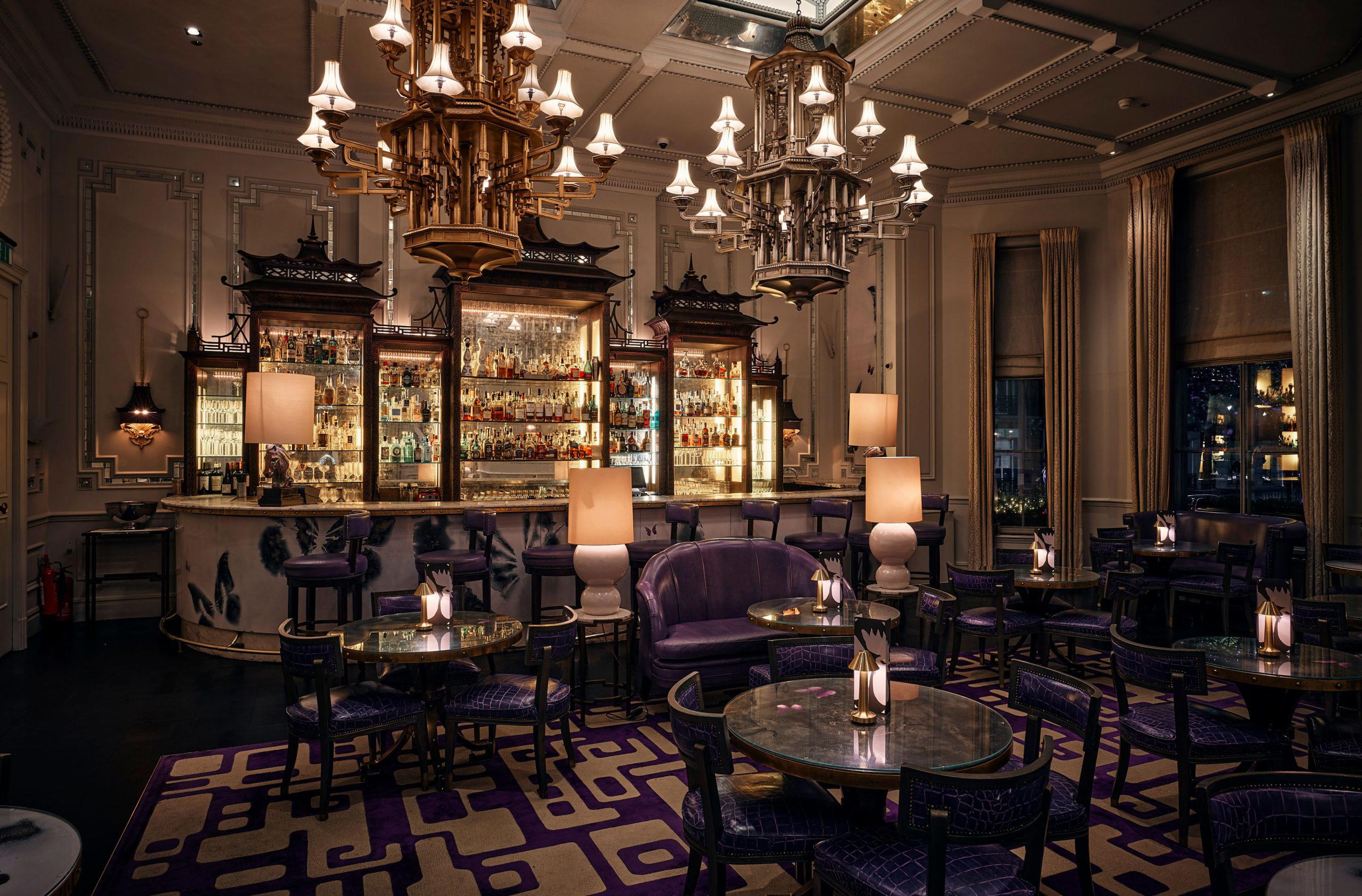



Details
- Elegant
- Sophisticated
- Modern
- Romantic Getaway
- Business Trip
- Weekend Escape
- Rooftop Pool
- Historic Building
- Wi Fi
- Pool
- Spa
- Fitness Center
- Room Service
- Concierge
- Business Center
- Wheelchair Accessible
- Elevator
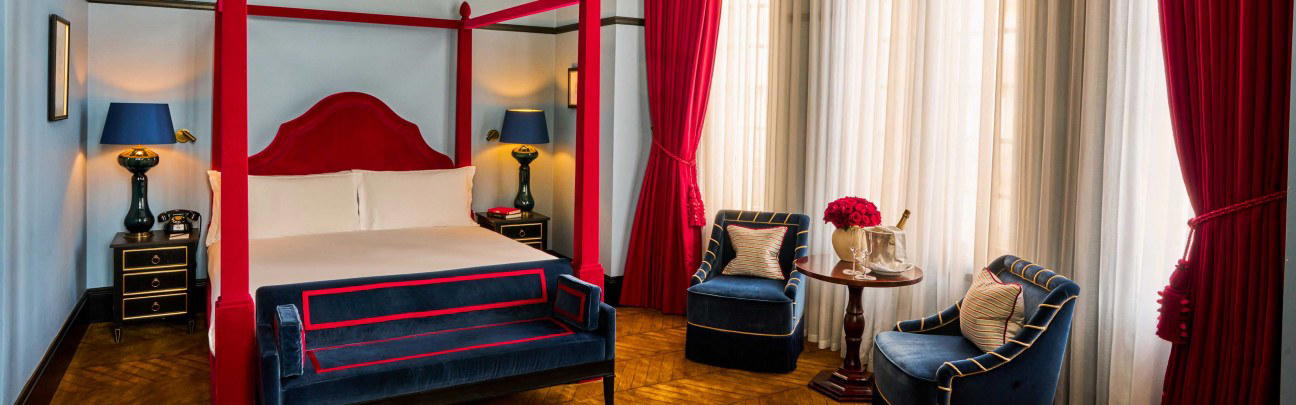
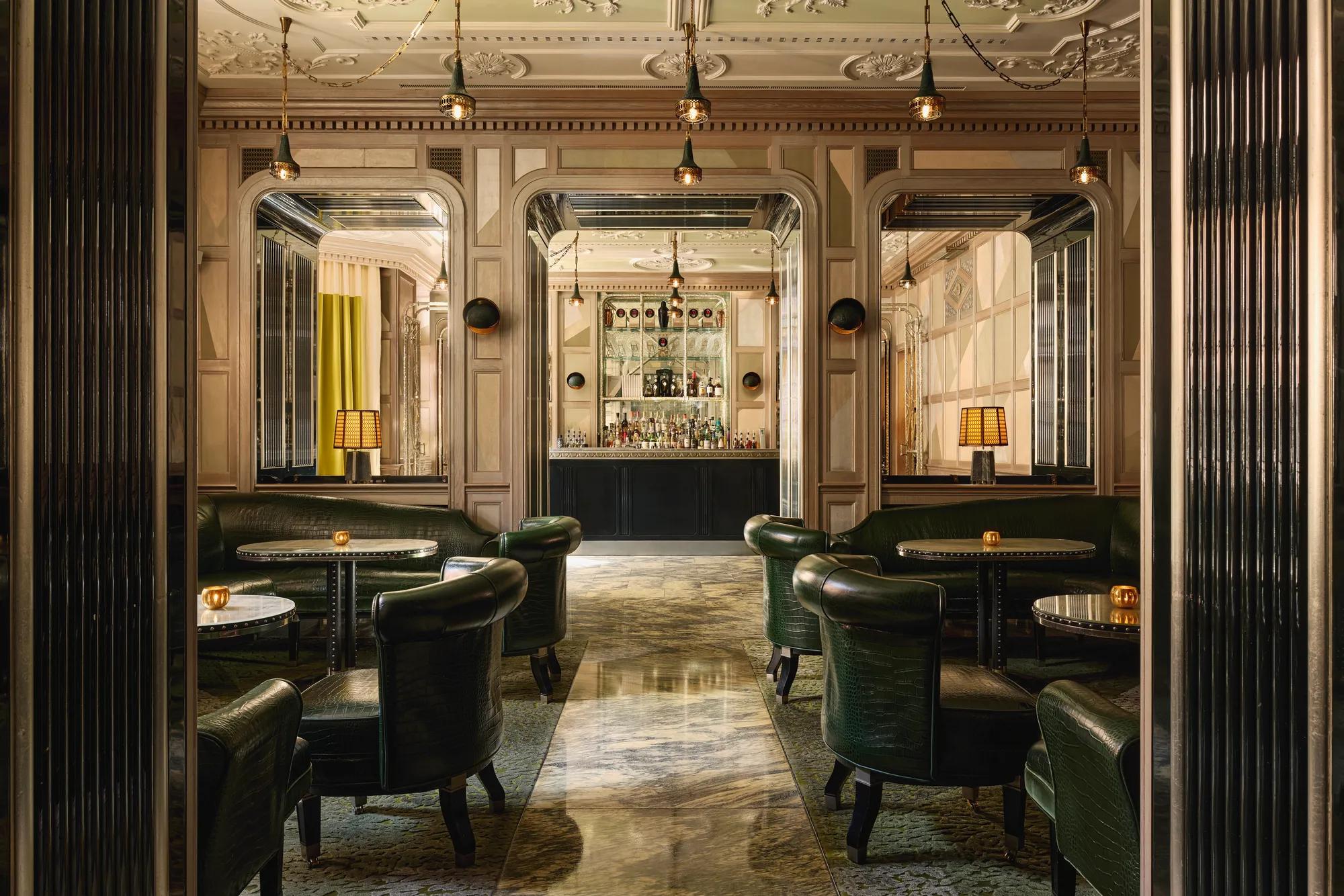
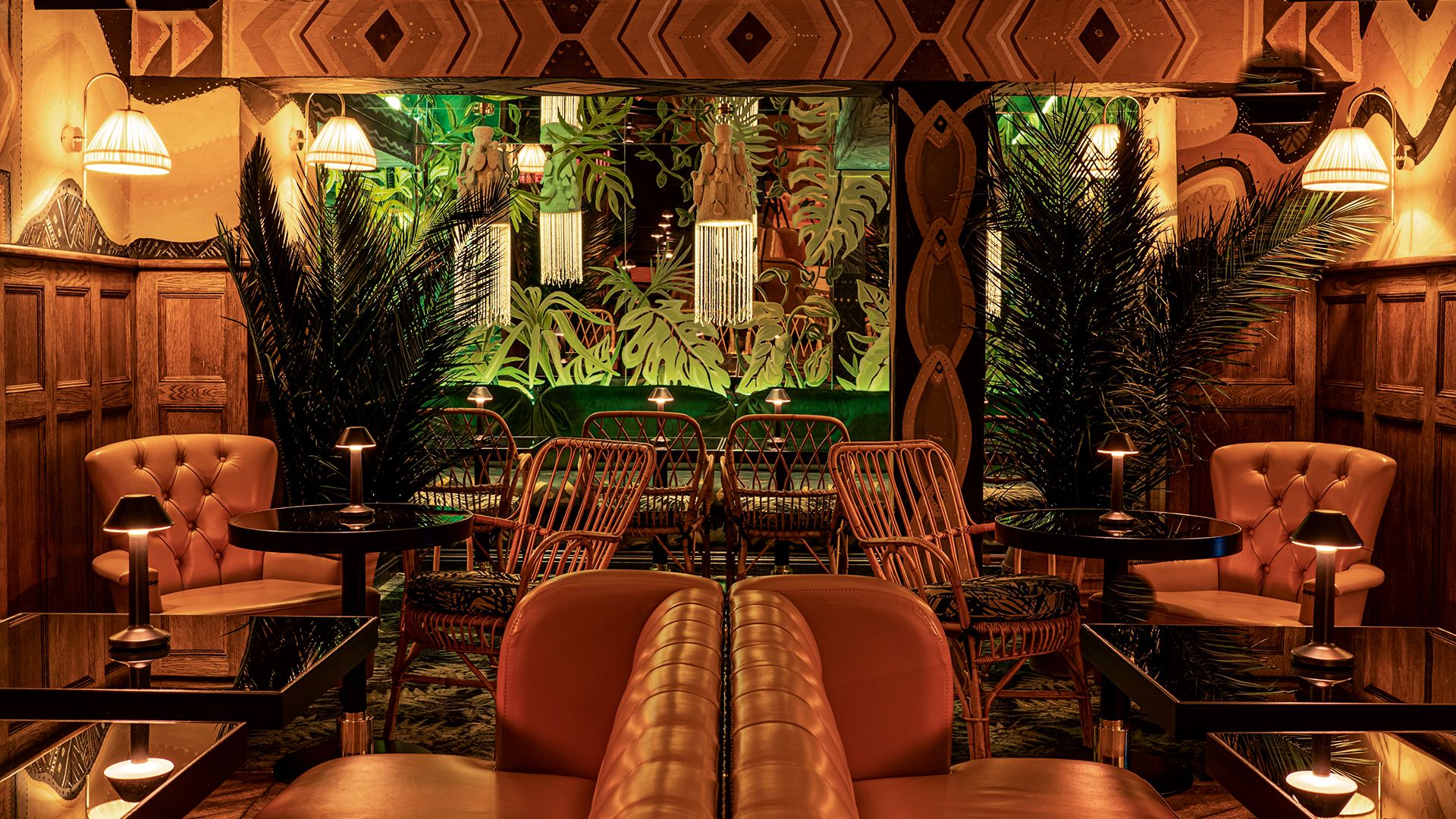
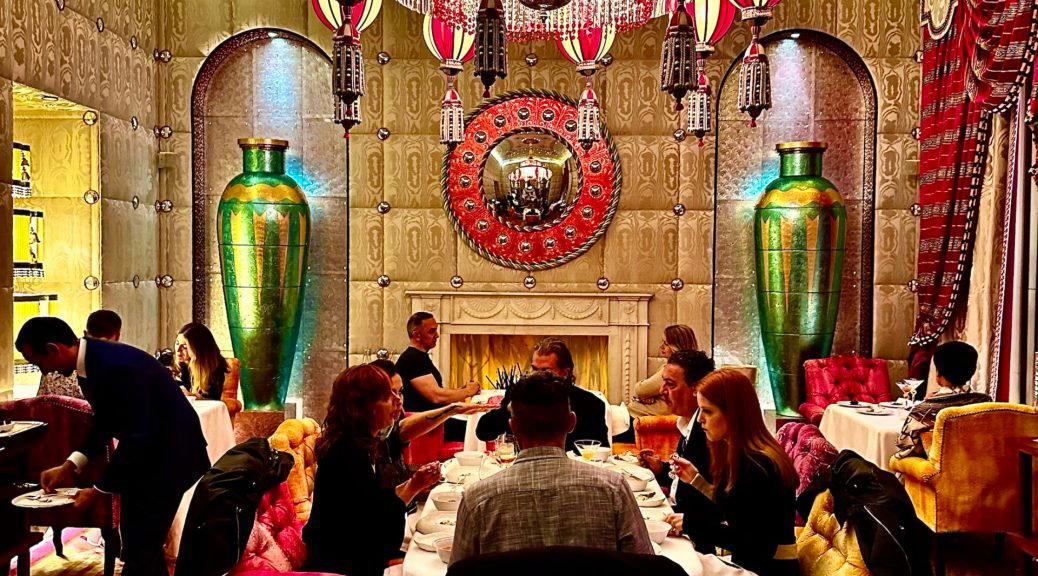
Contemporary glamour with a mosaic-embellished lobby, art-deco cocktail bar featuring inviting nooks, and soundproofed rooms ensuring a quiet retreat amid central London vibrancy.