The Lovat, Loch Ness

Michelin Selected
Selected by the Michelin Guide Hotels 2025, The Lovat sits at the southern end of Loch Ness in Fort Augustus, occupying an Edwardian country house that frames the loch's shifting light rather than competing with it. The property belongs to a smaller tier of independently scaled Highland retreats where atmosphere and architectural character do more work than brand infrastructure. For travellers positioning the Great Glen, it is a considered base rather than an incidental stop.

Pearl is the En Primeur Club membership app, where members save venues, book tables and use the concierge.
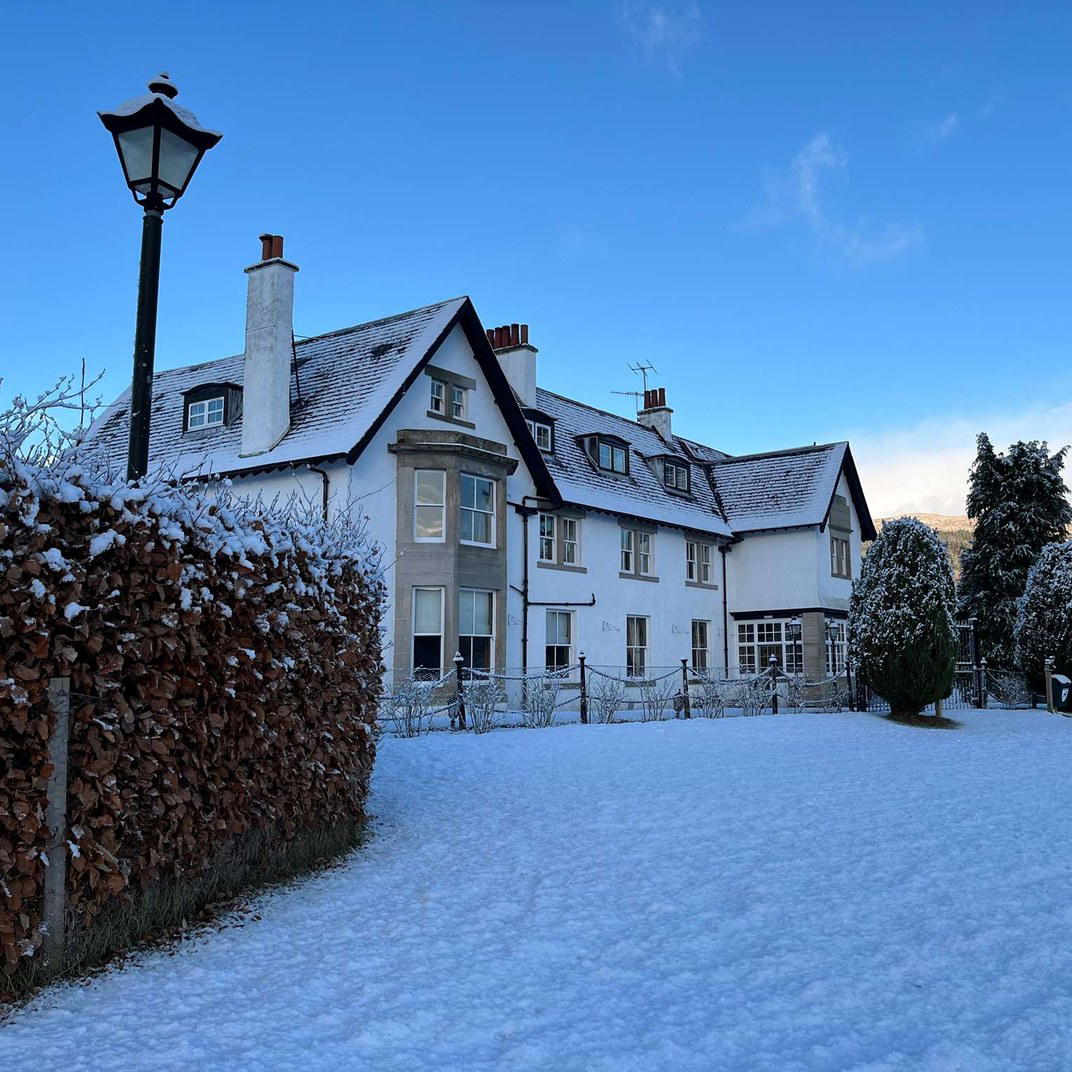
An Edwardian Frame Around Water and Mountain
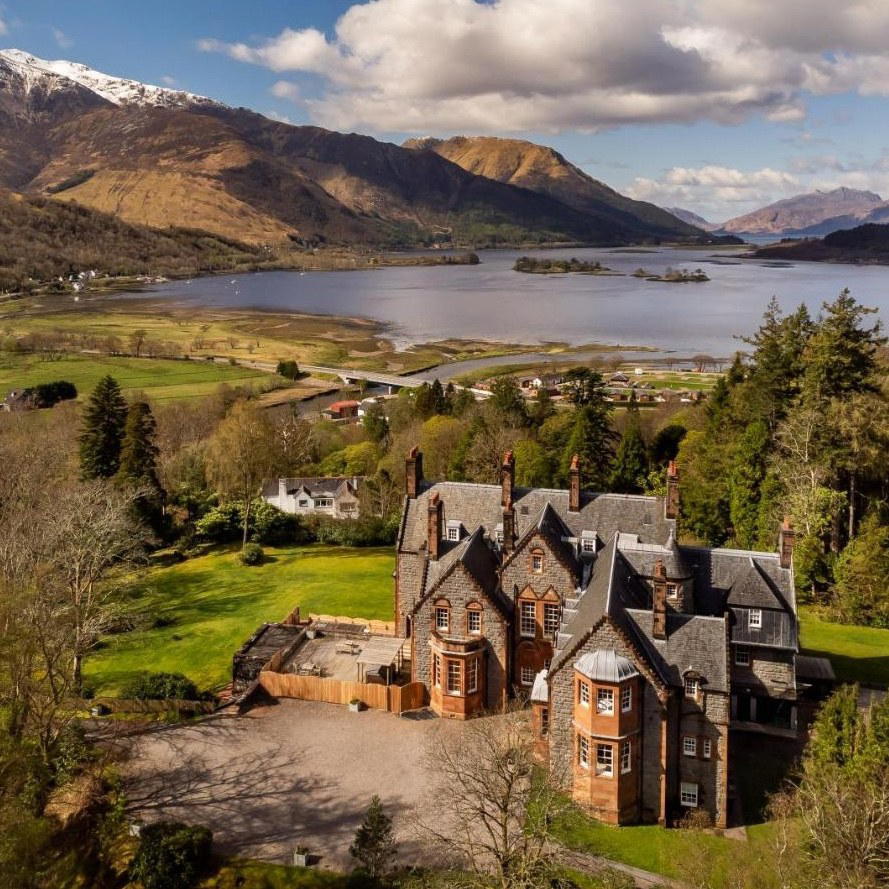
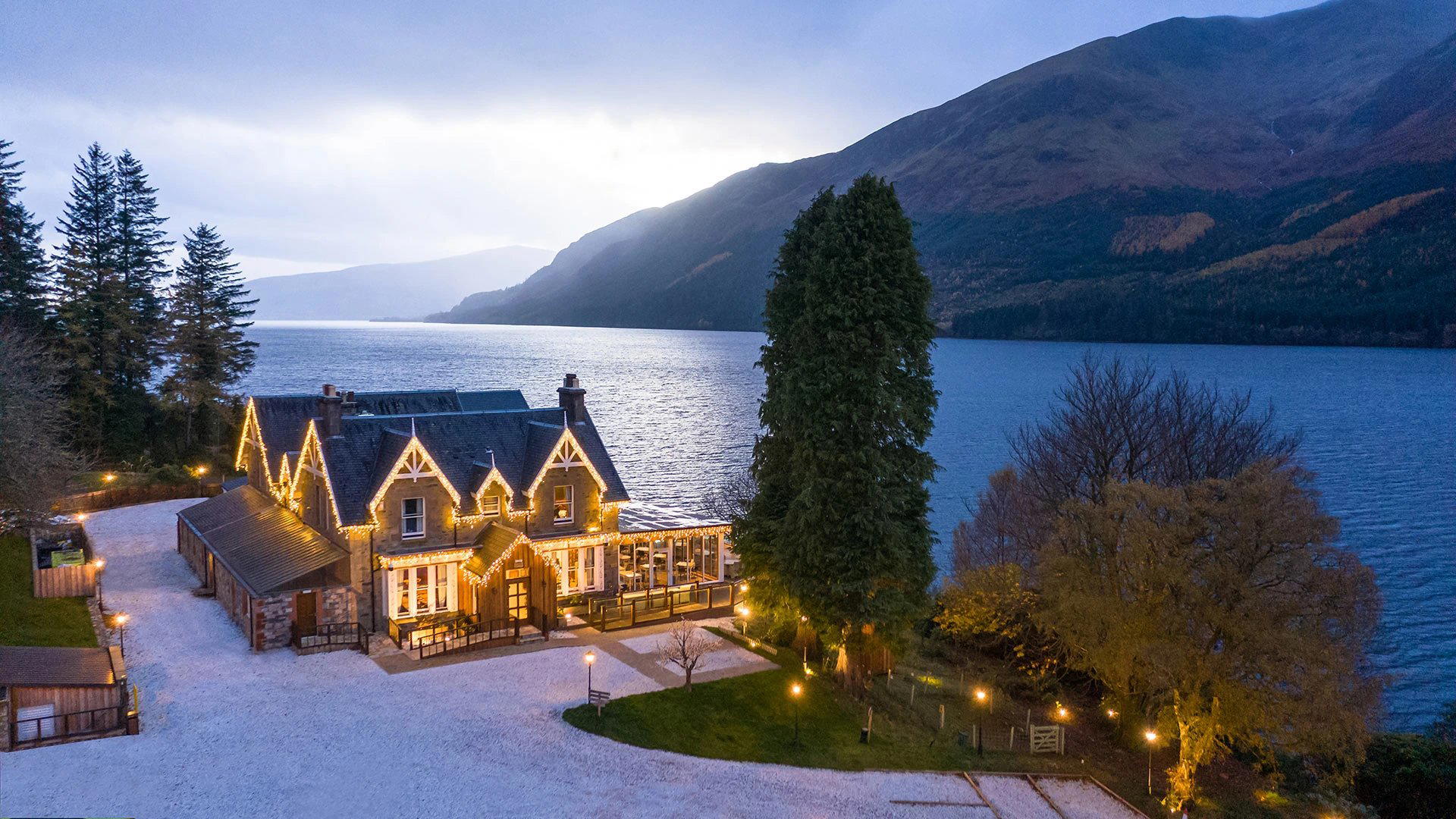
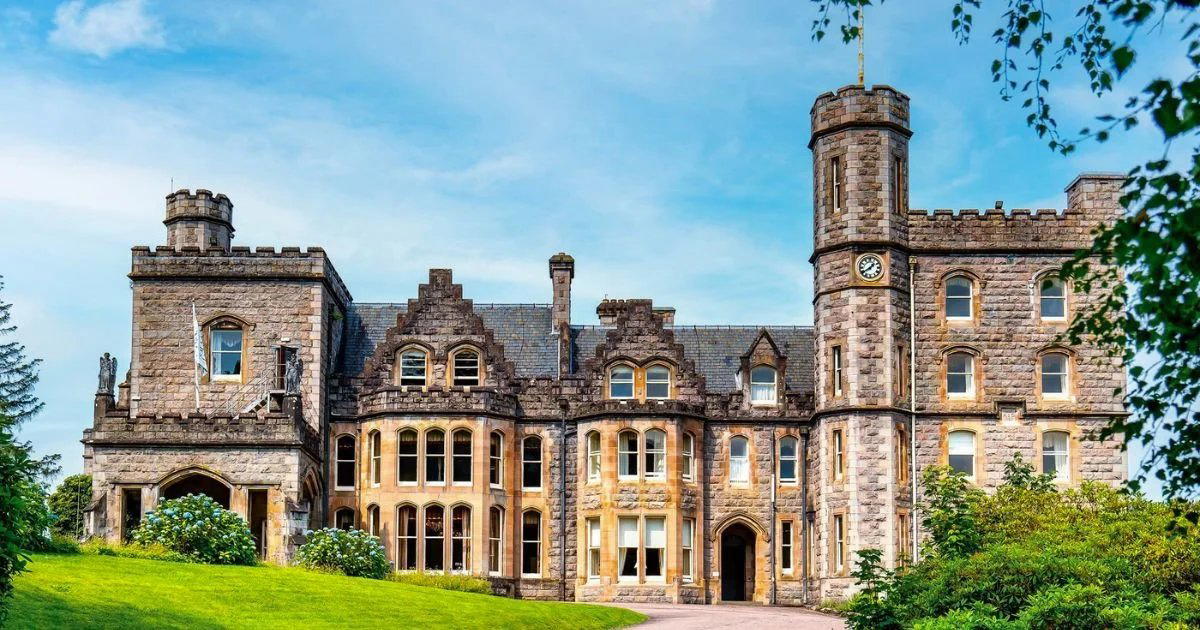
The approach to Fort Augustus along the A82 offers one of the more arresting arrivals in the Scottish Highlands: Loch Ness narrows here where the River Oich feeds into it, and the village sits at the junction of five radial glens. The Lovat occupies this geography deliberately. The building is Edwardian country house in character, a form that was designed for the exact business of framing Highland scenery without over-engineering it. Large windows, stone walls, the proportions of a house that predates the era of purpose-built hotel blocks, these are not incidental aesthetic choices. They are structural ones, and they shape how a guest experiences the surrounding water and ridgeline from inside the property.
In the broader pattern of Highland accommodation, properties of this type sit in a distinct cohort: independently scaled, architecturally rooted in their period, and positioned against a landscape rather than a town centre. Kilchoan Estate in Inverie represents the more remote end of that spectrum, where access itself becomes part of the product. The Lovat occupies a more reachable position while maintaining the same fundamental argument: that the physical environment is the primary experience, and the building's job is to mediate between guest and place.
What Michelin Selection Signals at This Scale
The Lovat's inclusion in the Michelin Selected Hotels 2025 guide places it in a category defined by consistent quality relative to category and context, rather than the starred hierarchy used for restaurants. In Scottish Highland terms, that designation matters because the regional pool is genuinely varied: it runs from large resort estates like Gleneagles in Auchterarder, with its full leisure infrastructure and multiple dining formats, down to guesthouses with four rooms and a communal sitting room. Michelin selection at the independent country house level signals that the property holds a standard of finish, hospitality, and coherence that distinguishes it within the mid-tier of that range. It is not the same validation as a castle resort with a brigade kitchen and spa complex, but it is also not competing for that position.
For context, properties in comparable categories across the UK, such as Farlam Hall Hotel and Restaurant in the Lake District or Longueville Manor in Jersey, demonstrate how independently owned country houses with a strong sense of place tend to earn recognition through consistency and character rather than scale. The Lovat reads inside that same logic.
The Design Argument: Period Architecture as Strategy
Edwardian country houses were built to a set of assumptions about the relationship between interior and landscape that most contemporary hotel architecture has discarded. Rooms sat deep enough in plan to feel sheltered, but corridors and principal rooms were arranged to channel views toward water or gardens. Public rooms were proportioned for sociability without requiring large numbers to animate them, a sitting room with six guests and an open fire operates at the same social temperature as one with twenty. These structural qualities make Edwardian buildings well suited to the kind of low-key, high-character Highland stay that has become a genuine niche in the UK luxury travel market.
That niche now sits between the large-footprint resort and the truly remote wilderness lodge. Langass Lodge in the Western Isles represents the stripped-back end of that range. Properties like Crossbasket Castle in High Blantyre show how Scottish period buildings can carry a more formal register. The Lovat's Edwardian base keeps it in a middle register: architectural personality without the formality of a castle, and genuine character without the austerity of a remote lodge.
Fort Augustus as a Destination, Not Just a Gateway
Fort Augustus is frequently treated as a pass-through point on the Great Glen route between Inverness and Fort William. The canal locks at the village centre pull coach tours briefly, and most visitors move on within an hour. Staying rather than passing changes the calculation considerably. The village sits at the convergence of Loch Ness, Loch Oich, and the Caledonian Canal, which means the water-to-land ratio of the immediate environment is unusually high for an inland Scottish settlement. Early mornings and evenings, when day-trippers have cleared, have a different character entirely.
For reference on how the broader Highland hotel market prices this kind of experience, the range across Michelin-selected properties in comparable Scottish settings suggests significant variability based on room type and season. The Lovat's Fort Augustus address places it at a remove from the premium Inverness and Speyside markets. Guests exploring the whisky corridor further east might cross-reference against Whisky Lodges at Coleburn in Longmorn for a different angle on Highland accommodation at that price tier. Those prioritising Edinburgh as a hub before or after a Highland circuit might consider The Rutland in Edinburgh or Hotel du Vin at One Devonshire Gardens in Glasgow as urban bookends.
For those building a longer UK itinerary that takes in properties across different scales and regions, the contrast between The Lovat's Highland register and something like The Newt in Somerset or Lime Wood in Lyndhurst is instructive. Both of those southern English properties operate with considerably more programmatic depth, more dining options, and broader estate infrastructure. The Lovat argues from a different position: landscape primacy, architectural sincerity, and a setting that the property did not build but occupies intelligently. See our full Fort Augustus guide for additional context on the area.
Planning Your Stay
Fort Augustus sits roughly 35 miles southwest of Inverness, accessible via the A82 along the western shore of Loch Ness. Driving remains the practical choice for most visitors; the route from Inverness takes under an hour in clear conditions, though the A82 demands attention on its narrower sections. Seasonal timing matters: late spring through early autumn brings the most reliable light and the longest days, while autumn shifts the surrounding hills into colour that the building's windows frame effectively. Winter bookings exist but should be approached with realistic expectations about weather-dependent activities in the Great Glen. Direct enquiries through the property's own channels are advisable for current availability and rate structure, as independent properties at this scale tend not to discount heavily through third-party platforms.
A Quick Peer Check
Comparable venues nearby, for context on price, style, and recognition.
| Venue | Cuisine | Price | Awards | Notes |
|---|---|---|---|---|
| The Lovat, Loch NessThis venue (the venue you are viewing) | Family-run Victorian heritage hotel with modern updates | Not listed | Michelin Selected | Not listed |
| The Green House | Grade II listed Victorian villa with sustainable modern luxury | $200–300 | Michelin Selected | East Cliff |
| The Derby | Contemporary reimagined office building inspired by London's banking heritage and bowler hat iconography. | Not listed | Not listed | City of London |
| The Fellows House Cambridge, Curio Collection by Hilton | Luxury apartment-style hotel combining boutique hotel aesthetics with residential comfort, positioned as a home-away-from-home for extended and short stays. | $100–200 | Michelin Selected | Milton Road |
| The Bird | Contemporary luxury reimagining of a Victorian mansion with eclectic, artistic design elements and bird-themed decor throughout. | $100–200 | Michelin Selected · Mr & Mrs Smith Seal of Approval | Bathwick |
| The Webster | Lifestyle hotel emphasizing analogue experiences and cultural immersion | $300–500 | Not listed | Covent Garden |
Recognition history
Dated appearances from independent guides and award organizations, with the underlying list record or original source where available.
Michelin Selected
Michelin
Continue exploring
More in Fort Augustus
Hotels in Fort Augustus
All hotels in Fort Augustus →
Details
- Scenic
- Quiet
- Romantic
- Elegant
- Cozy
- Romantic Getaway
- Weekend Escape
- Anniversary
- Destination Wedding
- Family Vacation
- Historic Building
- Panoramic View
- Waterfront
- Private Dining
- Wi Fi
- Restaurant
- Bar
- Parking
- Garden
- Concierge
- Room Service
- Waterfront
- Mountain
- Wheelchair Accessible
- Accessible Parking
- Step Free Entrance
A calm, romantic, and scenic atmosphere with traditional Victorian character, log fires, soft lounges, and a tasteful blend of classic and contemporary design.