The Green House

Michelin Selected
Selected by the Michelin Guide Hotels 2025, The Green House in Bournemouth occupies a Victorian villa on Grove Road, positioning it within the smaller tier of design-conscious independent hotels on the south coast. Its inclusion in the Michelin selection places it alongside properties judged on character, comfort, and a distinctive sense of place rather than chain-hotel standardisation.

Pearl is the En Primeur Club membership app — saves, bookings, and concierge access live there. Same editors, same standards.
- Address
- 4 Grove Road, Bournemouth, UK
- Phone
- +44 01202 498900
- Directions
- Get directions
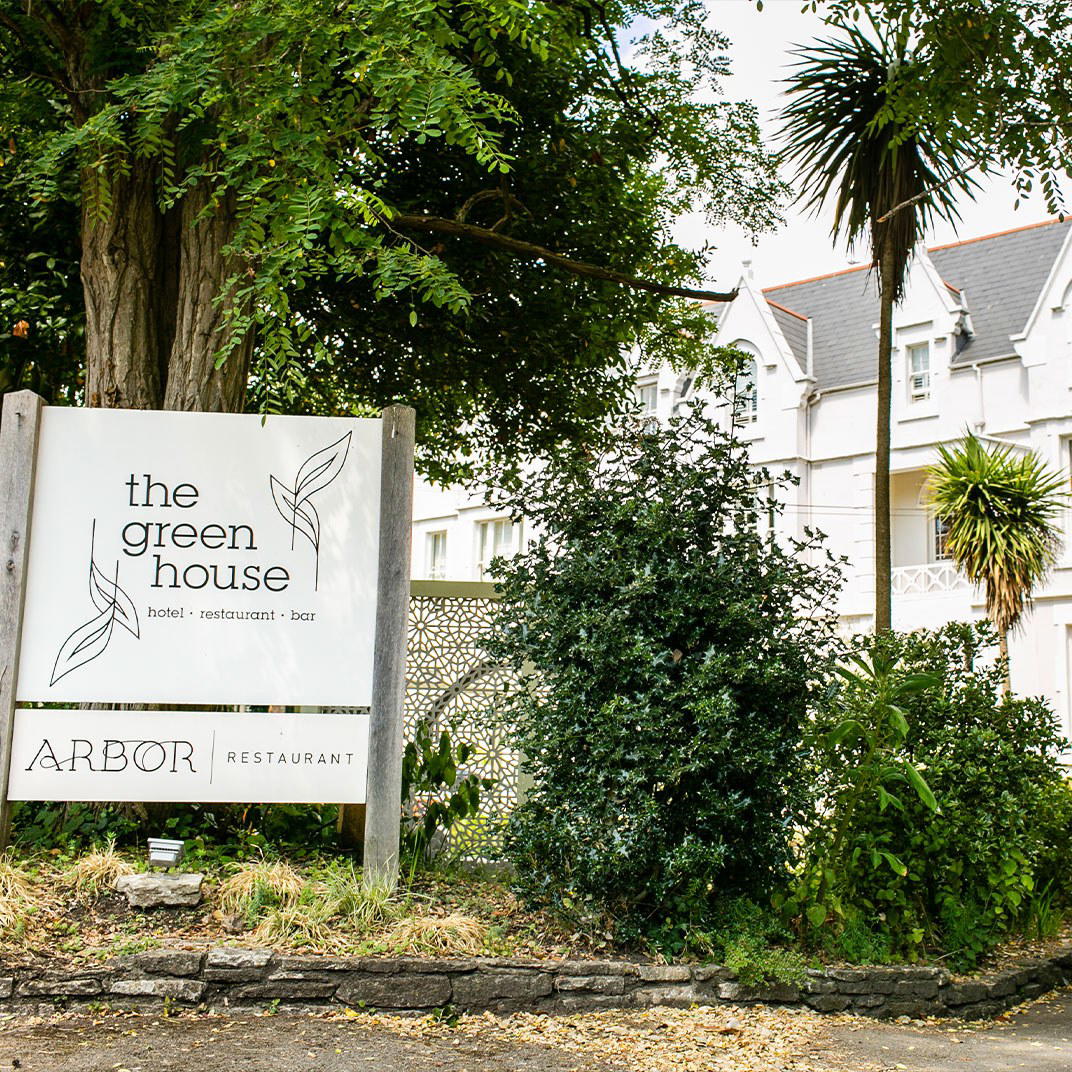
A Victorian Frame, A Contemporary Sensibility
Bournemouth's hotel stock divides fairly cleanly between large seafront blocks built for volume and a smaller set of independent properties that occupy Victorian and Edwardian villas further back from the promenade. The Green House sits in the latter group, on Grove Road in a residential pocket that feels removed from the town centre's busier corridors. Approaching it, the building reads as a period property that has been worked on rather than simply preserved: the architecture is late Victorian, the surrounding grounds retain a garden character, and the overall impression is of a house that takes its environmental identity seriously. That positioning, at the intersection of heritage structure and deliberate sustainability thinking, is increasingly common among the better independent hotels in southern England, where properties like The Newt in Somerset and Lime Wood in Lyndhurst have shown that ecological credentials and premium hospitality are not competing priorities.
What the Michelin Selection Means in Practice
The Green House holds a place in the Michelin Selected Hotels list for 2025, which is a meaningful credential worth unpacking. Michelin's hotel selection operates differently from its restaurant stars: properties are assessed on comfort, character, service, and the coherence of their identity rather than on a single chef's output. Inclusion at the Selected tier places The Green House in a curated tier of independently characterful hotels that Michelin considers worth the attention of travellers who care about where they sleep as much as where they eat. On the south coast of England, that puts it in a relatively small peer group. Properties like Longueville Manor in Jersey and Farlam Hall Hotel in the Lake District occupy similar positioning: period architecture, independent ownership, a clear environmental or curatorial point of view, and recognition from a named authority that filters out the generic.
For travellers using award signals as a proxy for quality, the Michelin Selected designation is a Tier A trust signal. It is not the same as a star, but it does mean the property has been assessed by inspectors operating to a consistent international standard, which is more than most hotel review aggregators can claim.
The Design Logic of a Sustainable Victorian Villa
The editorial angle that makes The Green House worth examining in detail is its design and environmental identity. Among the cohort of UK independent hotels that have built a sustainability platform into their physical identity, the interesting question is always how deeply that commitment runs through the architecture and guest experience versus sitting as surface-level branding. In the better examples, such as Estelle Manor in North Leigh or The Vineyard Hotel in Newbury, the physical space carries the identity of the property's values: materials, planting, light, and layout all reinforce a coherent point of view. The Green House's Victorian frame is itself a sustainability argument of a kind: adapting an existing structure rather than building new, working with period proportions rather than imposing modern footprint. The grounds and garden-facing aspects of the building reinforce that reading.
What distinguishes properties that hold the Michelin Selected designation in this architectural category is that inspectors are assessing the coherence of the guest experience across the whole property, not just the headline suite or the restaurant. That means the design decisions made in individual rooms, public spaces, and the approach to the building's setting all carry weight. For a Victorian villa in a residential Bournemouth street, the challenge is maintaining period character while delivering contemporary comfort standards, and the Michelin recognition suggests that balance has been achieved.
Bournemouth as a Hotel Destination
Bournemouth sits at an interesting moment in its hospitality story. For decades it operated primarily as a domestic beach resort, with hotel infrastructure built around seasonal volume rather than year-round premium travel. That picture has been changing as a generation of independent operators has moved into the town's older housing stock, converting villas into smaller hotels with more considered identities. The Green House is part of that pattern, and its Grove Road address places it in a quieter residential zone rather than the seafront strip, which is a deliberate positioning choice. Travellers looking for the full range of what Bournemouth's food and drink scene offers alongside their hotel stay can find more detail in our full Bournemouth restaurants guide.
For context on what the independent hotel tier looks like elsewhere on the south coast and beyond, The Nici in Bournemouth represents a different approach to the same market: a larger property with a more visible lifestyle positioning. Both sit in the same city but target slightly different traveller profiles, which is instructive about how the south coast premium hotel segment has fragmented from a single mass-market model into several distinct niches.
Planning a Stay
The Green House is at 4 Grove Road, Bournemouth. Bournemouth itself is well-connected by rail from London Waterloo, with journey times typically under two hours, and the Grove Road address is reachable from the station in a short taxi or rideshare. Given its Michelin Selected status and the growing profile of Bournemouth as a destination for weekend stays from London, booking in advance is advisable particularly across the summer season and over bank holiday weekends when the town's occupancy peaks. For travellers combining a south coast itinerary with properties elsewhere in England, Lime Wood in Lyndhurst sits within comfortable range to the northeast, in the New Forest, and makes a logical pairing for a multi-stop trip.
Those assembling a broader UK hotel itinerary around Michelin-recognised independent properties will find relevant comparisons in properties such as Oddfellows on the Park in Manchester, Hotel du Vin at One Devonshire Gardens in Glasgow, and Crossbasket Castle in High Blantyre, all of which occupy the characterful-independent tier at different points on the price and scale spectrum. At the international end of the comparison set, properties like The Savoy in London, Badrutt's Palace Hotel in St. Moritz, and Hôtel de Paris Monte-Carlo show where heritage architecture and institutional recognition converge at the top of the market, which helps calibrate what The Green House is doing at a different price point and scale.
Comparable Spots, Quickly
Comparable venues nearby, for context on price, style, and recognition.
| Venue | Cuisine | Price | Awards | Notes |
|---|---|---|---|---|
| The Green HouseThis venue — the venue you are viewing | Grade II listed Victorian villa with sustainable modern luxury | $200–300 | Michelin Selected | Not listed |
| The Nici | Laid-back luxury resort inspired by global hotspots like Miami. | $200–300 | Michelin Selected · Mr & Mrs Smith Seal of Approval | West Cliff |
| Whitworth Locke, Civic Quarter | Converted cotton mills into design-led aparthotel with co-working and social spaces | Not listed | Not listed | Piccadilly |
| Glasgow Grosvenor Hotel | Historic Victorian and Edwardian architecture with Venetian style | $100–200 | Not listed | Partick East/Kelvindale |
| Hotel du Vin Exeter | Contemporary luxury boutique hotel housed in a restored Victorian-era former Eye Infirmary, blending historic architecture with modern design. | $100–200 | Michelin Selected | Cathedral Green |
| Buckland Manor | Historic country house hotel retaining medieval charm with contemporary luxury amenities and refined service. | $300–500 | Michelin Selected · Relais Chateaux Award | Buckland |
Recognition history
Dated appearances from independent guides and award organizations, with the underlying list record or original source where available.
Michelin Selected
Michelin
Continue exploring
More in Bournemouth
Hotels in Bournemouth
Browse all →
Bars in Bournemouth
Browse all →

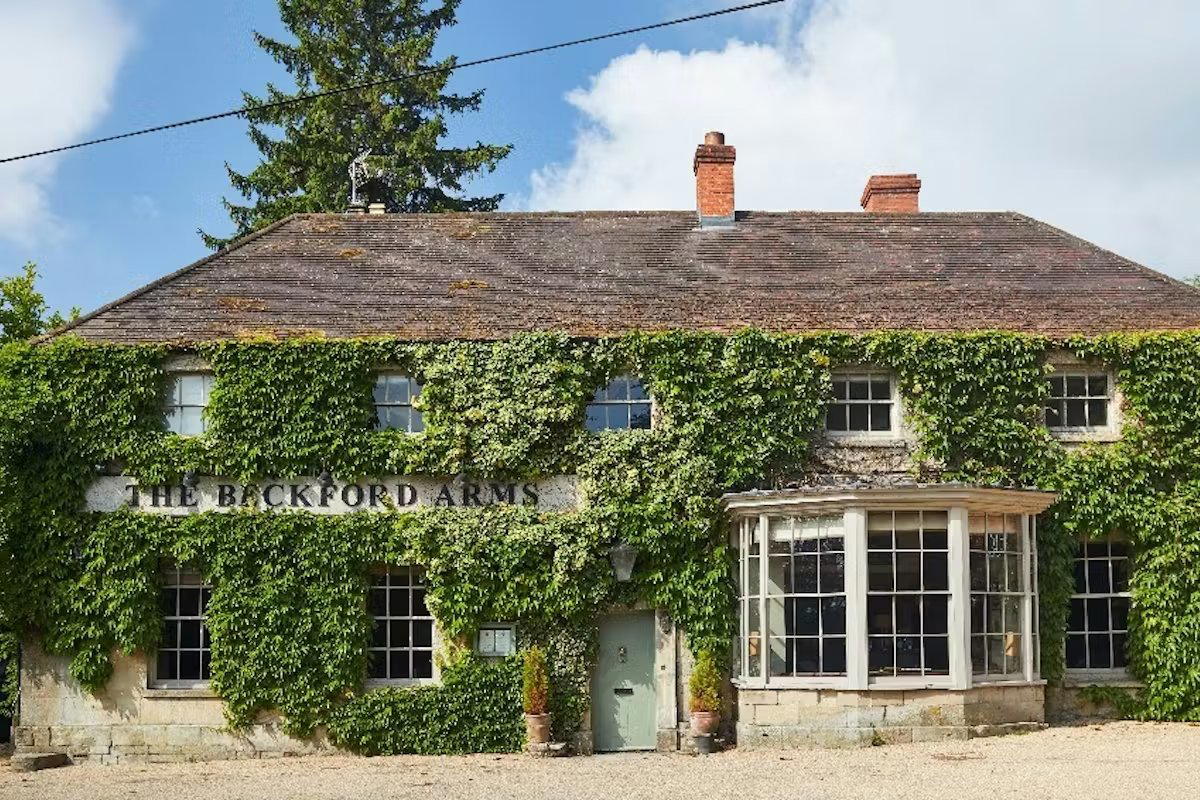

Restaurants in Bournemouth
Browse all →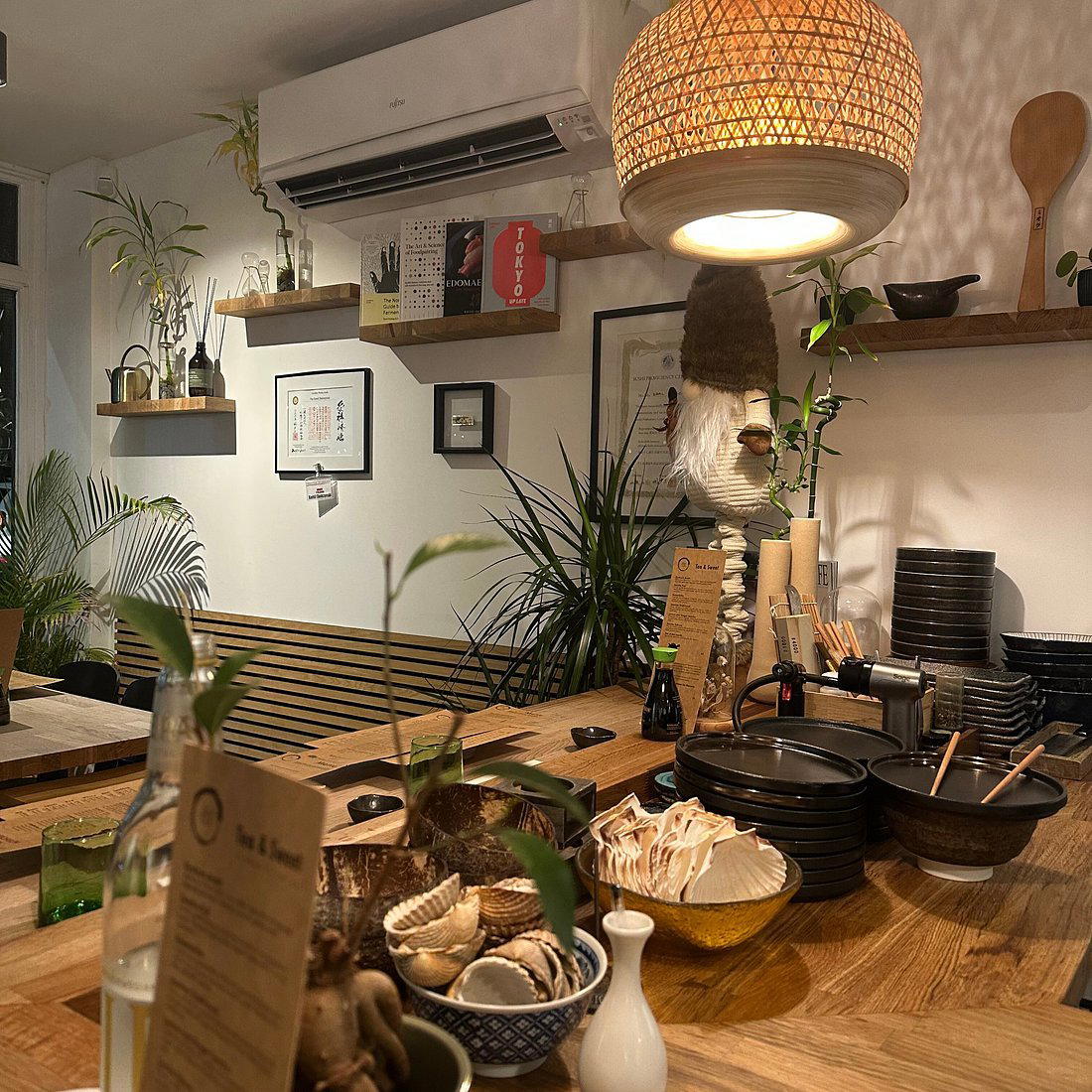
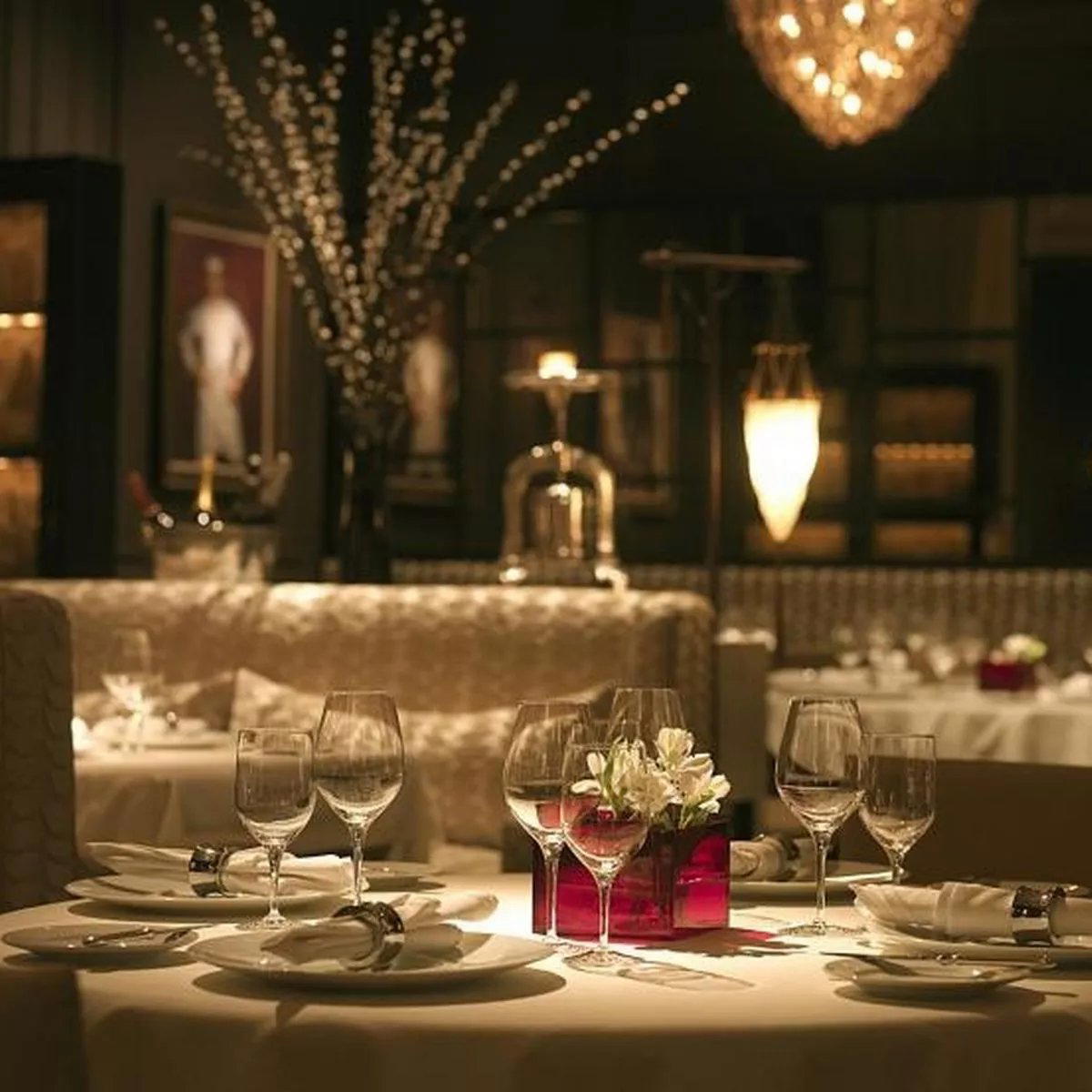
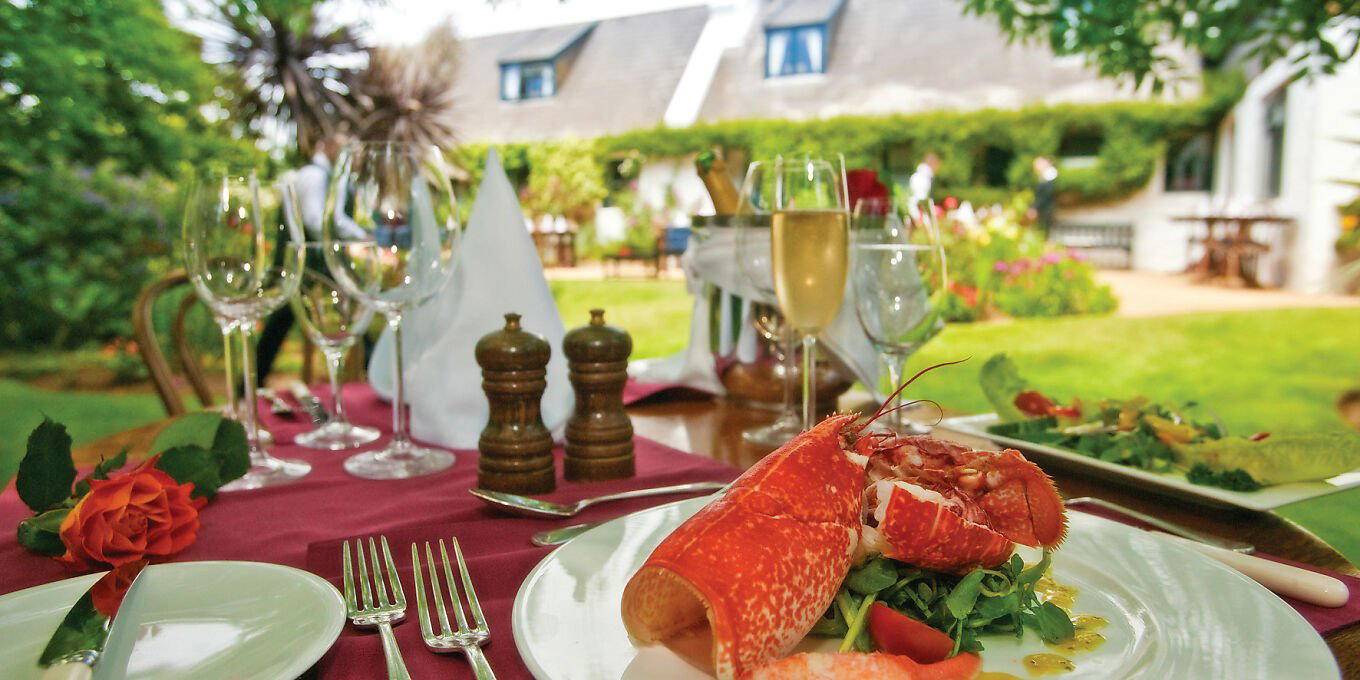
Wineries in Bournemouth
Browse all →
Details
- Modern
- Elegant
- Cozy
- Scenic
- Romantic Getaway
- Weekend Escape
- Celebration
- Garden
- Historic Building
- Wi Fi
- Restaurant
- Bar
- Garden
- Beach Access
- EV Charging
- Garden
- Waterfront
- Wheelchair Accessible
- Elevator
- Accessible Restroom
Inviting and peaceful atmosphere with lush gardens, modern understated decor, and a quiet trendy vibe praised for cleanliness and comfort.