The Grand Luang Prabang Affiliated by Melia

World Luxury Hotel Awards WLHA Country Winner
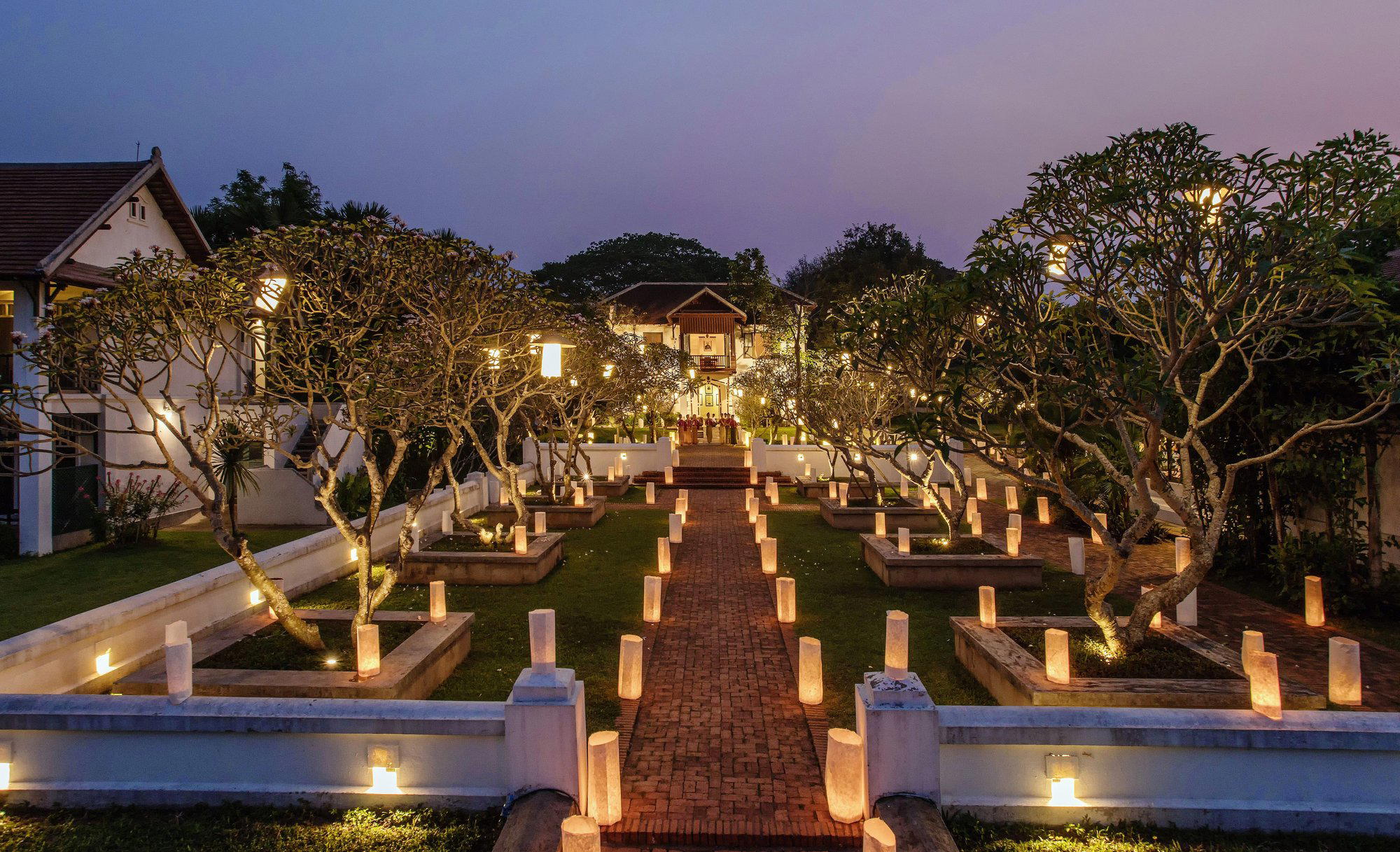
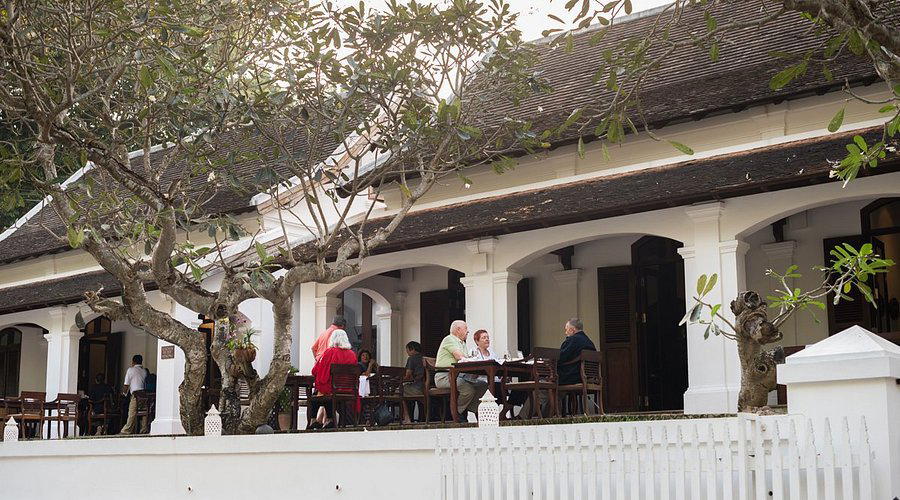
A Regional Winner for Luxury Historical Hotel and Country Winner for Best General Manager, The Grand Luang Prabang Affiliated by Melia sits inside a former royal-era property on the banks of the Mekong. The property occupies Luang Prabang's upper tier of historically grounded accommodation, where colonial architecture and UNESCO-protected surroundings set the physical register before you step through the door.

Pearl is the En Primeur Club membership app — saves, bookings, and concierge access live there. Same editors, same standards.
Where the Mekong Sets the Tempo
There is a specific quality of light in Luang Prabang in the early morning, when saffron-robed monks move silently along the main street for the tak bat alms ceremony and the Mekong catches the first hour of sun before the humidity builds. Arriving at The Grand Luang Prabang Affiliated by Melia in that window, the property reads less as a hotel check-in and more as a transition into a different pace. This is the city's dominant offer at the historical-luxury tier: colonial-era structures given new operational lives, framed by a UNESCO World Heritage designation that extends across Luang Prabang's entire old town and enforces architectural restraint on everything within it.
The property has received two formal recognitions that position it within the competitive set of regional historical properties: a Regional Winner designation for Luxury Historical Hotel and a Country Winner award for Leading General Manager. That second award signals something about operational consistency that matters when evaluating a hotel at this tier. In Southeast Asian heritage properties, the physical shell is often compelling; what separates the strong performers from the ordinary ones is how well the day-to-day guest experience is managed inside it. The award for management suggests that distinction holds here.
The Retreat Logic of Luang Prabang
Southeast Asian luxury has bifurcated into two distinct models over the past decade. One track follows scale: branded towers, high-key amenities, urban-resort formats designed to generate activity. The other track follows the retreat model: low-key arrival, high environmental immersion, a schedule that bends toward stillness rather than programming. Luang Prabang itself enforces the second model on every property operating within it. Noise restrictions, preservation rules, and the simple fact of the city's geography, positioned on a peninsula between the Mekong and the Nam Khan rivers, mean that guests are already partially removed from the mechanics of ordinary travel.
Properties like Amantaka, Rosewood Luang Prabang, and La Résidence Phou Vao, Luang Prabang have built their respective identities around that retreat logic, each selecting a different combination of wellness offer, design language, and historical positioning. The Grand Luang Prabang operates within the same framework, with the Melia affiliation providing an international operational backbone inside a property whose primary selling point is its historical and geographical placement. For guests arriving from high-stimulus cities, the decompression begins in the landscape long before any spa treatment or scheduled session.
Wellness in a UNESCO-Protected Setting
The wellness offer in Luang Prabang's premium tier is inseparable from the setting. This is not the wellness of a resort designed around a spa as an amenity: it is the wellness of a city that operates at a fundamentally different metabolic rate. The morning alms ceremony, the temple circuits, the slow boat arrivals on the Mekong, the absence of the commercial noise that defines most regional capitals, all of these function as environmental programming before any formal treatment begins.
Historical luxury properties in this city tend to frame their wellness offer around that ambient context rather than competing on facility scale with larger international resorts. What a property in Luang Prabang can offer that a resort in Phuket or Bali cannot is that the retreat mindset is structurally embedded in the city itself. The Grand Luang Prabang's Melia affiliation places it within a chain that has wellness programming embedded at the brand level, applied here to a setting where the surrounding city does much of the work independently.
Travelers arriving with a deliberate slow-travel itinerary will find that Luang Prabang rewards that approach across multiple days. A three-to-four night stay allows the rhythm to settle: mornings at the waterfront or attending the alms procession, afternoons in the property, evenings in the old town before noise curfews enforce an early close. That pattern, repeated across a few days, produces the deceleration that longer stays at isolated resort properties sometimes struggle to generate.
Planning a Stay
Luang Prabang is accessible via Luang Prabang International Airport, with connections from Bangkok, Hanoi, and several other regional hubs. The dry season, running roughly from November through March, is the primary window for most international visitors: cooler temperatures, cleaner air, and the highest visibility on the Mekong. The shoulder months carry green-season humidity but also fewer guests and a quieter atmosphere that suits the retreat model particularly well.
Within Luang Prabang's historical-luxury tier, the competitive set includes Amantaka at the design-heritage end, The Namkhan for a more nature-integrated experience, and Victoria Xiengthong Palace and Burasari Heritage in Louangphrabang for those prioritizing colonial architecture with boutique scale. The Grand Luang Prabang's Melia affiliation positions it for travelers who want the historical setting with the reassurance of an internationally managed operational structure. Booking is handled through the Melia international reservation system; advance planning during the November-to-February peak period is advisable given that Luang Prabang's higher-tier properties collectively run limited inventory during these months. Guests exploring Laos more broadly may also consider Salana Boutique Hotel in Vientiane as a complementary stay in the capital.
For those benchmarking against international historical-luxury properties in other contexts, the comparison set spans a wide range of operating environments. Properties like Hotel Sacher Wien in Vienna, Badrutt's Palace Hotel in St. Moritz, and Castello di Reschio in Lisciano Niccone each demonstrate how a historically grounded structure can be made to function at a contemporary luxury standard. The challenge in Luang Prabang is that UNESCO designation places hard limits on physical intervention, which means the differentiation comes almost entirely from operational quality and service culture. The Country Winner recognition for Leading General Manager suggests the property is meeting that standard on the management side.
For further context on dining, cultural programming, and how the city's hospitality scene is organized by neighborhood, see our full Luang Prabang restaurants guide.
Awards and Standing
Comparable venues nearby, for context on price, style, and recognition.
| Venue | Cuisine | Price | Awards | Notes |
|---|---|---|---|---|
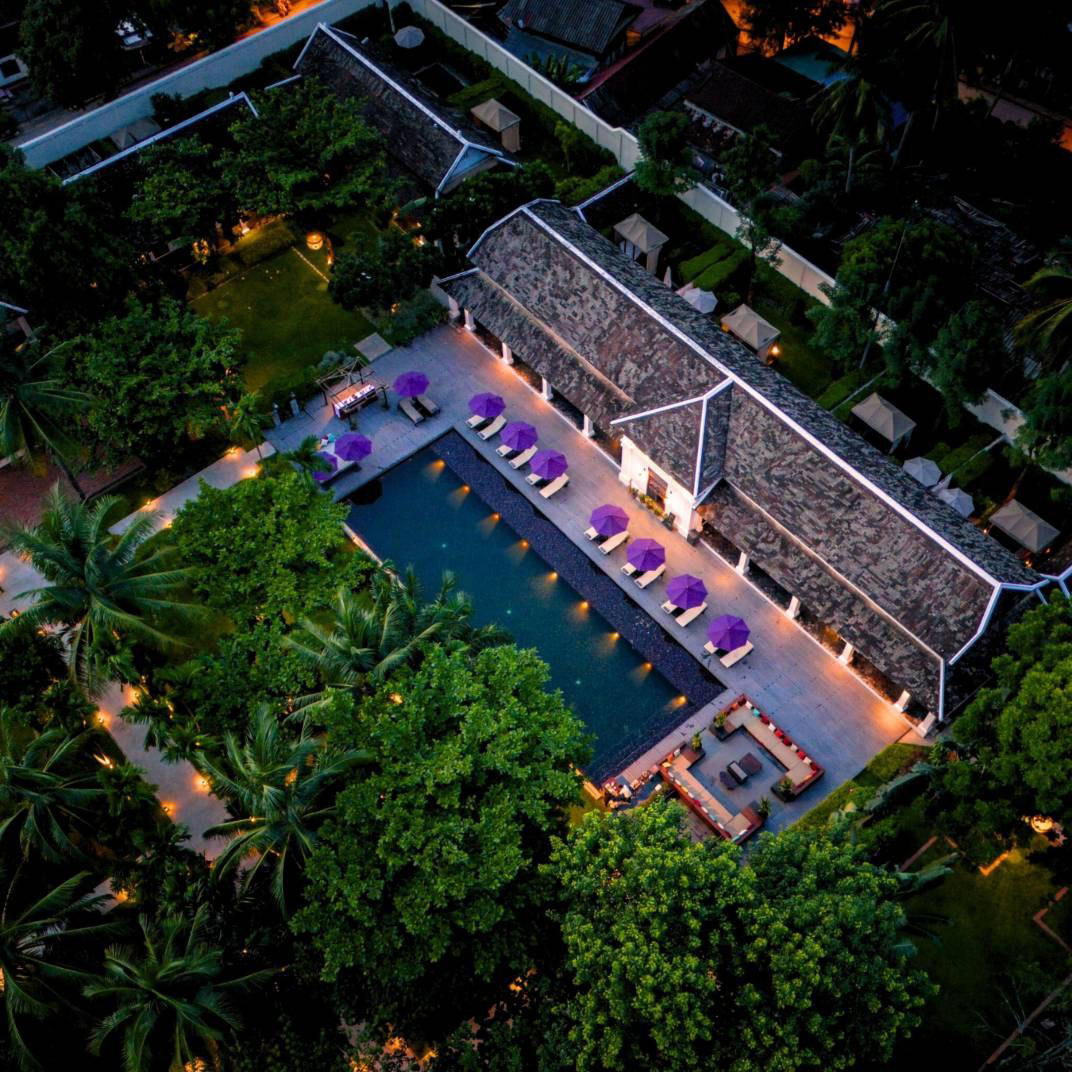
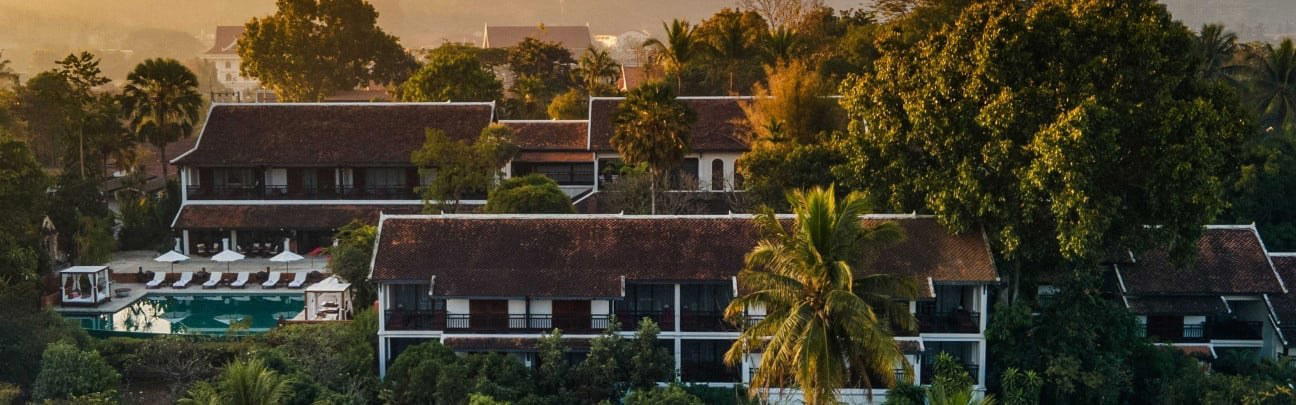
| The Grand Luang Prabang Affiliated by MeliaThis venue (the venue you are viewing) | Colonial-era architecture blended with traditional Laotian design, set within a former royal residence featuring manicured gardens and century-old trees. | Not listed | World Luxury Hotel Awards WLHA Country Winner | Not listed |
| Sofitel Luang Prabang | Historic colonial mansion blending French elegance and Laotian heritage | $200–300 | Michelin Selected | Old Town |
| La Résidence Phou Vao, Luang Prabang | Colonial hilltop residence blending French and Laotian heritage. | $300–500 | Michelin Selected · La Liste Top Hotels | Phou Vao Hill |
| The Namkhan | Eco-luxury wellness sanctuary blending traditional Laotian elements with modern comforts | $100–200 | Michelin Selected · Small Luxury Hotels of the World Member | Ban Donkeo |
| The Apsara Rive Droite | Contemporary homage to French colonial era with refined Asian design elements and curated antiques from owner's travels. | $100–200 | Michelin Selected · Mr & Mrs Smith Seal of Approval | Ban Phanluang |
| Rosewood Luang Prabang | Timeless Lao-French colonial oasis in rainforest with indigenous materials and cultural motifs. | Not listed | 3 Michelin Keys · Michelin Guide New Hotels New Hotel | Ban Nadueay Village |
Recognition history
Dated appearances from independent guides and award organizations, with the underlying list record or original source where available.
World Luxury Hotel Awards WLHA Country Winner
World Luxury Hotel Awards
Full recognition history (2 entries)
World Luxury Hotel Awards WLHA Regional Winner
World Luxury Hotel Awards
Continue exploring
More in Luang Prabang
Details
- Romantic
- Quiet
- Elegant
- Scenic
- Classic
- Romantic Getaway
- Honeymoon
- Anniversary
- Wellness Retreat
- Destination Wedding
- Waterfront
- Garden
- Historic Building
- Panoramic View
- Destination Spa
- Terrace
- Wi Fi
- Pool
- Spa
- Fitness Center
- Room Service
- Restaurant
- Bar
- Business Center
- Airport Transfer
- Garden
- Massage
- Waterfront
- Garden
- Mountain
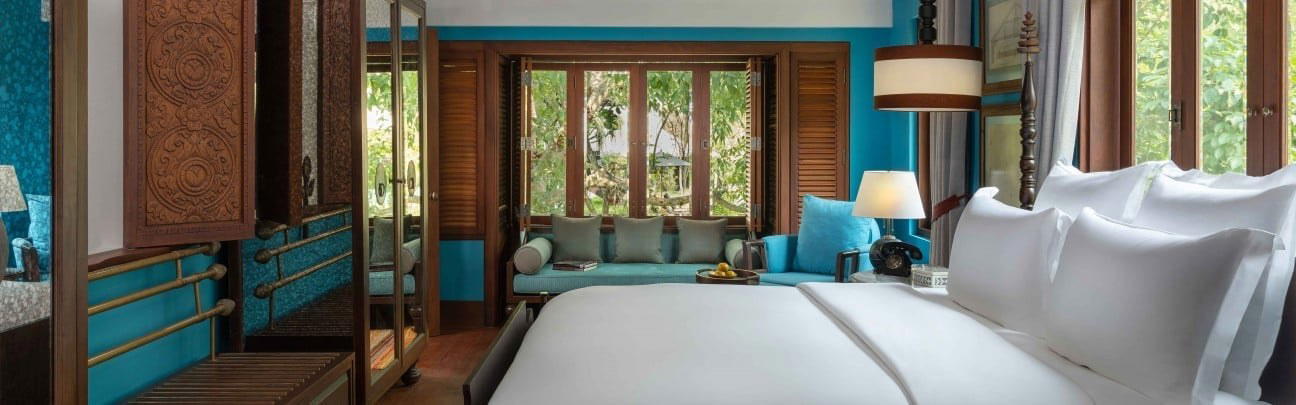
Serene and tranquil with colonial-era architecture, manicured gardens, and lotus ponds creating an atmosphere of peaceful exclusivity; sunrise and sunset views over the Mekong River with soft natural lighting.