The Namkhan


Michelin Selected · Small Luxury Hotels of the World Member
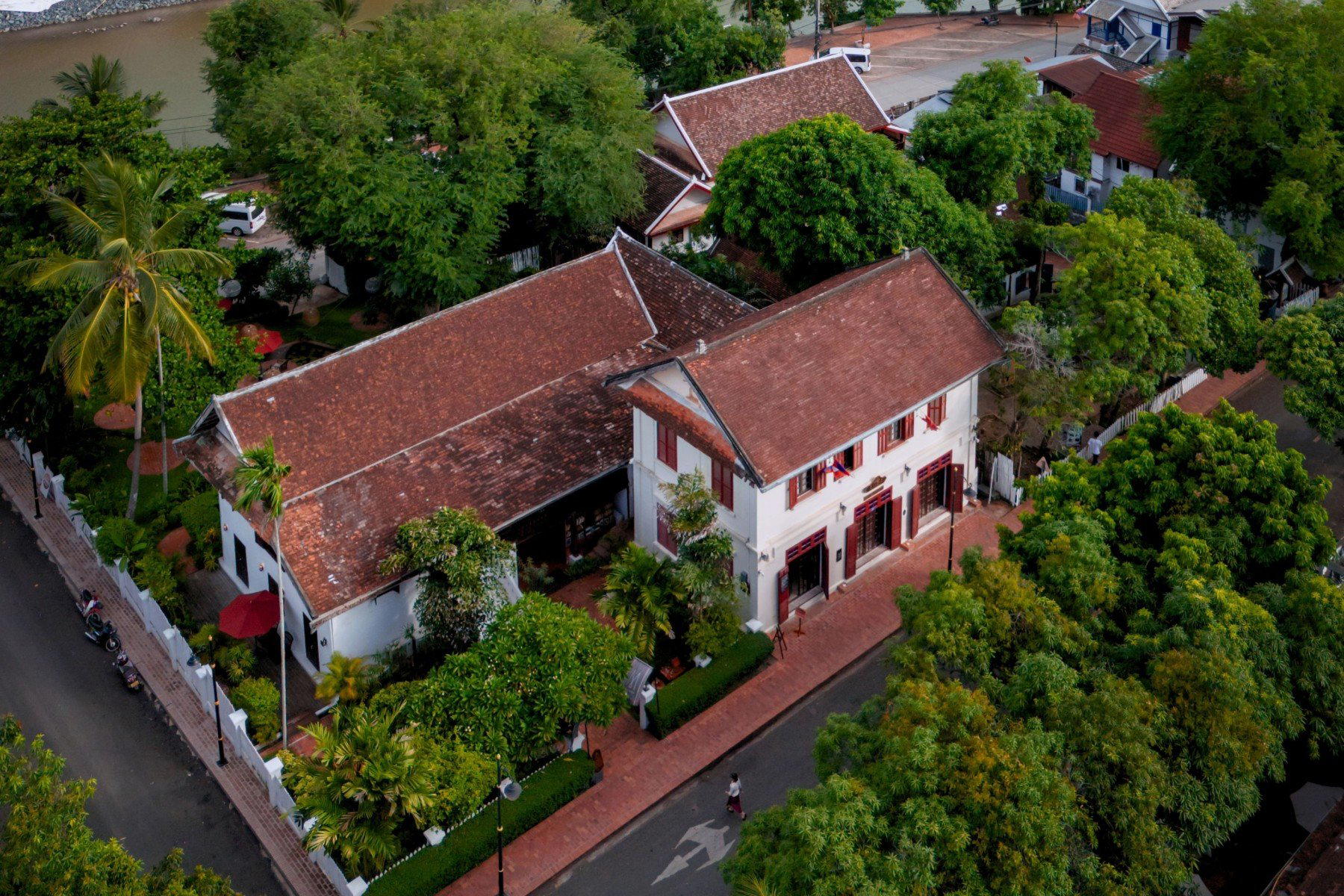
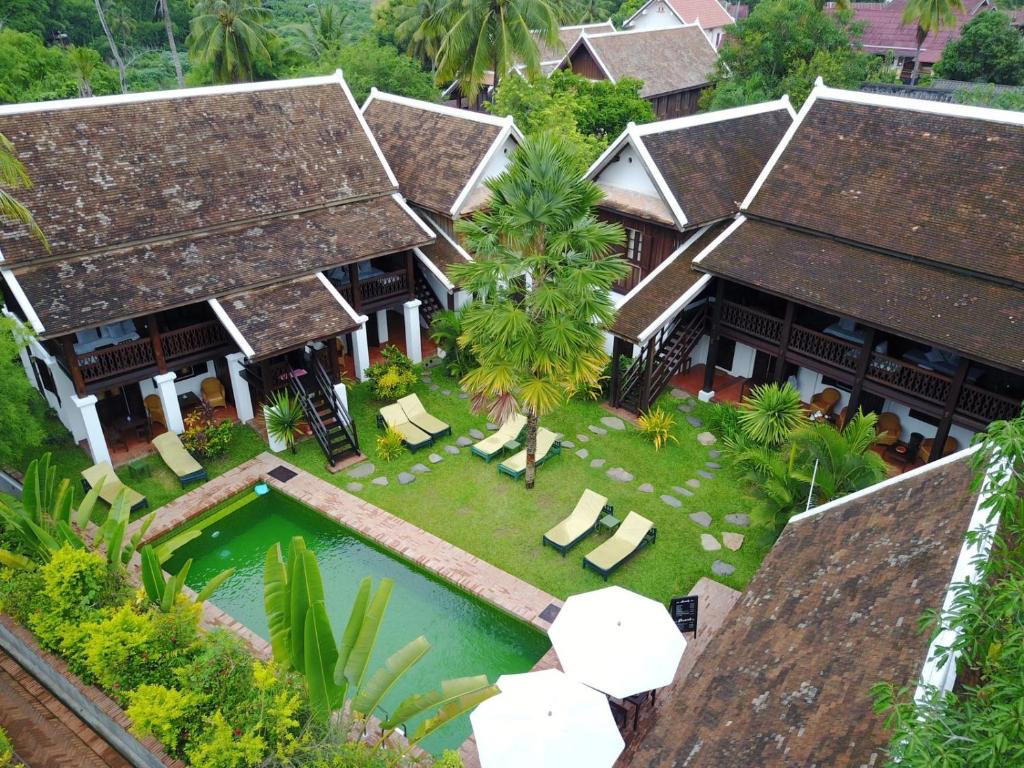
Set along the Nam Khan River at the edge of Luang Prabang, The Namkhan occupies a stretch of jungle-framed riverbank a few kilometres from where the Nam Khan meets the Mekong. The property sits in the quieter residential fringe of the city, positioning it as a riverside retreat for travellers who want distance from the temple-circuit crowds without sacrificing proximity to them.

Pearl is the En Primeur Club membership app, where members save venues, book tables and use the concierge.
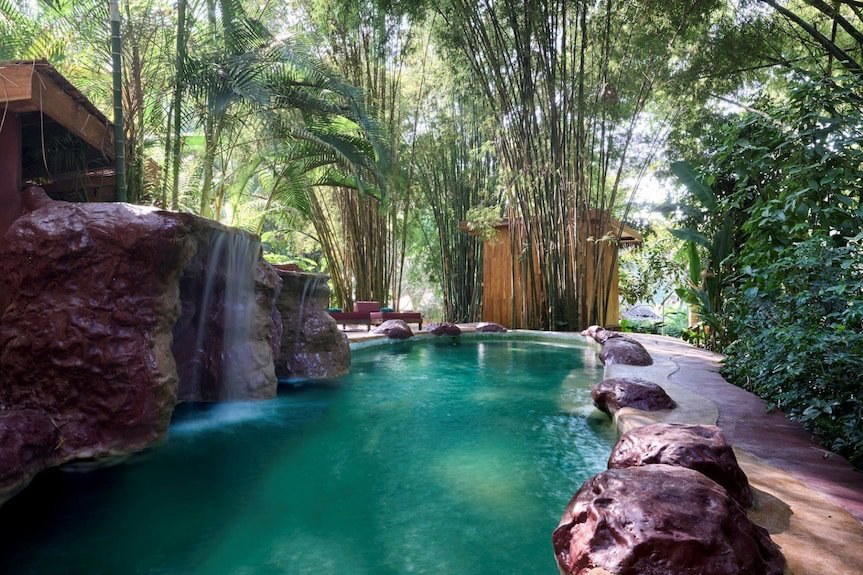
Where the Rivers Converge: The Namkhan in Context
Luang Prabang is one of Southeast Asia's most studied small cities, a UNESCO-listed grid of French colonial shophouses, gilded wats, and saffron-robed monks whose alms procession at dawn has drawn photographers and pilgrims in roughly equal numbers for decades. The city has also, over the past fifteen years, developed a tier of luxury accommodation that sits well above its modest scale. Properties like Amantaka, Rosewood Luang Prabang, and La Résidence Phou Vao have redefined what premium means here, and The Namkhan operates in the same general orbit, though it answers a different question about what Luang Prabang should feel like.
Where the city centre clusters its heritage lodging around the peninsula formed by the Mekong and the Nam Khan, The Namkhan pulls back to Ban Don Keo Village, a few kilometres along the river's southeastern bank. The jungle-covered hills that ring this part of the valley close in noticeably here, and the retreat quality is less curated than it is geographic. This is not a city-edge hotel pretending to be remote, it is genuinely positioned at the interface between Luang Prabang's cultural centre and the rural Laos that begins almost immediately beyond it.
The River as Axis
The Nam Khan is not the Mekong. It is narrower, quieter, and in the dry season, roughly November through April, when Luang Prabang draws its densest international traffic, it runs low and copper-coloured through a range of sandbars and riverside gardens. The confluence where the Nam Khan meets the Mekong, a short distance from the property, is a site with layers of local significance: it is referenced in regional creation narratives, observed from hilltop temples, and marked on every tourist map of the city. But seen from river level, it is simply two currents meeting, the smaller one absorbed by the larger, the boundary visible for a few hundred metres before the Mekong resumes its unbroken southward course toward the delta.
For a property that takes the river as both its name and its organizing logic, this confluence matters. It places The Namkhan at a point that is simultaneously peripheral and central, away from the monks' quarter and the night market, but tethered to the same geography that defines Luang Prabang's entire identity. Guests approaching from the city follow the Nam Khan's bank through a transition that registers physically: the road narrows, the canopy thickens, the sounds shift from tuk-tuks to water and birds.
Heritage in the Hills: What This Corner of Laos Carries
Ban Don Keo and the villages along the Nam Khan's lower reaches carry a different layer of history than the UNESCO peninsula. This is agricultural Luang Prabang, the part of the valley that supplied the royal city for centuries. The Lao kingdom centred on Luang Prabang from the 14th century onward, and the river systems were its infrastructure: transport, irrigation, ceremonial routes. The hills visible from this stretch of the Nam Khan were never empty, they were farmed, forested for specific timber, and mapped by the royal administration in ways that the French colonial project later absorbed and partially reimposed with its own taxonomy.
Luxury retreats in this part of the world increasingly position themselves against this layered history rather than simply beside it. The design vocabulary that has become standard in Lao premium hospitality, local hardwoods, open-sided pavilions, materials sourced from regional craft traditions, reflects a broader regional shift in how Southeast Asian luxury is assembled. Burasari Heritage in the city centre and Victoria Xiengthong Palace both draw on similar material references from within Luang Prabang's built environment. The Namkhan's version of this conversation happens at river level, against jungle rather than temple walls.
Positioning Within Luang Prabang's Premium Tier
Luang Prabang's high-end accommodation now falls into two readable camps. The first, represented by Amantaka and, to a degree, La Résidence Phou Vao, prioritises heritage architecture and in-city positioning, placing guests within walking distance of the major wats and the morning alms circuit. The second camp, which includes Rosewood Luang Prabang and The Namkhan, trades that walkability for physical immersion, more land, more landscape, and a deliberate separation from the city's denser tourist infrastructure.
Neither approach is more correct; they serve different travel intentions. The Namkhan's placement in Ban Don Keo makes it most logical for travellers who have already spent time in Luang Prabang's centre, or who plan to use the city's temple circuit as an excursion rather than a backdrop. Compared to The Grand Luang Prabang Affiliated by Melia, which sits closer to the city's institutional and governmental quarter, The Namkhan is the quieter, more riverine option. For those considering Laos more broadly, the contrast with Salana Boutique Hotel in Vientiane is stark, Luang Prabang's tempo is slower in general, and The Namkhan slows it further.
Seasonality and When to Go
Luang Prabang's appeal shifts substantially by season, and The Namkhan's river position means those shifts register directly. The cool dry season from November to February brings the most comfortable temperatures, clearest skies, and lowest river levels, the Nam Khan in this period is narrow enough that its far bank feels close, and the sandbars that emerge along its edges become a characteristic feature of the landscape. This is peak season, and availability across Luang Prabang's premium properties narrows accordingly.
The wet season from May through September transforms the valley. The Nam Khan rises, the jungle behind the hills deepens into more saturated greens, and the tourist volume drops sharply. Properties like The Namkhan, positioned beside a river, read quite differently in this period, wider water, faster current, mist on the hills in the early morning. It is a legitimate reason to visit rather than a caveat, and rates across the city's luxury tier reflect the lower demand. March and April, just before the rains, sit in a shoulder period: warm, somewhat hazy, and increasingly popular with travellers who time trips around the Lao New Year celebrations in mid-April.
Planning a Stay
The Namkhan sits in Ban Don Keo Village, a short drive along the Nam Khan from Luang Prabang's main heritage district. Travellers arriving at Luang Prabang International Airport, which handles direct connections from Bangkok, Chiang Mai, Hanoi, and several other regional hubs, should budget around 20 to 30 minutes for the transfer, depending on traffic and routing through the city. For those building an itinerary around Luang Prabang's temple and monastery circuit, the property works well when paired with a reliable transfer arrangement, as the distance from the UNESCO peninsula makes walking impractical. The peak booking window for the November-to-February high season typically opens well in advance, and those with fixed travel dates in that window should confirm accommodations early. For broader context on the city's dining and cultural programming, our full Luang Prabang guide covers the range of options across neighbourhoods and categories.
Peers Worth Knowing
| Venue | Price | Awards |
|---|---|---|
| The NamkhanThis venue (the venue you are viewing) | $100–200 | Michelin Selected · Small Luxury Hotels of the World Member |
| Amantaka | $1,000–1,500 | 1 Michelin Key · Mr & Mrs Smith Seal of Approval |
| La Résidence Phou Vao, Luang Prabang | $300–500 | Michelin Selected · La Liste Top Hotels |
| Victoria Xiengthong Palace | $100–200 | World Travel Awards |
| Rosewood Luang Prabang | Not listed | 3 Michelin Keys · Michelin Guide New Hotels New Hotel |
| The Grand Luang Prabang Affiliated by Melia | Not listed | World Luxury Hotel Awards WLHA Country Winner |
Recognition history
Dated appearances from independent guides and award organizations, with the underlying list record or original source where available.
Michelin Selected
Michelin
Small Luxury Hotels of the World Member
Small Luxury Hotels of the World
Continue exploring
More in Luang Prabang
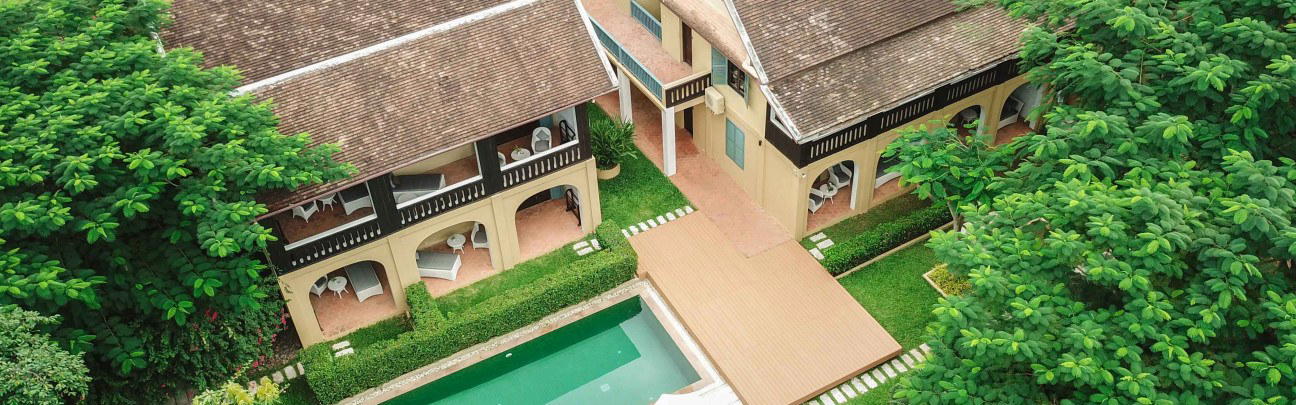
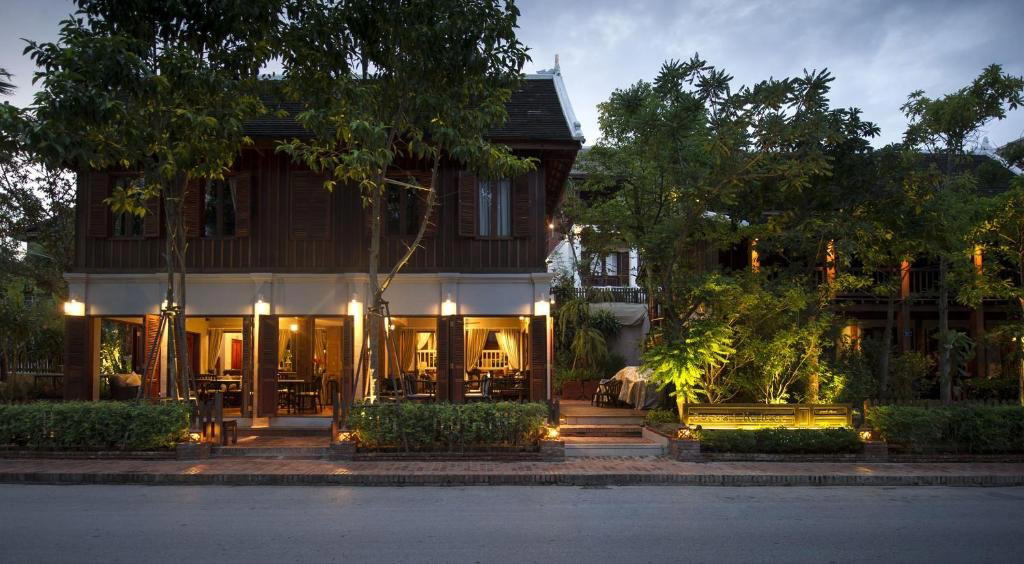
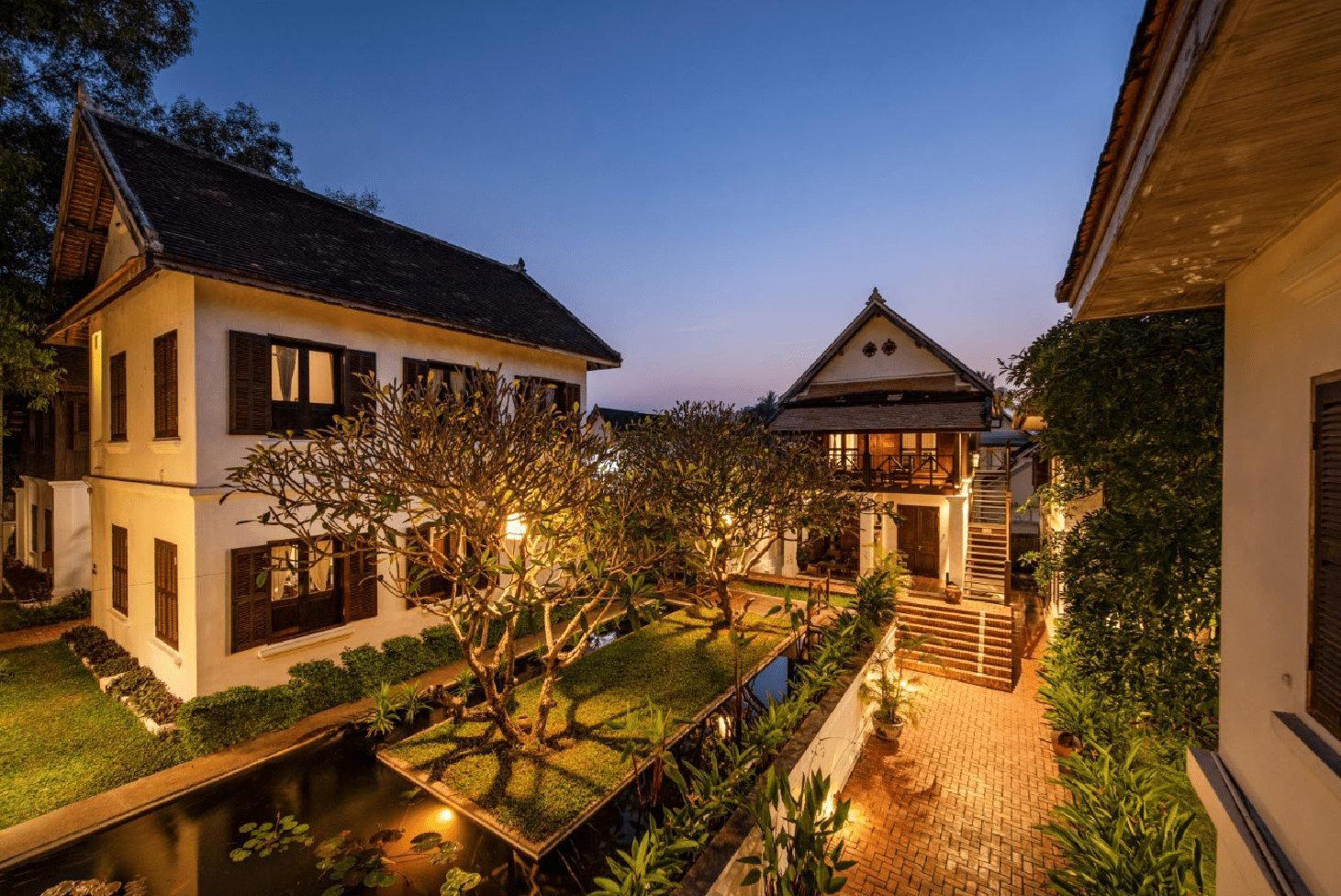
Details
- Quiet
- Scenic
- Rustic
- Elegant
- Cozy
- Romantic Getaway
- Wellness Retreat
- Family Vacation
- Honeymoon
- Infinity Pool
- Private Villa
- Panoramic View
- Terrace
- Pool
- Spa
- Wi Fi
- Fitness Center
- Room Service
- Concierge
- Laundry Service
- Garden
- Mountain
- Accessible Parking
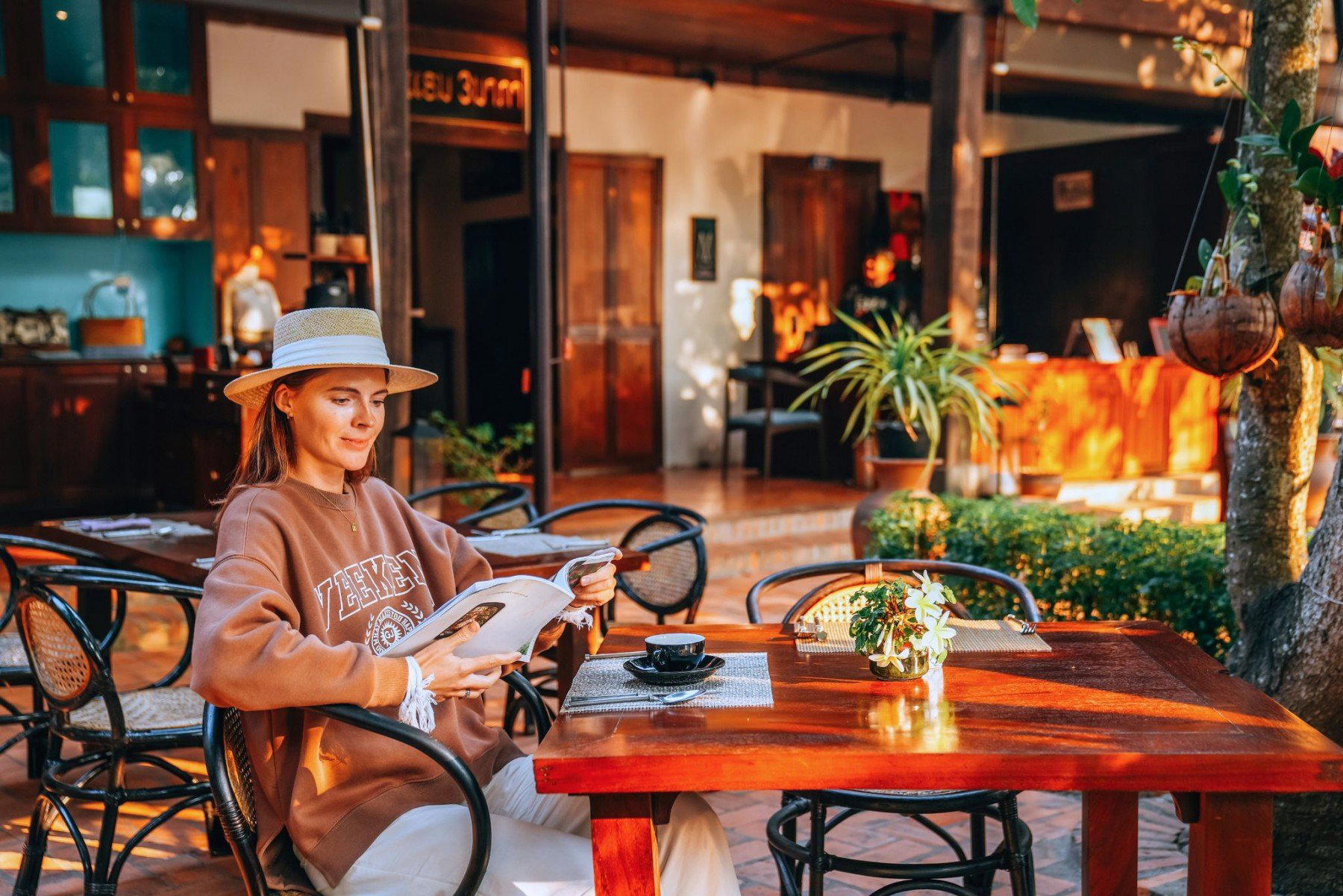
Serene and tranquil with natural jungle sounds, soft lighting in bamboo and teak accommodations, and relaxing riverside atmosphere.