The George Hotel Yarmouth

Michelin Selected
A Michelin Selected hotel on the Quay Street waterfront in Yarmouth, Isle of Wight, The George Hotel occupies a building with genuine historic weight. Its position at the harbour's edge shapes everything from the light in the rooms to the character of the dining. For travellers approaching the island by ferry, it reads as the first serious address on the island.

Pearl is the En Primeur Club membership app — saves, bookings, and concierge access live there. Same editors, same standards.
- Address
- Quay St, Yarmouth PO41 0PE, United Kingdom
- Phone
- +44 1983 760331
- Website
- thegeorge.co.uk
- Directions
- Get directions
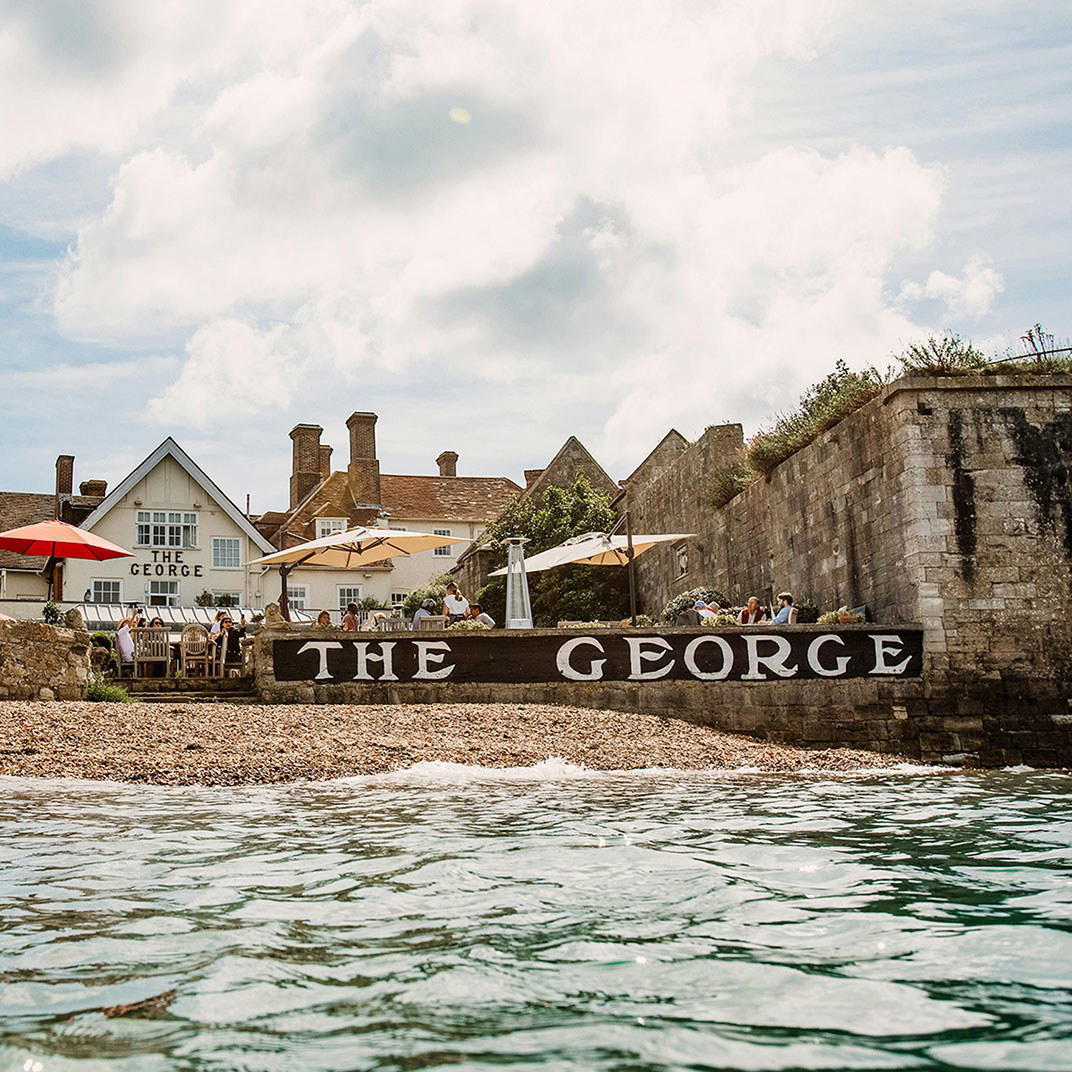
A Harbour Building With Actual History
Arriving in Yarmouth by ferry, The George Hotel is one of the first buildings to register: a substantial stone facade on Quay Street, sitting directly on the water's edge. The Isle of Wight has no shortage of coastal hotels promising sea views, but the George occupies a different register. The building dates to the seventeenth century, and its position at the harbour entrance was not accidental. It was constructed with purpose, close enough to the landing point that visiting dignitaries, naval officers, and merchants would have walked through its doors within minutes of stepping ashore. That functional logic still shapes the experience today. You are not staying near the water; you are, in effect, staying on it.
For context on where this sits in the Michelin Selected Hotels programme for 2025: the designation signals consistent quality and character without requiring the formal uniformity of a larger group property. It places the George in the same broad recognition tier as other independently spirited British addresses, including Lime Wood in Lyndhurst and Longueville Manor in Jersey, both of which operate from historic buildings with strong regional identities. The common thread is that the physical structure is not decoration; it is the argument.
The Architecture as the Amenity
Historic British coastal hotels tend to split into two camps: those that have been sympathetically maintained to preserve original character, and those that have been stripped and remodelled until the building's age is purely cosmetic. The George belongs to the first group. Thick stone walls, irregular room proportions, and a layout that follows the logic of a working seventeenth-century building rather than any modern hospitality template define the experience here. Rooms face the Solent, the castle ruins, or the courtyard, and each orientation produces a different quality of light and a different relationship with the harbour activity below.
That physical specificity is precisely what distinguishes small independent hotels from the branded alternatives. A property like The Savoy in London derives authority from its scale and institutional history; a grand resort like Gleneagles in Auchterarder operates on landscape and breadth of facilities. The George makes a different case: that a well-maintained historic building in the right position, run with attention to its own character, does not need to compete on those terms. The architecture is the amenity.
Across the British Isles, this model appears in various forms. Crossbasket Castle in High Blantyre and Farlam Hall Hotel in the Lake District both operate from structures where the building precedes the hospitality concept by centuries. What they share with the George is the understanding that guests are not simply purchasing a room; they are purchasing proximity to a specific kind of place.
Yarmouth and the Western Isle of Wight
Yarmouth is the smallest of the Isle of Wight's four towns, and its scale is part of its appeal. The ferry terminal sits at one end of the quay; the castle ruins, managed by English Heritage, sit at the other. Between them, the high street is short enough to cover in ten minutes, and the harbour holds a working mix of fishing boats and leisure craft. It is not the Isle of Wight of Cowes Week crowds or Sandown beach tourism; it is the quieter, western end of the island, where the pace is slower and the architecture has been less aggressively commercialised.
The George's position on Quay Street puts guests at the centre of this without any effort. The ferry from Lymington docks within a short walk; the castle is visible from the hotel terrace. For visitors coming from the mainland, the island switch happens almost immediately upon arrival. That transition, from the noise of the ferry crossing to the compressed, walkable calm of Yarmouth's quayside, is one of the more effective resets available within a few hours of London. For the wider southern England accommodation picture, see our full Yarmouth guide.
Comparable Michelin Selected properties in similarly characterful small towns include Dunluce Lodge in Portrush and Langass Lodge in the Outer Hebrides, both of which operate in places where the surrounding geography is the primary draw. The pattern holds: in each case, the hotel's value is inseparable from the specificity of its location.
Planning Your Stay
The Yarmouth to Lymington ferry, operated by Wightlink, is the most direct mainland connection and the logical approach for guests arriving from the New Forest or central southern England. The crossing takes approximately forty minutes. Guests arriving from London will find Lymington Pier accessible by South Western Railway from London Waterloo, making the George a realistic option for a weekend stay without requiring a car, though having one adds significant flexibility for exploring the western island.
Given the hotel's size and the relative scarcity of comparable accommodation in Yarmouth itself, advance booking is advisable for peak summer months, particularly July and August when Cowes Week and school holidays compress demand across the island. The shoulder seasons, particularly late spring and early autumn, offer better availability and the kind of quieter harbour atmosphere that suits the building's character more naturally than the high-season crowds. For travellers comparing notes on design-led British coastal stays, The Vineyard Hotel in Newbury and Oddfellows on the Park in Manchester represent the same Michelin Selected tier in very different physical contexts.
Each makes the same underlying argument: that where a building stands, and what it was built for, matters as much as what it offers now.
In Context: Similar Options
Comparable venues nearby, for context on price, style, and recognition.
| Venue | Cuisine | Price | Awards | Notes |
|---|---|---|---|---|
| The George Hotel YarmouthThis venue — the venue you are viewing | Historic country house with contemporary flourishes; Grade II* listed 17th-century townhouse blending period architecture with smart modern design. | Not listed | Michelin Selected | Not listed |
| The Moorings Hotel & Restaurant | Historic family-run hotel with modern comforts | $100–200 | Michelin Selected | Gorey Pier |
| The Duncombe Arms | Country pub with luxury boutique rooms in a converted barn | $200–300 | Michelin Selected · Mr & Mrs Smith Seal of Approval | Ellastone |
| The Bird | Contemporary luxury reimagining of a Victorian mansion with eclectic, artistic design elements and bird-themed decor throughout. | $100–200 | Michelin Selected · Mr & Mrs Smith Seal of Approval | Bathwick |
| The Derby | Contemporary reimagined office building inspired by London's banking heritage and bowler hat iconography. | Not listed | Not listed | City of London |
| Bailiffscourt Hotel & Spa | Mock-medieval country house with charming cottages and parkland | Not listed | Michelin Selected | Climping |
Recognition history
Dated appearances from independent guides and award organizations, with the underlying list record or original source where available.
Michelin Selected
Michelin
Continue exploring
More in Yarmouth
Hotels in Yarmouth
Browse all →
Bars in Yarmouth
Browse all →
Restaurants in Yarmouth
Browse all →
Details
- Classic
- Cozy
- Romantic
- Elegant
- Romantic Getaway
- Weekend Escape
- Family Vacation
- Waterfront
- Historic Building
- Garden
- Terrace
- Panoramic View
- Restaurant
- Bar
- Wi Fi
- Private Beach
- Garden
- Waterfront
- Garden
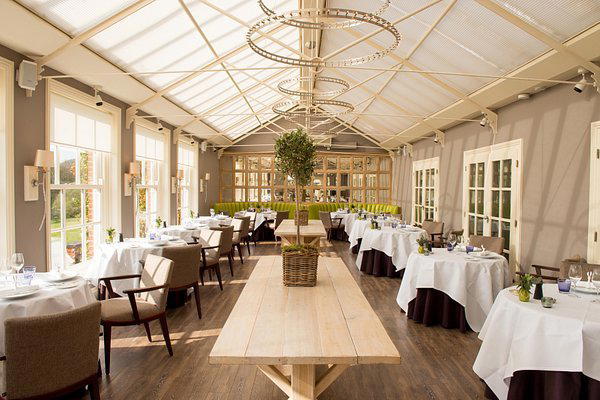
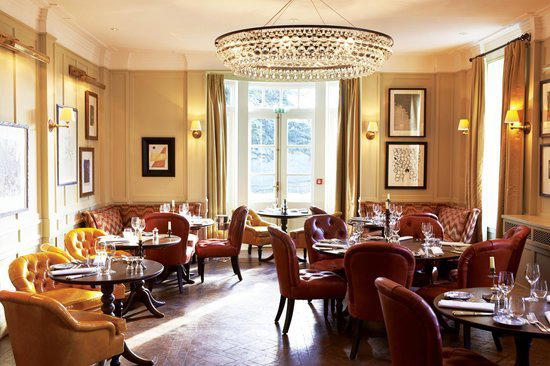
Warm and cosy with period features including dark wooden staircases and ancient panelling complemented by contemporary touches; light and airy conservatory restaurant overlooking the water.