The Terrace

Michelin Plate
Our verdict
Above the Wightlink ferry terminal on Quay Street, The Terrace earns a Michelin Plate for cooking that puts Isle of Wight ingredients at the centre of a classically grounded menu.

Pearl is the En Primeur Club membership app, where members save venues, book tables and use the concierge.
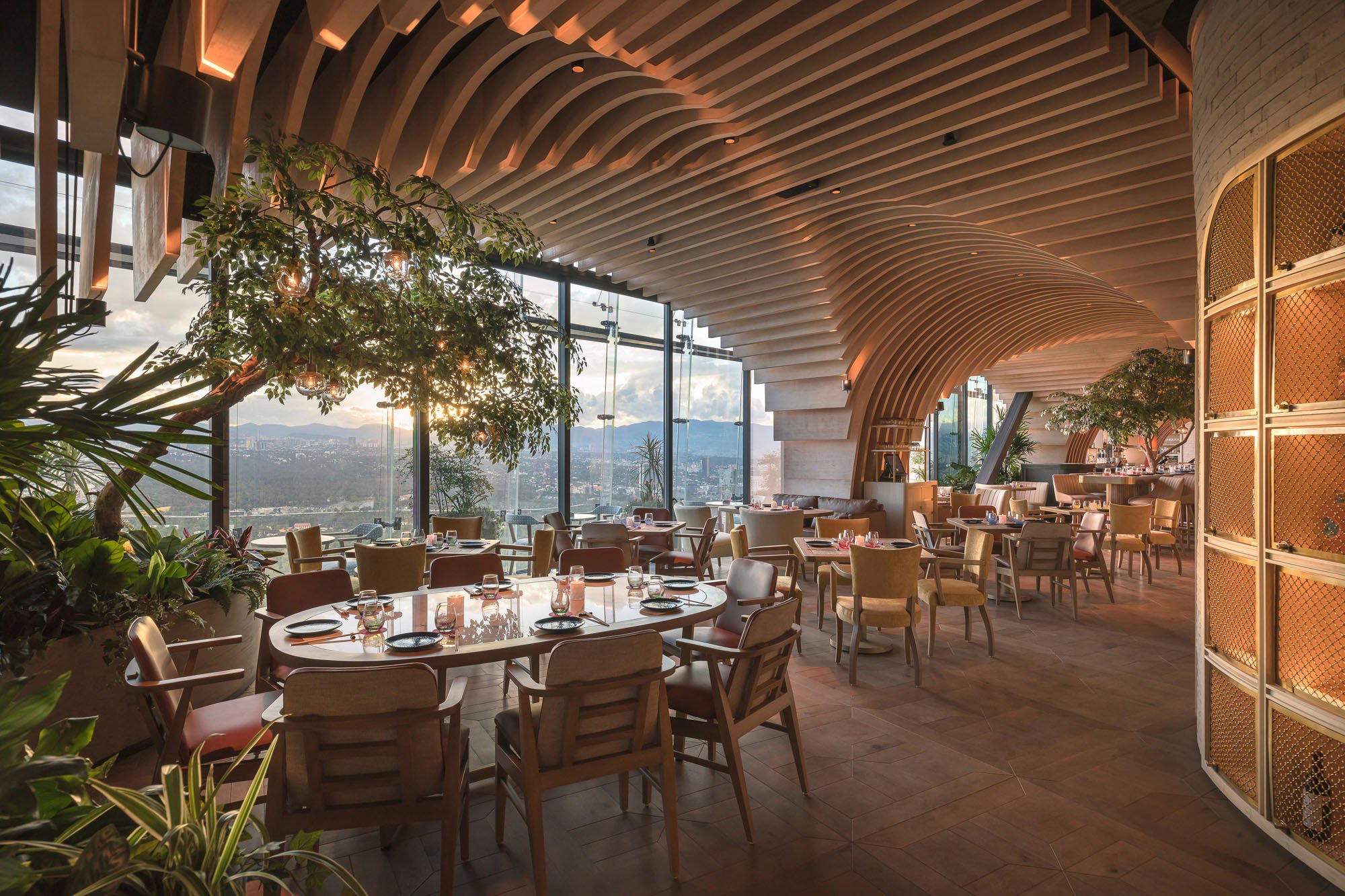
Where the Ferry Docks and the Food Gets Serious
Arriving in Yarmouth by ferry, the first thing most passengers notice is the tight cluster of the harbour: the pontoons, the quayside activity, the salt-and-diesel air of a working port. What fewer passengers notice, tucked above the Wightlink ticket office at the foot of Quay Street, is that this small Isle of Wight town has a Michelin-recognised restaurant within eyeline of the gangway. The approach to The Terrace is a function of the building's position: find the external staircase beside the ticket office, climb it, and a large harbourside dining room opens up, with a terrace that faces directly onto the water.
That physical placement is not incidental to what the kitchen does. Restaurants built into working harbour infrastructure, in port towns with direct access to day-boat catches and island farms, have a natural advantage in ingredient sourcing that landlocked venues can only approximate. The Terrace operates squarely within that advantage, running a classically based menu that draws on Isle of Wight produce and adjusts its register with selective creativity rather than wholesale reinvention.
Island Ingredients as the Editorial Argument
British coastal dining has long operated on a spectrum between tourist-facing fish-and-chips and technically ambitious destination cooking. The more interesting middle ground, which The Terrace occupies, is where classical technique meets hyper-local sourcing without either becoming a marketing exercise. The Isle of Wight has a defensible claim to ingredient quality: its microclimate supports tomatoes, garlic, and soft fruits with a character distinctive enough that producers here have attracted attention from mainland chefs, and its surrounding waters supply crab, lobster, and flat fish with reliable consistency through the warmer months.
The Michelin Plate awarded in both 2024 and 2025 indicates cooking that meets Michelin's threshold for good technique and kitchen discipline, if not yet the level of distinction that a star would signal. Within the context of a small harbour town rather than a metropolitan dining circuit, that recognition carries weight.
The format references a coastal vernacular that visitors to harbour towns recognise instinctively, then reframes it: crispy polenta fingers replace conventional chips, and fresh picked crab replaces the battered fish. It is a small move, but a considered one, the kind of creativity that belongs to a kitchen confident enough in its classical base to reinterpret rather than simply execute.
The Terrace and the Alfresco Question
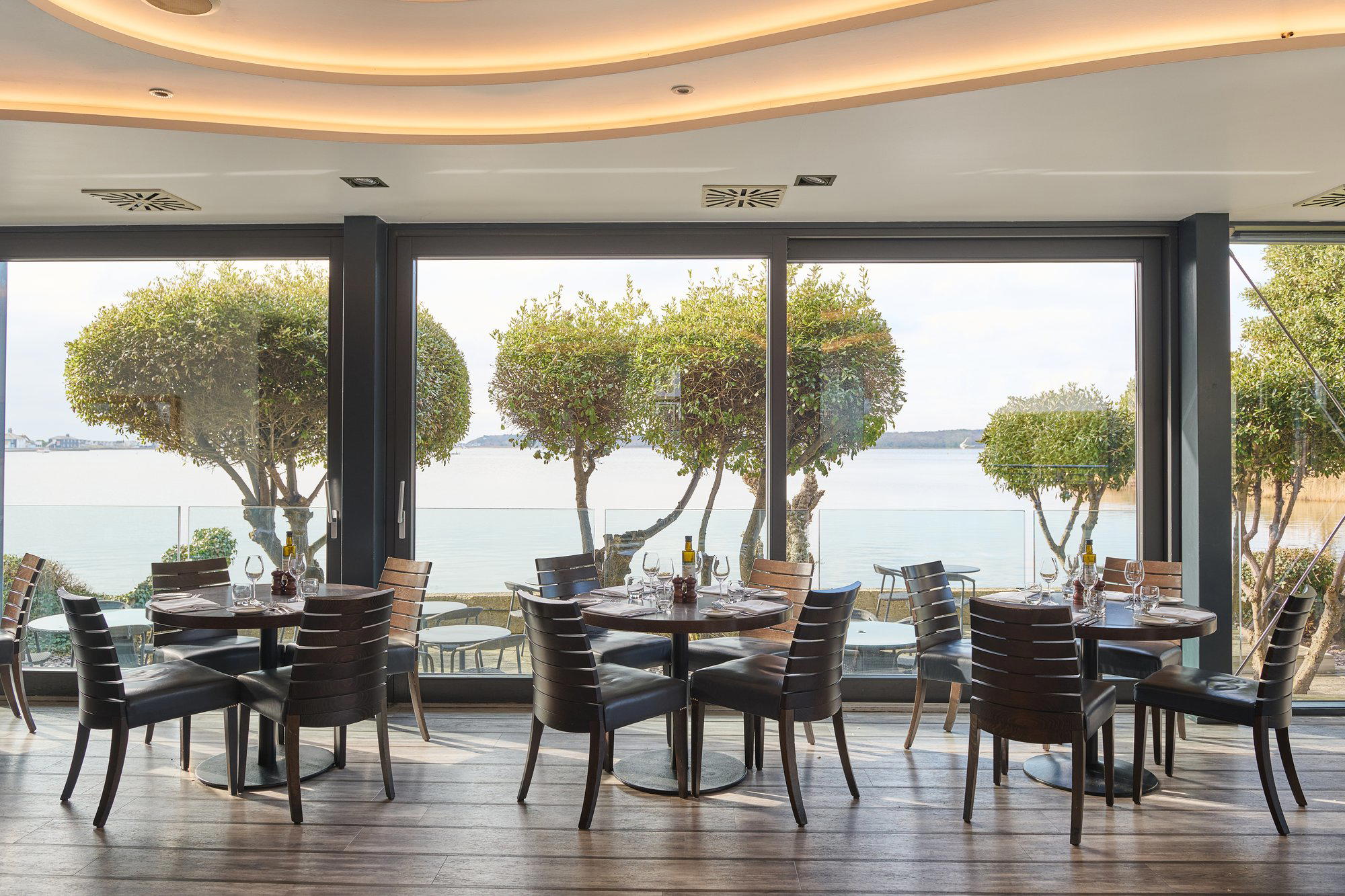
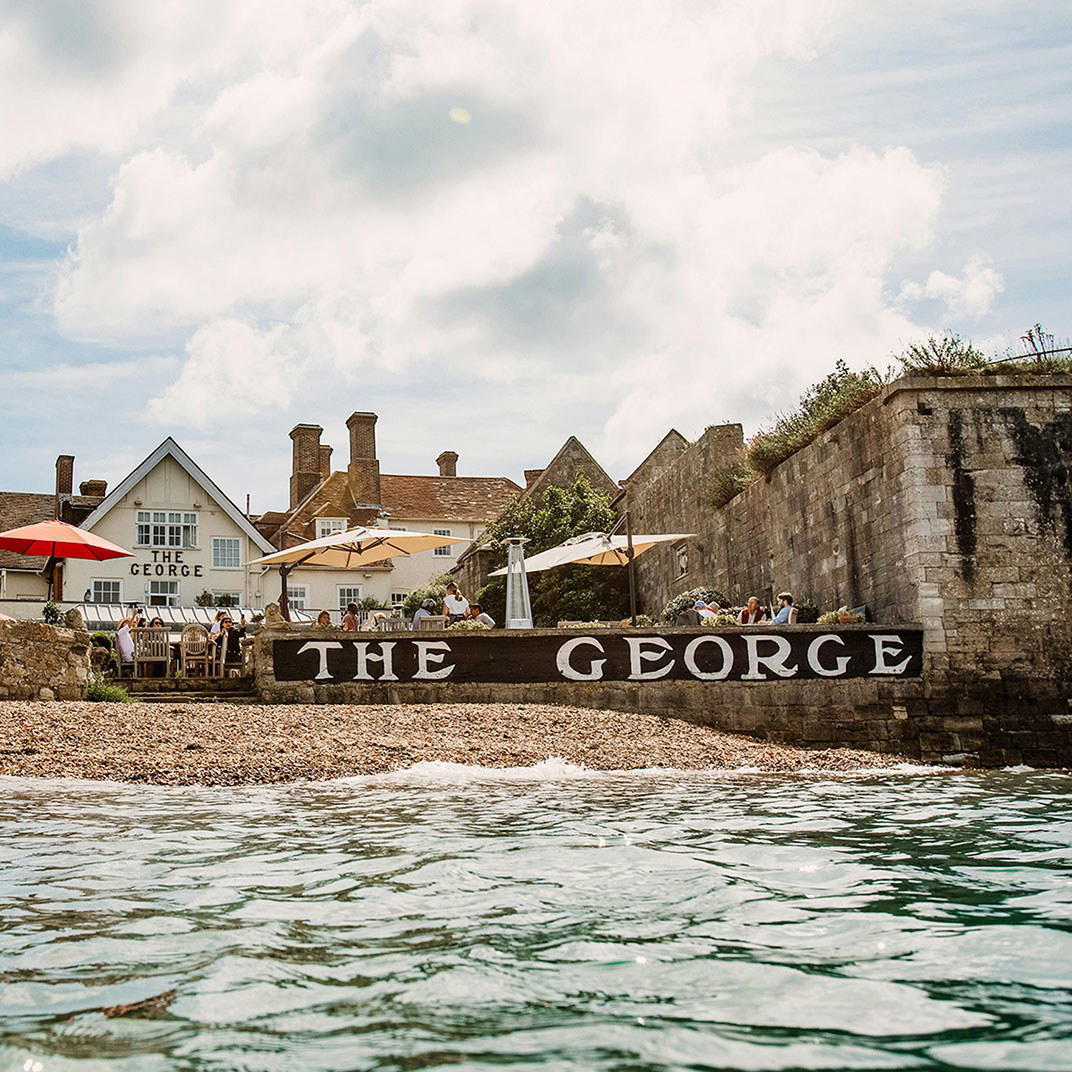
Island dining in the summer operates under a different logic from city restaurant-going. The draw is not just the food; it is the combination of food, light, and water proximity that defines the experience of eating on or near a working British harbour. The terrace at this restaurant addresses that combination directly. A large outdoor section facing the harbour means that on clear days, the gap between eating and being at sea narrows to the width of a stone balustrade.
British weather introduces contingency into any alfresco plan, which is why the indoor dining room, described as a large space, matters as a fallback. Summer visits, particularly in July and August when Isle of Wight ferry traffic peaks and the harbour is at its most active, maximise the terrace's value. Booking ahead during peak season is a practical necessity at a venue operating in a small-town harbour context with limited cover counts relative to summer visitor demand.
Where This Fits in British Coastal Dining
The concentration of Michelin-recognised cooking in the UK leans heavily toward London and a handful of rural destination addresses: The Fat Duck in Bray, Le Manoir aux Quat' Saisons in Great Milton, Moor Hall in Aughton, Restaurant Andrew Fairlie in Auchterarder. The further a venue sits from those gravitational centres, the more the Michelin Plate matters as a signal that the inspectors have looked and found something worth noting. Yarmouth is not on a circuit that most serious diners travel deliberately for food; it is a ferry destination and a sailing hub. The Terrace benefits from and is somewhat constrained by that context: a broad audience that includes holiday visitors and day-trippers sits alongside a smaller group for whom the Michelin recognition is the actual draw.
At the ££ price point, the restaurant sits well below the investment required at comparably recognised addresses. That positioning makes it accessible to a wider range of visitors and reinforces the argument that Michelin-Plate-level cooking does not require the kind of tasting-menu pricing that defines the starred tier. For context on what classic cuisine looks like at different price tiers and in different European settings, Maison Rostang in Paris and KOMU in Munich offer points of comparison, as does hide and fox in Saltwood for another coastal English kitchen working at a similar level of recognition.
That kind of cross-audience reliability is harder to sustain than it sounds in a seasonal coastal setting.
Planning a Visit
The restaurant sits at Quay St, Yarmouth PO41 0PB, directly above the Wightlink ferry terminal, reachable by ferry from Lymington on the mainland. The price range at ££ makes it appropriate for a lunch stop before or after the ferry crossing or a deliberate evening meal during an island stay. For a full picture of what Yarmouth offers beyond this address, our full Yarmouth restaurants guide covers the wider dining scene, while our Yarmouth hotels guide, bars guide, wineries guide, and experiences guide map the rest of the island's offer. For broader reference points on destination dining in the UK, The Ledbury in London, Midsummer House in Cambridge, and Opheem in Birmingham represent the starred tier that contextualises where Plate-level recognition sits in the broader hierarchy.
Frequently asked questions
How much does it cost to eat at The Terrace?
Pricing at The Terrace is listed as ££.
Comparable Spots, Quickly
| Venue | Cuisine | Price | Awards | Notes |
|---|---|---|---|---|
| The TerraceThis venue (the venue you are viewing) | Modern British Seafood | $50–100 | Michelin Plate | Not listed |
| The Ledbury | Modern British Fine Dining | $300–500 | 3 Michelin Stars · World's 50 Best #42 | Modern European, Modern Cuisine |
| Sketch, The Lecture Room and Library | Modern French Fine Dining | $200–300 | 3 Michelin Stars · World's 50 Best #18 | Modern French |
| CORE by Clare Smyth | Modern British Fine Dining | $150–200 | 3 Michelin Stars · World's 50 Best #97 | Modern British |
| Restaurant Gordon Ramsay | French Fine Dining | $200–300 | 3 Michelin Stars · World's 50 Best #13 | Contemporary European, French |
| Dinner by Heston Blumenthal | Modern British, Traditional British | Not listed | Michelin 2 Star | Not listed |
Recognition history
Dated appearances from independent guides and award organizations, with the underlying list record or original source where available.
Michelin Plate
Michelin
Full recognition history (3 entries)
Michelin Plate
Michelin
Michelin Plate
Michelin
Continue exploring
More in Yarmouth
Restaurants in Yarmouth
All restaurants in Yarmouth →
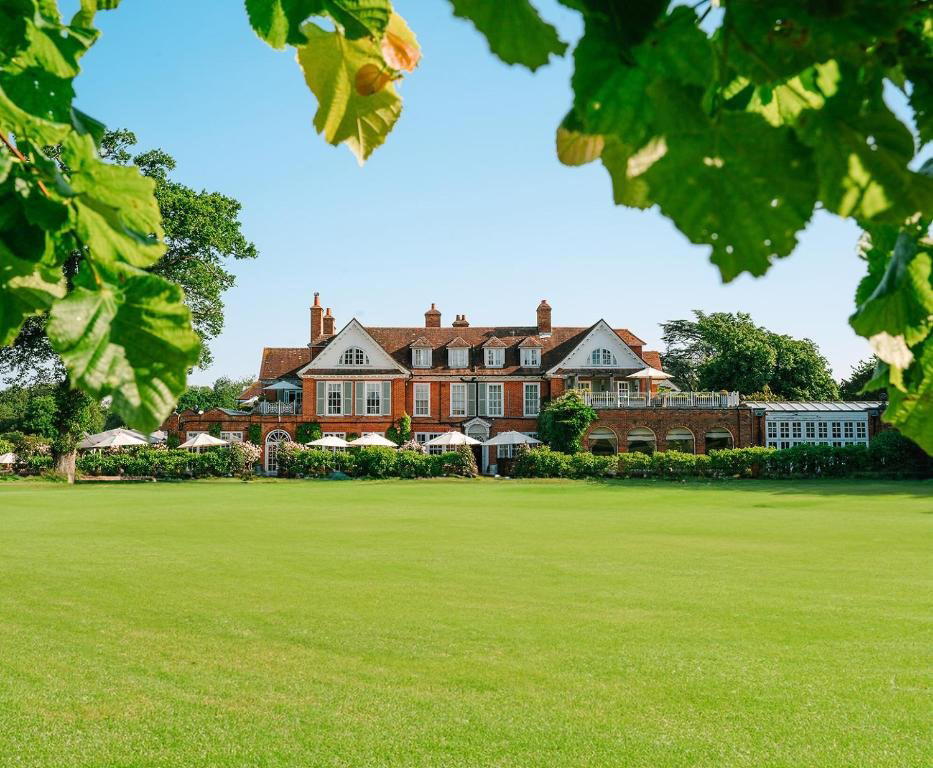
Bars in Yarmouth
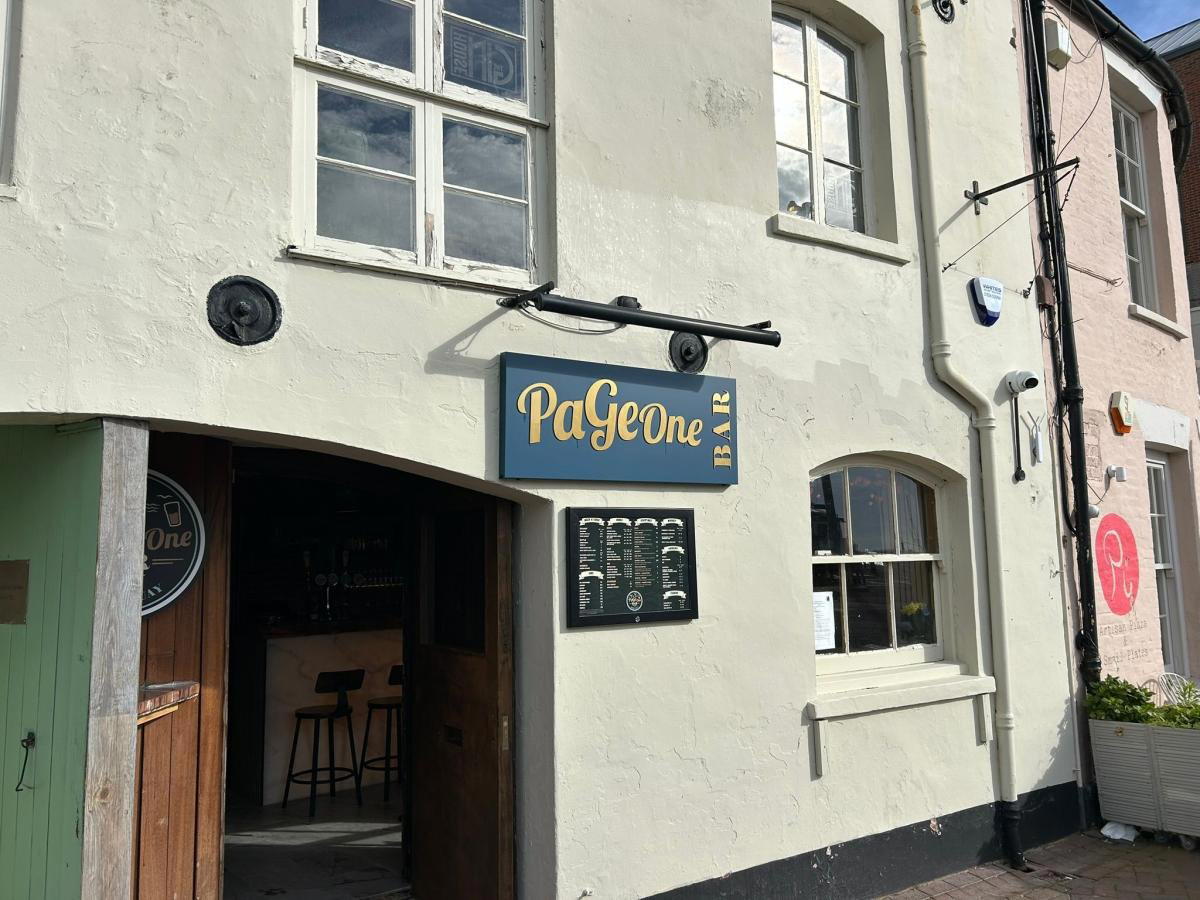
Browse all →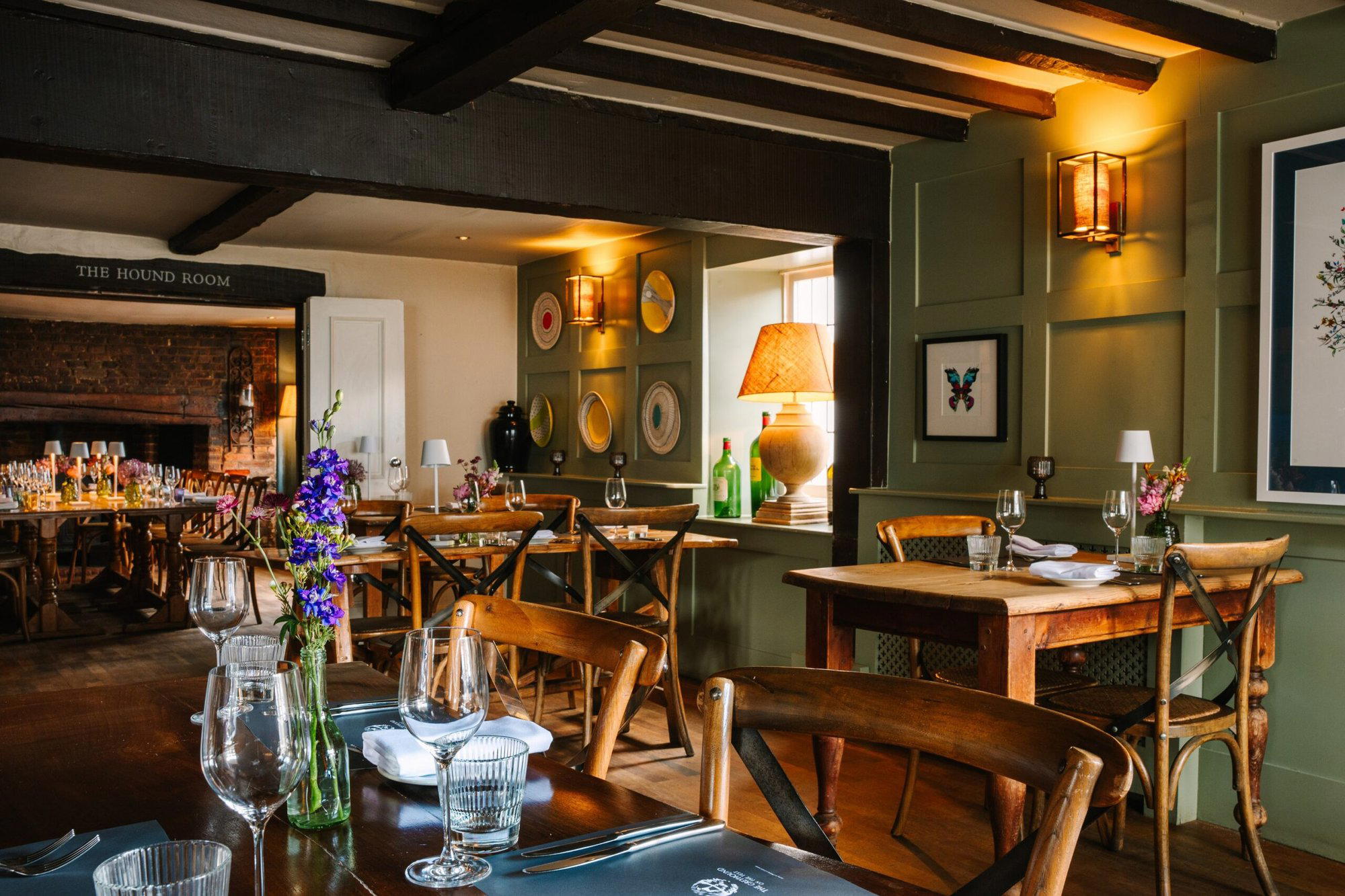

Details
- Scenic
- Elegant
- Cozy
- Date Night
- Celebration
- Family
- Terrace
- Waterfront
- Extensive Wine List
- Local Sourcing
- Waterfront
- A La Carte
- Gluten Free Options
Current opening hours
- Monday
- 11 AM–9 PM
- Tuesday
- Closed
- Wednesday
- Closed
- Thursday
- 11 AM–9 PM
- Friday
- 11 AM–10 PM
- Saturday
- 11 AM–10 PM
- Sunday
- 11 AM–5 PM
Hours can change for holidays and private events. Hours as of .
Relaxed and smart atmosphere with lovely surroundings, fully glazed dining room overlooking the beach and harbour, well-suited for sunny days with a cool, comfortable interior.