The Eliza Jane - The Unbound Collection by Hyatt
Set inside a cluster of restored 19th-century commercial buildings on Magazine Street, The Eliza Jane occupies a stretch of the Central Business District where New Orleans history is embedded in the brickwork. Part of Hyatt's Unbound Collection, the hotel positions itself at the intersection of adaptive reuse and considered hospitality, making it a reference point for travelers who want a strong sense of place without sacrificing comfort.

Pearl is the En Primeur Club membership app — saves, bookings, and concierge access live there. Same editors, same standards.
- Address
- 315 Magazine St, New Orleans, LA 70130
- Phone
- (504) 882-1234
- Website
- hyatt.com
- Directions
- Get directions
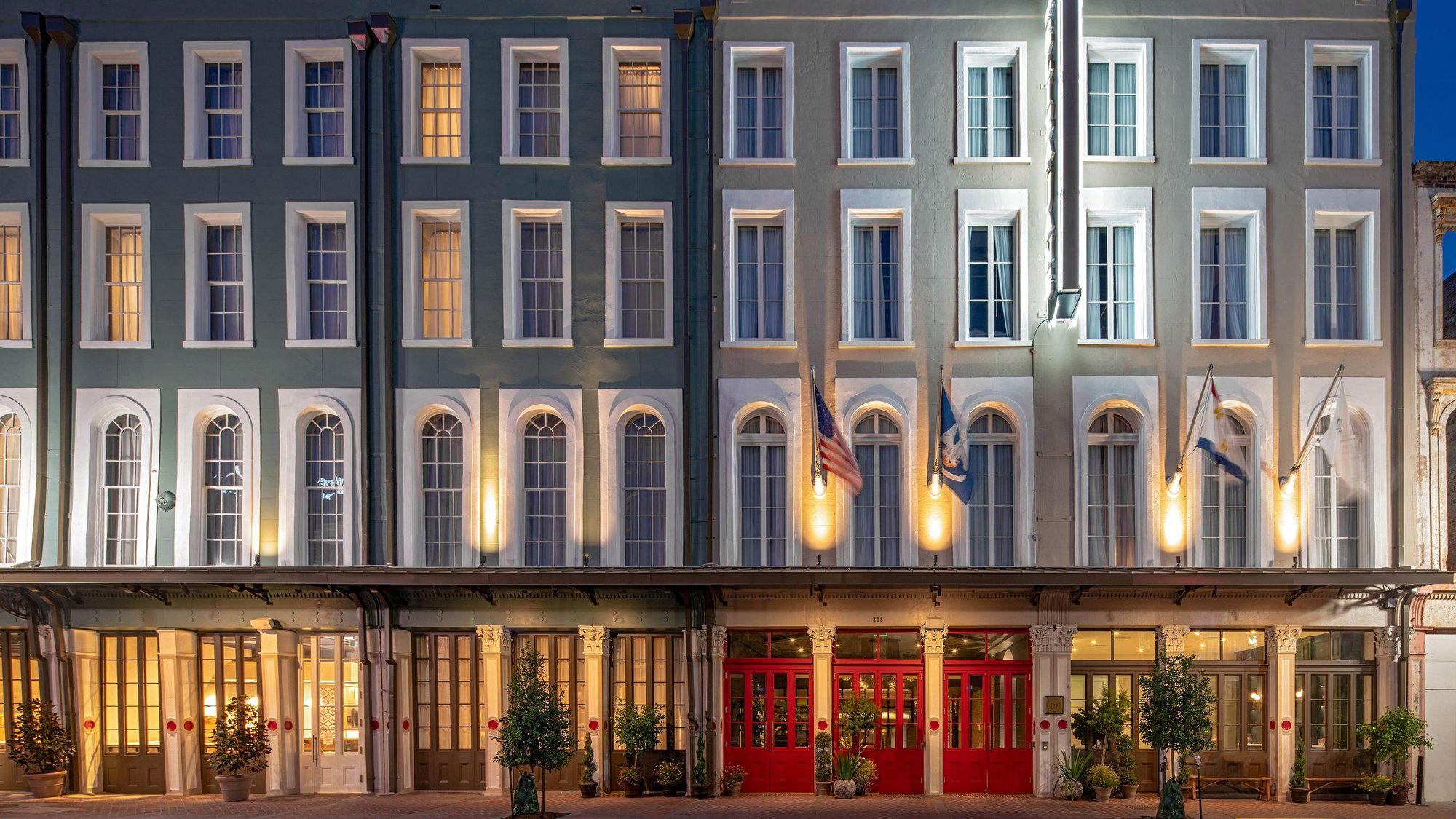
Magazine Street in Late Afternoon Light
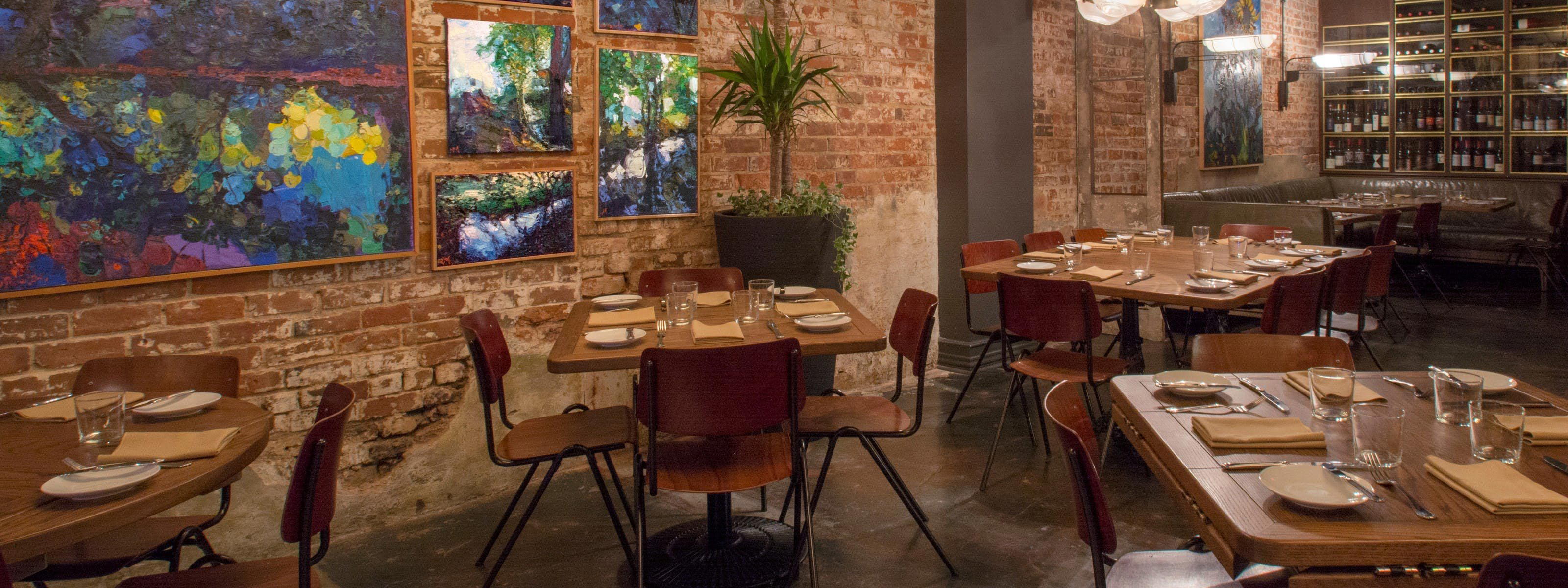
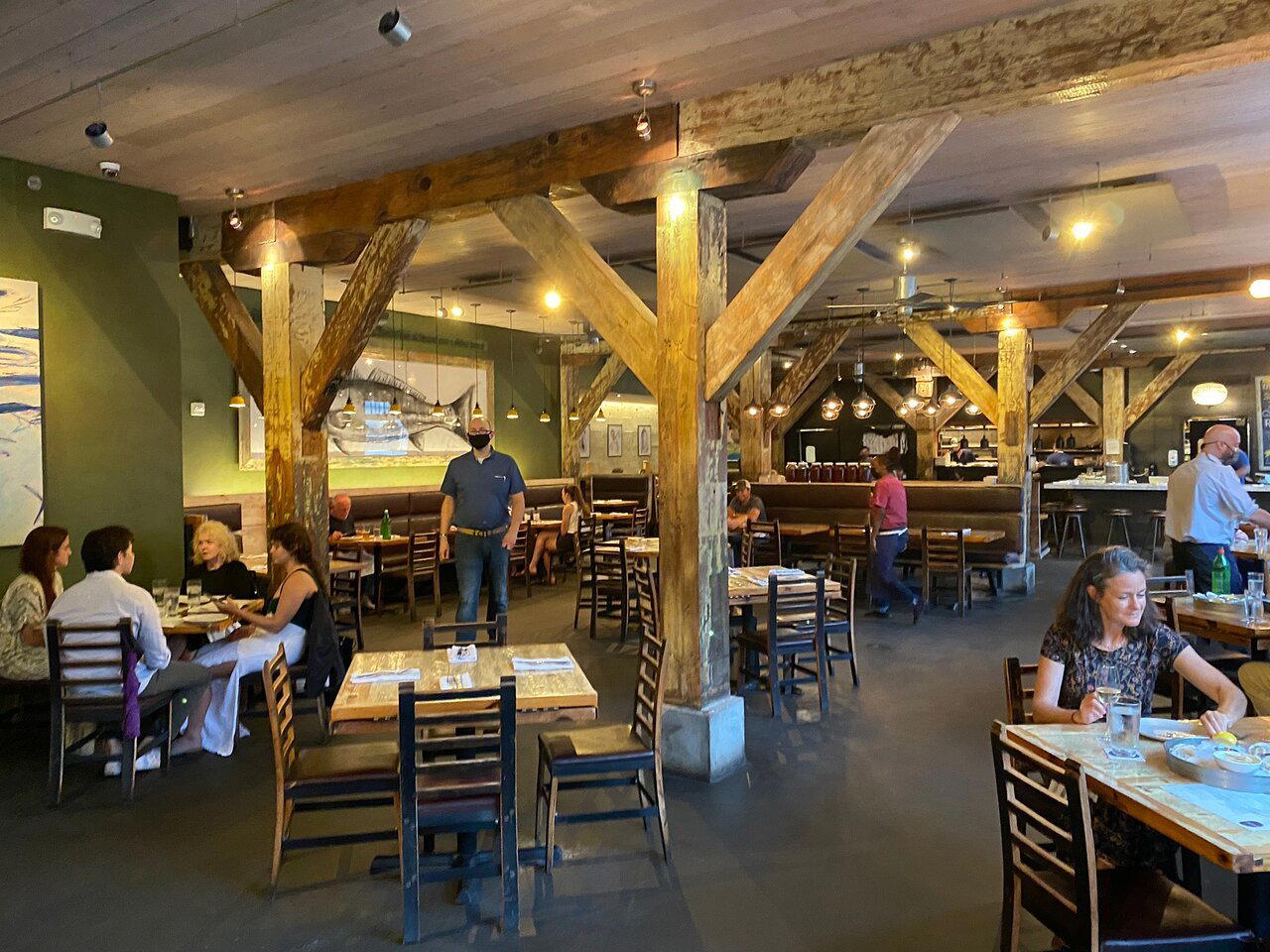
Magazine Street shifts character around dusk. The foot traffic thins, the storefronts warm under the last hour of Louisiana sun, and the buildings along this stretch of the Central Business District start to read as what they always were: working structures built to last. The Eliza Jane sits at 315 Magazine St, occupying a row of late-19th-century commercial buildings that once housed, among other enterprises, the printing operations of a local newspaper. That provenance is not incidental. In a city where adaptive reuse is the dominant vocabulary of premium hospitality, the question is always whether a conversion preserves the grain of a place or simply wallpapers over it. Here, the exposed brick, original timber framing, and industrial ceiling details suggest a conversion that kept the structure legible rather than cosmetically intact.
New Orleans has developed one of the more coherent adaptive-reuse hotel scenes in the American South. Properties like Hotel Peter and Paul, which occupies a former Catholic school and church complex in the Marigny, and Hotel Saint Vincent in the Lower Garden District, have each set a high bar for how much the original function of a building can inform its contemporary use. The Eliza Jane operates in that same tradition, working from a commercial rather than ecclesiastical source, which gives it a different visual register: less ornate, more industrial in its bones, but no less rooted in the specifics of the city that produced it.
The Ethics of the Building Itself
Sustainability in hotel development is often discussed in terms of energy certificates and procurement policies. But the most durable environmental argument for a property like The Eliza Jane is structural: the decision to rehabilitate rather than demolish and rebuild carries a carbon logic that no new-construction hotel can replicate. Embodied carbon, the emissions locked into the manufacture and transport of building materials, is increasingly recognized as a significant share of a building's total lifetime footprint. A conversion that retains existing walls, floors, and structural elements avoids that manufacturing debt entirely.
This is the frame in which New Orleans's adaptive-reuse wave deserves to be understood. When Columns or Maison Metier or the Eliza Jane preserve a 19th-century shell, they are not simply curating atmosphere. They are making a material choice that sits upstream of any in-operation sustainability program. The Unbound Collection by Hyatt, as a brand tier, has positioned its properties around place-specific identity rather than standardized footprints, and that positioning, at its most defensible, is also an environmental one: fewer identical builds, more engagement with what already exists.
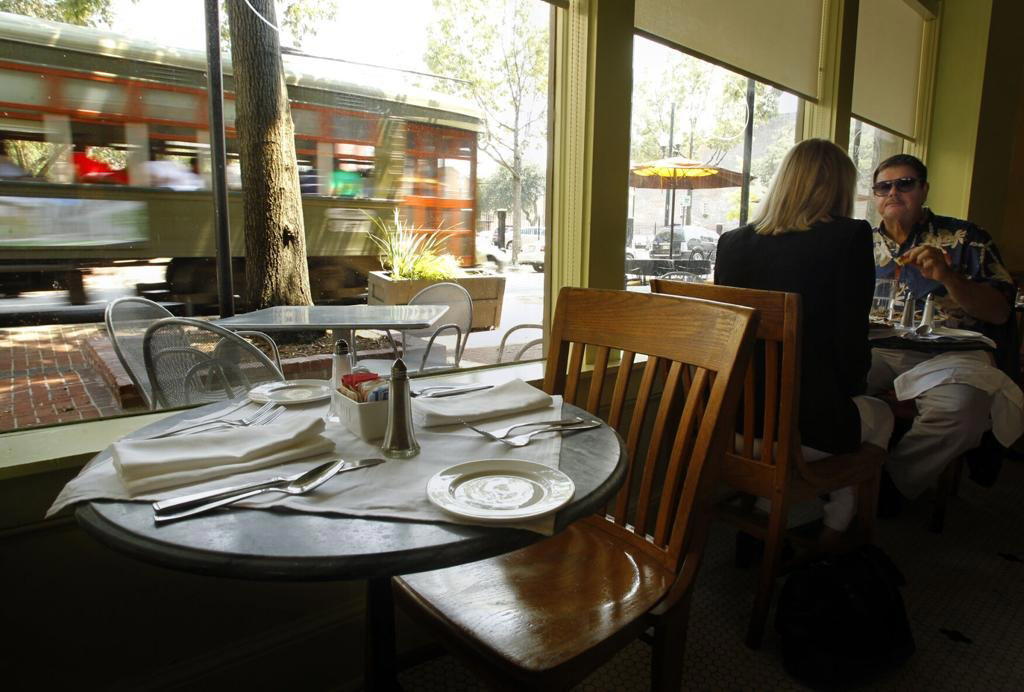
For travelers who weight environmental consciousness in their accommodation decisions, the calculation runs differently depending on what they prioritize. A new-build property with cutting-edge mechanical systems may outperform an older structure on operational efficiency. But a converted building in a walkable urban core, eliminating both the embodied carbon of new construction and the car dependency of a suburban or resort footprint, often wins on total-impact terms. The Eliza Jane's Magazine Street address places guests within walking distance of the French Quarter, the Warehouse Arts District, and the streetcar lines that connect to Uptown, which means the city is genuinely accessible without a vehicle.
Where This Property Sits in the New Orleans Hotel Market
New Orleans's upper-mid and premium hotel market has stratified considerably over the past decade. At one end sit legacy grand hotels: The Roosevelt, a Waldorf Astoria property anchored by its Sazerac Bar and the weight of a century of city history. At the other end, a newer cohort of design-led boutique conversions competes on specificity of place and intimacy of scale. The Eliza Jane falls into this latter group, sharing competitive DNA with Hotel Peter and Paul and The Celestine New Orleans rather than with the larger full-service towers.
The Unbound Collection affiliation gives the property chain-level infrastructure, which matters for a certain traveler profile: loyalty point accumulation, consistent booking and service standards, and a known framework for resolving issues. What it trades for that is some of the complete independence that characterizes properties like Catahoula or the Pontchartrain Hotel on St. Charles Avenue. Whether that trade is favorable depends on how much weight the guest places on program benefits versus curatorial autonomy. For travelers who have found that fully independent boutique properties can be inconsistent in execution, the hybrid model has genuine appeal.
Among Hyatt's extended portfolio, the Unbound Collection occupies a different space than the brand's flagship or resort properties. For comparison, Aman New York or The Fifth Avenue Hotel in New York City represent the upper ceiling of urban luxury positioning, where the proposition is built around extreme privacy and service depth. The Eliza Jane operates at a different register, one defined more by character than by exclusivity, and that is a legitimate positioning in a city that rewards engagement with its own texture over withdrawal from it.
Planning a Stay: Timing and Practical Considerations
New Orleans follows a seasonal rhythm that is more pronounced than most American cities. The core festival calendar, anchored by Jazz Fest in late April and early May and by Mardi Gras in February or March depending on the year, compresses demand and raises rates substantially across all hotel categories. Travelers with flexibility will find that the shoulder periods, particularly November and the first half of December before the holiday season, offer the same city at a slower pace and with more accommodation availability. The heat of July and August is real, but it also produces a quieter, more locally-inhabited version of New Orleans that has its own appeal for visitors who want less tourist density.
The Magazine Street address is a functional one for exploring the city on foot or by transit. The Element New Orleans Downtown offers an alternative in the same general district for travelers prioritizing extended-stay formats, but for those whose visit centers on the city's food, culture, and architectural character, the Eliza Jane's position between the CBD and the Warehouse District keeps the most interesting neighborhoods close without requiring a car. For broader inspiration across American and international properties that share a similar commitment to place-specific design, Troutbeck in Amenia, Post Ranch Inn in Big Sur, and SingleThread Farm Inn in Healdsburg represent the same instinct applied to very different geographic contexts. Further afield, Aman Venice and Badrutt's Palace Hotel in St. Moritz offer international reference points for buildings where history and hospitality are genuinely inseparable.
For a complete view of where the Eliza Jane fits within the city's dining and cultural programming, our full New Orleans restaurants guide maps the broader scene across neighborhoods and price points.
Same-City Peers
Comparable options at a glance, pulled from our tracked venues.
| Venue | Price | Awards |
|---|---|---|
| The Eliza Jane - The Unbound Collection by HyattThis venue — the venue you are viewing | $100–200 | Not listed |
| Four Seasons Hotel New Orleans | $300–500 | 1 Michelin Key · La Liste Top Hotels |
| The Roosevelt New Orleans, A Waldorf Astoria Hotel | $300–500 | Virtuoso Luxury Hotel Partner · Forbes Recommended |
| Columns | $200–300 | 1 Michelin Key · Fodor's Most Incredible Hotels in the World |
| Hotel Peter and Paul | Not listed | 1 Michelin Key · Mr & Mrs Smith Seal of Approval |
| Hotel Saint Vincent | $200–300 | 1 Michelin Key · Fodor's Most Incredible Hotels in the World |
Continue exploring
More in New Orleans
Hotels in New Orleans
Browse all →
Bars in New Orleans
Browse all →
Details
- Elegant
- Sophisticated
- Historic
- Intimate
- Romantic Getaway
- Business Trip
- Weekend Escape
- Historic Building
- Garden
- Wi Fi
- Fitness Center
- Room Service
- Concierge
- Valet Parking
- Street Scene
- Wheelchair Accessible
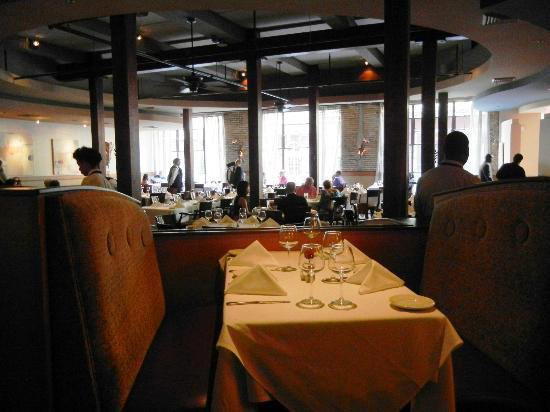
Sophisticated blend of historic industrial elements like exposed brick and beams with modern elegance, warm lobby fireplace, and eclectic trendy vibe conducive to socialization.