The Chloe
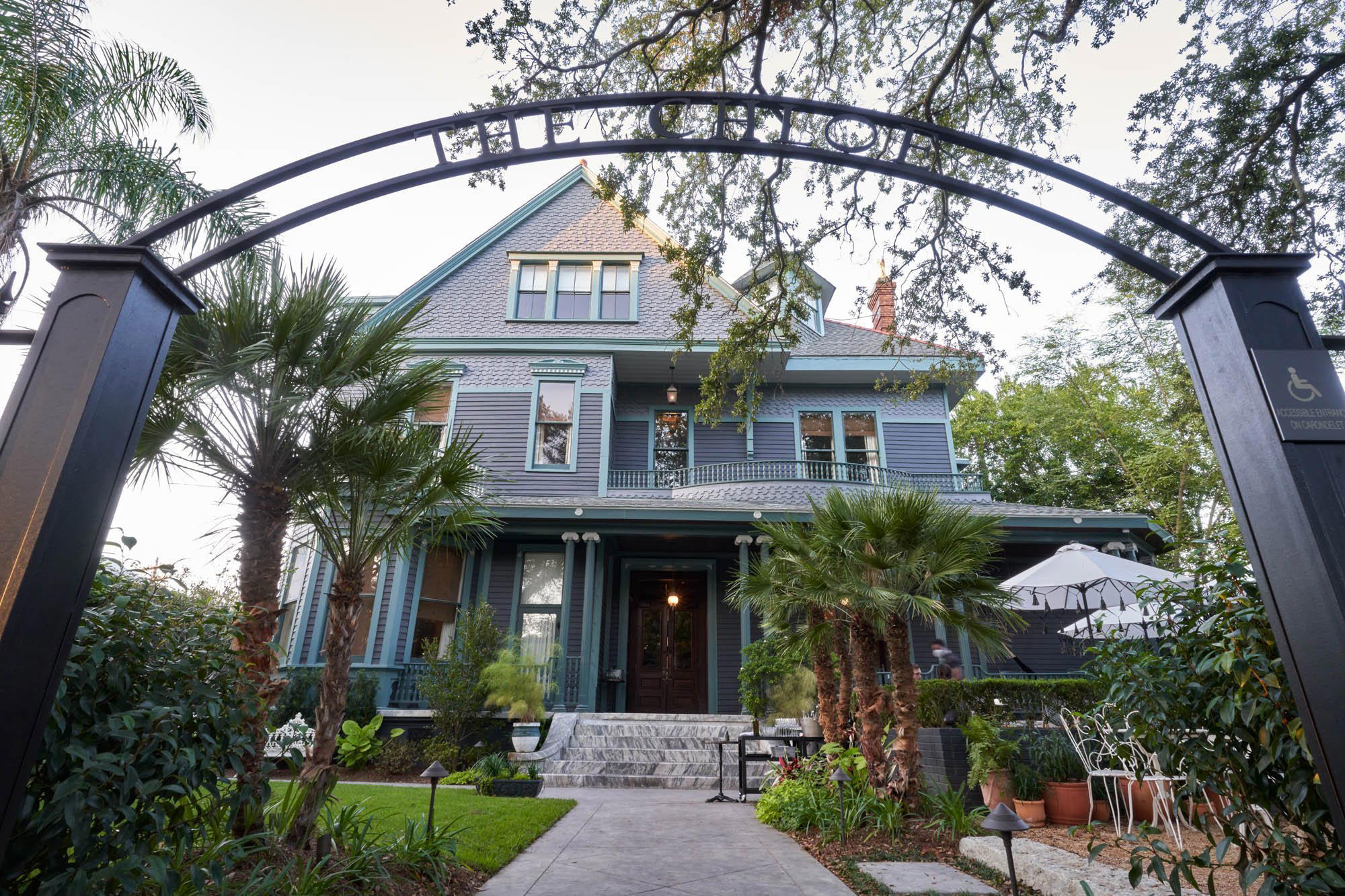
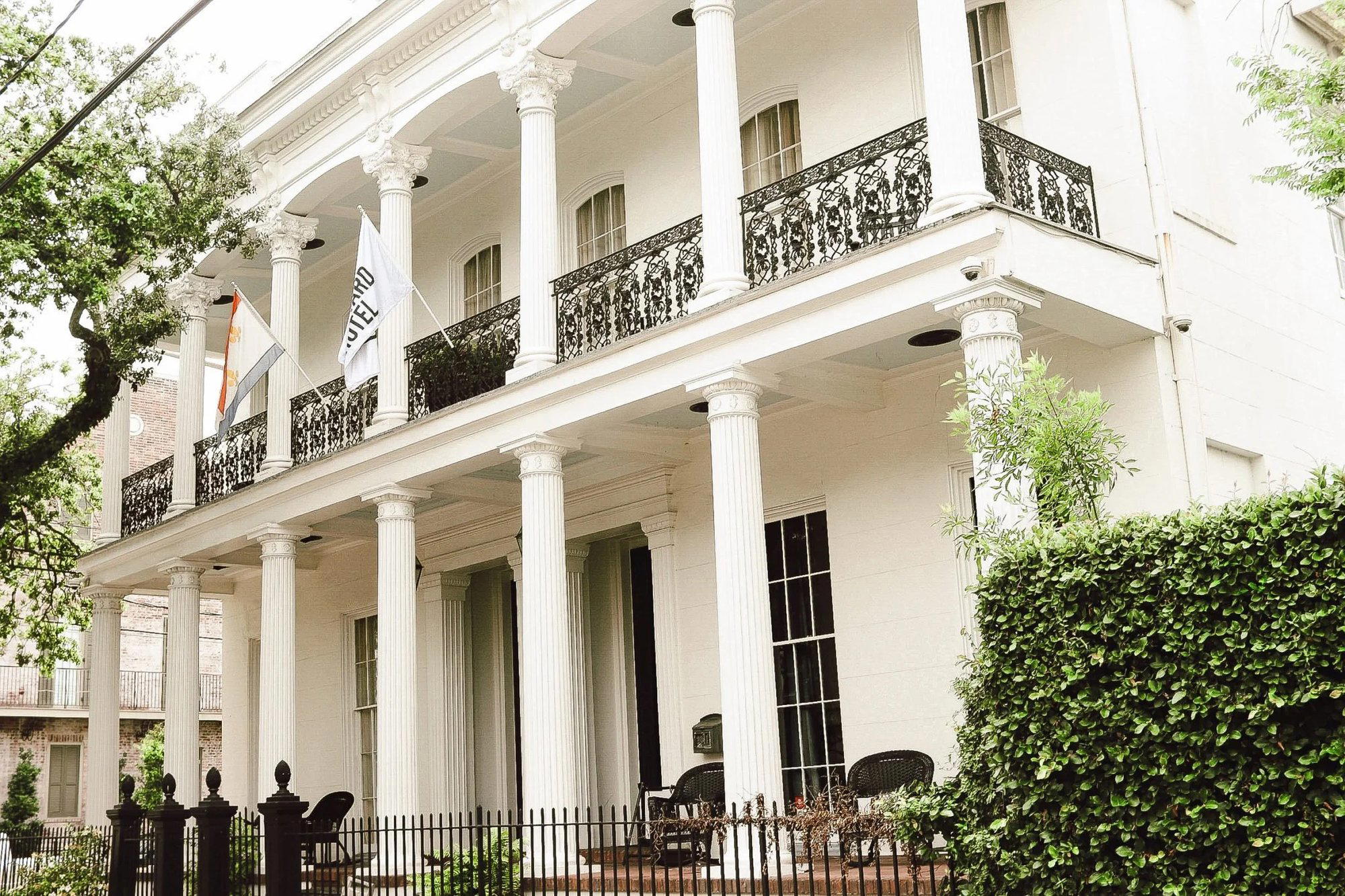
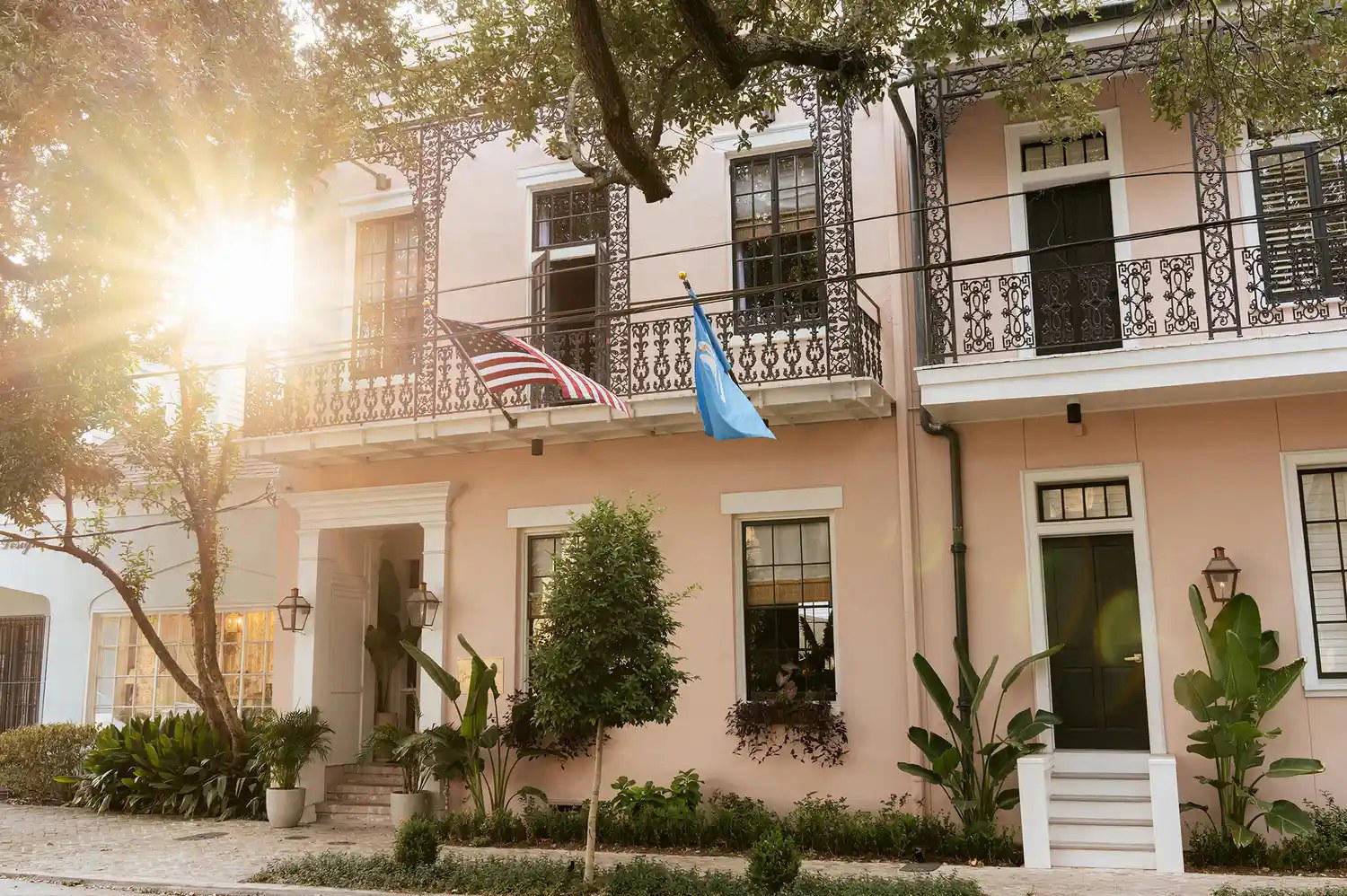
The Chloe occupies a restored Uptown mansion on St Charles Avenue, positioning it among New Orleans' smaller, character-driven properties rather than the grand downtown hotel corridor. For milestone occasions and anniversary stays, it offers a residential scale and neighbourhood setting that the larger Waldorf and Four Seasons properties cannot replicate. Guests willing to trade convention-hotel amenities for genuine Garden District atmosphere tend to find it the more memorable choice.

Pearl is the En Primeur Club membership app — saves, bookings, and concierge access live there. Same editors, same standards.
- Address
- 4125 St Charles Ave, New Orleans, LA 70115
- Phone
- (504) 541-5500
- Website
- thechloenola.com
- Directions
- Get directions
St Charles Avenue and the Case for Uptown
New Orleans hotel geography divides more sharply than most American cities. The downtown and CBD corridor holds the major flags: the Roosevelt, the Four Seasons conversion on Canal Street, the Waldorf properties that anchor the French Quarter edge. But a separate tradition runs up St Charles Avenue through the Garden District and into Uptown, where converted mansions and smaller inn-format properties occupy the streetcar corridor. The Chloe, at 4125 St Charles Avenue, sits in this second tradition, a restored residential building on one of the city's most architecturally dense stretches. For visitors who choose New Orleans as the backdrop for a significant occasion, the distinction between these two hotel geographies matters considerably.
The Uptown model carries a different logic than the downtown grand hotel. Scale is smaller, the immediate neighbourhood is residential rather than commercial, and the relationship between the property and the surrounding streetscape is more intimate. Properties in this bracket compete less against Four Seasons or Waldorf and more against Columns, Hotel Peter and Paul, and Hotel Saint Vincent. The competitive signal is neighbourhood character and architectural identity, not lobby scale or points-program affiliation.
The Occasion Calculus on St Charles
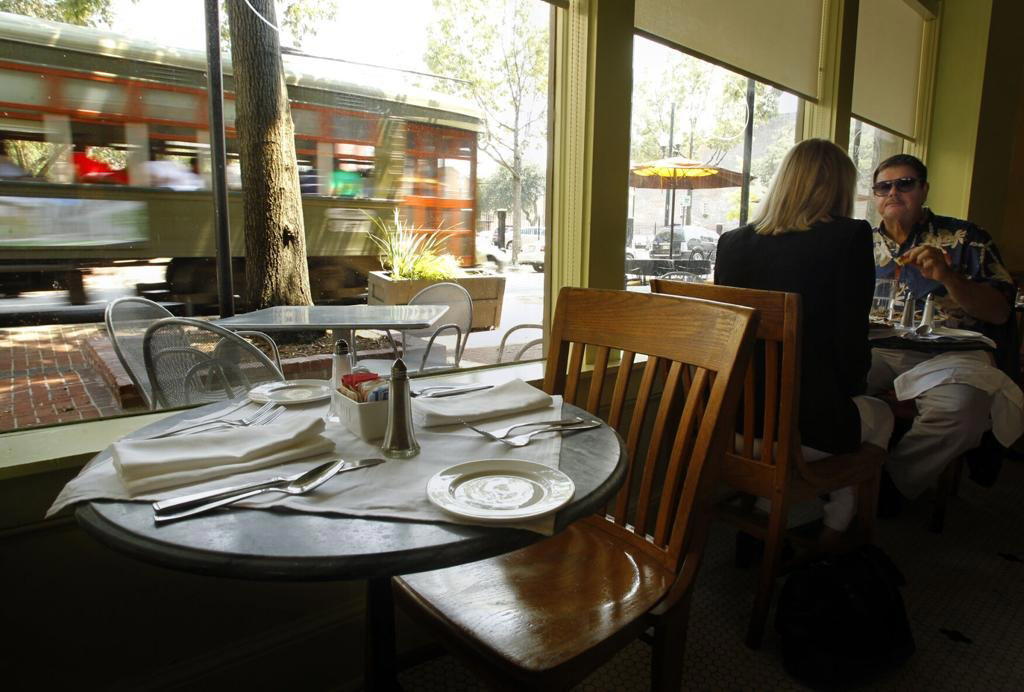
New Orleans has a longstanding relationship with celebratory dining and stays. The city's culture of elaborate occasion-marking, from anniversary suppers in century-old dining rooms to milestone birthday weekends built around neighbourhood restaurant crawls, creates a particular demand for properties that feel suited to memory-making rather than business travel. An Uptown mansion property, with the St Charles streetcar running outside and oak canopy overhead, frames that kind of stay in a way that a high-floor room in a glass tower does not.
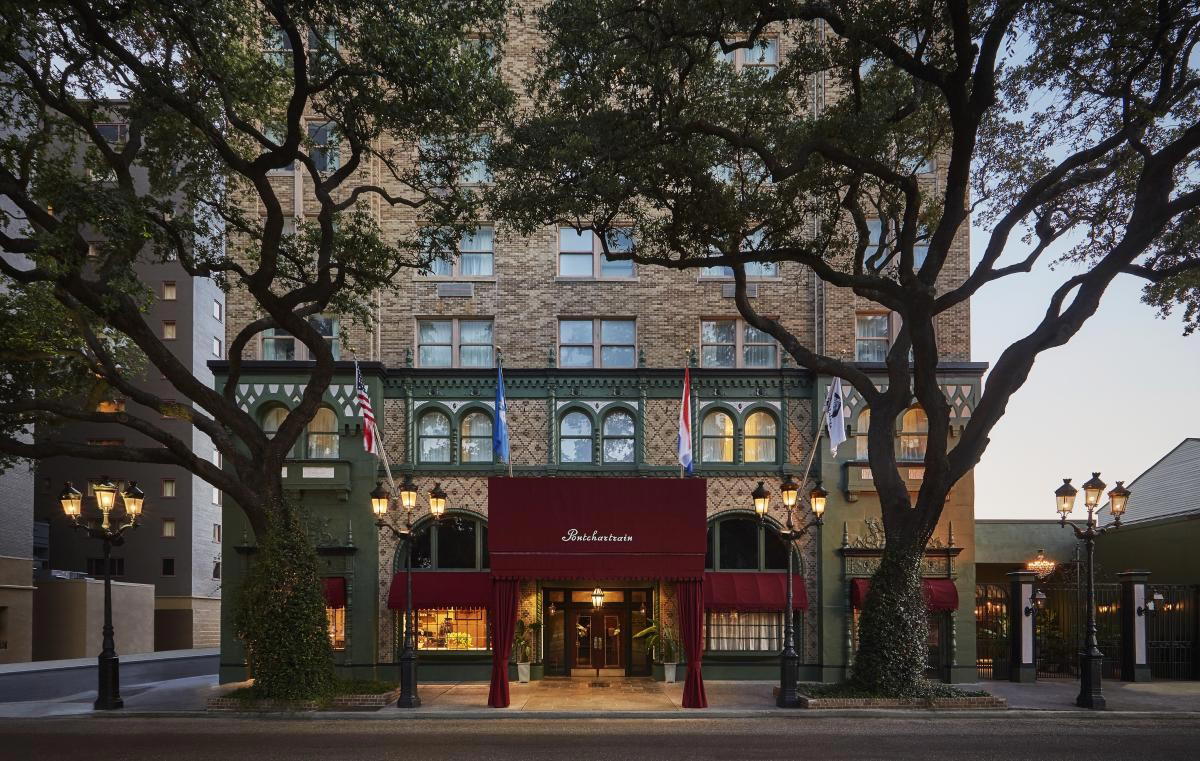
For guests choosing New Orleans specifically as a milestone destination, the St Charles Avenue address also functions as a practical staging point. The Garden District's main restaurant concentration sits within walking distance, as does the streetcar line that runs down to the French Quarter in under twenty minutes. Visitors who want to build a long anniversary weekend or celebratory trip around serious dinners, afternoon walks through the historic district, and mornings at a property with genuine architectural character will find the Uptown location more functional than it first appears on a map. Comparable properties anchored to neighbourhood character over chain-hotel infrastructure include Maison Metier and the Pontchartrain Hotel St. Charles Avenue, which shares the same corridor and the same residential-street logic.
How It Compares Within the New Orleans Boutique Tier
New Orleans' boutique hotel tier has grown considerably over the past decade, with adaptive reuse of historic buildings driving most of the interesting additions. Properties like The Celestine New Orleans and Catahoula New Orleans occupy the same general category of design-conscious, smaller-footprint properties, though they anchor different neighbourhoods and attract different occasion profiles. The Chloe's St Charles address puts it in the Garden District subset of this tier, which skews toward guests who want residential-neighbourhood immersion rather than proximity to Bourbon Street.
Within that subset, the property competes primarily on atmosphere and setting. A converted mansion with garden access on St Charles carries a different texture than a converted church or a Warehouse District industrial conversion. For couples planning anniversary stays or families marking significant milestones, the mansion format tends to read as more inherently celebratory than a purpose-built hotel room, regardless of room category. Guests comparing options in this tier should also consider Element New Orleans Downtown if proximity to the CBD is a priority, though that property serves a different occasion profile entirely.
Planning a Stay: What to Know
The Garden District location on St Charles Avenue places The Chloe roughly two miles from the French Quarter, a distance that reads as distant on paper but functions well in practice given the streetcar line that runs the length of the avenue. For occasion-focused stays, the neighbourhood concentration of serious restaurants along Magazine Street and in the surrounding blocks means guests rarely need to travel far for the meals that anchor milestone trips. New Orleans restaurant reservations at the top tier book out weeks in advance, particularly on weekends and during festival season, so coordinating dining reservations alongside accommodation is a practical priority rather than an afterthought.
New Orleans' event calendar compresses demand significantly. Jazz Fest in late April and early May, Southern Decadence in late summer, and the Thanksgiving-to-Mardi Gras stretch from November through February or March represent the city's peak booking windows. Occasion stays during these periods require lead time measured in months for both rooms and restaurant tables. The shoulder periods, particularly October and early November, offer a combination of manageable weather and reduced booking pressure that suits planned celebrations well. Comparable occasion-focused properties nationally that demonstrate similar seasonal booking dynamics include Troutbeck in Amenia and Auberge du Soleil in Napa, both of which operate in destination contexts where the surrounding culinary scene is as central to the stay as the property itself.
For travellers benchmarking The Chloe against properties at different price points or in different American cities, the reference set worth examining includes The Fifth Avenue Hotel in New York City and Raffles Boston in Boston at the upper end of the boutique occasion tier, or Post Ranch Inn in Big Sur and Little Palm Island Resort & Spa in Little Torch Key for guests considering whether a destination hotel in a remote setting serves a milestone better than an urban boutique. The calculus depends on whether the city itself, meaning New Orleans' food culture, music, and architectural character, is part of the occasion's meaning. For guests to whom it is, the urban boutique format wins consistently. See our full New Orleans restaurants guide for the dining context around which a serious occasion stay here should be built.
Just the Basics
A quick snapshot of similar venues for side-by-side context.
| Venue | Price | Awards |
|---|---|---|
| The ChloeThis venue — the venue you are viewing | $200–300 | Not listed |
| Four Seasons Hotel New Orleans | $300–500 | 1 Michelin Key · La Liste Top Hotels |
| The Roosevelt New Orleans, A Waldorf Astoria Hotel | $300–500 | Virtuoso Luxury Hotel Partner · Forbes Recommended |
| Columns | $200–300 | 1 Michelin Key · Fodor's Most Incredible Hotels in the World |
| Hotel Peter and Paul | Not listed | 1 Michelin Key · Mr & Mrs Smith Seal of Approval |
| Hotel Saint Vincent | $200–300 | 1 Michelin Key · Fodor's Most Incredible Hotels in the World |
Continue exploring
More in New Orleans
Hotels in New Orleans
Browse all →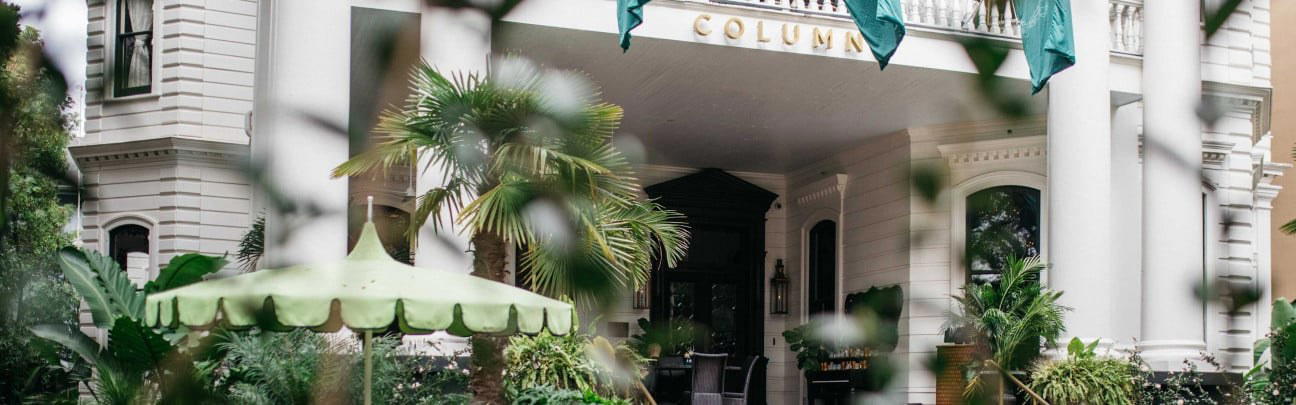
Bars in New Orleans
Browse all →

Details
- Romantic
- Elegant
- Whimsical
- Bohemian
- Sophisticated
- Romantic Getaway
- Weekend Escape
- Anniversary
- Celebration
- Historic Building
- Design Destination
- Garden
- Terrace
- Pool
- Restaurant
- Bar
- Room Service
- Garden
- Street Scene
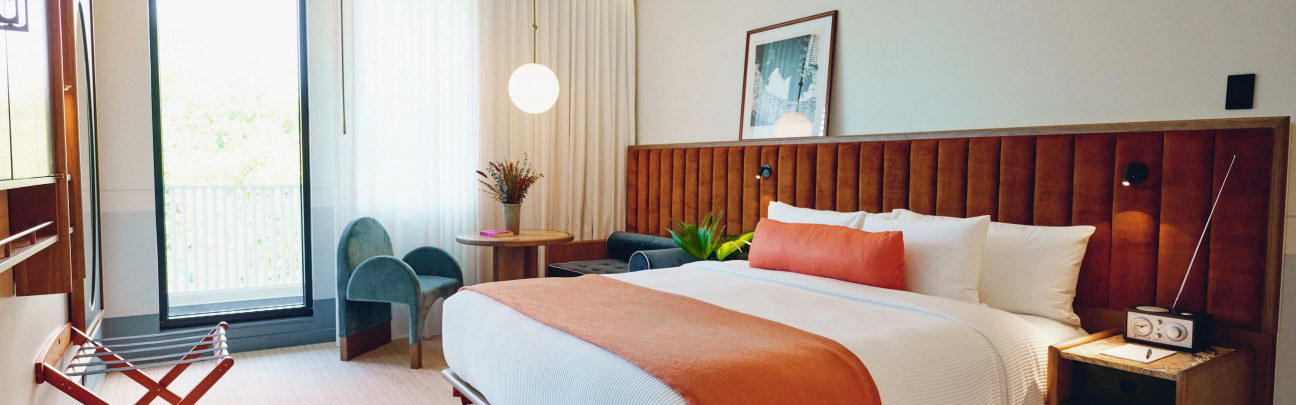
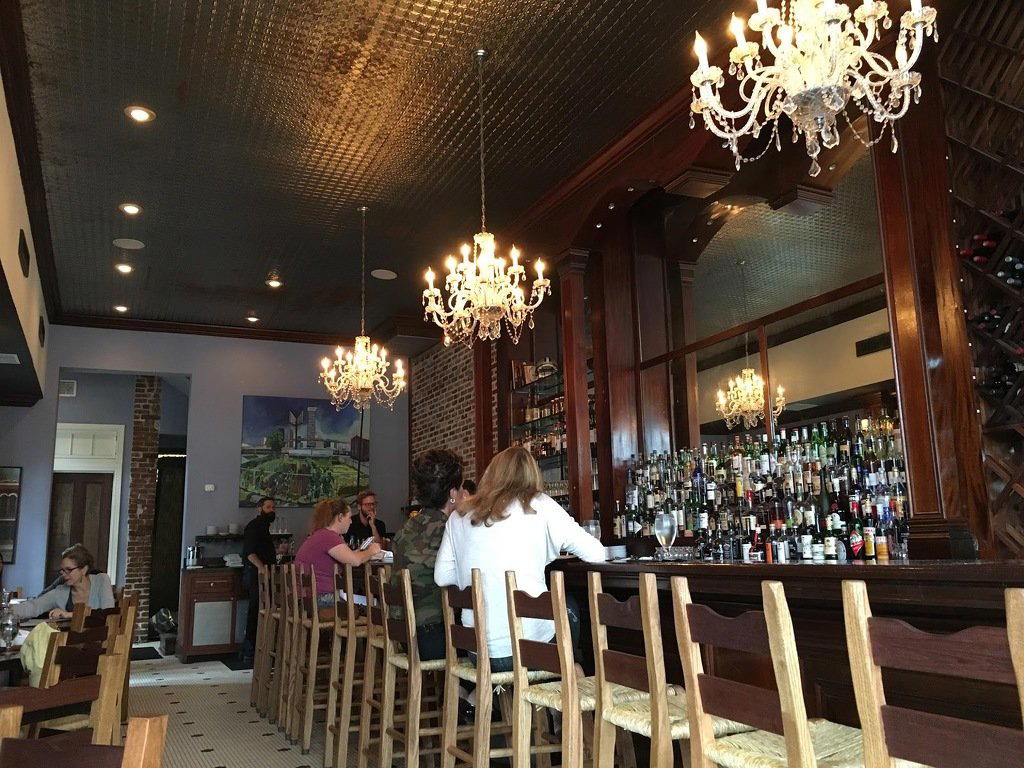
Moody and lush with flickering candle lamps and alabaster wall sconces creating warm glows; dramatic four-poster beds and freestanding soaking tubs in bedrooms contrast with crisp white Italian linens and pared-back design.