The Edwardian Manchester, A Radisson Collection Hotel

Occupying the restored Free Trade Hall on Peter Street, The Edwardian Manchester is a Radisson Collection hotel recognised by the Michelin Guide's 2025 hotel selection. The building's civic history gives it a different weight from purpose-built luxury hotels in the city centre, and its position on a street that connects the concert hall district to the retail core keeps it central without the corporate anonymity of larger chain properties.
Pearl is the En Primeur Club membership app — saves, bookings, and concierge access live there. Same editors, same standards.
- Address
- Free Trade Hall, Peter Street, Manchester, UK
- Phone
- +441618359929
 Saves & bookings on Pearl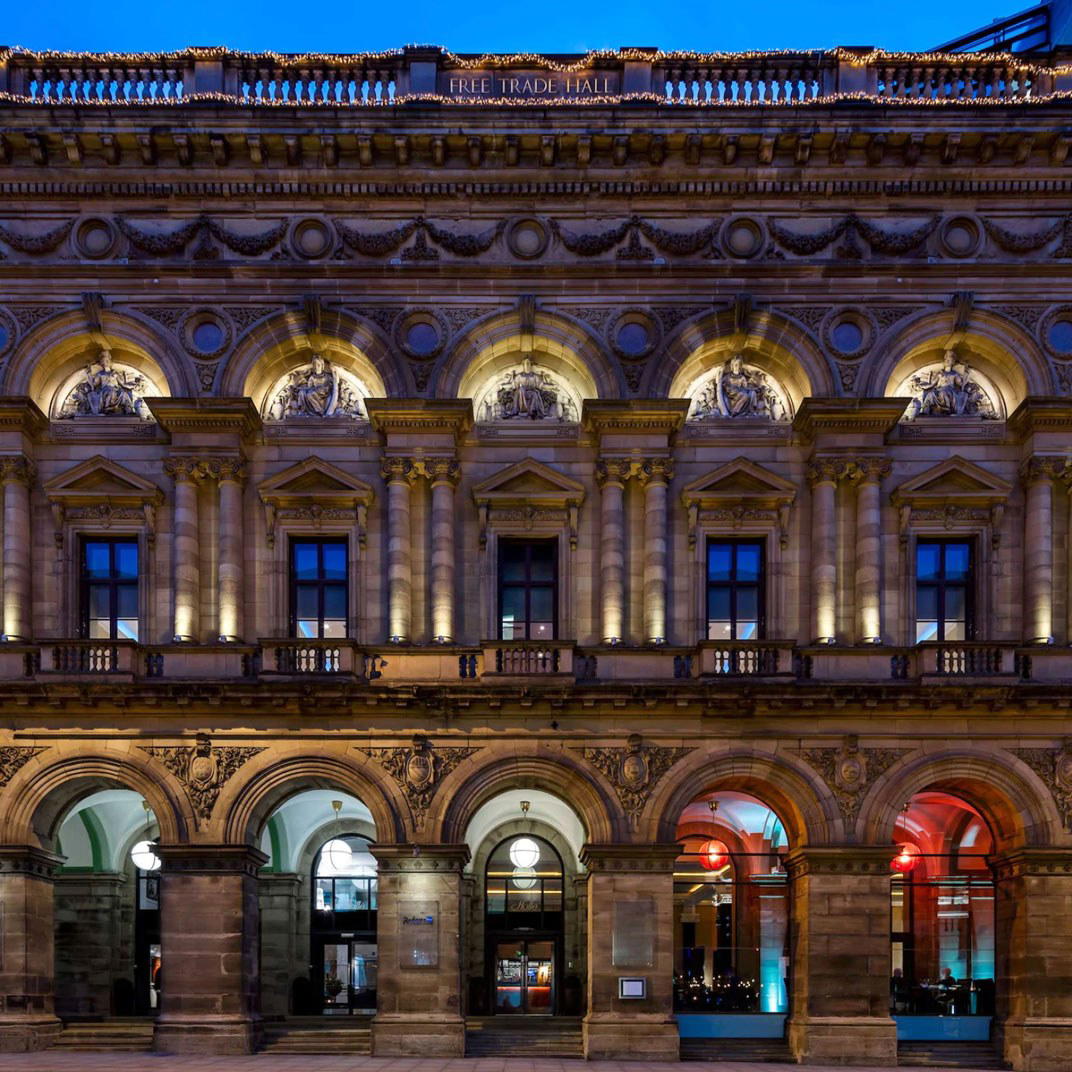
Free Trade Hall and What It Means for a Hotel Stay
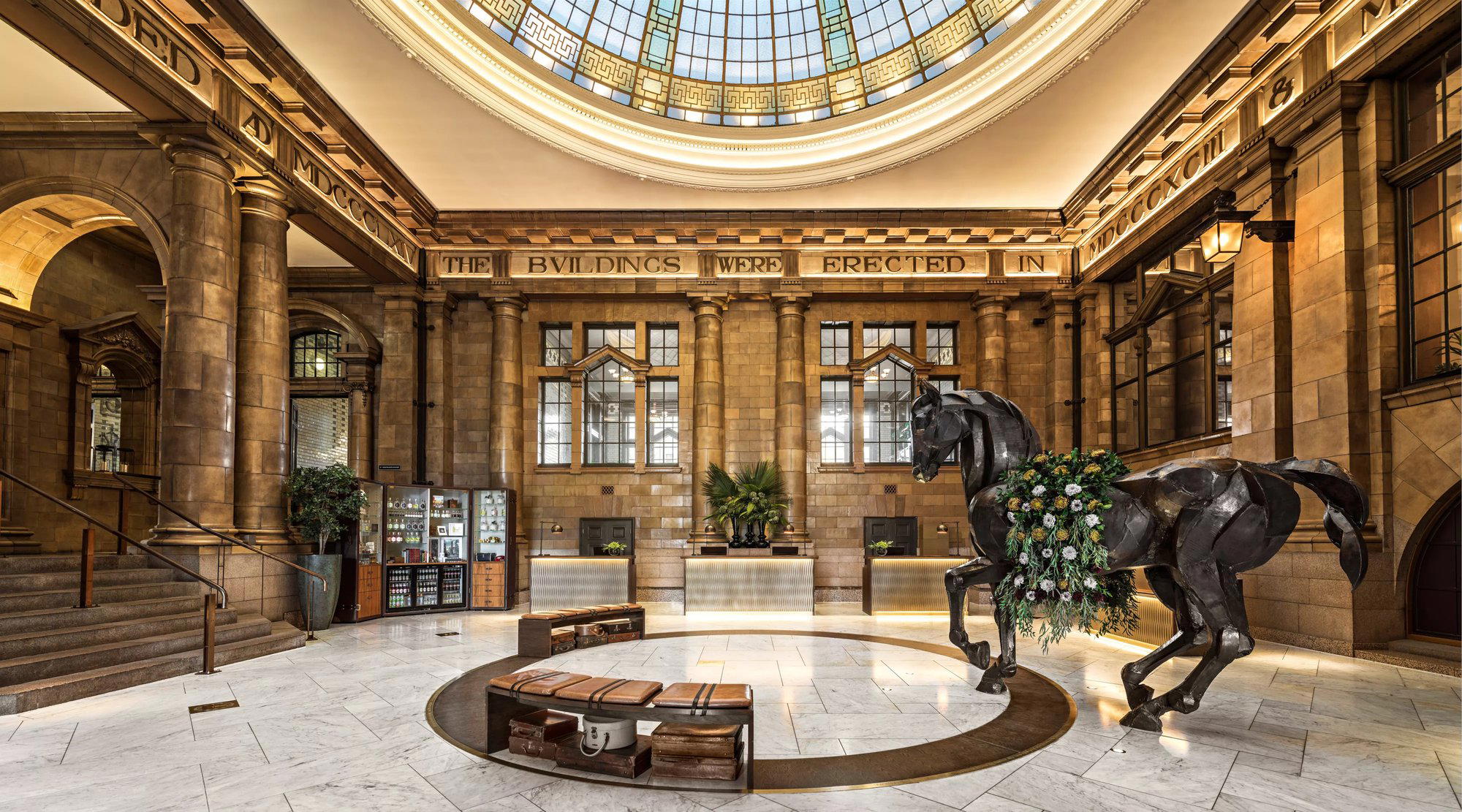
Peter Street has always carried civic weight in Manchester. The Free Trade Hall, completed in the 1850s on the site of the Peterloo Massacre, was for over a century the city's principal public meeting and concert venue, hosting figures from Dickens to Churchill and serving as the home of the Hallé Orchestra. When a building with that lineage becomes a hotel, guests are not simply booking a room; they are sleeping inside a structure that the city has argued over, celebrated in, and mourned at. The Edwardian Manchester, part of the Radisson Collection portfolio, is a 5-star hotel occupying that building today, and its relationship with its own fabric matters more than the furnishings.
The Radisson Collection tier is positioned as the group's design-led, locally-rooted strand, comparable in intent to what Kimpton or Autograph Collection attempt within their own networks: the idea that a hotel should carry the character of its specific address rather than export a standardised international identity. Whether a brand framework can deliver on that promise depends almost entirely on execution at property level, and at Free Trade Hall, the raw material is undeniably strong. The Victorian façade, the retained civic-scale public rooms, and the building's standing in Manchester's collective memory all do work that no amount of interior design spend could replicate in a purpose-built tower.
Where the Edwardian Sits Among Manchester's Hotels
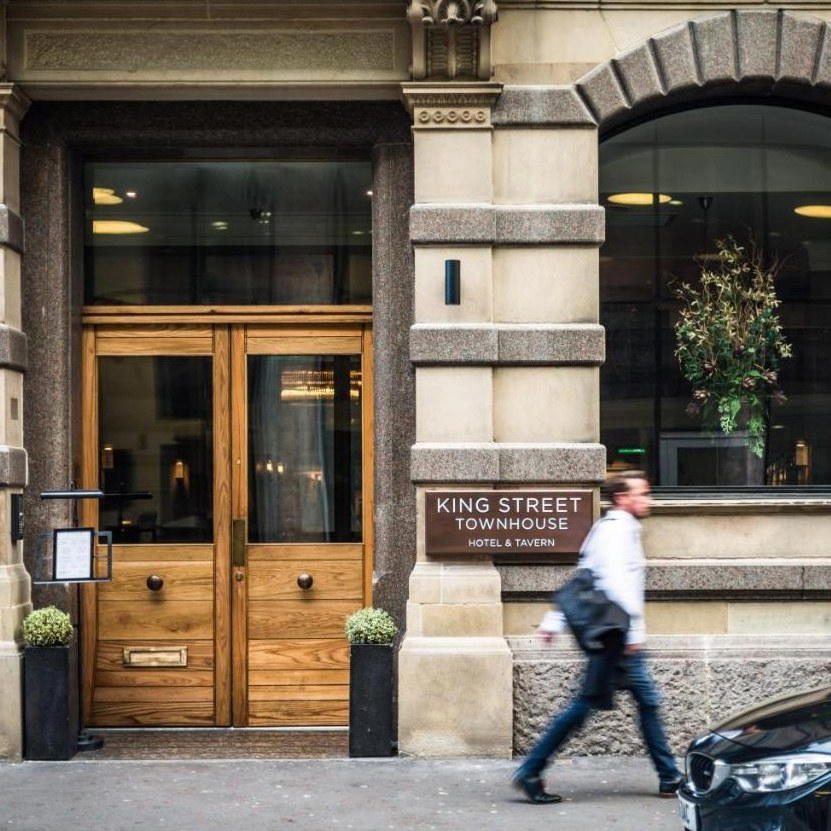
Manchester's city-centre hotel market has stratified considerably over the past decade. At one end, large internationally branded towers serve the conference and business-travel corridor. At the other, a smaller set of character-driven properties competes on architecture, food and beverage programming, and neighbourhood specificity. The Edwardian Manchester sits in the latter group, alongside properties like the Kimpton Clocktower Hotel, which anchors Oxford Road, and the King Street Townhouse, which trades on its financial-district address and rooftop pool. The Hotel Gotham Manchester occupies another slice of the same tier, bringing a different architectural heritage to the conversation.
The Edwardian Manchester is listed in the Michelin Guide's 2025 hotel selection. Michelin's hotel listings, now distinct from their restaurant stars, tend to identify properties where the physical environment, service consistency, and overall guest experience clear a specific threshold. Inclusion positions the Edwardian inside a national comparable set that includes properties such as King Street Townhouse Hotel and, further afield, city-centre heritage conversions like The Savoy in London.
Properties at a similar intersection of historic fabric and contemporary hotel programming include Gleneagles in Auchterarder, Estelle Manor in North Leigh, and Lime Wood in Lyndhurst, though those operate in rural or semi-rural settings where the relationship between building and landscape does different work than an urban civic monument.
The Building as Sustainability Argument
Adaptive reuse at this scale preserves existing urban fabric rather than demolishing and rebuilding, and returns a civic building to active public use.
Adaptive reuse at this scale is a form of embodied-carbon preservation. The limestone and sandstone of the Victorian envelope, the load-bearing masonry, the retained interior volumes where acoustic and architectural character have been maintained, these represent resources that would have required enormous energy and material cost to replicate from scratch. Hotels operating in purpose-built new builds are starting from a fundamentally different carbon baseline than a property operating within a nineteenth-century shell. That distinction does not appear on most hotel sustainability certificates, but it is relevant for guests who think carefully about where they put their money.
Manchester's civic buildings have not always been treated with this consideration. The broader Peter Street area lost several significant Victorian and Edwardian structures to post-war and late-twentieth-century redevelopment. That the Free Trade Hall survived and was adapted for continued public use, first as a concert and events venue and now as a hotel open to the city, represents a different planning and investment philosophy. Other UK properties making similar arguments through adaptive reuse include Crossbasket Castle in High Blantyre and Hotel du Vin at One Devonshire Gardens in Glasgow, where historic buildings have been converted rather than replaced.
Location and Practical Access
Peter Street places the hotel within a short walk of Deansgate, the main cultural spine connecting Manchester's concert venues and theatres to the city's commercial core. The Bridgewater Hall, home of the Hallé Orchestra, is nearby, making the hotel a logical base for anyone attending evening performances. Manchester Piccadilly station is accessible on foot or via tram, and the Metrolink network connects the area to MediaCityUK, the airport, and the northern neighbourhoods. For guests arriving by car, central Manchester parking is expensive and often constrained; the hotel's urban position is better served by public transport than by private vehicle.
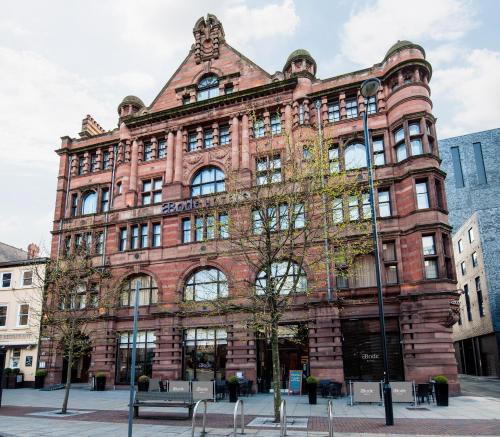
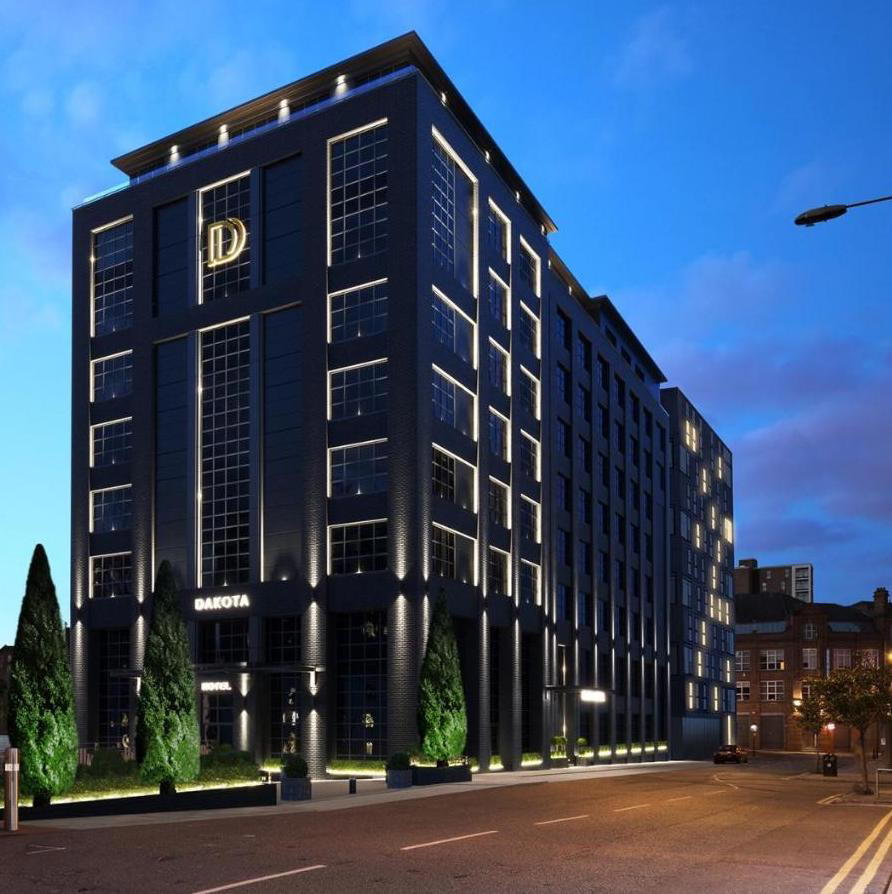
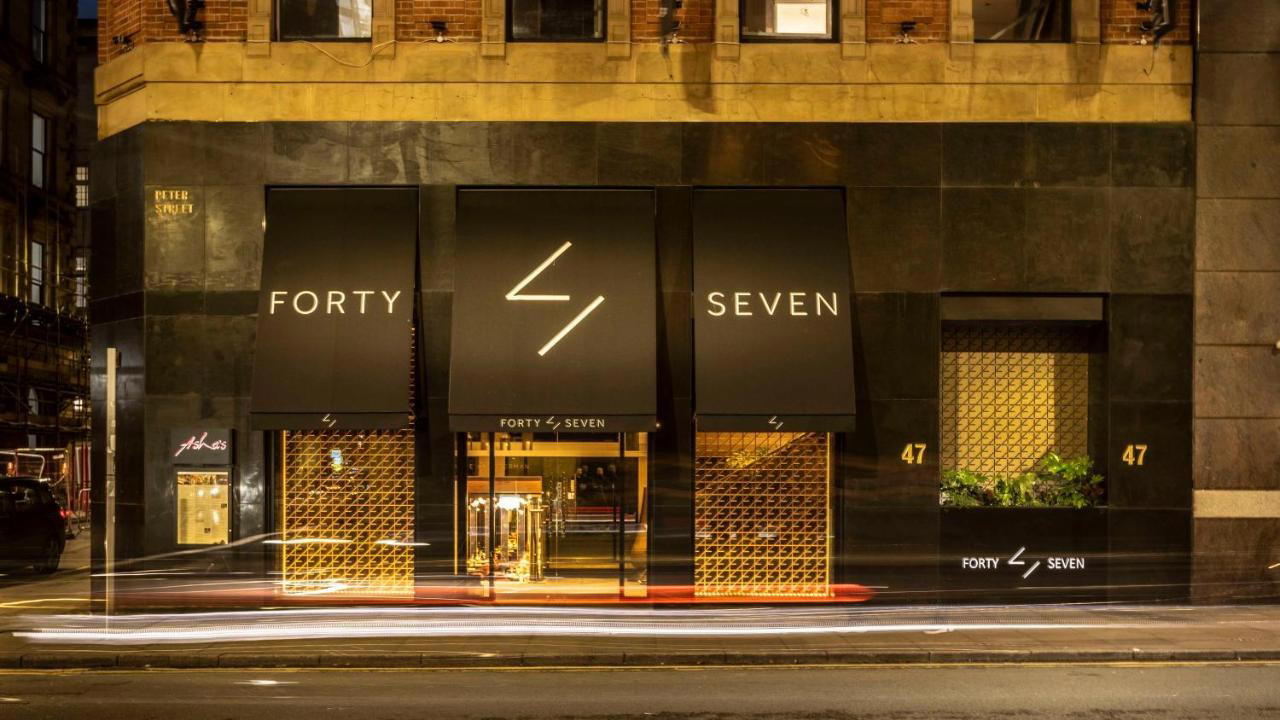
ABode Manchester, Dakota Manchester, and Forty-Seven, each of which occupies a different neighbourhood position and offers a different relationship to the city's commercial and cultural districts. For guests prioritising a residential-area feel over city-centre proximity, Didsbury House Hotel operates in the south Manchester suburb of Didsbury, where the pace and character of a stay shifts considerably. Our full Manchester restaurants guide covers the dining context across all of these areas.
Planning Your Stay
Booking direct is recommended, and rates vary by season and room type. The hotel's Peter Street address is walkable from the central retail district, which makes it convenient for guests whose schedules combine business and leisure. Dress expectations in public areas are smart casual. Room configurations vary within the building's existing structure.
Cost Snapshot
Comparable venues nearby, for context on price, style, and recognition.
| Venue | Price | Awards | Notes |
|---|---|---|---|
| The Edwardian Manchester, A Radisson Collection HotelThis venue — the venue you are viewing | $$$$ | 5-Star | Not listed |
| Hotel Gotham Manchester | $$$$ | 5-Star | Deansgate, Luxury boutique in a restored historic Art Deco landmark |
| The Lowry Hotel | $$$$ | 5-Star | Chapel Wharf, Salford, Contemporary luxury hotel blending Manchester's industrial heritage with Scandinavian minimalism, positioned as the city's premier five-star destination. |
| The Edwardian Manchester | $$$$ | 5-Star | Deansgate, Heritage luxury in a Grade II*-listed landmark with contemporary redesign. |
| King Street Townhouse | $$$$ | 4-Star | Deansgate, Design-led luxury boutique hotel housed in a restored Grade II listed Italian Renaissance building from 1872, combining heritage architecture with contemporary interiors. |
| Dakota Manchester | $$$$ | 4-Star | Piccadilly, Relaxed luxury with refined style and charming service |
Recognition history
Dated appearances from independent guides and award organizations, with the underlying list record or original source where available.
Michelin Selected
Michelin
At a Glance
- Elegant
- Sophisticated
- Classic
- Ornate
- Business Trip
- Romantic Getaway
- Weekend Escape
- Historic Building
- Spa
- Pool
- Fitness Center
- Room Service
- Wi Fi
- Concierge
- Skyline
- Spa
- Pool
- Fitness Center
- Room Service
- Wi Fi
- Concierge
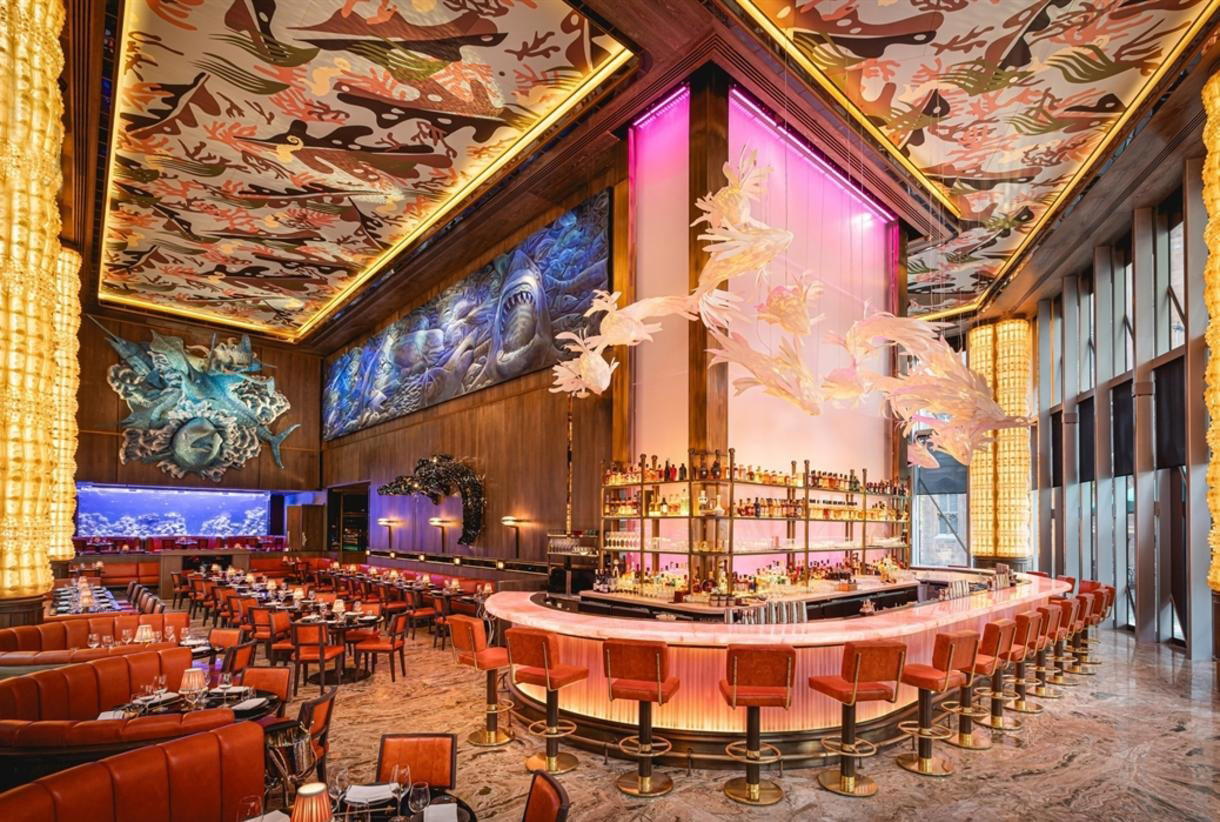
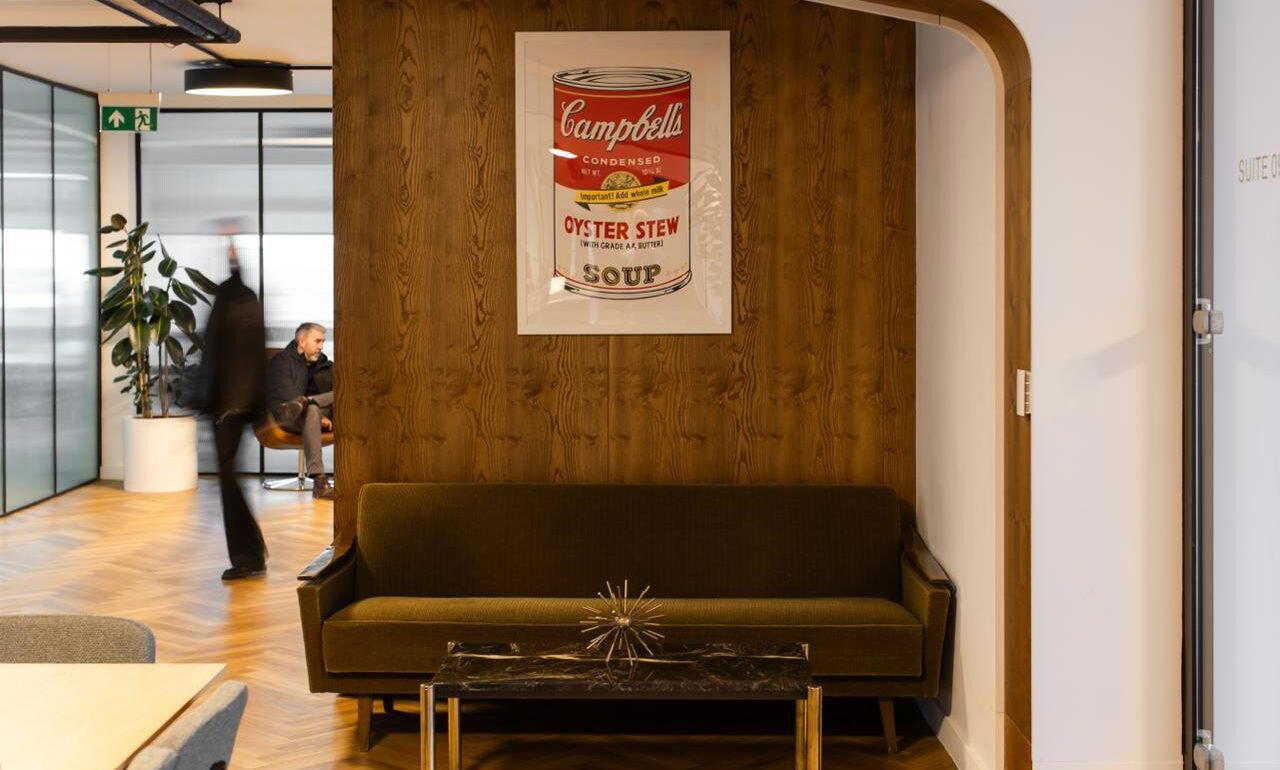
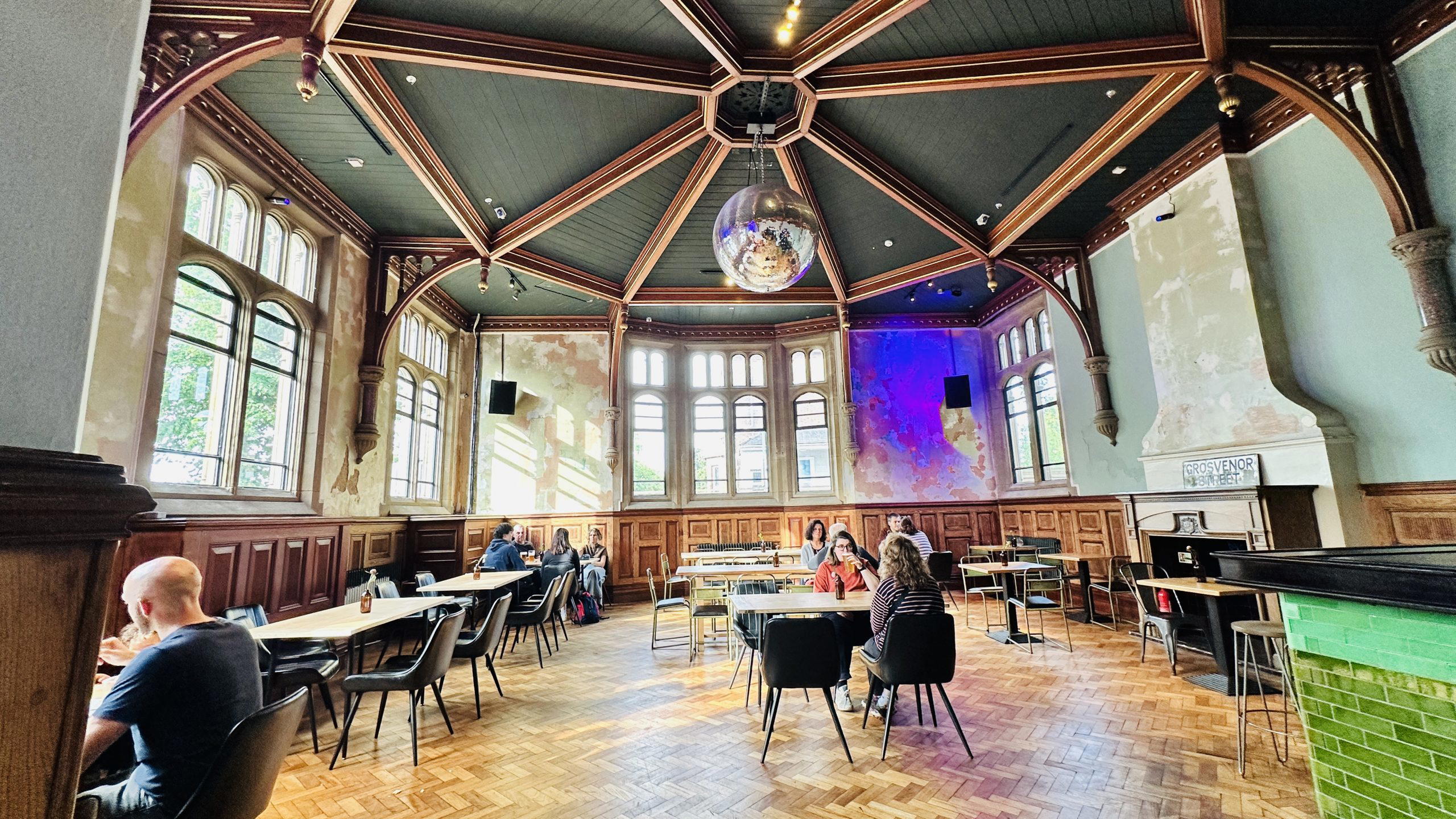
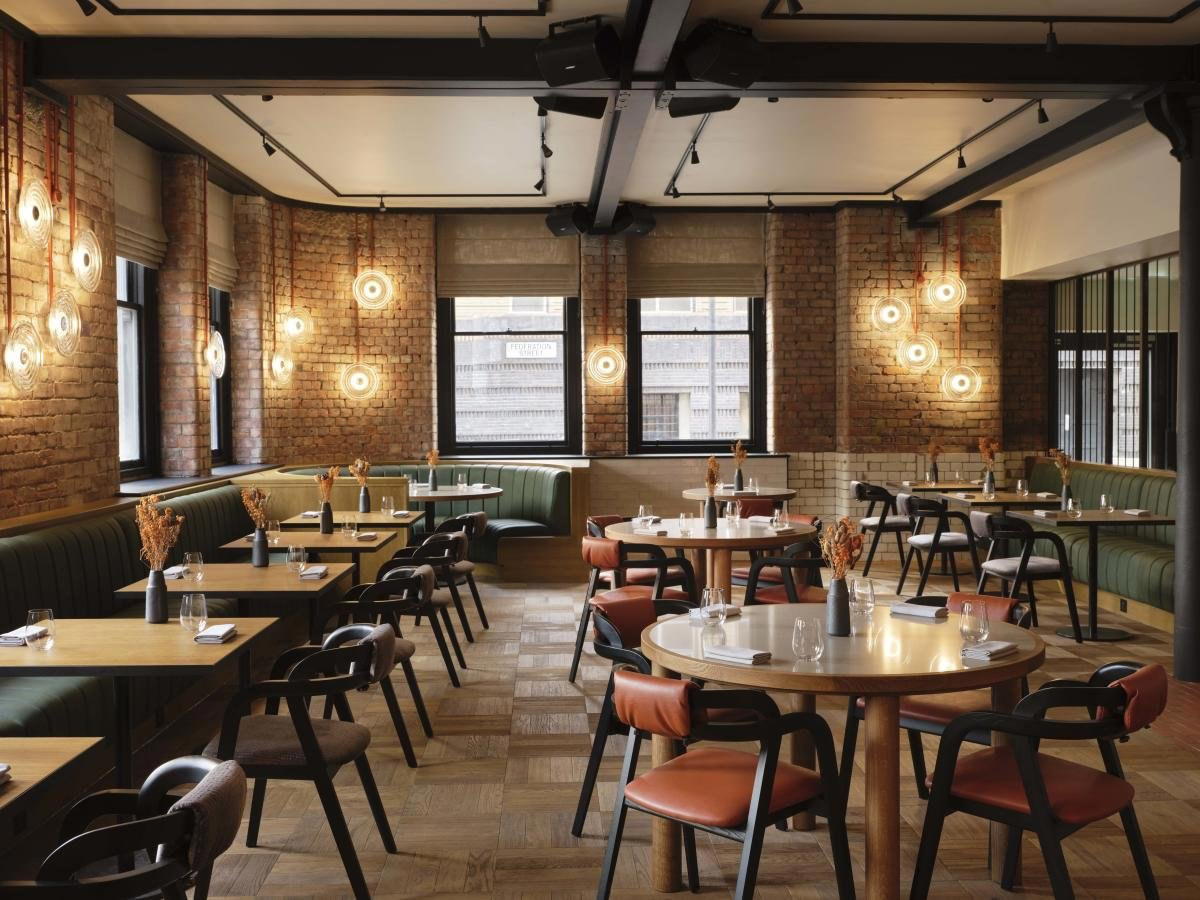
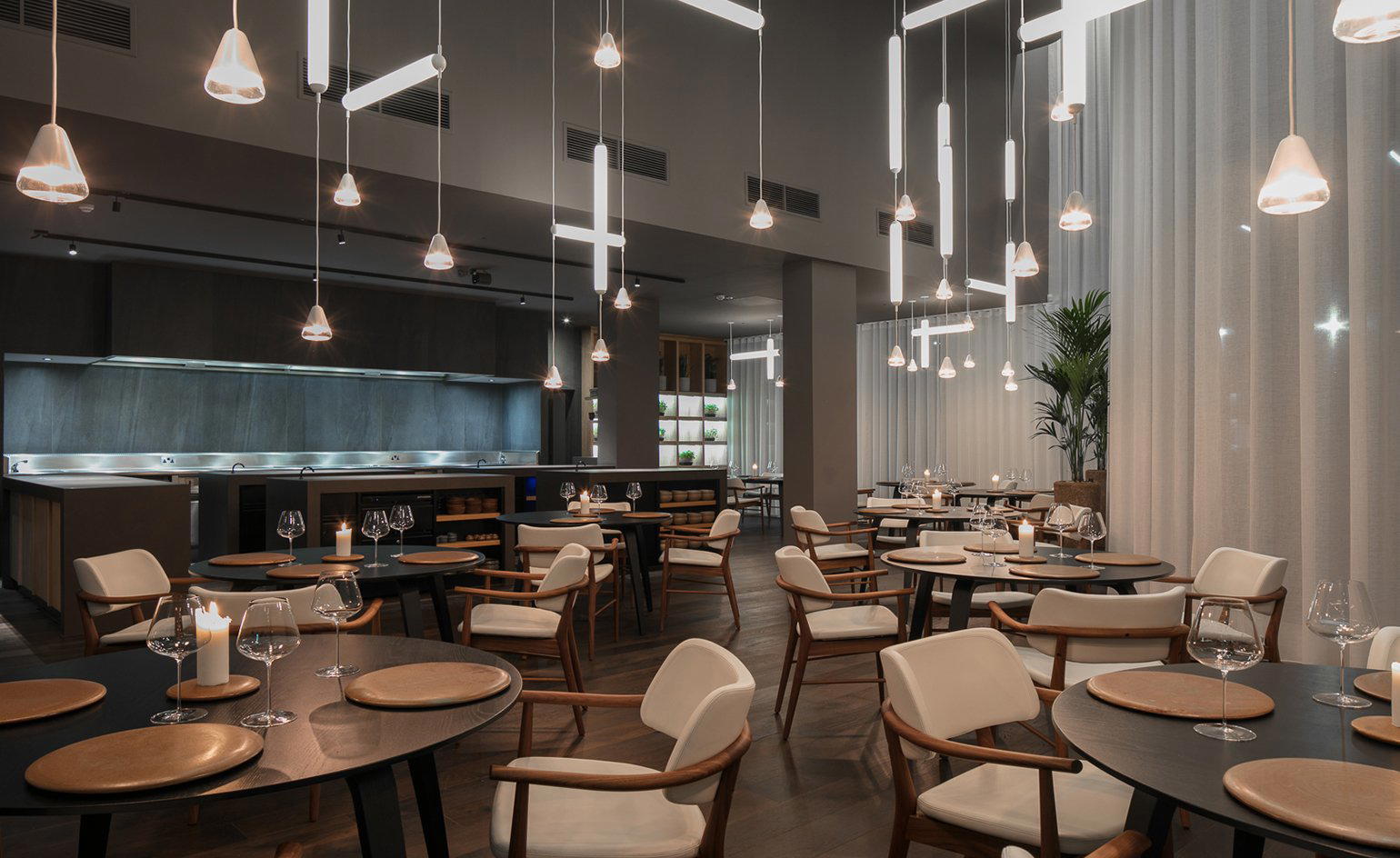
Stylish interiors blending classic Edwardian heritage with contemporary design, featuring spacious rooms with floor-to-ceiling windows and city views, elegant spa lighting, and a calm, sophisticated atmosphere.