
Preferred Hotels Member
Positioned along the Tagus riverfront at Av. Among design-conscious riverside properties, it sits in a tier defined by location density and architectural character rather than chain-scale amenities.

Pearl is the En Primeur Club membership app, where members save venues, book tables and use the concierge.
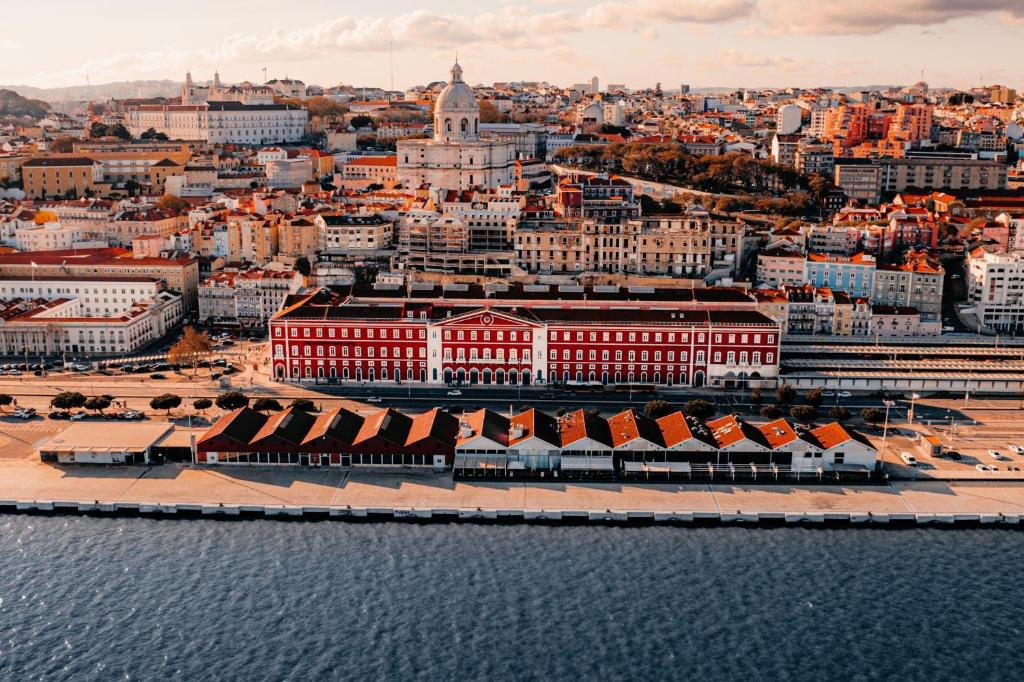
Where the Tagus Has Always Set the Terms
Lisbon's relationship with the Tagus is not decorative, it is constitutional. The waterfront along Av. That historical charge does not dissipate when a building becomes a hotel. It concentrates. The 126-room property occupies a stretch of riverfront where the water still dominates the sightline in a way that no amount of urban renovation has managed to obscure. Approaching from the Alfama side, with the castle visible on the hill and the bridge cutting the horizon to the west, the sense of arriving at a city rather than simply a hotel is difficult to shake.
This is the editorial argument for choosing a riverside address in Lisbon over the polished interiors of a Baixa-Chiado property or the hushed gardens of a Lapa hotel: the city's defining geography presses against the glass. For travellers comparing properties like the Altis Belém Hotel & Spa further west along the waterfront, or the As Janelas Verdes/Riverview, a Lisbon Heritage Collection property nearby, the Editory Riverside's position in the eastern stretch of the riverfront places it closer to the oldest parts of the city, with the Alfama neighbourhood immediately uphill and the Mouraria quarter a short walk inland.
The Riverfront Tier: What Location Actually Means Here
Lisbon's hotel market has developed distinct geographic tiers. Properties on or immediately adjacent to the Tagus command a premium based on orientation rather than floor count or room size. The 126-room scale of The Editory Riverside places it in a mid-sized category, large enough to absorb group bookings without the institutional feel of a convention hotel, but short of the intimacy that characterises the smaller heritage properties like A Casa das Janelas Com Vista, which operates at a fraction of the capacity.
Among Lisbon's design-led independents, the Editory brand positions itself as a collection that foregrounds architectural character and local context over chain-standard amenities. This separates it from the larger international operators, InterContinental, Sofitel, whose Lisbon outposts deliver consistent global-brand service but less neighbourhood specificity. It also places it in a different conversation from the Bairro Alto Hotel, which trades on its hilltop position and long-established reputation in Chiado rather than river orientation.
For travellers building a Portugal itinerary that extends beyond Lisbon, the Editory Riverside's city-centre location functions as a useful base. Properties like Ventozelo Hotel & Quinta in Ervedosa do Douro or Douro Valley - Casa Vale do Douro in Cambres represent the wine-country end of a Portuguese trip, while the Algarve coast is covered by properties including Bela Vista Hotel & Spa in Praia da Rocha and Anantara Vilamoura Algarve Resort in Quarteira. Lisbon serves as the gateway and the Editory Riverside's proximity to Santa Apolónia station, one of the city's main rail hubs, makes onward connections practical.
The Heritage Argument: Eastern Lisbon's Longer Memory
The stretch of waterfront between Alfama and Santa Apolónia carries a different historical density from the more photographed plazas of Belém or the neoclassical grandeur of Praça do Comércio. The Mouraria neighbourhood, which begins just inland from this section of the riverfront, is Lisbon's oldest continuously inhabited quarter, the area where the city's Moorish population remained after the Christian reconquest of 1147. Fado, the music most associated with Lisbon internationally, has its deepest roots not in the tourist-facing tascas of Alfama but in the tighter lanes of Mouraria. Staying in this eastern zone means proximity to that original layer of the city, before the earthquake of 1755 reshaped everything west of the castle.
This context matters when comparing Editory Riverside to more centrally positioned options like the AlmaLusa Baixa/Chiado or the Altis Avenida Hotel. Those properties sit in the rebuilt city, elegant and functional, but operating on a post-earthquake urban grid. The eastern riverfront addresses occupy an older topography, where the street pattern still reflects medieval lanes rather than Pombaline planning.
Other heritage-anchored properties across Portugal draw similar distinctions from their sites: the Bussaco Palace Hotel in Luso and the Boutique Hotel Teatro in Angra do Heroísmo both derive significant character from the historical weight of their locations, and the Editory Riverside belongs to that same category of address-as-credential.
Rooms and Orientation
With 126 rooms distributed across a riverside building, room selection at a property in this position typically follows a direct logic: river-facing rooms deliver the view that justifies the address, while internal or street-facing rooms trade the panorama for a quieter acoustic environment. The Tagus at this stretch is wide enough that river-facing rooms in a low-to-mid-rise building can capture open water views without obstruction from quayside infrastructure. Travellers arriving for the first time in Lisbon are generally better served by the river orientation; those returning specifically for the neighbourhood and nightlife of Alfama or Mouraria may find the quieter rear rooms more practical for late returns.
For comparison points within Lisbon's design-led mid-scale tier, see also the 1908 Lisboa Hotel and the Art Legacy Hotel Baixa-Chiado, both of which approach the heritage question through interior design and architectural restoration rather than location-as-history.
Planning a Stay: Practical Considerations
The Editory Riverside Hotel sits at Av. Santa Apolónia station is walkable, providing direct rail connections to Porto and, via Oriente station a few stops east, to the rest of the national network and the airport bus. The Tram 28 line, which runs through Alfama and toward Chiado, begins nearby. For the wider Lisbon dining and drinking scene, EP Club's full Lisbon restaurants guide covers options across all neighbourhoods and price points.
For travellers extending into Portugal's coastal or rural properties, the Craveiral Farmhouse in Sao Teotonio, Villa Epicurea in Sesimbra, and Hospedaria da Pensão Agrícola in Conceicao e Cabanas de Tavira represent the agrarian and coastal registers of the country's accommodation range. Porto travellers should note M Maison Particulière Porto as a comparable design-independent option in the northern city. Further afield, Masana Algarve in Albufeira, Q.ta da Corte in Valença do Douro, and 3HB Faro in Faro round out the southern and Douro options for multi-stop itineraries.
A Minimal comparable set
Comparable venues nearby, for context on price, style, and recognition.
| Venue | Price | Awards | Notes |
|---|---|---|---|
| The Editory Riverside HotelThis venue (the venue you are viewing) | $100–200 | Preferred Hotels Member | Not listed |
| The Ivens, Autograph Collection | $300–500 | Michelin Selected · Virtuoso Luxury Hotel Partner | Chiado, 19th-century explorer-themed luxury boutique |
| The Ivens Hotel, Autograph Collection | $300–500 | Michelin Selected · Virtuoso Luxury Hotel Partner | Chiado, 19th-century well-known warehouse revived as a luxurious explorers' boutique hotel with distinctive historical charm. |
| Palácio do Governador | $300–500 | Michelin Selected · Small Luxury Hotels of the World Member | Torre de Belem, Meticulously restored 17th-century governor's palace blending heritage with modern luxury |
| InterContinental Cascais-Estoril | $300–500 | Virtuoso Luxury Hotel Partner · Forbes 4-Star | Estoril, Modern luxury beachfront boutique |
| Altis Avenida Hotel | $200–300 | Forbes Recommended · Preferred Hotels Member | Baixa, Urban boutique hotel inspired by 1940s elegance with contemporary refinement; member of Preferred Hotels & Resorts positioned as a luxury lifestyle destination in historic downtown Lisbon. |
Recognition history
Dated appearances from independent guides and award organizations, with the underlying list record or original source where available.
Preferred Hotels Member
Preferred Hotels
Continue exploring
More in Lisbon
Hotels in Lisbon
All hotels in Lisbon →
Bars in Lisbon
All bars in Lisbon →

Restaurants in Lisbon
All restaurants in Lisbon →

Details
- Modern
- Elegant
- Sophisticated
- Romantic Getaway
- Business Trip
- Weekend Escape
- Waterfront
- Historic Building
- Panoramic View
- Wi Fi
- Fitness Center
- Restaurant
- Room Service
- Concierge
- Air Conditioning
- Street Scene
- Elevator
- Step Free Entrance
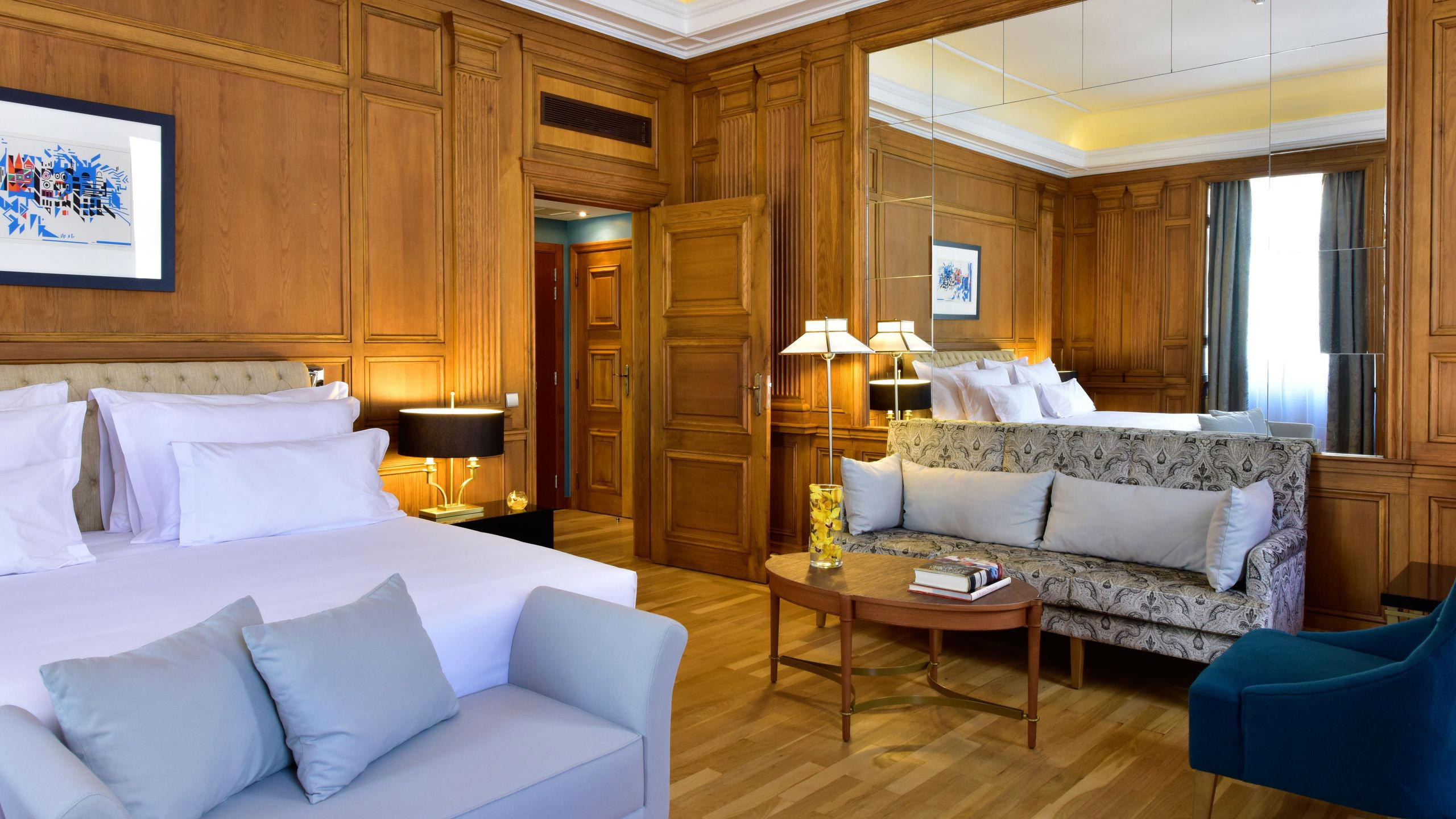
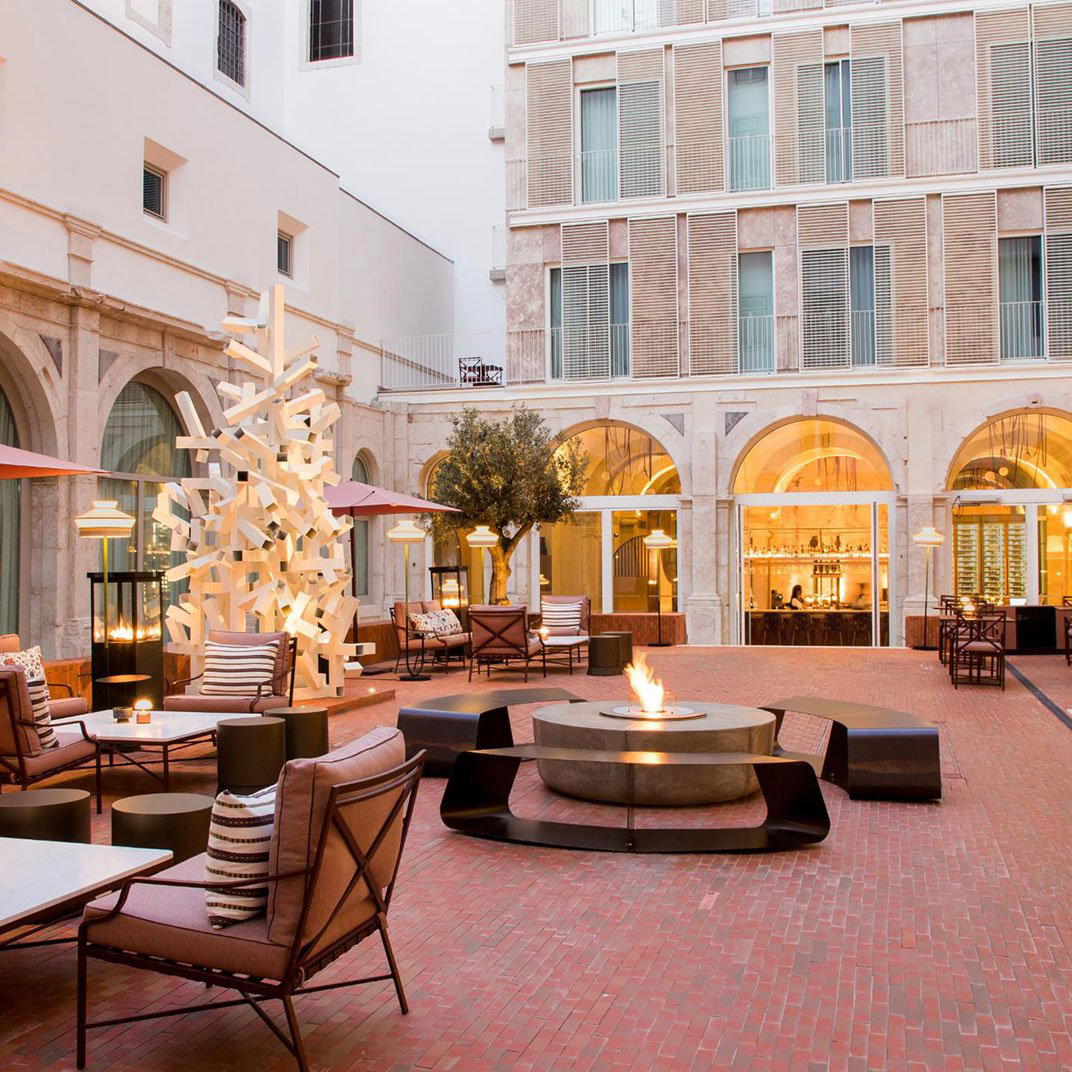
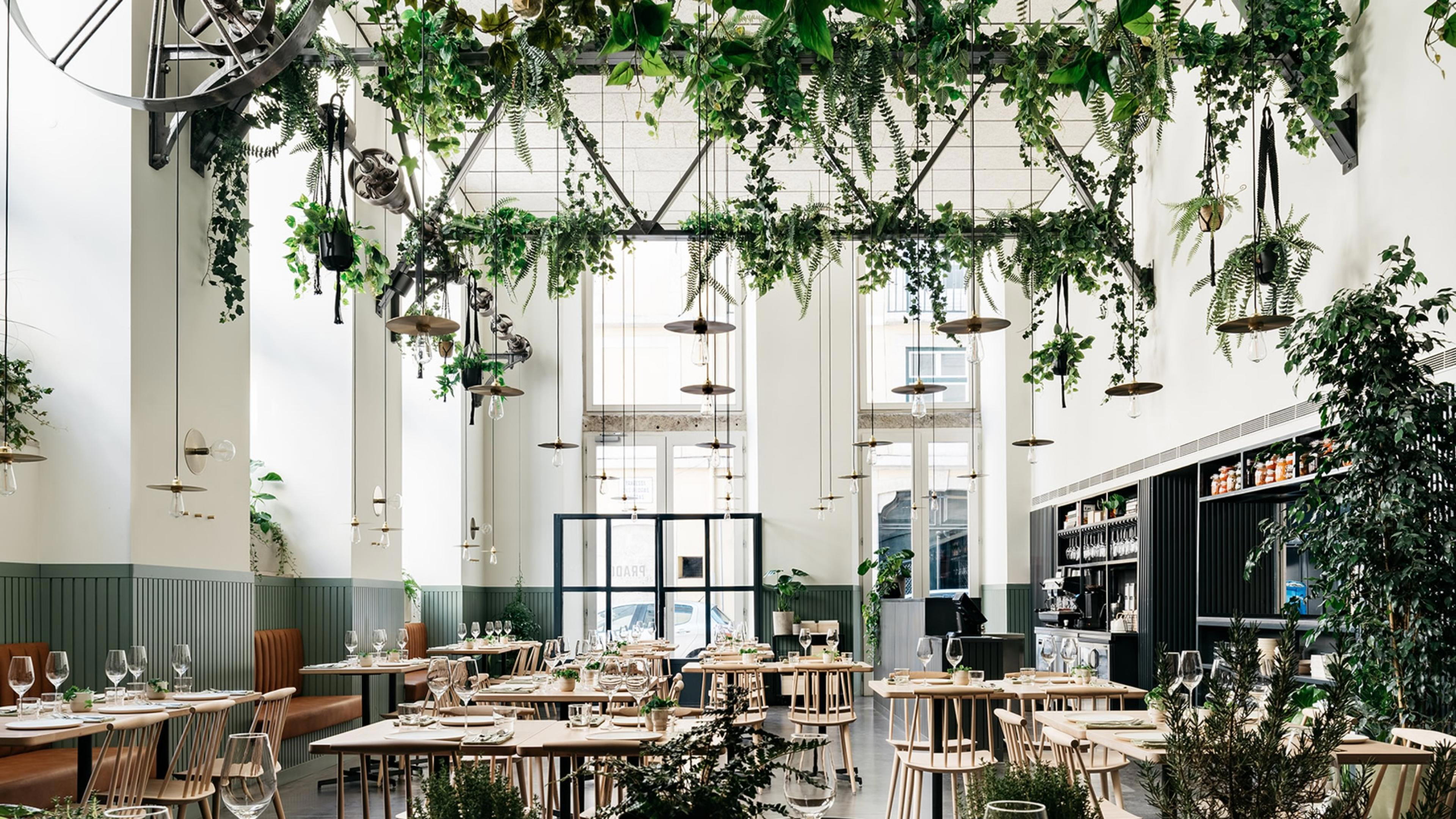
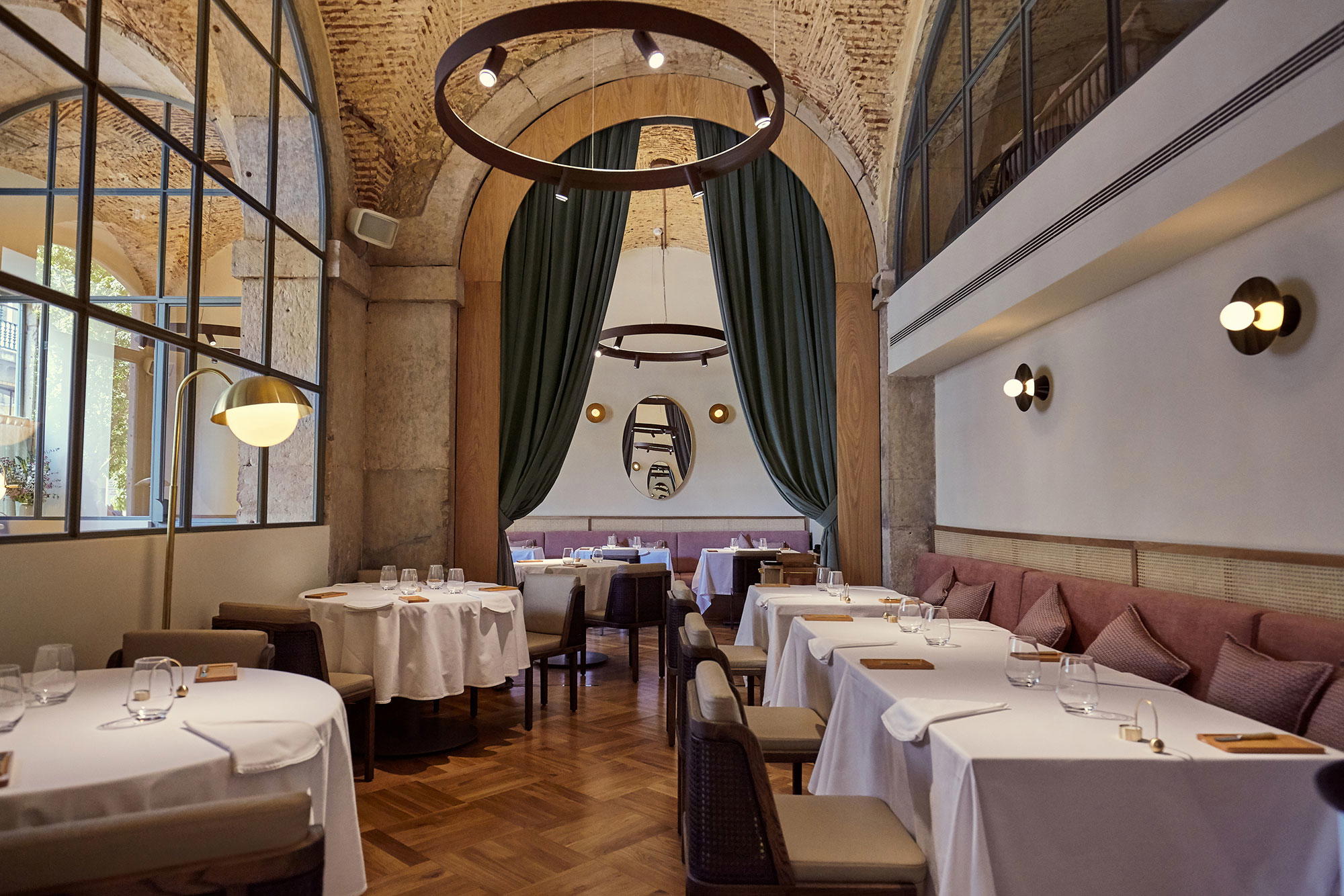
Modern and elegant atmosphere with refined, sober decor, soundproofed rooms, and stylish interiors praised for cleanliness and comfort.