The Central Station Memphis

Michelin Selected
A Michelin Selected hotel occupying a century-old train depot on Memphis's South Main arts corridor, The Central Station Memphis translates the city's rail heritage into a property with genuine architectural scale. The building's preserved bones — vaulted ceilings, platform-era ironwork, and a working clock tower — set the physical terms before any room category or food-and-beverage program enters the picture.

Pearl is the En Primeur Club membership app — saves, bookings, and concierge access live there. Same editors, same standards.
- Address
- 545 South Main, Memphis, TN, USA
- Phone
- 901.524.5247
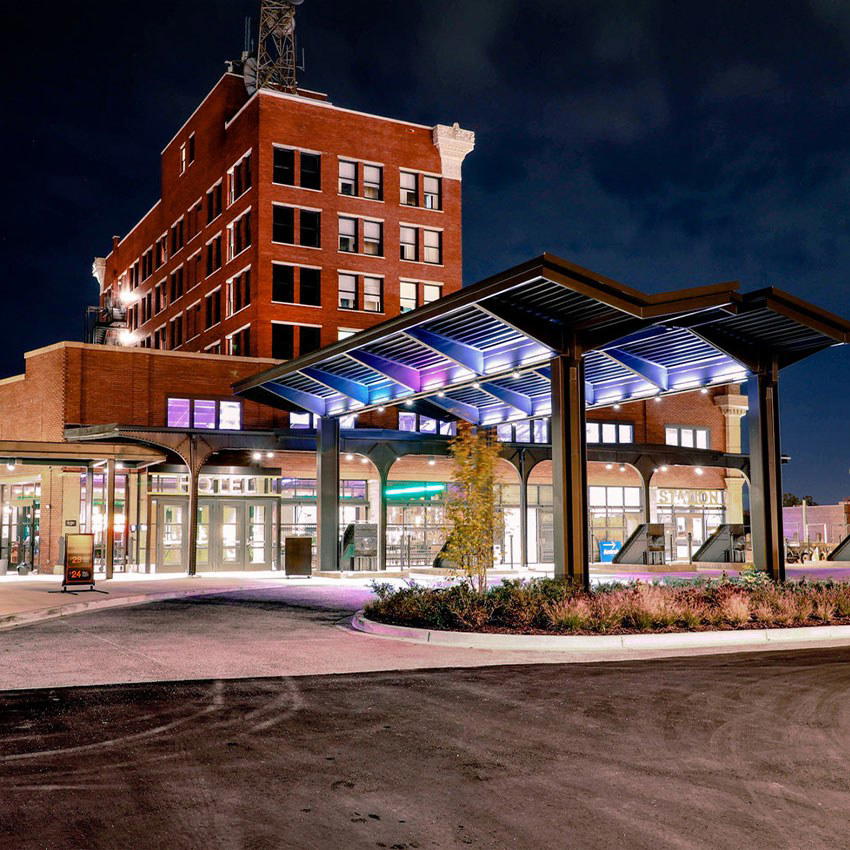
A Train Depot Repurposed Along South Main
South Main has become Memphis's most coherent arts and hospitality corridor, running south from the edge of downtown through a stretch of converted warehouses, galleries, and independent restaurants that collectively represent a different register from the Beale Street tourist circuit. The Central Station Memphis sits at 545 South Main inside a former train depot whose bones date back over a century — a building with the kind of structural authority that adaptive reuse projects either honor or waste. Here, the vaulted ceilings, period ironwork, and a working clock tower form the spatial argument for the hotel before any room type or amenity list gets involved. Arriving on foot from the South Main trolley stop, the scale of the original structure registers immediately: this is a building that was designed to handle volume, movement, and public ceremony, and the conversion preserves that sense of civic weight rather than domesticating it into boutique softness.
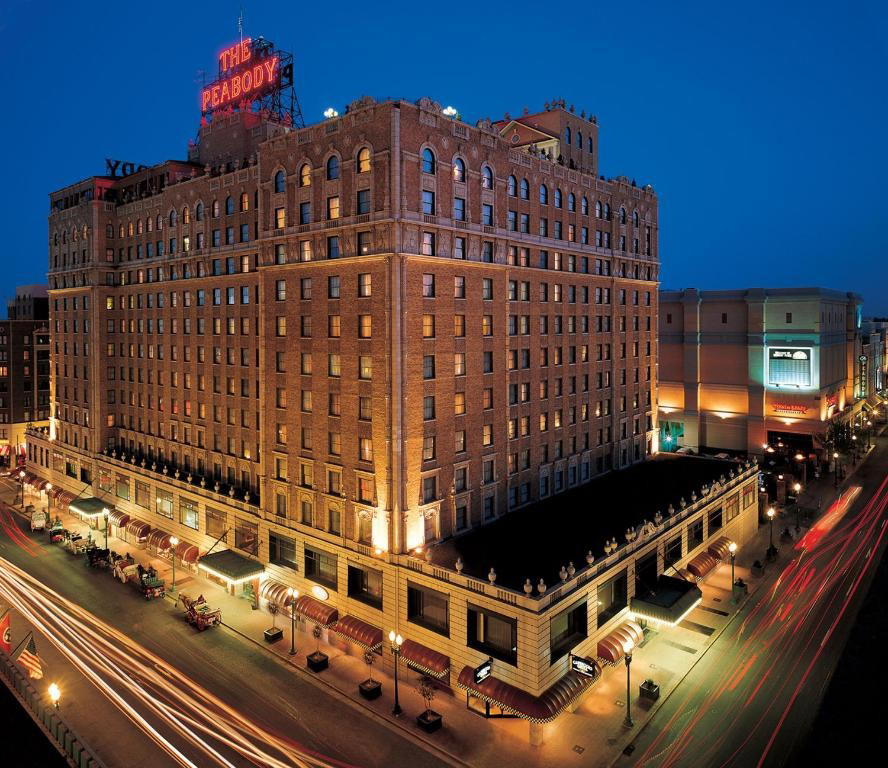
Within the broader Memphis hotel market, the property occupies a specific position. The Peabody Memphis holds the downtown anchor role with its grand-hotel tradition and the famous duck march ritual. ARRIVE Memphis and Hu. Hotel represent the smaller, design-forward independent tier. The Guest House at Graceland serves a pilgrimage-specific audience on the south side of the city. The Central Station occupies different ground: a heritage structure large enough to carry a full food-and-beverage program, positioned in a neighborhood with genuine local foot traffic, and holding a Michelin Selected designation from the 2025 Michelin Hotels guide — a recognition that places it in the same evaluated cohort as properties like Chicago Athletic Association in Chicago and Raffles Boston in Boston, both of which similarly converted historic civic buildings into hospitality anchors.
The Food and Beverage Argument
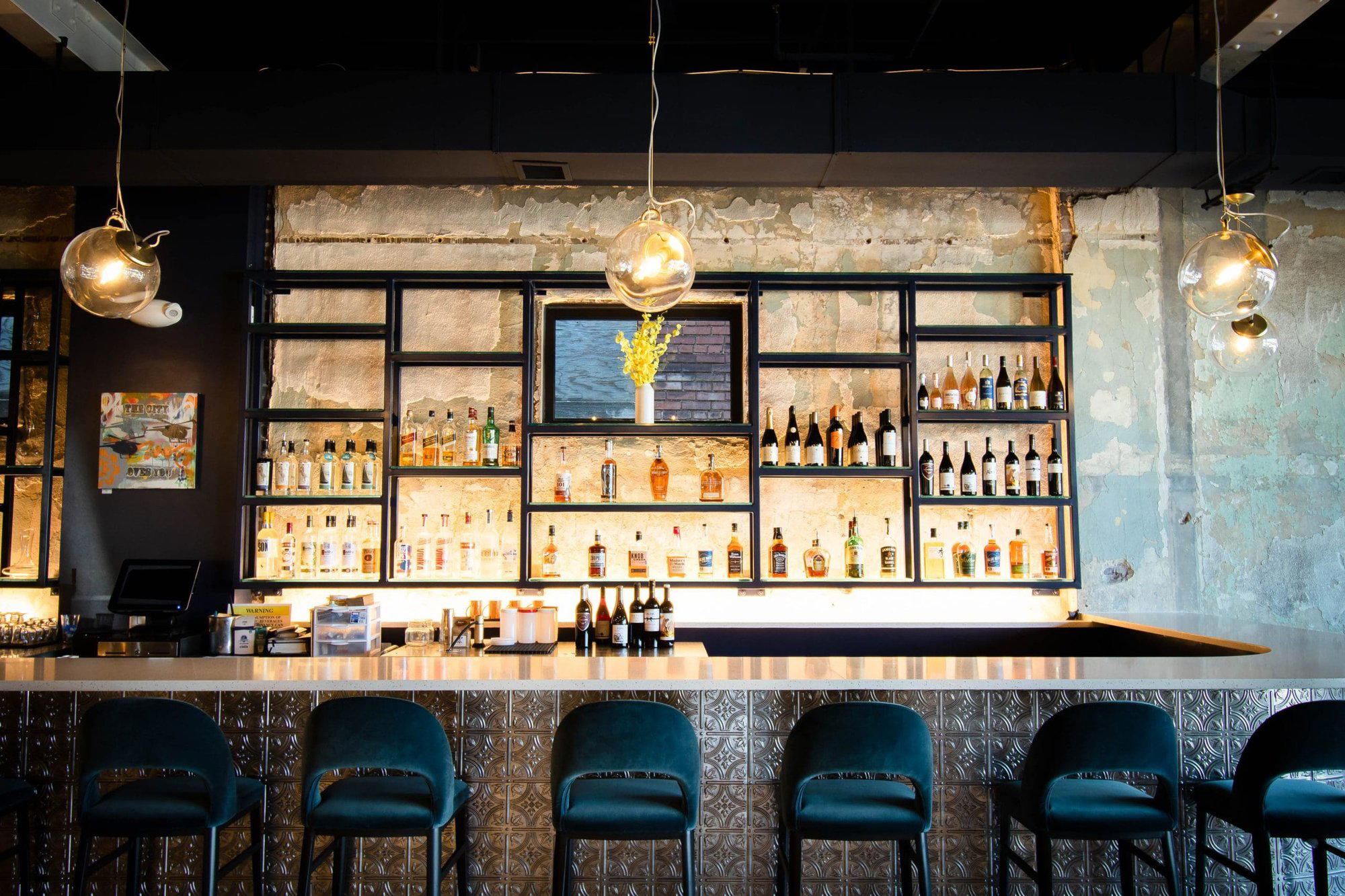
American adaptive reuse hotels have split into two camps on food and beverage: those that lease their ground-floor space to independent operators and maintain a hands-off relationship with dining, and those that run an integrated program that becomes central to the property's identity. The Central Station has built toward the latter. The hotel houses multiple food and beverage outlets within the depot structure, taking advantage of the original building's volume and its position on a pedestrian corridor that draws non-hotel guests from the surrounding neighborhood.
The South Main location matters here in ways that directly affect the dining program's character. South Main's gallery openings, farmers market activity, and proximity to the edge of the Medical District create a mixed local audience that is distinct from the convention-hotel crowd further north. A hotel food-and-beverage program positioned on this block has to function credibly for that local audience, not just for guests arriving with luggage, a test that separates destination dining from hotel-restaurant defaults. The Michelin Selected designation, applied at the hotel level, signals that the overall experience across rooms and programming has cleared a threshold of consistency that Michelin's hotel evaluators track through the same lens they apply to properties like Troutbeck in Amenia or The Stavrand in Guerneville: places where the hospitality offer has a coherent identity rather than assembling amenities without editorial point of view.
Memphis's broader food culture runs deep on smoked meat, hot tamales from the Delta corridor, and a soul food tradition that extends from neighborhood lunch counters to more formal iterations. A hotel on South Main that ignores that context in favor of generic American hotel cuisine would be a missed opportunity that its neighborhood audience would notice quickly. The degree to which The Central Station's program engages with that local culinary language, versus operating as a self-contained visitor bubble, is a meaningful question for any guest deciding between hotel dining and walking to one of the independent operators a few blocks away. For a wider view of what the city's restaurant scene offers at street level, our full Memphis restaurants guide maps the leading options by neighborhood and category.
Heritage Architecture as the Primary Amenity
Among American heritage-hotel conversions, the most successful ones treat the original structure as the primary amenity rather than as backdrop. The logic is simple: the physical fabric of a century-old train depot, the scale of its waiting rooms, the logic of its platforms, the quality of its masonry, cannot be reproduced at cost. Properties like The Fifth Avenue Hotel in New York City or The Beverly Hills Hotel in Los Angeles trade on institutional memory accumulated over decades. The Central Station's version of that asset is its train depot DNA: the public spaces carry a weight and proportion that new-build hotels in the same price range cannot match.
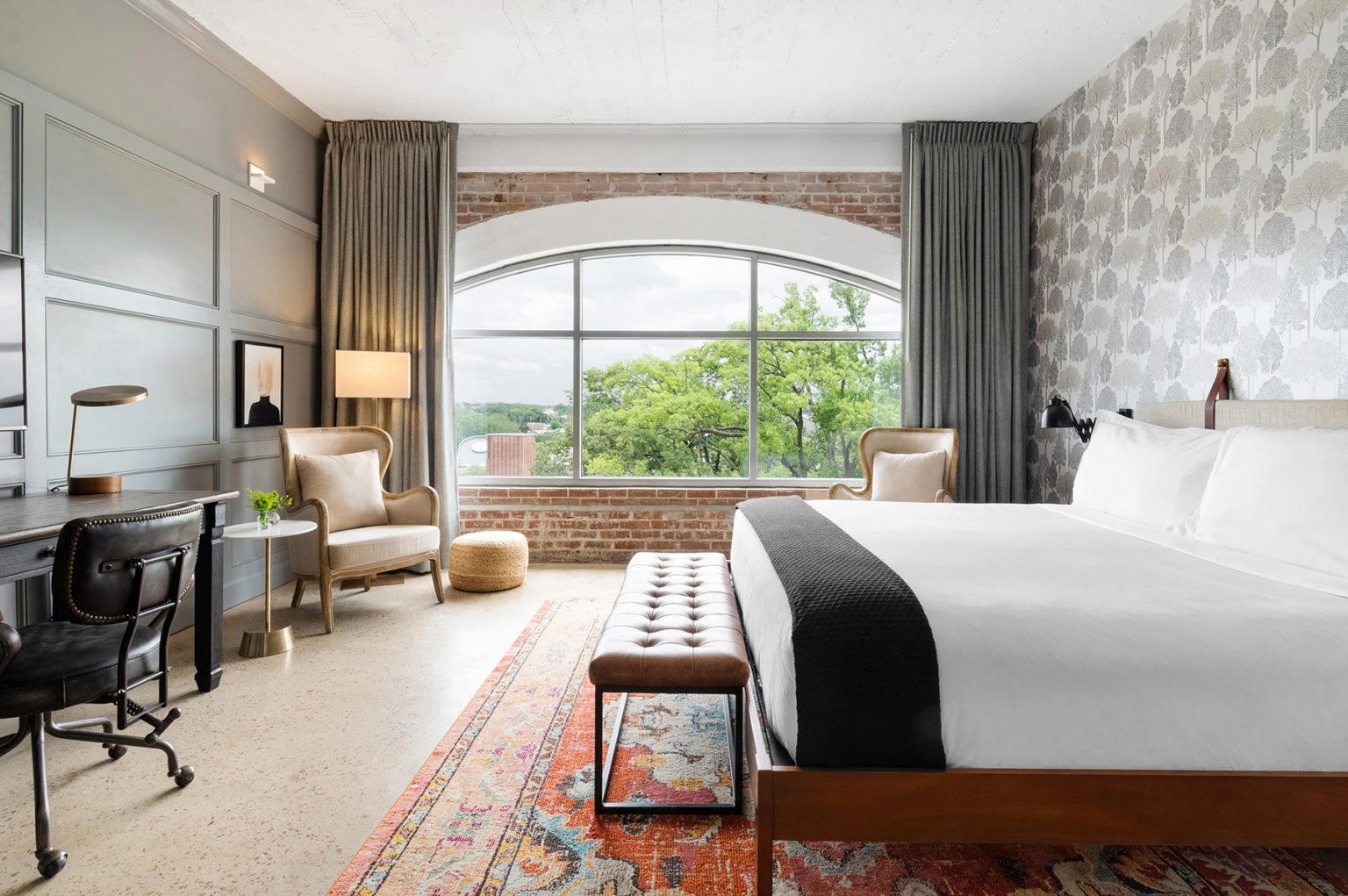
That architectural inheritance also sets the physical terms for every room category. Rooms inside a converted depot tend to have non-standard proportions, high ceilings, deep windows, or irregularly shaped floor plans that result from the original building's structural logic rather than hospitality optimization. For guests who prefer the spatial logic of purpose-built luxury, properties like Amangiri in Canyon Point, Four Seasons at The Surf Club in Surfside, or Kona Village, A Rosewood Resort in Kailua Kona represent a different proposition entirely. The Central Station's appeal runs in the other direction: the idiosyncrasies of the converted structure are features, not problems to be engineered around.
Planning a Stay
The hotel sits at 545 South Main, accessible via the South Main trolley line that connects to downtown Memphis. The South Main Arts District generates weekend foot traffic particularly around gallery events and the South Main Farmers Market, making the area more active on Saturday mornings than the quieter weekday baseline might suggest. For travelers routing through Memphis as part of a wider American road trip or music heritage circuit, The Central Station's position on South Main rather than in the Beale Street corridor places it closer to the neighborhood-level version of the city than the tourist-concentrated downtown strip. Guests interested in properties that similarly pair architectural heritage with a curated food-and-beverage program in mid-sized American cities might also consider Chicago Athletic Association or, for a different scale and setting, Meadowood Napa Valley in Napa and SingleThread Farm Inn in Healdsburg for properties where the dining program is central to the stay's identity. The Michelin Selected status in the 2025 guide provides a consistent quality baseline against which to set expectations on arrival.
Budget Reality Check
Comparable venues nearby, for context on price, style, and recognition.
| Venue | Price | Awards | Notes |
|---|---|---|---|
| The Central Station MemphisThis venue — the venue you are viewing | Not listed | Michelin Selected | Not listed |
| The Guest House at Graceland | Not listed | Preferred Hotels Member | Graceland, Luxury resort steps from Graceland with Elvis-themed elements |
| The Peabody Memphis | $200–300 | Forbes Recommended | Downtown Memphis, The South's Grand Hotel with timeless luxury blending traditional and modern decor |
| Hu. Hotel | $200–300 | Michelin Selected | Downtown, Historic Beaux-Arts luxury boutique |
| ARRIVE Memphis | $100–200 | 1 Michelin Key | Downtown Memphis, Modern industrial chic boutique in historic Beaux Arts building |
| Dollywood's DreamMore Resort & Spa | $200–300 | Not listed | Pigeon Forge, Southern-inspired family resort built on traditions of storytelling and togetherness, designed by Dolly Parton. |
Recognition history
Dated appearances from independent guides and award organizations, with the underlying list record or original source where available.
Michelin Selected
Michelin
Details
- Lively
- Historic
- Modern
- Well Known
- Weekend Escape
- Business Trip
- Historic Building
- Waterfront
- Fitness Center
- Wi Fi
- Business Center
- Restaurant
- Waterfront
- Street Scene
- Elevator
- Wheelchair Accessible
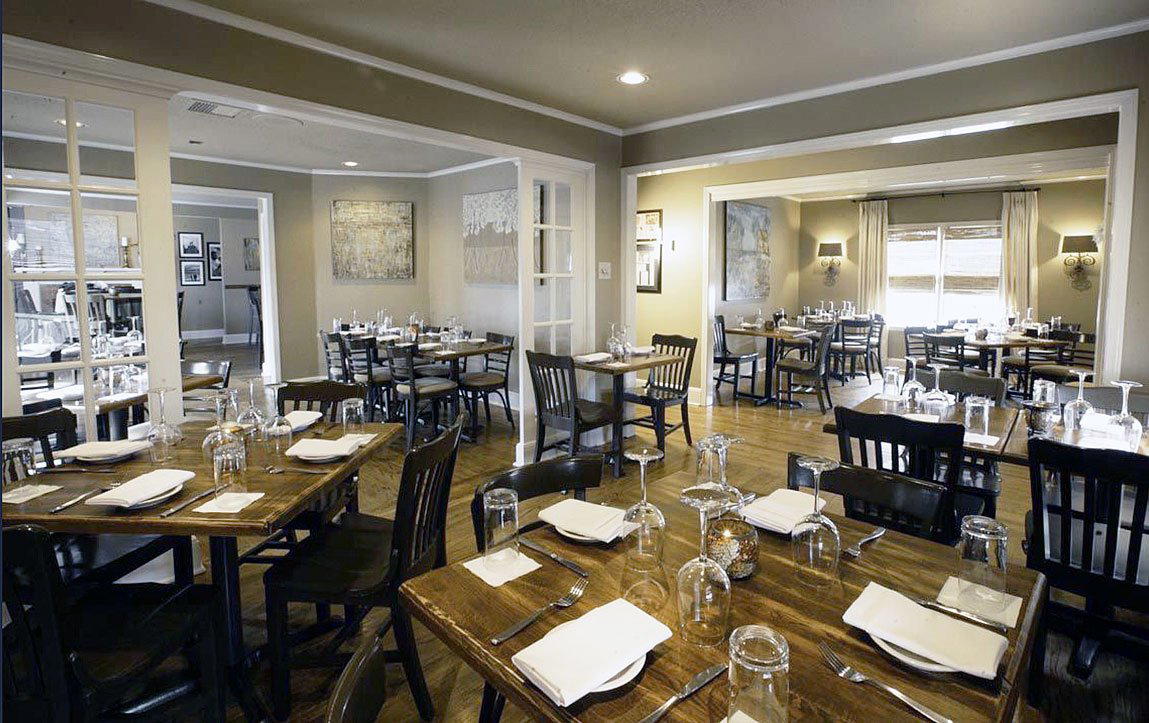
Lively atmosphere blending mid-century modern design with antique architecture, featuring curated music playlists and local art.