Amelia Gene’s

Wine Spectator Award of Excellence
Our verdict
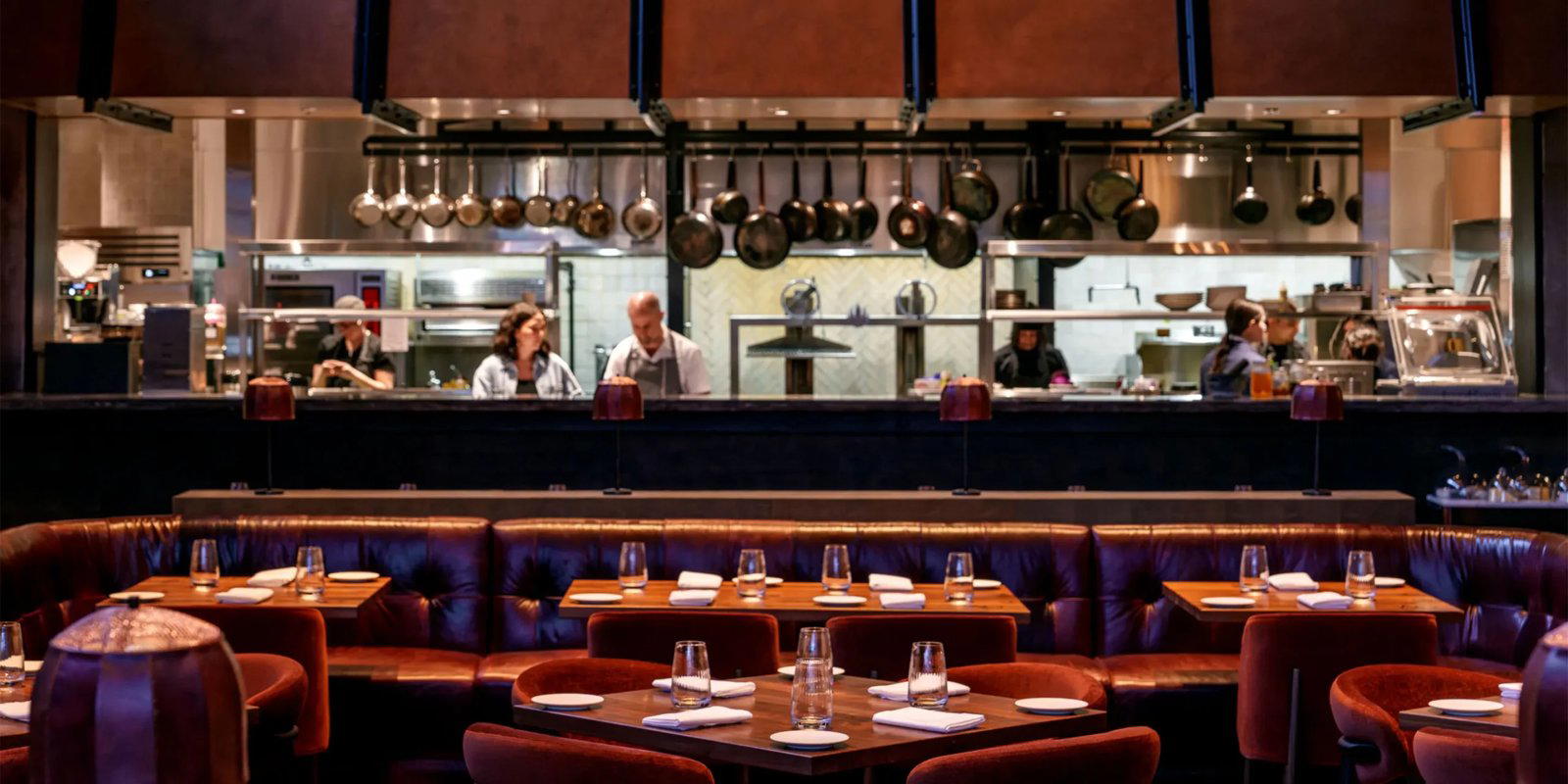
Amelia Gene’s brings Contemporary American cooking into Memphis, a city where farm-to-table language has to compete with barbecue, soul food, and Delta memory. The interest here is not a single chef mythology or trophy list, but how a modern kitchen in Memphis can work with seasonality, local appetite, and a dining public increasingly willing to treat the city as more than a comfort-food capital.

Pearl is the En Primeur Club membership app — saves, bookings, and concierge access live there. Same editors, same standards.
- Address
- Memphis, United States
- Phone
- (901) 686-5051
- Website
- ameliagenes.com
- Directions
- Get directions
- Booking
- Book on OpenTable
The menu
What to order
- Cheese cart
- Blackberry oysters
- Kaluga caviar beignet
- Duck
- Foie gras macarons
Approaching a contemporary dining room in Memphis carries a different charge than it does in coastal restaurant cities. The reference points outside the door are not tasting-menu orthodoxy or imported minimalism, but smoke, regional produce, Sunday-table generosity, and a city that has long understood flavor as both memory and craft. Amelia Gene’s enters that conversation as a Contemporary American restaurant, a category broad enough to be vague unless a dining room uses it with discipline.
In Memphis, that discipline matters. The city’s dining identity has been shaped by barbecue and soul food so thoroughly that newer American restaurants have to do more than gesture toward local flavor and call themselves rooted. They need to translate the region without flattening it. Contemporary American cooking works in this context when it treats the Mid-South as a pantry and a cultural pressure point: seasonality, generosity, polish, and the kind of hospitality that does not require a script.
Contemporary American cooking with a Mid-South accent
The farm-to-table movement arrived in many American cities as a correction to anonymous supply chains. In Memphis, the idea lands differently because the region already has a deep relationship with growers, market cooking, and seasonal eating, even if that history was not always framed in restaurant language. The useful question is not whether a restaurant uses the right vocabulary, but whether the experience understands why place matters.
Amelia Gene’s is best read through that lens. Its stated category, Contemporary American, leaves room for a restaurant to move between regional reference points, polished technique, and the broader national language of modern dining. That flexibility can be a strength in Memphis, where diners often want a room that feels current without severing ties to the flavors that define the city. A serious Contemporary American restaurant here has to balance restraint with appetite; too much polish can drain the room of place, while too much nostalgia can turn dinner into reenactment.
That tension is now part of the city’s restaurant story. Memphis is no longer a place where visitors should only plan around barbecue lunches and late-night music. The modern table includes a wider range of local dining rooms, neighborhood comfort addresses, casual meals, and dessert stops that give the city more than one register. Within that spread, Amelia Gene’s occupies the more flexible modern-American lane rather than a narrowly traditional one.
Where seasonality matters more than restaurant mythology
Farm-to-table dining is often weakened by vague claims. The stronger version is measurable in the way a restaurant pays attention: menus and service that make sense for the moment, preparations that respect the climate, and a rhythm that acknowledges the region without turning seasonality into decoration. Memphis gives this approach useful cultural material because the surrounding region has agricultural depth, but any restaurant still has to make choices.
That is why the public recognition around Amelia Gene’s is useful but not the whole story. Downtown Memphis lists it among notable new restaurants, presenting it as a stylish, upscale contemporary opening in the city. Awards and listings can help signal attention, but in a city with a smaller national fine-dining profile than New York, Chicago, or Los Angeles, the more revealing measure is fit. A Contemporary American restaurant in Memphis has to serve locals who know the difference between regional flavor and theme-park Southernness. It also has to make sense for visitors who want one dinner that reflects the city without defaulting to smokehouse repetition.
The wider American movement offers context. In California, produce-led cooking often reads through farmers-market abundance; in Chicago, contemporary American restaurants tend to sit inside a larger urban tasting-menu and chef-counter culture; in wine country, polished modern dining often operates in regions where agriculture and hospitality are already tightly intertwined. Memphis has a different baseline. The city’s modern American cooking has to carry music-town informality, Southern agricultural memory, and a dining public that does not reward fuss for its own sake.
That makes Amelia Gene’s more interesting as part of a local shift than as a standalone biography. The restaurant points to a Memphis where contemporary cooking can be ambitious without pretending the city is somewhere else. For travelers, that is the useful distinction: this is not the Memphis of obligatory barbecue tourism, but the Memphis that is testing how regional American food behaves in a sharper dining-room format.
How to place it in a Memphis itinerary
Amelia Gene’s fits a trip built around the city’s newer dining range rather than a single-dish pilgrimage. Pair it mentally with the broader Memphis restaurant map: more established local dining references, casual neighborhood rooms for texture, and sweets or coffee stops when the itinerary needs a lower-commitment pause. For the wider edit, Our full Memphis restaurants guide gives the clearest view of how these categories sit together.
The surrounding trip matters, too. Memphis is a city where dinner rarely exists in isolation; hotels, bars, music rooms, and daytime cultural stops shape the meal’s meaning. Use Our full Memphis hotels guide, Our full Memphis bars guide, Our full Memphis wineries guide, and Our full Memphis experiences guide to keep the restaurant decision connected to the city rather than treating it as an isolated reservation.
For readers tracking how regional American cooking changes across the country, Amelia Gene’s also belongs in a larger conversation with ingredient-led restaurants beyond Tennessee. Other dining formats around the country show the same national question from different angles: how much place can a restaurant carry without turning into a postcard?
Frequently asked questions
Does Amelia Gene’s work for a family meal?
Amelia Gene’s in Memphis can work for a family meal if the group wants Contemporary American cooking rather than a casual diner setup. It suits diners who are comfortable with a more composed restaurant experience in the city.
What kind of setting is Amelia Gene’s?
Amelia Gene’s is a Memphis Contemporary American restaurant, and Downtown Memphis has described it as a stylish, upscale dining room. That format signals a room built around a sit-down meal, not a grab-and-go stop.
What kind of cuisine does Amelia Gene’s serve?
Amelia Gene’s serves Contemporary American cuisine.
What's the best way to book Amelia Gene’s?
Those details are not published. Check the venue's official channels for the latest details.
What do critics highlight about Amelia Gene’s?
Public recognition highlights Amelia Gene’s as a notable new Memphis opening and as part of the city’s Contemporary American dining lane. The restaurant’s value is in that shift in emphasis, not in gimmicks.
Can Amelia Gene’s accommodate dietary restrictions?
The public record for Amelia Gene’s does not specify dietary accommodations, so guests with restrictions should verify directly before dining. Check the venue's official channels for the latest details.
Comparable Venues Nearby
Comparable venues nearby, for context on price, style, and recognition.
| Venue | Cuisine | Price | Awards | Notes |
|---|---|---|---|---|
| Amelia Gene’sThis venue — the venue you are viewing | Contemporary American Fine Dining | $30–50 | Wine Spectator Award of Excellence | Not listed |
| WASSAIL | Vegetarian American Cider Bar | Not listed | Not listed | Lower East Side |
| Charlie’s | New American | $30–50 | Wine Spectator Best of Award of Excellence · Wine Enthusiast Best Wine Restaurants | Historic Shopping District |
| NALA KITCHEN & COCKTAILS | Contemporary American Tapas with African Influences | $30–50 | Not listed | Sandy Springs |
| The Duck & the Peach | Seasonal New American with California & New England influences | $50–100 | Washingtonian 100 Very Best Restaurants #54 | Capitol Hill |
| Proper 21 | Modern American Sports Bar | $30–50 | Not listed | East End |
Recognition history
Dated appearances from independent guides and award organizations, with the underlying list record or original source where available.
Wine Spectator Award of Excellence
Wine Spectator





Details
- Sophisticated
- Elegant
- Intimate
- Classic
- Historic
- Date Night
- Celebration
- Special Occasion
- Business Dinner
- Private Event
- Wine Cellar
- Historic Building
- Design Destination
- Standalone
- Private Dining
- Extensive Wine List
- Craft Cocktails
- Corkage Allowed
- Sommelier Led
- Street Scene
- A La Carte
- Tasting Menu
- Prix Fixe
- Wine
- Cocktails
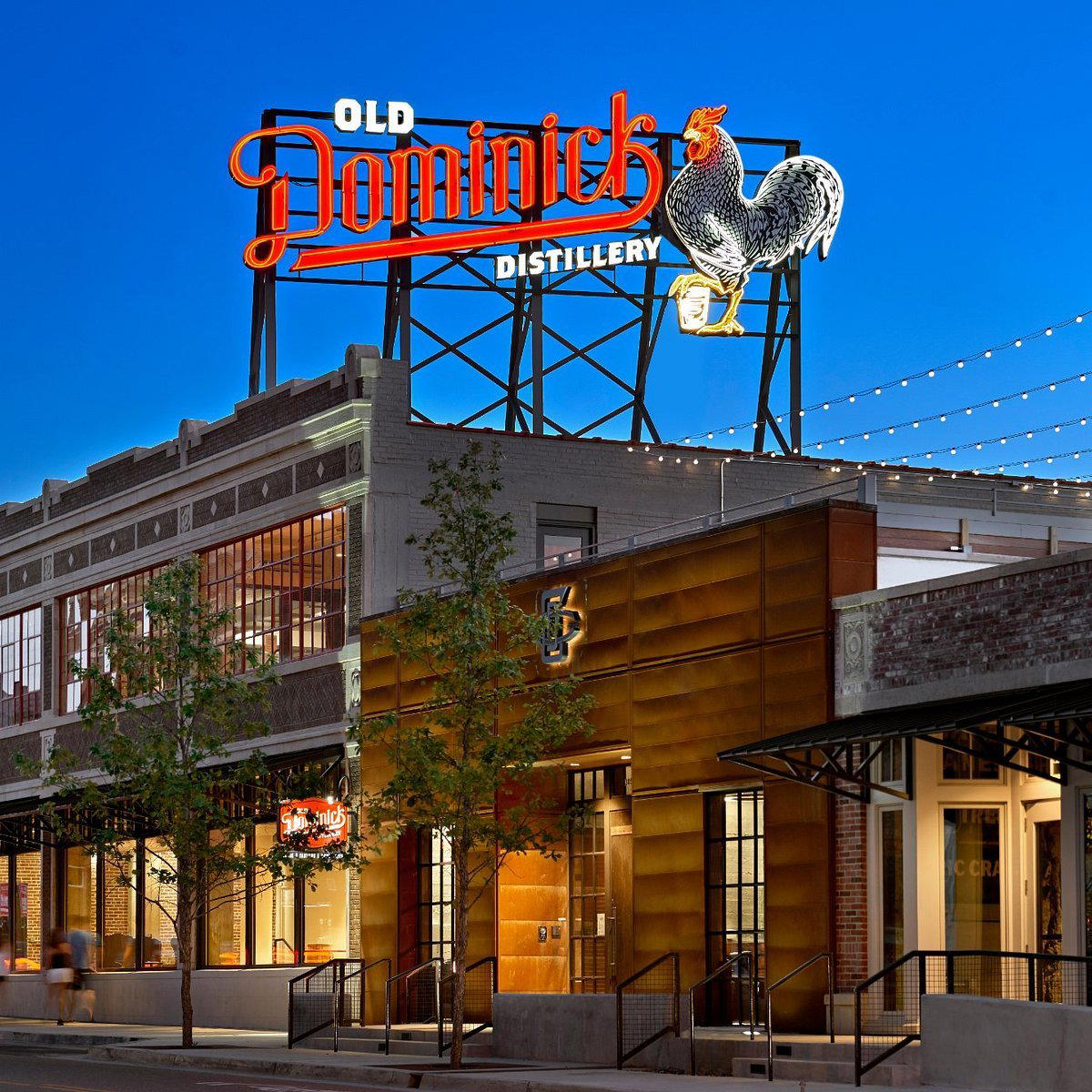
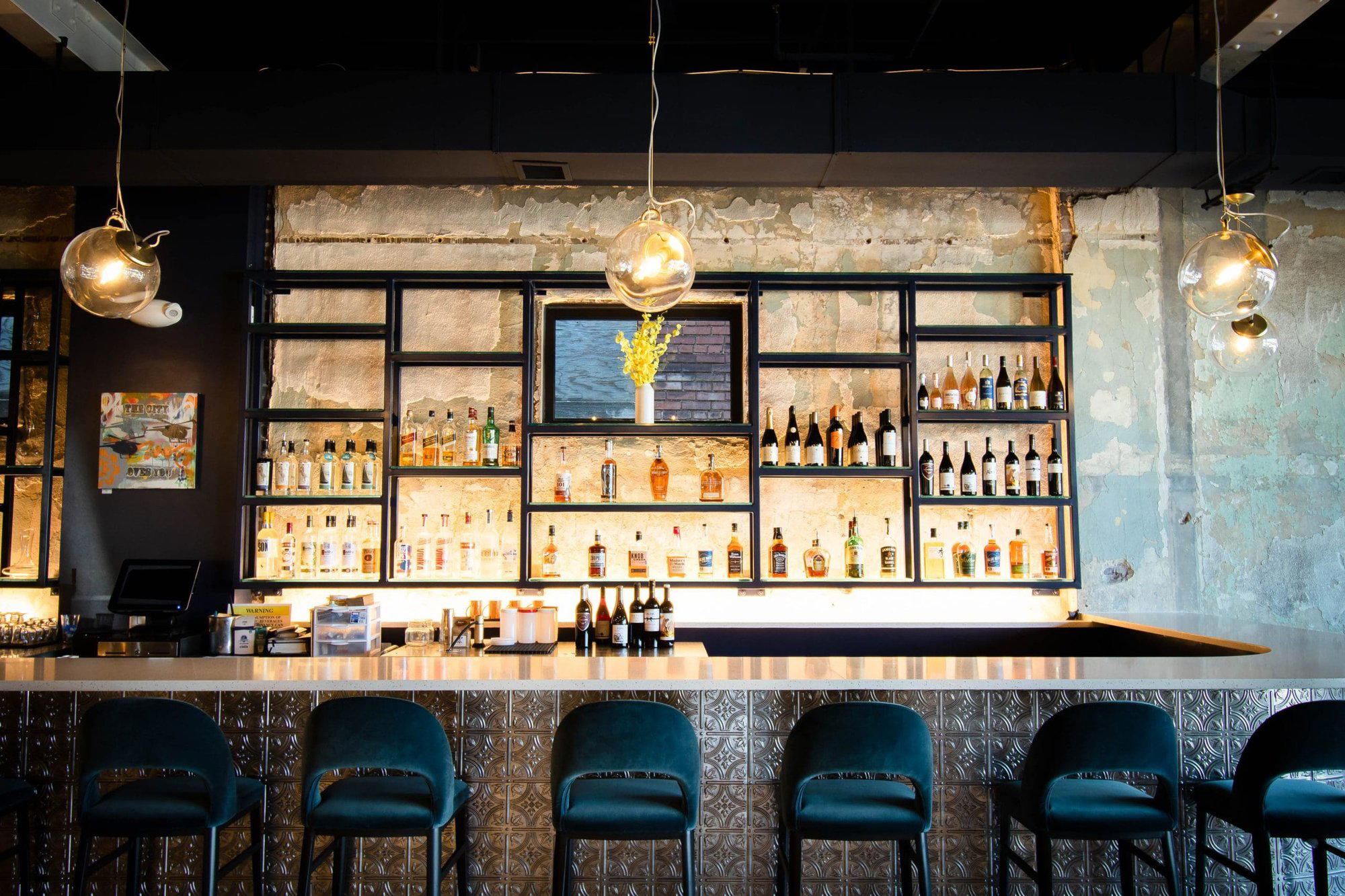
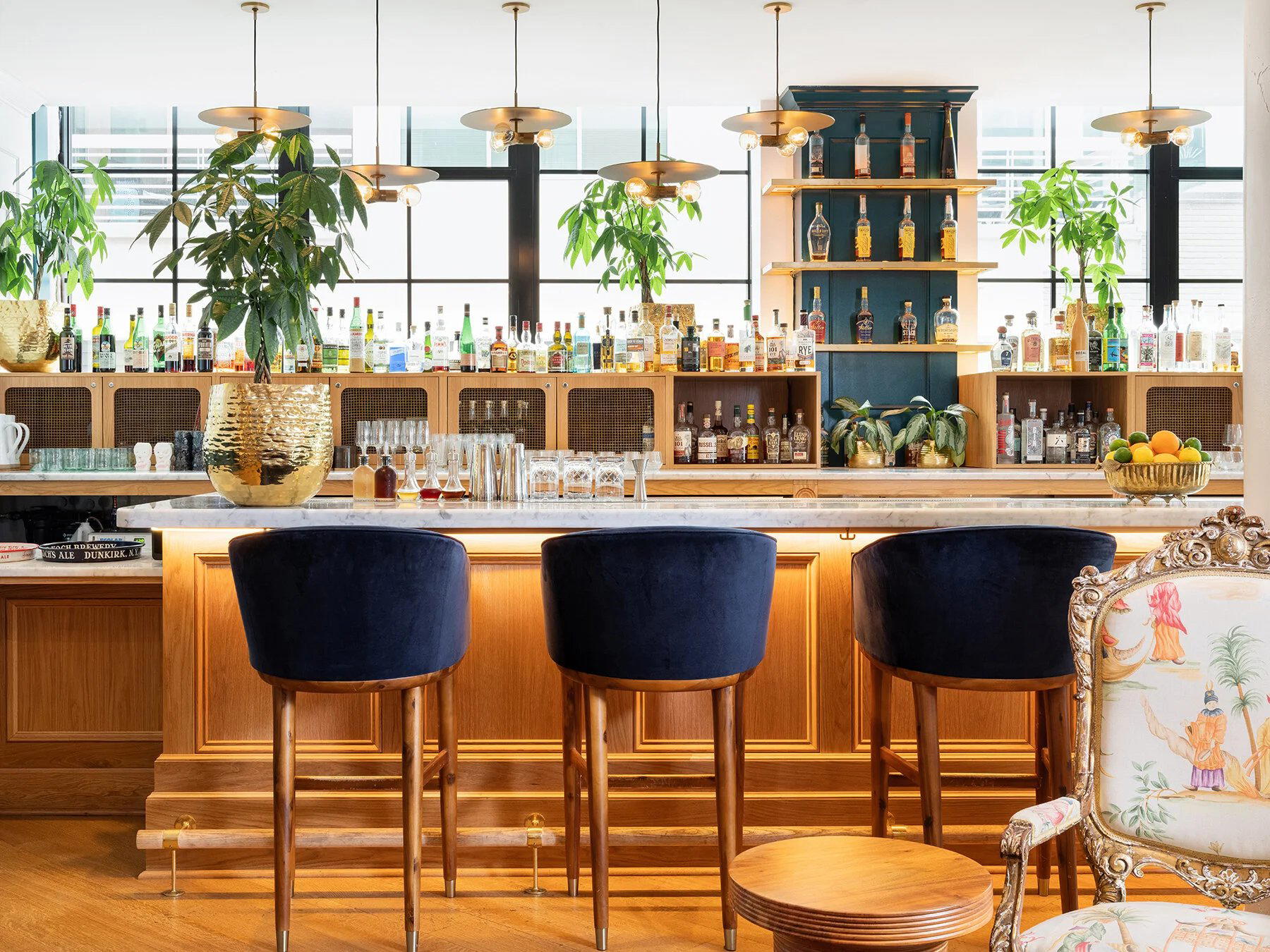
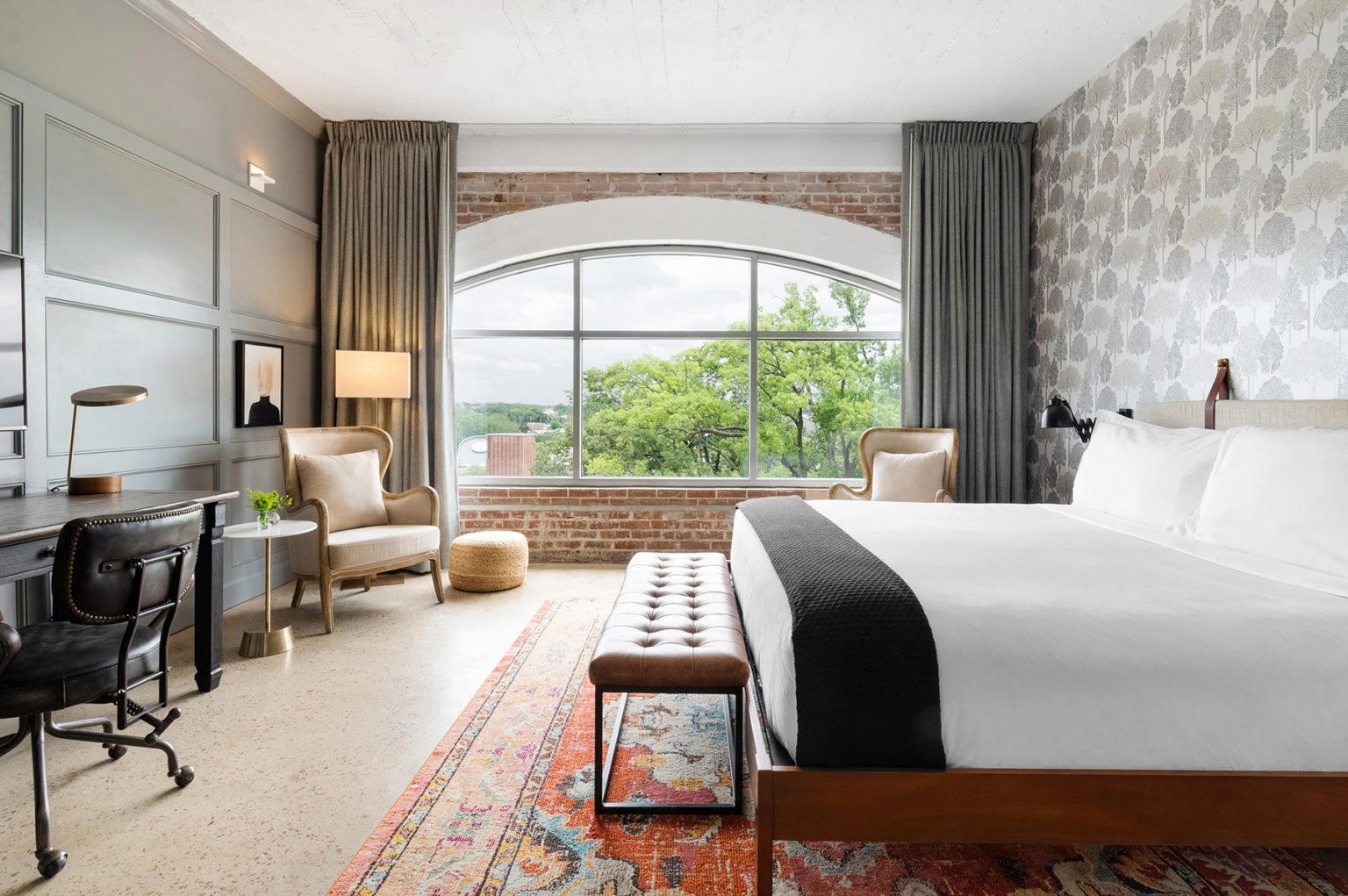
Polished and transportive, with a refined fine-dining atmosphere that blends historic industrial character with attentive, distinct hospitality.