The Bloomsbury



Set in a grand neo-Georgian building on Great Russell Street, The Bloomsbury occupies one of London's most architecturally considered addresses, steps from the British Museum. The hotel holds a Star Wine List recognition for 2026, placing its wine program among the city's more seriously curated offerings. For travellers who want literary-district character alongside genuine cellar depth, it represents a distinct alternative to Mayfair's more familiar luxury corridor.
Pearl is the En Primeur Club membership app — saves, bookings, and concierge access live there. Same editors, same standards.
- Address
- 16-22 Great Russell Street
- Phone
- 44-20-7347-1000
- Website
- doylecollection.com
- Directions
- Get directions
 Saves & bookings on Pearl
Great Russell Street and the Character of Bloomsbury's Hotel Scene
London's hotel geography has long been shaped by a Mayfair-or-nothing argument. The Bloomsbury district occupies a different register entirely: quieter pavements, Georgian and neo-Georgian facades, and a density of cultural institutions, from the British Museum at the end of the block to the bookshops and architecture schools that line the surrounding streets. Hotels here tend to attract guests who come for the neighbourhood as much as the property, and the competitive set reflects that. Where Claridge's, The Connaught, and The Savoy anchor the luxury tier in Mayfair and the Strand, Bloomsbury properties serve a guest who wants central London without the signalling of those postcodes.
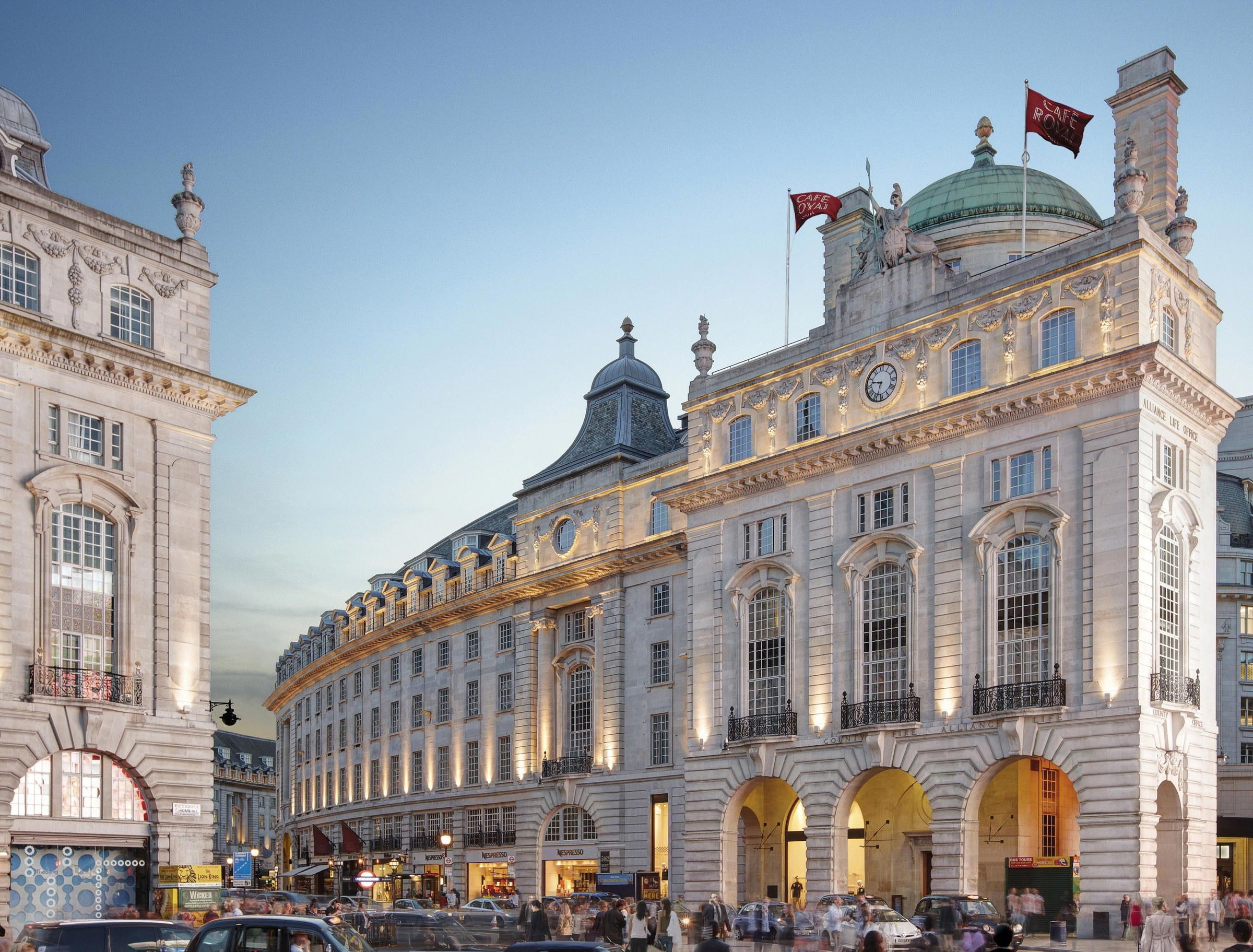
The Bloomsbury sits at 16-22 Great Russell Street, in a neo-Georgian building whose proportions read as formal without being austere. The architecture belongs to the tradition of interwar London civic confidence: wide corniced facades, symmetrical fenestration, a sense that the building was designed to last several centuries. That physical seriousness sets a tone before you cross the threshold, and it differentiates the property from the sleeker, more minimalist hotel openings that have defined London's recent luxury pipeline, including NoMad London and Raffles London at The OWO.
The Wine Program: A Star Wine List Recognition in Context
Star Wine List recognition for 2026 is the fact that most directly positions The Bloomsbury within London's serious wine conversation. Star Wine List, which operates across multiple European cities and applies consistent evaluation criteria around depth of list, producer diversity, and sommelier engagement, does not distribute recognition broadly. In London, the hotels and restaurants that appear on its lists tend to share a few characteristics: genuine investment in cellar stock, lists that extend beyond the obvious Bordeaux and Burgundy corridors, and floor staff who can speak to the selections without reaching for a script.
For a Bloomsbury-district property, that recognition carries additional weight. The neighbourhood's literary associations, from Virginia Woolf and the hotel Group to the academic communities that still cluster around University College London and the British Museum, create a guest profile that tends toward the curious rather than the performative. A wine list that rewards genuine engagement, rather than simply signalling status through label recognition, fits that context well. The contrast is instructive: at properties like The Emory or 1 Hotel Mayfair, the wine offer is shaped partly by the expectation of a Mayfair clientele accustomed to trophy bottles. Bloomsbury's gravitational pull is different, and a list built for genuine discovery rather than show sits more naturally here.
Across the UK's broader hotel wine scene, the properties that have earned Star Wine List placement tend to approach curation with the same seriousness they bring to room design or kitchen sourcing. Lime Wood in Lyndhurst and Estelle Manor in North Leigh represent comparable commitments to wine in country-house settings. In Scotland, Gleneagles in Auchterarder has long maintained cellar depth as a core part of its hospitality identity. The hotel's recognition places it in that company at the London city-centre level.
The Building and Its Atmosphere
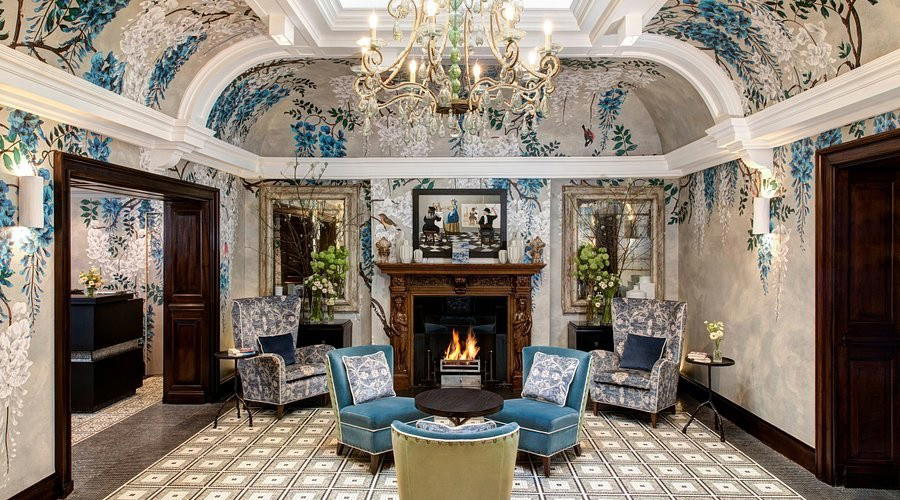
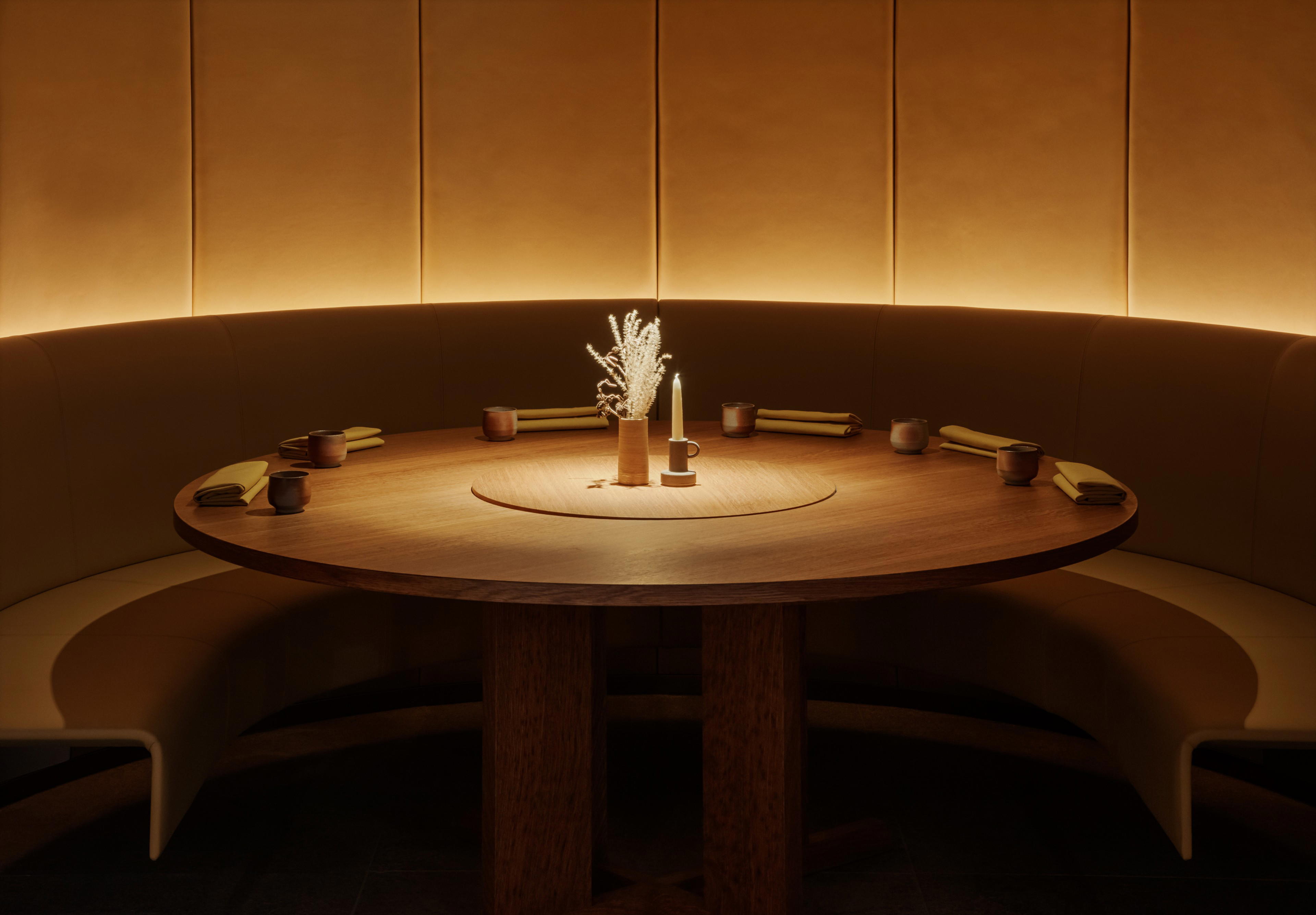
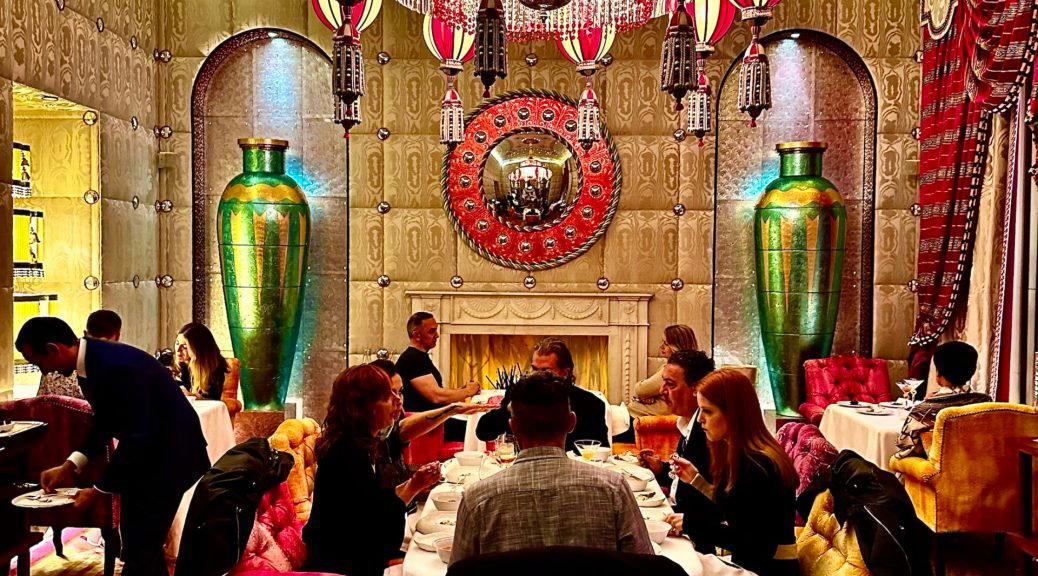
Neo-Georgian architecture in London occupies an interesting position: it draws on the formal vocabulary of the Georgian period without being a period property, which means it typically offers larger rooms, better ceiling heights in public spaces, and more consistent proportions than genuine Georgian conversions. The colourful interior treatment described in the property's own materials suggests a deliberate tension between the gravity of the exterior and a lighter, more animated approach inside. That contrast, serious shell, lively interior, is a recognisable strategy in contemporary hotel design, one that acknowledges the neighbourhood's intellectual associations while resisting the trap of becoming a museum piece.
Great Russell Street itself is an address in central London. The British Museum's main gate is within a few minutes' walk. The streets immediately around it, Montague Street, Bedford Square, Museum Street, retain a Georgian-era urban grain that most of central London has lost. For guests arriving on foot from Tottenham Court Road or Russell Square, the approach already feels distinct from Oxford Street or Covent Garden.
Placing The Bloomsbury in the Broader London Hotel Field
London's central hotel market has seen significant upper-end supply, with Raffles London at The OWO and NoMad London among the higher-profile openings, and longer-established addresses like The Connaught and Claridge's maintaining strong occupancy through brand recognition and consistent food and beverage programming. In that context, a Bloomsbury address with Star Wine List credentials occupies a distinct positioning: not competing on the trophy-hotel logic of Mayfair, but offering a more considered, neighbourhood-anchored alternative that will suit a specific kind of traveller well.
Guests who respond to this kind of property tend to share a set of priorities: location relative to cultural institutions rather than shopping districts, atmosphere that rewards the curious rather than the status-conscious, and food and beverage programs that demonstrate genuine expertise. The Star Wine List recognition for 2026 is the clearest external signal that the wine program meets that last criterion. For guests travelling from properties like 11 Cadogan Gardens or planning onward travel to The Newt in Somerset or Hope Street Hotel in Liverpool, the hotel sits comfortably in a network of properties that take hospitality seriously without the self-congratulatory posture that sometimes accompanies London's most conspicuous luxury addresses.
Know Before You Go
- Address: 16-22 Great Russell Street, London
- Nearest transport: Russell Square (Piccadilly line) and Tottenham Court Road (Central and Elizabeth lines) are both within a short walk
- Wine recognition: Star Wine List (2026)
- Architecture: Neo-Georgian building; formal exterior with a colourful interior treatment
- Neighbourhood anchors: British Museum (adjacent), Bedford Square, Museum Street
- Booking: Contact the property directly; specific booking method not confirmed
- Price range: not confirmed; position within the hotel district suggests a mid-to-upper tier relative to central London
Compact Comparison
Comparable venues nearby, for context on price, style, and recognition.
| Venue | Price | Notes |
|---|---|---|
| The BloomsburyThis venue — the venue you are viewing | $$$$ | Not listed |
| The May Fair, A Radisson Collection Hotel | $$$$ | Mayfair, Well-known luxury heritage hotel with contemporary interiors and English elegance |
| The Zetter Marylebone | $$$$ | Marble Arch, Boutique Georgian townhouse with eclectic, characterful design |
| St Martins Lane Hotel | $$$$ | Covent Garden, Urban resort with Philippe Starck's irreverent design updated by Tim Andreas. |
| L'oscar London | $$$$ | Holborn, Boutique luxury in a restored Edwardian Baroque former church building |
| The Standard London | $$$$ | Whitehall, Contemporary luxury boutique hotel housed in a restored brutalist landmark with playful, graphic design principles and a social-first approach to hospitality. |
Recognition history
Dated appearances from independent guides and award organizations, with the underlying list record or original source where available.
House & Garden 2026 House & Garden Best Hotels in London
House & Garden
Mr & Mrs Smith Smith Seal of Approval
Mr & Mrs Smith
Star Wine List
Star Wine List
Michelin Selected
Michelin
Continue exploring
More in London
Hotels in London
Browse all →
Bars in London
Browse all →
Restaurants in London
Browse all →



At a Glance
- Elegant
- Sophisticated
- Cozy
- Classic
- Romantic Getaway
- Business Trip
- Weekend Escape
- Terrace
- Historic Building
- Wi Fi
- Fitness Center
- Room Service
- Concierge
- Business Center
- Wi Fi
- Fitness Center
- Room Service
- Concierge
- Business Center
Cozy lobby with inviting fireplace, sophisticated bars, and warm, welcoming atmosphere praised in guest reviews.