

A nine-room boutique property on a quiet cobbled street in Lisbon's embassy-lined Lapa district, Tarabel Lisbon occupies a 19th-century façade washed in duck egg blue and carries a MICHELIN Selected distinction for 2025. Interiors designed by Rose Fournier draw on her work at Riad Tarabel in Marrakech, blending white-linen restraint with collected objects from her travels. Rates from $522 per night.
Pearl is the En Primeur Club membership app — saves, bookings, and concierge access live there. Same editors, same standards.
- Address
- R. Sacramento à Lapa 15, 1200-792 Lisboa, Portugal
- Phone
- +351 21 405 0450
- Website
- tarabellisbon.com
- Directions
- Get directions
 Saves & bookings on Pearl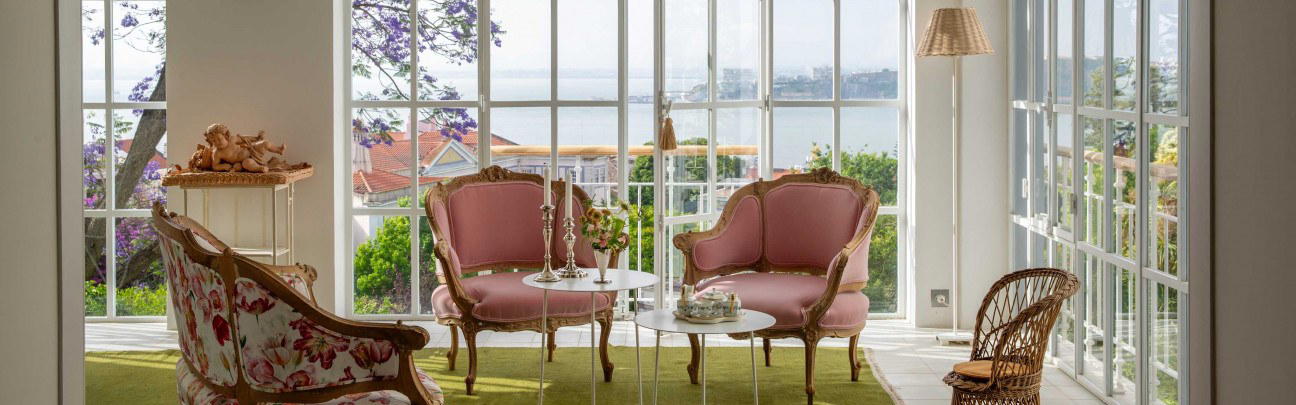
Lapa's Quieter Register
Lisbon's hotel market has split along a familiar axis: large international properties clustered around Avenida da Liberdade and Chiado trading on scale and brand recognition, and a smaller tier of design-led boutique houses that operate on discretion, carefully composed interiors, and a sense of remove from the city's more trafficked circuits. Tarabel Lisbon sits firmly in the second category. Its address on Rua Sacramento à Lapa places it in the embassy quarter, a district of private palaces, narrow cobbled streets, and a residential quiet that differs markedly from the noise levels a few kilometres north. For guests whose priority is rest over proximity to nightlife, that geography is itself a feature.
MICHELIN Selected status for 2025 places Tarabel among Lisbon's notable small hotels. That credential matters here because the property carries only nine rooms, which means the selection signals something about standards per room rather than aggregate output. Comparable Lisbon properties at this end of the boutique spectrum, such as A Casa das Janelas Com Vista or AlmaLusa Alfama, occupy a similarly curated tier, though their neighbourhood contexts differ considerably from Lapa's settled, upper-residential character.
The Physical Environment
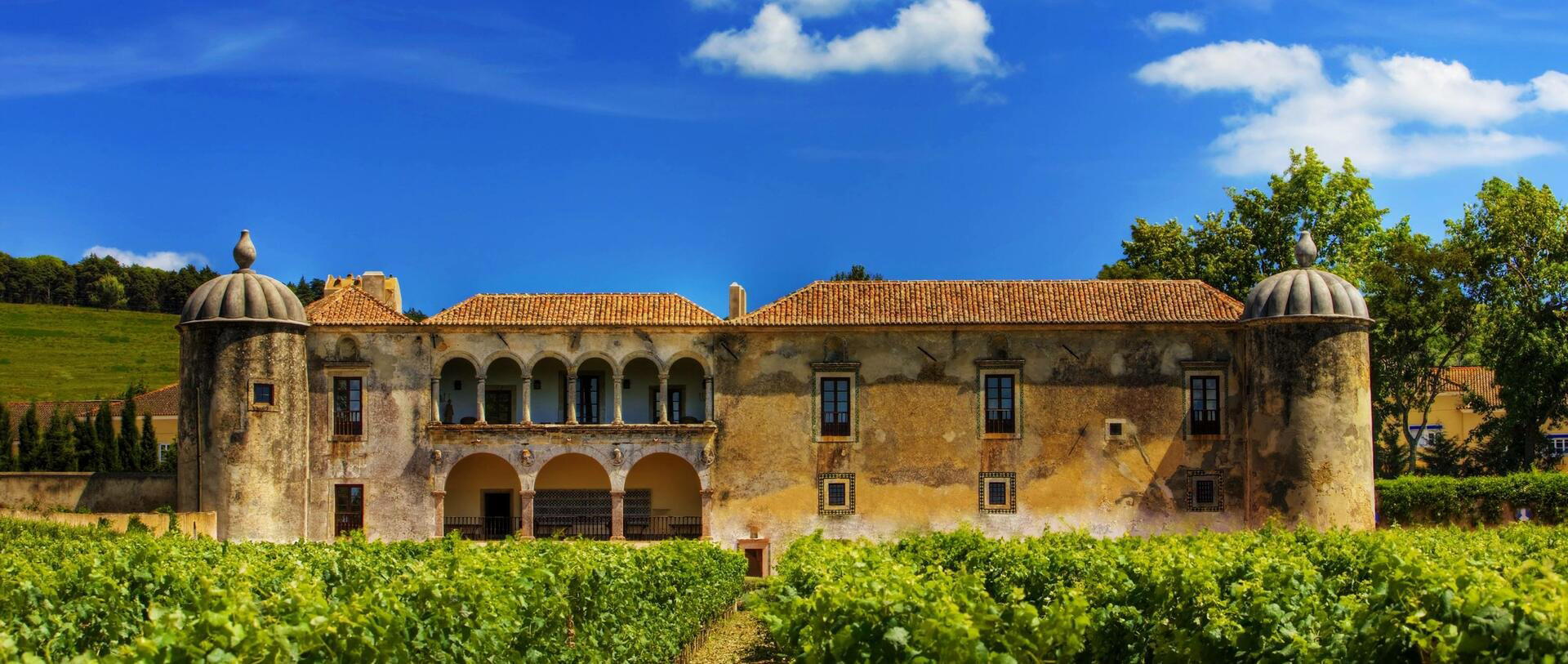
Approach from the street and the 19th-century façade in duck egg blue registers immediately as something set apart from the beige render of neighbouring buildings. Step through the entrance and the transition is pronounced. Lisbon's particular quality of light, a white, almost bleached brightness particular to Atlantic coastal cities at this latitude, floods the interior. The view beyond carries across rooftops and gardens to the river Tagus, where boats pass at a distance that makes the city feel simultaneously present and removed.
Outside, terraces of lawn descend to a bottle-green pool. Sun loungers sit beneath white parasols edged in yellow. A jacaranda tree spreads over the boundary wall, its purple canopy providing the kind of seasonal spectacle that Lisbon's mild climate reliably delivers in late spring. The overall composition reads less like a hotel and more like the garden of a well-maintained private house, which is largely the point. For travellers arriving from the noise and density of central Lisbon, the transition from street to pool terrace is significant enough to constitute a shift in register, not just a change of location.
Design Intelligence and the Retreat Sensibility
The interiors were composed by Rose Fournier, whose prior work at Riad Tarabel in Marrakech established a design language around collected objects, white-dominant palettes, and a deliberate avoidance of hotel-sector visual uniformity. That approach carries directly into the Lisbon property. White stand-alone bathtubs sit in front of white wood trelliswork. Beds are dressed in white linen. Long white curtains diffuse the incoming light. Against that monochrome base, the collected objects introduce texture and specificity: a mirror of shells, a birdcage, finds from Fournier's travels that give each of the nine rooms a distinct character rather than the reproduced sameness of larger properties.
This design approach connects to a broader pattern in high-end boutique hospitality, where the retreat premise depends on interiors that reward sustained attention. At properties like Palacete Severo in Porto or MS Collection Aveiro - Palacete Valdemouro, heritage architecture is used as a frame for contemporary comfort rather than treated as a museum piece. Tarabel operates on the same logic, deploying the 19th-century bones of the building as backdrop without allowing period detail to dominate the experience of the rooms themselves.
Some rooms open onto private terraces, reinforcing the sense of having a portion of the house to oneself. That configuration matters particularly for guests whose model of rest involves outdoor privacy rather than shared pool access, and it explains why Tarabel reads as a retreat property even without formalised spa infrastructure of the kind found at larger wellness-focused hotels. The pool, the gardens, the quality of natural light, and the low room count together do the work that a dedicated spa wing does at scale.
Dining with Context
The dining component at Tarabel addresses the risk that small boutique properties sometimes take, placing a full restaurant in a space that can feel underpopulated. Here the format is calibrated to the property's scale. Dishes noted in the editorial record include lime-cured scallops, roasted gazpacho with freeze-dried raspberries, and beef tartare, a menu register that sits between light contemporary European and Portuguese inflection without overcommitting to either. The setting adds material value: the river view is present at the table, which means that the dining room earns its place within the broader spatial experience rather than existing as a functional obligation.
Tarabel in the Wider Portuguese Context
Small, design-led heritage properties have become a defining format across Portugal over the past decade. At the rural and vineyard end of the spectrum, properties like Ventozelo Hotel & Quinta in Ervedosa do Douro and Octant Furnas in the Azores apply a similar logic of low room counts and curated design to landscape-immersive settings. In the south, Palácio de Tavira and Hotel Casa Palmela in Setúbal position heritage architecture as the primary draw. Carmo's Boutique Hotel in Ponte de Lima operates on a comparable domestic-scale premise in the Minho. What positions Tarabel distinctly within this cohort is the Lisbon address combined with the Lapa district's specific character: urban enough to access the city's dining and cultural offer, residential enough to read as genuine retreat. That combination is harder to achieve than it appears, and it explains the MICHELIN recognition.
For travellers whose framework leans toward city properties rather than rural escapes, comparisons with AlmaLusa Baixa/Chiado or 1908 Lisboa Hotel are instructive. Both operate in more central, higher-footfall districts. The decision between Chiado adjacency and Lapa quiet is fundamentally a question of what the trip is for. If the priority is proximity to tram lines and the evening restaurant circuit, central Lisbon properties make more sense. If the priority is the quality of morning light from a private terrace and the sound of the city at a managed distance, Tarabel's Lapa position is the more purposeful choice.
Planning Your Stay
Tarabel Lisbon is located at Rua Sacramento à Lapa 15, in the Lapa district of Lisbon, postcode 1200-792. With nine rooms and MICHELIN Selected status for 2025, the property books at a pace that reflects its small inventory; rates begin from $522 per night. Given the room count, advance booking is advisable, particularly for stays that require terrace access, since not all rooms include that configuration. For Portugal more broadly, comparable retreat-minded properties include Vidago Palace in Norte, The Lince Ecorkhotel Évora, and Aqua Pópulo - Eco Village in Ponta Delgada, each addressing a different version of the slow-travel premise that Tarabel brings to the capital.
Recognition Snapshot
Comparable venues nearby, for context on price, style, and recognition.
| Venue | Cuisine | Price | Notes |
|---|---|---|---|
| Tarabel LisbonThis venue — the venue you are viewing | 19th-century palácio reimagined as a private family home with eclectic antiques. | $$$$ | Not listed |
| Hermitage Castelo - Casa Chafariz | Luxury serviced apartments in a historic building | $$$$ | Madragoa |
| AlmaLusa Baixa/Chiado | Charming boutique hotel blending historic Pombaline architecture with modern Portuguese design. | $$$ | Chiado |
| Convent Square Lisbon, Vignette Collection | Restored 13th-century convent in Lisbon's historic center | $$$$ | Baixa |
| Baixa House | Restored 18th-century Pombaline townhouse with serviced apartments | $$$ | Rossio |
| Hotel Hotel Lisbon | Urban oasis boutique hotel | $$$ | Avenida da Liberdade |
Recognition history
Dated appearances from independent guides and award organizations, with the underlying list record or original source where available.
Conde Nast Hot List Hotels
Conde Nast
Mr & Mrs Smith Smith Seal of Approval
Mr & Mrs Smith
Michelin Selected
Michelin
Continue exploring
More in Lisbon
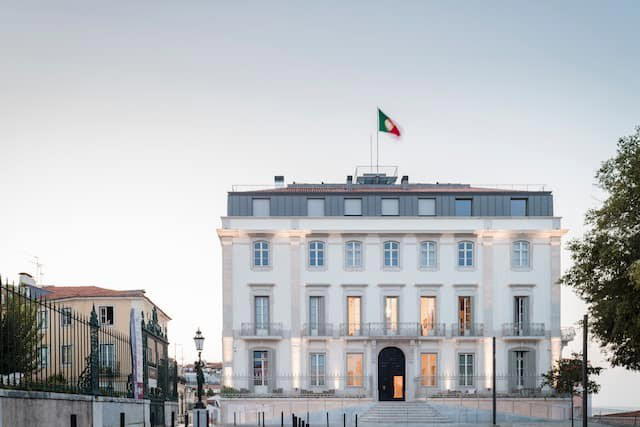
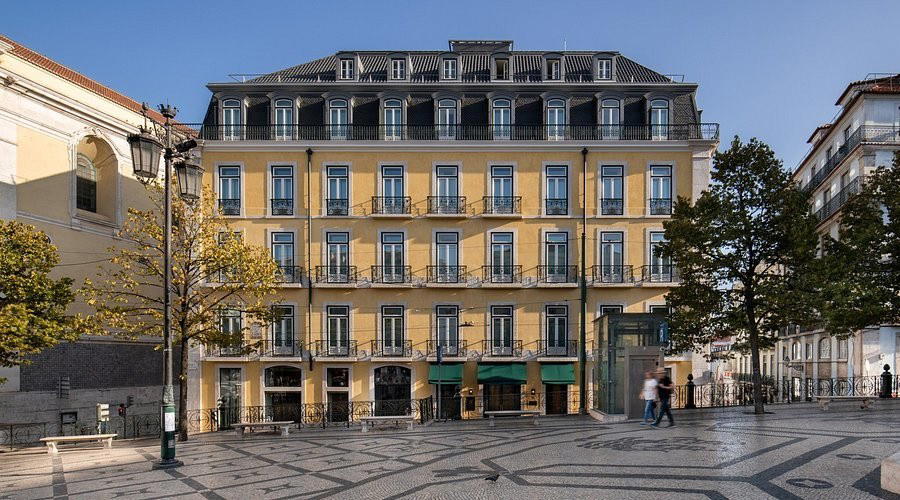
Hotels in Lisbon
Browse all →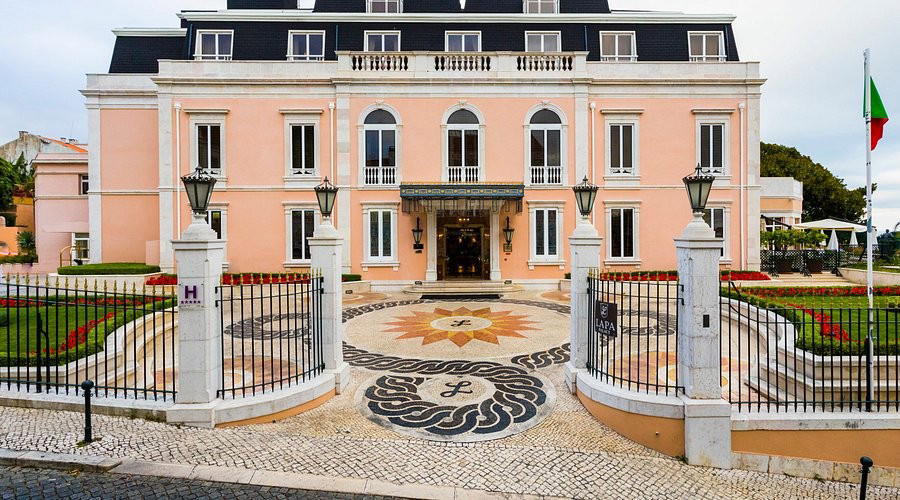
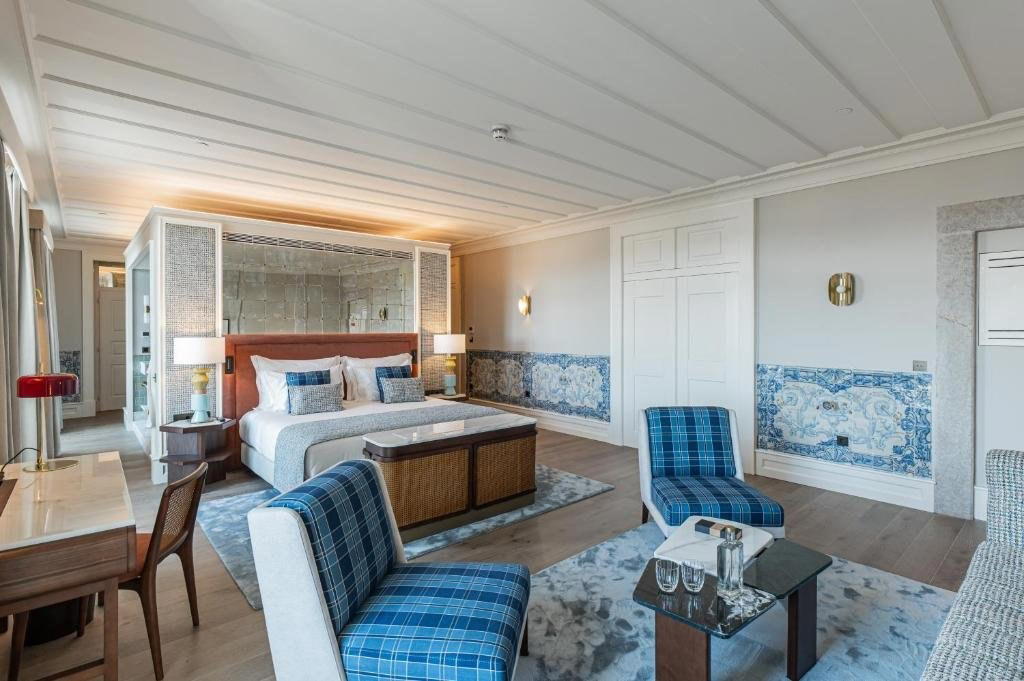
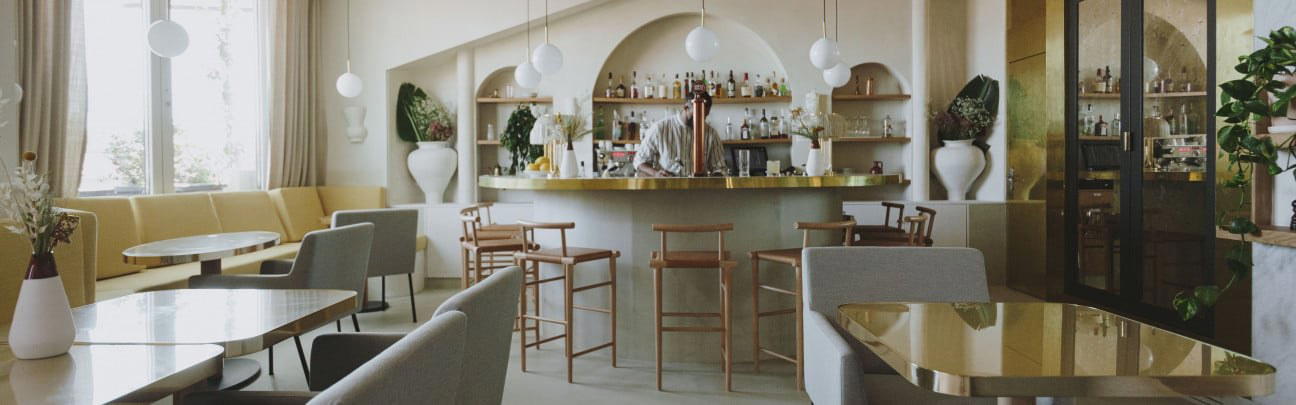
Bars in Lisbon
Browse all →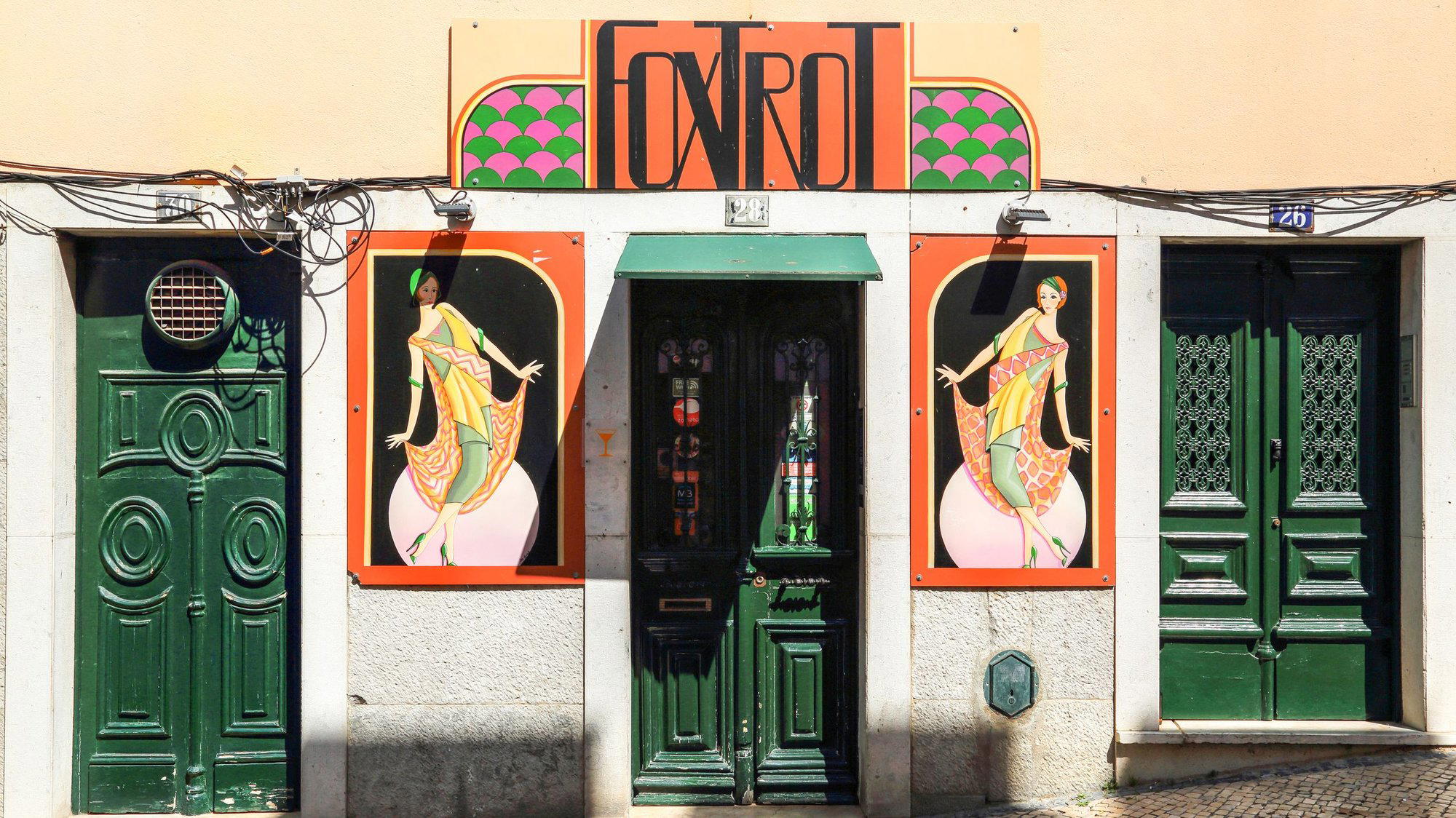
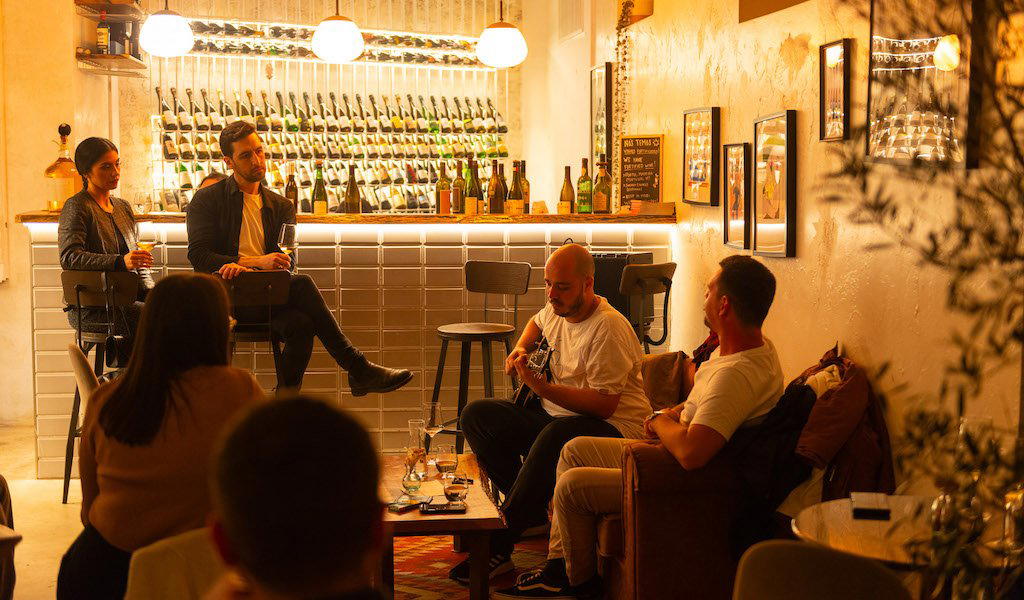
Restaurants in Lisbon
Browse all →


At a Glance
- Romantic
- Elegant
- Intimate
- Sophisticated
- Honeymoon
- Romantic Getaway
- Anniversary
- Terrace
- Historic Building
- Panoramic View
- Pool
- Restaurant
- Room Service
- Concierge
- Airport Transfer
- Garden
- Pool
- Restaurant
- Room Service
- Concierge
- Airport Transfer
Relaxed and homely with high ceilings, tall windows, soft neutral tones, antique furniture, and a drawing room-like living space.