A former colonial police station turned boutique hotel on Lantau Island, Tai O Heritage Hotel occupies one of Hong Kong's most quietly purposeful conservation projects. Positioned far outside the city's Kowloon and Central hotel cluster, it offers a direct encounter with a fishing village that has largely resisted the pace of urban development. The property sits at 14 Shek Tsai Po Street, surrounded by stilt houses and tidal waterways.
Pearl is the En Primeur Club membership app — saves, bookings, and concierge access live there. Same editors, same standards.
- Address
- 14 Shek Tsai Po St, Lantau Island, Hong Kong
- Phone
- +852 2985 8383
- Website
- taioheritagehotel.com
- Directions
- Get directions
 Saves & bookings on Pearl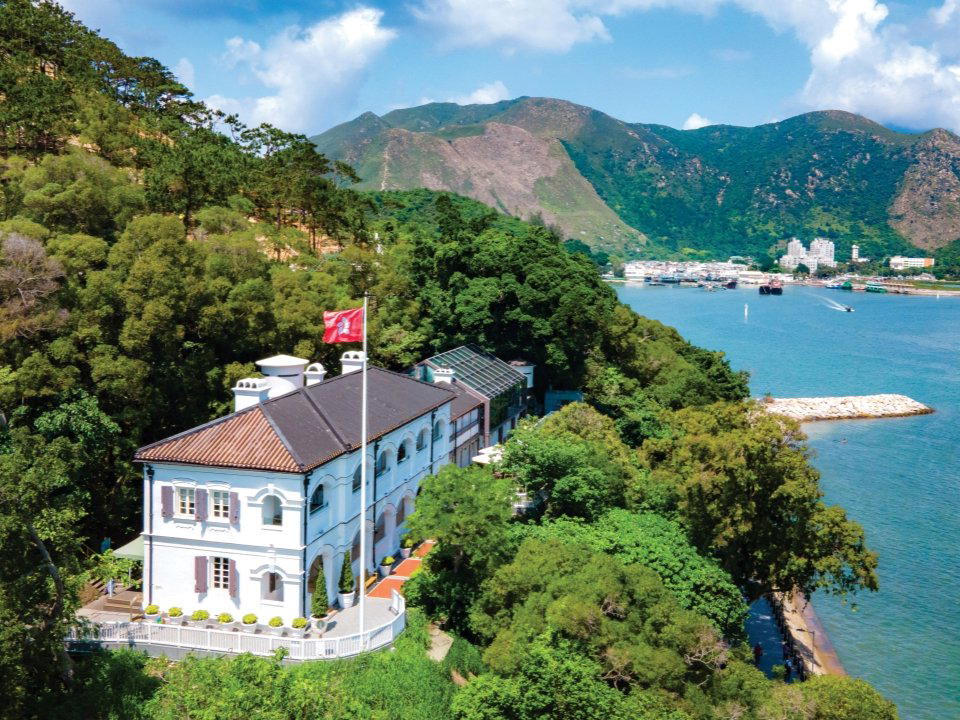
Where the City Stops and the Tidal Village Begins
Approach Tai O by bus from Tung Chung or by ferry from Mui Wo, and the journey itself begins the recalibration. The New Territories give way to Lantau's forested ridges, and by the time the road descends toward the coast, Hong Kong's familiar vertical density has vanished entirely. What replaces it is a fishing settlement built partly on stilts over tidal channels, its pungent shrimp paste drying in the open air, its sampan boats navigating channels barely wider than a car. The Tai O Heritage Hotel sits at the edge of this scene, inside a 1902 colonial-era police station that was decommissioned in 2002 and restored into accommodation a decade later. The building's whitewashed walls and colonnaded verandas read against the village backdrop with an oddly natural authority, colonial infrastructure that has outlasted its original purpose and found a second life serving a different kind of visitor entirely.
This part of Lantau sits well outside the orbit of Hong Kong's central hotel corridor, where properties like the Four Seasons Hotel Hong Kong, the Mandarin Oriental, Hong Kong, and Rosewood Hong Kong compete on harbour views, vertical architecture, and urban convenience. Tai O Heritage Hotel competes on none of those terms. Its comparable set is better understood as a small international cohort of adaptive-reuse heritage properties, buildings that carry a conservation remit as seriously as a hospitality one, where the accommodation itself is an argument for a particular approach to place.
Conservation as Structure, Not Scenery
The broader pattern of adaptive-reuse hospitality has grown considerably across Asia over the past fifteen years. Colonial and imperial-era structures that once housed administrative functions, police stations, post offices, courthouses, have been identified as candidates for sensitive conversion rather than demolition, particularly in cities where developable land is scarce and heritage designation carries weight. Hong Kong's own preservation record is uneven, but the Tai O project, overseen with support from the Hong Kong Tourism Commission and managed with an explicit conservation brief, sits toward the more serious end of that spectrum.
The architectural value here lies in reuse rather than replacement: the building was preserved, and the village's character remains intact. Tai O's stilt-house settlement is itself a disappearing form. The population that once sustained a large fishing economy has declined, and the village functions today as a living document of a working-waterfront tradition that has almost no parallels left in the wider Pearl River Delta region. A hotel that generates preservation-oriented tourism rather than extraction-oriented tourism is making a specific argument about what development should look like in sensitive zones.
For readers accustomed to the environmental credentials framing of newer-build luxury properties, solar arrays on resort rooftops, filtered-water programs replacing single-use plastic, farm-to-table sourcing menus, the Tai O model represents an older and more structurally grounded version of the same principle. The building already existed. The community already existed. The question was whether hospitality could insert itself without erasing either.
The Property in Practice
The hotel operates a small number of rooms and suites within the original station building, each named to reflect the building's former function. The accommodation count is deliberately limited, which keeps the footprint manageable relative to the village it occupies. Those expecting the room density of a Landmark Mandarin Oriental or the serviced scale of a Conrad Hong Kong will find a fundamentally different proposition. The rooms here are distinguished by their setting and their architectural character rather than by amenity volume.
The verandas that wrap the building's exterior are its most operationally significant feature. Mornings on the upper colonnade, looking across the channel toward the stilt houses, offer a perspective on Hong Kong that visitors staying in Tsim Sha Tsui or Admiralty will not encounter regardless of how long they stay. The village itself is walkable from the hotel, and the narrow lanes around the market area and waterfront are leading covered on foot in the early morning, before tour groups from Tung Chung MTR arrive by mid-morning.
For guests calibrating this against the broader Hong Kong hotel spectrum, the comparison with The Peninsula Hong Kong or The Upper House is instructive mainly in contrast: those properties offer the city at full intensity. Tai O Heritage Hotel offers its deliberate absence. The choice between them is a question of what a Hong Kong stay is for.
Castello di Reschio in Lisciano Niccone operates a similar reclamation logic in Umbria, and Aman Venice works within a 16th-century palazzo. The category of hospitality that treats heritage structure as its primary asset, rather than its marketing hook, is a coherent and growing one internationally, and Tai O sits within it.
City Peers
Comparable venues nearby, for context on price, style, and recognition.
| Venue | Cuisine | Price | Notes |
|---|---|---|---|
| Tai O Heritage HotelThis venue — the venue you are viewing | colonial heritage boutique | $$$ | Not listed |
| Little Tai Hang | Design-centric serviced apartments blending into neighborhood with mid-century podium and glass tower. | $$$ | Wan Chai |
| Southside by Ovolo | Boutique design hotel housed in a converted warehouse with industrial-modern aesthetic, positioned as a cultural hub in Hong Kong's emerging Wong Chuk Hang district. | $$$ | Southern District Southeast |
| The Luxe Manor | Luxury boutique with European grand house grandeur and quirky charm | $$$$ | Tsim Sha Tsui |
| Cordis, Hong Kong | City Hotel | $$$$ | Yau Tsim Mong North |
| Mondrian Hong Kong | Contemporary luxury design hotel inspired by Dutch abstract painter Piet Mondrian, blending artistic aesthetics with Hong Kong cultural references. | $$$ | Yau Tsim Mong South |
Continue exploring
More in Hong Kong
Hotels in Hong Kong
Browse all →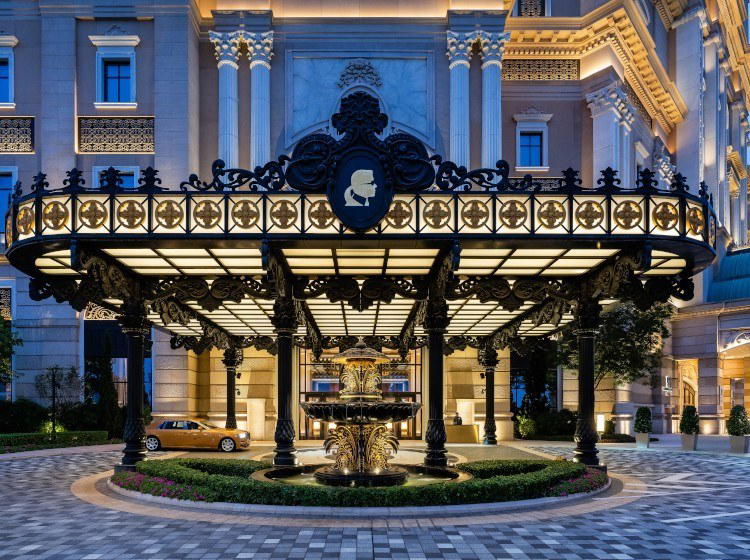
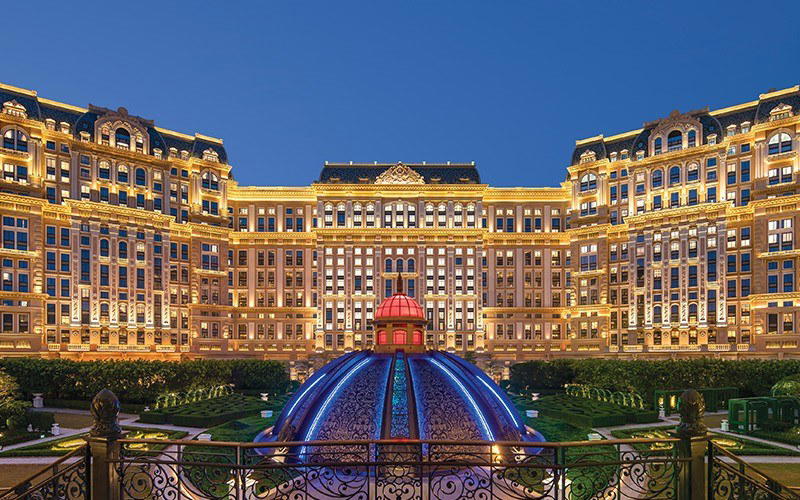
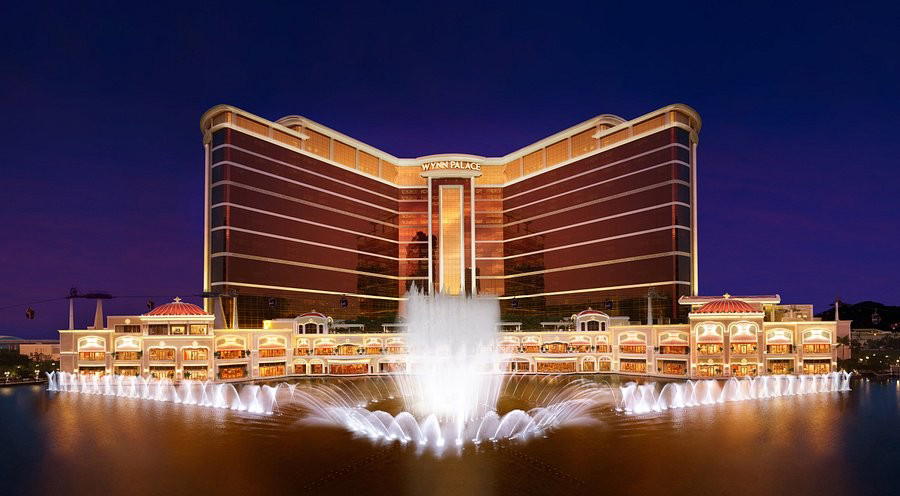
Bars in Hong Kong
Browse all →
Restaurants in Hong Kong
Browse all →
At a Glance
- Quiet
- Scenic
- Elegant
- Classic
- Romantic Getaway
- Weekend Escape
- Historic Building
- Panoramic View
- Wi Fi
- Garden
- Waterfront
- Wi Fi
- Garden
Relaxed and refined atmosphere in a meticulously restored historic building with panoramic views, featuring classical colonial elegance and modern comforts.