The James Bradley

Michelin Selected
The James Bradley brings a measured, design-conscious sensibility to the New Jersey Shore, earning MICHELIN Selected recognition in 2025. Set at 204 3rd Avenue in Bradley Beach, the property sits in a coastal town that has been quietly redefining what Shore-town accommodation can look like, offering a considered alternative to the region's larger resort properties.

Pearl is the En Primeur Club membership app — saves, bookings, and concierge access live there. Same editors, same standards.
- Address
- 204 3rd Avenue, Bradley Beach, NJ, USA
- Phone
- 732-774-2875
- Directions
- Get directions
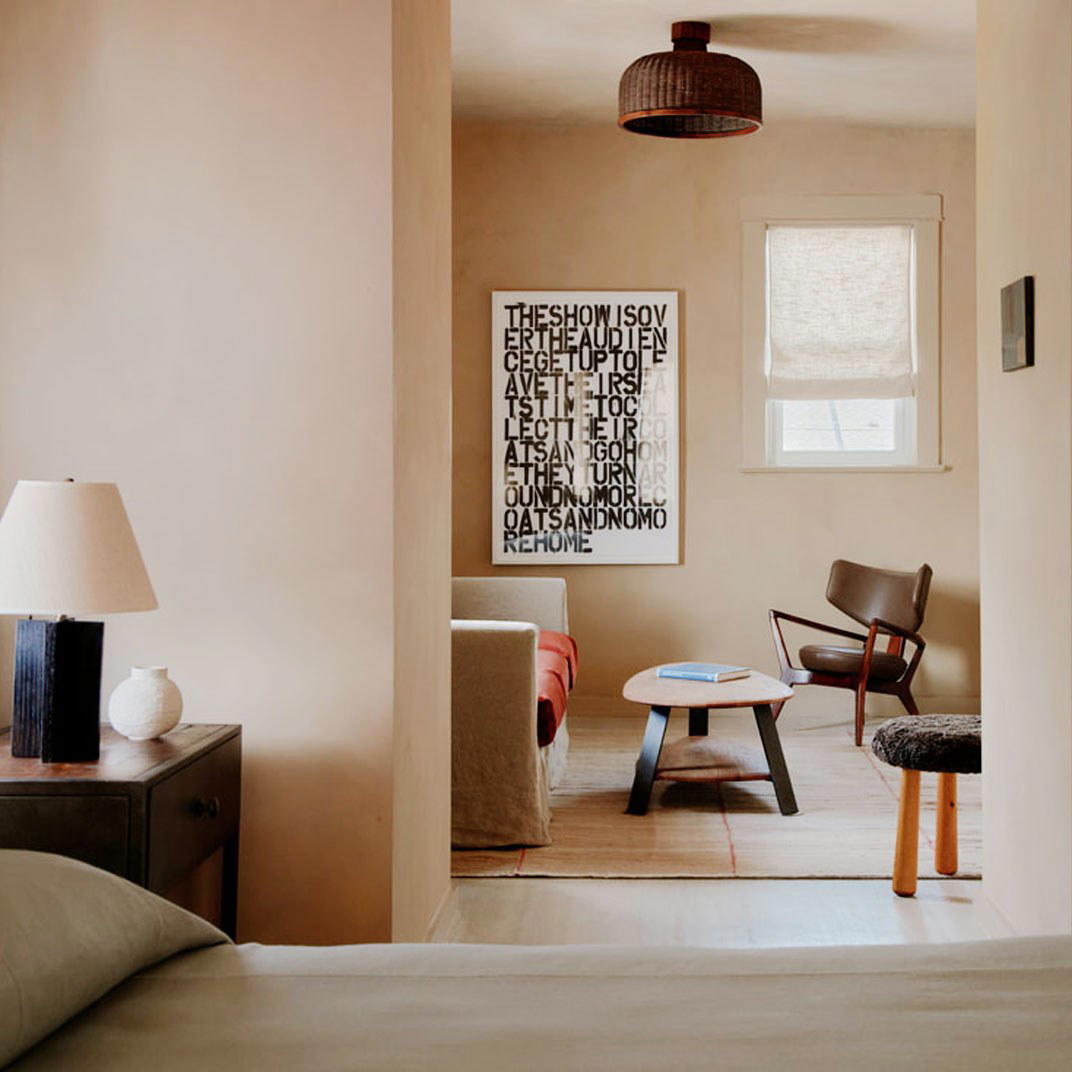
A Shore Town Finds Its Register
Bradley Beach occupies a particular position along the New Jersey coastline: smaller than Asbury Park to its north, less commercially developed than Belmar to its south, and increasingly intentional about the kind of visitor it attracts. The town has, over the past decade, drawn a cohort of independent operators and design-aware proprietors who are less interested in volume than in atmosphere. The James Bradley, at 204 3rd Avenue, sits inside that shift. Its 2025 MICHELIN Selected designation places it in formal company with a tier of American properties recognised not for scale but for considered execution.
MICHELIN Selected, for those unfamiliar with the hotel side of the guide, functions as a quality floor rather than a ceiling. Properties in this category have cleared a threshold of character, physical condition, and guest experience that separates them from the broader accommodation market. Along the Jersey Shore, that distinction carries particular weight: the coastal hospitality corridor between Asbury Park and Spring Lake is not short of beds, but properties with independent identity and editorial recognition remain relatively few. The James Bradley occupies that narrower category.
What the Building Communicates
The editorial angle that matters most here is architectural. The Jersey Shore's built environment is a layered archive: Victorian vernacular, mid-century motels, the occasional adaptive reuse of commercial stock. Properties that earn design-led recognition in this context tend to do so by reading that archive carefully rather than overwriting it. The James Bradley's address on 3rd Avenue places it within walking distance of the beachfront, in a block-scale that rewards pedestrian experience rather than car-dependent resort logic.
The hospitality properties earning recognition in comparable coastal and small-town American markets share a recognisable set of design instincts: restored or preserved structural bones, material choices that reference local vernacular without costuming it, and room configurations that prioritise proportion over feature-stacking. Troutbeck in Amenia operates on similar principles in the Hudson Valley. Washington School House Hotel in Park City applies the same logic to a historic civic building. The Stavrand in Guerneville does it in a wine-country context. In each case, the building's history is neither hidden nor sentimentalised; it is used as structural argument for why the property belongs in its place.
For The James Bradley, the name itself is a contextual signal. James A. Bradley founded Bradley Beach in the 1870s, and properties that carry that reference are making an implicit claim about rootedness and civic identity. Whether the physical execution of the hotel honours that reference is a matter the building answers on arrival.
Where This Property Sits in the Wider Market
The American boutique hotel market has matured considerably. The era when a stripped-back room and a curated record collection constituted differentiation is largely over. Properties holding MICHELIN Selected status in 2025 tend to operate at a level of physical finish and service consistency that takes them out of the lifestyle-branding tier and into something more durable. It maps more closely to the independent, design-conscious properties that have emerged in secondary American cities and resort-adjacent towns over the past several years.
For context on what that tier can look like at larger scale: Chicago Athletic Association represents the adaptive reuse end of the spectrum, converting a landmark building into a property where the architecture is the primary experience. The Hornibrook Mansion in Little Rock works within a historic residential frame. Bowie House in Fort Worth uses a collection-driven interior programme to anchor its identity. These are not direct competitors to The James Bradley in geographic terms, but they represent the design and curatorial standards against which MICHELIN-recognised independent properties are implicitly measured.
At the other end of the scale spectrum, properties like Amangiri in Canyon Point, Post Ranch Inn in Big Sur, or Meadowood Napa Valley demonstrate what design-led American hospitality looks like when budget and landscape scale up significantly. The point of that comparison is not to suggest equivalence but to clarify what the upper register of the conversation looks like, and to note that the same underlying principles, material honesty, spatial restraint, architectural legibility, travel across price points.
Planning a Stay
Bradley Beach is accessible from New York City via NJ Transit's North Jersey Coast Line, with Bradley Beach station a short walk from the 3rd Avenue address. That rail connection makes the property viable as both a weekend destination from New York and a longer coastal base without car dependency, a practical consideration that matters more now than it did in the pre-Amtrak-era Shore economy. The beach itself is a few blocks from the front door. The town's food and drink scene, while modest in scale, has been building out through independent operators who fit the same design-aware, locally-anchored profile as the property itself. For a broader picture of what Bradley Beach currently offers across restaurants and bars, see our full Bradley Beach restaurants guide.
Given the hotel's scale and its level of recognition, availability in peak summer weeks should be treated as limited rather than assumed.
The Wider Context
The MICHELIN Selected designation situates The James Bradley in a conversation that spans the full range of American independent hospitality, from coastal properties to mountain lodges to city-centre conversions. That conversation includes Dunton Hot Springs in Colorado, Sage Lodge in Montana, and Canyon Ranch Tucson at the destination-retreat end, and Raffles Boston or The Fifth Avenue Hotel in New York at the urban-luxury end. The James Bradley occupies its own distinct position in that field: a coastal New Jersey property making a case that Shore-town accommodation can hold its own against any of those reference points, not through scale but through clarity of execution.
For those who track the international end of the MICHELIN hotel programme, the same curatorial sensibility that produces European selections like Aman Venice or Hôtel de Paris Monte-Carlo also governs the American list. That the Jersey Shore now features in the same guide as those properties is, at minimum, an argument worth taking seriously.
| Venue | Cuisine | Price | Awards |
|---|---|---|---|
| The James BradleyThis venue — the venue you are viewing | This venue | $200–300 | Michelin Selected |
| Aman New York | Michelin 3 Key, World's 50 Best | Not listed | 3 Michelin Keys · World's 50 Best #87 |
| The Beverly Hills Hotel | Michelin 3 Key, World's 50 Best | Not listed | 3 Michelin Keys · World's 50 Best #65 |
| Amangiri | Michelin 3 Key, World's 50 Best | $1,000–1,500 | 3 Michelin Keys · World's 50 Best #45 |
| Hotel Bel-Air | Michelin 3 Key, World's 50 Best | $750–1,000 | 3 Michelin Keys · World's 50 Best #57 |
| The Carlyle, A Rosewood Hotel | Michelin 2 Key, World's 50 Best | $1,500–2,500 | 2 Michelin Keys · World's 50 Best #64 |
Recognition history
Dated appearances from independent guides and award organizations, with the underlying list record or original source where available.
Michelin Selected
Michelin
Continue exploring
More in Bradley Beach
Hotels in Bradley Beach
Browse all →
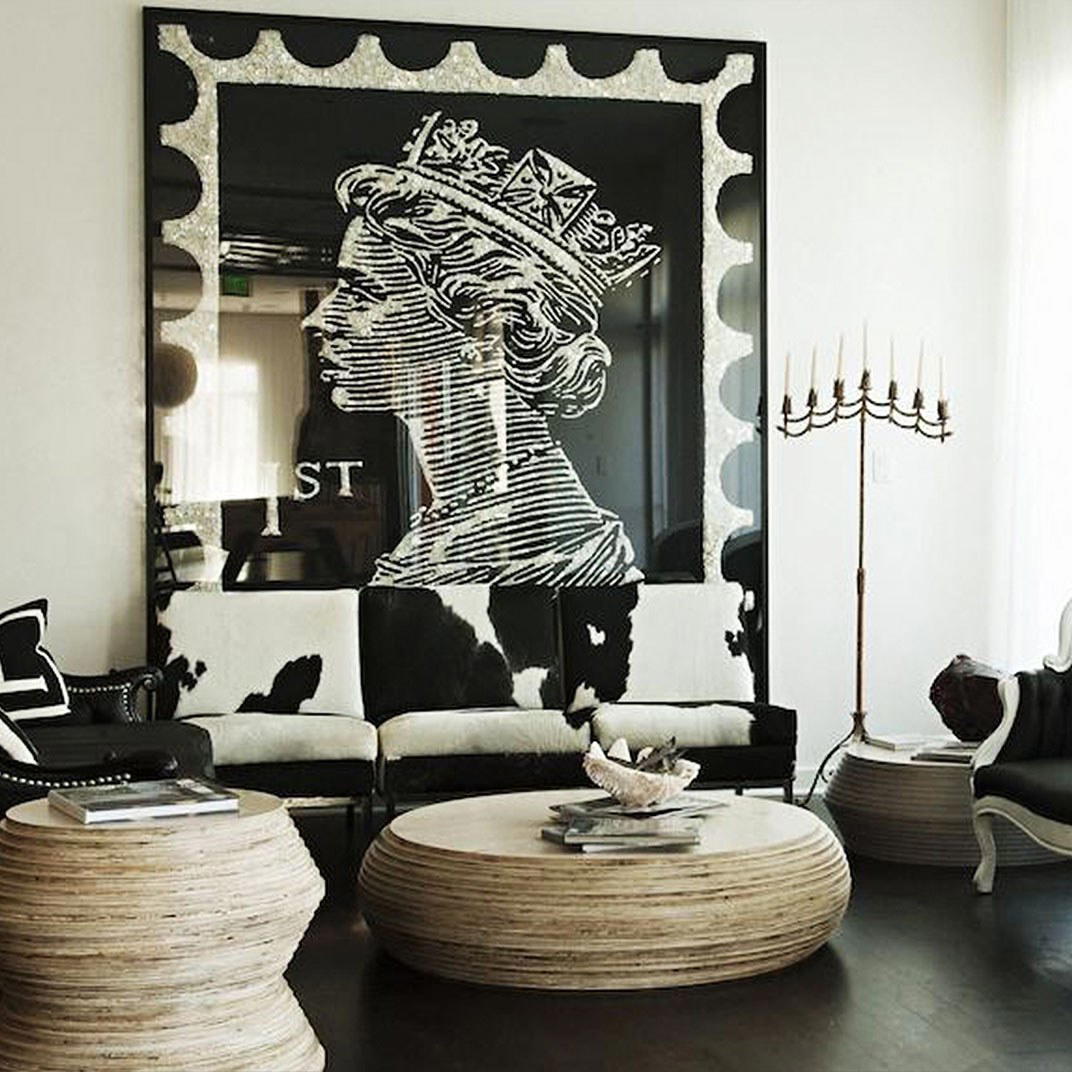
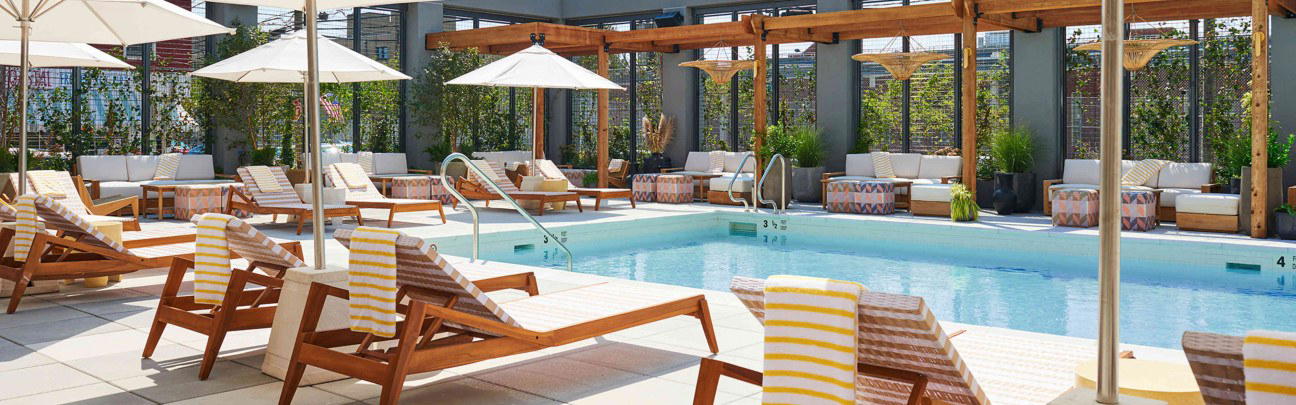
Bars in Bradley Beach
Browse all →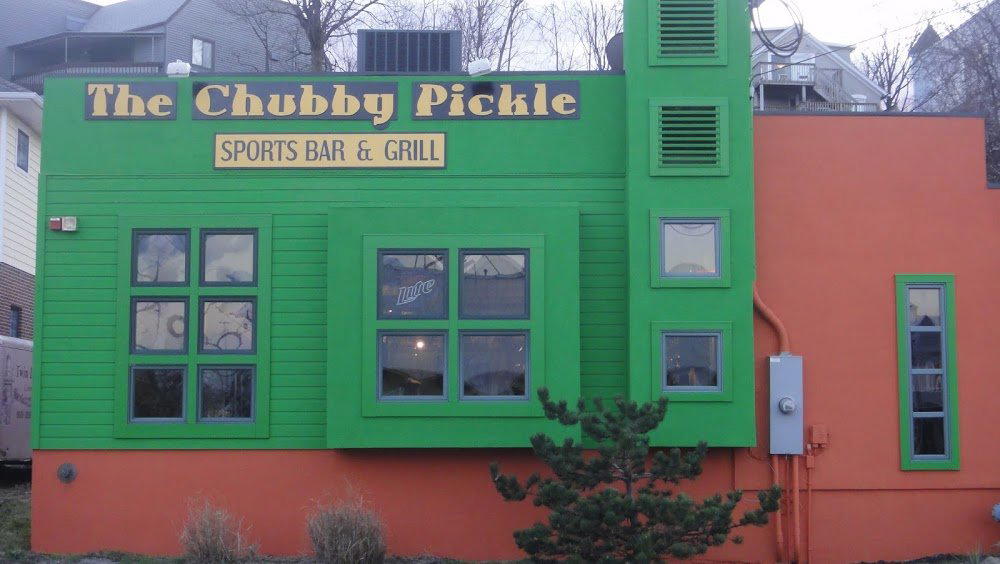
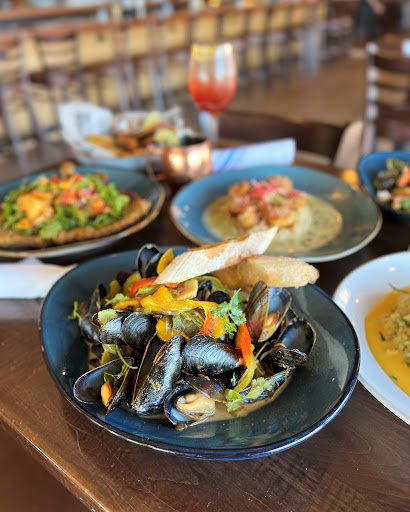
Restaurants in Bradley Beach
Browse all →

Wineries in Bradley Beach
Browse all →

Details
- Quiet
- Intimate
- Sophisticated
- Scenic
- Classic
- Romantic Getaway
- Weekend Escape
- Anniversary
- Beachfront
- Garden
- Wi Fi
- Restaurant
- Spa
- Massage
- Beach Access
- Garden
- Concierge
- Waterfront
Quiet, intimate, and design-forward, with a calm coastal atmosphere shaped by soft natural light, muted tones, and a private courtyard/garden setting.