

Michelin Selected · White Guide Sweden Hotels - Very Fine Level
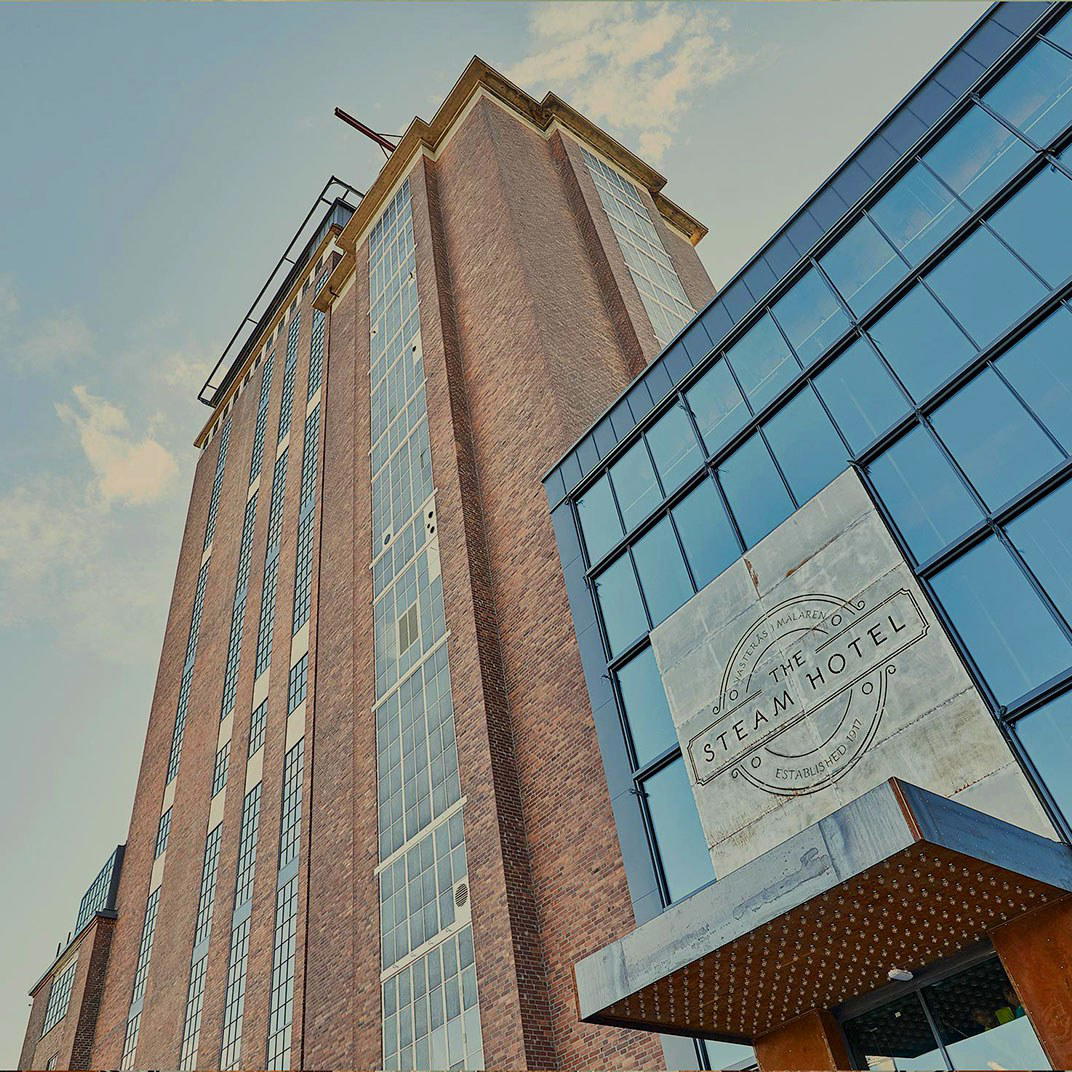
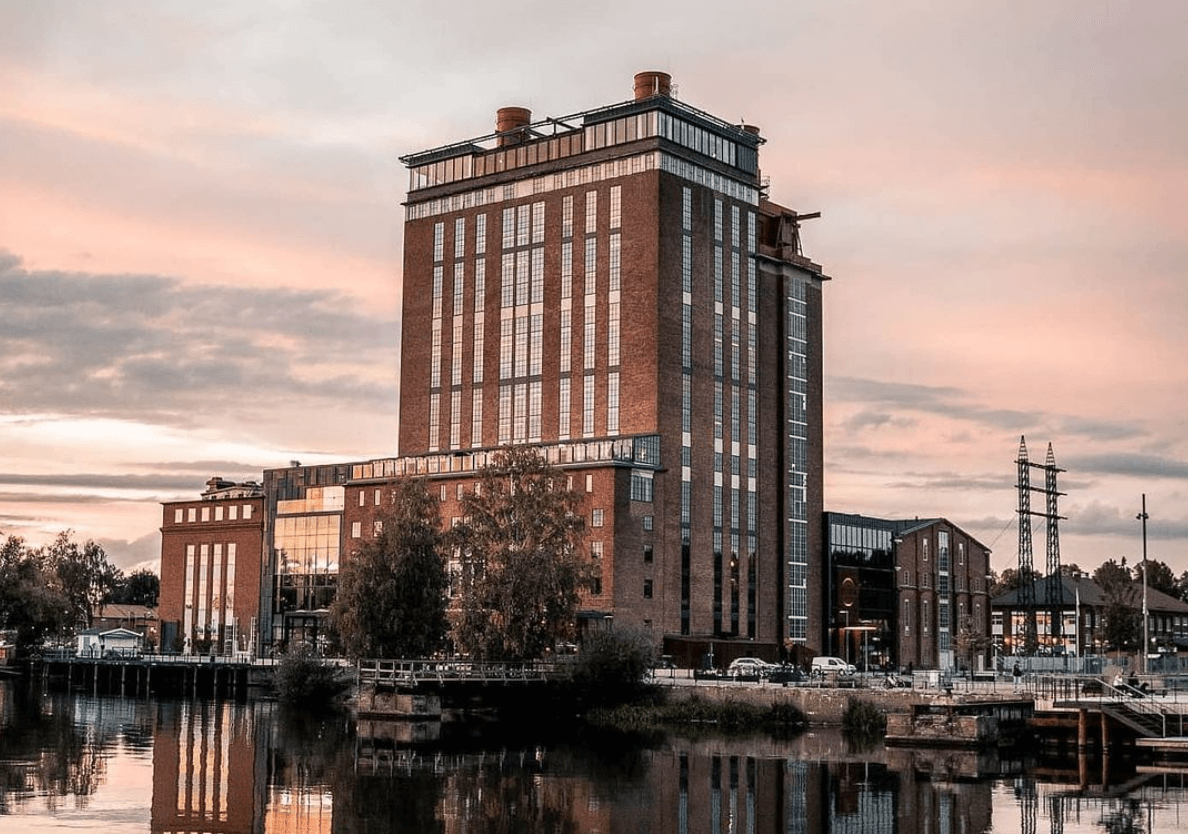
A Michelin Selected hotel occupying a converted early-twentieth-century power station on the shores of Lake Mälaren, Steam Hotel brings industrial heritage architecture into conversation with contemporary Scandinavian hospitality.

Pearl is the En Primeur Club membership app — saves, bookings, and concierge access live there. Same editors, same standards.
- Address
- Ångkraftsvägen 14, Västerås, Sweden
- Phone
- 46 21 475 99 00
Where Industrial Heritage Meets Lake Mälaren
Sweden's most compelling hotel conversions tend to share a structural confidence: they do not apologise for what the building once was. Steam Hotel, occupying a former power station on the waterfront in Västerås, belongs firmly in that category. The brick chimneys, the vaulted machinery halls, the raw scale of a building designed for turbines rather than guests — these elements are not softened or hidden. They are the architecture, and the hospitality is built around them.
Västerås sits roughly 100 kilometres west of Stockholm on the shores of Lake Mälaren, Sweden's third-largest lake. The city is primarily known as an industrial and engineering centre, which makes Steam Hotel's location less of an irony and more of a continuity: the power station that once supplied the region now hosts the kind of adaptive-reuse project that has come to define a particular strand of Scandinavian design thinking. That strand prizes material honesty — exposed brick, retained metalwork, structural concrete left visible, over the kind of seamless luxury finish that erases all evidence of a building's previous life.
The Architecture as the Argument
Across Scandinavia, a cohort of hotels has emerged that draws its identity directly from the industrial or agricultural infrastructure it occupies. Arctic Bath in Harads floats on the Lule River inside a circular timber frame. Copperhill Mountain Lodge in Åre uses mountain vernacular construction to anchor itself to the landscape. Steam Hotel's reference point is the industrial waterfront, and the design choices follow from that premise rather than being imposed onto it.
The former power station at Ångkraftsvägen 14 dates from the early twentieth century, a period when Västerås was expanding rapidly as an engineering hub. Buildings from that era were constructed for permanence and mechanical purpose: thick brick walls, high ceilings engineered for heavy equipment, and a relationship to water that was functional rather than scenic. The conversion reverses that logic. The lake views that once existed simply because the station needed water access are now among the hotel's most significant spatial assets. The height of the original halls, designed to accommodate machinery, now creates a sense of interior volume that contemporary hotel builds rarely achieve.
This kind of adaptive reuse requires a different design discipline than building from scratch. The architect or designer cannot simply specify what they want; they have to work within the tolerances of an existing structure, and the results often carry a specificity that purpose-built hotels lack. Where a new-build luxury property might achieve polish, a well-executed conversion achieves character, the two are not the same thing, and experienced travellers tend to know the difference.
Positioning in Sweden's Hotel Tier
Michelin's hotel selection process, distinct from its restaurant star system, identifies properties that meet a threshold of quality across design, service, and experience. Steam Hotel's inclusion in the Michelin Selected Hotels 2025 list places it in a cohort that includes some of Sweden's most considered properties, among them Ett Hem in Stockholm, a twelve-room townhouse that operates closer to a private residence than a conventional hotel, and Görvälns Slott in Järfälla, a lakeside manor with its own Michelin-starred restaurant. The common thread across this cohort is specificity: each property has a clear identity that could not be relocated without losing its meaning.
Within Sweden's regional hotel picture, Steam Hotel occupies an interesting position. Stockholm's design-led properties, Story Studio Malmö in the south, Hotel Flora Göteborg in the west, compete in denser, more tourism-saturated markets. Västerås operates on a different register: it is a working city with a genuine industrial identity, which gives Steam Hotel's power-station premise an authenticity that a comparable concept in a tourist-heavy context might struggle to sustain. The hotel is not performing industrial heritage; it is housed inside it.
Comparable adaptive-reuse approaches appear elsewhere in the country, Stora Hotellet in Umeå and Huskvarna Stadshotell in Huskvarna both carry the weight of civic history, but few are working with raw material as architecturally distinctive as a lakefront power station.
The Waterfront Setting
Lake Mälaren is not a decorative backdrop. It is one of the defining geographical features of central Sweden, connecting Västerås to Stockholm via water and historically forming the corridor through which trade, power, and settlement moved across the region for centuries. For a hotel built on its edge, the lake's presence is felt in light quality, in the particular stillness that large bodies of water create, and in the spatial relationship between the building's mass and the open water beyond it.
The address, Ångkraftsvägen 14, places the hotel directly on the waterfront, where the original station's machinery once drew on the lake for cooling. That industrial relationship with the water has been replaced by a scenic one, but the proximity remains, and it gives Steam Hotel a quality of setting that most inland Swedish cities cannot offer their hotels.
Planning Your Stay
Västerås is approximately an hour from Stockholm by direct train, making Steam Hotel viable as both a standalone destination and a side trip from the capital for travellers who want a different kind of Swedish hotel experience. The Michelin Selected designation signals a threshold of quality that narrows the shortlist for visitors who are being specific about what they want from a Swedish regional stay. Booking directly through the hotel's own channels is the standard approach for Michelin-tier properties of this kind; exact room availability and rate structures vary by season, and the waterfront-facing rooms command the most sustained demand. For those building a broader Sweden itinerary, properties such as Maryhill Estate in Glumslöv, Sibbjäns in Burgsvik, and Hjortviken Country Club in Hindas offer comparable Michelin Selected credentials in different regional contexts. You can also find additional context on the broader Västerås dining and accommodation scene in our full Västerås restaurants guide.
At-a-Glance Comparison
Comparable venues nearby, for context on price, style, and recognition.
| Venue | Cuisine | Price | Awards | Notes |
|---|---|---|---|---|
| Steam HotelThis venue — the venue you are viewing | Industrial heritage luxury hotel | Not listed | Michelin Selected · White Guide Sweden Hotels - Very Fine Level | Not listed |
| Hotel C Stockholm | Contemporary design hotel in the city center with mural walls featuring Stockholm sights. | Not listed | Preferred Hotels Member | Norrmalm |
| Hagastrand | Social wellness hotel in Royal Haga Park with generous communal spaces, contemporary Scandinavian architecture, and a nature-connected retreat feel. | $200–300 | White Guide Sweden Hotels - Exceptional Level | Solna |
| Downtown Camper by Scandic | Lifestyle hotel promoting affinity, creativity, and urban exploration | $100–200 | Michelin Selected · White Guide Sweden Hotels - Exceptional Level | Norrmalm |
| Scandic Södra Kajen | Large urban waterfront business hotel with Scandic’s contemporary Nordic branding. | $1–100 | Not listed | Östermalm |
| Hotel Skeppsholmen | Intimate historic boutique hotel blending 17th-century architecture with contemporary Scandinavian design, positioned as a design-forward urban retreat. | $200–300 | Michelin Selected · Design Hotels Member | Skeppsholmen |
Recognition history
Dated appearances from independent guides and award organizations, with the underlying list record or original source where available.
Michelin Selected
Michelin
White Guide Sweden Hotels - Very Fine Level
White Guide
Continue exploring
More in Västerås
Details
- Industrial
- Lively
- Trendy
- Romantic
- Modern
- Family Vacation
- Weekend Escape
- Celebration
- Historic Building
- Rooftop Pool
- Panoramic View
- Pool
- Fitness Center
- Spa
- Wi Fi
- Waterfront
- Elevator
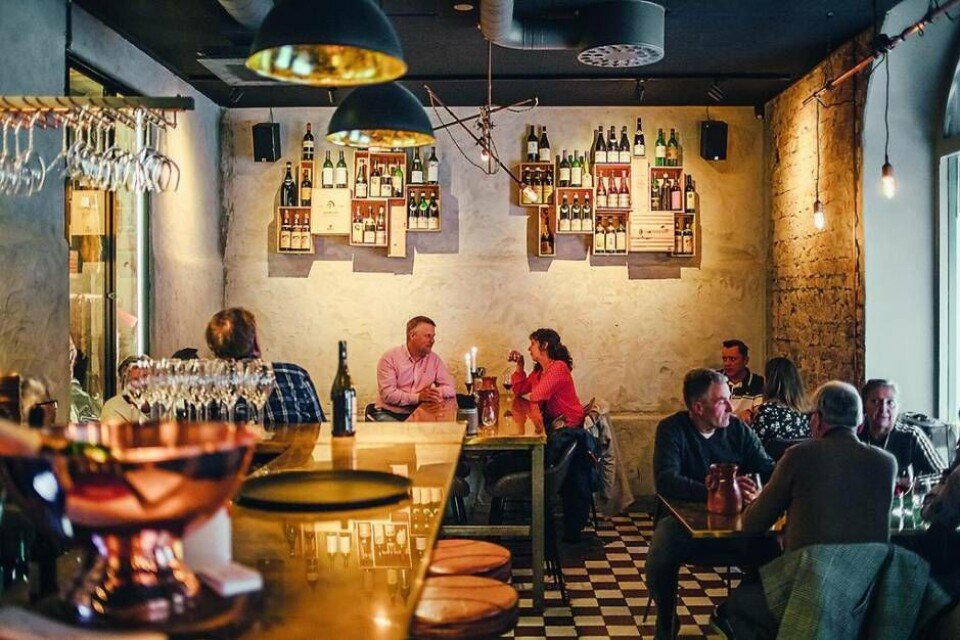
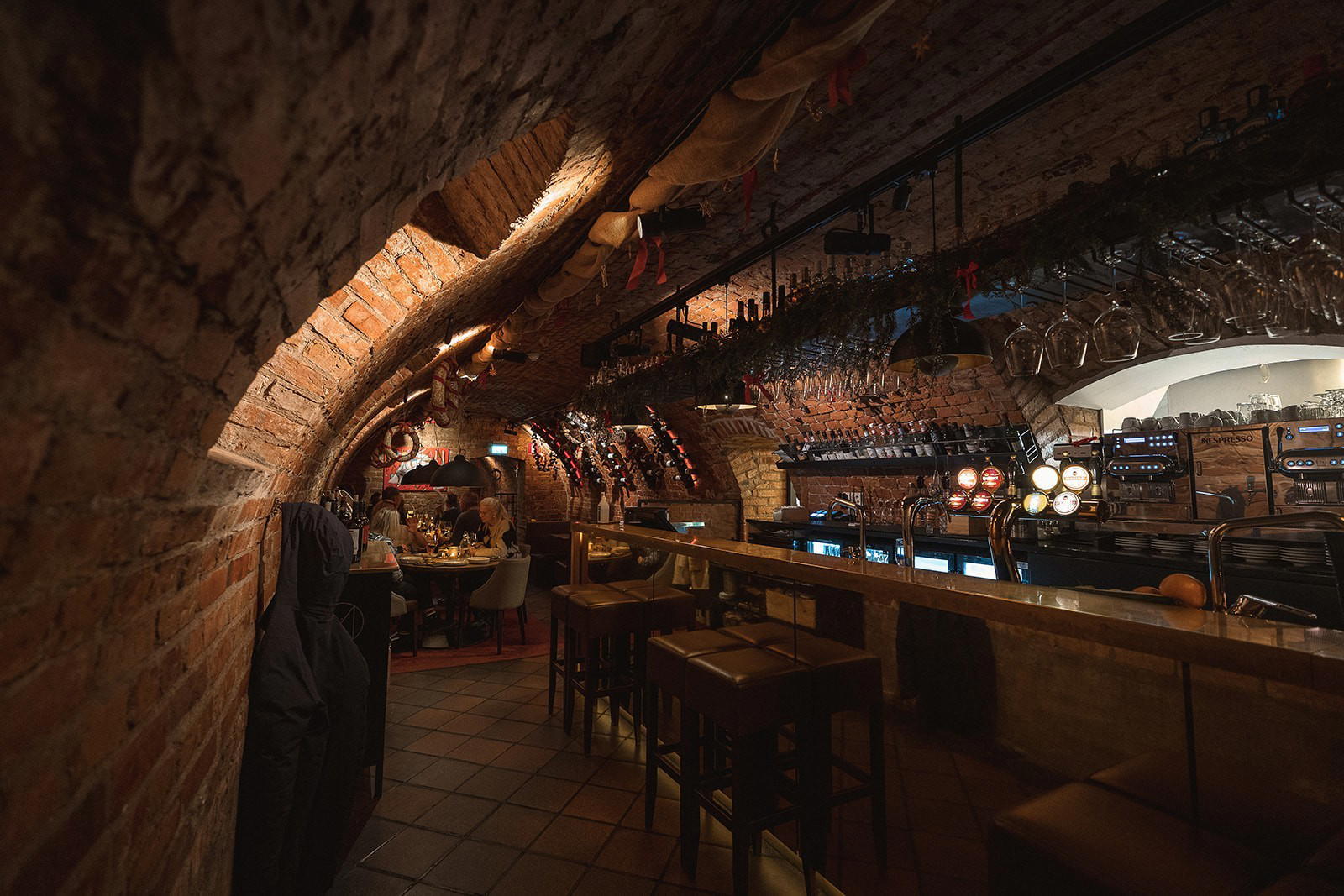
Lively industrial-romantic atmosphere with exposed brickwork, creative design, and lively energy from multiple bars, restaurants, and entertainment venues.