
White Guide Sweden Restaurants - Fine Level
Our verdict
A Hilltop Address in a City Finding Its Restaurant Voice Västerås sits roughly 100 kilometres west of Stockholm, a mid-sized industrial city on Lake Mälaren that has, over the past decade, developed a dining scene more considered than its size...

Pearl is the En Primeur Club membership app, where members save venues, book tables and use the concierge.
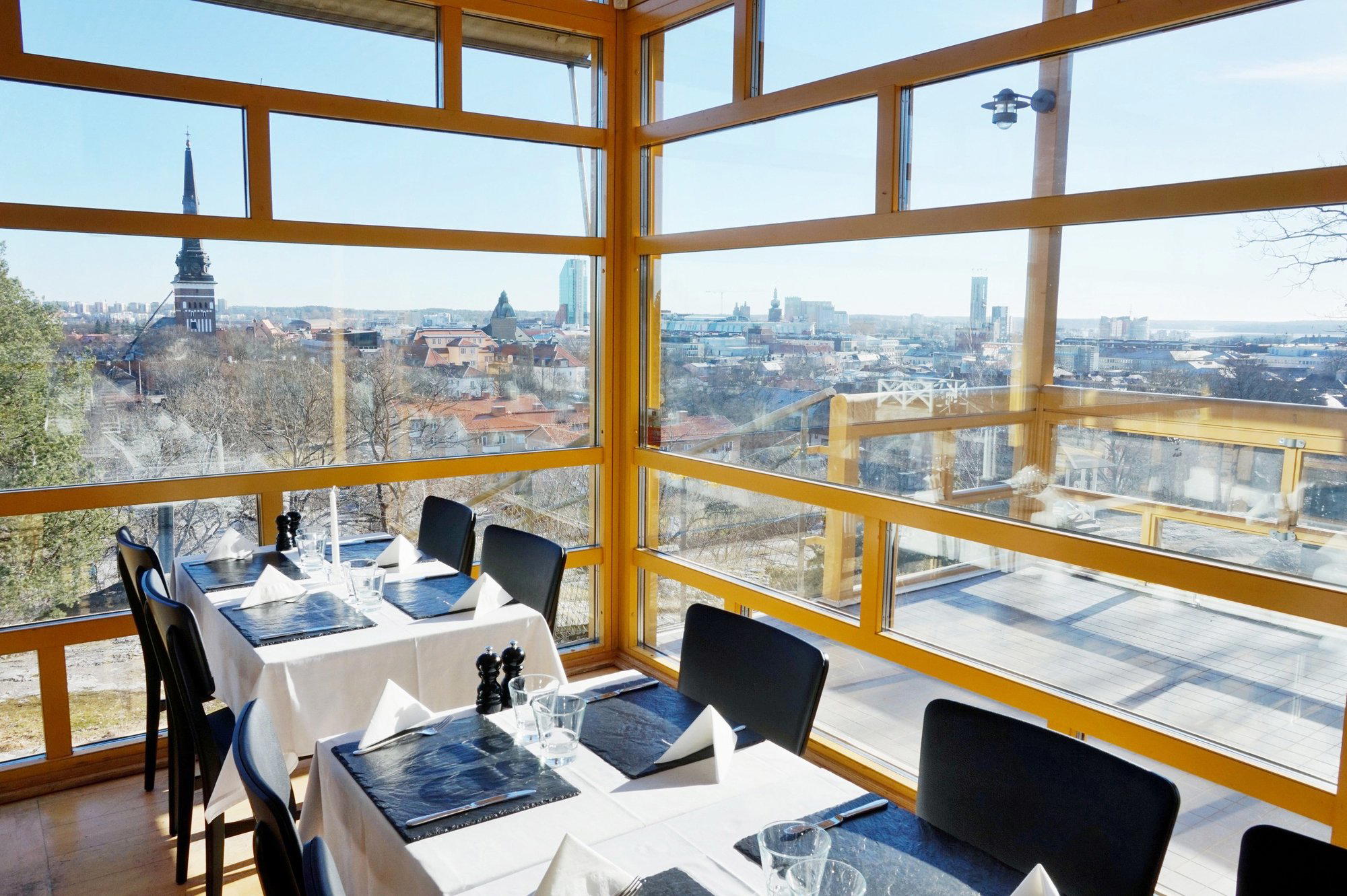
A Hilltop Address in a City Finding Its Restaurant Voice
Västerås sits roughly 100 kilometres west of Stockholm, a mid-sized industrial city on Lake Mälaren that has, over the past decade, developed a dining scene more considered than its size might suggest. Djäkneberget, the wooded ridge that gives Djäknebergets Restaurang its name, is one of the city's older recreational landmarks: a green escarpment above the urban grid where locals have gathered for generations. A restaurant anchored to that geography carries a particular weight, less about novelty than about continuity with a place.
That kind of setting shapes a dining experience before a single dish arrives. Approaching along Djäknebergsgatan, the surrounding parkland sets a tempo at odds with the city centre a short distance below. In Swedish dining culture, the relationship between landscape and table is rarely incidental. From the archipelago tables of the Archipelago of Gothenburg in Styrsö to rural retreats like Knystaforsen in Rydöbruk, some of the country's most serious kitchens have embedded themselves in landscapes their cooking is meant to reflect. Djäknebergets Restaurang operates within that same cultural logic, where geography is part of the editorial.
Swedish Dining Tradition and What It Asks of a Kitchen
Contemporary Swedish cuisine occupies an interesting position internationally. The Nordic wave that crested in the 2010s, defined by foraged ingredients, hyper-seasonality, and fermentation, left a lasting imprint on how Swedish kitchens think about sourcing and technique. What followed, in many regional cities, was a quieter absorption of those ideas into more grounded, less conceptually heavy menus. The ambition did not disappear; it redistributed.
That shift is visible across Sweden's regional dining circuit. Places like ÄNG in Tvååker and VYN in Simrishamn have built reputations by rooting their cooking firmly in local produce and season without the theatrical scaffolding of the earlier Nordic moment. Vollmers in Malmö works within a similar discipline. In that context, a restaurant attached to a well-known civic landmark in Västerås is positioned, at least culturally, to do something similar: to be a genuinely local expression rather than an import of urban food trends.
For comparison, Västerås also hosts AGRILL, which takes a different approach to the city's dining offerings, and Udden Japanese Cuisine, which represents the city's growing interest in international formats. SKYBAR at The Plaza occupies the refined-view tier. Djäknebergets Restaurang, by contrast, earns its position through its relationship to the specific hill it sits on and the traditions that surround it, rather than through format novelty.
The Cultural Register of a Landmark Restaurant
Restaurants attached to public parks or civic spaces carry a different cultural expectation than standalone neighbourhood spots. In Sweden, where outdoor recreation and collective use of natural spaces is deeply embedded in everyday life, a hilltop restaurant functions partly as a democratic institution. It serves families after a Sunday walk, marks local celebrations, and acts as a reference point for residents over decades. That civic role is distinct from, say, a destination tasting-menu house like Frantzén in Stockholm or a chef-driven project like Signum in Mölnlycke. The comparison set is different, and so is the measure of success.
Internationally, this kind of embedded civic dining appears in various forms. At the high end of the spectrum, restaurants like Le Bernardin in New York City or community-focused formats like Lazy Bear in San Francisco show how a fixed sense of place and purpose can anchor a kitchen's identity even as techniques and menus evolve. The principle scales: clarity of context makes for more coherent hospitality.
Within Sweden's broader regional scene, the category that Djäknebergets Restaurang occupies, the civic landmark restaurant with a view and local roots, is underrepresented in serious food coverage. Much of the editorial attention goes to either destination tasting-menu houses or urban neighbourhood spots. Places like PM & Vänner in Växjö, which has built sustained regional credibility, or Bistro Jarlen in Halmstad, which occupies a confident mid-register, suggest that regional Sweden's dining depth extends well beyond Stockholm's orbit. Djäknebergets Restaurang sits within that broader geography.
Planning a Visit: What to Know Before You Go
The restaurant's address, Djäknebergsgatan 10 in Västerås, places it on the Djäkneberget ridge itself, accessible from the city centre on foot or by car. Given the parkland setting, the approach varies considerably by season: summer visits carry the advantage of extended Nordic daylight and outdoor seating possibilities typical of Swedish park restaurants, while winter visits shift the dynamic entirely toward interior warmth and the particular atmosphere that comes with dining above a city in low light. Timing matters here in the way it does at any site-specific restaurant in Sweden, where season shapes not just the menu but the entire sensory register of the experience.
For a broader picture of where Djäknebergets Restaurang sits within the city's eating options, see our full Västerås restaurants guide. For other regional Swedish addresses operating in the serious end of the mid-register, Claesgatan 8 in Malmö and Sydkustens at Pillehill in Skivarp are worth attention. Hoze in Gothenburg represents the urban end of Sweden's regionally rooted cooking conversation.
Frequently asked questions
Where do I go for Djäknebergets Restaurang?
Djäknebergets Restaurang is located at Djäknebergsgatan 10, 724 61 Västerås, Sweden, Vasteras.
What makes Djäknebergets Restaurang different from other restaurants in Västerås?
Its position on the Djäkneberget ridge gives it a physical separation from Västerås's city-centre dining options that few restaurants in the city share. In Sweden, restaurants attached to public parks or elevated civic spaces carry a cultural register that is distinct from neighbourhood or high-street venues, they function as part of the city's collective geography, not just its restaurant listings. That location at Djäknebergsgatan 10 is the clearest differentiator available.
What should I order at Djäknebergets Restaurang?
The kitchen sits within a civic hilltop setting in Västerås, which tends to shape menus toward seasonal Swedish produce suited to a broad local audience. Without a current published menu available, the safest approach is to check directly with the restaurant ahead of your visit. Dishes aligned with the Nordic seasonal calendar, root vegetables, freshwater fish from Lake Mälaren's region, and foraged elements, are common reference points for restaurants in this position.
Can I walk in to Djäknebergets Restaurang?
The address at Djäknebergsgatan 10 places the restaurant on the Djäkneberget ridge, a destination that draws both locals and visitors to Västerås, particularly in warmer months. Walk-in availability at landmark civic restaurants in Sweden varies considerably by season and day of week. Contacting the venue in advance is the more reliable approach, especially for weekend visits.
What's the defining dish or idea at Djäknebergets Restaurang?
The defining idea is the setting itself: a restaurant operating from a civic ridge above Västerås, where the expectation placed on the kitchen is shaped as much by the location's public cultural status as by the food. Restaurants in Swedish park or hilltop positions have historically anchored their identity to the view and the occasion rather than a single signature dish. The menu specifics are best confirmed directly with the restaurant.
Can Djäknebergets Restaurang handle vegetarian requests?
Swedish dining culture has moved firmly toward accommodating plant-based and vegetarian preferences, particularly in civic and publicly accessible venues where the guest range is wide. Restaurants at this kind of community-facing address in Sweden rarely operate without vegetarian options.
Is a meal at Djäknebergets Restaurang worth the investment?
That depends on what you are weighing. The restaurant occupies one of Västerås's more distinctive addresses, a hilltop ridge position that no city-centre alternative can replicate. Price range data is not published, so the value calculation is difficult to make in the abstract. What the address at Djäknebergsgatan 10 offers is context: a meal tied to a specific civic and geographic moment in the city, which has its own weight regardless of the bill.
Price and Recognition
Comparable venues nearby, for context on price, style, and recognition.
| Venue | Cuisine | Price | Awards | Notes |
|---|---|---|---|---|
| Djäknebergets RestaurangThis venue (the venue you are viewing) | Traditional Swedish | $20–30 | White Guide Sweden Restaurants - Fine Level | Not listed |
| AGRILL | Modern Steakhouse & Grill | $20–30 | White Guide Sweden Restaurants - Fine Level | Not listed |
| Frank Bistro | Modern European Bistro | Not listed | Star Wine List · White Guide Sweden Restaurants - Very Fine Level | Stora Torget, Modern European Bistro |
| Udden Japanese Cuisine | Japanese Sushi and Ramen | $20–30 | White Guide Sweden Restaurants - Recommended | central Västerås, Japanese Sushi and Ramen |
| Steam Hotel | Grill & Asian Fusion | Not listed | Star Wine List | Not listed |
| SKYBAR at The Plaza | Cocktail Bar | $30–50 | Not listed | Västerås City Center, Cocktail Bar |
Recognition history
Dated appearances from independent guides and award organizations, with the underlying list record or original source where available.
White Guide Sweden Restaurants - Fine Level
White Guide
Continue exploring
More in Västerås
Restaurants in Västerås
All restaurants in Västerås →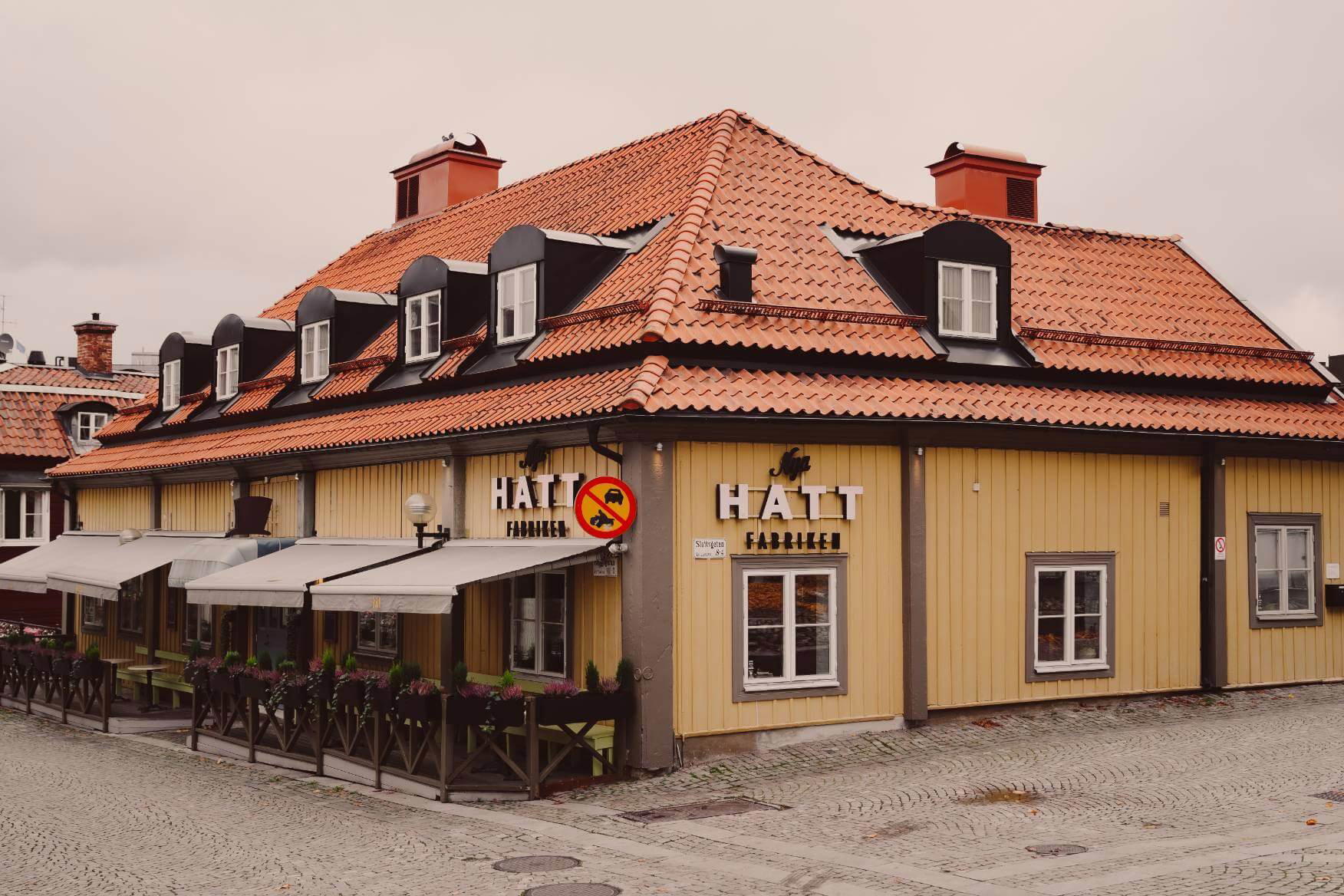
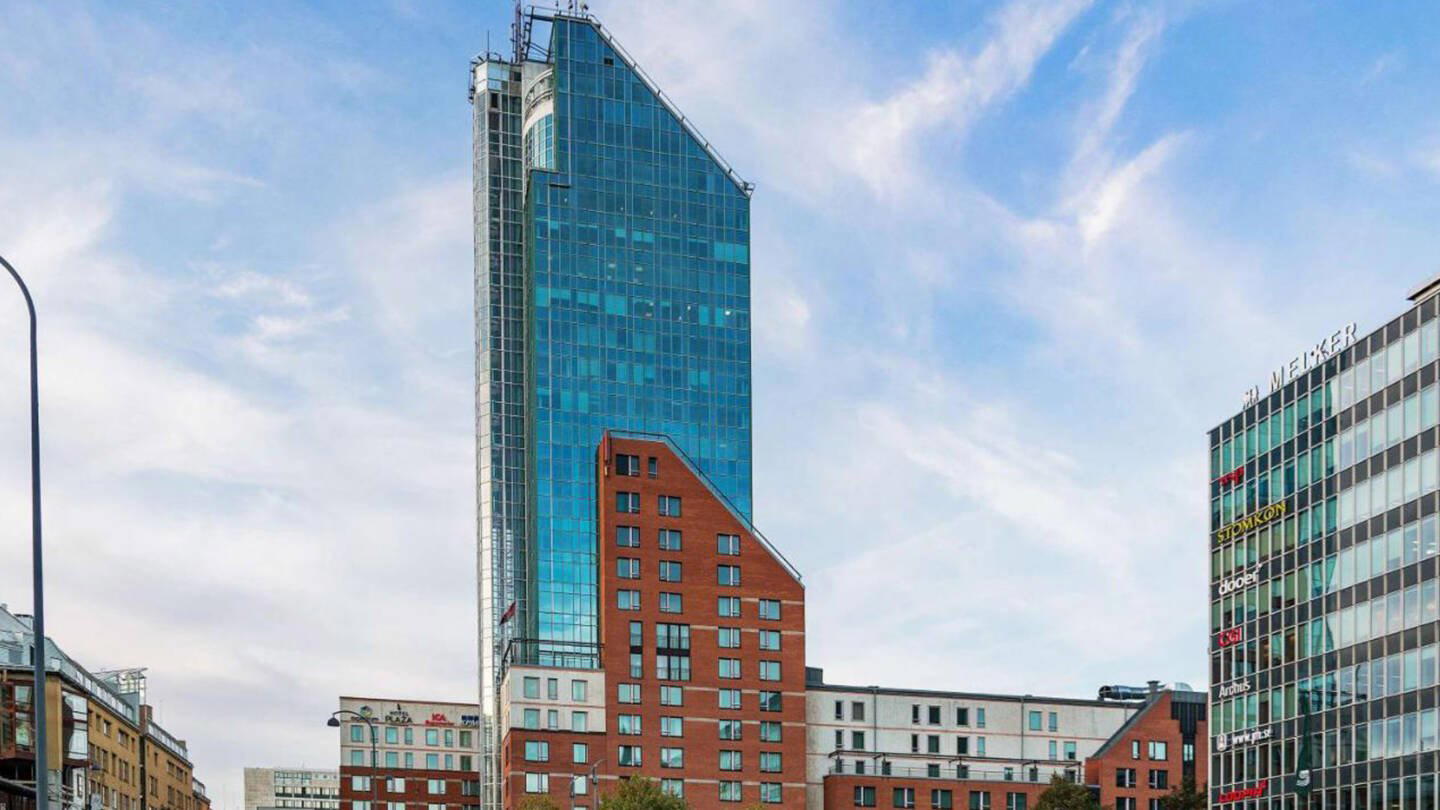
Bars in Västerås
All bars in Västerås →Details
- Scenic
- Cozy
- Special Occasion
- Panoramic View
- Local Sourcing
- Skyline
- Waterfront
- A La Carte
- Vegetarian Friendly
- Vegan Options
- Gluten Free Options
Current opening hours
- Monday
- 11 AM–2:30 PM
- Tuesday
- 11 AM–2:30 PM, 5:30–10 PM
- Wednesday
- 11 AM–2:30 PM, 5:30–10 PM
- Thursday
- 11 AM–2:30 PM, 5:30–10 PM
- Friday
- 11 AM–2:30 PM, 5:30–10 PM
- Saturday
- 12–10 PM
- Sunday
- 12–6 PM
Hours can change for holidays and private events. Last verified .
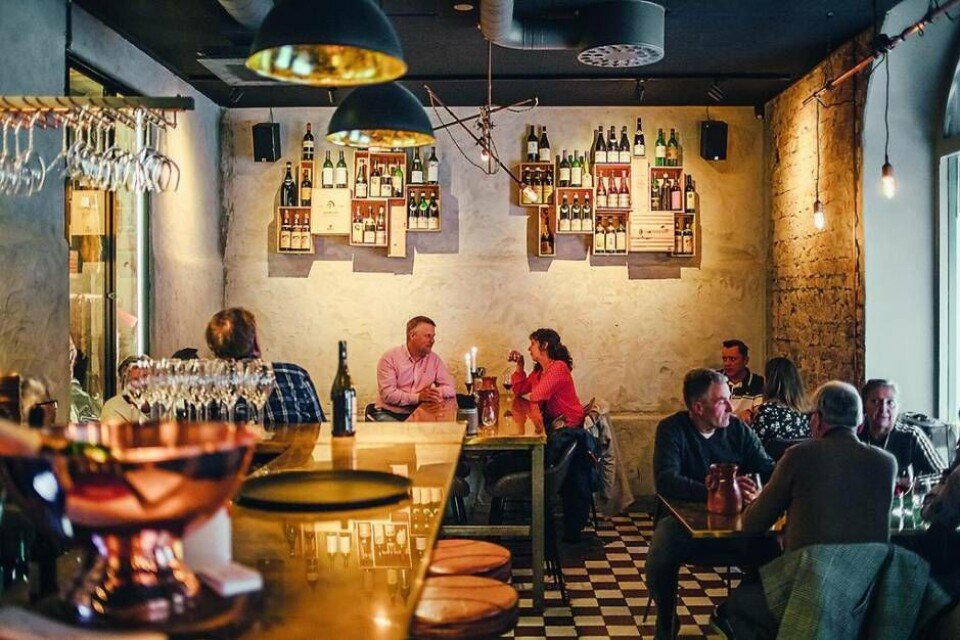
Welcoming atmosphere with scenic vistas, suitable for relaxed dining with friendly service.