Sirru Fen Fushi


La Liste Top Hotels · Leading Hotels of World Member
Positioned in the remote northern reaches of Shaviyani Atoll, Sirru Fen Fushi earns its place among the Maldives' leading island retreats through architectural restraint and considered seclusion. A 2026 La Liste Top Hotels score of 92 points and membership in Leading Hotels of the World confirm its standing in the upper tier of the archipelago's private-island category. The resort rewards guests who prioritise distance from the main tourist circuits over convenience.

Pearl is the En Primeur Club membership app — saves, bookings, and concierge access live there. Same editors, same standards.
- Address
- Sirru Fen Fushi, SHAVIYANI ATOLL 20209
- Phone
- +960 654-8888
- Website
- sirrufenfushi.com
- Directions
- Get directions
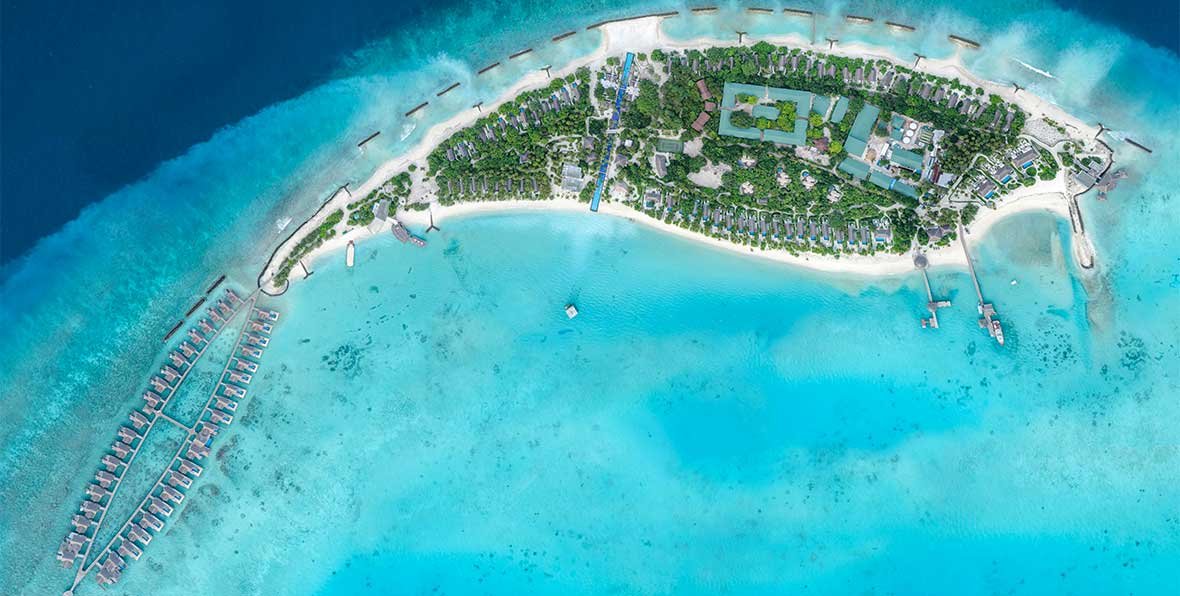
The Architecture of Remoteness
There is a particular quality of silence that belongs to the northern Maldivian atolls, and Shaviyani is among the least trafficked of them. Approaching Sirru Fen Fushi by seaplane, the island reads as a narrow band of green against open ocean, with no neighbouring resort visible in any direction. That spatial fact is not accidental. The resort occupies a position in the archipelago where the density of competing properties simply does not exist, and the design responds to that context: structures stay low, materials stay natural, and the horizon remains uninterrupted from nearly every vantage point.
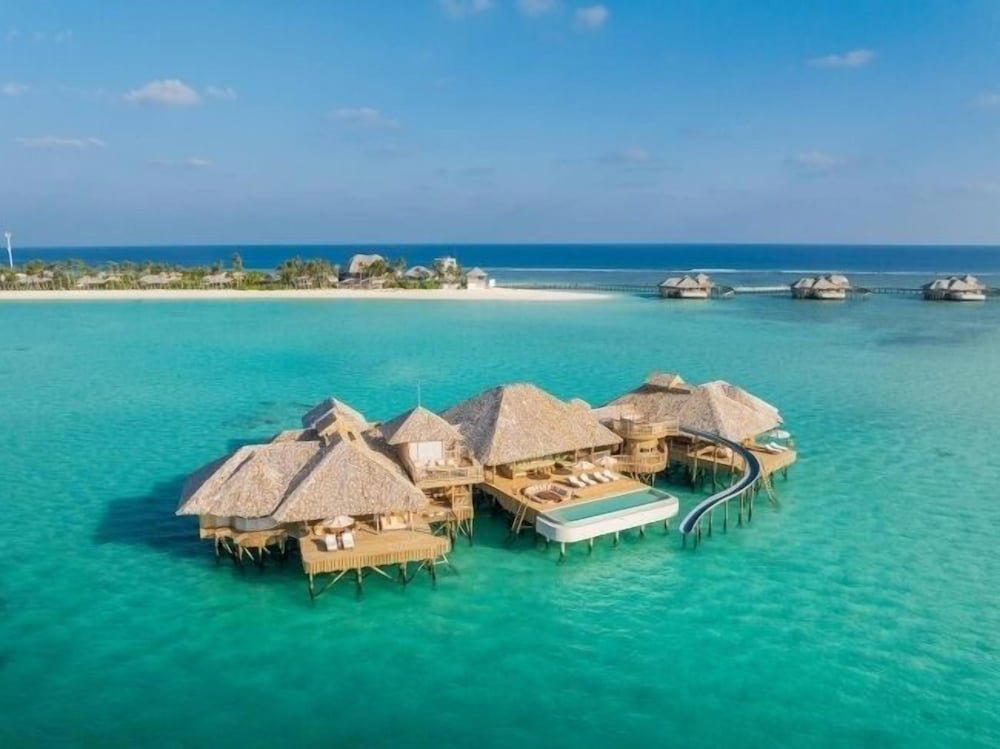
The prevailing design logic at this tier of the Maldivian market has moved away from maximalist coral-white excess and toward a more grounded vocabulary of thatch, timber, and local stone. Sirru Fen Fushi belongs to that quieter cohort, where architectural ambition is measured in restraint rather than spectacle. The effect is a property that feels assembled around the island rather than imposed upon it — overwater villas sit at water level rather than refined above it, and interior volumes are proportioned to the surrounding scale of sea and sky rather than trying to compete with them.
Where Sirru Fen Fushi Sits in the Market
A 2026 La Liste Leading Hotels score of 92 points places Sirru Fen Fushi within a peer group of recognised Indian Ocean retreats, while its membership in Leading Hotels of the World signals a level of service and physical standard that has been independently assessed. In Maldivian terms, La Liste scores in the 90-plus range are shared by a relatively small number of properties across the entire archipelago, which makes the rating a meaningful position marker rather than a generic endorsement.
The competitive set is worth mapping. Properties like Soneva Fushi and Soneva Jani have established the premium benchmark for the northern atolls — low-density, design-conscious, with strong sustainability credentials that have become a differentiator in the upper tier. Soneva Secret in Haa Dhaalu Atoll extends that same philosophy further north. Sirru Fen Fushi operates in this same spatial register: remote positioning, considered design, a scale that prioritises guest-to-landscape ratio over room count. It is not the only property making that argument, but the La Liste recognition confirms it is making it credibly.
For context on how the broader Maldivian market segments, properties like Amilla Maldives in Baa Atoll and Gili Lankanfushi occupy a comparable design-led tier but in atolls with more seaplane traffic. Six Senses Laamu and Raffles Maldives Meradhoo pursue a similar remoteness argument in the southern atolls. Sirru Fen Fushi makes the same case from the north, where the seaplane transfer time from Malé is longer and the sense of departure is correspondingly stronger.
The Shaviyani Atoll Context
Shaviyani remains one of the least-developed atolls in the Maldives from a resort standpoint, which works both for and against a guest's planning. The upside is genuine separation from the central atolls' seaplane traffic and the resort concentration around North and South Malé. The practical consideration is transfer time: the seaplane journey from Velana International Airport to Shaviyani places this resort firmly in the category of destinations requiring a full travel day, which is a meaningful filter on the type of guest who arrives. Those who make the journey typically stay longer, and the resort's pacing is calibrated accordingly.
The atoll's reef systems benefit from reduced boat traffic, and the underwater topography of the northern atolls offers dive and snorkel environments that differ from the more heavily visited central sites. For more on what the atoll offers beyond the resort boundary, see our full Shaviyani Atoll experiences guide, as well as restaurants, bars, and wineries in the region.
Planning a Stay
The Maldivian high season runs from November through April, when the northeast monsoon keeps skies clear and seas calm across the northern atolls. Shaviyani receives the same weather patterns, and seaplane operations in this period are reliable. The shoulder months of May and early November can offer lower rates with acceptable conditions, though afternoon visibility can vary. The wet season from May to October brings southwest monsoon conditions, with heavier rainfall and occasional seaplane delays, a more significant consideration given the transfer distance to Shaviyani than it would be for a resort closer to Malé.
Guests considering how Sirru Fen Fushi sits against other Leading Hotels of the World members across the Maldives might cross-reference properties like Constance Halaveli in Alifu Alifu Atoll, Baros Maldives near Malé, or The Nautilus Maldives in Thiladhoo for a sense of how service positioning and physical format vary across the archipelago. For properties that represent the all-inclusive model, Baglioni Maldives in Dhaalu Atoll and Hurawalhi Island Resort in Lhaviyani Atoll offer a structural contrast. Cora Cora Maldives, Naladhu Private Island, Park Hyatt Maldives Hadahaa, Banyan Tree Vabbinfaru, and Conrad Maldives Rangali Island complete the picture of how the premium tier distributes across atolls. For those who want to benchmark against international luxury hotels beyond the Maldives, properties like Aman Venice, Aman New York, and The Fifth Avenue Hotel in New York City demonstrate how the La Liste scoring system operates across entirely different formats and geographies. See also our full Shaviyani Atoll hotels guide for further options in the region.
Side-by-Side Snapshot
| Venue | Awards |
|---|---|
| Sirru Fen FushiThis venue — the venue you are viewing | La Liste Top Hotels · Leading Hotels of World Member |
| Soneva Fushi | World's 50 Best |
| Soneva Jani | World's 50 Best |
Recognition history
Dated appearances from independent guides and award organizations, with the underlying list record or original source where available.
La Liste Top Hotels
La Liste
Leading Hotels of World Member
Leading Hotels of World
Continue exploring
More in Shaviyani Atoll
Hotels in Shaviyani Atoll
Browse all →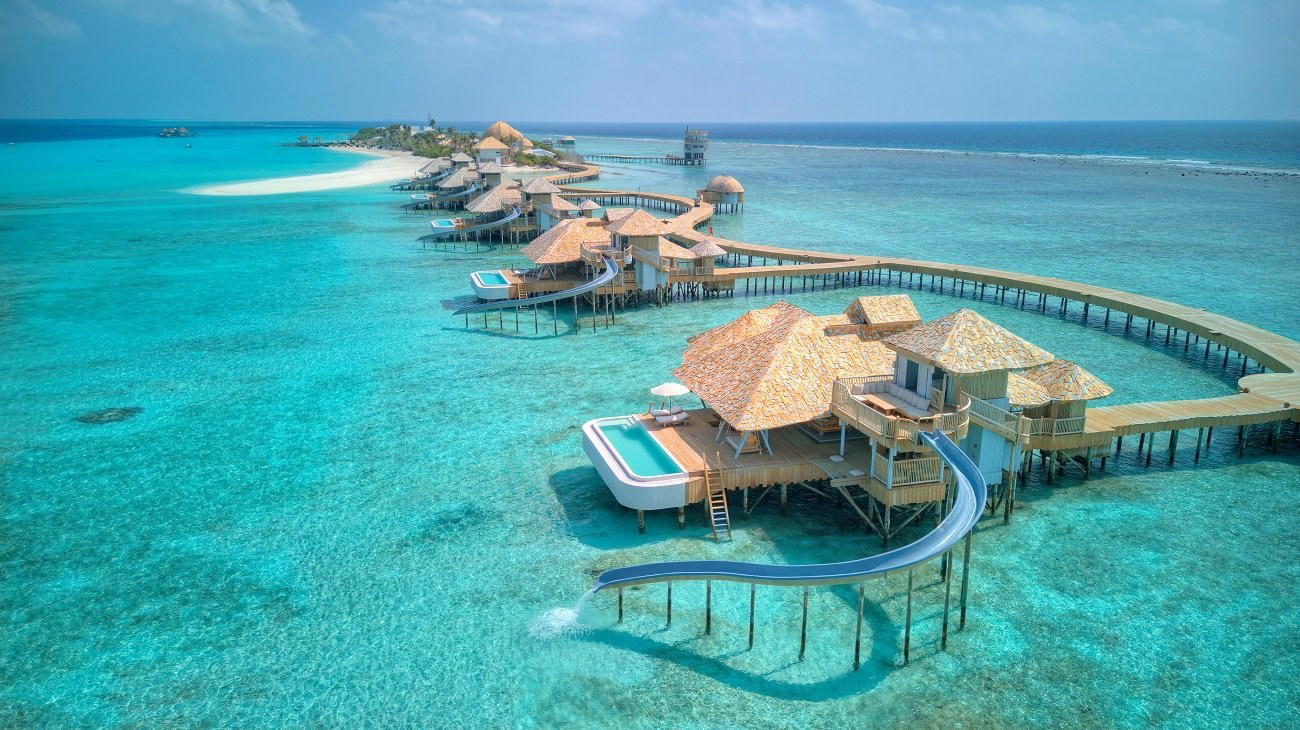
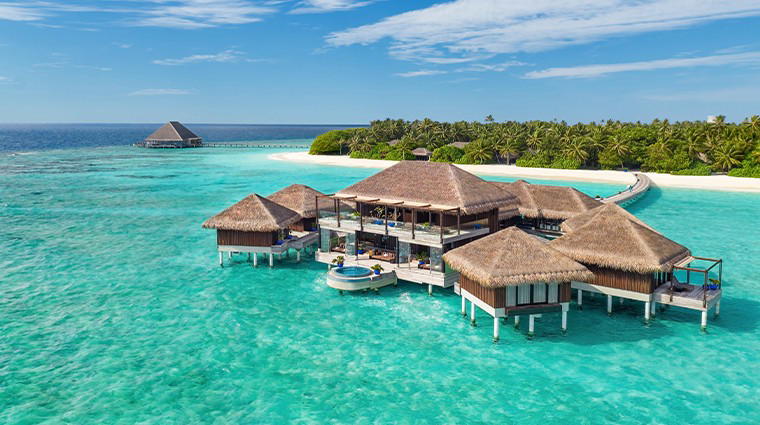
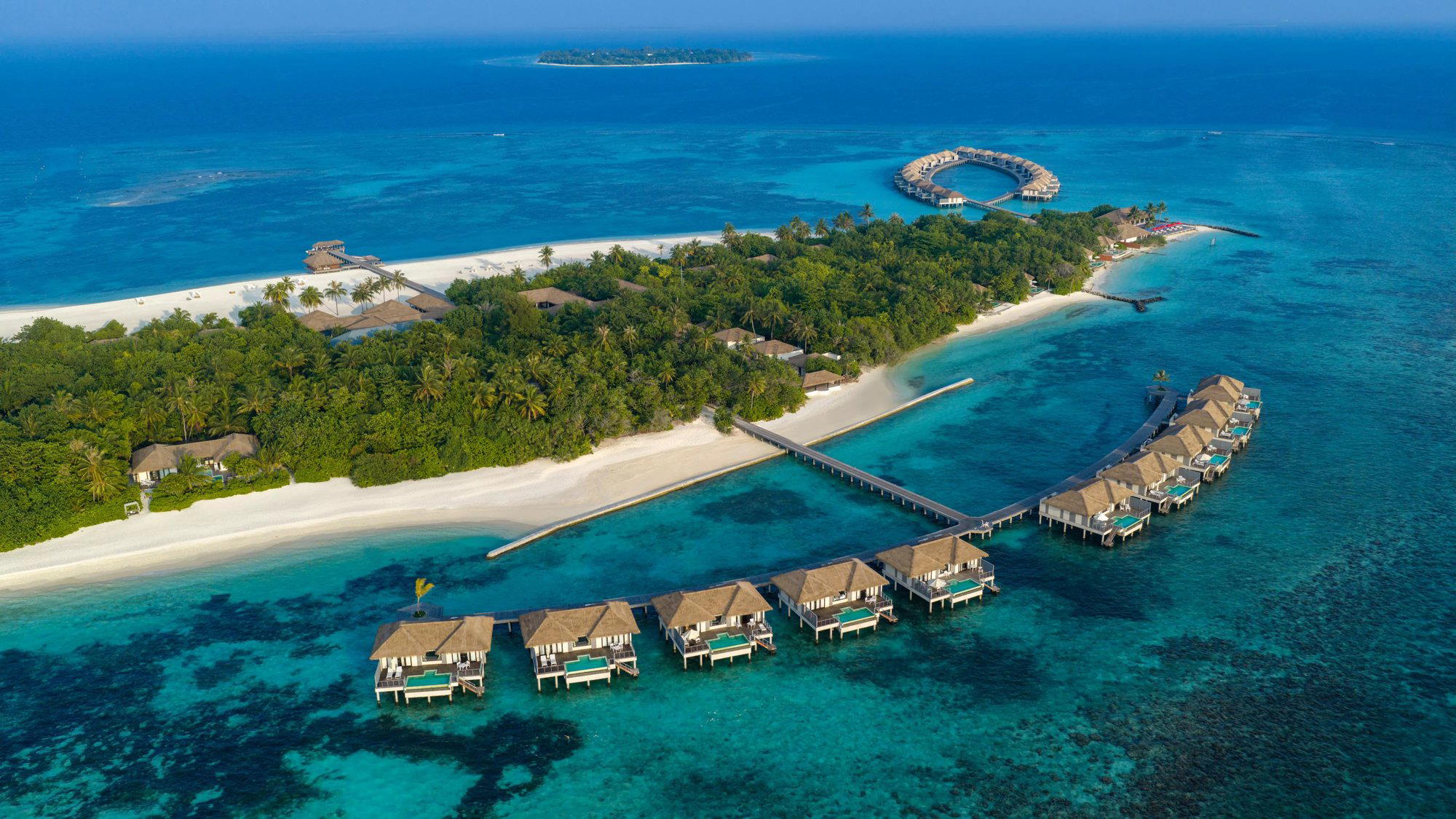
Bars in Shaviyani Atoll
Browse all →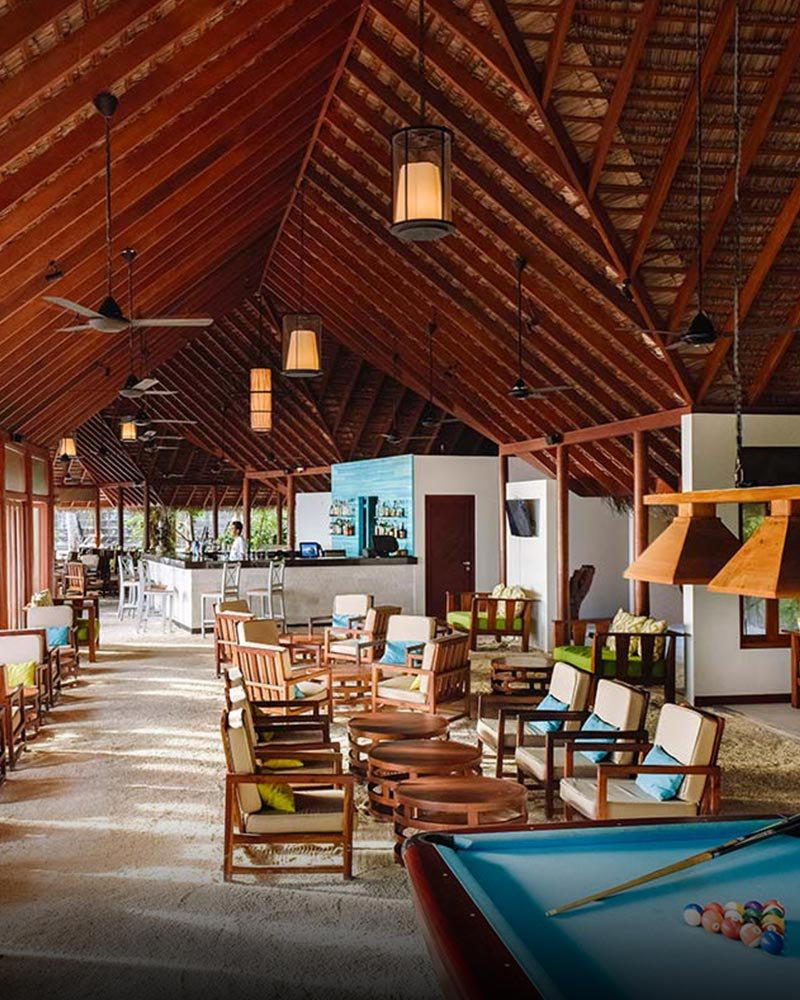
Details
- Romantic
- Elegant
- Scenic
- Intimate
- Sophisticated
- Ornate
- Honeymoon
- Romantic Getaway
- Family Vacation
- Wellness Retreat
- Anniversary
- Beachfront
- Infinity Pool
- Private Villa
- Butler Service
- Panoramic View
- Private Dining
- Wi Fi
- Pool
- Spa
- Fitness Center
- Room Service
- Concierge
- Kids Club
- Beach Access
- Waterfront
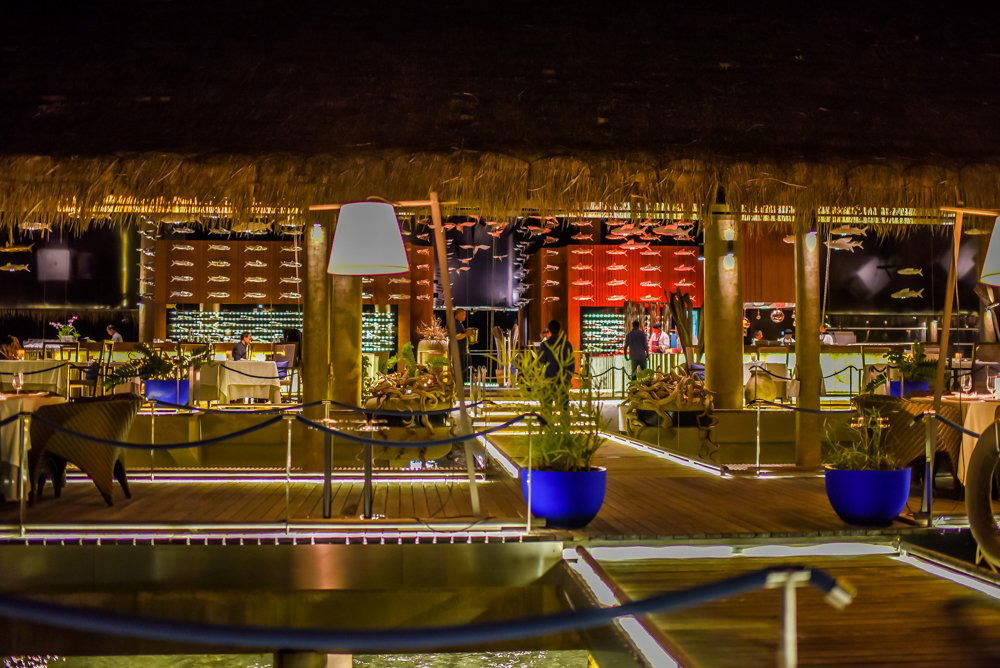
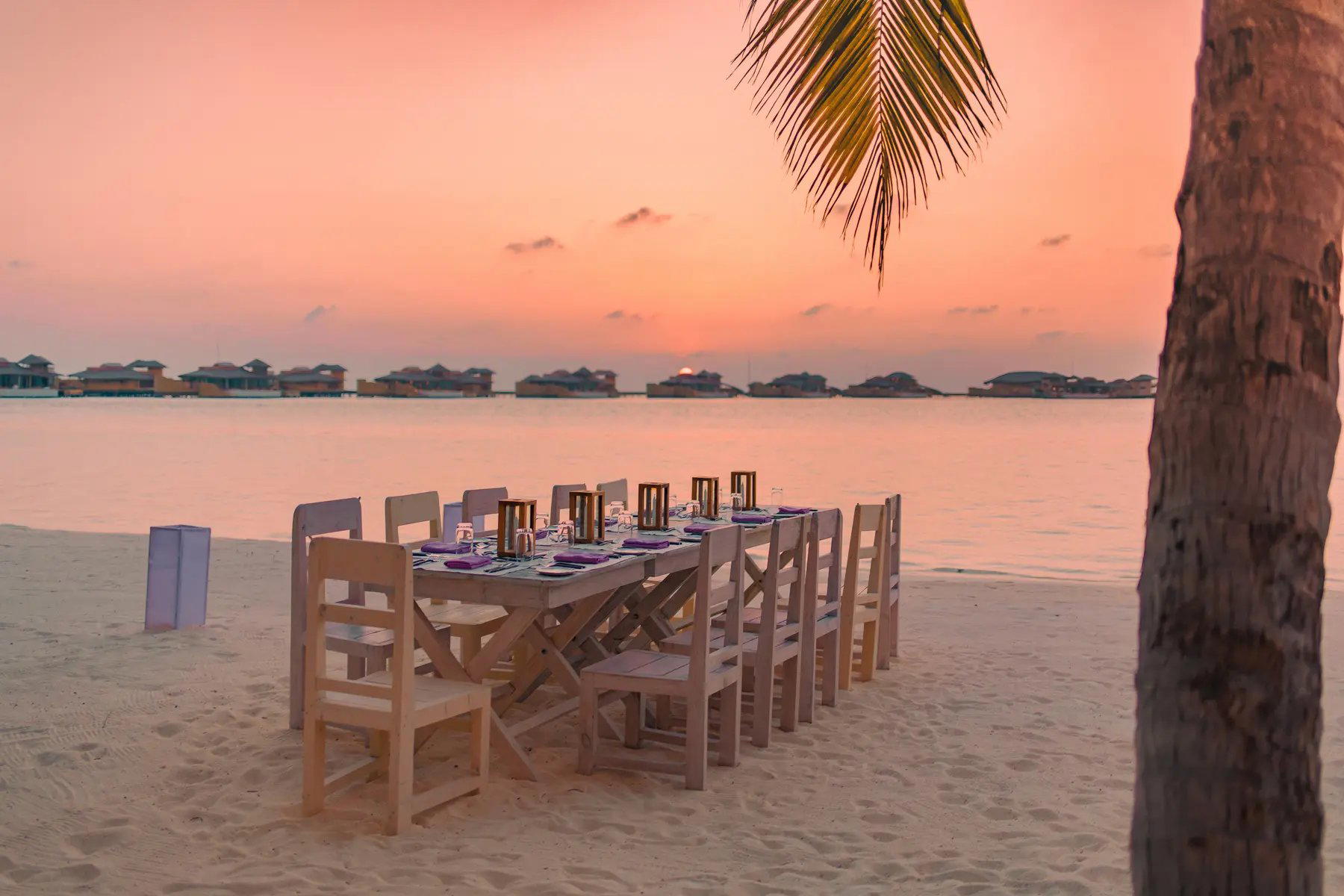
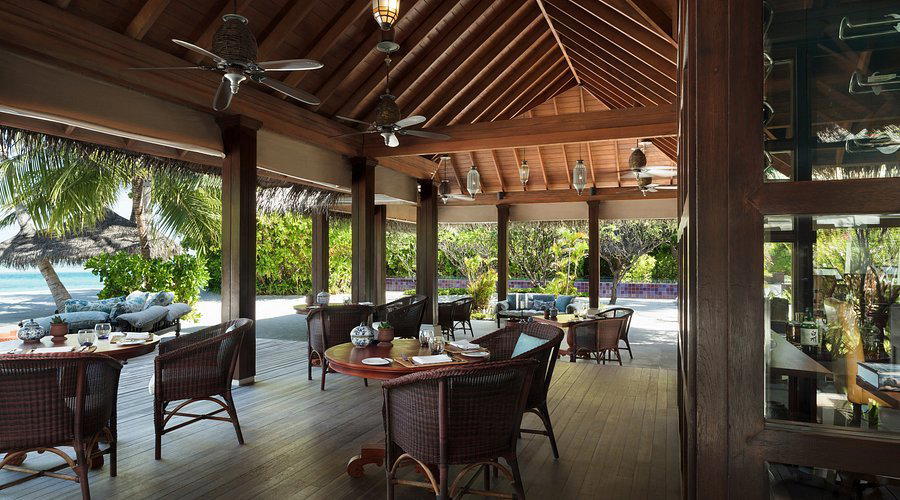
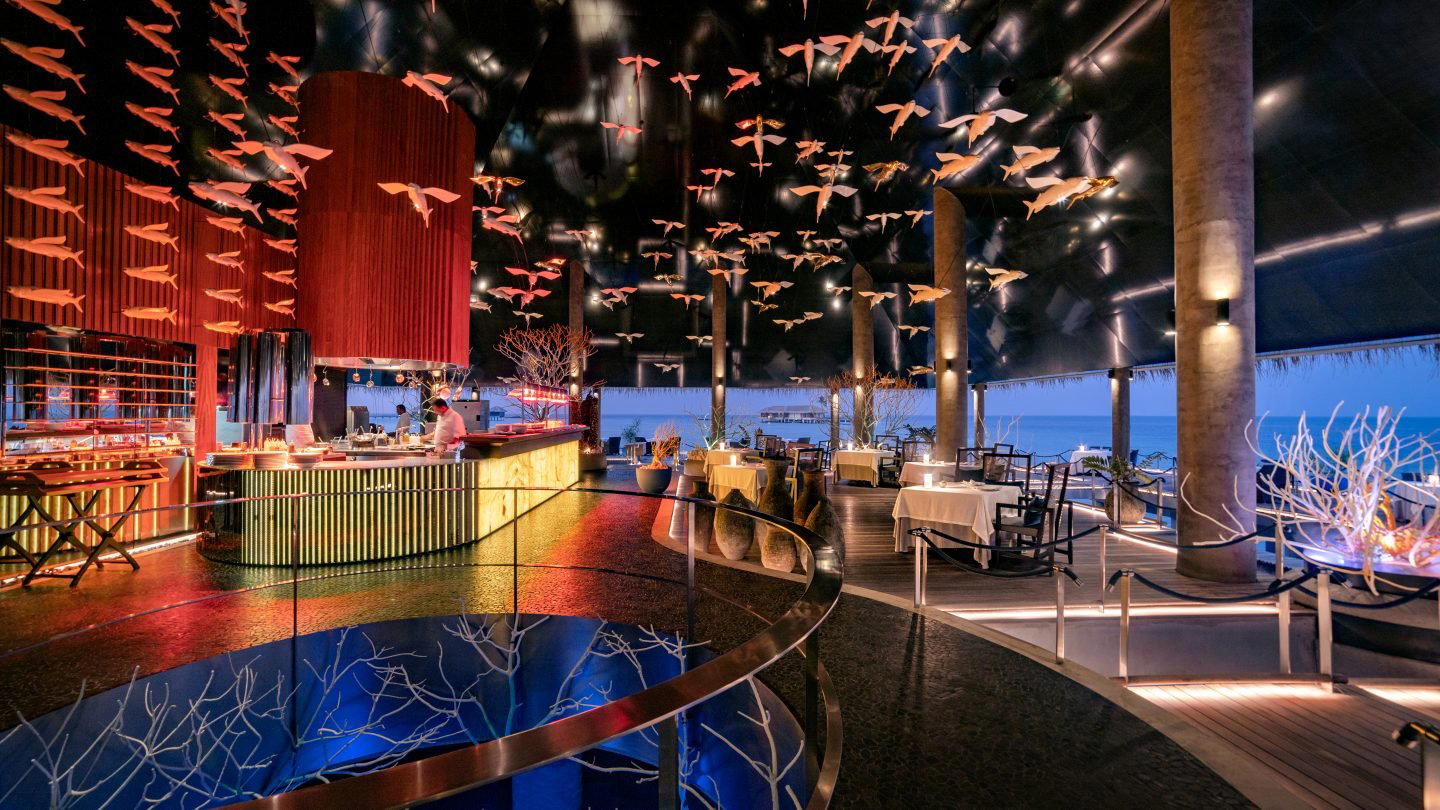
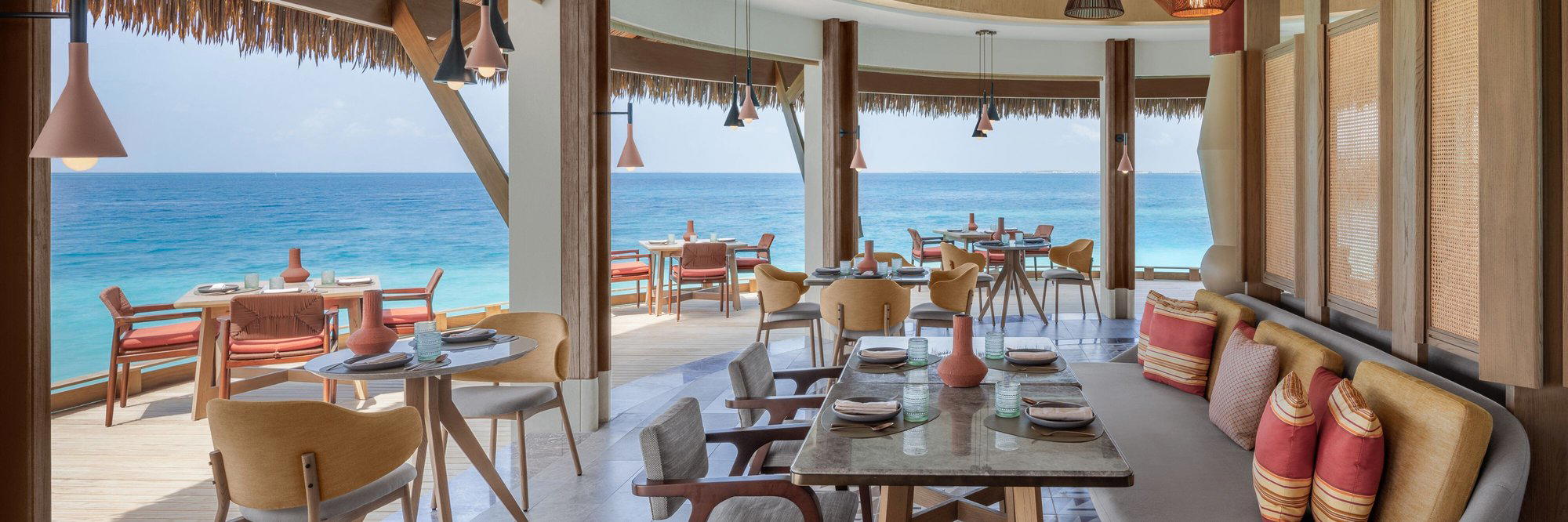
Tranquil and elegant with soft lighting from bamboo-glass chandeliers, LED-lit infinity pool mirroring stars at night, and serene beachfront settings.