

Small Luxury Hotels of the World Member · World Travel Awards
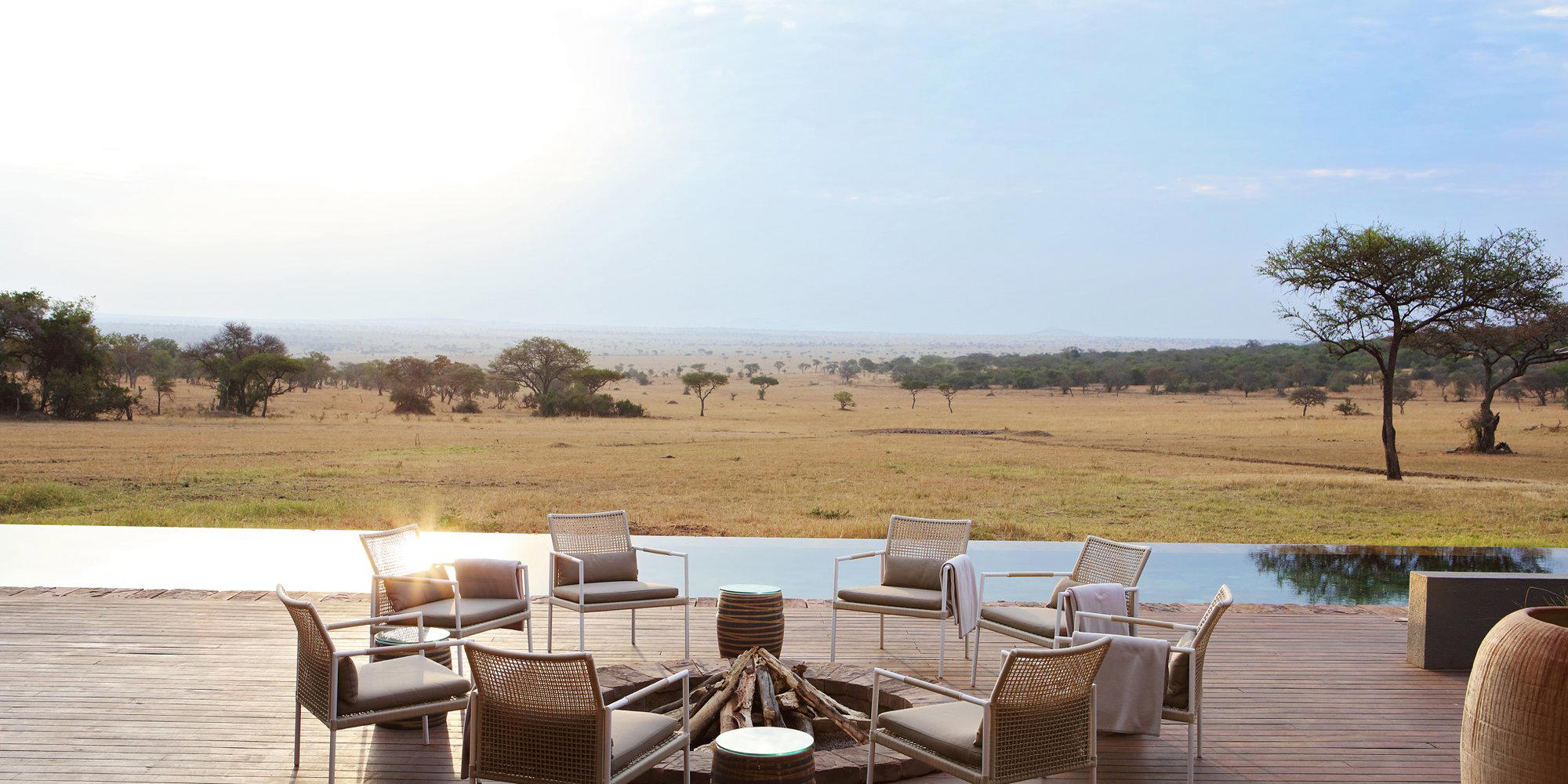
Africa's Leading Luxury Tented Safari Camp at the 2025 World Travel Awards, Siringit Serengeti Camp sits in the central Serengeti near Seronera, where the park's wildlife density is at its most consistent. Daily game drives operate from the camp, with the surrounding plains delivering close-range encounters that few fixed lodges can match. The canvas-and-pole format keeps guests inside the ecosystem rather than insulated from it.

Pearl is the En Primeur Club membership app — saves, bookings, and concierge access live there. Same editors, same standards.
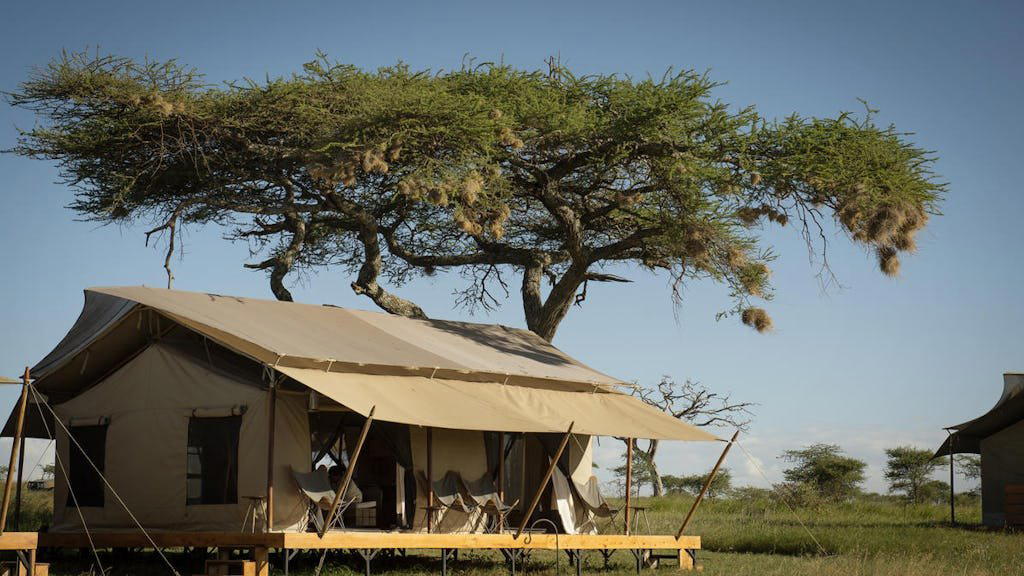
Canvas in the Central Serengeti: What the Architecture Communicates
The Serengeti has two broad categories of permanent accommodation: fixed-structure lodges built for permanence and service scale, and tented camps designed around proximity and impermanence. Siringit Serengeti Camp belongs firmly to the second school, and the decision is architectural before it is experiential. Canvas walls and open-sided living spaces are not a budget compromise in this context; at the luxury end of the market, they represent a deliberate positioning against the insulated lodge format. The sounds of the ecosystem — wind across the plains, distant wildlife, the particular silence of a Serengeti night — enter the space rather than being sealed out of it.
This design approach has a direct relationship to location. The camp sits near Seronera, the geographical and ecological heart of the park, where the Seronera River corridor creates a year-round concentration of predators and prey. Unlike camps positioned at the park's northern or western margins, a central Seronera location means wildlife activity is distributed across every season rather than timed to the wildebeest migration's precise arc. The plains unfold in multiple directions from camp, which is part of what gives the tented format its logic here: the boundary between accommodation and environment is genuinely porous.
In the wider Serengeti luxury camp category, this positioning places Siringit alongside properties like andBeyond Serengeti Under Canvas and Singita Grumeti at the design-conscious end of the spectrum. Siringit's 2025 World Travel Awards recognition as Africa's Leading Luxury Tented Safari Camp signals that the camp sits at the top of this specific tier, measured against the continent's full range of luxury tented properties.
The Spatial Grammar of a Luxury Tented Camp
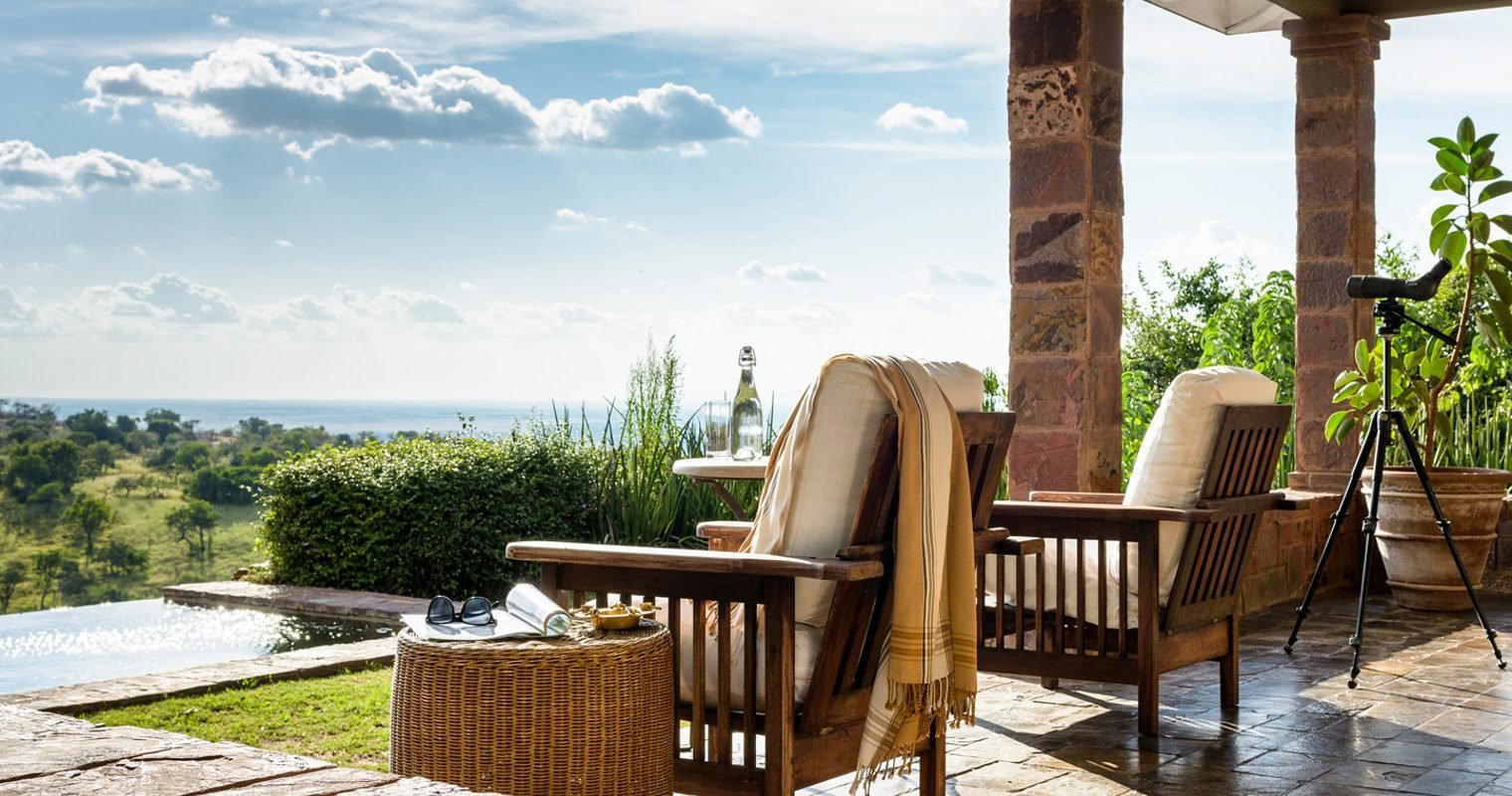
What separates a high-end tented camp from a mid-range version of the same format is almost always the spatial grammar: the ratio of indoor to outdoor living, the quality of materials used where canvas gives way to harder surfaces, and the degree to which the design creates intimacy without sacrificing comfort. Camps operating at the top of this category typically maintain a low tent count to preserve a sense of exclusivity within the landscape, structure communal spaces to frame views rather than obstruct them, and build deck or veranda configurations that make extended outdoor sitting viable in both the heat of midday and the chill of early-morning departures.
The daily game drive rhythm at a camp like Siringit also shapes how the physical space functions across a full day. Early departures before sunrise mean the camp's layout needs to facilitate quiet, unhurried preparation without losing pace; returns in the late morning create a natural midday pause where the accommodation itself, the tent, the veranda, the surrounding silence, becomes the activity. This is the structural logic that separates purpose-built safari camps from hotels that offer game drives as an add-on. The entire physical plant is oriented around the rhythm of the bush day rather than the conventions of hotel operation.
For guests comparing options across Tanzania's northern circuit, the Serengeti's central sector offers a different temporal logic than single-ecosystem properties. andBeyond Ngorongoro Crater Lodge delivers a concentrated crater experience; Kuro Tarangire focuses on Tarangire's elephant concentrations. The Serengeti, particularly around Seronera, offers the widest range of species across the longest seasonal window. The camp format compounds this by keeping that access as immediate as possible.
Where Siringit Sits in Tanzania's Broader Safari Accommodation Map
Tanzania's northern safari circuit has developed a layered accommodation structure over the past two decades. At one end, fixed lodges like the Four Seasons Safari Lodge Serengeti offer hotel-standard infrastructure within the park. At the other, mobile camps operate on seasonal schedules that follow the migration precisely but sacrifice comfort for access. The luxury tented camp segment, where Siringit operates, sits between these poles: permanent enough to maintain consistent service quality, open enough to retain genuine bush atmosphere.
Across Tanzania more broadly, the luxury tented format appears in multiple ecosystems. Greystoke Mahale applies it to the chimpanzee habitat of the Mahale Mountains; JABALI RIDGE in Ruaha takes a more architectural approach to a similar southern-circuit location. Sayari Lodge positions itself in the Mara River crossing territory of the northern Serengeti. The central Serengeti placement of Siringit occupies a different part of that map: closer to the park's year-round wildlife core than the migration-dependent north, and more immersed in the ecosystem than the fixed-structure options near Seronera's central hub.
For travellers building a multi-property Tanzania itinerary, the sequence of accommodation types matters as much as individual property quality. A canvas camp in the Serengeti pairs effectively with a fixed-structure or island property for the arc of the trip. Properties like Park Hyatt Zanzibar, ENVI Paje, or Bawe Island provide a coastal counterpoint after the arid intensity of the Serengeti interior. Arusha Coffee Lodge functions as a practical transit stay for connections through Arusha's airport, while Gibb's Farm in Karatu offers a highland agricultural alternative between the Serengeti and Ngorongoro. You can read more about how these properties fit together in our full Seronera guide.
Planning a Stay
The central Serengeti location near Seronera is accessible by light aircraft from Arusha, with scheduled charter services making the Seronera airstrip the standard arrival point for most guests. Drive times from the airstrip to camps in this area are typically short by Serengeti standards, which is a practical advantage over properties in the park's more remote sectors. The Serengeti operates as a year-round destination; the dry season from June through October brings the northern migration and concentrated predator activity around waterholes, while the green season from November through May offers different rewards, fewer visitors, dramatic skies, and newborn wildlife, with the specific trade-off of higher grass making some wildlife sightings harder to achieve.
For the comparison set, properties at similar price tiers and award levels across Tanzania's northern circuit include andBeyond Grumeti Serengeti River Lodge, andBeyond Klein's Camp, andBeyond Lake Manyara Tree Lodge, and ENVI Sisini Serengeti. Chem Chem Lodge operates in a different ecosystem but represents the same design-led ethos applied to the Lake Manyara area. Each property defines a different ecological entry point into Tanzania's northern safari geography; the Serengeti's central corridor, where Siringit operates, offers the broadest wildlife window across the full calendar.
Comparison Snapshot
Comparable venues nearby, for context on price, style, and recognition.
| Venue | Cuisine | Price | Awards | Notes |
|---|---|---|---|---|
| Siringit Serengeti CampThis venue — the venue you are viewing | luxury tented safari camp blending comfort and wilderness | Not listed | Small Luxury Hotels of the World Member · World Travel Awards | Not listed |
| Singita Sasakwa Lodge | Turn-of-the-century manor house with East African influences | $1,500–2,500 | La Liste Top Hotels | Grumeti Reserves |
| Xanadu Luxury Villas & Retreat | Secluded luxury retreat emphasizing privacy, personalized service, and cultural authenticity with holistic design philosophy. | Not listed | 1 Michelin Key · La Liste Top Hotels | Dongwe |
| Tulia Zanzibar | Luxury boutique beach resort with standalone villas and bungalows | $500–750 | World Luxury Hotel Awards WLHA Continent Winner · World Travel Awards | Pongwe |
| Be Zanzibar Boutique Hotel | Beachfront boutique with signature Habibi design and well-known twisted palm trees. | Not listed | Michelin Selected | Jambiani |
| Siringit Migration Camp | Mobile luxury tented camp following the Great Migration | Not listed | Small Luxury Hotels of the World Member | Kogatende |
Recognition history
Dated appearances from independent guides and award organizations, with the underlying list record or original source where available.
Small Luxury Hotels of the World Member
Small Luxury Hotels of the World
World Travel Awards
World Travel Awards
Continue exploring
More in Seronera
Hotels in Seronera
All hotels in Seronera →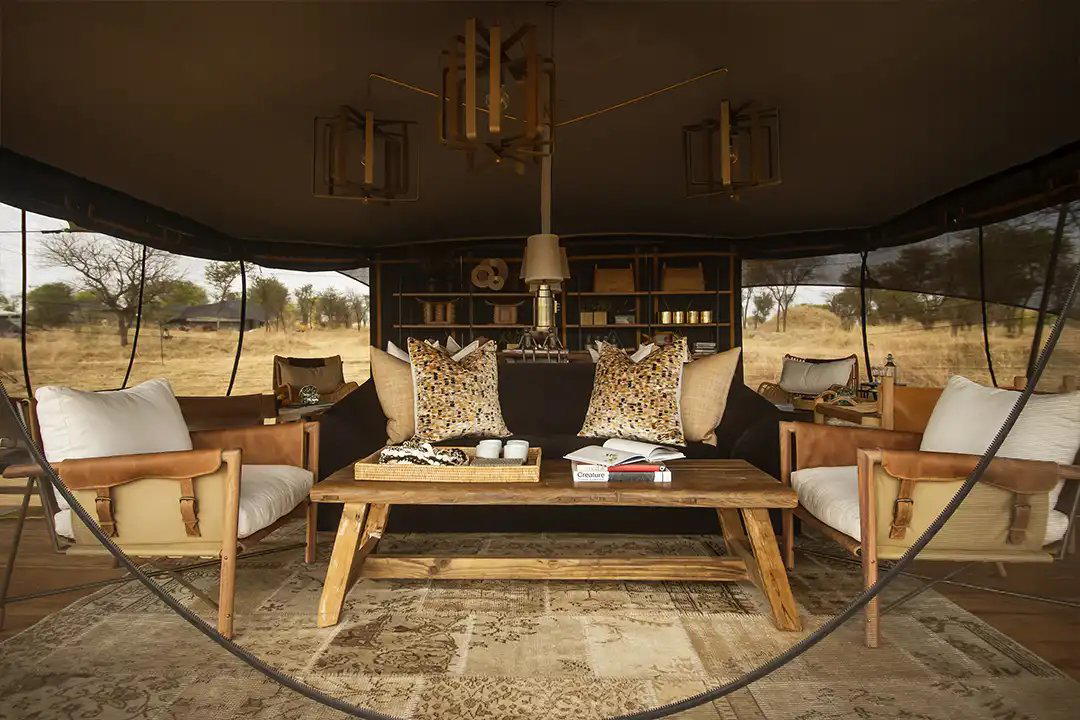
Bars in Seronera
Browse all →
Restaurants in Seronera
Browse all →
Details
- Intimate
- Scenic
- Rustic
- Elegant
- Honeymoon
- Romantic Getaway
- Family Vacation
- Panoramic View
- Wi Fi
- Laundry Service
- Room Service
- Pool
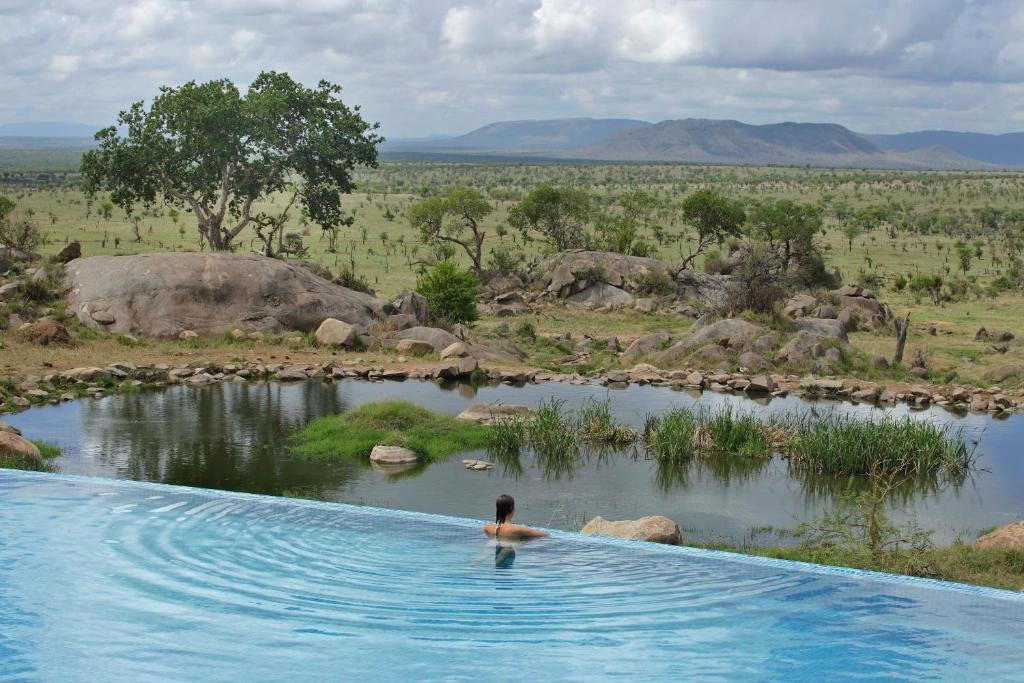
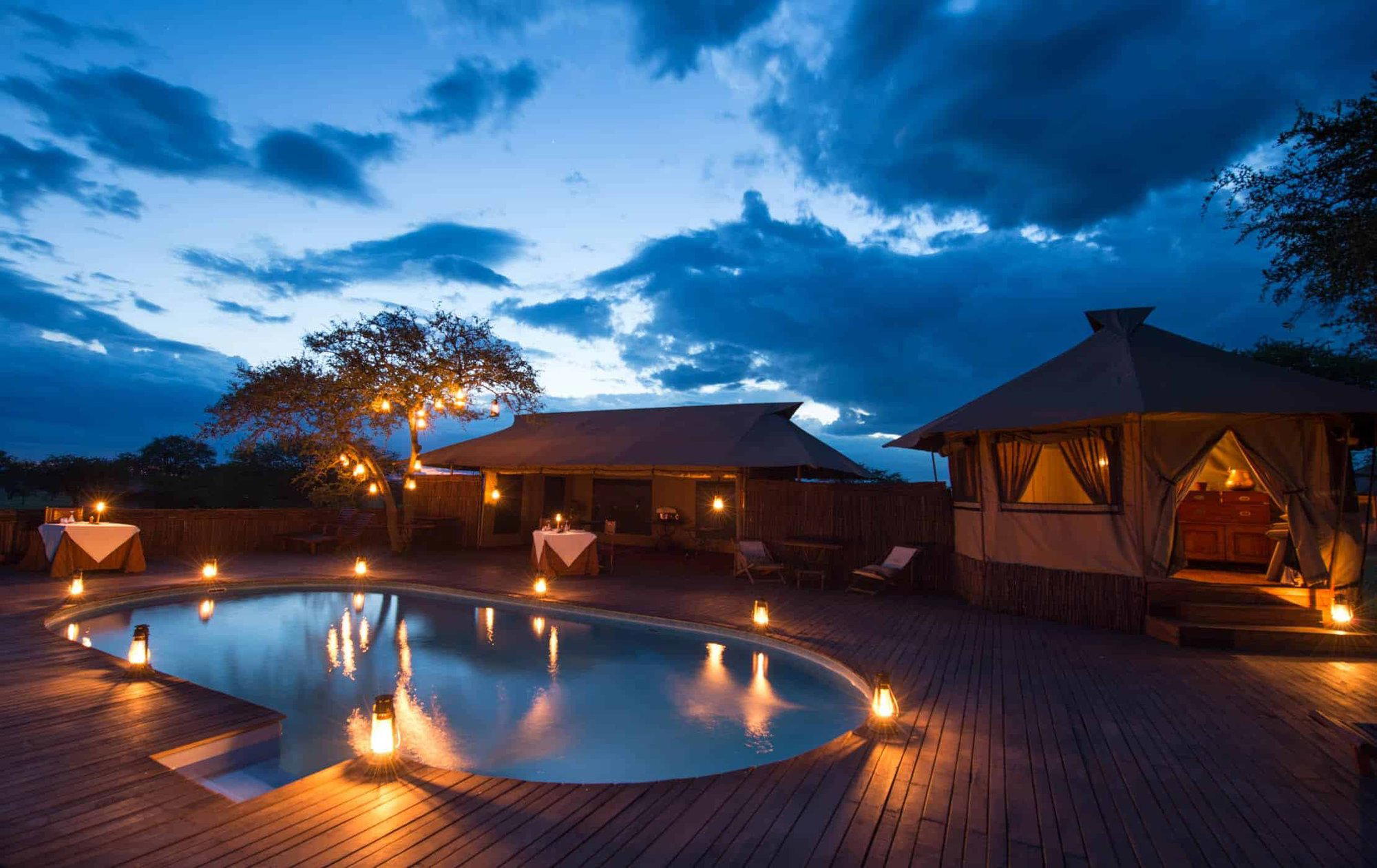
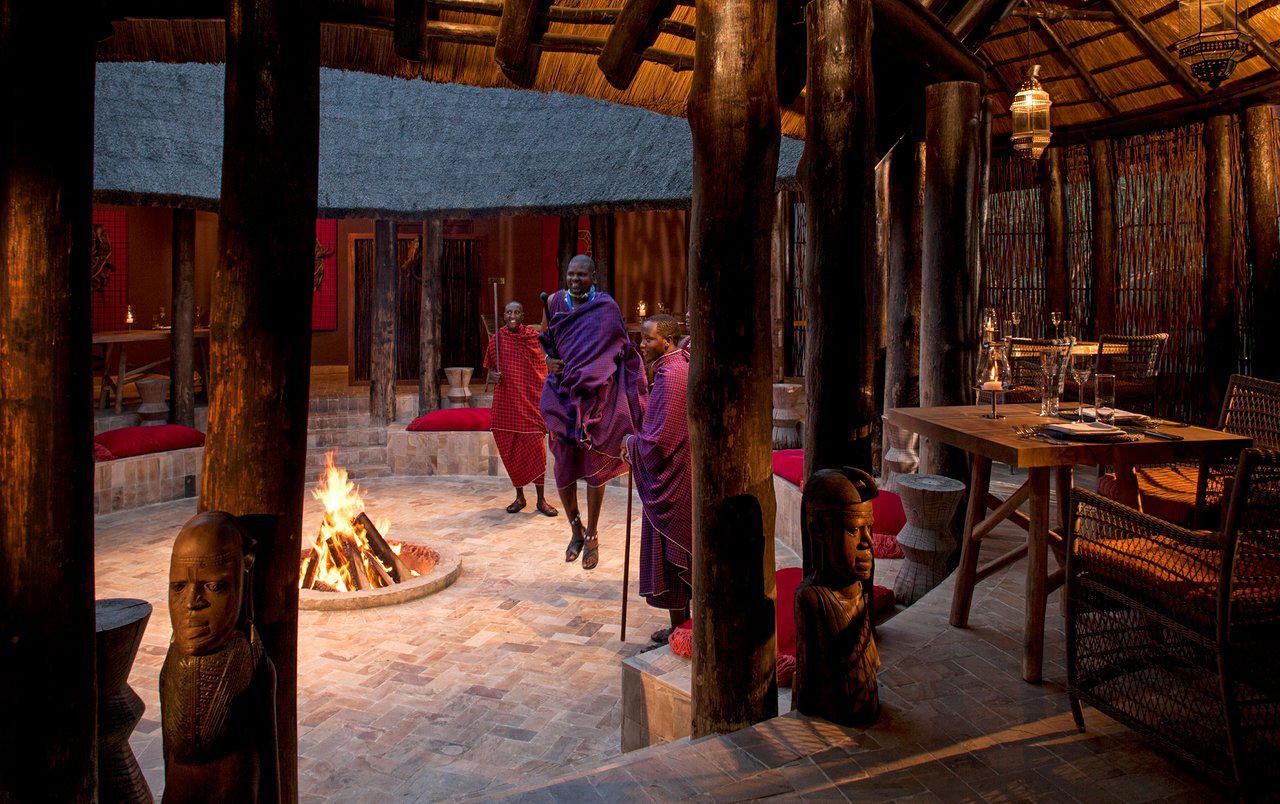
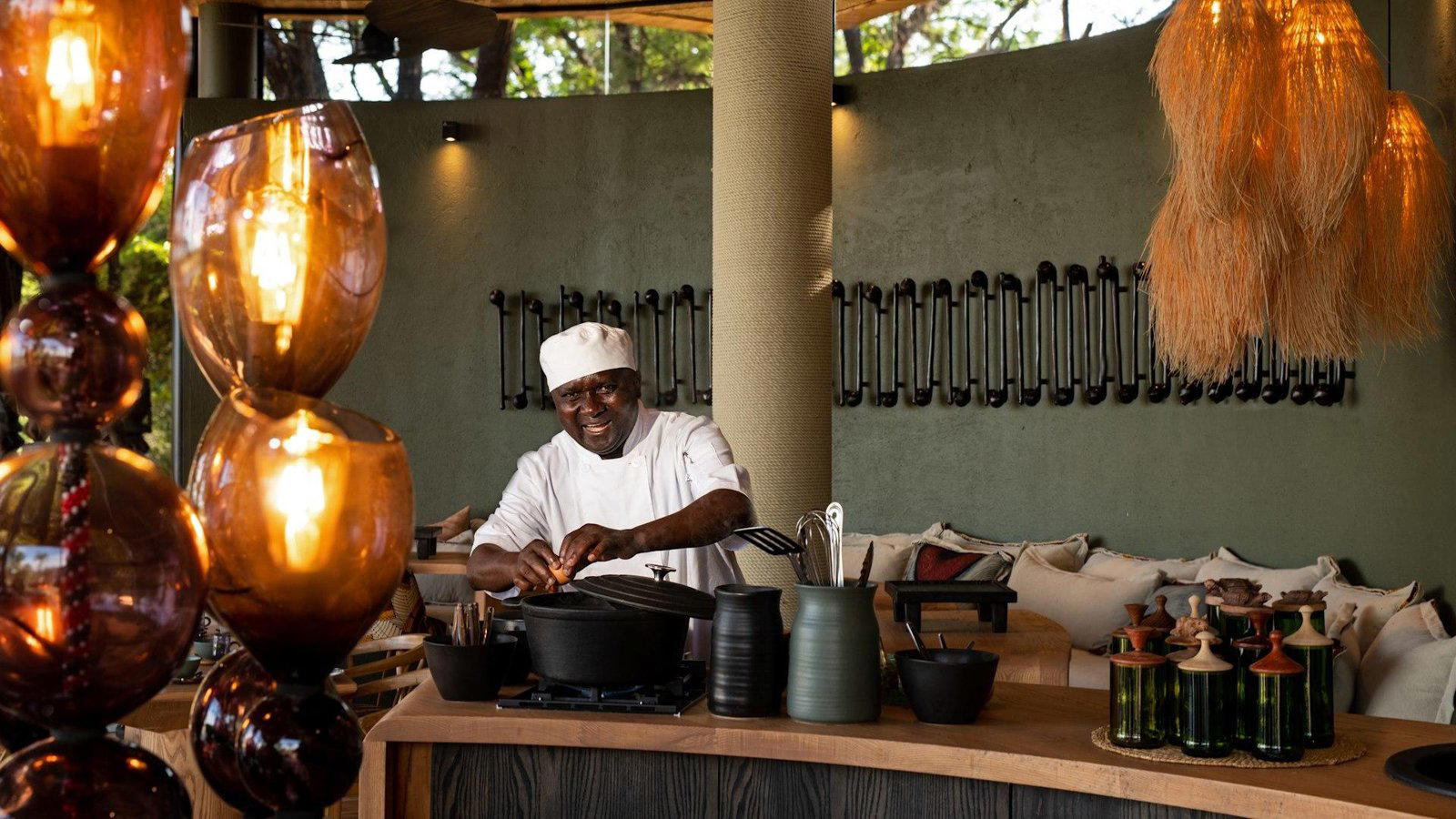
Tranquil bush atmosphere with panoramic views of the Serengeti plains, starlit dinners, and sounds of wildlife at night.