Our verdict
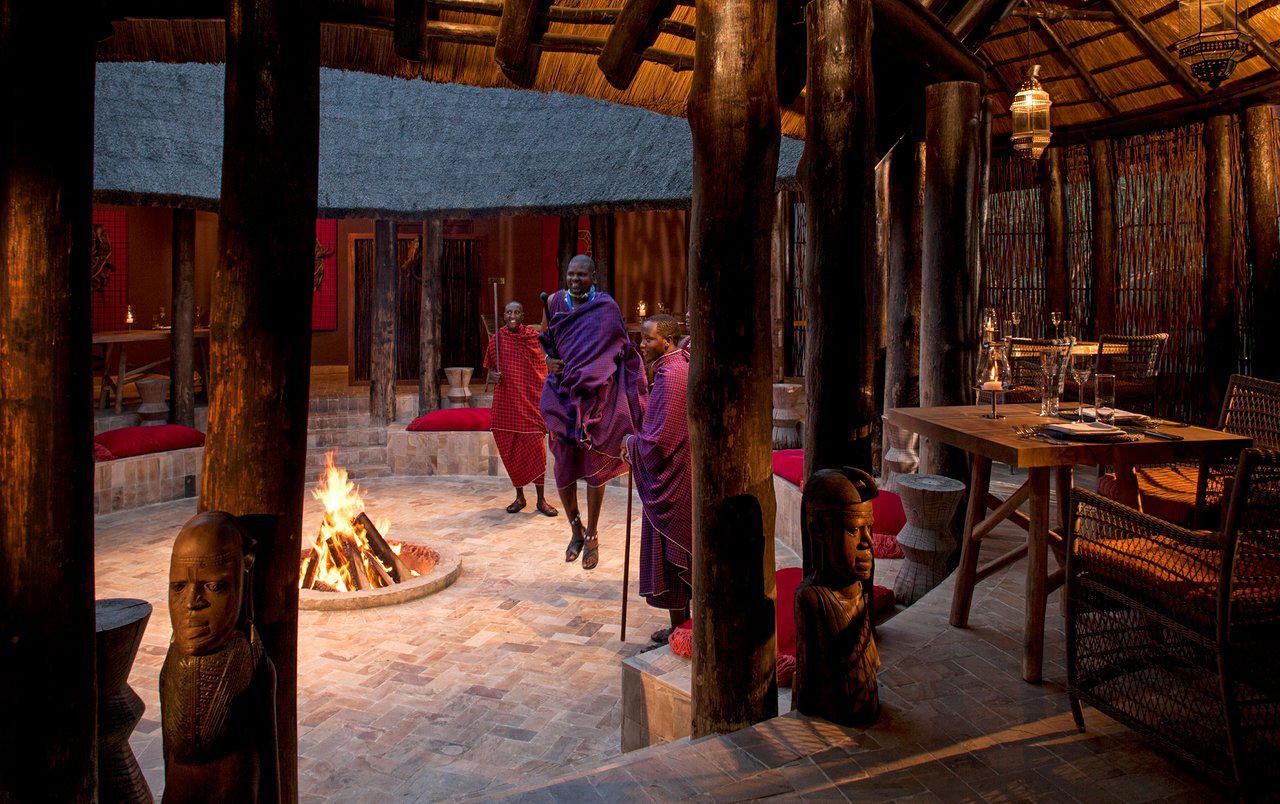
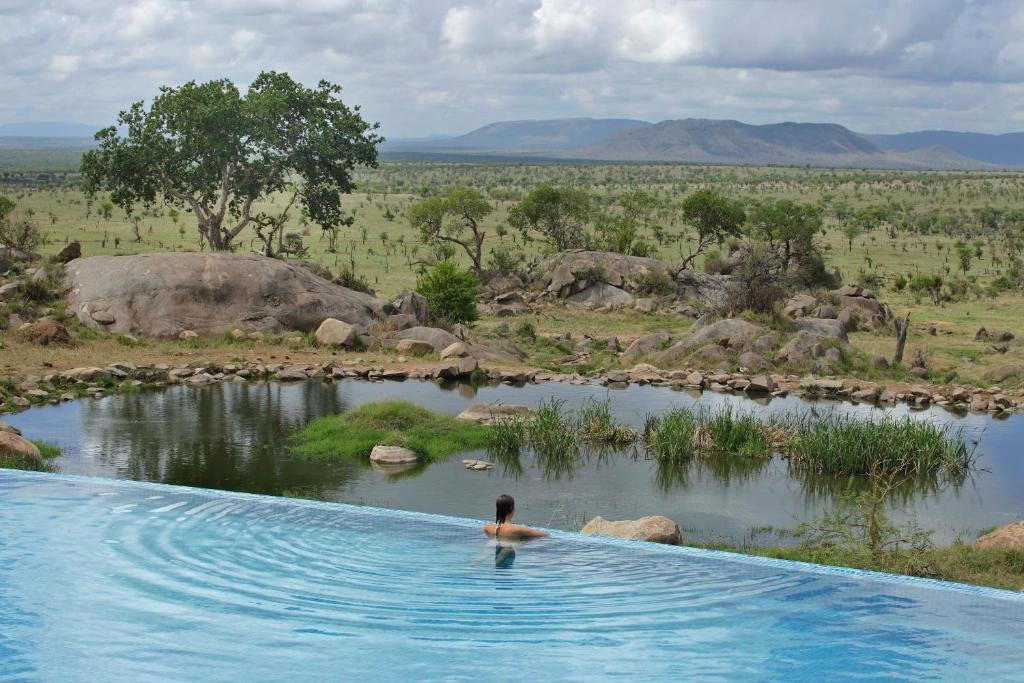
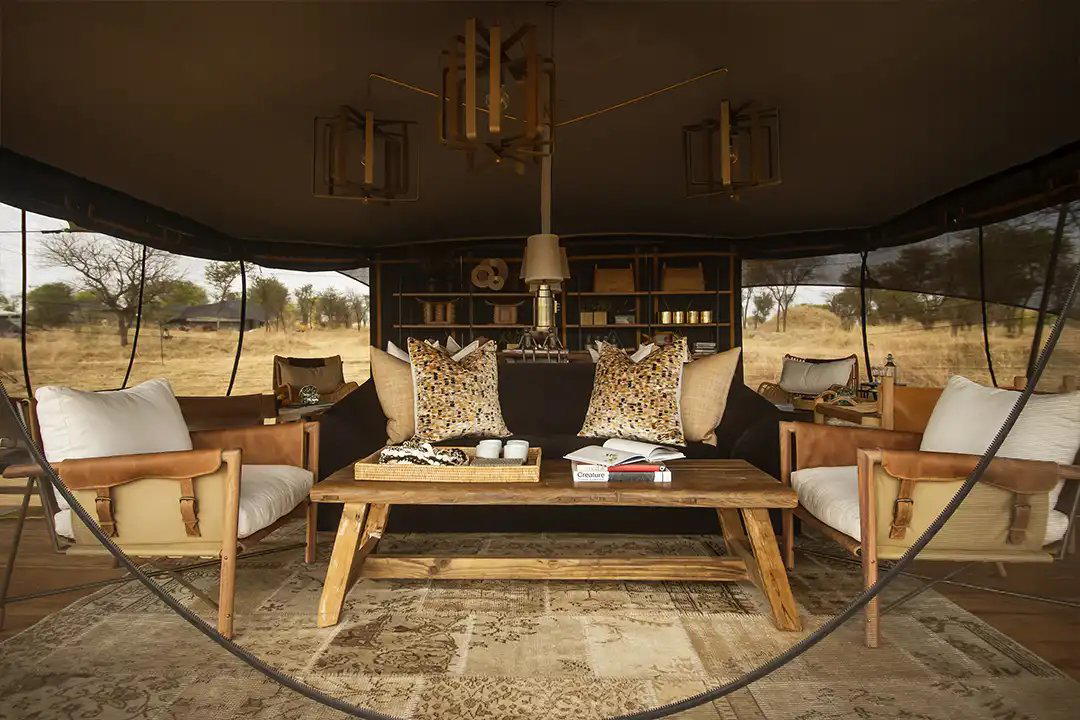
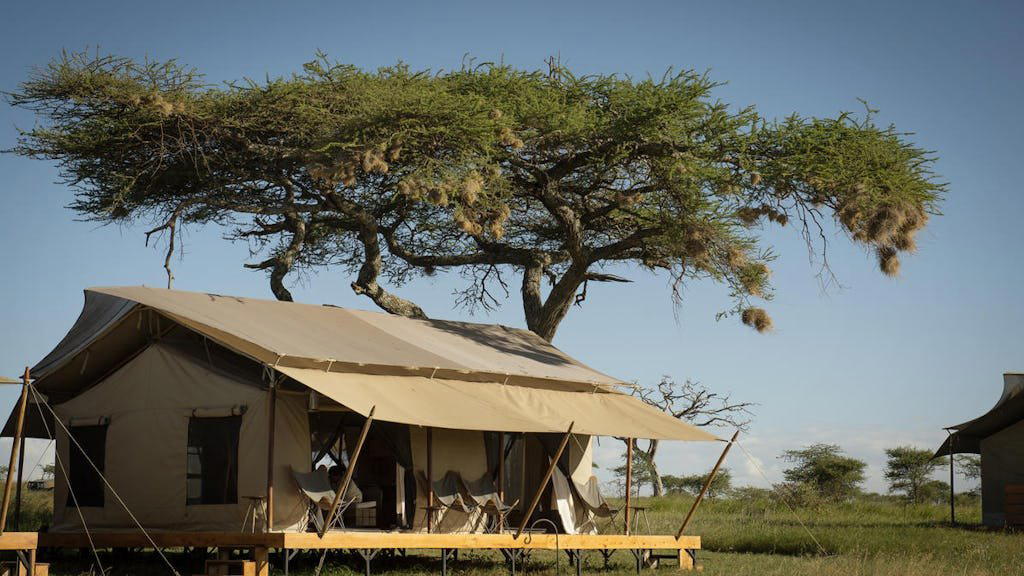
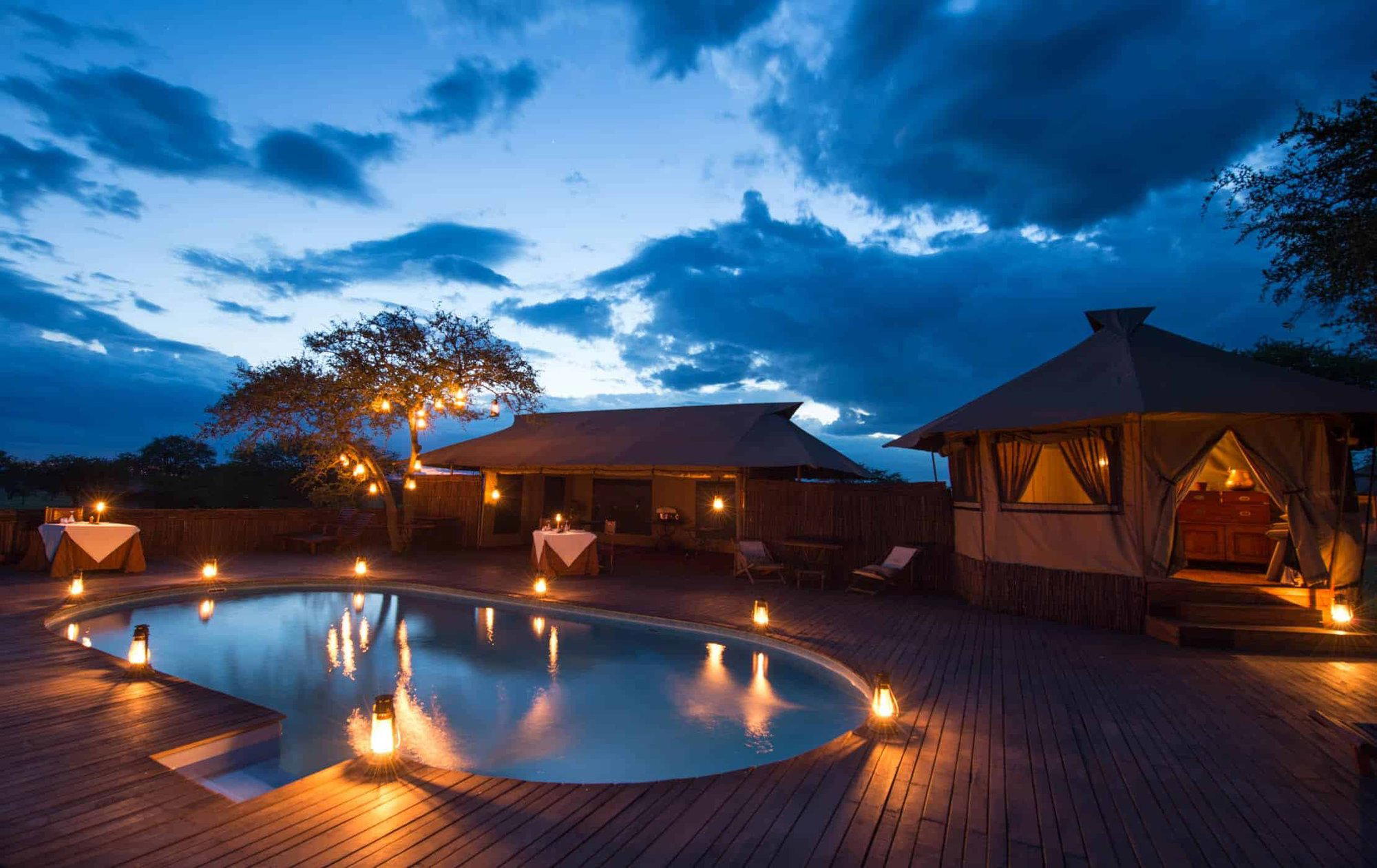
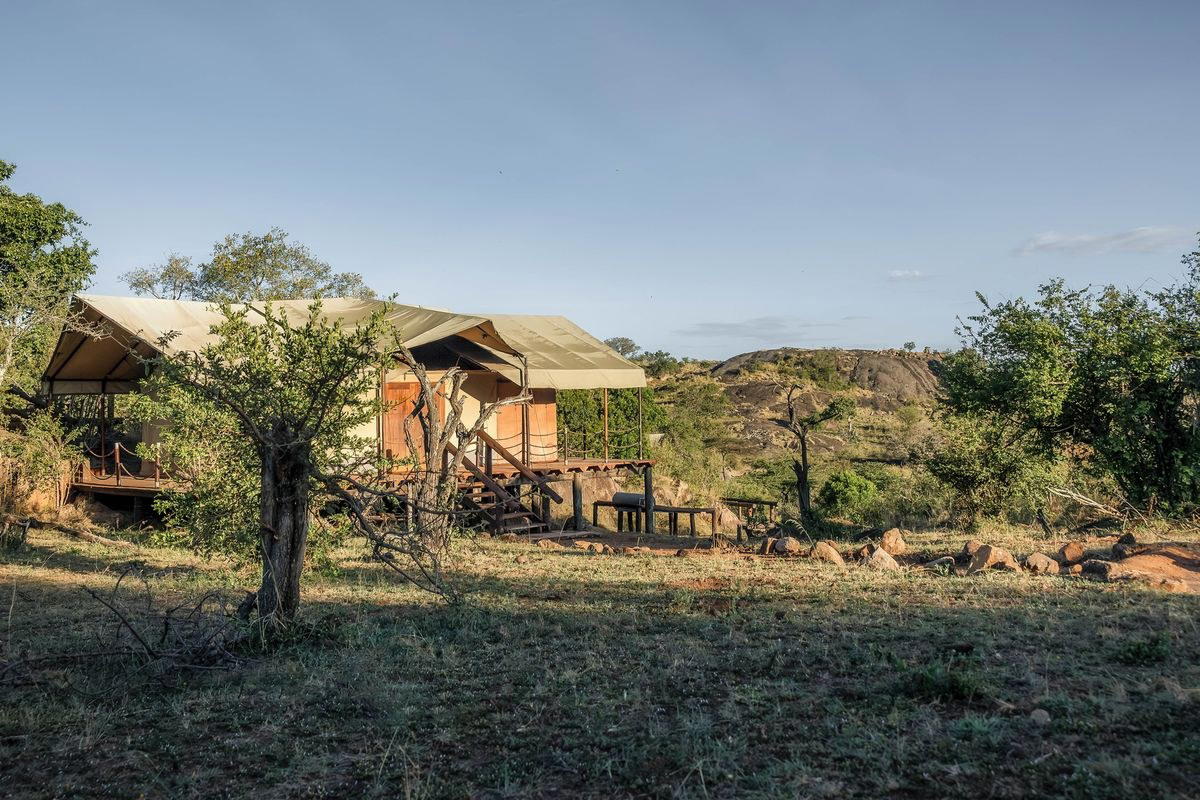
Boma Grill belongs to the safari-lodge dining tradition of the Serengeti, where the setting and the fire-led format carry as much weight as the plate. In Banagi, it reads less as a destination restaurant than as a context meal: evening service, open-air cues, and a grill vocabulary shaped by the rhythms of game-drive travel.

Pearl is the En Primeur Club membership app — saves, bookings, and concierge access live there. Same editors, same standards.
The menu
What to order
- Nyama choma
- Wali na maharage
- Chipsi mayai
Approach a grill in Banagi after dark and the restaurant category changes. The room becomes a pause between heat, dust, animal movement, and the clipped choreography of lodge life. Boma Grill sits in that tradition, where dinner is judged by how well it translates place without turning the bush into theatre. Fire, open air, and a communal evening tempo matter because safari dining first solves a practical problem: feed travellers after long drives, with enough ceremony to mark the night, but not so much formality that it breaks the spell of being far from a city dining room.
The useful reading is through sourcing and format, not chef mythology. In Banagi, lodge kitchens sit at the intersection of local supply, conservation logistics, guest expectations, and remote-service discipline. Imported luxury ingredients can flatten that context; a better safari grill lets regional produce, local references, and fire-led cooking carry the meal. Boma Grill, by name and setting, belongs to that campfire-adjacent lineage rather than the urban tasting-menu model of many city restaurants.
Safari-lodge grilling is about place, not polish
The boma format has deep roots across East and Southern Africa as an enclosed gathering space, later adapted by safari lodges into a dining language of fire, group rhythm, and night air. That adaptation can be lazy, with generic buffet thinking and soft-focus cultural shorthand, or restrained: fewer gestures, clearer cooking, and a sense that the landscape is not mere backdrop. The point is not to replicate a village setting for visitors, but to acknowledge that Banagi dining has its own grammar, distinct from larger urban or coastal dining scenes.
Ingredient sourcing is where the format earns its place or becomes decoration. A remote Banagi kitchen faces more constraints than a coastal restaurant with fish markets or an urban kitchen with broad supplier choice. That changes the measure, not the bar. Good lodge cooking uses location intelligently: grilled dishes, vegetables that hold under transport, sauces and relishes with local logic, and service timed around guests returning from the field. The strongest version avoids pretending to be a metropolitan fine-dining room, giving the evening arrival through heat, smoke, and pace.
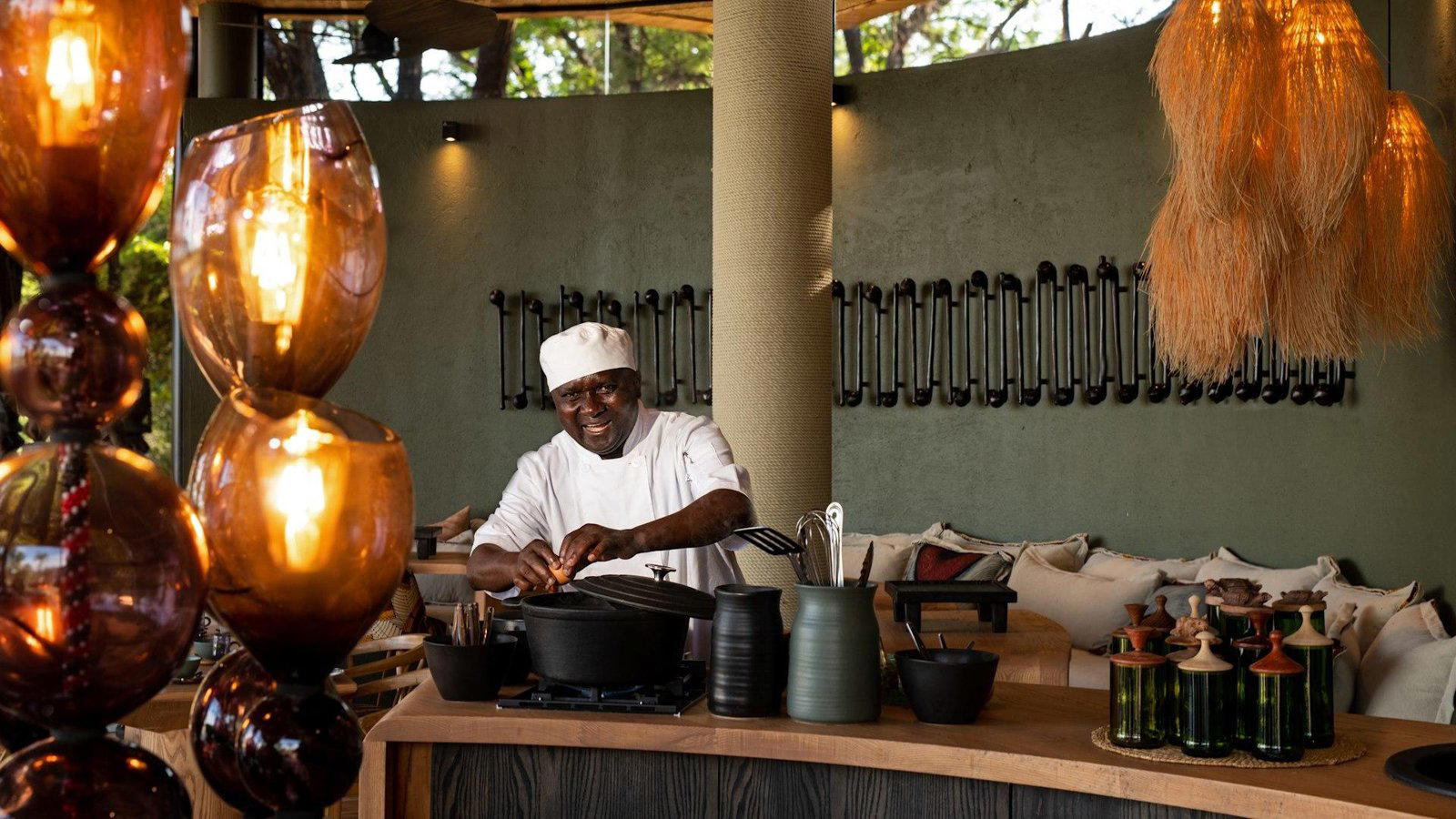
Banagi’s dining scene is small by design. It is not a neighbourhood where readers cross-shop a dozen independent restaurants on foot; it is a safari node, where accommodation, guiding, and meals are often linked. That makes comparison useful. Nuru offers another Banagi reference point, while Interactive Kitchen points to a more demonstrative lodge-kitchen format. Boma in Kirawira is the closest conceptual cousin, because the name signals the same communal-fire tradition. The traveller’s distinction is not which venue sounds more polished on paper, but which format matches the night: a grill, a kitchen interaction, or a broader lodge dinner.
Banagi sits between bush practicality and resort expectation
Banagi dining has a sharper logistical edge than coastal Tanzania. Coastal restaurants can lean on beach settings, seafood access, and a steady leisure rhythm; inland safari kitchens work around road transfers, wildlife schedules, weather, and the fatigue after an early start. Evening-led dining therefore makes sense: the meal arrives after the day’s main movement, when guests have returned from the field and the lodge becomes the centre of gravity again.
The sourcing conversation also differs across Tanzania. In major cities, restaurants often belong to an urban pattern, with menus drawing from a broader commercial supply chain and a local dining public. On the coast, dining rooms sit inside a different culinary conversation, shaped by the Indian Ocean, spice-trade memory, and resort traffic. Around Banagi, route-dining stops and lodge restaurants help map the circuit that often frames safari travel before and after a stay.
That wider map matters because Boma Grill should not be assessed like a city counter or coastal dining room. Its competitive set is the lodge evening meal, where the strongest kitchens understand timing, heat retention, guest flow, and the emotional shift from field to table. The cooking may be simpler than a capital-city menu, but simplicity is not weakness when the grill does honest work and the setting carries the rest.
How to place it in a Tanzania itinerary
For travellers building a Banagi stay, this is a dinner-format choice, not a standalone restaurant pilgrimage. The smarter itinerary question is how many lodge meals to keep in Banagi before moving to restaurants with different supply logic elsewhere in Tanzania. A route pairing Banagi with coastal, highland, or urban stops gives the clearest contrast: inland fire-led cooking, transit dining, and coastal or urban tables in sequence.
The broader Banagi planning frame spans restaurants, hotels, bars, wineries, and experiences, not food alone. Use our full Banagi restaurants guide for the local dining field, then cross-check our full Banagi hotels guide, our full Banagi bars guide, our full Banagi wineries guide, and our full Banagi experiences guide to understand how meals fit around the stay. For a left-field comparison outside Tanzania, compact city venues show the opposite end: urban specialization, tight formats, and city-driven repeat dining rather than remote lodge rhythm.
The editorial call is simple: choose Boma Grill when the evening should stay inside the Banagi mood rather than interrupt it. The value is not dependent on chef narrative or a long list of named dishes. It is a format that makes sense after a day in the field, with credibility from fire, setting, and the discipline of serving in a remote place without forcing city restaurant expectations onto the bush.
Frequently asked questions
Is Boma Grill good for families?
Boma Grill suits families staying in Banagi because it fits the lodge-dining rhythm of a safari stay. Its Banagi location makes it a practical lodge dinner rather than a destination for a long city evening.
Is Boma Grill formal or casual?
It reads as relaxed lodge dining rather than formal service, with a boma-style format. The setting in Banagi points to safari practicality over white-tablecloth ceremony.
What are the operating hours at Boma Grill?
Check directly with Boma Grill for current operating hours, as safari-lodge dining schedules can vary by season and stay pattern.
Where is Boma Grill in Banagi?
Banagi.
What is Boma Grill known for?
Boma Grill is known for its boma format in Banagi, a dining style rooted in enclosed gathering spaces across East and Southern Africa and adapted by safari lodges. Its appeal is the setting and the lodge-dinner mood, not a long list of named signatures.
A Quick Peer Check
Comparable venues by cuisine and price in the same metro.
| Venue | Cuisine |
|---|---|
| Boma GrillThis venue — the venue you are viewing | East African Grill |
Continue exploring
More in Banagi
Restaurants in Banagi
All restaurants in Banagi →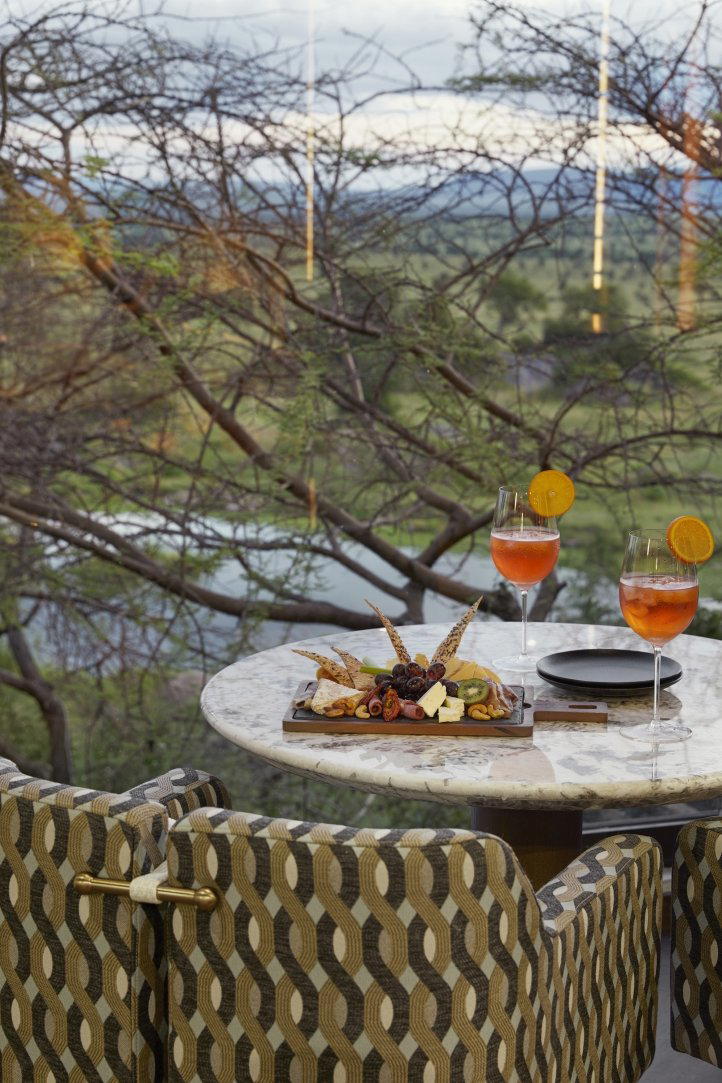
Bars in Banagi
Browse all →
Details
- Scenic
- Elegant
- Rustic
- Romantic
- Sophisticated
- Date Night
- Celebration
- Group Dining
- Special Occasion
- Garden
- Terrace
- Courtyard
- Design Destination
- Hotel Restaurant
- A La Carte
- Set Menu
Current opening hours
- Monday
- 7–10:30 PM
- Tuesday
- 7–10:30 PM
- Wednesday
- 7–10:30 PM
- Thursday
- 7–10:30 PM
- Friday
- 7–10:30 PM
- Saturday
- 7–10:30 PM
- Sunday
- 7–10:30 PM
Hours can change for holidays and private events. Last verified .
Cultural and atmospheric, with an open-air firepit setting, panoramic savannah views, and a romantic safari-lodge feel.