Rawla Bisalpur

Michelin Selected
A MICHELIN Selected heritage property in Jawai Bandh, Rawla Bisalpur translates the Rajput rawla tradition into a leopard-country lodge setting.

Pearl is the En Primeur Club membership app — saves, bookings, and concierge access live there. Same editors, same standards.
- Address
- VPO- Bisalpur, Jawāi Bāndh, India
- Phone
- 9413755651
- Website
- rawlabisalpur.in
- Directions
- Get directions
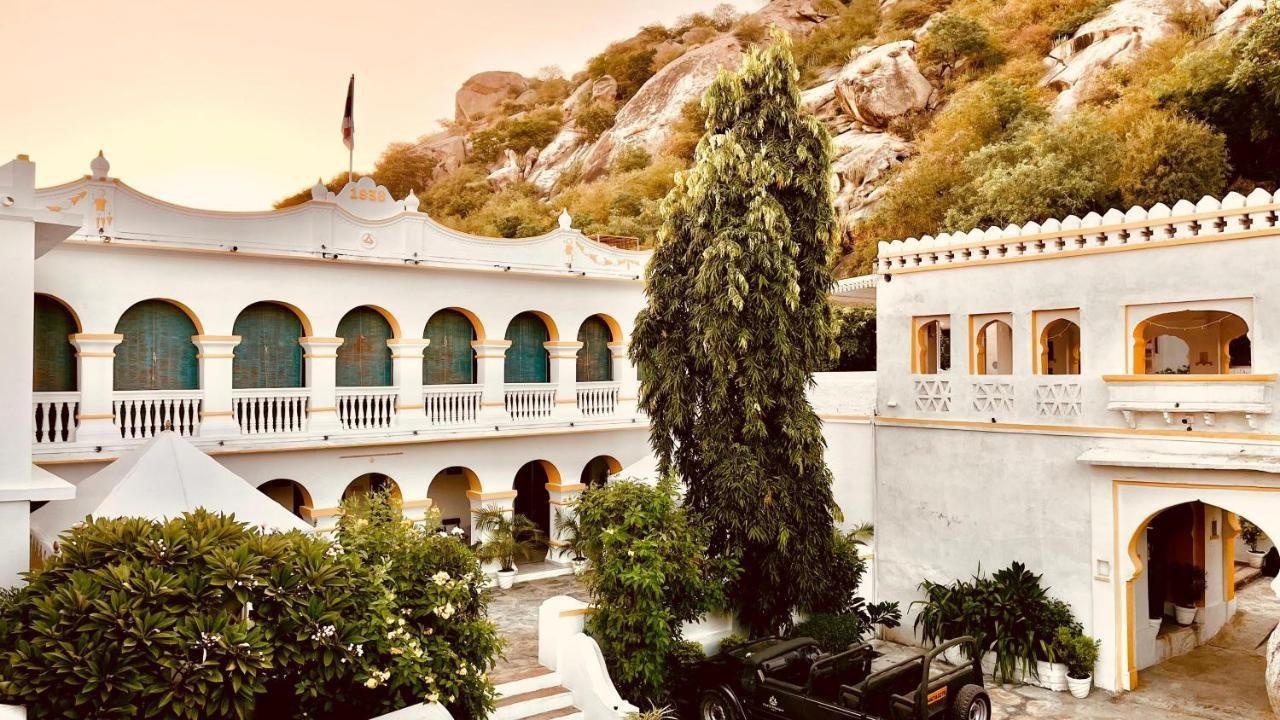
Stone, Courtyard, and Leopard Country: The Architecture of Rawla Bisalpur
The rawla, as a building typology, sits between a manor and a small fort. Across Rajasthan's rural belt, dozens of these mid-scale aristocratic residences were constructed by local thakurs — landed nobles below the rank of maharaja — using the same buff and rose-toned sandstone quarried for the larger palaces of Jodhpur and Jaisalmer. What distinguished the rawla from grander royal construction was its domestic register: courtyards proportioned for family life rather than ceremonial procession, jharokha window bays that gave onto agricultural land rather than city streets, and load-bearing walls thick enough to hold heat out through the afternoon and warmth in overnight. Rawla Bisalpur, recognised in the MICHELIN Selected Hotels 2025 list, occupies one such structure outside the village of Bisalpur, in the Jawai Bandh region of western Rajasthan.
Jawai Bandh sits roughly between Jodhpur and Udaipur in the Pali district, a stretch of granite-boulder terrain that has become one of India's most-discussed leopard habitats over the past decade. The landscape is spare rather than lush: dry scrub, scattered Bishnoi settlements, and a reservoir originally built by the Marwar royal family in the 1950s. The rawla's position in this environment is not incidental. Heritage properties in this corridor are intentionally low-density, the terrain, the wildlife pressure, and the local conservation consensus all push against resort-scale development.
What the Rawla Tradition Means in Practice
India's heritage accommodation category has split broadly into two models over the past two decades. One school, represented by the palace conversion properties like Taj Lake Palace in Udaipur or Suryagarh in Jaisalmer, preserves the architectural grandeur of royal-scale construction and layers contemporary hospitality infrastructure over it. The other school is smaller and harder to find: the rawla or haveli that has been kept in or returned to something closer to its original residential character, where the building's proportions and material logic are the experience rather than a backdrop for it.
Rawla Bisalpur belongs to the second category. The building type carries its own design vocabulary: thick perimeter walls that double as thermal insulation, interior courtyards that organise circulation and create shade, carved stone screens that filter light without blocking air movement, and flat or shallow-pitched rooftops that function as outdoor gathering spaces after dark. These are not decorative choices retrofitted for tourism; they are functional responses to a demanding climate that have been in use for several hundred years. Properties that maintain this vocabulary without overwhelming it with contemporary add-ons tend to read, physically, as something different from the polished heritage resort, there is a weight to the material and a logic to the spatial sequence that purpose-built lodges cannot replicate.
That architectural authenticity is part of what MICHELIN's hotels selection process picks up on. The MICHELIN Selected designation, applied to Rawla Bisalpur in the 2025 list, covers properties that inspectors judge to offer a meaningful stay, not necessarily at the luxury price point of a five-star city palace, but with a character and quality of experience that warrants a detour. In the Jawai Bandh context, that signals a property operating in good faith with its setting rather than in spite of it.
Jawai Bandh in the Rajasthan Circuit
Western Rajasthan's tourism infrastructure is organised, loosely, around a triangle: Jodhpur to the north, Udaipur to the south-east, and Jaisalmer to the west. Jawai Bandh sits off the main circuit, accessible by road from either Jodhpur (around 160 kilometres) or from the Bali-Marwar Junction on the Jodhpur-Ahmedabad rail line, which cuts the drive time meaningfully for guests arriving by train. The area's relative obscurity until recently is a function of its agricultural and pastoral character, it was not built around tourism, and the infrastructure reflects that.
That is changing. The leopard population in the Jawai hills has drawn attention from wildlife photographers and conservation-focused travellers, and the number of properties positioning themselves specifically for that clientele has grown. Rawla Bisalpur addresses this audience without abandoning its architectural identity. For guests comparing options in this corridor, the choice tends to be between heritage properties with a wildlife angle, like Rawla Bisalpur, and purpose-built tented or lodge-format camps. Suján Jawai in nearby Pali represents the tented camp model, operating at a premium price point with a strong conservation program. The two offer genuinely different physical experiences, and the choice depends substantially on whether the guest values sleeping inside a historic building or sleeping close to the open terrain.
For reference across the broader Rajasthan heritage hotel market, properties like Amanbagh in Ajabgarh and The Leela Palace Jaipur represent the upper bracket of palace-conversion and purpose-built luxury, a different price tier and different operational scale. Rawla Bisalpur operates in a more specialist niche, where the building itself is the primary credential.
Planning a Stay
Jawai Bandh's leading visiting window runs from October through March, when temperatures are manageable and leopard sightings are more frequent as vegetation thins and animals move toward water sources. The monsoon months, July through September, bring dramatic light to the granite formations but make tracking difficult and some access roads unpredictable. Guests travelling from outside India typically route through Jodhpur, which has a domestic airport with connections to Delhi and Mumbai, then drive south. The drive through the Bishnoi and Rabari pastoral belt is itself a substantive introduction to the landscape. Booking Rawla Bisalpur directly or through a specialist agent is advisable well ahead of the October-to-January peak, when wildlife-focused demand competes with the broader Rajasthan winter season. For comparison with other heritage and wildlife-focused properties across India's different ecosystems, our full Jawai Bandh guide maps the regional options in detail. Travellers building a longer India itinerary can also reference properties such as Ananda in the Himalayas in Narendra Nagar, Woods at Sasan in Sasan Gir, or Kumarakom Lake Resort in Kerala for stays that share a similar commitment to setting and ecological context at varying price points across the subcontinent.
How It Stacks Up
Comparable venues nearby, for context on price, style, and recognition.
| Venue | Cuisine | Price | Awards | Notes |
|---|---|---|---|---|
| Rawla BisalpurThis venue — the venue you are viewing | Heritage Indo-European villa guest house beside 18th-century palace ruins | $300–500 | Michelin Selected | Not listed |
| Glenburn Tea Estate | Colonial tea plantation bungalow restored with modern comforts. | Not listed | World Travel Awards | Kambal Tea Garden |
| Turyaa Chennai | Contemporary urban luxury hotel | $1–100 | Preferred Hotels Member | Kottivakkam |
| The Claridges Nabha Residence Mussoorie | Victorian heritage property blending colonial charm with modern Indian luxury | Not listed | Preferred Hotels Member | Mussoorie |
| Maison Perumal | Restored heritage mansion with Franco-Tamil fusion. | Not listed | World Travel Awards | Heritage Town |
| Kumarakom Lake Resort | Traditional Kerala heritage resort with modern luxuries | $300–500 | Michelin Selected | Kumarakom |
Recognition history
Dated appearances from independent guides and award organizations, with the underlying list record or original source where available.
Michelin Selected
Michelin
Continue exploring
More in Jawai Bandh
Hotels in Jawai Bandh
Browse all →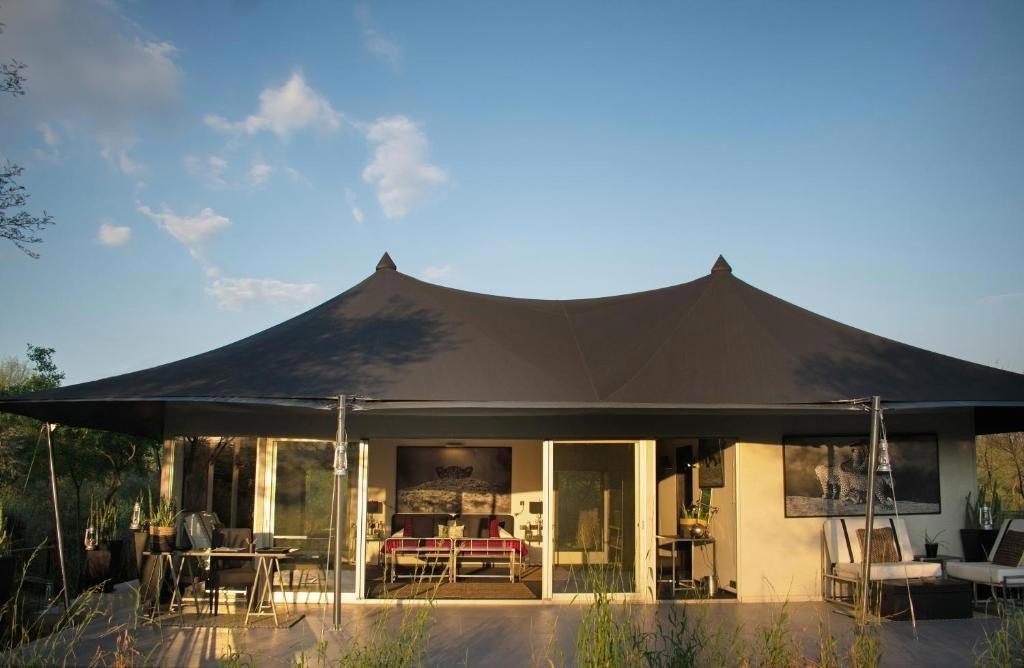
Bars in Jawai Bandh
Browse all →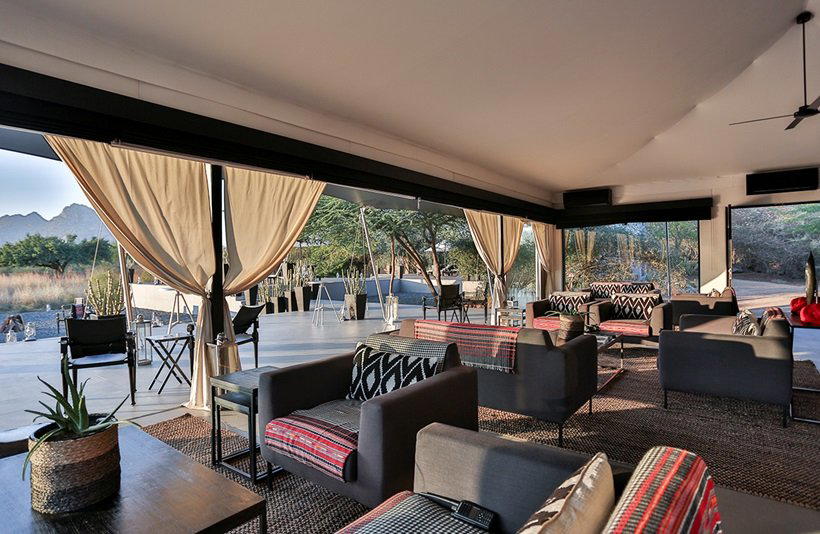
Restaurants in Jawai Bandh
Browse all →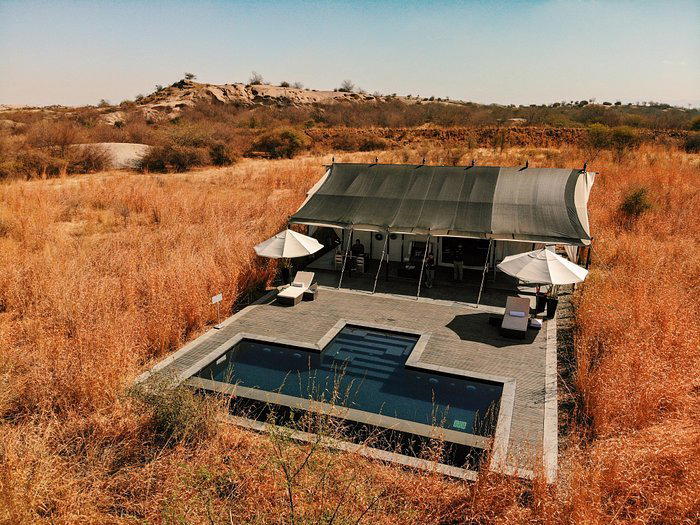
Details
- Romantic
- Quiet
- Rustic
- Scenic
- Intimate
- Honeymoon
- Romantic Getaway
- Weekend Escape
- Anniversary
- Panoramic View
- Private Dining
- Historic Building
- Terrace
- Pool
- Wi Fi
- Room Service
- Concierge
- Mountain
- Garden
Soulful and tranquil with breezy corridors, shaded terraces, and heirloom furnishings evoking timeless Rajasthani heritage.