
Falstaff Winery - Listed
Graf Wolff Metternich is a historic Baden wine estate in Durbach, with winegrowing traced to 1381 and a visitor experience built around Gutshof-style tasting rooms. The estate’s identity rests on Riesling, Spätburgunder, a long-running noble-sweet Sauvignon Blanc tradition, and experimental Nebbiolo, framed by Black Forest vineyard scenery rather than tasting-room theatrics.

Pearl is the En Primeur Club membership app — saves, bookings, and concierge access live there. Same editors, same standards.
- Address
- Durbach, Baden, Baden-Wuerttemberg, Deutschland
- Directions
- Get directions

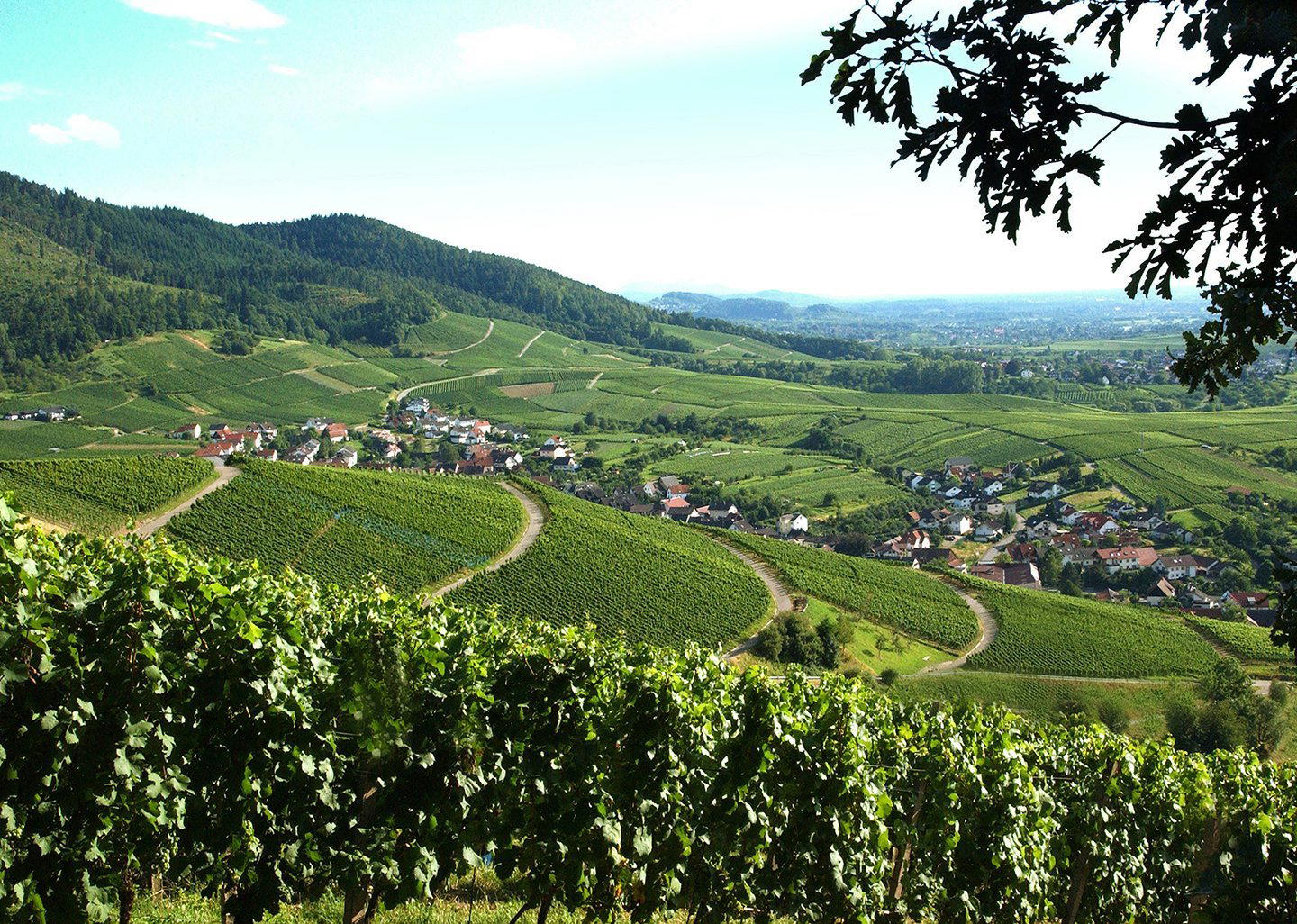
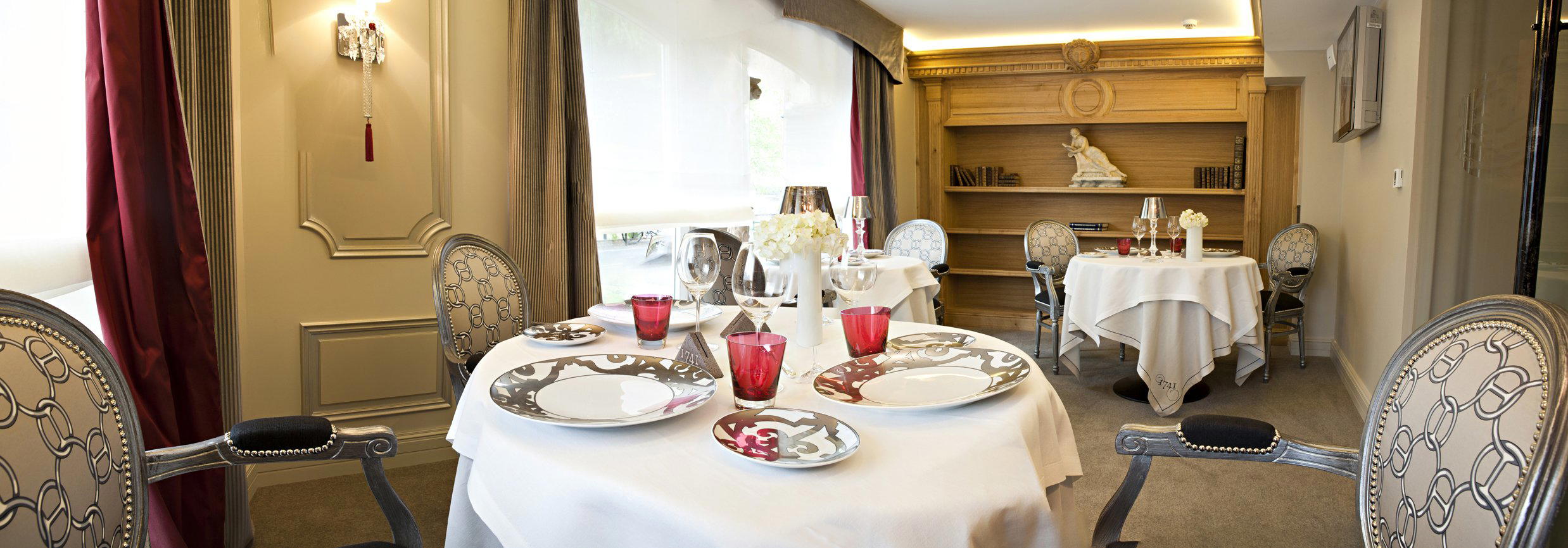
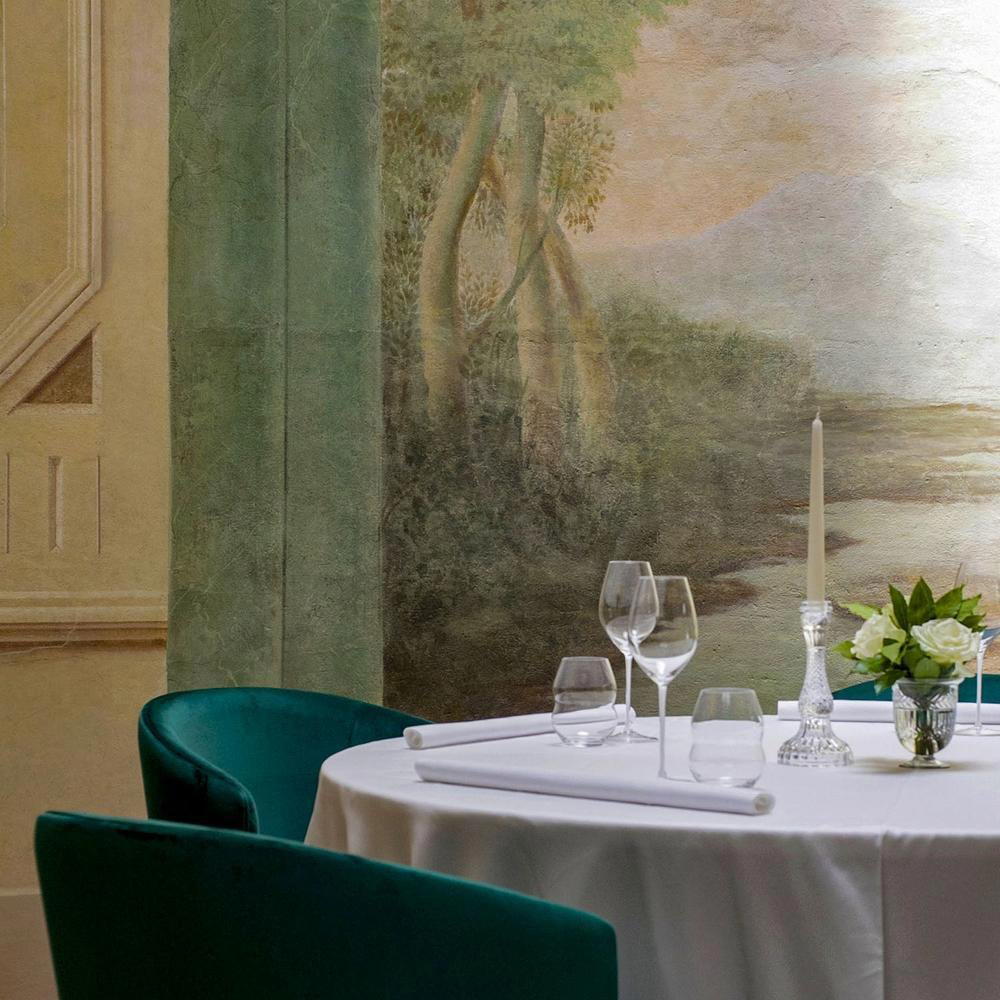
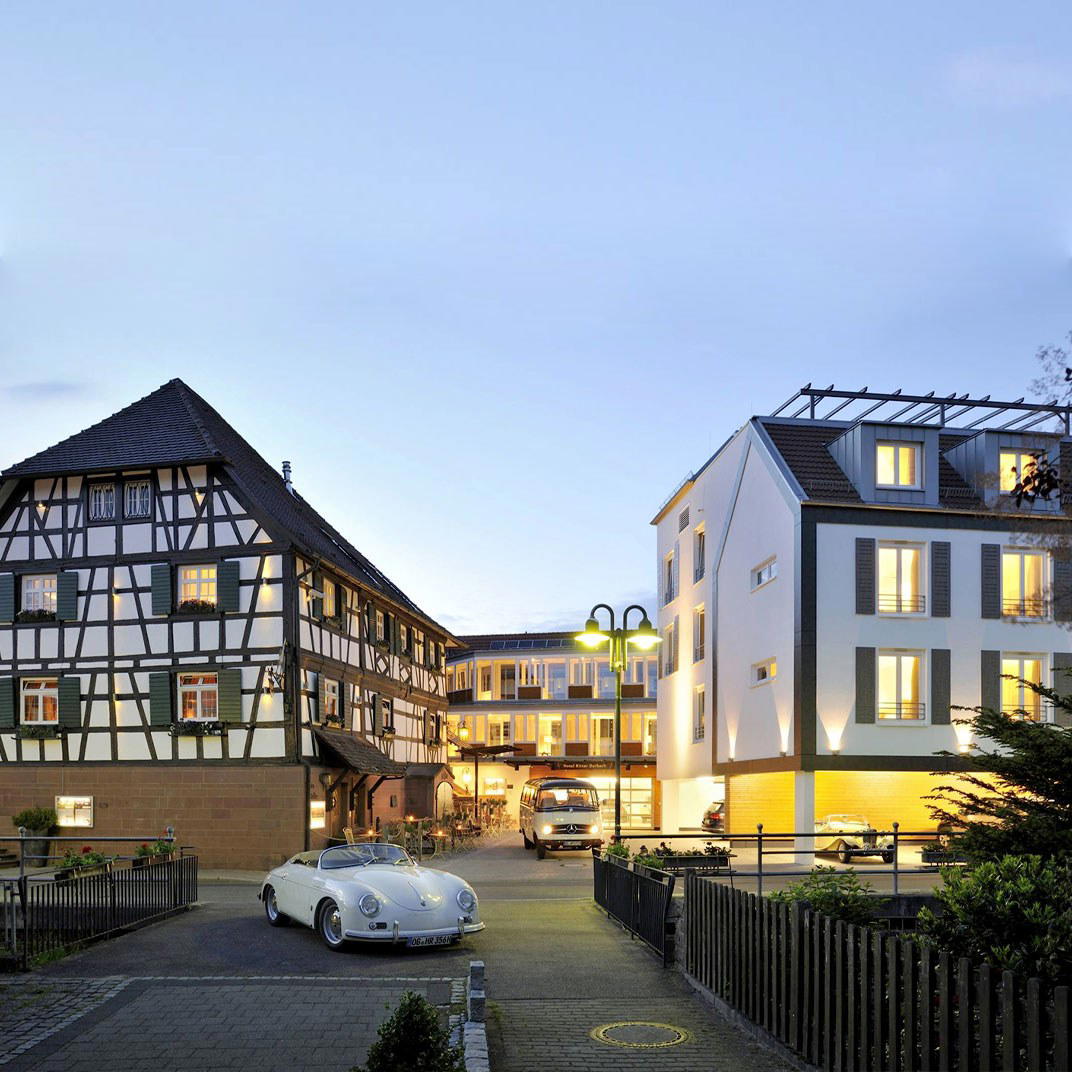
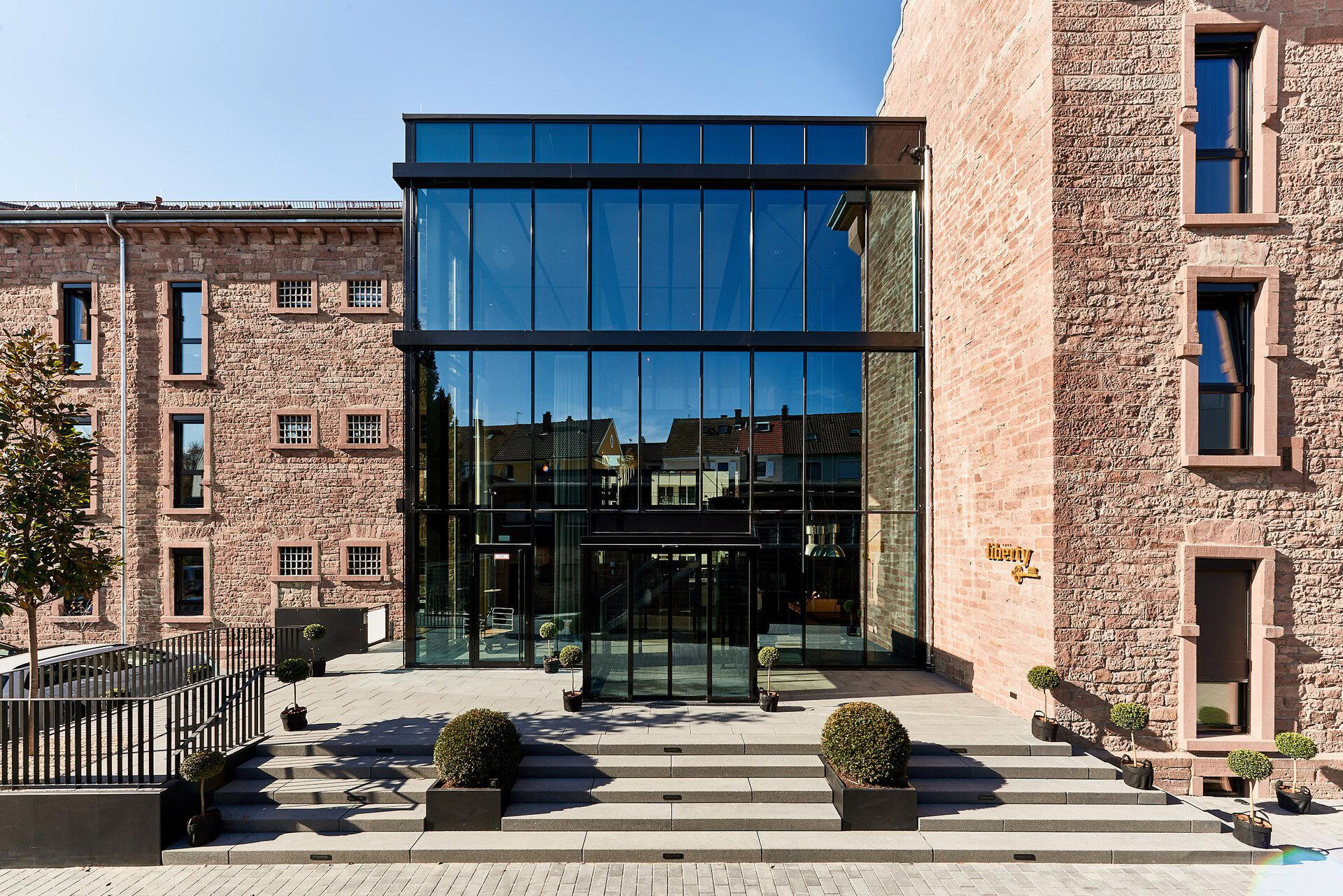
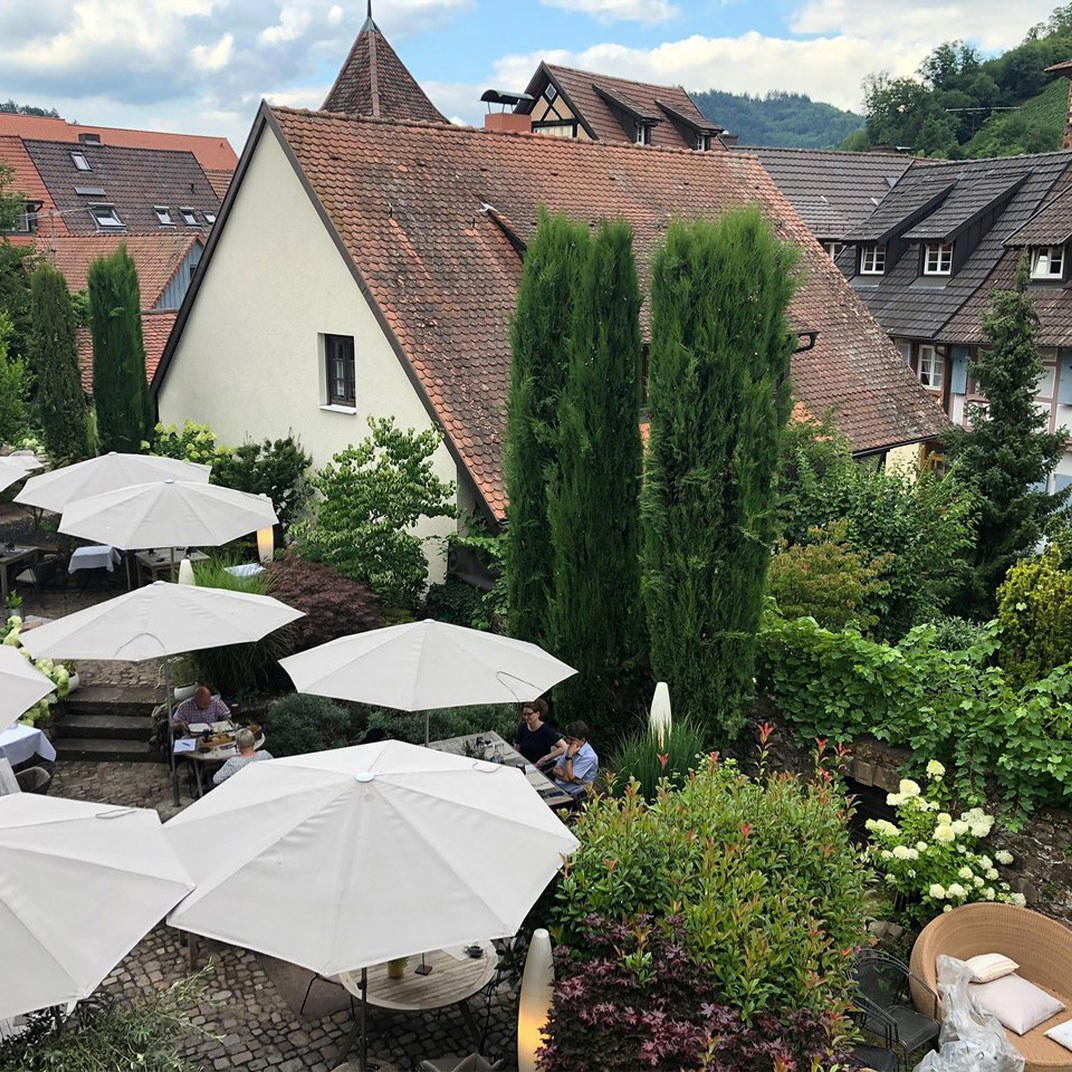
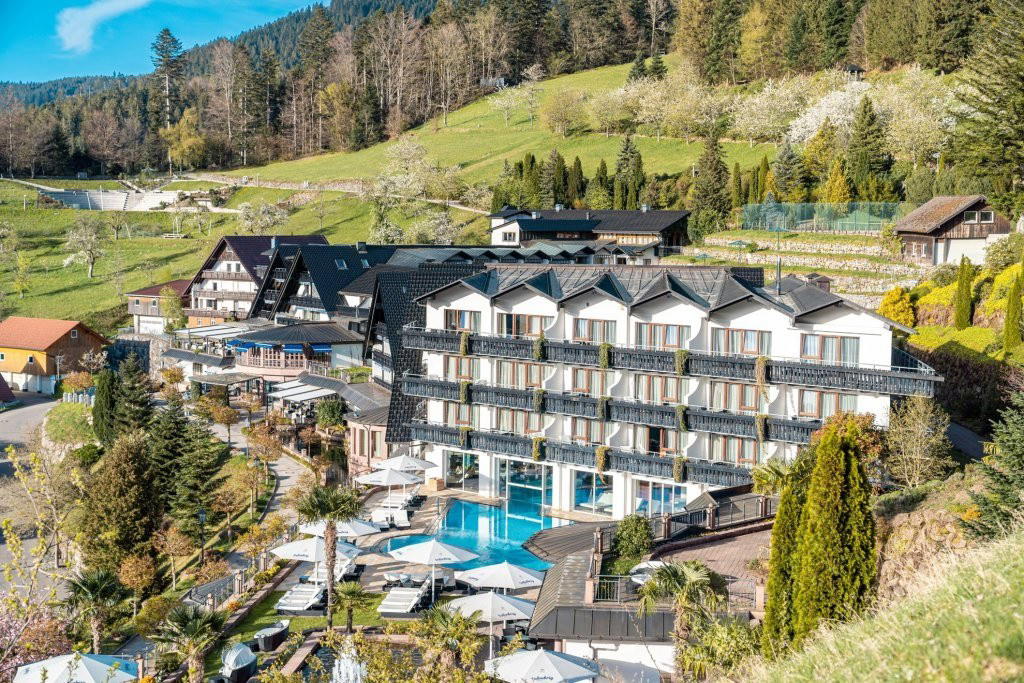
Graf Wolff Metternich in Durbach is best described through its setting: an historic estate ambience with authentic Gutshof, or manor-farm, tasting rooms. The appeal is classic rather than flashy, with a rustic and scenic Black Forest winery feel shaped by centuries-old viticultural tradition and modern cellar technology. In practical terms, the venue’s identity comes less from a list of public claims and more from the impression of place: an estate environment where history, working-winery character, and a sense of local tradition sit at the center of the visit.
Because the public detail is limited, the safest way to frame a visit is as an estate-focused winery experience in Durbach rather than as a page built around specific grapes, menus, awards, capacities, hours, or service formats. For broader planning, compare it with other dining and wine-related options in Durbach generically, while keeping Graf Wolff Metternich as the specific venue here. That means treating the estate as a setting-led stop: the reason to go is the atmosphere and the winery context, while the finer operational details should be confirmed before building a full itinerary around them.
Historic estate character in Durbach
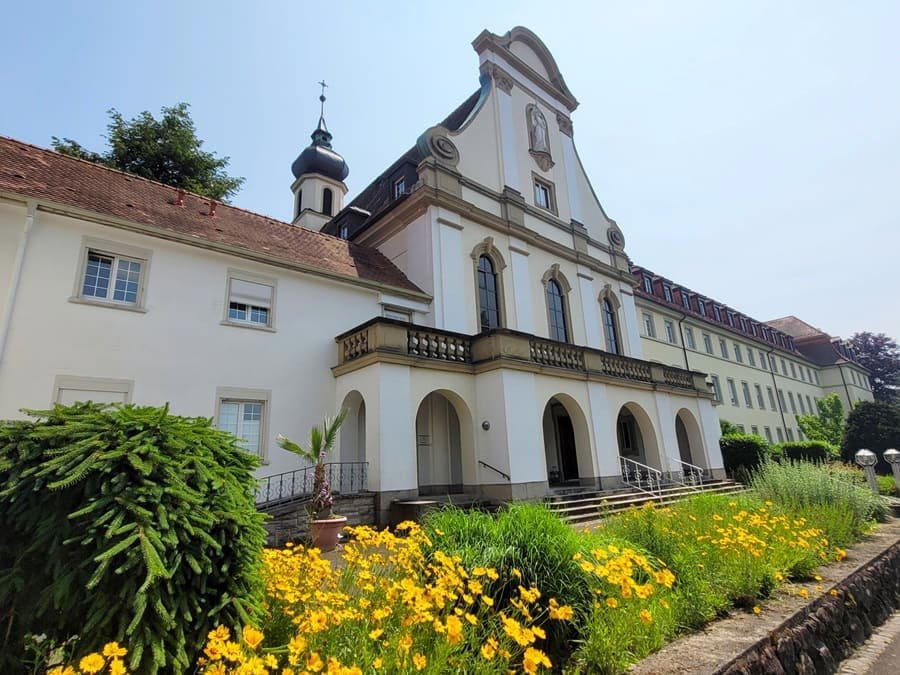
The strongest confirmed identity of Graf Wolff Metternich is its historic manor-farm atmosphere. The Gutshof tasting rooms give the property a grounded, traditional feel, while the reference to modern cellar technology keeps the estate from reading as purely nostalgic. It is this balance that defines the venue most clearly: a place rooted in an older estate vocabulary, but not presented as a static museum piece.
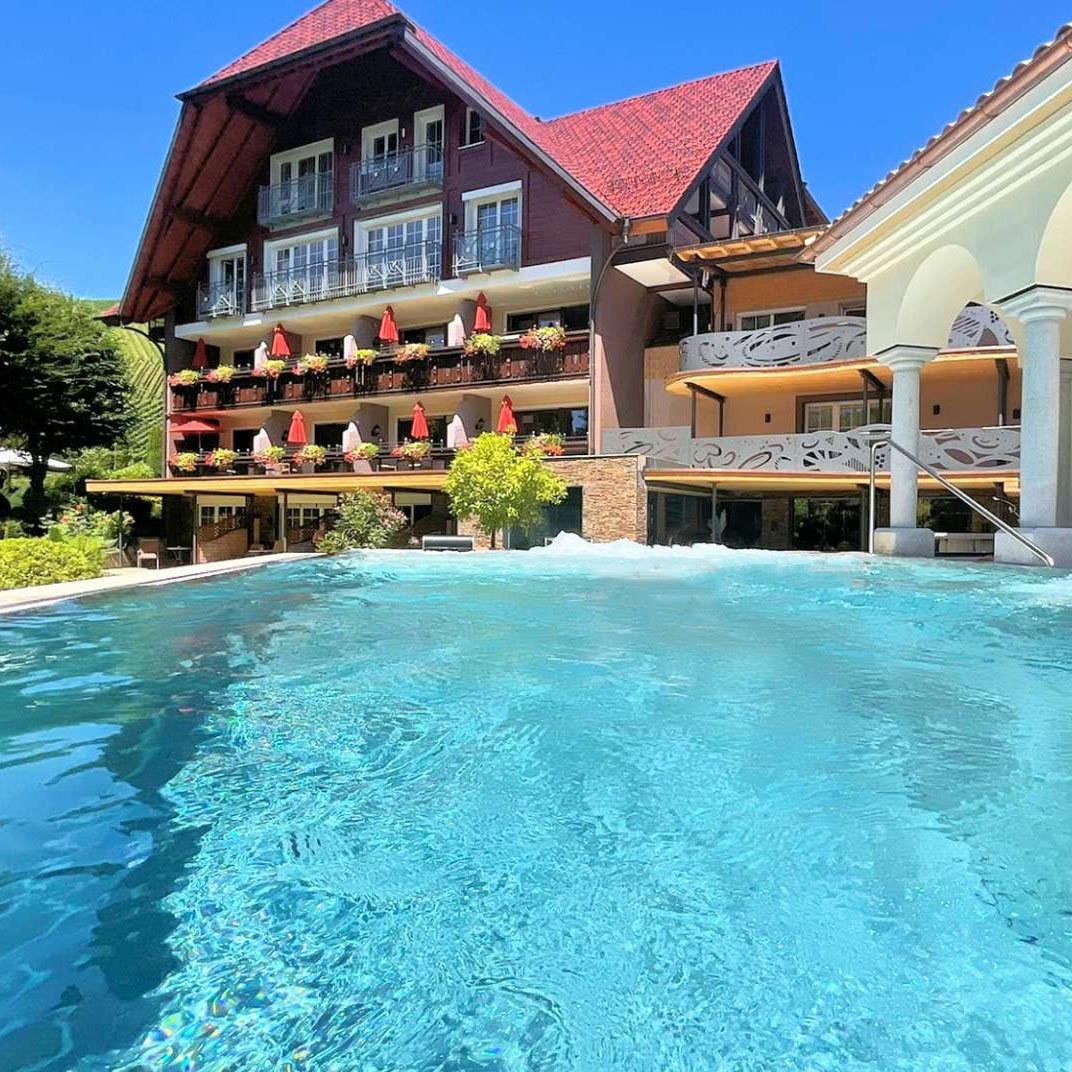
That combination is the key reason to consider it: visitors looking for a classic, comfortable Black Forest winery setting may find the estate more compelling than a more contemporary or urban-feeling stop. The mood is classic, rustic, scenic, and historic. Rather than relying on a highly polished or trend-driven identity, the attraction is the quieter confidence of a winery environment where architecture, landscape, and tradition carry much of the experience.
The centuries-old viticultural tradition referenced here matters because it gives the setting a deeper frame. Modern cellar technology adds the other side of that picture, suggesting that the estate’s historic character is paired with a contemporary approach behind the scenes.
Specific claims about grape varieties, production scale, founding dates, awards, food pairings, group capacity, parking, payment methods, reservations, or shipping are not confirmed here, so they should be checked directly with the venue before planning around them. That caution is important for an estate like this, where the atmosphere is well framed but many visitor-facing details are not listed in the available description. The most accurate expectation is therefore broad rather than granular: a historic Durbach winery setting with manor-farm character.
Tasting rooms with a manor-farm feel
The confirmed hospitality detail is the presence of authentic Gutshof tasting rooms. That suggests a visit centered on estate atmosphere and wine context rather than on a restaurant-style dining format. The tasting rooms are important because they translate the wider estate character into the guest experience: instead of a generic tasting counter, the setting is described through a manor-farm lens, which gives the visit a more rooted and local feeling.
For planning, treat Graf Wolff Metternich as a Durbach winery with a historic, scenic setting. If you need details such as current opening times, appointment requirements, tasting availability, accessibility, dietary accommodations, or event options, verify them directly before you go. This is especially relevant because the public-facing description does not support assumptions about how tastings are structured, how long a visit may take, or what additional services may be available on a given day.
The price level is listed as $$, which places it in a moderate bracket, but no specific tasting prices or menu prices are here. That makes the designation useful only as a general signal, not as a budgeting tool.
What can be said with confidence is that the tasting-room experience is framed by authenticity and estate character. The language around the Gutshof rooms supports an expectation of warmth, tradition, and a sense of place rather than a deliberately sleek or urban hospitality style. For visitors who enjoy winery stops as much for their surroundings as for the glass itself, that distinction is the heart of the appeal.
Who should make the detour
Graf Wolff Metternich is well suited to visitors who value atmosphere, heritage, and a comfortable estate setting. Its appeal rests on the combination of centuries-old viticultural tradition, authentic manor-farm tasting rooms, and modern cellar technology in Durbach. This is a venue for travelers who are drawn to the experience of being at a winery, not only to a checklist of confirmed products or services.
The grounded reason to visit is the classic Black Forest winery ambience: rustic, scenic, historic, and comfortable, with the estate setting doing most of the work. It makes sense for someone seeking a traditional Durbach wine stop with a strong sense of place, and less sense for anyone who needs detailed advance confirmation of menus, varieties, awards, or structured hospitality formats from the page alone.
In short, Graf Wolff Metternich should be approached as an estate-led visit. The available information supports a clear impression of historic character, manor-farm tasting rooms, and a traditional yet not purely old-fashioned winery environment. Keep expectations focused there, confirm practical details directly, and the venue’s main strength remains direct: a scenic, rustic, heritage-rich Black Forest wine setting in Durbach.
Recognition history
Dated appearances from independent guides and award organizations, with the underlying list record or original source where available.
Falstaff Winery - Listed
Falstaff
Continue exploring
More in Durbach
Wineries in Durbach
Browse all →
Bars in Durbach
Browse all →

Restaurants in Durbach
Browse all →
Details
- Classic
- Rustic
- Scenic
- Historic
- Intimate
- Lively
- Group Outing
- Special Occasion
- Wine Education
- Corporate Event
- Romantic Getaway
- Estate Grounds
- Historic Building
- Private Tasting
- Vineyard Tour
- Sustainable
- Vineyard
- Mountain
- Riesling
- Pinot Noir (spätburgunder)
- Sauvignon Blanc
- Nebbiolo
- Still White
- Still Red
- Sparkling
- Dessert
- Estate Tasting
- Group Tasting
- Private Guided Tasting
Historic estate ambience with authentic Gutshof (manor farm) tasting rooms, combining centuries-old viticultural tradition with modern cellar technology for a classic yet comfortable Black Forest winery feel.