Sanctuary Beach Resort

Michelin Selected
Sanctuary Beach Resort occupies a quiet stretch of Monterey Bay coastline in Marina, California, where dune-backed architecture and a deliberately low-key design ethos set it apart from the region's more polished resort circuit. Michelin Selected in 2025, the property operates in a specialist tier where coastal access and an intimate scale matter more than ballroom-sized amenities. It sits close to Fort Ord Dunes State Park, with the Santa Cruz Mountains visible across the bay.

Pearl is the En Primeur Club membership app, where members save venues, book tables and use the concierge.
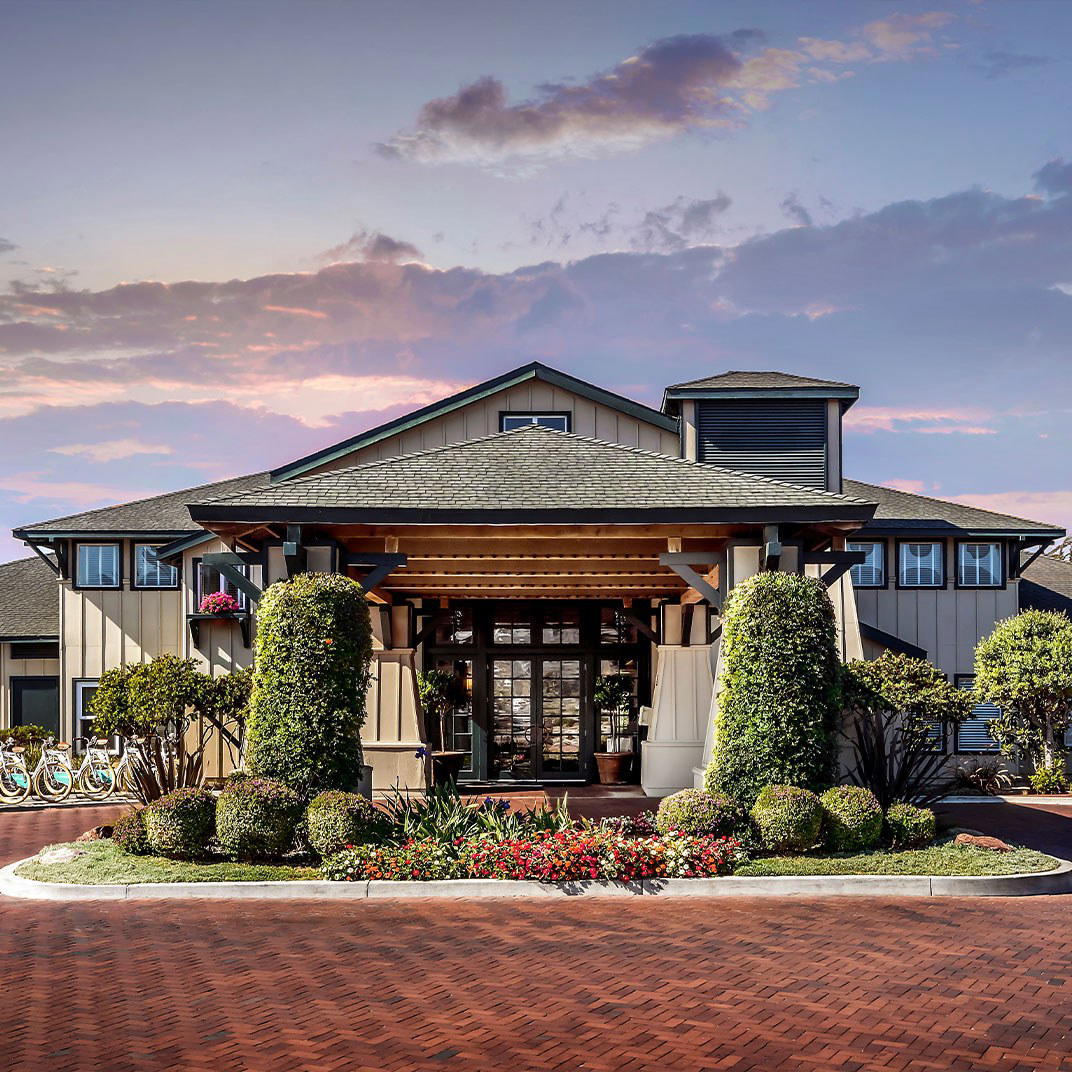
Dunes, Distance, and the Architecture of Quiet
The Central California coast between Monterey and Santa Cruz has resisted the kind of resort density that defines similar stretches further south. Marina sits at the northern edge of Monterey Bay, a town that spent decades defined by its military past at Fort Ord rather than by tourism infrastructure. That history created an unusual condition: a stretch of Pacific coastline with significant dune systems, seasonal fog, and direct beach access that remains largely uncommercialised. Sanctuary Beach Resort exists inside that gap. Its address on Dunes Drive positions it at the edge of what is now Fort Ord Dunes State Park, one of the longer undeveloped coastal strips on this section of Highway 1.
The design language at properties like this one responds to the site rather than imposing on it. The low-profile construction along dune terrain reflects a California coastal vernacular that prioritises integration over statement, matching a tradition that runs from Sea Ranch in the north to some of the more considered properties along Big Sur, properties like Post Ranch Inn in Big Sur, where the architecture is shaped as much by planning constraints and environmental philosophy as by aesthetic ambition. On the Monterey Bay, the ambient light shifts across the day from a grey marine layer in the mornings to sharper afternoon clarity as the fog retreats inland. That cycle is part of the experience at any property working with this coastline rather than against it.
Where Michelin Selection Places It
Michelin Guide's hotel selection, distinct from its restaurant star system, operates as a curation of properties that meet a threshold of character and quality without necessarily belonging to the large-flag luxury circuit. For reference, that same framework includes urban institutions like The Fifth Avenue Hotel in New York City and resort-scale properties like Four Seasons at The Surf Club in Surfside, but the coastal California contingent operates in a different register entirely, one defined by proximity to landscape rather than proximity to urban amenity.
In Northern California's accommodation market, properties earning Michelin recognition tend to cluster in wine country, around Napa and Healdsburg, where Meadowood Napa Valley in Napa and SingleThread Farm Inn in Healdsburg represent the food-led end of that spectrum. Sanctuary Beach Resort's selection on the coast, away from wine country's established credentialing ecosystem, reflects a different logic: the value of an address that the wider resort market has not yet fully commodified.
The Physical Setting and Its Design Implications
Dune-backed properties impose specific architectural constraints. Building set-backs from coastal bluffs, dune stabilisation requirements, and restricted site coverage typically result in lower building profiles and more distributed site plans than conventional resort construction allows. The result, at properties working within those parameters, is often a horizontal spread of accommodation units that maximises individual access to natural surroundings rather than concentrating guests in a central tower or lodge. That spatial logic shapes the atmosphere before any interior detail does: arrivals feel quieter, transitions between spaces feel more deliberate, and the coastline itself functions as the primary amenity rather than a backdrop.
Compare that to the landscape-integrated model at desert properties like Amangiri in Canyon Point, where architecture is explicitly designed around geological features, or at Dunton Hot Springs in Dunton, where historic structure constrains and defines the guest experience. Coastal California operates differently from both, but the underlying design philosophy, let the site determine the form, connects these properties across very different terrain. At Marina, the fog, the dunes, and the open bay are not decorative elements. They are the architecture.
Marina in Context: Where the Resort Sits
Marina is not Carmel. It does not carry the gallery district, the retail pull, or the established fine-dining infrastructure of its neighbour twenty minutes south. That absence is relevant to how the resort functions. Guests choosing Marina over Carmel-by-the-Sea or Pacific Grove are generally making a deliberate trade: less curated town-walking in exchange for more direct coastal immersion, lower ambient density, and a stretch of beach that Fort Ord's conversion to parkland has left largely trail-accessible rather than developed. For visitors whose primary interest is the Monterey Bay itself, whale migration corridors, the kayaking off Moss Landing, the Elkhorn Slough, Marina's position is practical as well as atmospheric.
The closest comparable property on the immediate stretch of bay is Marinus Beach Hotel, also in Marina. The two properties occupy the same general coastal tier, though the market for Michelin Selected coastal properties in this part of California remains less saturated than in wine country or in the larger resort corridors further south. For a fuller map of what Marina's dining and hospitality scene offers beyond the resort itself, our full Marina restaurants guide covers the main options across price points.
Planning a Stay: Practical Considerations
The Central California coast runs on a predictable seasonal rhythm. Summer months bring the heaviest fog in the mornings and the most reliable afternoon clearing, while autumn, particularly September and October, delivers the warmest and clearest conditions as the marine layer retreats. Winter draws fewer visitors but offers sharper light and the peak of grey whale southward migration along the bay. Spring is variable: more rainfall, intermittent clearing, and the first dune wildflowers. Timing a stay around those cycles matters more here than at inland properties where weather is less central to the experience.
Resort is located at 3295 Dunes Drive, Marina, CA, placing it within a short drive of the Monterey Regional Airport, the most practical arrival point for this section of the coast. San Jose International Airport is a longer but viable alternative if connecting flights are a factor. For guests drawing comparisons with other design-led coastal properties at a similar Michelin-recognised level, destinations like Little Palm Island Resort and Spa in Little Torch Key or Kona Village, A Rosewood Resort in Kailua Kona Booking directly through the resort is the standard approach for coastal California properties of this size.
In Context: Similar Options
Comparable venues nearby, for context on price, style, and recognition.
| Venue | Cuisine | Price | Awards | Notes |
|---|---|---|---|---|
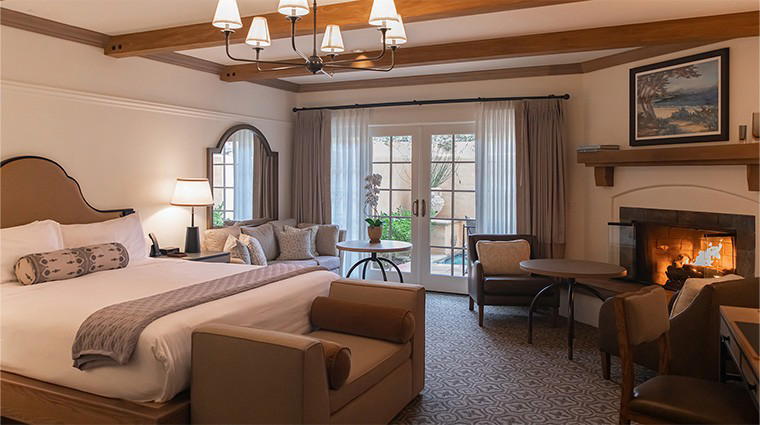
| Sanctuary Beach ResortThis venue (the venue you are viewing) | Contemporary classic with cottage-style accommodations; newly reimagined luxury beachfront resort blending modern amenities with coastal charm. | Not listed | Michelin Selected | Not listed |
| Malibu Beach Inn | Oceanfront boutique transformed from a 1950s motel with patina modern design. | Not listed | 4-Star | Carbon Beach |
| Le Petit Pali at 8th Ave | California craftsman-style boutique bed-and-breakfast | Not listed | Michelin Selected | Golden Rectangle |
| Mission Pacific Beach Resort | Modern coastal boutique resort blending California cool contemporary design with upscale urban sophistication and beachfront luxury. | $300–500 | Michelin Selected · Forbes Recommended | Oceanside |
| Inn Paradiso | Refined lodging retreat blending rustic elegance with modern eclectic design sensibility | $300–500 | Michelin Selected | Paso Robles |
| Palihotel Culver City | Renovated 1920s Art Deco boutique with bohemian urban influences | $200–300 | Michelin Selected | Culver City |
Recognition history
Dated appearances from independent guides and award organizations, with the underlying list record or original source where available.
Michelin Selected
Michelin
Continue exploring
More in Marina
Hotels in Marina
All hotels in Marina →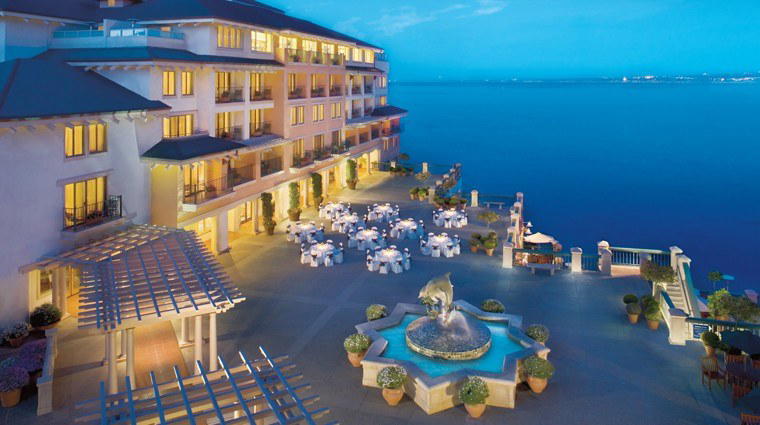
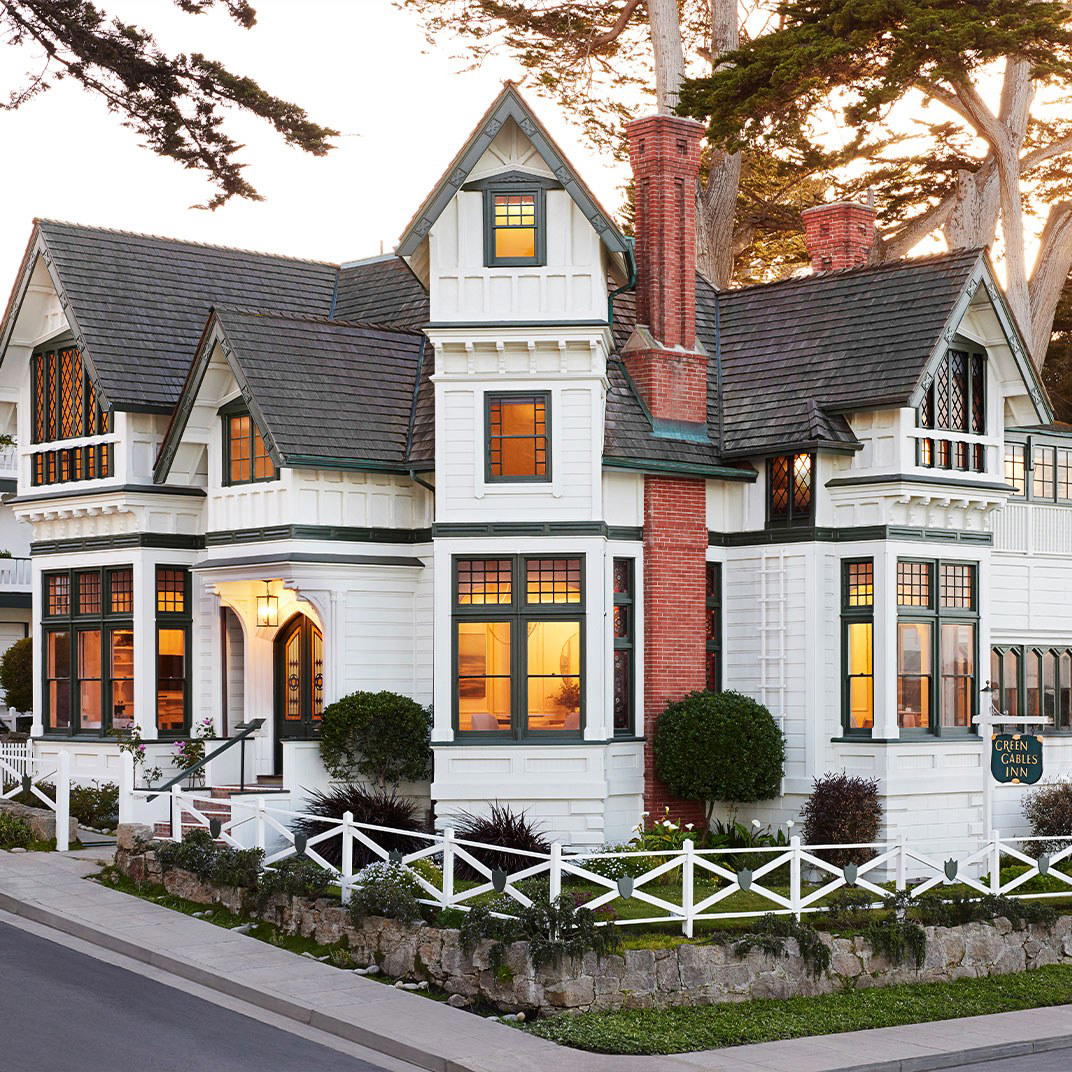
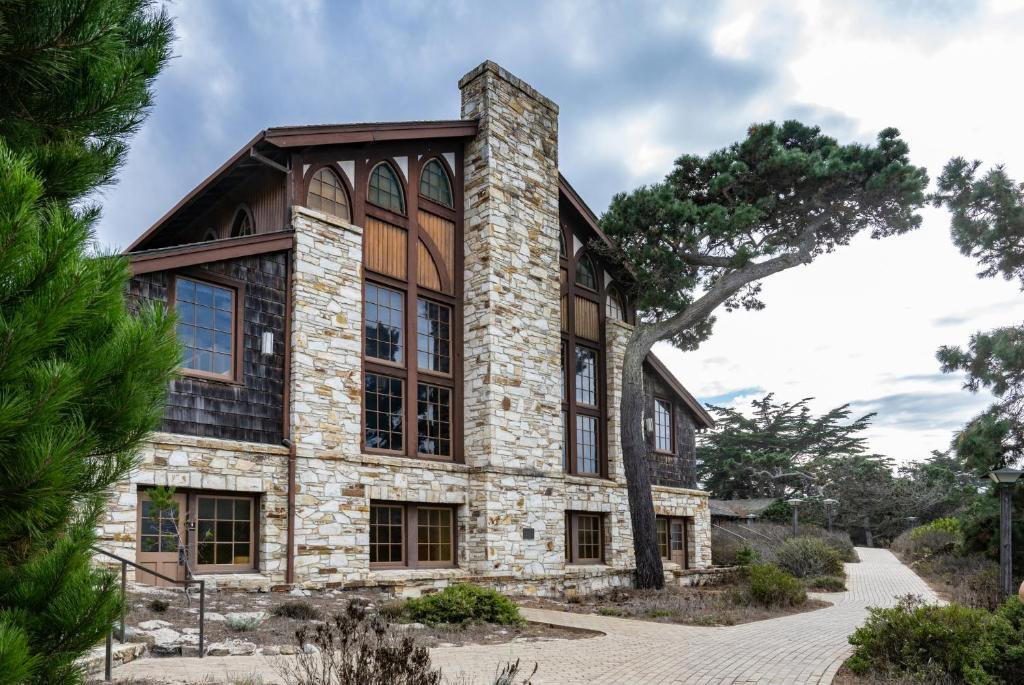
Bars in Marina
Browse all →
Restaurants in Marina
Browse all →
Wineries in Marina
Browse all →
Details
- Romantic
- Scenic
- Cozy
- Quiet
- Elegant
- Romantic Getaway
- Family Vacation
- Wellness Retreat
- Weekend Escape
- Beachfront
- Private Villa
- Panoramic View
- Destination Spa
- Terrace
- Pool
- Spa
- Fitness Center
- Beach Access
- Restaurant
- Waterfront
- Wheelchair Accessible
- Accessible Restroom
- Step Free Entrance
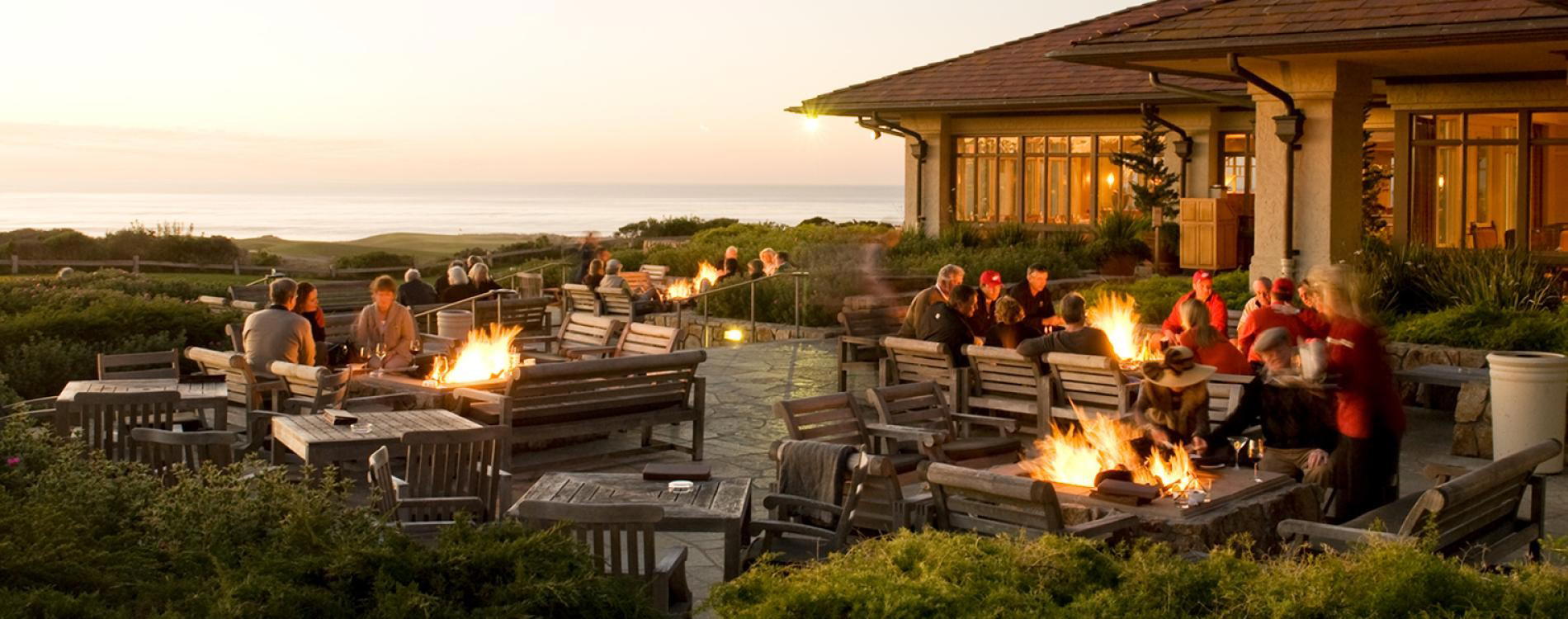
Serene and tranquil with warm firelight, ocean breezes, and the sound of breaking waves; misty coastal evenings enhanced by gas fireplaces and sunset views.