Rodavento Valle de Bravo


Michelin Selected · Mr & Mrs Smith Seal of Approval
Michelin Selected for 2025, Rodavento Valle de Bravo sits along the forested road toward Los Saucos, a few kilometres from the lakeside town that draws Mexico City weekenders and sailing enthusiasts year-round. The property belongs to a small cohort of highland retreats that trade beach-resort scale for elevation, pine canopy, and a dining programme calibrated to the surrounding landscape rather than imported luxury conventions.

Pearl is the En Primeur Club membership app — saves, bookings, and concierge access live there. Same editors, same standards.
- Address
- Carretera Valle de Bravo Los Saucos km3.5, Valle de Bravo, Mexico
- Phone
- +52 726 251 4182
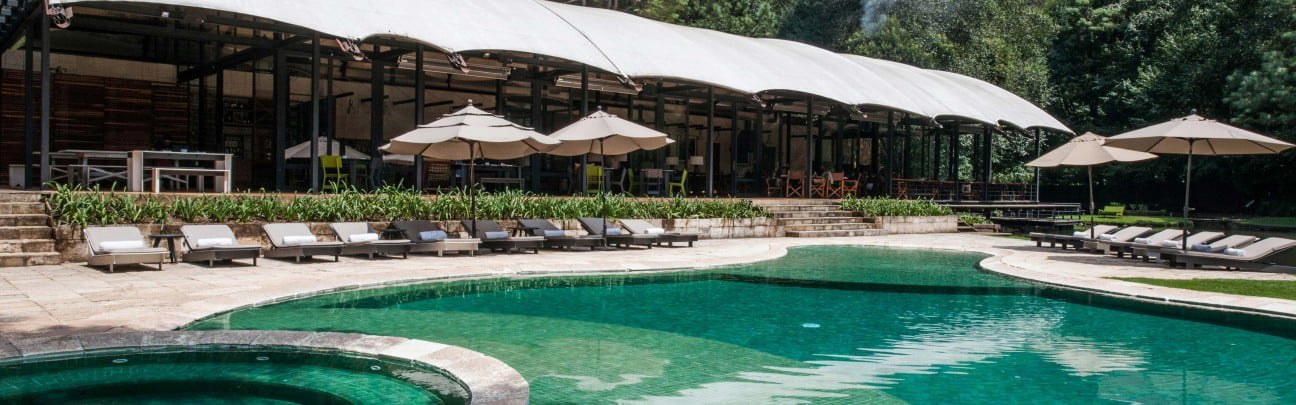
Where the Pine Forest Sets the Culinary Terms
The mountain-to-lake corridor around Valle de Bravo has quietly developed one of central Mexico's more interesting hospitality niches. While the Pacific coast captures the majority of premium resort investment, this Estado de México destination, roughly two and a half hours southwest of Mexico City by car, attracts a different traveller profile: one drawn to altitude rather than shoreline, to cooler temperatures and forested terrain rather than sun-bleached sand. Rodavento Valle de Bravo, positioned at kilometre 3.5 on the Carretera Valle de Bravo Los Saucos, occupies that niche with deliberate specificity.
Within the Valle de Bravo property's own extended family, Cinco Rodavento and La Casa Rodavento represent related expressions of the same philosophy applied to different scales and guest configurations.
The Dining Programme as a Sense of Place
In Mexican highland properties of this tier, the food and beverage programme tends to either mirror the capital's restaurant culture or engage with the immediate natural environment. Rodavento's setting, surrounded by pine and oak forest above a lake that functions as a hub for water sports and sailing regattas, positions the kitchen to do the latter. The altitude here sits above 1,800 metres, which affects ingredient sourcing, cooking technique, and the character of ingredients that arrive from the surrounding valleys and the nearby markets of the Toluca basin.
This kind of terrain-driven culinary positioning distinguishes mountain retreats from their coastal counterparts across Mexico's premium accommodation map. Compare the approach taken at a coastal property like Hotel Esencia in Tulum or One&Only; Mandarina in Riviera Nayarit, where the proximity to the Pacific shapes a menu logic built around seafood and tropical produce. At elevation, the culinary grammar shifts toward highland chiles, corn varieties adapted to cooler climates, mushrooms foraged from the surrounding forest floor, and proteins sourced from nearby ranches rather than coastal fisheries.
This shift in ingredient logic is not simply an aesthetic choice. Kitchens operating at altitude face practical constraints and opportunities that coastal properties do not: water boils at a lower temperature, fermentation timelines shift, and the dry-season growing calendar diverges substantially from what Mexico's tropical coasts produce. The most coherent highland dining programmes in Mexico treat these conditions as defining features rather than inconveniences to be worked around.
Valle de Bravo in the Context of Mexico's Design-Led Escapes
Mexico's premium independent lodging sector has split along a clear axis over the past decade. On one side sit the large-footprint international brands along the Riviera Maya and Los Cabos corridors: properties like Montage Los Cabos, Zadun, A Ritz-Carlton Reserve in Los Cabos, and Las Ventanas al Paraíso, A Rosewood Resort in San José del Cabo. On the other sit smaller, terrain-specific properties that derive their identity from their natural context and from the cultural specificity of their region. Rodavento belongs clearly to the second group.
The same pattern appears at properties like Chablé Yucatán near Mérida, Xinalani in Quimixto, and Casa Silencio in San Pablo Villa de Mitla, each of which situates its hospitality offer within a specific ecological or cultural context rather than replicating a standardised luxury formula. The Michelin Selected designation, which Rodavento shares with a curated shortlist of properties across Mexico, signals alignment with this more contextually grounded approach.
For travellers comparing Mexico's highland and interior options, Casa de Sierra Nevada, A Belmond Hotel in San Miguel de Allende and Hotel Casa Santo Origen in Oaxaca represent the colonial-city variant of the same non-coastal premium tier. Valle de Bravo offers a different version: less architecturally historic, more physically active, defined by water and forest rather than baroque stonework and mezcal culture.
The Valle de Bravo Weekend Circuit
Valle de Bravo functions primarily as a weekend destination for Mexico City's upper tier, with peak demand during sailing regattas, long Mexican holiday weekends, and the dry season that runs roughly from November through April. Paragliding launches from the ridgeline above town, mountain biking trails through the surrounding forest, and sailing on Lake Avándaro draw visitors with an appetite for activity alongside comfort. Properties in this market, including Rodavento, have built their offer around this rhythm: guests arrive Friday afternoon and depart Sunday evening, which shapes service pacing, food and beverage programming, and the overall tempo of the experience.
This weekend-circuit logic distinguishes Valle de Bravo from the extended-stay beach resort model. The dining programme at properties operating on this frequency tends toward fewer, better-curated meals rather than extensive all-day buffet formats. Breakfast before an early paraglide departure and a dinner that holds guests at the table for two hours matter more than midday poolside snacking does in Cabo or Tulum.
Guests driving from Mexico City should account for traffic on the Toluca highway, which can extend the journey considerably on Friday afternoons during peak periods. Fly-in options via small aircraft to the Valle de Bravo airstrip exist for those with access to private aviation, reducing transfer time substantially. For logistics and context on the broader destination, our full Valle de Bravo restaurants and travel guide covers the town's dining scene, market culture, and activity calendar in detail.
Where Rodavento Sits in the Wider Mexico Premium Map
Placing Rodavento within Mexico's broader premium lodging picture helps clarify what kind of stay it offers. It is not the right choice for travellers whose priority is beach access, international-brand service infrastructure, or the concentrated culinary scenes of Mexico City neighbourhoods like Polanco. It is better suited to those for whom proximity to nature, cooler highland temperatures, and a smaller-scale property with Michelin-level curation represent the primary criteria.
Within that frame, its competition in the Mexican market includes properties like Playa Viva in Juluchuca and Las Alamandas on the Costalegre, both of which share the small-footprint, nature-embedded positioning, albeit in coastal rather than highland settings. The international comparison set for this type of property, the design-led, terrain-specific retreat with serious culinary ambition, includes addresses like Badrutt's Palace Hotel in St. Moritz in terms of the mountain-escape model, though the scale and price registers differ considerably.
What the Michelin Selected status confirms is that Rodavento meets a baseline of consistency and character that the guide's hotel team considers worth noting. In a destination as underserved by critical attention as Valle de Bravo, that signal matters more than it might in a city with dozens of Michelin-flagged addresses. It tells the reader that the standard here has been independently assessed, not merely marketed.
Planning Your Stay
Rodavento Valle de Bravo sits at kilometre 3.5 on the road toward Los Saucos, outside the town centre proper. Guests arriving by car from Mexico City should plan for a drive of approximately two to three hours depending on traffic and departure time. The property's address places it within the pine-forested upper reaches of the valley rather than at the lakeside, which affects the character of the immediate surroundings: quieter, more forested, and oriented toward the hillside rather than the water. Booking should be secured well in advance for peak weekend periods, particularly during sailing season and Mexican public holidays, when demand from the capital compresses availability across the valley's limited premium accommodation stock.
A Pricing-First Comparison
Comparable venues nearby, for context on price, style, and recognition.
| Venue | Price | Awards | Notes |
|---|---|---|---|
| Rodavento Valle de BravoThis venue — the venue you are viewing | $100–200 | Michelin Selected · Mr & Mrs Smith Seal of Approval | Not listed |
| La Casa Rodavento | $200–300 | Michelin Selected · Mr & Mrs Smith Seal of Approval | Centro, historic colonial house reimagined as modern boutique |
| Cinco Rodavento | $100–200 | Michelin Selected · Mr & Mrs Smith Seal of Approval | Santa María Ahuacatlán, Contemporary lifestyle boutique in downtown setting |
| Park Hyatt Cabo Del Sol | Not listed | Star Wine List · Virtuoso Luxury Hotel Partner | Cabo San Lucas, Contemporary Mexican architecture aligned with the shoreline for uninterrupted ocean views. |
| Una Vida Tulum | $100–200 | Michelin Selected | Tulum City Center, Tropical jungle oasis with indoor-outdoor living. |
| Orchid House Tulum | Not listed | Not listed | Tulum, Boutique jungle or beach retreat with modern luxury villas |
Recognition history
Dated appearances from independent guides and award organizations, with the underlying list record or original source where available.
Michelin Selected
Michelin
Mr & Mrs Smith Seal of Approval
Mr & Mrs Smith
Continue exploring
More in Valle De Bravo
Hotels in Valle De Bravo
Browse all →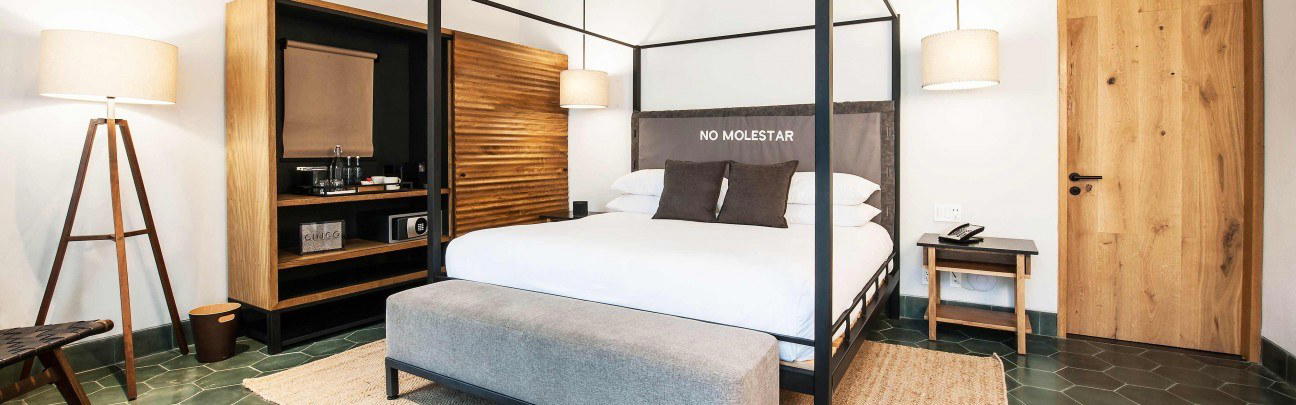
Details
- Scenic
- Modern
- Rustic
- Elegant
- Romantic
- Romantic Getaway
- Family Vacation
- Wellness Retreat
- Weekend Escape
- Panoramic View
- Terrace
- Pool
- Spa
- Kids Club
- Wi Fi
- Room Service
- Concierge
- Mountain
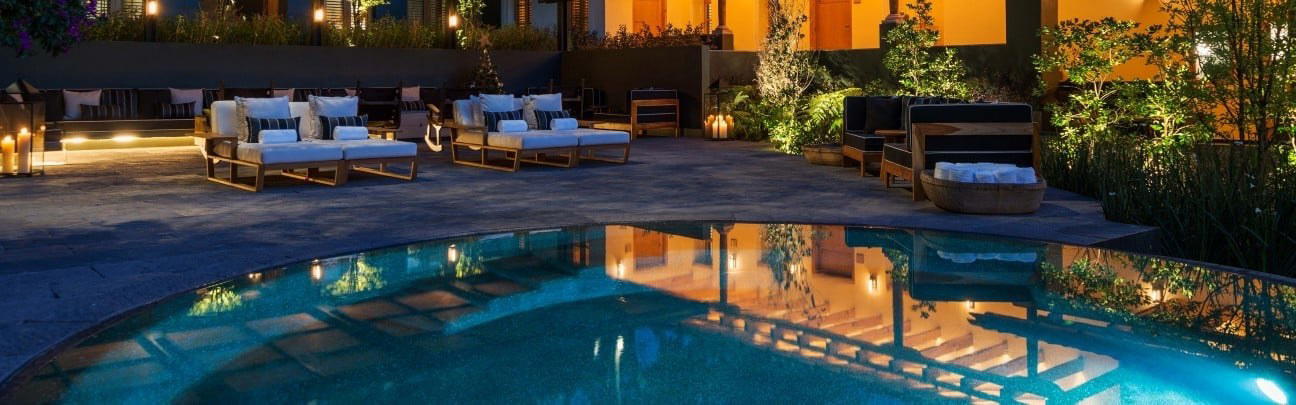
Fresh and modern style with clean lines and organic textures, offering rustic-urban harmony, serene spa, and poolside relaxation amid natural surroundings.