Rio Celeste Hideaway Hotel

Set on the edge of Tenorio Volcano National Park in Costa Rica's northern interior, Rio Celeste Hideaway Hotel operates 26 casitas across a private nature reserve at around $397 per night. The property sits considerably further from the coasts than most comparable lodges, positioning itself at the intersection of ecological commitment and interior-design comfort, with an open-air restaurant, two bars, a spa, and direct access to the Rio Celeste trail system.
Pearl is the En Primeur Club membership app — saves, bookings, and concierge access live there. Same editors, same standards.
- Address
- 700 meter west of national park Tenorio Alajuela Rio Celeste, Alajuela Province, Guatuso, 21502
- Phone
- +506 2206 4000
- Website
- riocelestehideaway.com
- Directions
- Get directions
 Saves & bookings on Pearl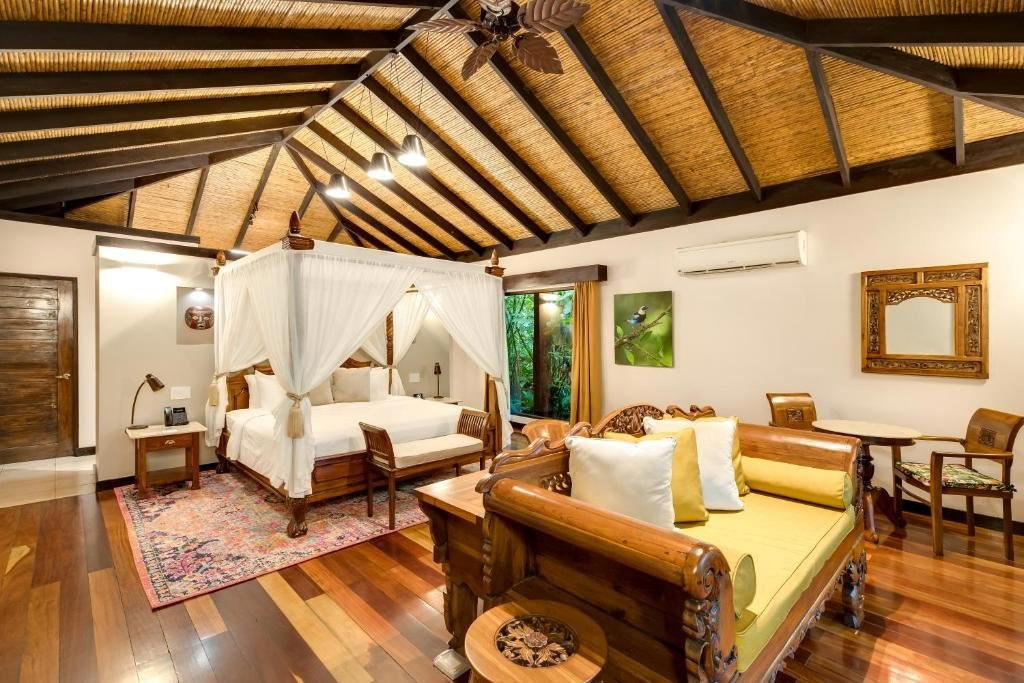
Where the Interior Holds Its Own
Costa Rica's premium lodge market has long been dominated by coastal addresses: the peninsula resorts of Papagayo, the Osa rainforest facing the Pacific, the Caribbean fringe around Puerto Viejo. Properties like Andaz Costa Rica Resort at Peninsula Papagayo and Hacienda AltaGracia, Auberge Resorts Collection represent that coastal-and-highland pull. The northern interior, by contrast, gets significantly less attention from international visitors, which means that when a property does establish itself there at a credible price point, it operates with a different competitive logic. Rio Celeste Hideaway Hotel sits 700 metres west of the Tenorio Volcano National Park entrance in Bijagua, at roughly $397 per night for 26 casitas distributed across a private nature reserve. That positioning, far from the busy Guanacaste coast and the Monteverde cloud forest circuit, is both the property's premise and its primary argument.
The On-Site Dining Programme
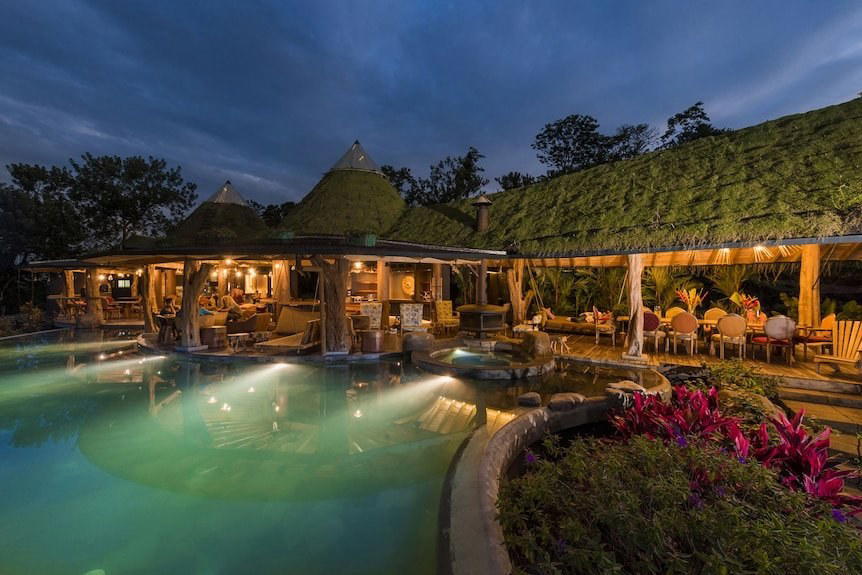
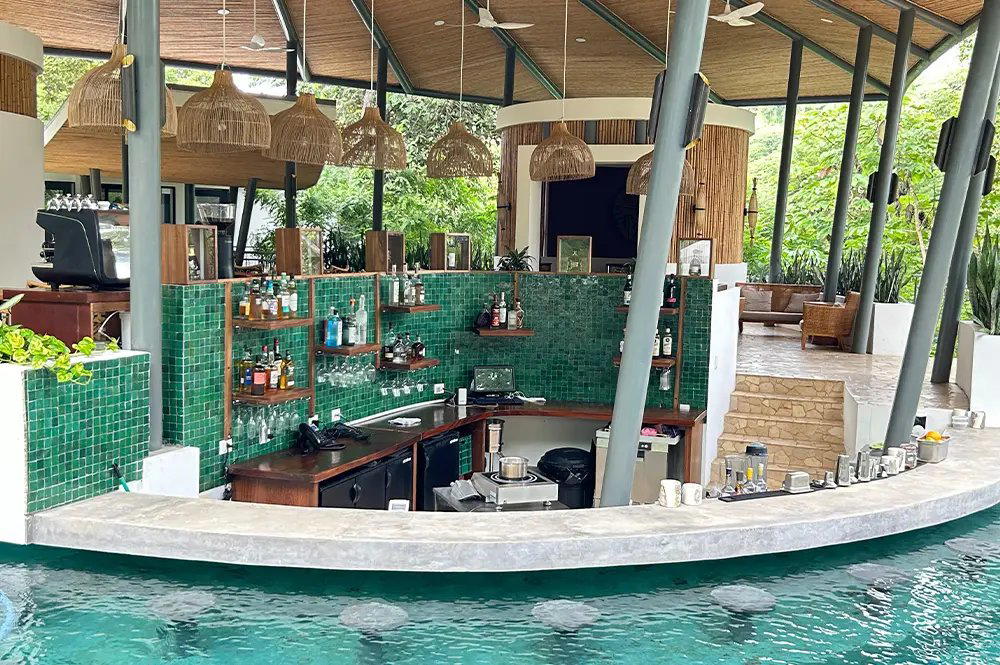
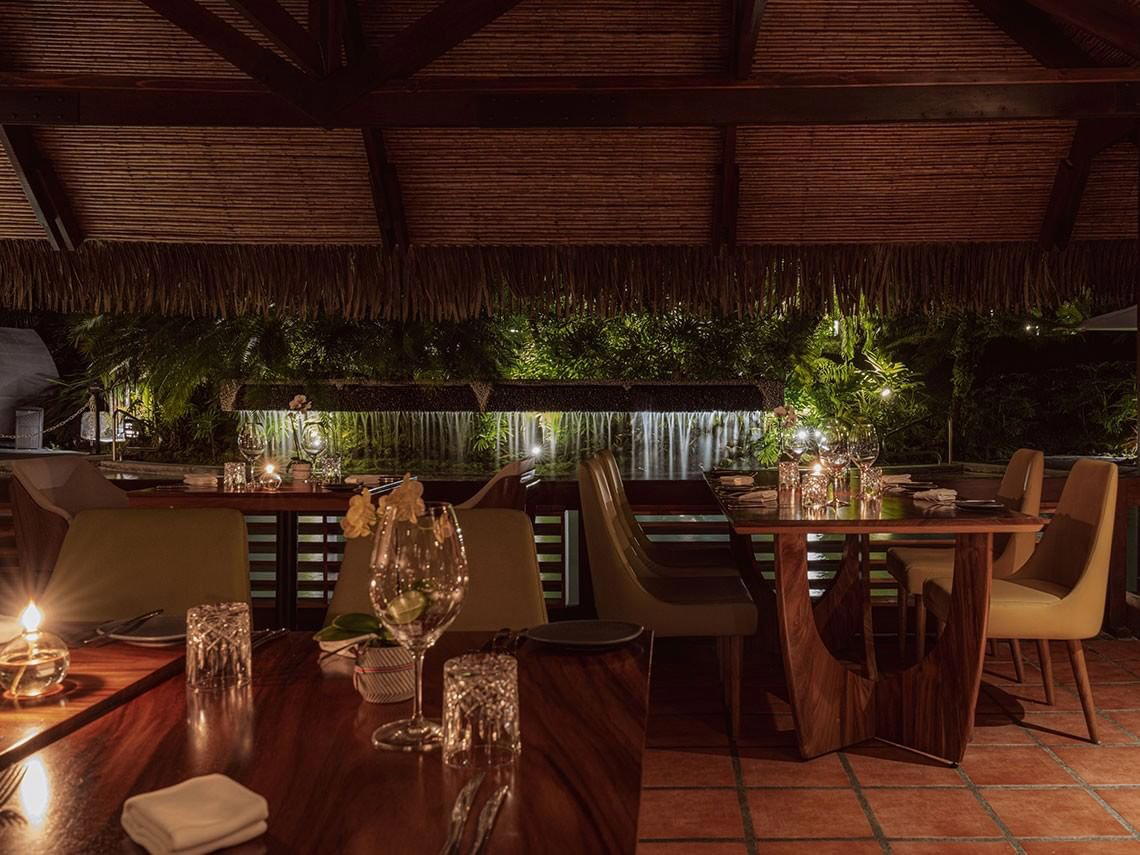
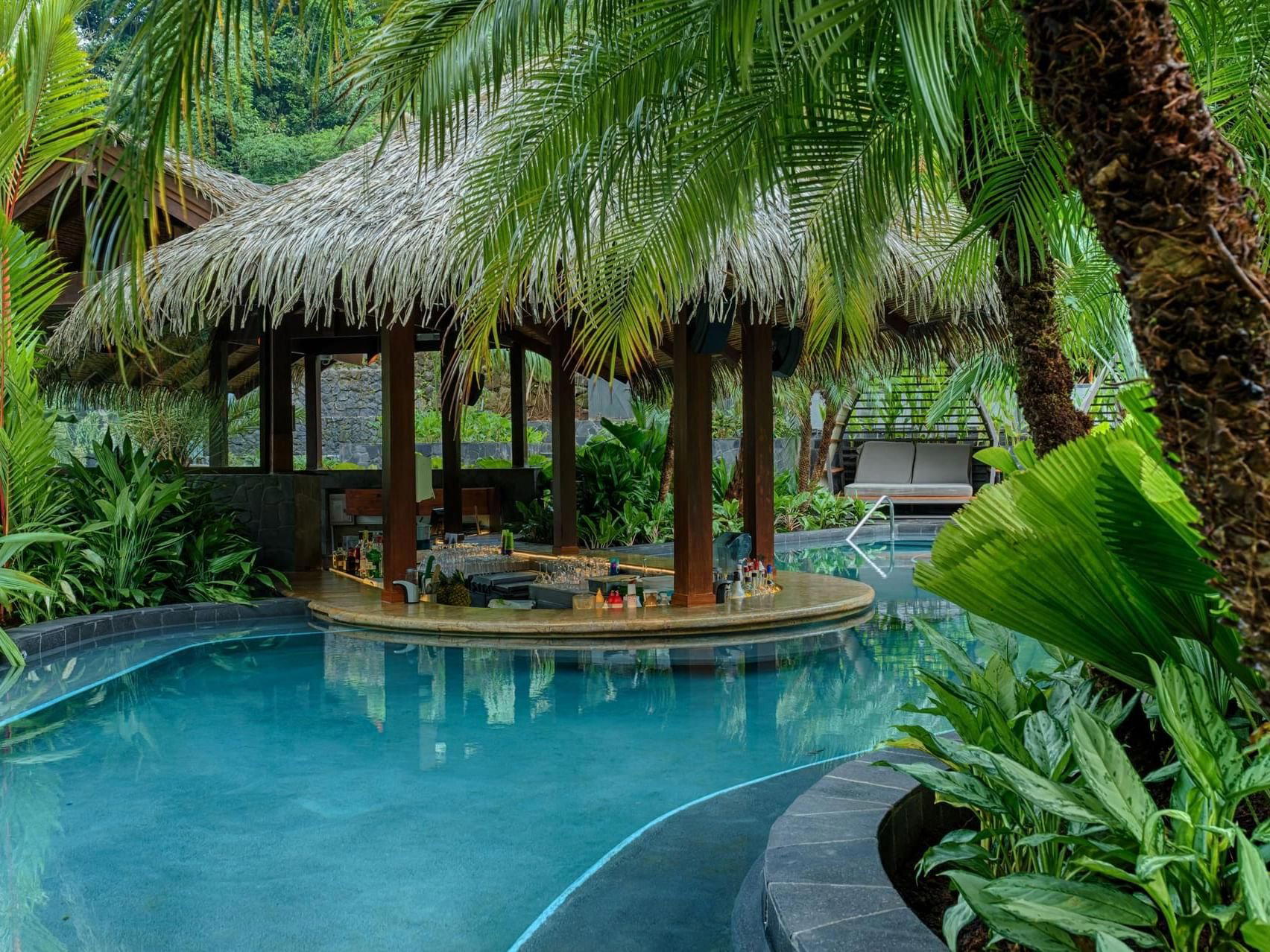
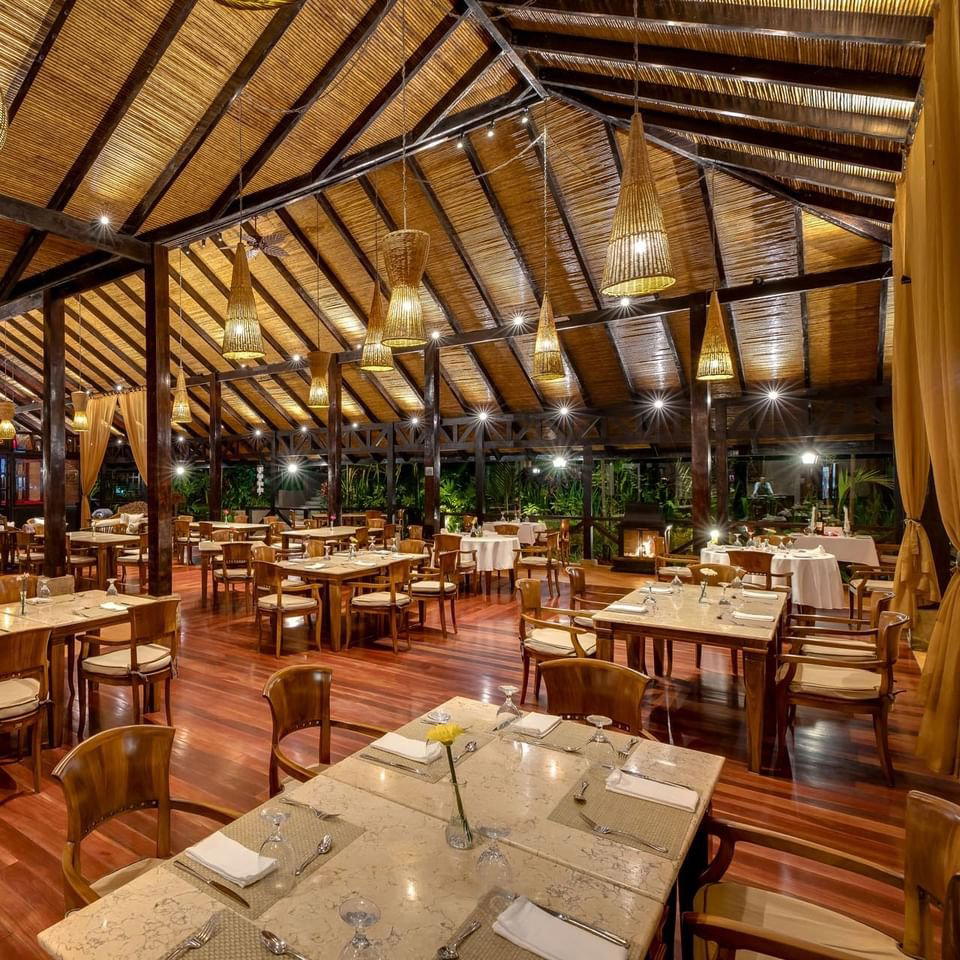
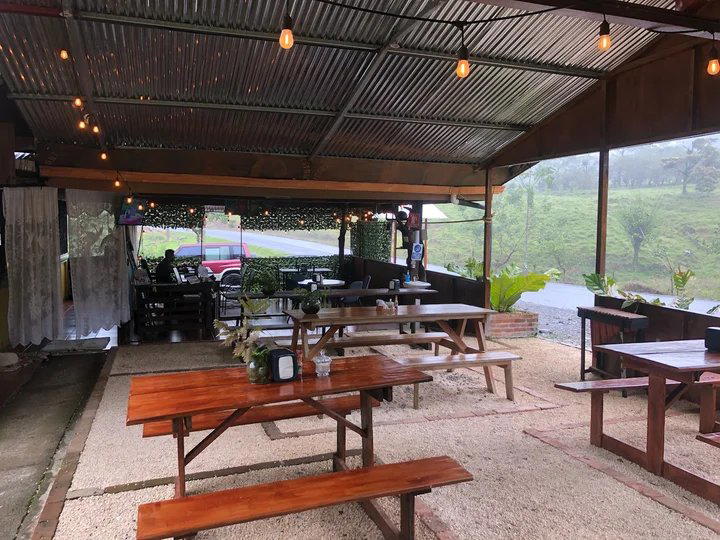
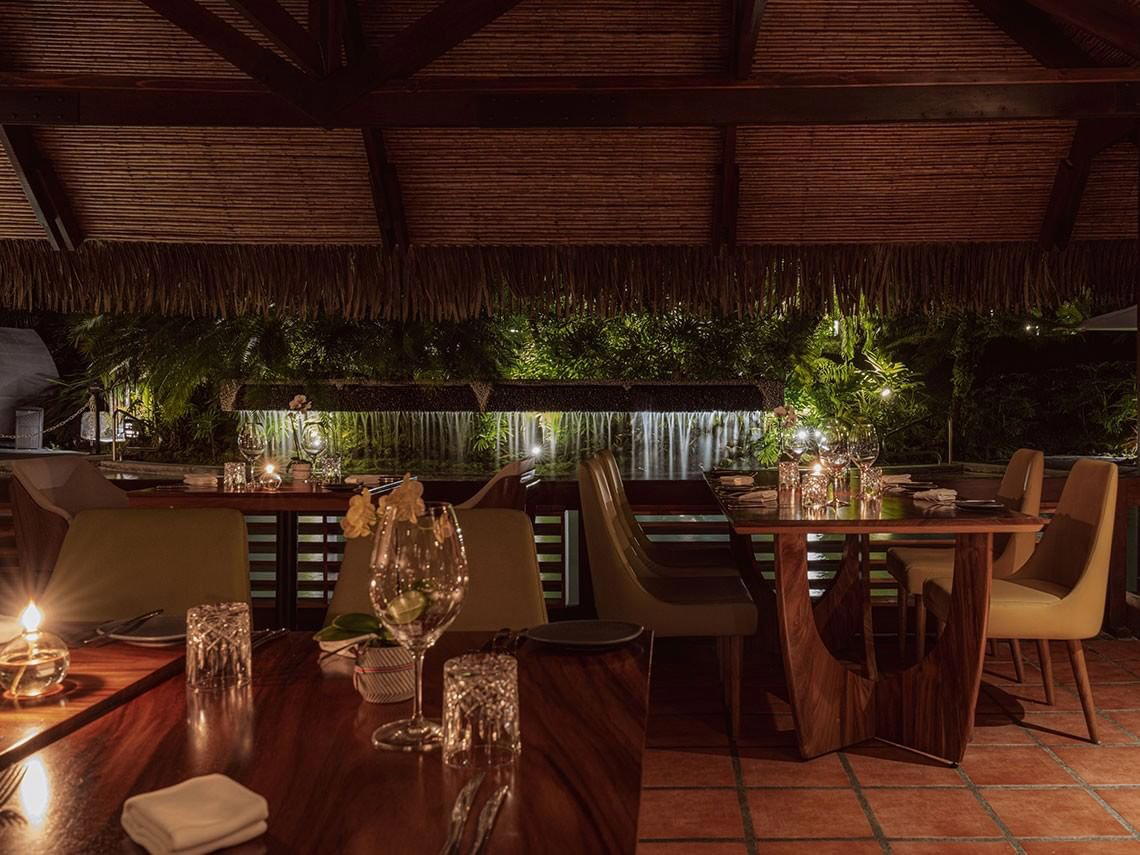
The food and drink infrastructure at this type of lodge tells you a great deal about how seriously the property takes the full-stay experience. Many nature-focused properties in Costa Rica treat the restaurant as an afterthought, a buffet hall that processes guests between excursions. Rio Celeste Hideaway takes a different structural approach: the dining programme includes an open-air restaurant and two bars, one of which is a swim-up bar attached to the outdoor pool complex. The open-air format is consistent with the property's ecological setting, keeping the surrounding rainforest present rather than blocked out by glass and air conditioning.
A swim-up bar at this category of property signals an intention to hold guests on-site beyond mealtimes, building leisure time into the daily rhythm rather than treating the hotel as a base camp only. That said, the property is explicit that guests are expected to leave the grounds regularly. The surrounding terrain, including the Rio Celeste river trail and the Arenal volcano hot springs, represents the core draw that makes a property in this specific location viable. The on-site food and drink programme functions as the recovery layer: where you eat and drink after a morning on the river or an afternoon in the park.
Comparable properties in Costa Rica's interior lodge category, such as El Silencio Lodge & Spa in Bajos del Toro and Hotel Belmar in Monteverde, have both built reputations partly on how well their restaurants integrate locally sourced produce with the surrounding agricultural context. The open-air restaurant at Rio Celeste Hideaway occupies that same tradition, though the specifics of the menu programme are not disclosed in publicly available property data. For a lodge at this price point, the dining expectation is that it performs above the standard Costa Rican eco-lodge model without aspiring to destination-restaurant status.
Casita Design and the Comfort Threshold
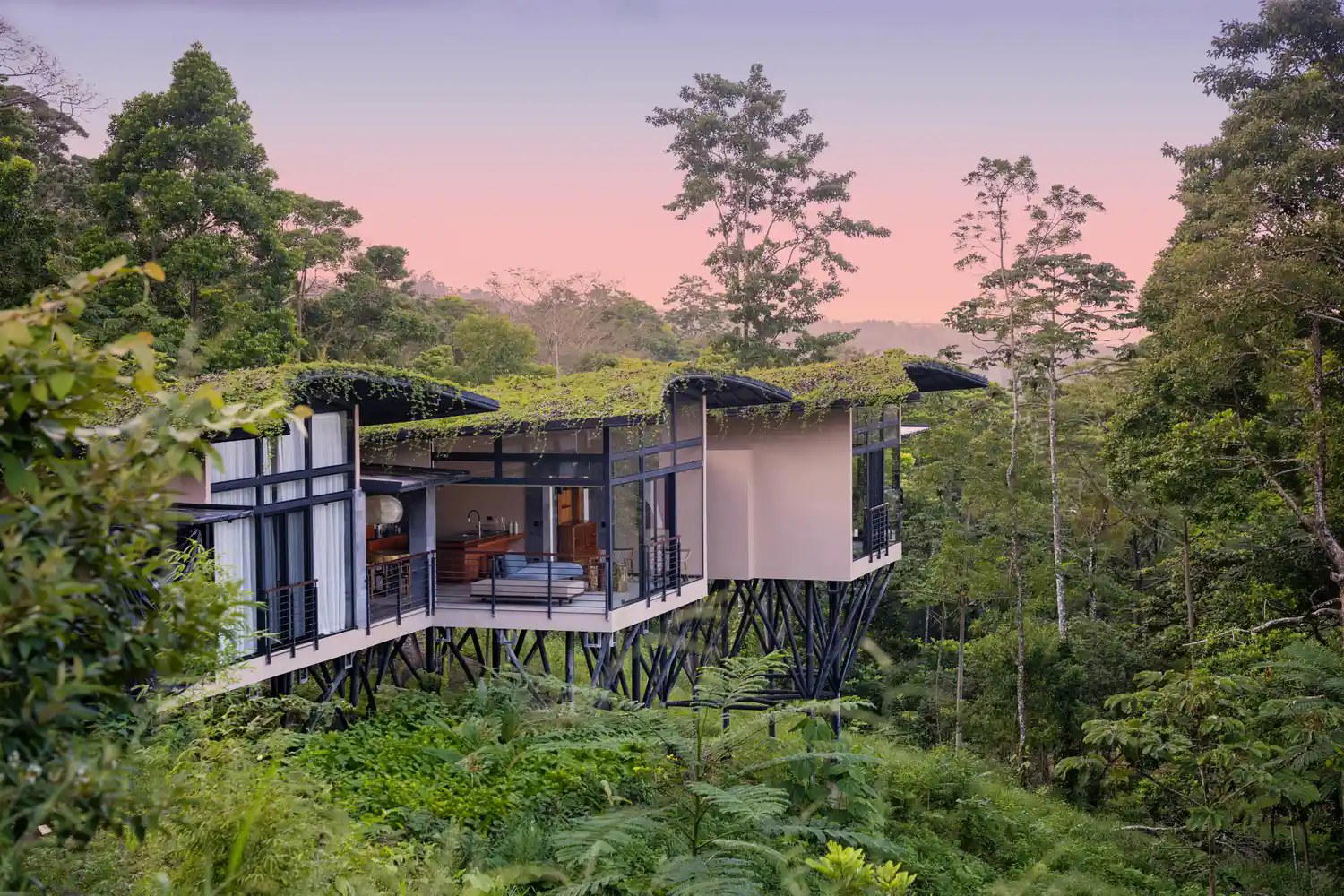
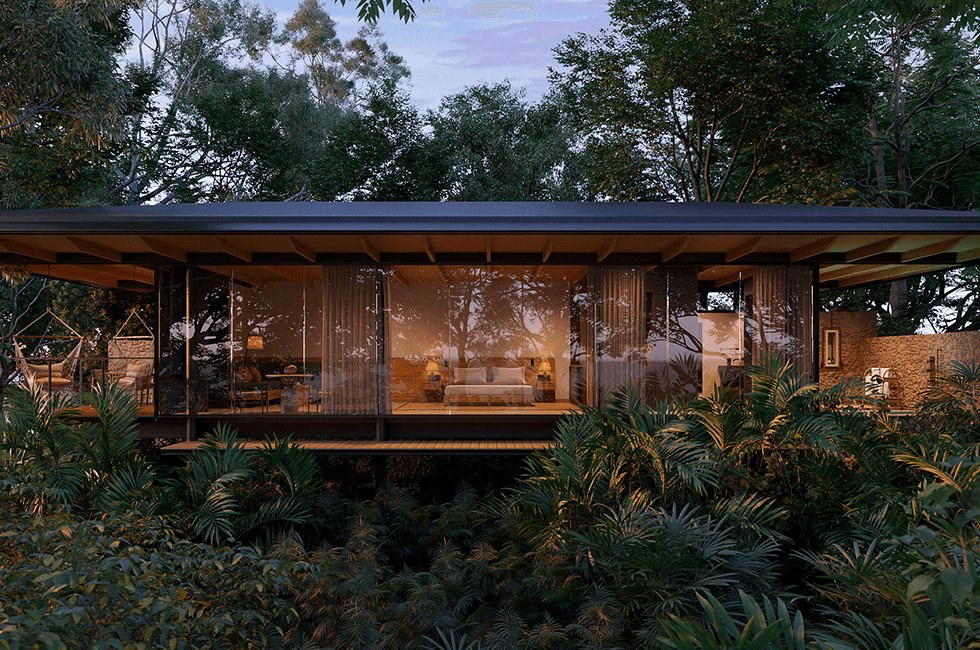
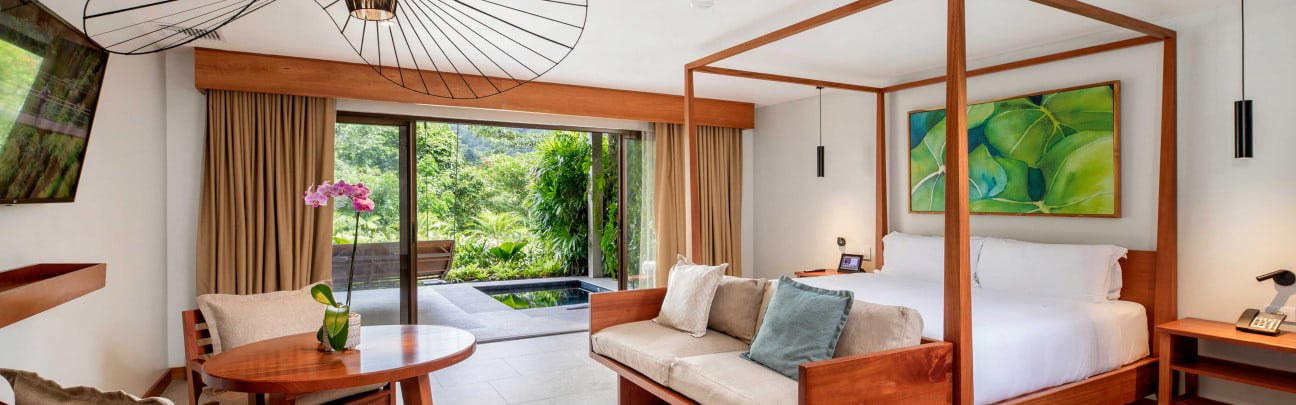
Interior Costa Rica's eco-lodge tradition has historically accepted a certain roughness as part of the proposition: thatched roofs, open-sided dining, wildlife noise at 4am, and bathrooms that suggest camping rather than accommodation. Rio Celeste Hideaway pushes measurably past that threshold. The casitas run larger than the category norm, with wraparound private decks on rainforest-facing units and garden-terrace configurations on others. All include outdoor showers alongside full indoor bathrooms, a design decision that works with the tropical climate rather than against it.
The outdoor shower is worth noting as an editorial detail because it appears across a specific tier of tropical lodge design, from properties like Kura Boutique Hotel in Uvita to Casa Chameleon at Las Catalinas. It signals an acknowledgement that the outdoor environment is part of the room, not something to be sealed out. At Rio Celeste Hideaway, casitas that face the rainforest canopy from refined decks make that relationship explicit.
The property's additional amenities, including outdoor swimming pools with jacuzzis, a spa, and a riverside yoga platform, represent a comfort stack that the conventional eco-lodge in this price band typically doesn't carry. The broader Bijagua hotel scene remains one of the quieter options in Costa Rica's lodging market, which works in favour of properties that prioritise ecological access over resort infrastructure.
The Nature Reserve and Park Access
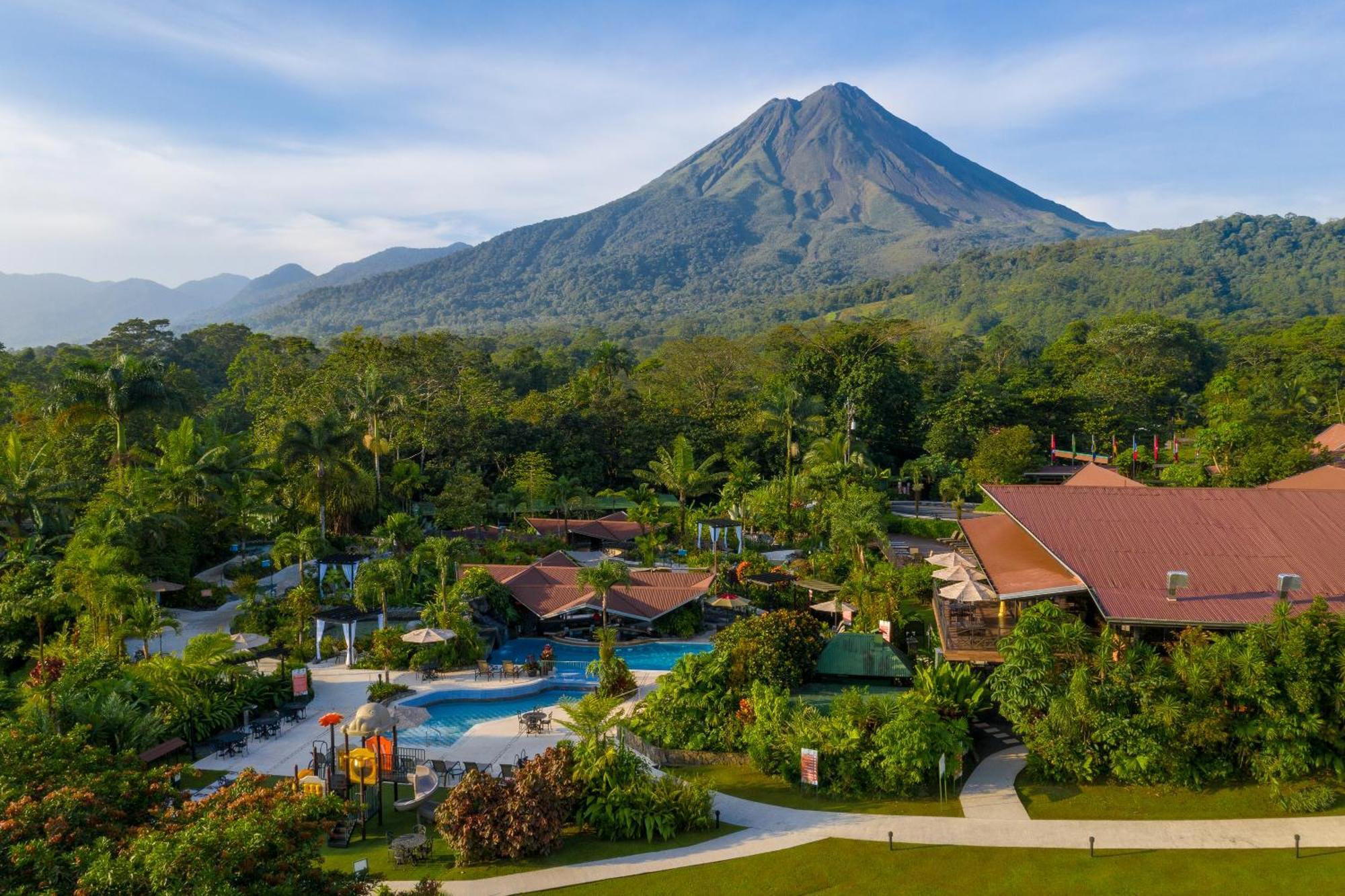
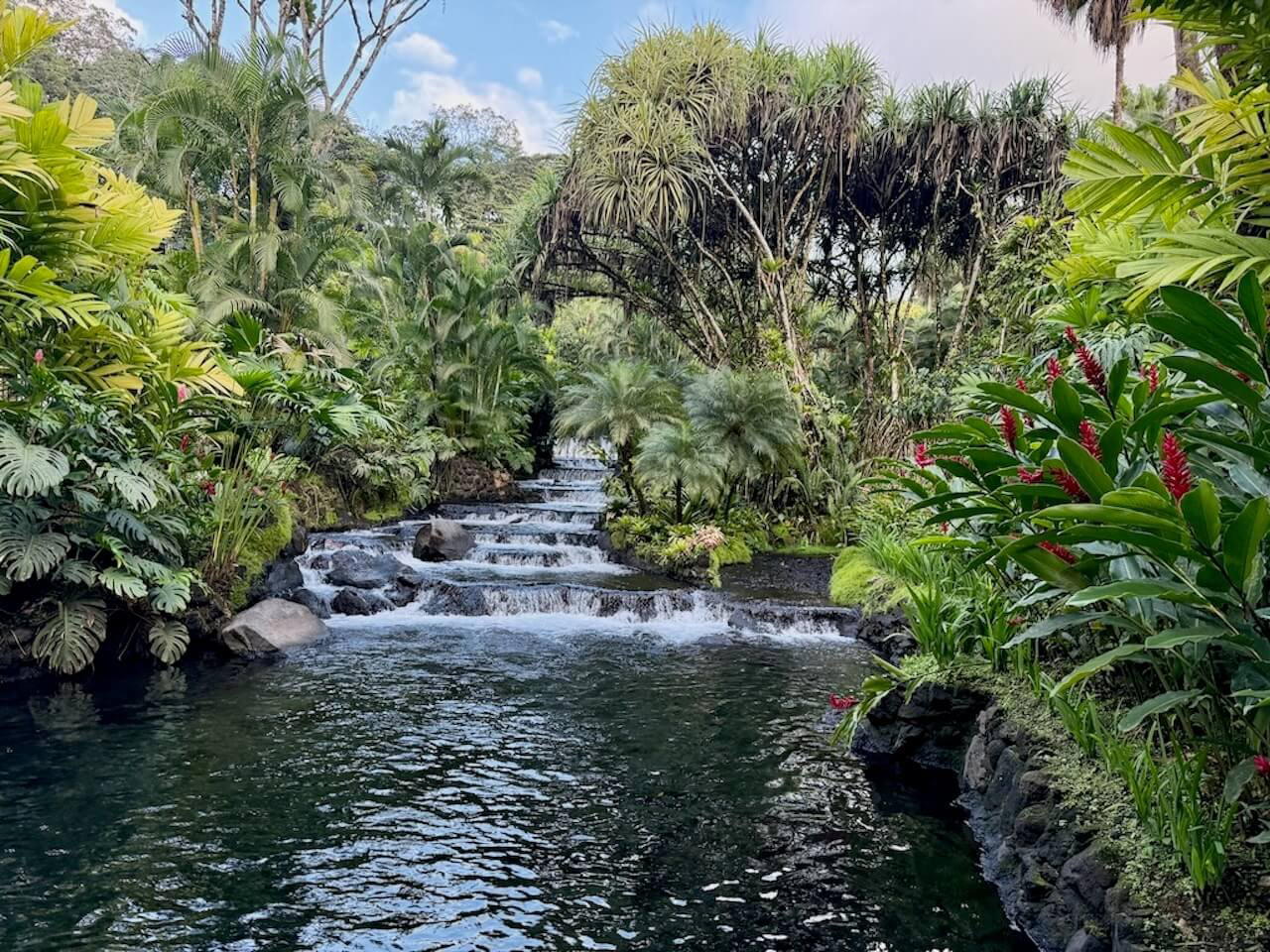
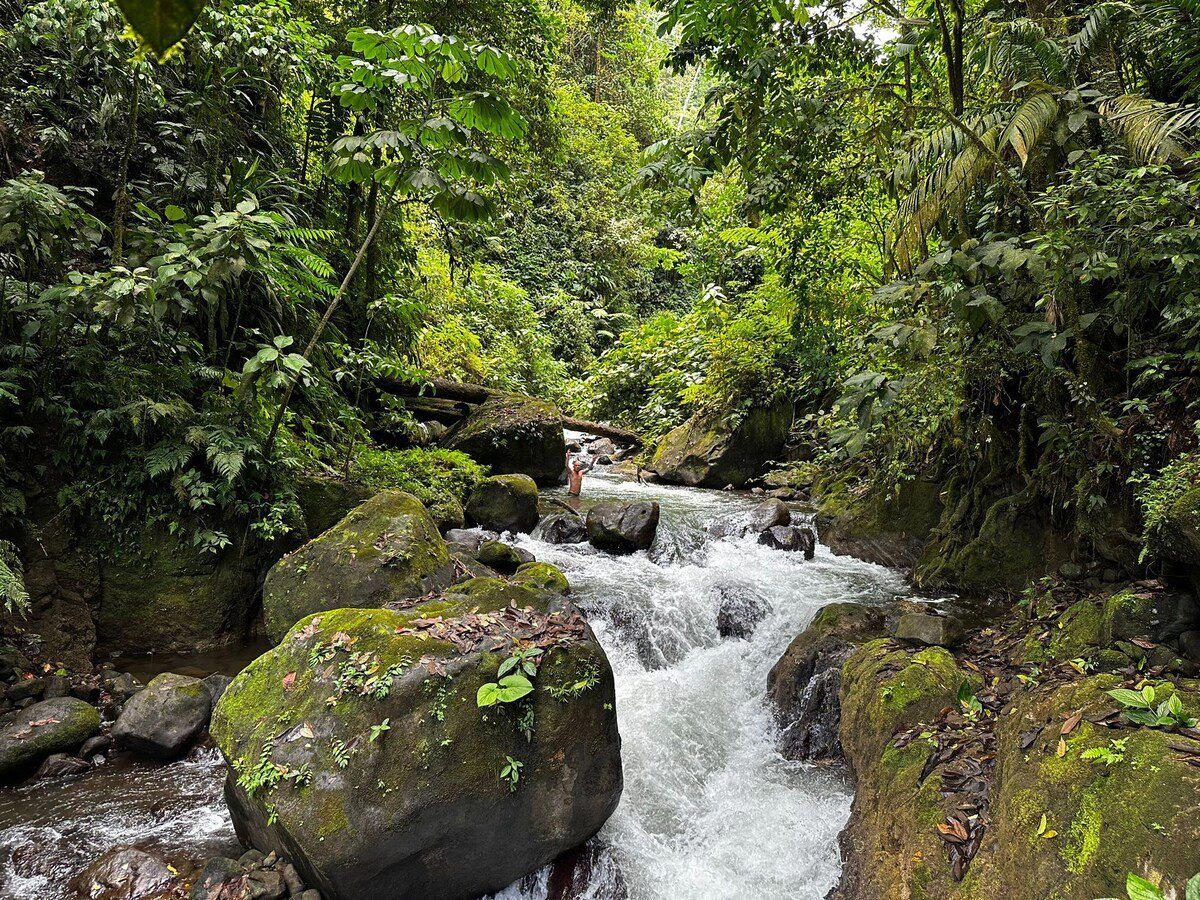
Property operates on land designated as a tapir nature reserve, which adds an ecological layer beyond the standard marketing claim of proximity to a national park. Tapirs, large herbivores that serve as significant seed dispersers in Central American forests, require substantial habitat with limited human disturbance. A lodge operating on designated tapir reserve land is making a land-use commitment that not every eco-lodge in Costa Rica actually makes, and it shapes what the surrounding experience looks and sounds like. The Tenorio Volcano National Park, which includes the Rio Celeste river with its famously blue-tinted waters caused by a volcanic mineral reaction, sits 700 metres from the property entrance. That proximity makes the park trail system genuinely walkable rather than requiring a shuttle or organised transfer.
Beyond the park, the property promotes access to rafting, horseback riding, and Lake Arenal, which sits in the next valley to the east. The Arenal volcano's hot springs are a separate excursion, drawing from geothermal activity that has made the broader Arenal region one of the most visited natural areas in Central America. Guests based at Rio Celeste Hideaway are well-placed for day trips in that direction while avoiding the main Arenal tourist corridor's accommodation density. For additional options across the country's north and west, JW Marriott Guanacaste Resort & Spa in Santa Cruz and Hotel Roca Negra in San Carlos anchor different ends of the regional accommodation spectrum.
Planning Your Stay
Rio Celeste Hideaway Hotel sits at Alajuela Province, Guatuso, 21502, 700 metres west of the Tenorio Volcano National Park entrance. At 26 rooms and $397 per night, the property has a limited inventory that makes advance booking advisable, particularly during Costa Rica's dry-season peak from December through April when national park visitor numbers rise sharply. The surrounding region is accessible via private transfer from San José, with journey times in the three-to-four-hour range depending on route. For wider regional context, the Finca Rosa Blanca Coffee Farm and Inn in Jesús de Santa Bárbara and Residence Inn by Marriott San Jose Alajuela El Coyol offer pre- or post-trip staging points closer to the international airport. Guests planning multi-leg Costa Rica itineraries that include coastal stops might consider the Arenas Del Mar Beachfront & Rainforest Resort in Aguirre or Azura Resort in Sámara as contrast properties after a northern interior stay.
How Rio Celeste Hideaway Hotel compares with similar nearby venues.
| Venue | Awards |
|---|---|
| Rio Celeste Hideaway Hotel | Michelin 1 Key |
Recognition history
Dated appearances from independent guides and award organizations, with the underlying list record or original source where available.
Michelin 1 Key
Michelin
At a Glance
- Romantic
- Scenic
- Quiet
- Elegant
- Honeymoon
- Romantic Getaway
- Family Vacation
- Wellness Retreat
- Anniversary
- Waterfront
- Garden
- Terrace
- Destination Spa
- Panoramic View
- Private Dining
- Wi Fi
- Pool
- Spa
- Fitness Center
- Room Service
- Concierge
- Restaurant
- Bar
- Garden
- Waterfront
- Mountain
- Wi Fi
- Pool
- Spa
- Fitness Center
- Room Service
- Concierge
- Restaurant
- Bar
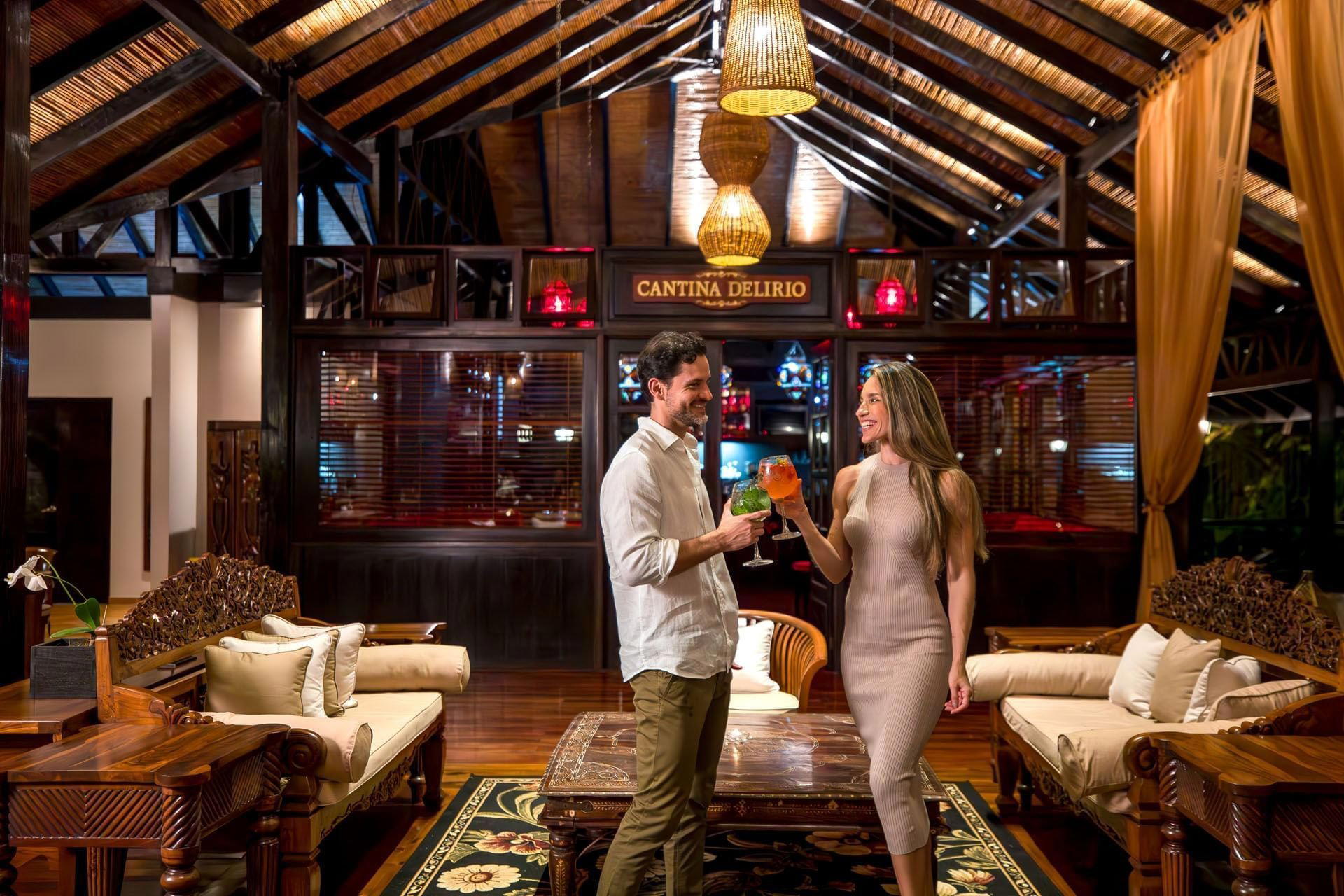
Serene and tranquil with soft tropical lighting, open-air dining surrounded by lush gardens and rainforest sounds, elegant yet relaxed atmosphere blending luxury with natural beauty.