Regent Santa Monica Beach
Regent Santa Monica Beach belongs to the new coastal-luxury conversation in Los Angeles County: less about resort spectacle, more about how architecture, light, and public space frame the Pacific. With no published database details on room count, price, awards, or booking channels, the useful lens is contextual: Santa Monica’s beachfront hotel tier, its design expectations, and how it compares with nearby coastal stays.

Pearl is the En Primeur Club membership app — saves, bookings, and concierge access live there. Same editors, same standards.
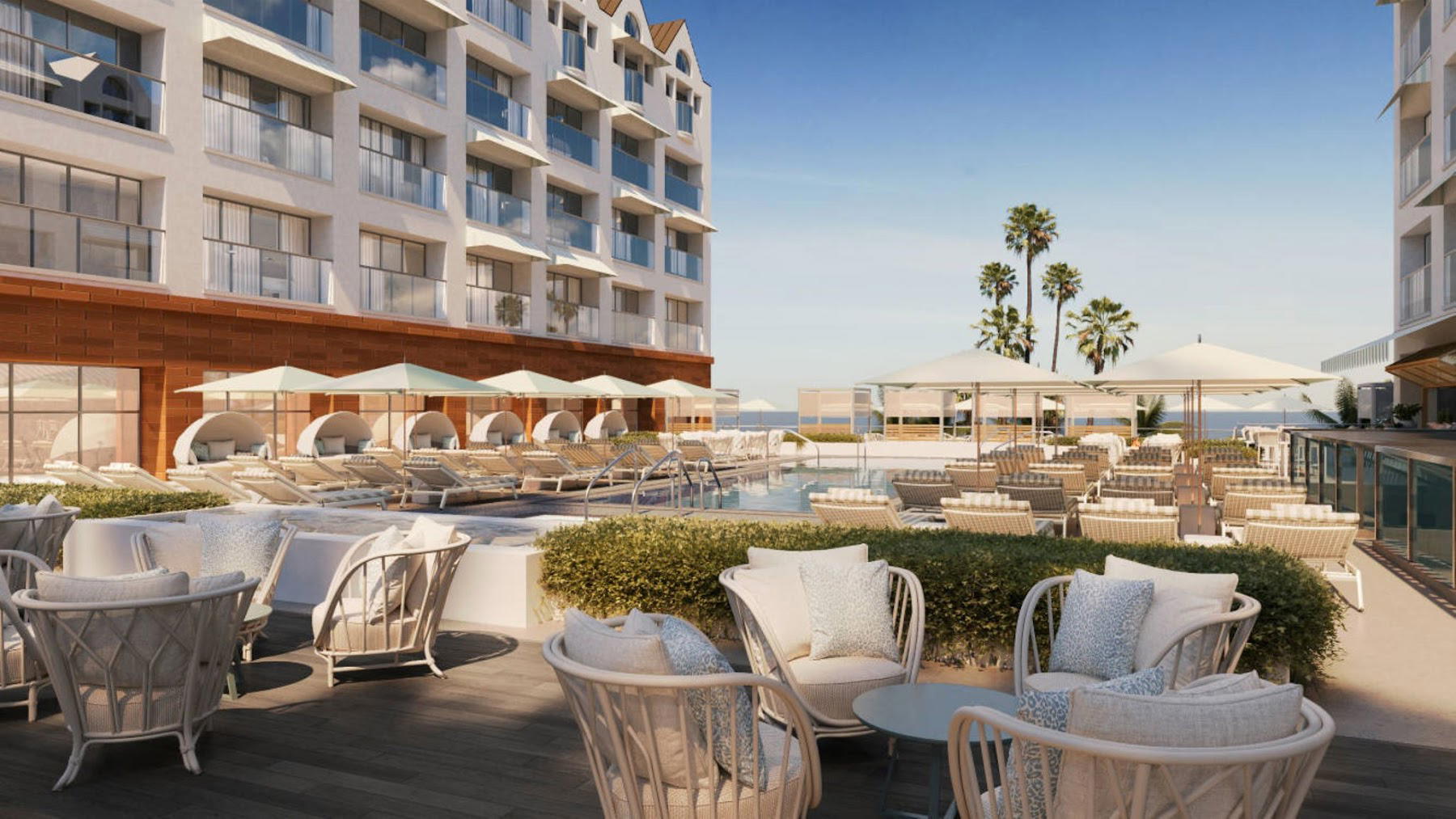
First impression: beachfront luxury has become an architectural argument
Approaching a Santa Monica beach hotel is not the same as arriving at an inland Los Angeles address. The Pacific sets the rhythm before the lobby does: wide sky, ocean air, cyclists on the path, families drifting between the sand and the pier, and traffic easing toward the coast after crossing the city’s grid. In this setting, luxury is judged less by ornament than by how well a property handles light, openness, privacy, and the constant pull of the shoreline. Regent Santa Monica Beach enters that conversation in a city where the hotel experience is inseparable from the physical edge of Los Angeles.
The design question on this stretch of coast is direct: how does a hotel create a sense of retreat without pretending the city has disappeared? Santa Monica is not a remote resort enclave. It is a working beach city with restaurants, retail corridors, apartment blocks, wellness studios, and visitors moving between the pier, Ocean Avenue, Main Street, and the sand. A successful beachfront hotel here needs a controlled interior world, but not a sealed one. The stronger properties use architecture as a filter, allowing ocean atmosphere in while keeping the public energy at a civil distance.
That is the useful way to read Regent Santa Monica Beach. The record confirms a 5-star hotel with 167 rooms and an approximate nightly rate of $900, while leaving awards, restaurant format, and named designer unlisted. What can be said with confidence is that the address belongs to a rare category in Santa Monica: the hotel whose identity is shaped by proximity to the beach rather than by a purely urban hospitality model. In Los Angeles terms, that matters. Beachfront luxury competes on a different axis than Beverly Hills formality, Malibu privacy, or West Hollywood nightlife.
Santa Monica's hotel tier is defined by space, restraint, and the ocean line
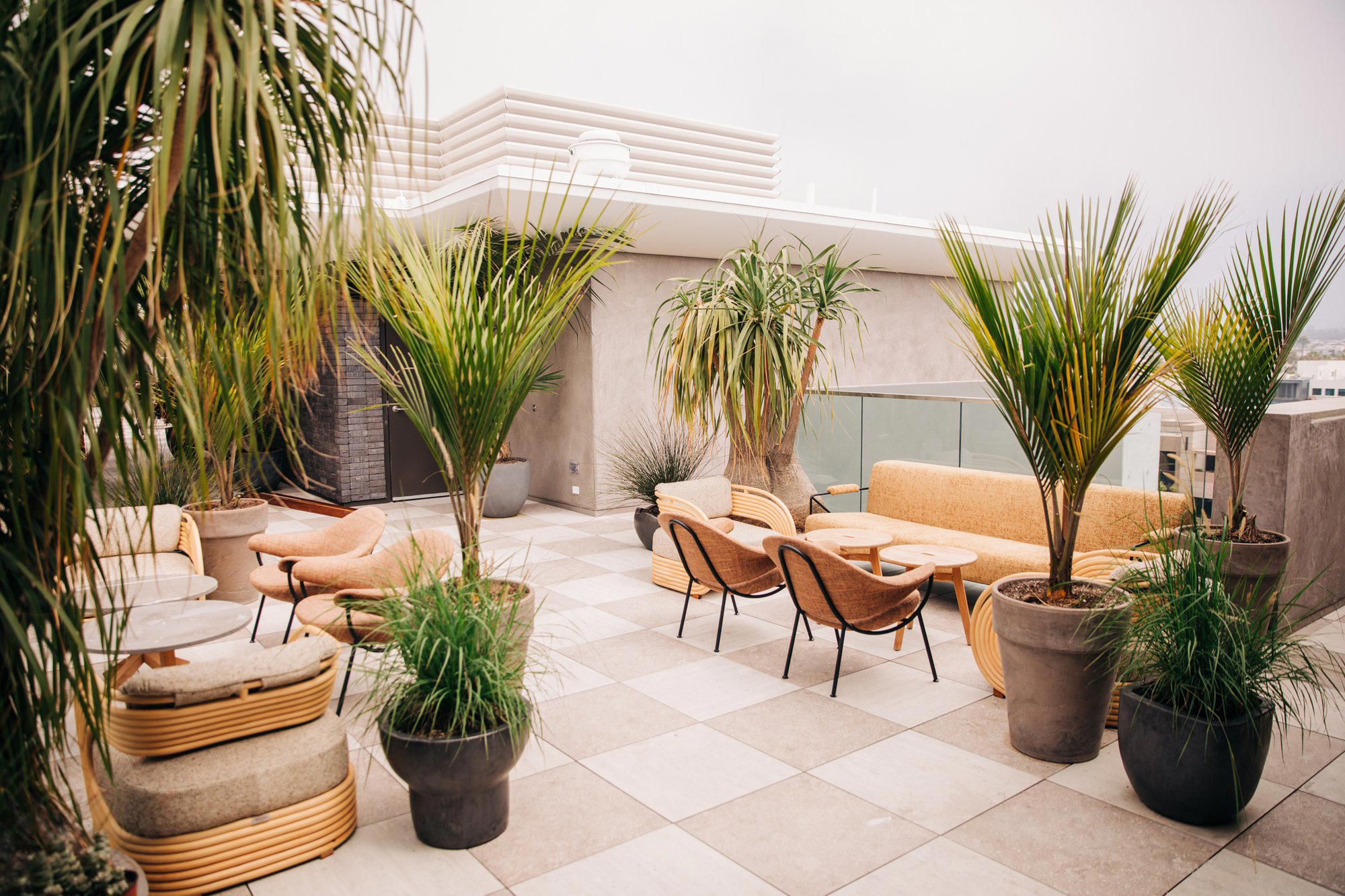
Santa Monica hotels operate in a market with several competing expectations. Leisure travelers want immediate access to the coast; business travelers want a calmer base than central Los Angeles; design-minded guests want a property that reads contemporary without losing California ease. The beachfront tier has to satisfy all three groups without turning into a themed resort. The architectural language that works here tends toward warm materials, open volumes, planted edges, and public rooms that can handle both morning coffee and evening drinks without changing personality too aggressively.
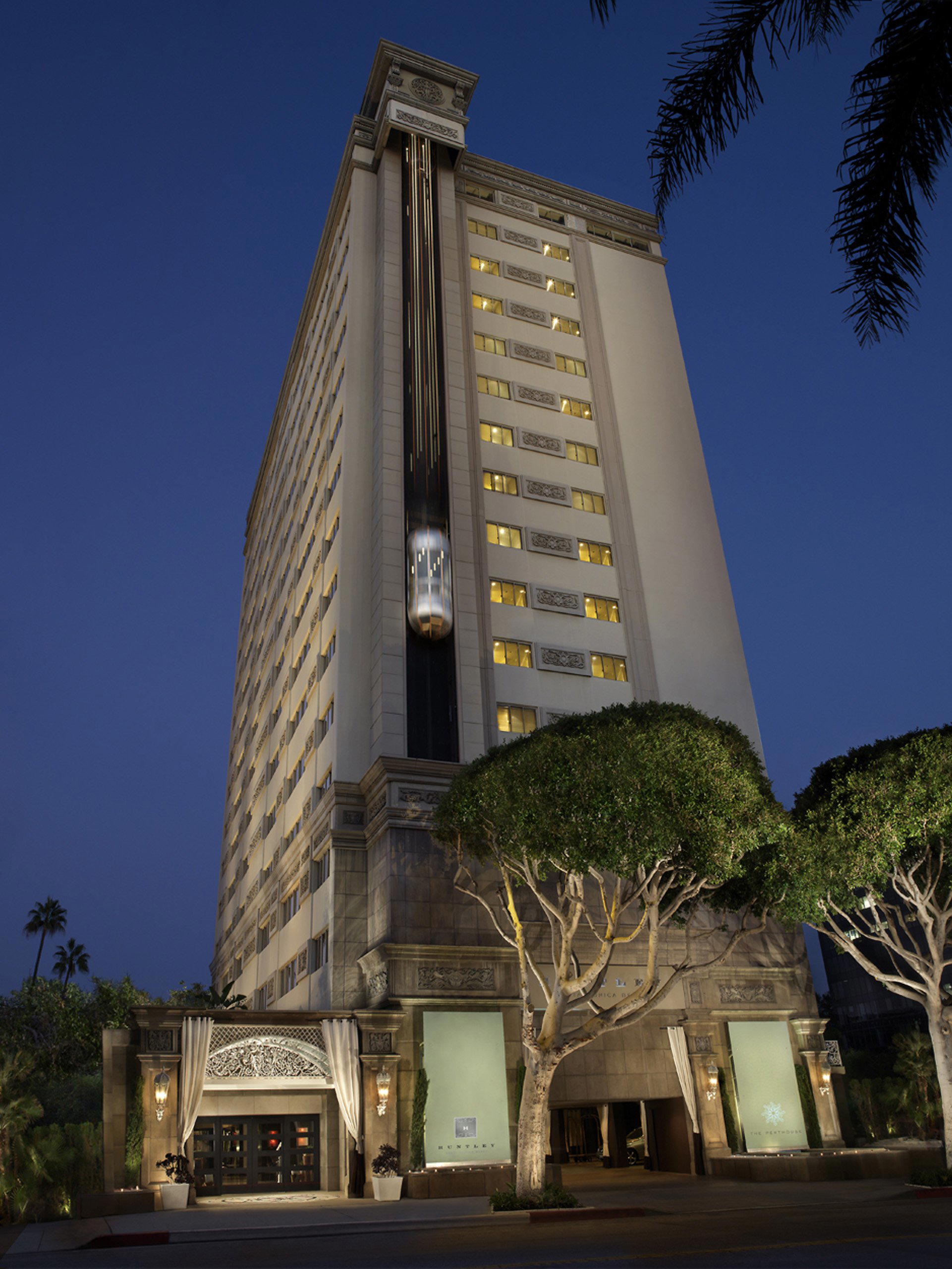
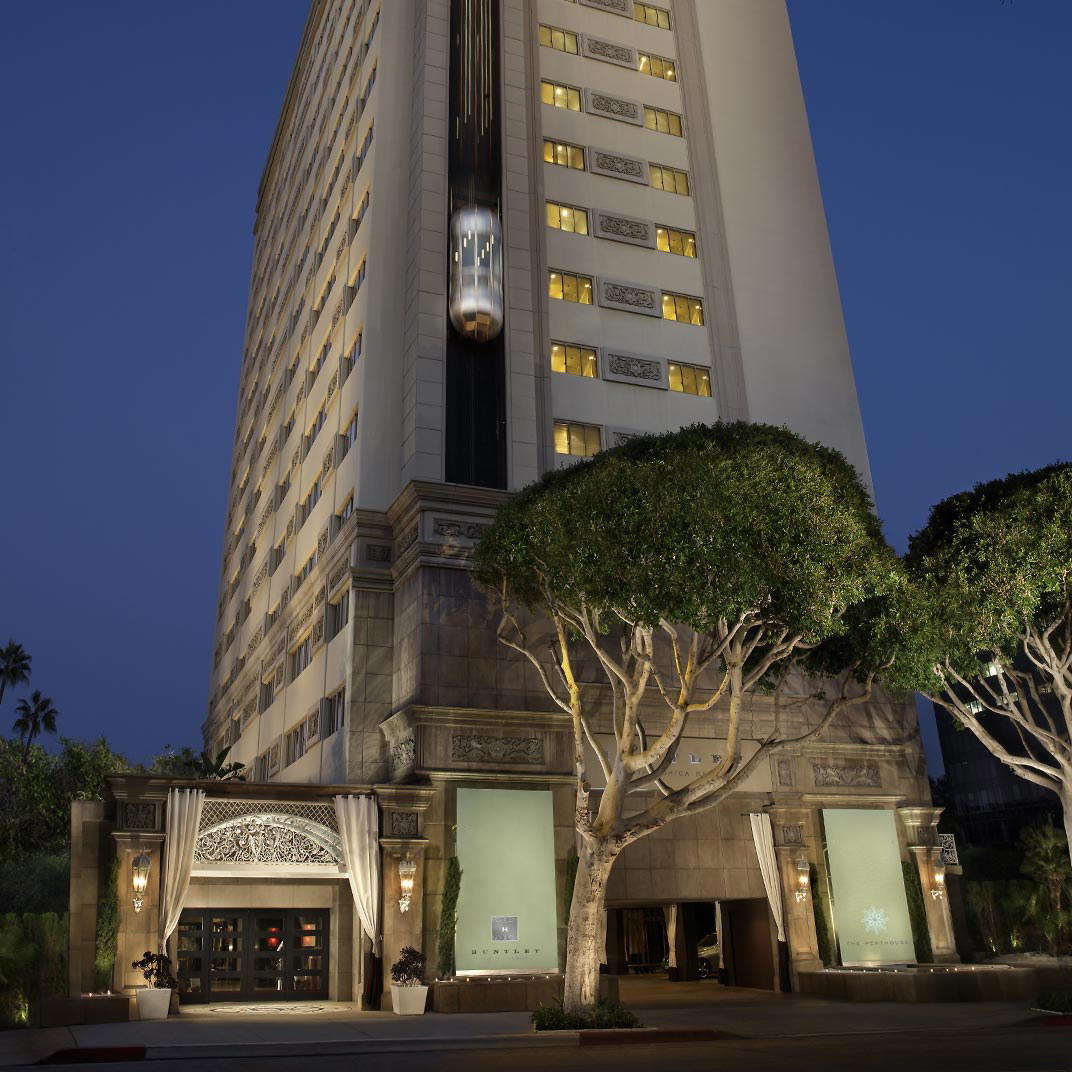
Within the local comparable set, comparison is useful. Fairmont Miramar Hotel & Bungalows carries the weight of a long-established Santa Monica address, with a campus-like identity that appeals to travelers who value heritage and grounds. Huntley Santa Monica Beach sits in the coastal-hotel lane with a more urbanized beach-city feel. Found Santa Monica belongs to a different budget and format discussion, useful for readers trying to understand how broad the city’s accommodation range has become. Regent Santa Monica Beach is best understood against the upper coastal bracket, where design, location, and service expectations do the heavy lifting.
The distinction matters because Santa Monica is not Beverly Hills by the water. The area’s hospitality culture is less about ceremonial arrival and more about controlled informality. The stronger hotels let guests move from beachwear to dinner clothes without making either feel out of place. That is a difficult design problem: polished enough for a premium rate, relaxed enough for the coast, and durable enough for year-round travel. In a city where indoor-outdoor living has become a cliché through repetition, good hotel architecture has to make that idea functional rather than merely decorative.
Design is the main story when public data is limited
The absence of a price range does not justify calling the property expensive or accessible.
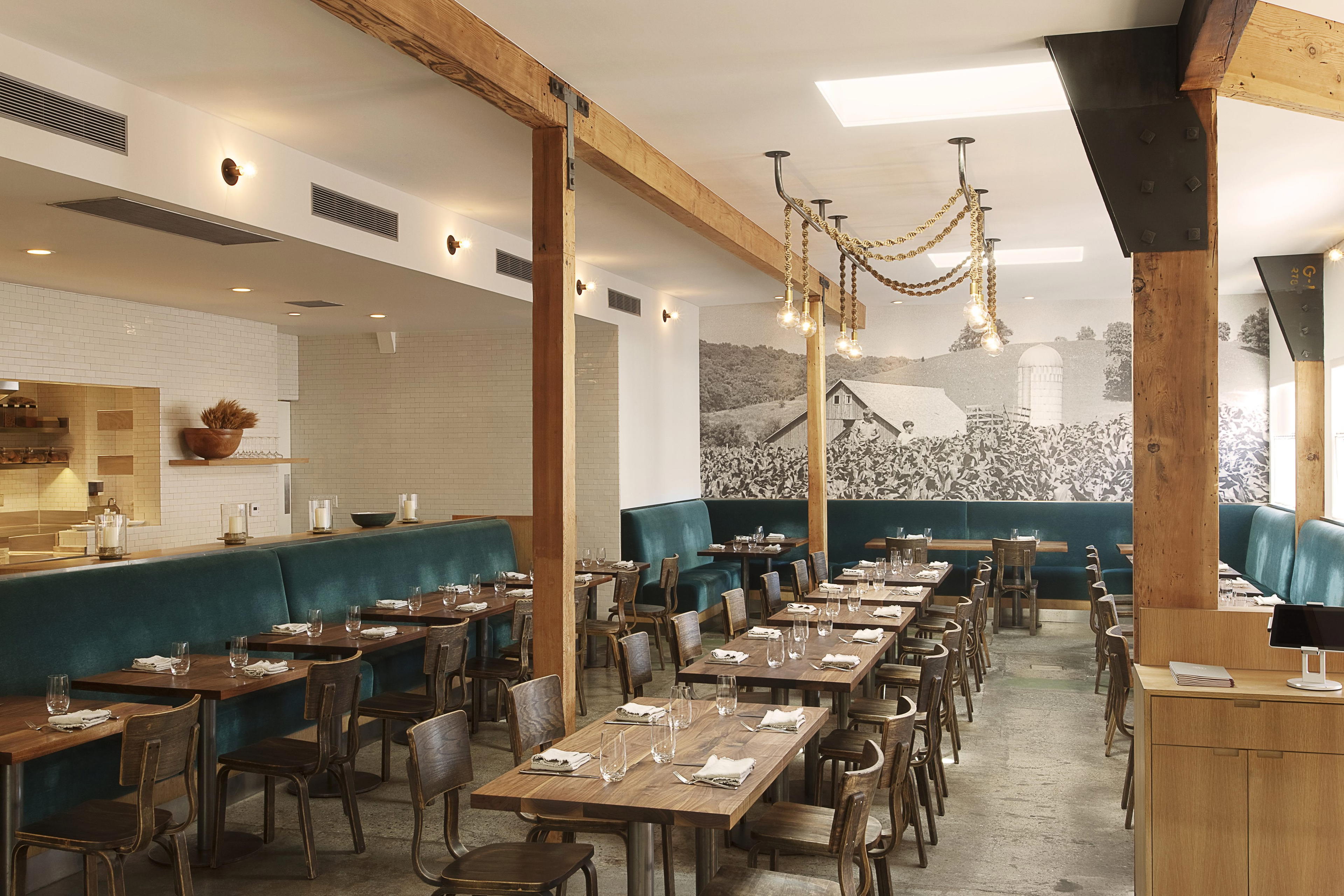
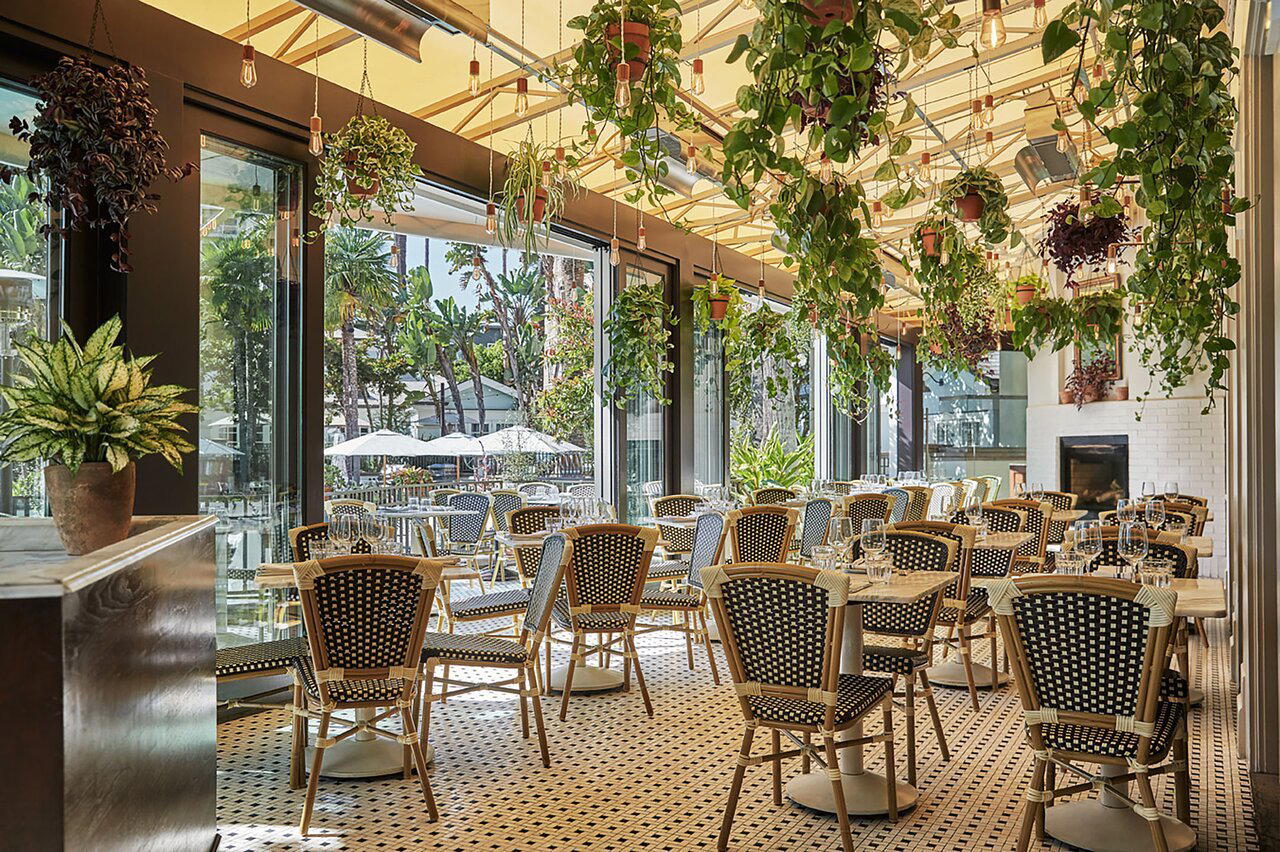
That restraint is especially important in the luxury-hotel category, where language often outruns verifiable detail. A beachfront Santa Monica hotel can be assessed through the demands of its environment: glare control, circulation between public and private areas, the relationship between lobby and coastline, and how interiors temper the sensory intensity of the beach. In coastal Los Angeles, the hotel lobby often functions as a threshold between the city’s mobility and the slower tempo of the ocean. The architecture either clarifies that transition or leaves guests feeling as if they are in a generic resort transplanted onto valuable land.
Regent Santa Monica Beach should therefore be read as part of a broader design-led shift in American luxury hospitality. Across the country, high-end hotels have moved away from purely formal grandeur and toward properties that borrow from residential architecture, wellness culture, and local materials. The Fifth Avenue Hotel in Manhattan plays the opposite urban card, using city density and historic texture as part of the guest experience; see The Fifth Avenue Hotel in New York City for that comparison. In Los Angeles, The Beverly Hills Hotel in Los Angeles remains tied to a different form of glamour, where privacy, power, and old Hollywood associations shape the reading of the property. Santa Monica asks for a lighter hand.
The coastal comparable set extends beyond California
For travelers who choose hotels by setting rather than city alone, Santa Monica belongs in a wider American resort conversation. Four Seasons at The Surf Club in Surfside uses Atlantic history and private-club atmosphere as its reference points. Little Palm Island Resort & Spa in Little Torch Key shifts the appeal toward seclusion and island logistics. Kona Village, A Rosewood Resort in Kailua Kona sits in the Hawaiian resort tradition, where landscape and cultural context carry heavier responsibility. Santa Monica is denser, more public, and more urban than those examples, which changes the design brief.
California comparisons are just as revealing. Post Ranch Inn in Big Sur is defined by isolation and landscape drama; Auberge du Soleil in Napa uses vineyard country and a hillside dining culture; Meadowood Napa Valley in St. Helena belongs to the Napa estate-hotel tradition; SingleThread Farm Inn in Healdsburg connects lodging with a restaurant-led Northern California model. Santa Monica cannot rely on rural remove. Its design has to manage exposure: to the beach, to the city, and to travelers who expect Los Angeles convenience without surrendering coastal calm.
That exposure is the point. Beachfront hotels in Santa Monica succeed when they accept the city rather than conceal it. The beach path, the pier, the shopping streets, the restaurant corridors, and the wider Westside all shape the stay. A hotel here is not simply a room near the ocean; it is an architectural base for moving between leisure and urban appetite.
Where dining and drinking fit into the stay
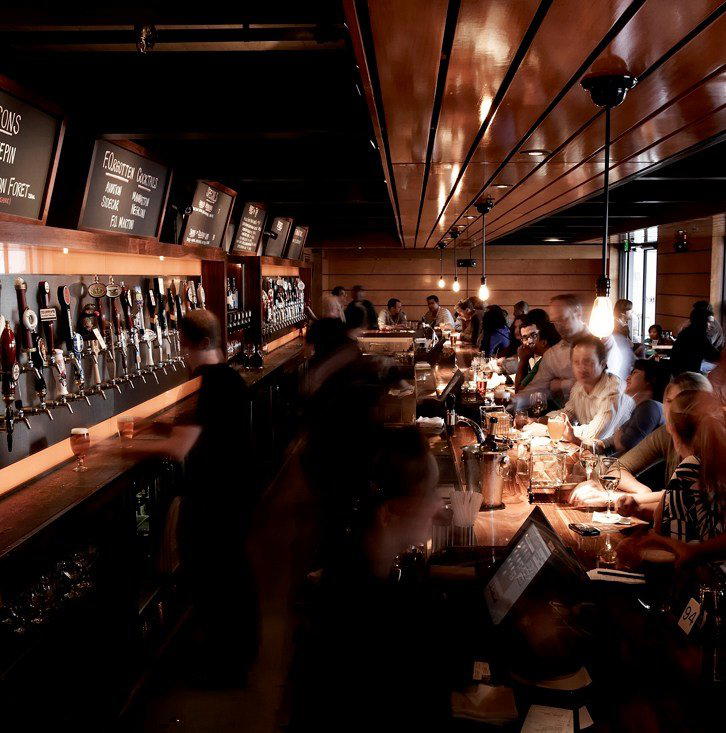
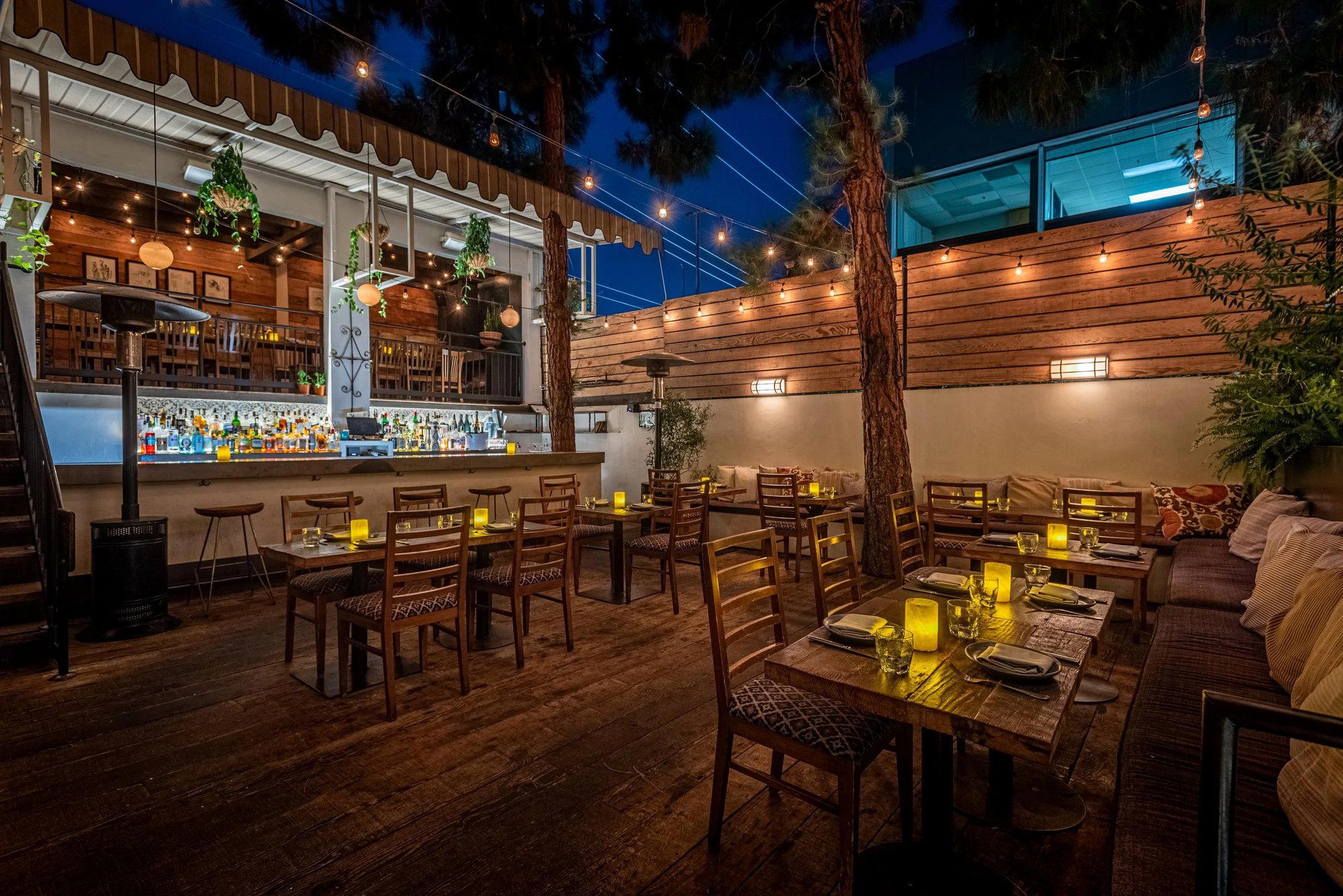
The record does not list cuisine type, chef name, signature dishes, hours, or restaurant awards for Regent Santa Monica Beach. That means the responsible editorial position is to discuss the local dining context rather than invent a hotel restaurant identity. Santa Monica has a mature restaurant culture shaped by California produce, Pacific seafood access, health-conscious daytime dining, and a strong neighborhood-drinking tradition. The city’s stronger meals often sit at the intersection of polished service and coastal informality, rather than white-tablecloth severity.
Travelers using the hotel as a base should treat Santa Monica as a walkable dining district with several different moods. Ocean Avenue and the pier area are visitor-heavy and convenient; Main Street has a more neighborhood-driven rhythm; Montana Avenue leans residential and polished; the edges toward Venice change the register again. For a broader food map, the Santa Monica restaurants guide is the more useful planning layer. For drinking, the Santa Monica bars guide helps separate hotel-lounge convenience from bars with a clearer point of view. Readers building a wider itinerary can also cross-check the Santa Monica wineries guide and the Santa Monica experiences guide, since the city often works better as a cluster of meals, beach time, and cultural stops than as a single-venue plan.
How it compares with design-led escapes elsewhere
The design angle becomes sharper when Santa Monica is compared with non-urban retreats. Amangiri in Canyon Point is built around desert quiet and monumental geology. Sage Lodge in Pray translates mountain and river country into a lodge format. Canyon Ranch Tucson in Tucson organizes the stay around wellness programming and desert climate. Troutbeck in Amenia sits in a Hudson Valley country-house tradition. These properties can lean heavily on physical distance from the city. Santa Monica cannot, and that limitation is also its advantage.
A beach hotel in Los Angeles County serves a traveler who wants contrast without long transfers: ocean in the morning, Westside restaurants at night, museum or shopping time in between, and an airport-accessible base compared with more remote coastal destinations. The architecture has to perform that dual role. It must feel sufficiently removed from the city’s pressure while acknowledging that the city is the reason many guests are there. That balancing act is why the physical space is not a decorative topic here; it is the central measure of the hotel’s relevance.
International palace hotels offer another useful contrast. Hôtel de Paris Monte-Carlo in Monte Carlo belongs to a European grand-hotel tradition tied to ceremony and civic theatre. Badrutt's Palace Hotel in St. Moritz is shaped by Alpine seasonality and social history. Aman Venice in Venice uses the palazzo as its architectural grammar. Santa Monica’s version of luxury is younger in tone, more casual in movement, and more dependent on climate and light than on formal procession.
Planning the stay: what the current record confirms, and what it does not
The confirmed information is Regent Santa Monica Beach in Santa Monica, California, United States. Availability, rates, cancellation rules, restaurant access, spa access, and arrival logistics should be confirmed before dates are fixed.
Summer brings higher beach demand and heavier leisure traffic. Late spring and early autumn often suit travelers who want coastal weather with less peak-season pressure. Winter can be calmer and more value-sensitive across parts of coastal Los Angeles, though rates and demand vary by holidays, events, and school calendars. The practical advantage of Santa Monica is that the beach remains part of the experience year-round, but the mood of the city changes substantially between a July weekend and a midweek stay in February.
For broader lodging comparison within the city, Our full Santa Monica hotels guide is the natural next reference point. For readers assembling a wider North American luxury-hotel itinerary, Raffles Boston in Boston shows how a new urban luxury tower reads in a different climate and city structure. The comparison clarifies Santa Monica’s appeal: beach access, Westside mobility, and a design brief shaped by coastal light rather than vertical city drama.
In Context
Comparable venues nearby, for context on price, style, and recognition.
| Venue | Price | Awards | Notes |
|---|---|---|---|
| Regent Santa Monica BeachThis venue — the venue you are viewing | $$$$ | 5-Star | Not listed |
| Maison Twenty Seven | $$$$ | 4-Star | Santa Monica, Historic Mediterranean Revival villa with contemporary residential suites |
| The Huntley Hotel | $$$$ | 4-Star | Santa Monica, polished coastal luxury with modern seaside design |
| Hotel Oceana -- Santa Monica | $$$$ | 5-Star | North of Wilshire Boulevard, Santa Monica, Contemporary Mediterranean-influenced beachside residence designed as a home-away-from-home with mid-century modernist elements and Hollywood glamour references. |
| Fairmont Miramar Hotel & Bungalows | $$$$ | 5-Star | Wilshire/Montana Neighborhood Coalition, Luxury beachfront resort combining historic California elegance with modern amenities, featuring both traditional hotel rooms and private bungalows in a garden setting. |
| The Pierside Santa Monica | $$$ | 4-Star | Santa Monica, Surf-inspired boutique retreat |
Continue exploring
More in Santa Monica
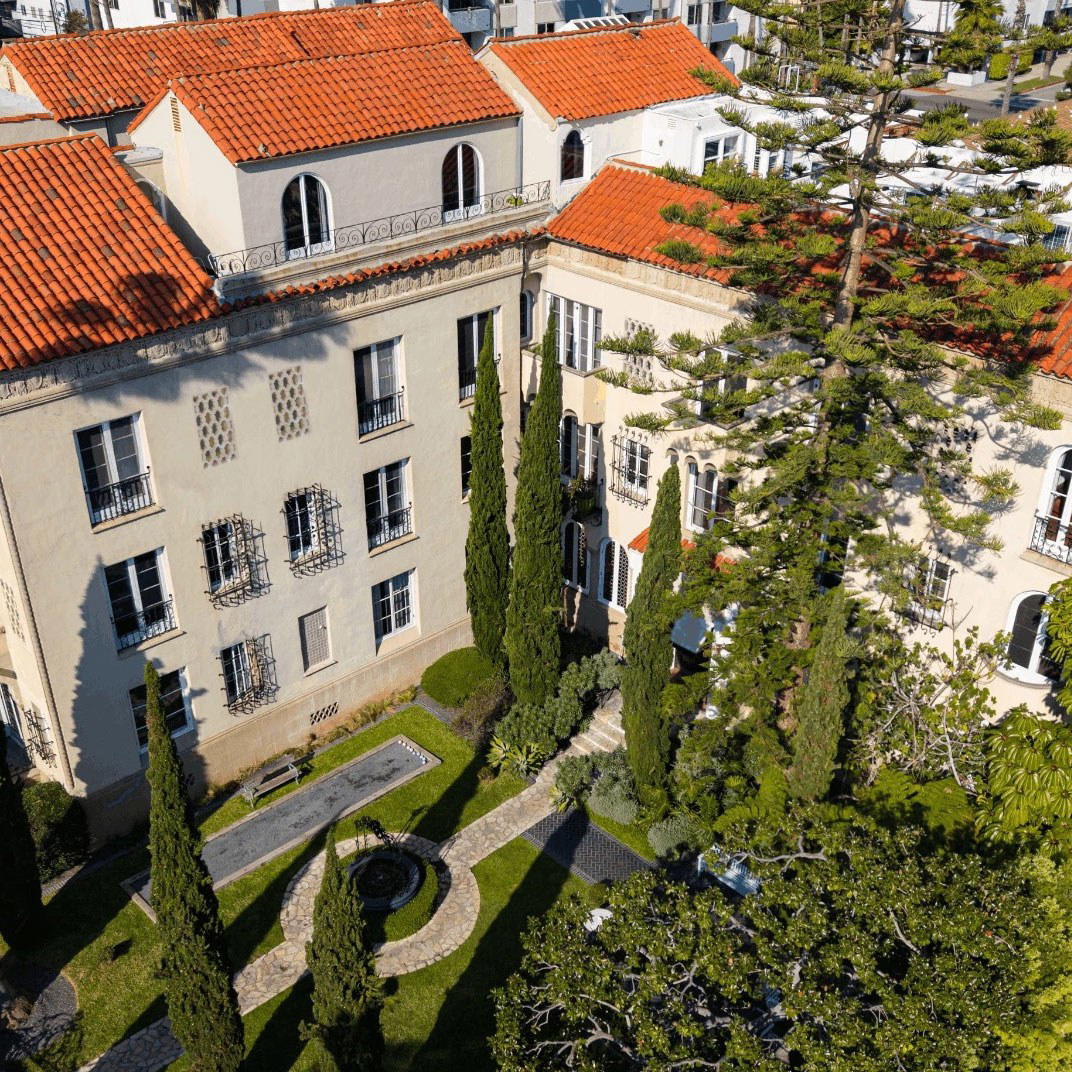
Hotels in Santa Monica
Browse all →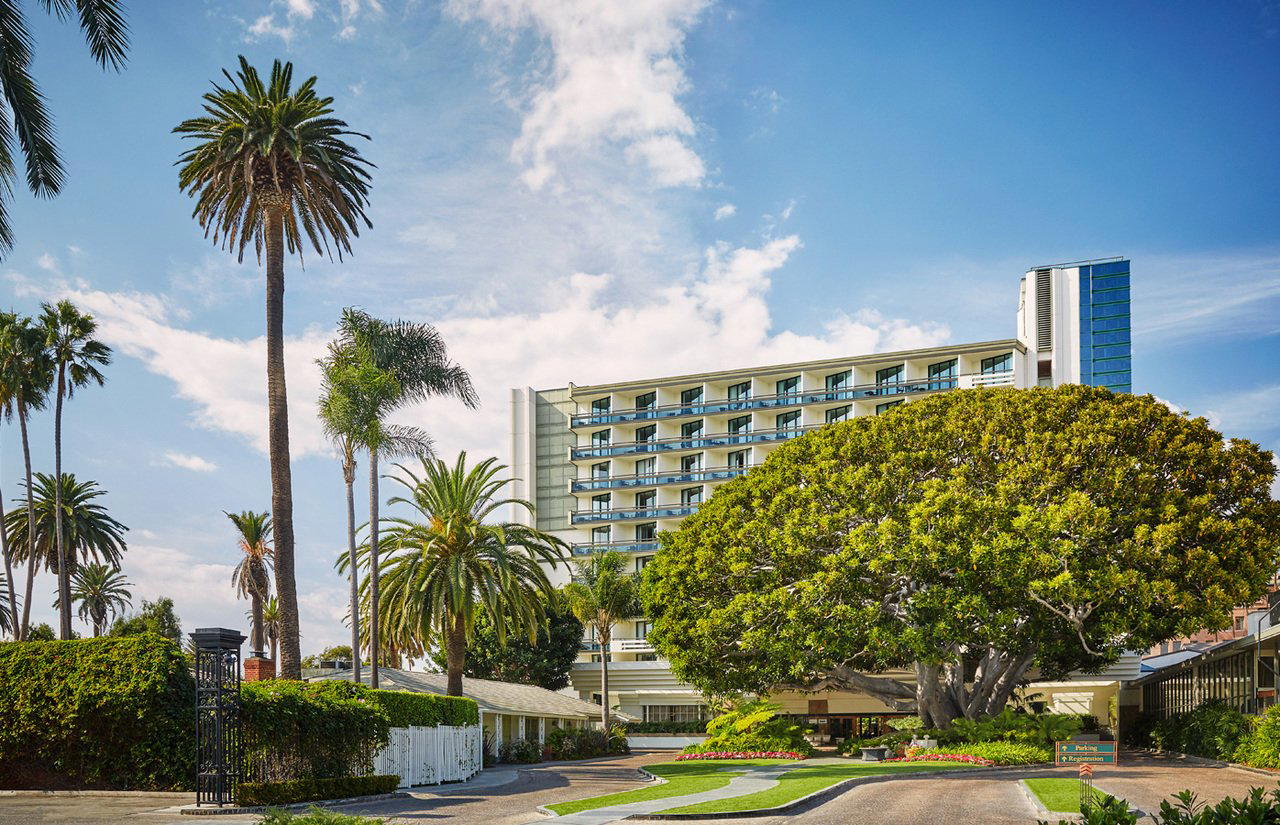
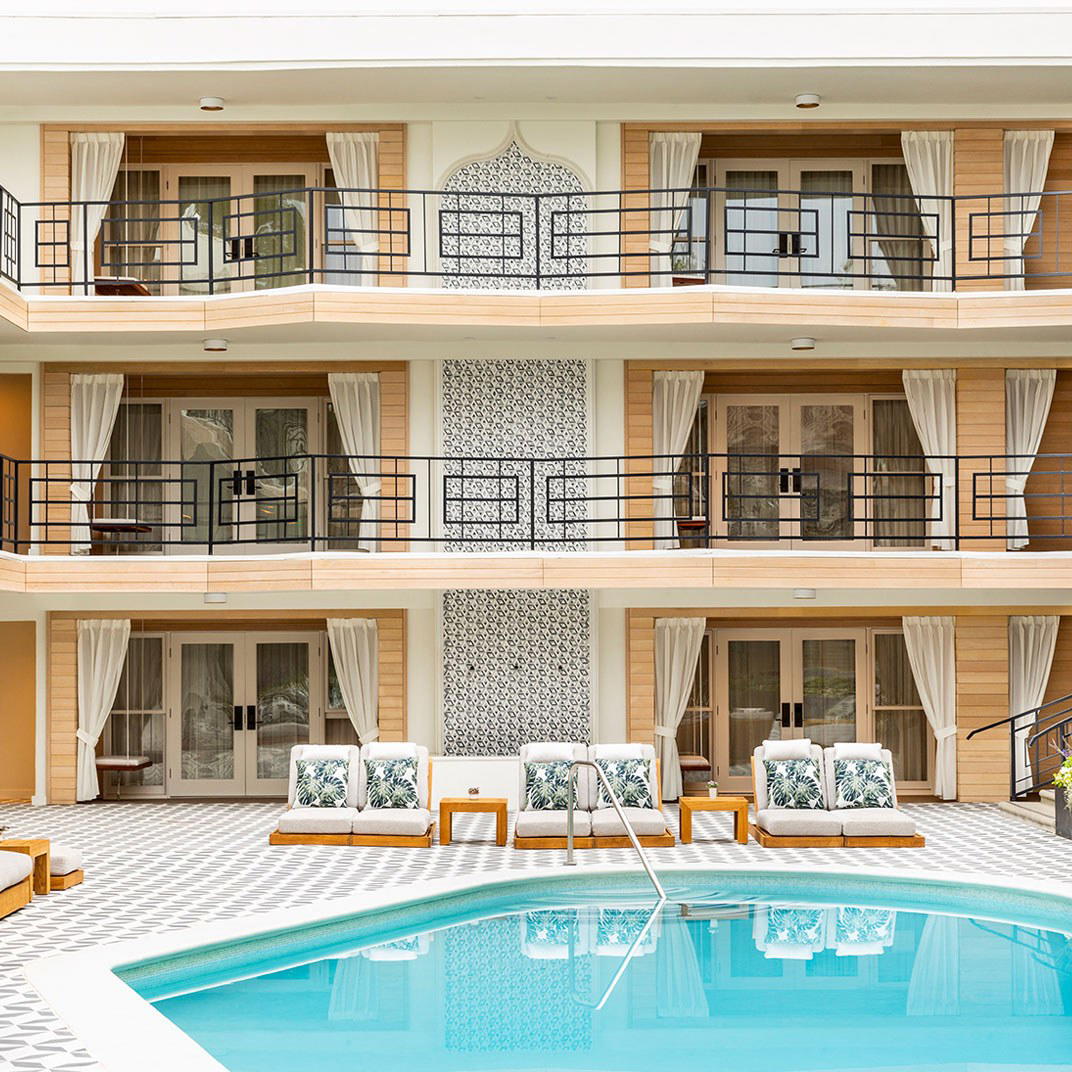
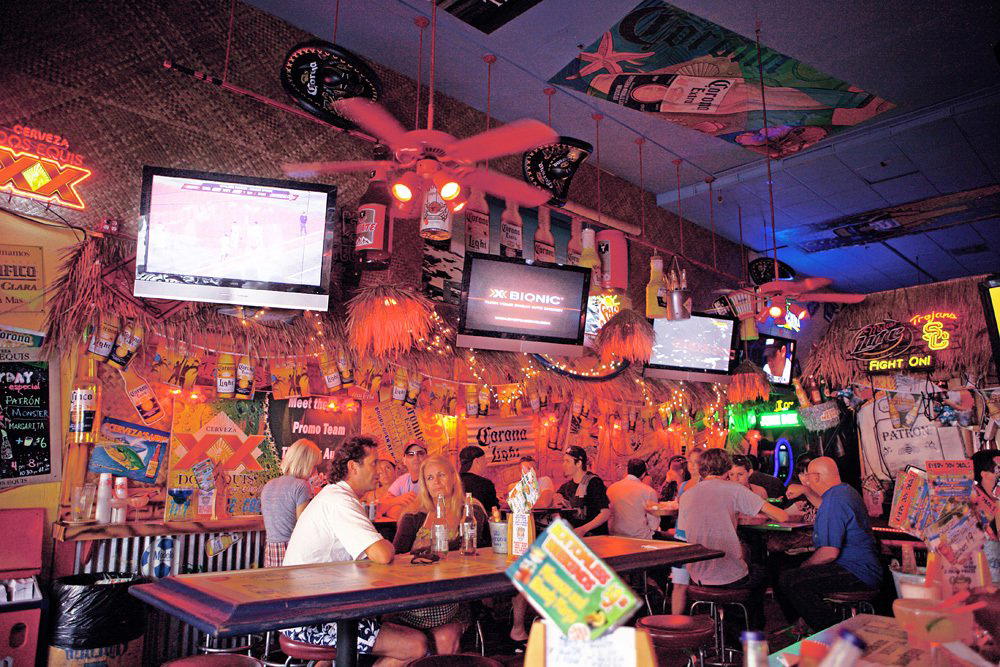
Bars in Santa Monica
Browse all →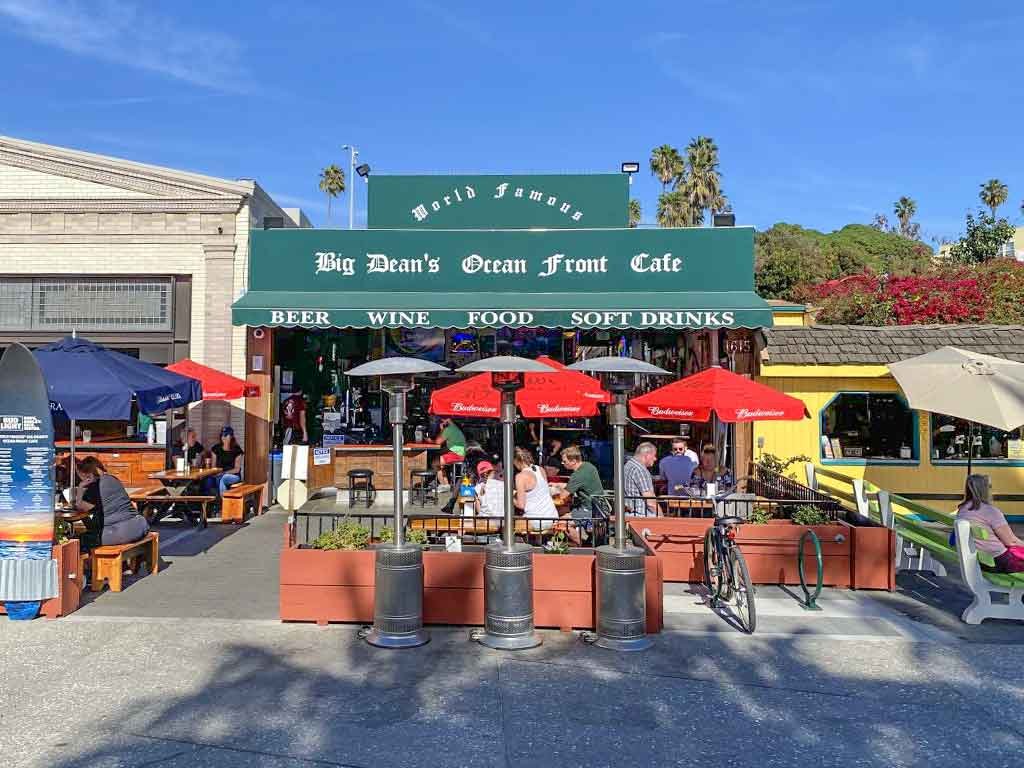
At a Glance
- Ornate
- Elegant
- Scenic
- Sophisticated
- Modern
- Romantic
- Honeymoon
- Romantic Getaway
- Family Vacation
- Weekend Escape
- Wellness Retreat
- Destination Wedding
- Beachfront
- Waterfront
- Destination Spa
- Panoramic View
- Terrace
- Design Destination
- Private Dining
- Wi Fi
- Pool
- Spa
- Fitness Center
- Room Service
- Concierge
- Business Center
- Valet Parking
- EV Charging
- Kids Club
- Beach Access
- Waterfront
- Skyline
- Wi Fi
- Pool
- Spa
- Fitness Center
- Room Service
- Concierge
- Business Center
- Valet Parking
- EV Charging
- Kids Club
- Beach Access
Upscale, resort-style atmosphere blending contemporary nautical-inspired design with soft coastal colors, refined finishes, and an energetic yet polished beachfront scene around the pool and restaurants.